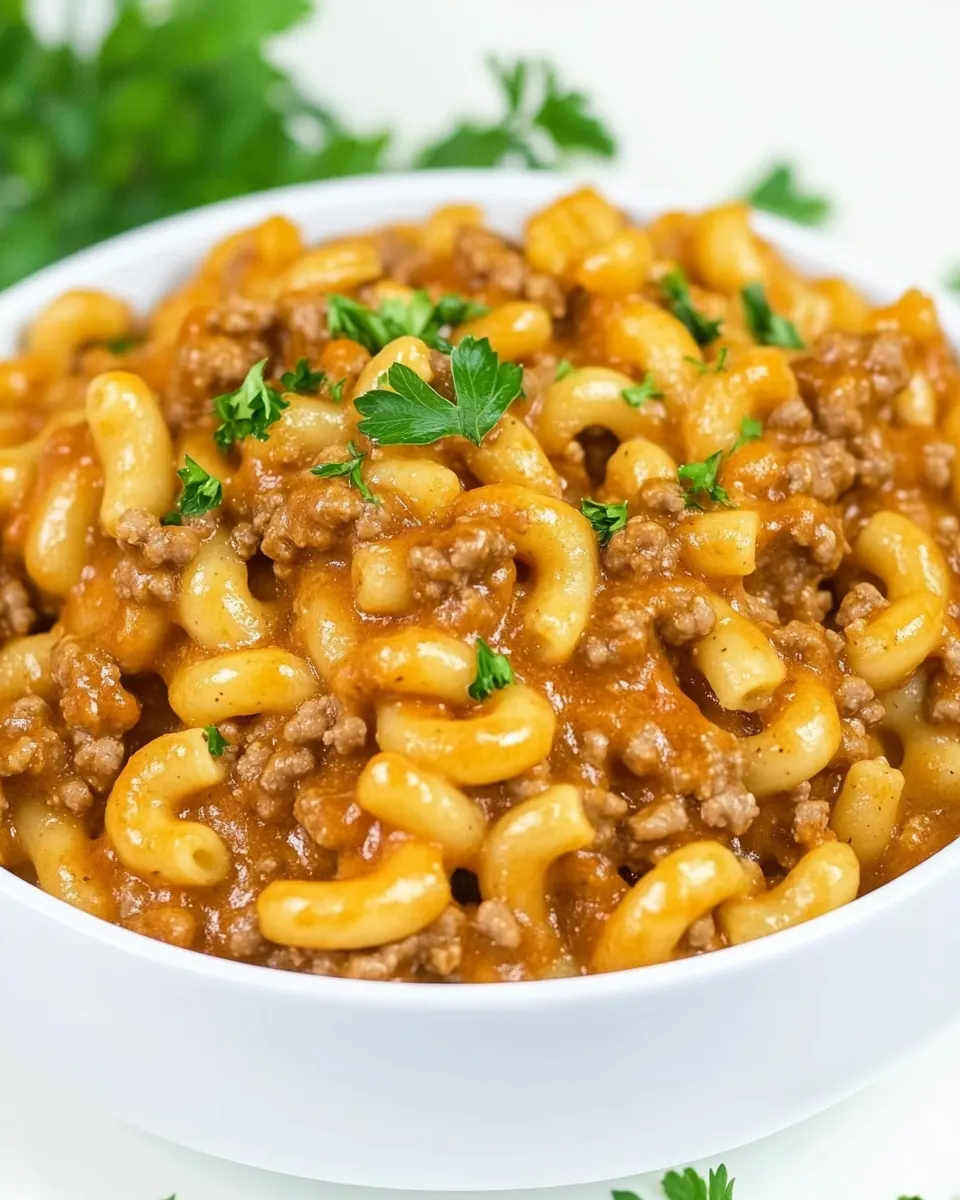
Homemade Hamburger Helper
Homemade Hamburger Helper is the kind of dinner I reach for when the week has been long and everyone needs something warm on the table, fast. I remember the first time I made this for my family, juggling work calls and a kid who insisted on telling me about every single schoolyard debate, and somehow the pot of bubbling pasta and beef calmed the whole evening. It felt like a small miracle, the kind of meal that says you care without demanding a second mortgage or an entire Saturday.
Over the years I have learned to treat this dish like a blank canvas rather than a fixed product. Some nights I chop in tiny carrots for extra color, other evenings I let the spices sing louder and go easy on the tomato. What never changes is the comfort it delivers, the way the cheddar cheese folds into the pasta and beef to create that creamy, slightly sticky texture that begs for a forkful more. When time is scarce and taste still matters, this recipe is my secret handshake with the family.
Recipe Snapshot
40 mins
5 mins
35 mins
Easy
500 kcal
American
Keto, Gluten-Free
Dinner
Large soup pot, Wooden spoon
Why This Homemade Hamburger Helper Shines
Reliable weeknight winner
I turn to Homemade Hamburger Helper when I need a meal that lands at the table quickly and satisfies everyone. There is a steady, warming aroma that fills the kitchen while the pasta cooks in the seasoned broth, and that sense of immediacy is priceless on busy nights.
Big on comfort, low on fuss
This recipe strips dinner down to a few honest elements, and that simplicity is its strength. The combination of ground beef, broth, and cheddar cheese creates a creamy mouthfeel without a long ingredient list, which means fewer dishes and more time to breathe after work.
Flexible and forgiving
I love how adaptable it is. If you want a milder palette for kids, dial back the smoked paprika. If you need a bit more depth, a touch more Worcestershire sauce lifts the savory notes. This forgiving nature makes it perfect when you are improvising with what you have on hand.
Textural satisfaction
The contrast between tender elbow macaroni and crumbly browned ground beef is what keeps this dish from feeling one note. The melting cheddar cheese ties the components together, giving the dish a cohesive, spoonable quality that everyone reaches for.
Kid friendly without being bland
There is a comforting sweetness from the tomato paste balanced by savory broth and a hint of smoked paprika, which keeps kids happy while still satisfying adult palates. It hits that sweet spot where picky eaters and grown up tastes coexist at the same table.
Ingredients for Homemade Hamburger Helper
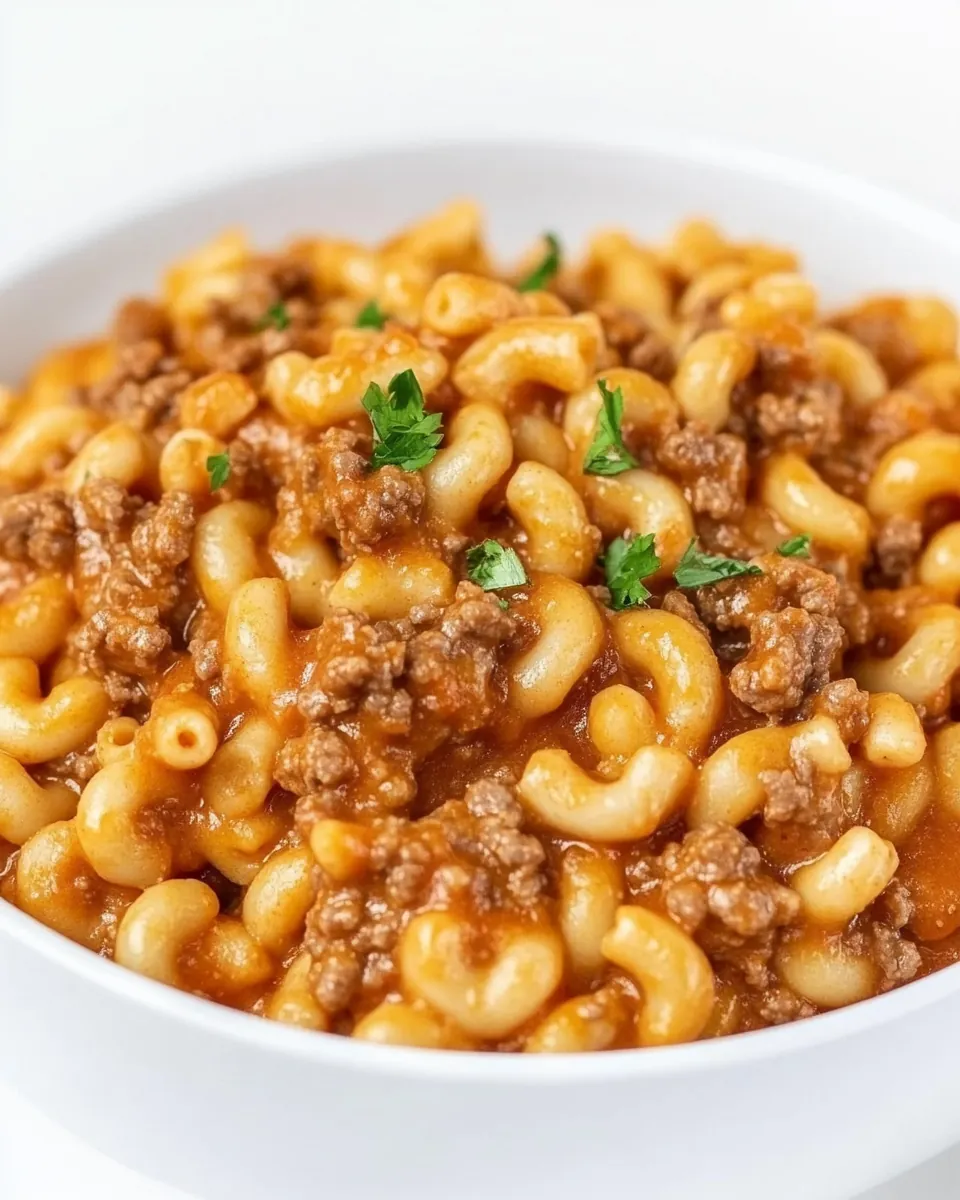
I think of the ingredient list as a chorus, where each part has a voice and a role. The broth and tomato paste form the base melody, the ground beef provides depth and heart, while the cheddar cheese brings warmth and creaminess. Together they create a simple, balanced dish that is hearty without being heavy.
- 1 lb lean ground beef 90/10 if possible: Brown and crumble to develop rich savory flavor while rendering fat; provides the primary protein and hearty texture that forms the base of the dish. Cook until just browned to keep the beef moist and prevent toughness during simmering. Season lightly while cooking to build layers of flavor that will marry with the sauce.
- 1 tbsp garlic minced: Mince finely and sauté briefly to release pungent, aromatic oils that deepen the sauce's complexity. Adds a bright, garlicky note that complements the beef and tomato elements without overpowering them. Stir in early so the garlic infuses the cooking fat and evenly distributes flavor throughout.
- 4 cup beef broth you can use low sodium: Pour in as the main liquid component to create a savory, beefy sauce and to simmer the pasta until tender. Contributes umami and saltiness that enhance the overall richness of the dish; low-sodium broth can be used to control salt levels. Adjust quantity slightly if needed to achieve desired sauce thickness.
- 1/2 cup water: Add to thin the sauce and help the pasta cook evenly while balancing the intensity of the broth. Provides dilution to prevent the sauce from becoming overly concentrated or salty, ensuring a smoother consistency. Use measured amounts to maintain the intended final texture.
- 6 oz tomato paste: Stir in to lend concentrated tomato flavor, body, and a touch of acidity that brightens the dish. Thickens the sauce and helps it cling to macaroni and beef, creating a cohesive, creamy mouthfeel. Mix thoroughly to incorporate and avoid streaks of intense tomato flavor.
- 1 tbsp onion powder: Sprinkle early to offer mellow onion aroma and consistent savory background without adding moisture. Enhances overall depth and rounds out flavors, especially when fresh onions are not used. Use sparingly to avoid overpowering subtler seasonings.
- 2 tsp Worcestershire sauce: Drizzle to introduce tangy, savory depth and a hint of umami that amplifies the beefiness. Balances sweetness from tomato paste and rounds out flavors, giving the sauce a more complex profile. Add during simmering so the flavor melds into the sauce.
- 2 tsp smoked paprika: Dust on to contribute a warm, smoky element that elevates the overall savory profile and adds subtle heat. Compliments the beef and tomato notes while lending a slightly charred, aromatic character. Use as a primary seasoning for a gently smoky flavor.
- 2 tsp dried parsley: Sprinkle to provide subtle herbal brightness and visual appeal that lightens the rich sauce. Adds gentle, savory leafy notes that balance heavier components like beef and cheese. Use towards the end of cooking to preserve some of the herb's aroma.
- 1 tsp black pepper: Season to offer a sharp, slightly biting undertone that enhances overall flavor clarity and balance. Helps to heighten other seasonings and bring out the natural tastes of beef and cheese. Add incrementally and taste to reach preferred intensity.
- 1 1/2 cup elbow macaroni uncooked: Cook uncooked to absorb the sauce and swell, providing the classic tender, slightly chewy pasta component. Acts as the starchy framework that captures sauce and melds with cheese and beef for the familiar casserole-like texture. Stir during simmering to prevent sticking and ensure even cooking.
- 2 cup cheddar cheese shredded: Fold in shredded to create a creamy, melty finish that binds the sauce and pasta together with rich, tangy dairy flavor. Provides gooey texture and savory richness that makes the dish comforting and satisfying. Add off heat or at low heat to melt evenly without separating.
The Method for Homemade Hamburger Helper
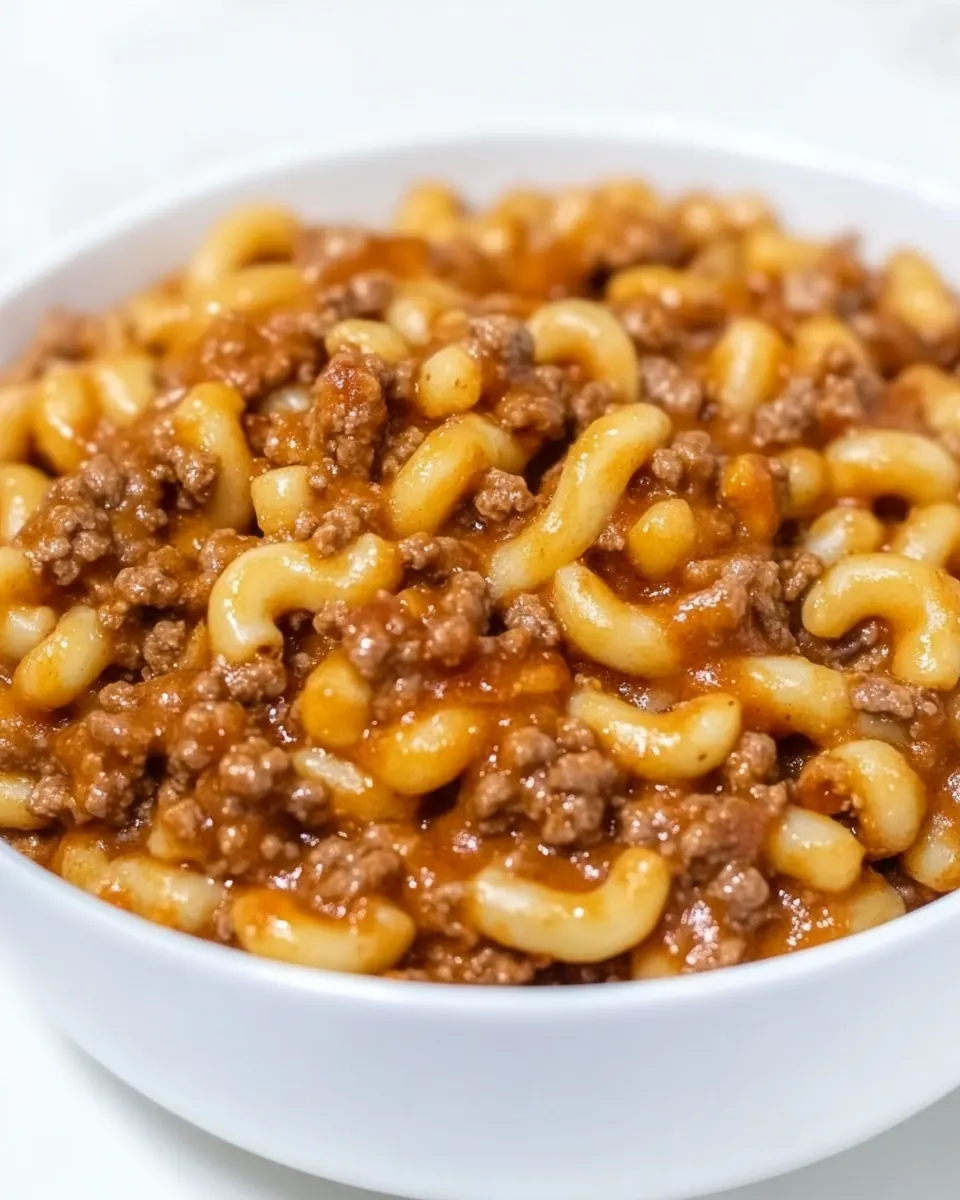
We are going to walk through this like I would when I stand at my own stove, talking you through the little signs of progress that matter. The goal is to build layers of flavor while keeping the process approachable. Have your measuring tools and a sturdy spoon handy, and let the pot do most of the work.
- In a large soup pot (4 to 5.5 quart is good), on medium-high heat, brown the ground beef and garlic. Drain any fat or liquid (there won’t be much since we’re using lean meat).: The kitchen will fill with a rich, savory aroma as the ground beef sizzles and develops brown, caramelized bits, those fond pieces are flavor gold for the sauce; you want the meat to lose its raw pink hue and take on small brown flecks, and the minced garlic should become fragrant without burning, releasing a sweet, toasty scent. Use a wooden spoon to break the meat into small pieces so it browns evenly, and avoid crowding the pot which would steam the meat instead of browning it. A common mistake is turning the meat too often, which prevents proper browning, so give it space for a minute before stirring. If excess liquid accumulates, tilt the pot and spoon it away or briefly raise the heat to evaporate it, but be careful not to scorch the bits on the bottom.
- When the beef is completely cooked, add the beef broth, water, tomato paste, onion powder, Worcestershire sauce, smoked paprika, dried parsley and black pepper. Keep the temperature at medium-high heat. (This may look like a lot of fluids, but it is needed to properly cook the pasta): After browning you will notice a small pool of rendered liquid, which can make the final sauce greasy if left in place, so carefully pour off or spoon out excess fat while the pot is off the heat to keep the sauce clean and bright. The smell after draining is lean and meaty, and the pot should show browned fond that will dissolve into the upcoming liquids. If you skip draining with fattier meat the sauce can separate, becoming oily and flat in flavor, so this step improves texture noticeably. Save only a tablespoon or so of drippings if you want extra depth, but avoid too much which will coat the pasta unpleasantly.
- Once the beef mixture reaches a rolling boil, reduce the heat to medium.: Once you add the beef broth and the other seasonings, steam and savory aromas mingle as the broth lifts the browned bits from the pan, creating a richer tasting base; the tomato paste dissolves into the liquid, lending body and a slightly tangy backbone while the spices build aromatic layers. Stir vigorously to integrate the paste and powders so there are no clumps, and keep the heat at medium-high to bring everything toward a boil. A common error here is adding the pasta too soon before the flavors have had a moment to marry, which can result in uneven seasoning; letting the liquids mingle for a couple of minutes helps the taste cohere. If the mixture feels too thick, a splash of extra water can loosen it, but do so sparingly to avoid diluting flavor.
- Add the elbow macaroni and cook for about 20 to 25 minutes. Stir often and make certain the pasta does not stick to the bottom of the pan.: Maintaining a steady medium-high simmer encourages the flavors to concentrate while preventing a frantic boil that can break down starches too quickly, you will see lively bubbles rising and aromas intensifying as the sauce prepares the pasta for cooking. This temperature helps the pasta absorb flavor evenly and discourages clumping, because the movement in the pot keeps pieces separate. If the pot begins to boil too vigorously, lower the heat slightly, as an aggressive boil can make the liquid evaporate too fast and leave the pasta undercooked. Watch for foaming or aggressive bubbling, which suggests the heat should be tempered to keep the texture balanced.
- Once the noodles are tender, remove the pan from the heat and add the shredded cheese a 1/2 cup at a time. Stir well after adding each 1/2 cup.: As the pot hits that full rolling boil you will notice broader, consistent bubbles and steam rising steadily, signaling it is time to drop the heat to medium so the pasta can cook gently; this reduces violent movement that might cause the pasta to foam up or the liquid to escape the pot. A gentler simmer allows the starches released by the elbow macaroni to thicken the sauce slowly, creating a silky mouthfeel. A typical mistake is leaving the heat too high and ending up with unevenly cooked pasta or a sauce that separates, so adjust and maintain a steady simmer.
- Add the elbow macaroni and cook for about 20 to 25 minutes: When the elbow macaroni hits the pot you will hear a softer, steady bubble and see the shapes bob as they hydrate and swell; stirring often prevents them from clumping and ensures they soak up the savory broth fully, resulting in tender pasta with concentrated flavor. Taste a piece at around 18 minutes to judge doneness, as pasta brands vary, and look for an al dente center that is tender but not mushy. A common oversight is under stirring, which causes the pasta to stick to the bottom and scorch, so use a sturdy spoon and scrape the bottom regularly while cooking. If the liquid level drops too low before the pasta is tender, add a few tablespoons of hot water to continue cooking without cooling the pot too much.
- Stir often and make certain the pasta does not stick to the bottom of the pan: Regular stirring creates a consistent texture and prevents hot spots where the pasta might cling and burn, you should notice the sauce thicken as the pasta releases starch, turning the liquid into a cohesive coating. The sound shifts from vigorous bubbling to a steadier simmer, and the aroma becomes richer; if you see small browned bits forming on the base, scrape them up promptly to incorporate their flavor. Neglecting this step risks a scorched pan and bitter notes in the final dish, so treat stirring as a small investment in flavor. If the pot begins to stick despite stirring, lower the heat and add a splash of hot water, then continue gently.
- Once the noodles are tender remove the pan from the heat and add the shredded cheese a 1/2 cup at a time: Off the heat, the residual warmth melts the cheddar cheese slowly, producing a glossy, creamy sauce without the risk of the cheese separating into an oily, grainy mess; add the cheese in increments and stir between additions to create a smooth emulsion. The texture will shift from brothy to luxuriously thick, and the smell will take on that familiar cheesy warmth that invites everyone to the table. Adding cheese while the pot is too hot is a frequent misstep leading to clumping, so let the pan cool briefly before incorporating it. If the sauce seems too thick after all cheese is in, a tablespoon of hot water will loosen it to a spoonable consistency.
- Stir well after adding each 1/2 cup: Each addition should be fully integrated before the next, producing a consistent mouthfeel and avoiding pockets of unmelted cheese; as you stir you will see the sauce become silkier and slightly glossy, coating the pasta in a uniform way. This patient process yields a creamy finish that clings to each piece of elbow macaroni , ensuring every bite is balanced. Rushing this step can leave clumps that detract from the smooth texture, so take the extra minute to fold the cheese in thoroughly. If you do get small clumps, continue stirring off heat and they will usually melt into the sauce.
Making Adjustments
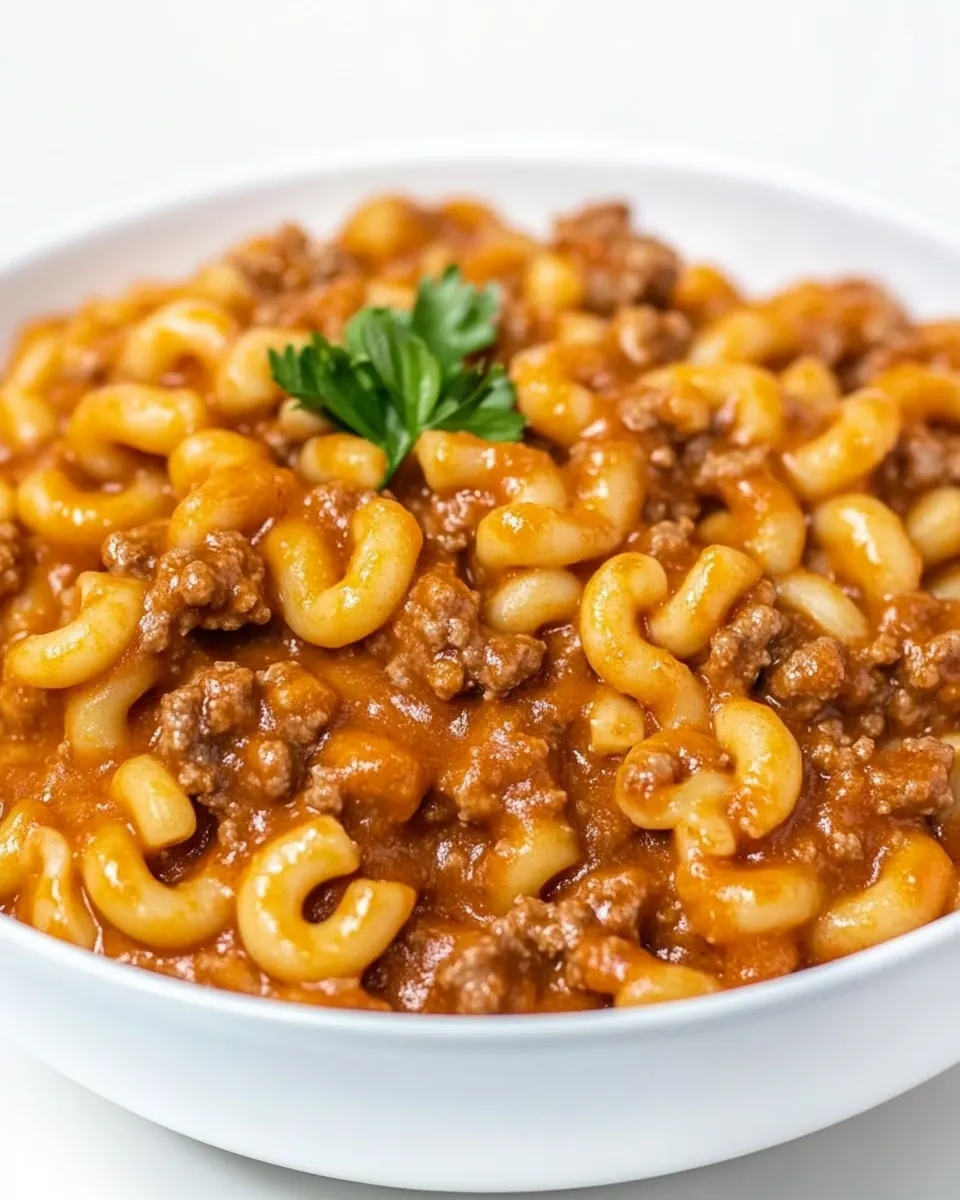
This section helps you tweak the recipe to match your pantry and preferences, while keeping the core flavors intact. I have included a set of practical adjustments that I use at home depending on what I have on hand and who I am feeding.
- Control the salt, use low sodium beef broth or adjust salt near the end after tasting, because the cheddar cheese and Worcestershire sauce can add more sodium than you expect.
- Vegetable additions, finely chopped carrots or peas can be stirred in near the end to add color and nutrition, and they blend pleasantly without changing the core flavor profile.
- Cheese choice, sharper cheddar cheese increases tang and depth, while milder versions create a creamier, less assertive finish — choose based on your crowd.
- Spice level, to nudge heat add a pinch of cayenne or a sprinkle of black pepper, but add in small increments and taste as you go so you do not overwhelm the other flavors.
- Make ahead, cook through the point of adding cheese, cool quickly, refrigerate, and reheat gently with a splash of water, stirring until creamy; avoid high heat to prevent separation.
How to Enjoy Homemade Hamburger Helper
This dish is built for casual, cozy meals with straightforward accompaniments that enhance rather than compete with it. Think easy sides and relaxed occasions where everyone wants something satisfying and familiar.
- Serve warm with a simple side salad, a crisp green salad dressed lightly balances the richness and adds a fresh, crunchy contrast.
- Family dinners, this recipe works perfectly for weeknight dinners when you need a fast, filling option that appeals to kids and adults alike.
- Meal prep, cool and refrigerate leftovers for up to three days, then reheat gently on the stove with a splash of water to restore the creamy texture.
- Potluck friendly, keep it in a warm slow cooker on low for gatherings, stirring occasionally to prevent sticking and to maintain a spoonable consistency.
- Seasonal pairing, in winter this hearty pasta pairs well with roasted root vegetables or steamed greens for a complete, comforting meal.
- Storage tip, freeze portions in airtight containers for up to two months and thaw overnight in the fridge before reheating to maintain texture.
FAQ
Conclusion
What makes this recipe special is how quickly it turns simple pantry ingredients into a warm, creamy, family friendly meal. It balances savory browned ground beef, seasoned broth, tender elbow macaroni, and melty cheddar cheese for a satisfying texture and flavor that feels like a hug in a bowl. Give it a try on a hectic weeknight and notice how a single pot can soothe the evening and bring everyone to the table with minimal fuss.
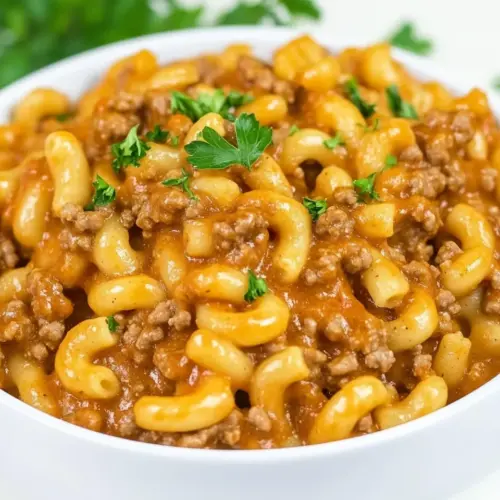
Homemade Hamburger Helper
Equipment
- Large soup pot
- Wooden Spoon
Ingredients
- 1 lb lean ground beef 90/10 if possible Brown and crumble to develop rich savory flavor while rendering fat; provides the primary protein and hearty texture that forms the base of the dish. Cook until just browned to keep the beef moist and prevent toughness during simmering. Season lightly while cooking to build layers of flavor that will marry with the sauce.
- 1 tbsp garlic minced Mince finely and sauté briefly to release pungent, aromatic oils that deepen the sauce's complexity. Adds a bright, garlicky note that complements the beef and tomato elements without overpowering them. Stir in early so the garlic infuses the cooking fat and evenly distributes flavor throughout.
- 4 cup beef broth you can use low sodium Pour in as the main liquid component to create a savory, beefy sauce and to simmer the pasta until tender. Contributes umami and saltiness that enhance the overall richness of the dish; low-sodium broth can be used to control salt levels. Adjust quantity slightly if needed to achieve desired sauce thickness.
- 1/2 cup water Add to thin the sauce and help the pasta cook evenly while balancing the intensity of the broth. Provides dilution to prevent the sauce from becoming overly concentrated or salty, ensuring a smoother consistency. Use measured amounts to maintain the intended final texture.
- 6 oz tomato paste Stir in to lend concentrated tomato flavor, body, and a touch of acidity that brightens the dish. Thickens the sauce and helps it cling to macaroni and beef, creating a cohesive, creamy mouthfeel. Mix thoroughly to incorporate and avoid streaks of intense tomato flavor.
- 1 tbsp onion powder Sprinkle early to offer mellow onion aroma and consistent savory background without adding moisture. Enhances overall depth and rounds out flavors, especially when fresh onions are not used. Use sparingly to avoid overpowering subtler seasonings.
- 2 tsp Worcestershire sauce Drizzle to introduce tangy, savory depth and a hint of umami that amplifies the beefiness. Balances sweetness from tomato paste and rounds out flavors, giving the sauce a more complex profile. Add during simmering so the flavor melds into the sauce.
- 2 tsp smoked paprika Dust on to contribute a warm, smoky element that elevates the overall savory profile and adds subtle heat. Compliments the beef and tomato notes while lending a slightly charred, aromatic character. Use as a primary seasoning for a gently smoky flavor.
- 2 tsp dried parsley Sprinkle to provide subtle herbal brightness and visual appeal that lightens the rich sauce. Adds gentle, savory leafy notes that balance heavier components like beef and cheese. Use towards the end of cooking to preserve some of the herb's aroma.
- 1 tsp black pepper Season to offer a sharp, slightly biting undertone that enhances overall flavor clarity and balance. Helps to heighten other seasonings and bring out the natural tastes of beef and cheese. Add incrementally and taste to reach preferred intensity.
- 1 1/2 cup elbow macaroni uncooked Cook uncooked to absorb the sauce and swell, providing the classic tender, slightly chewy pasta component. Acts as the starchy framework that captures sauce and melds with cheese and beef for the familiar casserole-like texture. Stir during simmering to prevent sticking and ensure even cooking.
- 2 cup cheddar cheese shredded Fold in shredded to create a creamy, melty finish that binds the sauce and pasta together with rich, tangy dairy flavor. Provides gooey texture and savory richness that makes the dish comforting and satisfying. Add off heat or at low heat to melt evenly without separating.
Instructions
- In a large soup pot (4 to 5.5 quart is good), on medium-high heat, brown the ground beef and garlic. Drain any fat or liquid (there won’t be much since we’re using lean meat).: The kitchen will fill with a rich, savory aroma as the ground beef sizzles and develops brown, caramelized bits, those fond pieces are flavor gold for the sauce; you want the meat to lose its raw pink hue and take on small brown flecks, and the minced garlic should become fragrant without burning, releasing a sweet, toasty scent. Use a wooden spoon to break the meat into small pieces so it browns evenly, and avoid crowding the pot which would steam the meat instead of browning it. A common mistake is turning the meat too often, which prevents proper browning, so give it space for a minute before stirring. If excess liquid accumulates, tilt the pot and spoon it away or briefly raise the heat to evaporate it, but be careful not to scorch the bits on the bottom.
- When the beef is completely cooked, add the beef broth, water, tomato paste, onion powder, Worcestershire sauce, smoked paprika, dried parsley and black pepper. Keep the temperature at medium-high heat. (This may look like a lot of fluids, but it is needed to properly cook the pasta): After browning you will notice a small pool of rendered liquid, which can make the final sauce greasy if left in place, so carefully pour off or spoon out excess fat while the pot is off the heat to keep the sauce clean and bright. The smell after draining is lean and meaty, and the pot should show browned fond that will dissolve into the upcoming liquids. If you skip draining with fattier meat the sauce can separate, becoming oily and flat in flavor, so this step improves texture noticeably. Save only a tablespoon or so of drippings if you want extra depth, but avoid too much which will coat the pasta unpleasantly.
- Once the beef mixture reaches a rolling boil, reduce the heat to medium.: Once you add the beef broth and the other seasonings, steam and savory aromas mingle as the broth lifts the browned bits from the pan, creating a richer tasting base; the tomato paste dissolves into the liquid, lending body and a slightly tangy backbone while the spices build aromatic layers. Stir vigorously to integrate the paste and powders so there are no clumps, and keep the heat at medium-high to bring everything toward a boil. A common error here is adding the pasta too soon before the flavors have had a moment to marry, which can result in uneven seasoning; letting the liquids mingle for a couple of minutes helps the taste cohere. If the mixture feels too thick, a splash of extra water can loosen it, but do so sparingly to avoid diluting flavor.
- Add the elbow macaroni and cook for about 20 to 25 minutes. Stir often and make certain the pasta does not stick to the bottom of the pan.: Maintaining a steady medium-high simmer encourages the flavors to concentrate while preventing a frantic boil that can break down starches too quickly, you will see lively bubbles rising and aromas intensifying as the sauce prepares the pasta for cooking. This temperature helps the pasta absorb flavor evenly and discourages clumping, because the movement in the pot keeps pieces separate. If the pot begins to boil too vigorously, lower the heat slightly, as an aggressive boil can make the liquid evaporate too fast and leave the pasta undercooked. Watch for foaming or aggressive bubbling, which suggests the heat should be tempered to keep the texture balanced.
- Once the noodles are tender, remove the pan from the heat and add the shredded cheese a 1/2 cup at a time. Stir well after adding each 1/2 cup.: As the pot hits that full rolling boil you will notice broader, consistent bubbles and steam rising steadily, signaling it is time to drop the heat to medium so the pasta can cook gently; this reduces violent movement that might cause the pasta to foam up or the liquid to escape the pot. A gentler simmer allows the starches released by the elbow macaroni to thicken the sauce slowly, creating a silky mouthfeel. A typical mistake is leaving the heat too high and ending up with unevenly cooked pasta or a sauce that separates, so adjust and maintain a steady simmer.
- Add the elbow macaroni and cook for about 20 to 25 minutes: When the elbow macaroni hits the pot you will hear a softer, steady bubble and see the shapes bob as they hydrate and swell; stirring often prevents them from clumping and ensures they soak up the savory broth fully, resulting in tender pasta with concentrated flavor. Taste a piece at around 18 minutes to judge doneness, as pasta brands vary, and look for an al dente center that is tender but not mushy. A common oversight is under stirring, which causes the pasta to stick to the bottom and scorch, so use a sturdy spoon and scrape the bottom regularly while cooking. If the liquid level drops too low before the pasta is tender, add a few tablespoons of hot water to continue cooking without cooling the pot too much.
- Stir often and make certain the pasta does not stick to the bottom of the pan: Regular stirring creates a consistent texture and prevents hot spots where the pasta might cling and burn, you should notice the sauce thicken as the pasta releases starch, turning the liquid into a cohesive coating. The sound shifts from vigorous bubbling to a steadier simmer, and the aroma becomes richer; if you see small browned bits forming on the base, scrape them up promptly to incorporate their flavor. Neglecting this step risks a scorched pan and bitter notes in the final dish, so treat stirring as a small investment in flavor. If the pot begins to stick despite stirring, lower the heat and add a splash of hot water, then continue gently.
- Once the noodles are tender remove the pan from the heat and add the shredded cheese a 1/2 cup at a time: Off the heat, the residual warmth melts the cheddar cheese slowly, producing a glossy, creamy sauce without the risk of the cheese separating into an oily, grainy mess; add the cheese in increments and stir between additions to create a smooth emulsion. The texture will shift from brothy to luxuriously thick, and the smell will take on that familiar cheesy warmth that invites everyone to the table. Adding cheese while the pot is too hot is a frequent misstep leading to clumping, so let the pan cool briefly before incorporating it. If the sauce seems too thick after all cheese is in, a tablespoon of hot water will loosen it to a spoonable consistency.
- Stir well after adding each 1/2 cup: Each addition should be fully integrated before the next, producing a consistent mouthfeel and avoiding pockets of unmelted cheese; as you stir you will see the sauce become silkier and slightly glossy, coating the pasta in a uniform way. This patient process yields a creamy finish that clings to each piece of elbow macaroni , ensuring every bite is balanced. Rushing this step can leave clumps that detract from the smooth texture, so take the extra minute to fold the cheese in thoroughly. If you do get small clumps, continue stirring off heat and they will usually melt into the sauce.
Notes
- Control the salt, use low sodium beef broth or adjust salt near the end after tasting, because the cheddar cheese and Worcestershire sauce can add more sodium than you expect.
- Vegetable additions, finely chopped carrots or peas can be stirred in near the end to add color and nutrition, and they blend pleasantly without changing the core flavor profile.
- Cheese choice, sharper cheddar cheese increases tang and depth, while milder versions create a creamier, less assertive finish — choose based on your crowd.
- Spice level, to nudge heat add a pinch of cayenne or a sprinkle of black pepper, but add in small increments and taste as you go so you do not overwhelm the other flavors.
- Make ahead, cook through the point of adding cheese, cool quickly, refrigerate, and reheat gently with a splash of water, stirring until creamy; avoid high heat to prevent separation.