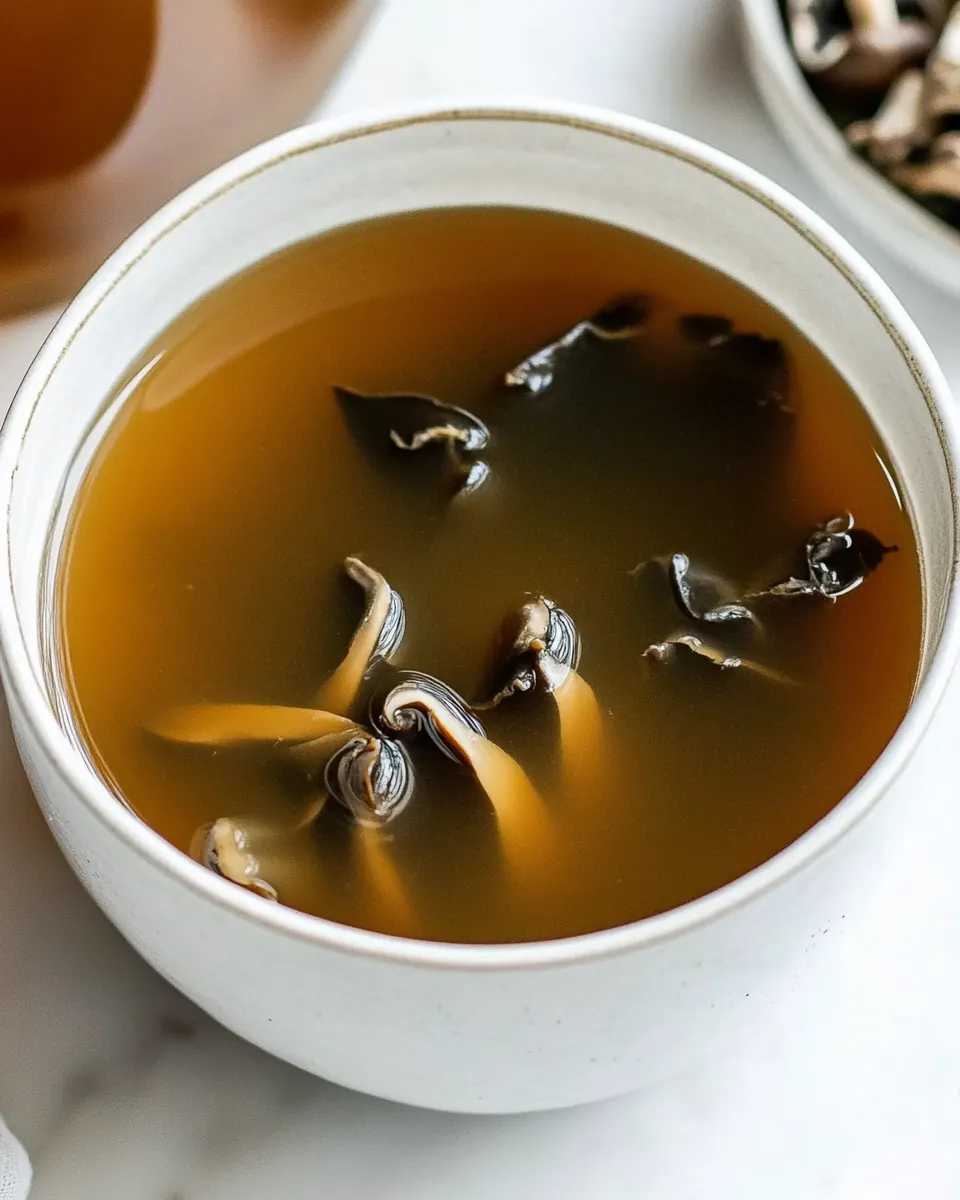
Umami Rich Mushroom Stock
Umami Rich Mushroom Stock is the kind of pantry staple I reach for when I want depth without fuss. I remember the first time I made it, using a mismatched collection of mushrooms left over from the week and a scrap of wakame from a takeout order. The aroma that filled my kitchen as the pot simmered felt almost medicinal in the best way, warming and earthy, and I wrote down notes between sips of tea because I knew I had discovered something I would return to again and again.
That afternoon, I learned that making a great stock is more about patience than complexity. I let the water coax out every savory note from the mushrooms and seaweeds, and the result was a broth that tasted like a hug in a bowl. I used it to enrich soups, to deglaze pans, and to finish grains. Each use revealed a different facet of the stock, from gentle background support to full on flavor star. The process became a ritual: clean the fungi, measure the seaweed, simmer gently, and then strain, storing away liquid gold for the week.
Over time, I began to appreciate the small customizations that made a big difference. Which mushroom you choose matters, the type of seaweed shifts the sea like a whisper, and brief cooling before bottling keeps the clarity I love. As you read on, I hope you pick up one or two of my favorite habits for making the kind of mushroom stock you will be proud to share or stash away for rainy day comforts.
Recipe Snapshot
31 mins
1 mins
30 mins
Easy
50 kcal
International
Keto, Paleo
Soups
Large pot, Fine mesh strainer, Glass jars
The Best Thing About This Umami Rich Mushroom Stock
Deep Umami Without Meat
I love that Umami Rich Mushroom Stock delivers a profoundly savory base without any animal products. The natural glutamates in mushrooms combine with seaweed minerals to create a rounded mouthfeel that many expect from meat based stocks, but with an earthy complexity that feels clean and layered. For weeknight cooking, this means I can build rich sauces and soups without long braises.
Flexible and Waste Friendly
One big reason I keep this recipe in regular rotation is how forgiving it is. You can use a mix of mushrooms or leftovers from other meals, and the stock still sings. I often toss in mushroom stems I would otherwise compost, and the result is a flavorful rescue dish that reduces waste and stretches groceries further.
Easy to Scale and Store
Making a double batch is no trouble, and because the ingredients are shelf stable or long lived when frozen, it becomes a time saver. I appreciate that storing the stock is straightforward, and having jars in the fridge or cubes in the freezer means I can transform a simple sauté into a nuanced meal in minutes. For meal prep, that convenience is unbeatable.
Subtle Sea Notes for Complexity
The addition of dulse and wakame seaweeds gives the stock a salty mineral backbone that lifts the mushrooms rather than overpowering them. I find that this touch of ocean keeps the broth balanced, and it lets you reduce added salt later when seasoning final dishes. It is an elegant way to add savory depth with minimal effort.
Versatile in the Kitchen
I turn to Umami Rich Mushroom Stock for everything from simmering grains to finishing risottos and enriching sauces. Its clear flavor profile means it plays well with herbs, miso, and soy based seasonings when I want more punch. For home cooks who want a single, reliable building block, this stock is a quiet superstar.
What Goes Into Umami Rich Mushroom Stock
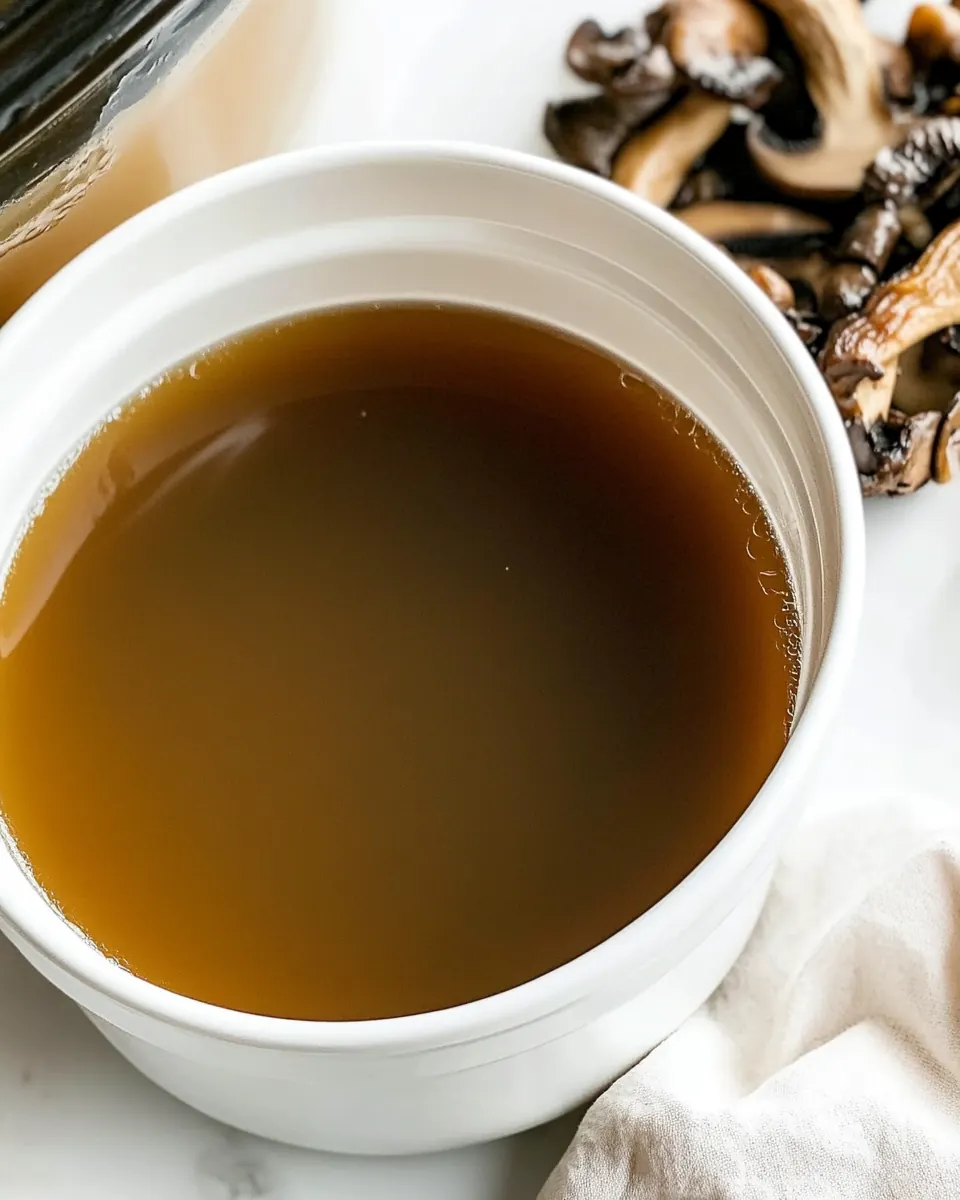
These ingredients are simple, focused, and designed to work as a team. The mushrooms bring concentrated savory flavor, while the seaweeds add a hint of oceanic mineral and natural saltiness. Water is the neutral canvas that allows those flavors to bloom over gentle heat. The key players collaborate to produce a stock that is both savory and clean, and their synergy is what gives this broth its versatility in so many recipes.
- 2 cups mushroom bottoms or pieces, try to use more flavorful mushrooms like maitake, shiitake, porcini, or oyster: Provide deep, concentrated mushroom flavor and body; use more flavorful varieties like maitake, shiitake, porcini, or oyster to build an earthy, savory backbone for the stock, and chop or tear to expose more surface area for extraction during simmering.
- 1 tbsp dulse seaweed flakes, or 1 piece of whole dulse: Add mineral-rich oceanic umami and a subtle briny depth; use either flakes for quick infusion or a whole piece for gentle, sustained flavor release, soaking briefly if needed to rehydrate before simmering.
- 1 tbsp wakame seaweed, or 2 sheets of wild Atlantic wakame called alaria: Contribute a mild, sweet sea vegetal note and additional glutamates that enhance savory complexity; use wakame or alaria to lend rounded oceanic layers and remove before finishing to avoid sliminess.
- 8 cups water: Provide the cooking medium that extracts flavors and dilutes intensity to a usable concentration; use filtered water and adjust volume to control the stock's strength during simmering and reduction as desired.
The Method for Umami Rich Mushroom Stock
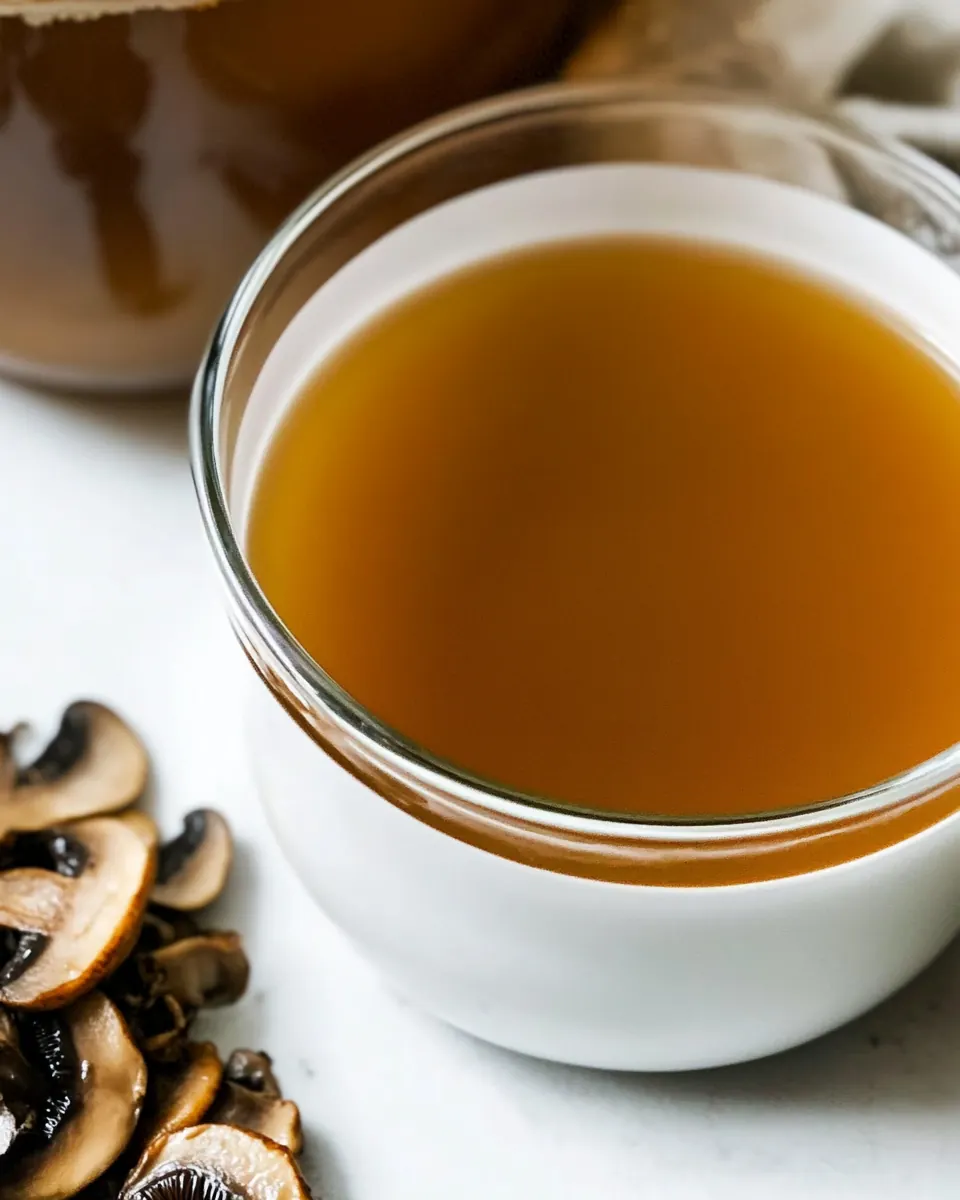
Making this stock is straightforward, but the technique matters. I like to keep the temperature controlled and avoid frantic boiling, because the gentle coaxing of flavor yields a clearer, more balanced broth. Below, each step expands on what to look for and how to troubleshoot common pitfalls.
- Combine all the ingredients in a large pot and bring it to a boil over high heat.: The first sensory cue is the rising aroma of mushrooms and seaweed, sharp and bright as the water heats. As the liquid approaches boiling you will notice steam carrying that savory scent around the kitchen, which is a good sign that flavors are releasing. Use a wide pot so ingredients have space to circulate, and stir briefly to submerge everything. Why this matters, I have found, is that an initial vigorous heat jumpstarts extraction, but you must be ready to lower the heat quickly to preserve clarity. One mistake to avoid is leaving the pot unattended until a full rolling boil forms, which can provoke excessive agitation and cloudiness.
- Reduce the heat to low or medium-low and bring the mixture to a simmer. Cover the pot and simmer for 30 minutes.: Once the pot has boiled, you should dial the flame back so the surface shows occasional small bubbles and gentle movement, not a churning boil. The sound here shifts from loud bubbling to a soft, intermittent whisper of simmering. This controlled simmer draws out nuanced flavors without emulsifying particulates into the liquid. The reason this technique matters is that it yields a cleaner stock both in flavor and appearance. A common error is keeping the heat too high, which can produce a bitter or cloudy broth.
- Cool the vegetable stock in the pot before straining it into glass jars or storage containers.: With the lid on, heat retention becomes steadier and aromatic compounds infuse the water more evenly. Over the simmering period you will notice the depth of scent deepen and small color shifts as the liquid darkens subtly. The 30 minute timeframe extracts plenty of savory character without turning tannic or overly concentrated. If you simmer much longer, you risk intensifying bitter notes. Troubleshoot by checking at the 20 minute mark to ensure the simmer is gentle and adjusting heat as needed.
- If you liked this recipe, please take a moment to rate it. Thank you!: Cooling allows solids to settle, improving clarity when you strain. You will feel a soft maple like steam as the pot cools and the aroma will evolve from sharp to rounded. When straining, use a fine mesh or cheesecloth to capture lingering particles and pour steadily to avoid splashing. This step matters because rapid transfer of hot liquid to containers can trap tiny bits and create muddiness. A typical mistake is bottling while too hot, which can cause condensation and faster spoilage in the fridge.
- If you liked this recipe, please take a moment to rate it. Thank you!: Your feedback helps refine future batches and guides small adjustments I make when experimenting with mushroom varieties and seaweed blends. I always read notes from others to see how their stock turned out and whether they adjusted the salt or water ratio, and it informs my next jar. When sharing a rating, include what mushrooms you used so the community can learn the differences. Avoid leaving out details, because vague feedback limits how useful it is for iterative improvement.
Customization Ideas
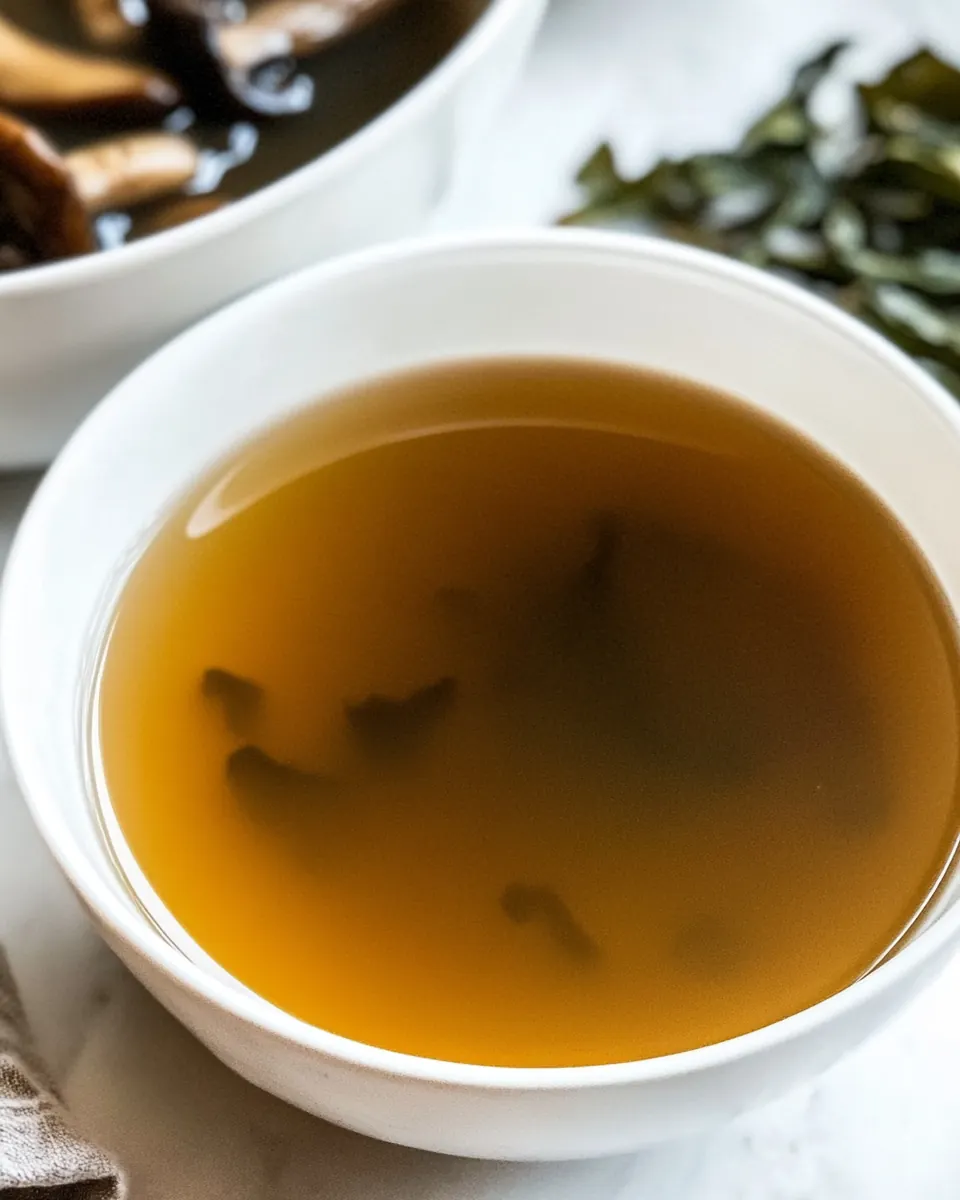
This stock is a flexible foundation. Small tweaks will shift the character subtly, letting you tailor the broth to specific uses or dietary needs. Below are practical, kitchen friendly ideas to make the recipe your own while preserving the core technique and flavor balance.
- Try different mushroom blends to vary the umami profile, with shiitake for depth and oyster for a lighter note.
- Adjust seaweed quantity to control mineral and salty notes, using slightly less if you plan to season later with sauce.
- Make a concentrated batch by reducing water by about one quarter for a more intense stock suitable for sauces.
- Freeze in measured portions like one cup or stock cube sizes for convenience when adding to sauces and soups.
- Use mushroom scraps by collecting stems in the freezer until you have enough to make stock, reducing waste and maximizing flavor.
- Strain carefully through a fine sieve or cheesecloth for the clearest final broth and best shelf appearance.
Perfect Matches for Umami Rich Mushroom Stock
This stock plays well with a wide variety of dishes and occasions. From weeknight dinners to special meals where you want a deep savory backdrop, it elevates many preparations. Below are ways I like to serve and store the stock, plus seasonal and occasion based ideas to get the most from each batch.
- Use as a soup base for vegetable soups and miso bowls, providing a rich foundation that enhances simple ingredients.
- Finish grains and risottos by ladling warm stock in while stirring, adding a layered umami depth to rice or barley.
- Deglaze pans after sautéing vegetables to collect browned bits and make a quick pan sauce without adding meat based stock.
- Store refrigerated for up to one week in glass jars, or freeze for up to six months in labeled containers or ice cube trays.
- Serve for special occasions like cozy dinners or Ramadan if you want a vegetarian umami boost that feels substantial and comforting.
- Pair seasonally with autumnal roasted vegetables or spring greens, since the stock’s earthiness complements root vegetables and fresh herbs alike.
FAQ
Conclusion
What makes this Umami Rich Mushroom Stock special is its ability to deliver deep, layered savory flavor with minimal ingredients and effort. It is versatile, waste reducing, and stores beautifully so you can add instant richness to soups, grains, and sauces any night of the week. I encourage you to try it with different mushroom combinations and small adjustments to seaweed quantities, and you will quickly find the version that suits your cooking rhythm. Keep a jar or two on hand, and you will notice how many dishes benefit from that extra umami boost.
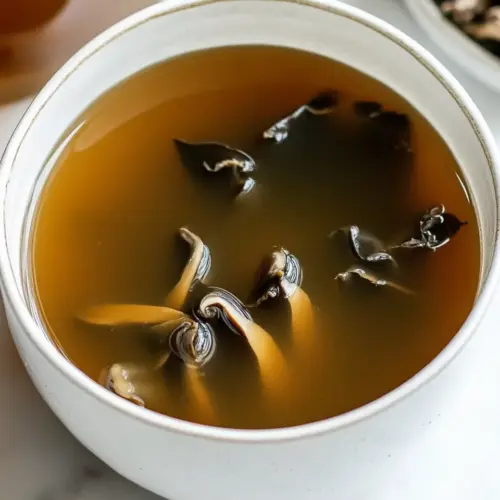
Umami Rich Mushroom Stock
Equipment
- Large Pot
- Fine-mesh strainer
- Glass jars
Ingredients
- 2 cups mushroom bottoms or pieces, try to use more flavorful mushrooms like maitake, shiitake, porcini, or oyster Provide deep, concentrated mushroom flavor and body; use more flavorful varieties like maitake, shiitake, porcini, or oyster to build an earthy, savory backbone for the stock, and chop or tear to expose more surface area for extraction during simmering.
- 1 tbsp dulse seaweed flakes, or 1 piece of whole dulse Add mineral-rich oceanic umami and a subtle briny depth; use either flakes for quick infusion or a whole piece for gentle, sustained flavor release, soaking briefly if needed to rehydrate before simmering.
- 1 tbsp wakame seaweed, or 2 sheets of wild Atlantic wakame called alaria Contribute a mild, sweet sea vegetal note and additional glutamates that enhance savory complexity; use wakame or alaria to lend rounded oceanic layers and remove before finishing to avoid sliminess.
- 8 cups water Provide the cooking medium that extracts flavors and dilutes intensity to a usable concentration; use filtered water and adjust volume to control the stock's strength during simmering and reduction as desired.
Instructions
- Combine all the ingredients in a large pot and bring it to a boil over high heat.: The first sensory cue is the rising aroma of mushrooms and seaweed, sharp and bright as the water heats. As the liquid approaches boiling you will notice steam carrying that savory scent around the kitchen, which is a good sign that flavors are releasing. Use a wide pot so ingredients have space to circulate, and stir briefly to submerge everything. Why this matters, I have found, is that an initial vigorous heat jumpstarts extraction, but you must be ready to lower the heat quickly to preserve clarity. One mistake to avoid is leaving the pot unattended until a full rolling boil forms, which can provoke excessive agitation and cloudiness.
- Reduce the heat to low or medium-low and bring the mixture to a simmer. Cover the pot and simmer for 30 minutes.: Once the pot has boiled, you should dial the flame back so the surface shows occasional small bubbles and gentle movement, not a churning boil. The sound here shifts from loud bubbling to a soft, intermittent whisper of simmering. This controlled simmer draws out nuanced flavors without emulsifying particulates into the liquid. The reason this technique matters is that it yields a cleaner stock both in flavor and appearance. A common error is keeping the heat too high, which can produce a bitter or cloudy broth.
- Cool the vegetable stock in the pot before straining it into glass jars or storage containers.: With the lid on, heat retention becomes steadier and aromatic compounds infuse the water more evenly. Over the simmering period you will notice the depth of scent deepen and small color shifts as the liquid darkens subtly. The 30 minute timeframe extracts plenty of savory character without turning tannic or overly concentrated. If you simmer much longer, you risk intensifying bitter notes. Troubleshoot by checking at the 20 minute mark to ensure the simmer is gentle and adjusting heat as needed.
- If you liked this recipe, please take a moment to rate it. Thank you!: Cooling allows solids to settle, improving clarity when you strain. You will feel a soft maple like steam as the pot cools and the aroma will evolve from sharp to rounded. When straining, use a fine mesh or cheesecloth to capture lingering particles and pour steadily to avoid splashing. This step matters because rapid transfer of hot liquid to containers can trap tiny bits and create muddiness. A typical mistake is bottling while too hot, which can cause condensation and faster spoilage in the fridge.
- If you liked this recipe, please take a moment to rate it. Thank you!: Your feedback helps refine future batches and guides small adjustments I make when experimenting with mushroom varieties and seaweed blends. I always read notes from others to see how their stock turned out and whether they adjusted the salt or water ratio, and it informs my next jar. When sharing a rating, include what mushrooms you used so the community can learn the differences. Avoid leaving out details, because vague feedback limits how useful it is for iterative improvement.
Notes
- Try different mushroom blends to vary the umami profile, with shiitake for depth and oyster for a lighter note.
- Adjust seaweed quantity to control mineral and salty notes, using slightly less if you plan to season later with sauce.
- Make a concentrated batch by reducing water by about one quarter for a more intense stock suitable for sauces.
- Freeze in measured portions like one cup or stock cube sizes for convenience when adding to sauces and soups.
- Use mushroom scraps by collecting stems in the freezer until you have enough to make stock, reducing waste and maximizing flavor.
- Strain carefully through a fine sieve or cheesecloth for the clearest final broth and best shelf appearance.
