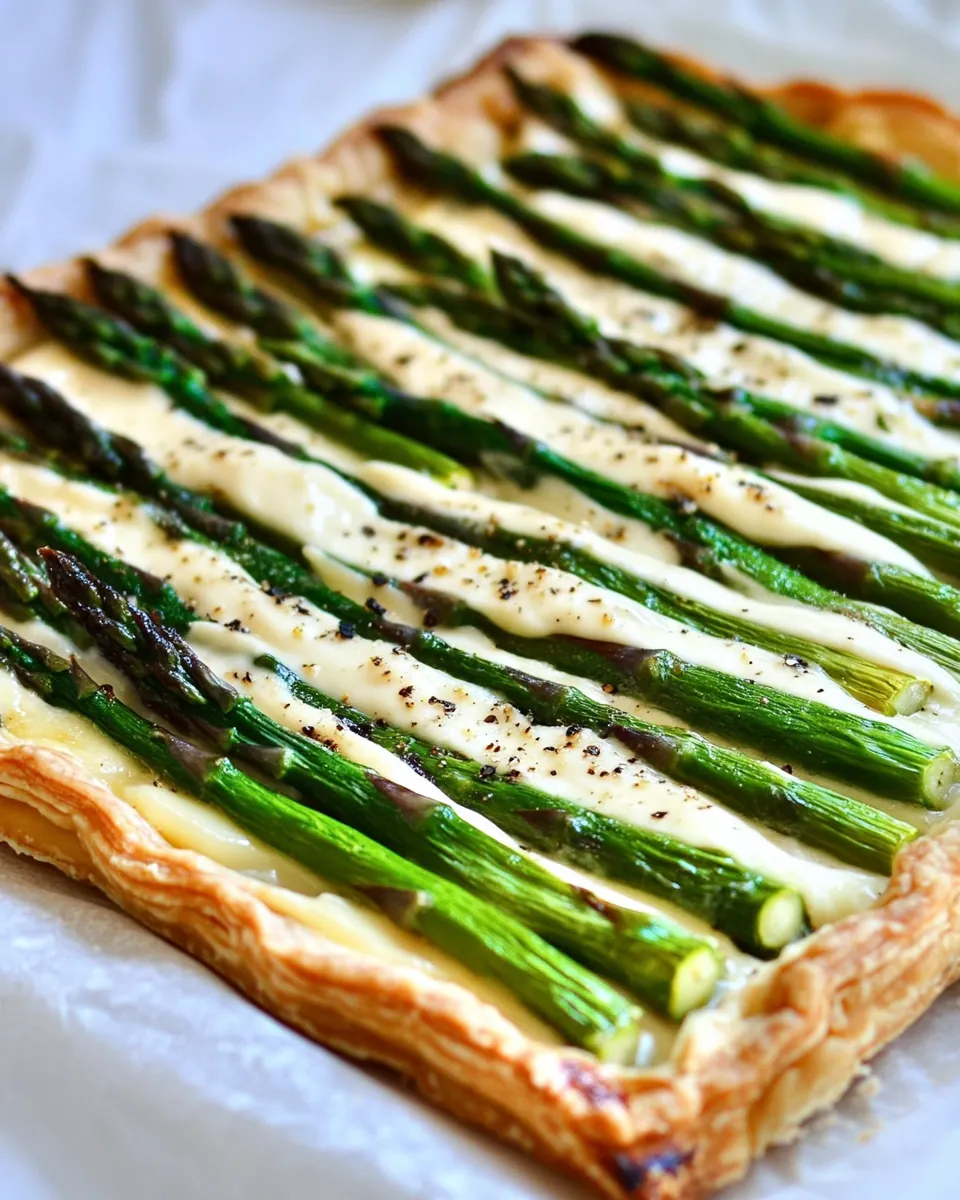
Asparagus Fontina Tart
Asparagus Fontina Tart arrived in my kitchen on an ordinary spring afternoon, when I had a bounty of crisp asparagus from my farmer’s market run and a ball of phyllo waiting in the freezer. I remember the way the sunlight picked out the pale green tips as I stacked the sheets of phyllo on the counter, thinking about how the simple combination of tender asparagus and nutty Fontina could feel elegant without fuss. That first bite was a revelation, flaky and buttery on the outside, creamy and bright inside, and I promised myself I would bring it to every brunch and casual dinner I hosted after that.
Over the years I have played with small tweaks, but the essence of this recipe stays true: crisp, blanched asparagus, a browned butter and shallots mixture, layers of featherlight phyllo, and melting pools of Fontina. I like to think of it as a celebration of texture more than technique, where a few careful steps deliver a tart that looks like it took more effort than it actually did. Whenever guests ask if it is difficult, I tell them it is all about timing and attention to a few sensory clues, like when the butter turns a pale amber or when the phyllo has taken on a delicate golden color.
There is a moment, right before the tart goes back into the oven for the final melt, when the kitchen smells of caramelized butter and warm cheese, and that scent always makes me smile. I have served this on picnic blankets and in formal dining rooms, and it somehow fits both. Even if you are new to working with phyllo, this tart rewards care with dramatic results, and I promise the crunchy, creamy contrast will keep everyone going back for seconds.
Recipe Snapshot
45 mins
15 mins
30 mins
Medium
250 kcal
American
Keto, Gluten-Free
Appetizers
baking sheet, Parchment Paper, large deep baking dish to fit ice and asparagus, Large Skillet to fit asparagus, small saucepan, pastry brush
What You’ll Enjoy About This Asparagus Fontina Tart
Elegant yet effortless
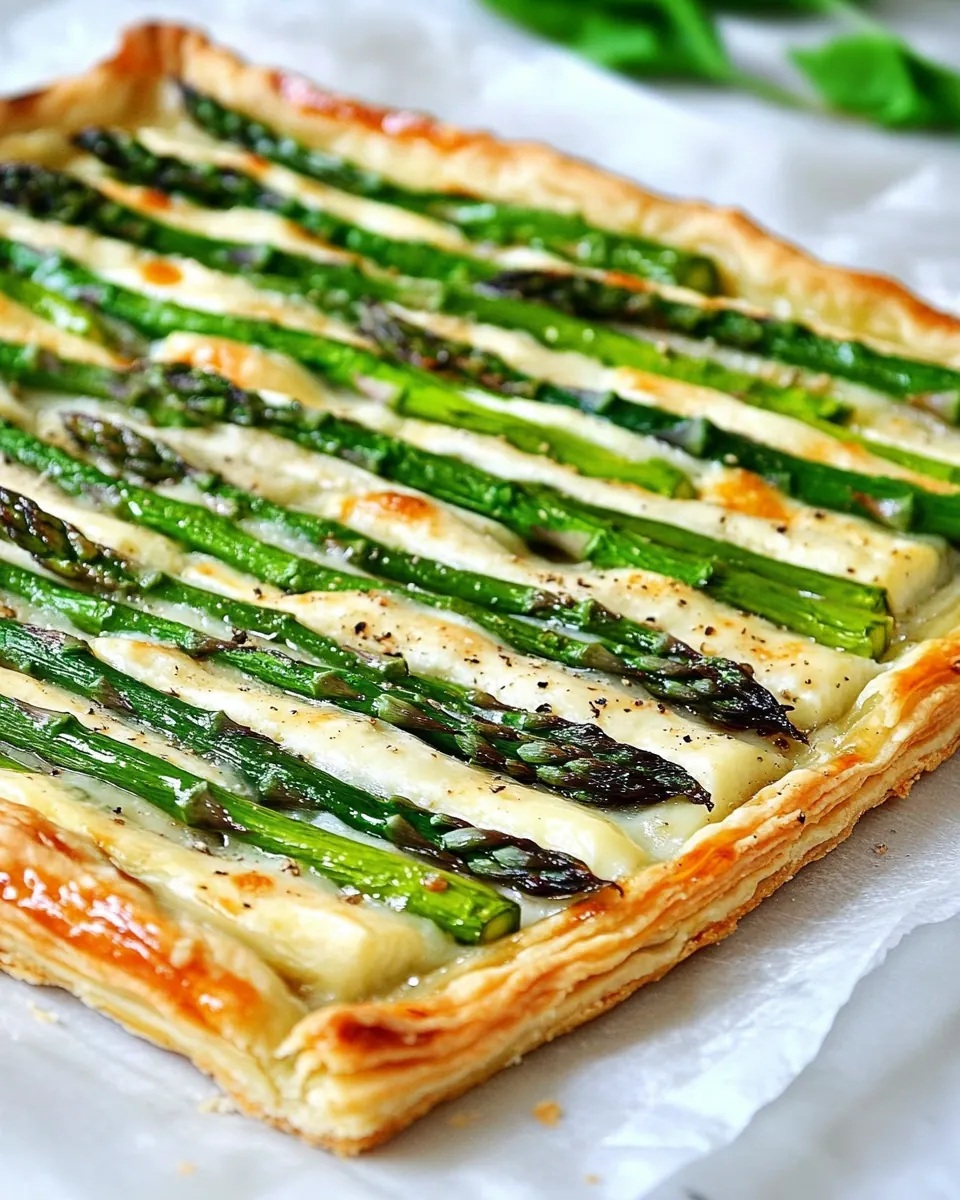
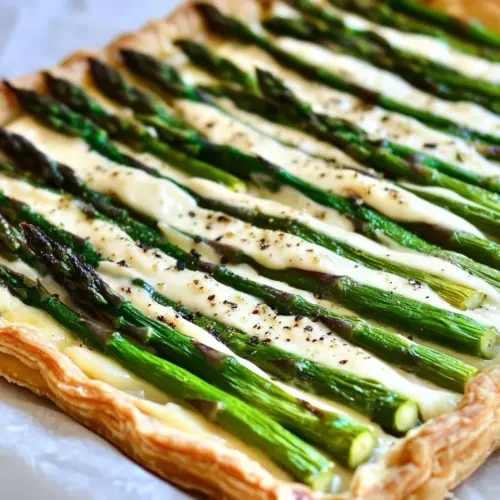
I love how Asparagus Fontina Tart looks like a special occasion dish, while being surprisingly straightforward to pull off. The visual impact is high because the bright tips of the asparagus lay in neat rows over melted Fontina, and the golden, layered phyllo base makes every slice feel celebratory. I often bring it to gatherings because it feels like a centerpiece without requiring last minute complexity.
Balanced textures
The interplay between the crisp, flaky phyllo and the tender, slightly snappy asparagus is what sells this tart to me. When you brown the butter and let it infuse with the delicate bite of the shallots, you get a silky coating that keeps the asparagus from drying out, while the melted Fontina provides a rich, slightly elastic counterpoint that pulls the components together.
Seasonal perfection
This recipe blooms in spring, when asparagus is at its peak. I find the flavor so much brighter and cleaner this time of year, which means you do not need heavy seasoning. A little kosher salt and a few grinds of pepper let the natural flavors sing. Serving it in spring also taps into the celebratory feel of the season, making it a natural choice for brunches and light dinners.
Flexible for company
Asparagus Fontina Tart is forgiving when it comes to timing. You can prebake the phyllo shell and keep it aside, or fully assemble and pop it in the oven when guests arrive. I often prep elements ahead, which means less fuss at the moment of serving. That flexibility is one of the reasons I keep this recipe in my rotation for casual get togethers.
Approachable techniques
Working with phyllo can feel intimidating, but the steps here are small and clear. I walk readers through blanching the asparagus, browning the butter, and layering the sheets, so even cooks with modest experience can achieve the flaky texture that makes this tart so irresistible.
Ingredients Overview for Asparagus Fontina Tart
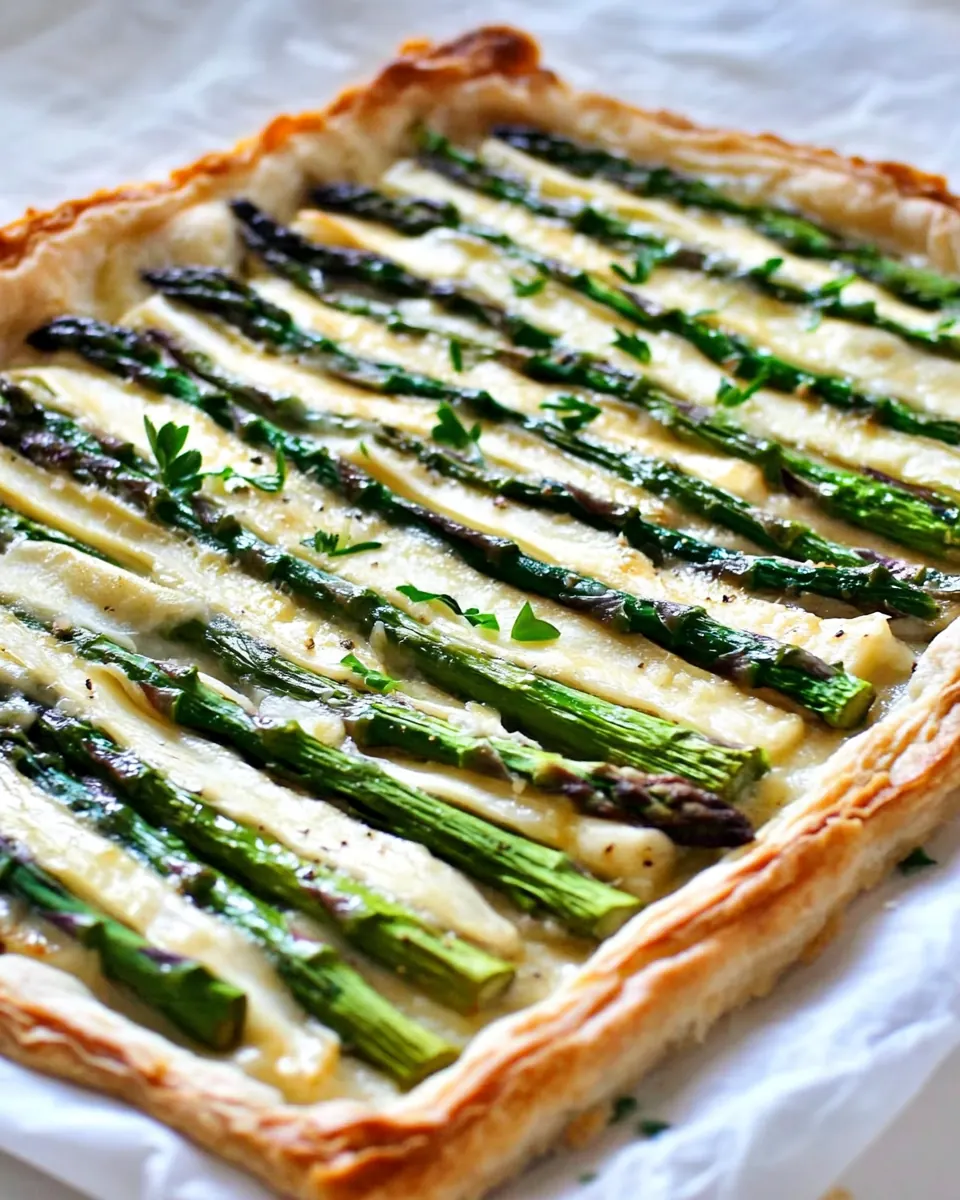
These ingredients create a simple, seasonal ensemble that balances crispness, richness, and brightness. The key players are the fresh asparagus, which brings verdant snap, the nutty, melting strength of Fontina, and the fragile, buttery layers of phyllo. Small accents like shallots and butter add depth without overpowering the main flavors. Together they form a tart that is texturally layered and flavor forward.
- 1 pound asparagus trimmed: Trimmed to remove tough ends and provide tender spears that cook evenly; adds fresh, slightly sweet green flavor and a crisp texture contrast to the rich filling. Arrange atop the tart to create an attractive finish and ensure even roasting so the vegetable melds with the cheese.
- 1/2 cup butter unsalted: Melted into the filling to provide a rich, silky mouthfeel and help create a golden, buttery base for the phyllo layers. Adds depth and richness to the tart while assisting browning and flakiness of the pastry.
- 3 tablespoons shallots diced: Sautéed briefly to release a mild, onion-like sweetness and aromatic complexity; provides a subtle savory backbone without overpowering the delicate asparagus and cheese. Fold into the creamy filling or scatter across the tart for concentrated bursts of flavor.
- 2 cups loosely packed Fontina: Shredded or cubed to supply a creamy, nutty melt that binds the filling and complements the asparagus; contributes both body and a slightly tangy, mellow flavor. Use generously to create a luscious, cohesive interior that browns attractively under the phyllo.
- 1 roll phyllo pastry sheets use about 8-10 sheets, thawed: Layered to form the tart's crisp, flaky shell; thawed phyllo sheets become golden and crackly when brushed with butter, creating multiple delicate layers. Use about 8–10 sheets as directed to achieve structural support for the filling and a light, airy texture.
- kosher salt and pepper to taste: Sprinkled to enhance and balance flavors; kosher salt brings out sweetness and savory notes while freshly ground pepper adds mild heat and aromatic lift. Season to taste after assembly to avoid over-salting the cheese and to achieve a well-balanced final bite.
Preparation Steps for Asparagus Fontina Tart
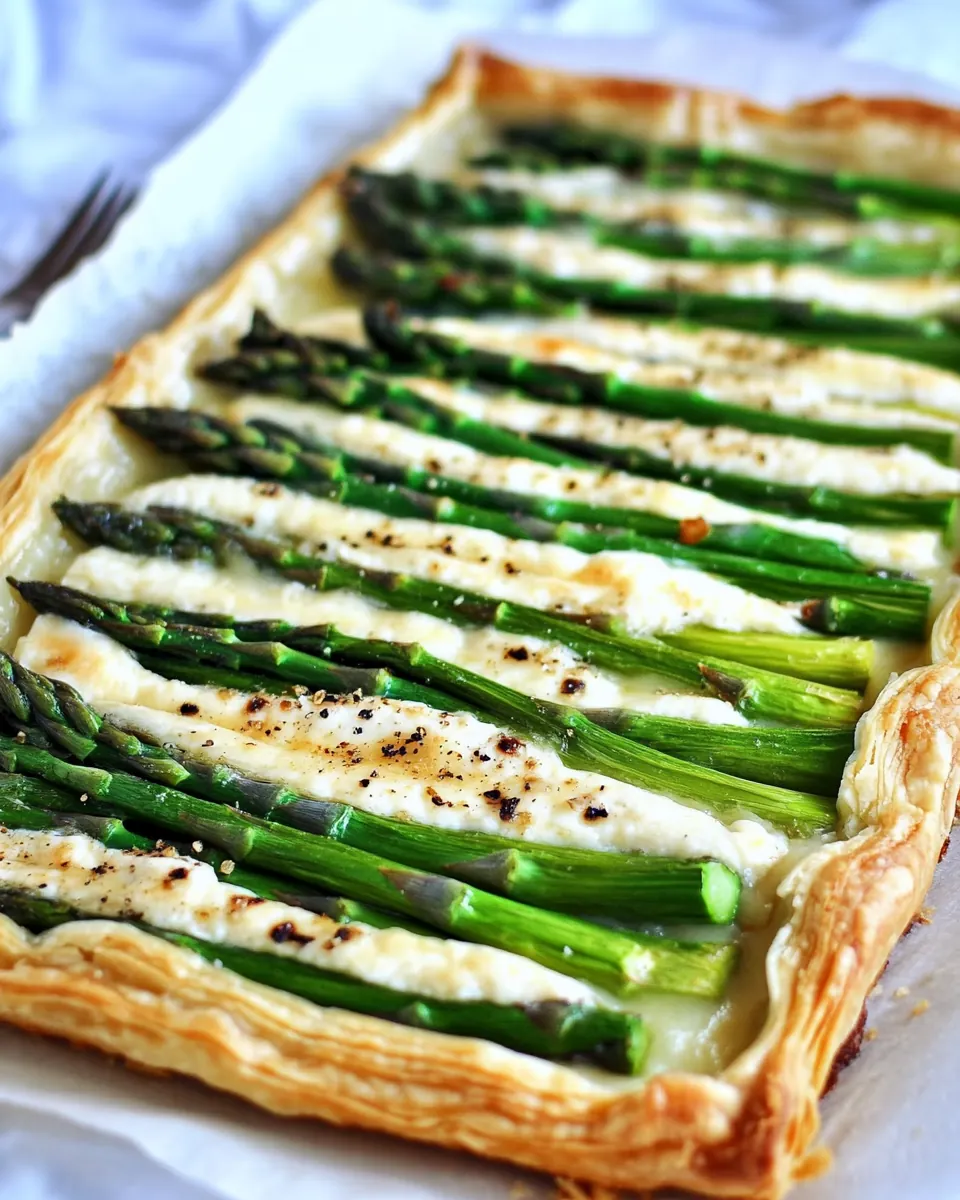
These steps guide you from preheating the oven to the final bubble of melted Fontina. Read each description carefully and watch for the sensory cues I describe so you know you are on the right track. Keep your work area organized, and have the phyllo sheets covered while you prepare the other elements.
- Preheat oven to 400°F. Place parchment paper on a baking sheet and set aside. Fill a 9" x 13" baking dish with ice and keep in the freezer until ready to use.: The air of the kitchen begins to warm and you will smell faint traces of butter from previous batches as the oven nears temperature. This step establishes the right environment for the phyllo to crisp quickly without overbrowning, and chilling an ice bath in a large baking dish is crucial for an immediate shock when you blanch the asparagus . You are creating contrast between hot and cold so the vegetable stops cooking instantly, preserving its vivid color and tender snap. A common mistake is skipping the ice bath, which results in overcooked and dull looking asparagus . Keep your parchment close by, it makes transfer easy and prevents sticking.
- In a large skillet add about an inch of water to a boil. Add asparagus and cook until bright green and tender (2-5 minutes). Drain the hot water and carefully put the asparagus in the ice water to cool. Transfer asparagus to a bed of paper towels or a clean kitchen towel to dry. Pat gently to remove the moisture.: Right when the water hits a rolling boil you will see steam rise and the kitchen fill with a green, vegetal scent. The asparagus will turn a vivid green within minutes and give slightly when pierced with a fork, signaling readiness. Rapid cooling in the ice bath stops the cooking and keeps the cells firm, which preserves a crisp interior texture. After draining, pat carefully because excess water will steam under the phyllo and make it soggy. The biggest misstep here is under drying; be thorough but gentle to avoid bruising the tips.
- In a small saucepan over medium heat melt butter and stir until bubbles begin to form and the color is pale amber. Add the shallots and continue to stir for another minute, but be careful not to burn the butter. Remove from heat.: As you melt the butter , listen for a gentle sputter followed by an air of toasted nuttiness as the milk solids color. The transformation to a pale amber gives the sauce a toasty perfume that pairs perfectly with both the shallots and the Fontina . Adding the diced shallots at the end of the browning lets them soften fast and release their sweet aromatic notes without turning bitter. If you leave the butter on the heat too long it will scorch and give a harsh, ashy flavor, so remove from heat promptly.
- Roll out the phyllo sheets and quickly brush each sheet with butter and lay on top of each other. Bake for about 10 minutes or until light brown. Remove from oven.: The room will fill with a warm, faintly toasty scent as the layered phyllo browns. Brushing each sheet with melted butter gives the layers separation and ensures an even golden color and pronounced flakiness. Baking until light brown creates a sturdy shell that will support the Fontina and asparagus without collapsing. Avoid overbaking which will make the phyllo overly brittle and hard to slice; watch for an even, pale golden hue rather than a deep brown.
- Return asparagus to the dry skillet and pour the remaining butter and shallot mix over the asparagus coating each piece.: The sound here is subtle, a soft sizzle as the warm butter hits the room temperature asparagus , releasing aromatics and making each spear glossy. Coating the asparagus ensures the flavor is distributed and that each piece picks up that browned butter perfume. This step matters because the butter helps the Fontina adhere and keeps the vegetable from tasting plain. Overcrowding the skillet or adding too much liquid can steam the spears and dull their texture, so toss gently and briefly.
- Sprinkle Fontina cheese on top of the baked phyllo sheets and then place the asparagus side by side over the cheese.: When you scatter the shredded Fontina it should look like a pale, velvety blanket, and within minutes it will begin to soften and melt into glossy pools. Laying the asparagus in neat rows creates a beautiful presentation and ensures even distribution in every slice. This arrangement also aids even heating so the cheese melts consistently under the vegetable. A typical error is piling the spears too thickly, which can inhibit even melting and cause uneven baking; arrange them in a single layer for the best result.
- Season with salt and pepper and bake for about 10 minutes or until the cheese is melted.: As the tart goes back into the oven you will hear a faint bubbling and smell the melding of browned butter and warmed Fontina . The visual sign of readiness is the cheese turning glossy and slightly flowing around the edges of the phyllo , with the surface showing no unmelted patches. This final bake unites flavors and crisps the phyllo one last time. Watch closely; leaving it too long risks drying the cheese and overcrisping the pastry. Pull the tart when the cheese is just melted and the edges show a satisfyingly golden tone.
Substitutions and Tips
I like to give practical tips that are easy to follow and preserve the dish’s integrity. Below are focused, actionable suggestions to help you adapt or perfect Asparagus Fontina Tart while keeping the core flavors intact.
- Keep phyllo pliable. Work quickly and cover unused sheets with a slightly damp kitchen towel so they do not dry and crack, which makes layering and brushing with butter much easier.
- Use unsalted butter so you control seasoning, especially because the Fontina has natural saltiness; add kosher salt at the end to taste.
- Trim asparagus uniformly. Choose stalks of similar thickness or trim thicker ends to match, ensuring even blanching and consistent texture in every bite.
- Brown butter for depth. Let the butter reach a pale amber stage before adding the shallots, the nutty aroma enhances both the Fontina and asparagus without overpowering them.
- Prebake the phyllo if needed. If you want to assemble ahead, prebake the layered phyllo shell and store it at room temperature wrapped in foil, then fill and finish baking before serving.
- Dry asparagus thoroughly. Excess moisture will steam the tart and make the phyllo soggy; pat gently but completely after the ice bath.
Serving Suggestions
This tart is versatile and simple to present. Below are ways I like to serve it for different occasions and how to pair it with sides and storage tips to keep it tasting its best.
- Serve warm or room temperature. Asparagus Fontina Tart is excellent slightly warm so the Fontina is melty, but it also holds well at room temperature, making it ideal for buffet style or potluck gatherings.
- Brunch centerpiece. Pair slices with a bright green salad dressed with lemon vinaigrette for a fresh, balanced brunch plate that highlights the seasonal nature of the asparagus.
- Light dinner option. Offer the tart alongside a bowl of simple soup for an unfussy weeknight meal that still feels refined and satisfying for two to four people when served with a side salad.
- Casual entertaining. Cut into smaller squares for cocktail parties, letting guests enjoy the flaky phyllo and creamy Fontina in bite sized portions without utensils.
- Storage and reheating. Refrigerate leftover slices in an airtight container for up to three days. Reheat in a moderate oven to restore flakiness rather than using a microwave, which will soften the phyllo.
- Seasonal pairings. This shines in spring with other light vegetable sides, and it fits well on menus for holiday brunches where you want something elegant but not heavy.
FAQ
Conclusion
This tart is special because it pairs flaky, buttery layers with tender asparagus and melting Fontina for a striking balance of texture and flavor. I encourage you to give Asparagus Fontina Tart a try the next time you want something that looks elegant but is very manageable in the kitchen. It rewards a little attention with big payoff, and I find it becomes an instant favorite among friends and family.
Asparagus Fontina Tart
Equipment
- Baking Sheet
- Parchment Paper
- large deep baking dish to fit ice and asparagus
- Large Skillet to fit asparagus
- Small Saucepan
- Pastry Brush
Ingredients
- 1 pound asparagus trimmed Trimmed to remove tough ends and provide tender spears that cook evenly; adds fresh, slightly sweet green flavor and a crisp texture contrast to the rich filling. Arrange atop the tart to create an attractive finish and ensure even roasting so the vegetable melds with the cheese.
- 1/2 cup butter unsalted Melted into the filling to provide a rich, silky mouthfeel and help create a golden, buttery base for the phyllo layers. Adds depth and richness to the tart while assisting browning and flakiness of the pastry.
- 3 tablespoons shallots diced Sautéed briefly to release a mild, onion-like sweetness and aromatic complexity; provides a subtle savory backbone without overpowering the delicate asparagus and cheese. Fold into the creamy filling or scatter across the tart for concentrated bursts of flavor.
- 2 cups loosely packed Fontina Shredded or cubed to supply a creamy, nutty melt that binds the filling and complements the asparagus; contributes both body and a slightly tangy, mellow flavor. Use generously to create a luscious, cohesive interior that browns attractively under the phyllo.
- 1 roll phyllo pastry sheets use about 8-10 sheets, thawed Layered to form the tart's crisp, flaky shell; thawed phyllo sheets become golden and crackly when brushed with butter, creating multiple delicate layers. Use about 8–10 sheets as directed to achieve structural support for the filling and a light, airy texture.
- kosher salt and pepper to taste Sprinkled to enhance and balance flavors; kosher salt brings out sweetness and savory notes while freshly ground pepper adds mild heat and aromatic lift. Season to taste after assembly to avoid over-salting the cheese and to achieve a well-balanced final bite.
Instructions
- Preheat oven to 400°F. Place parchment paper on a baking sheet and set aside. Fill a 9" x 13" baking dish with ice and keep in the freezer until ready to use.: The air of the kitchen begins to warm and you will smell faint traces of butter from previous batches as the oven nears temperature. This step establishes the right environment for the phyllo to crisp quickly without overbrowning, and chilling an ice bath in a large baking dish is crucial for an immediate shock when you blanch the asparagus . You are creating contrast between hot and cold so the vegetable stops cooking instantly, preserving its vivid color and tender snap. A common mistake is skipping the ice bath, which results in overcooked and dull looking asparagus . Keep your parchment close by, it makes transfer easy and prevents sticking.
- In a large skillet add about an inch of water to a boil. Add asparagus and cook until bright green and tender (2-5 minutes). Drain the hot water and carefully put the asparagus in the ice water to cool. Transfer asparagus to a bed of paper towels or a clean kitchen towel to dry. Pat gently to remove the moisture.: Right when the water hits a rolling boil you will see steam rise and the kitchen fill with a green, vegetal scent. The asparagus will turn a vivid green within minutes and give slightly when pierced with a fork, signaling readiness. Rapid cooling in the ice bath stops the cooking and keeps the cells firm, which preserves a crisp interior texture. After draining, pat carefully because excess water will steam under the phyllo and make it soggy. The biggest misstep here is under drying; be thorough but gentle to avoid bruising the tips.
- In a small saucepan over medium heat melt butter and stir until bubbles begin to form and the color is pale amber. Add the shallots and continue to stir for another minute, but be careful not to burn the butter. Remove from heat.: As you melt the butter , listen for a gentle sputter followed by an air of toasted nuttiness as the milk solids color. The transformation to a pale amber gives the sauce a toasty perfume that pairs perfectly with both the shallots and the Fontina . Adding the diced shallots at the end of the browning lets them soften fast and release their sweet aromatic notes without turning bitter. If you leave the butter on the heat too long it will scorch and give a harsh, ashy flavor, so remove from heat promptly.
- Roll out the phyllo sheets and quickly brush each sheet with butter and lay on top of each other. Bake for about 10 minutes or until light brown. Remove from oven.: The room will fill with a warm, faintly toasty scent as the layered phyllo browns. Brushing each sheet with melted butter gives the layers separation and ensures an even golden color and pronounced flakiness. Baking until light brown creates a sturdy shell that will support the Fontina and asparagus without collapsing. Avoid overbaking which will make the phyllo overly brittle and hard to slice; watch for an even, pale golden hue rather than a deep brown.
- Return asparagus to the dry skillet and pour the remaining butter and shallot mix over the asparagus coating each piece.: The sound here is subtle, a soft sizzle as the warm butter hits the room temperature asparagus , releasing aromatics and making each spear glossy. Coating the asparagus ensures the flavor is distributed and that each piece picks up that browned butter perfume. This step matters because the butter helps the Fontina adhere and keeps the vegetable from tasting plain. Overcrowding the skillet or adding too much liquid can steam the spears and dull their texture, so toss gently and briefly.
- Sprinkle Fontina cheese on top of the baked phyllo sheets and then place the asparagus side by side over the cheese.: When you scatter the shredded Fontina it should look like a pale, velvety blanket, and within minutes it will begin to soften and melt into glossy pools. Laying the asparagus in neat rows creates a beautiful presentation and ensures even distribution in every slice. This arrangement also aids even heating so the cheese melts consistently under the vegetable. A typical error is piling the spears too thickly, which can inhibit even melting and cause uneven baking; arrange them in a single layer for the best result.
- Season with salt and pepper and bake for about 10 minutes or until the cheese is melted.: As the tart goes back into the oven you will hear a faint bubbling and smell the melding of browned butter and warmed Fontina . The visual sign of readiness is the cheese turning glossy and slightly flowing around the edges of the phyllo , with the surface showing no unmelted patches. This final bake unites flavors and crisps the phyllo one last time. Watch closely; leaving it too long risks drying the cheese and overcrisping the pastry. Pull the tart when the cheese is just melted and the edges show a satisfyingly golden tone.
Notes
- Keep phyllo pliable. Work quickly and cover unused sheets with a slightly damp kitchen towel so they do not dry and crack, which makes layering and brushing with butter much easier.
- Use unsalted butter so you control seasoning, especially because the Fontina has natural saltiness; add kosher salt at the end to taste.
- Trim asparagus uniformly. Choose stalks of similar thickness or trim thicker ends to match, ensuring even blanching and consistent texture in every bite.
- Brown butter for depth. Let the butter reach a pale amber stage before adding the shallots, the nutty aroma enhances both the Fontina and asparagus without overpowering them.
- Prebake the phyllo if needed. If you want to assemble ahead, prebake the layered phyllo shell and store it at room temperature wrapped in foil, then fill and finish baking before serving.
- Dry asparagus thoroughly. Excess moisture will steam the tart and make the phyllo soggy; pat gently but completely after the ice bath.