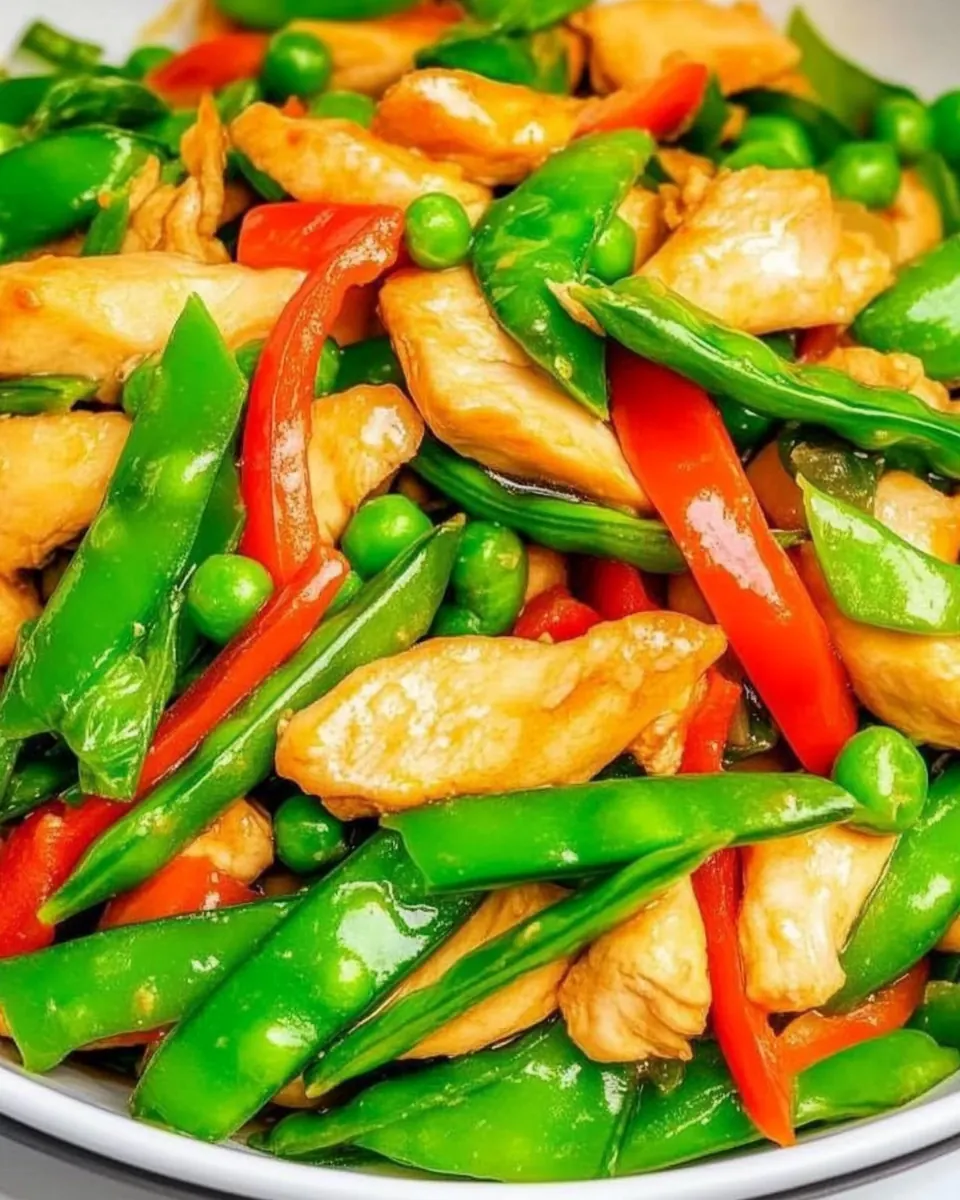
Chicken Snap Pea Stir Fry
Chicken Snap Pea Stir Fry came into my weeknight rotation on a hectic Tuesday when my fridge offered a lonely bag of snap peas and a pack of chicken thighs. I was craving something fast, bright, and satisfying, so I grabbed a skillet, a fistful of garlic, and whatever colorful pepper I had, and it turned into one of those recipes I keep returning to because it hits the right balance of savory and crisp. From that very first bite I loved how the tender chicken paired with the snappy texture of the snap peas, and the quick sauce made everything feel pulled together rather than fussy.
Over time I learned to make this dish with just a few pantry staples and a skillet, which means it shows up when I need an easy weeknight winner that still feels thoughtful. I often think about the sound as much as the taste the first time the vegetables hit the hot pan, the sizzling that tells you the skillet is doing its job. I like to keep the veggies slightly crunchy because that contrast against the juicy chicken is exactly what keeps me coming back. I also learned small tricks, like adding the sauce at the right moment so it glosses the ingredients rather than drowning them, and finishing with bright chopped scallions for a fresh pop.
Recipe Snapshot
25 mins
10 mins
15 mins
Medium
400 kcal
American
Gluten-Free, AIP
Dinner
Non stick skillet, Mixing bowl, Spatula
What You’ll Enjoy About This Chicken Snap Pea Stir Fry
Quick and reliable weeknight dinner
I love that Chicken Snap Pea Stir Fry is ready in minutes, which means it rescues busy evenings without sacrificing flavor. The combination of a fast skillet method and a simple sauce lets me get dinner on the table in under thirty minutes, which is a game changer on nights I am juggling work and family.
Textural contrast that sings
The crisp snap peas against the tender, caramelized edges of the chicken creates a texture profile that keeps every bite interesting. I personally prefer my vegetables to keep a little bite, because that bright snap complements the richer soy based sauce and adds a fresh element to each forkful.
Flexible and forgiving
One reason I champion this recipe is how forgiving it is. You can swap the vegetables or protein easily, and the technique stays the same. I often change the mix when produce is seasonal, since the sauce and method adapt so well to different textures and flavors.
Minimal pantry ingredients, maximum impact
With just oil, garlic, ginger, soy sauce, and cornstarch, the dish builds a glossy, seasoned coating that tastes layered and intentional. I appreciate recipes that let a few quality ingredients shine, and this one does that while still being accessible for cooks of every level.
Great for meal prep and scale up
I frequently cook a double batch because the leftovers reheat beautifully, and the bright crunch of freshly added scallions revives the dish when served the next day. This reliability makes it a staple when I plan several meals ahead.
What’s In This Chicken Snap Pea Stir Fry
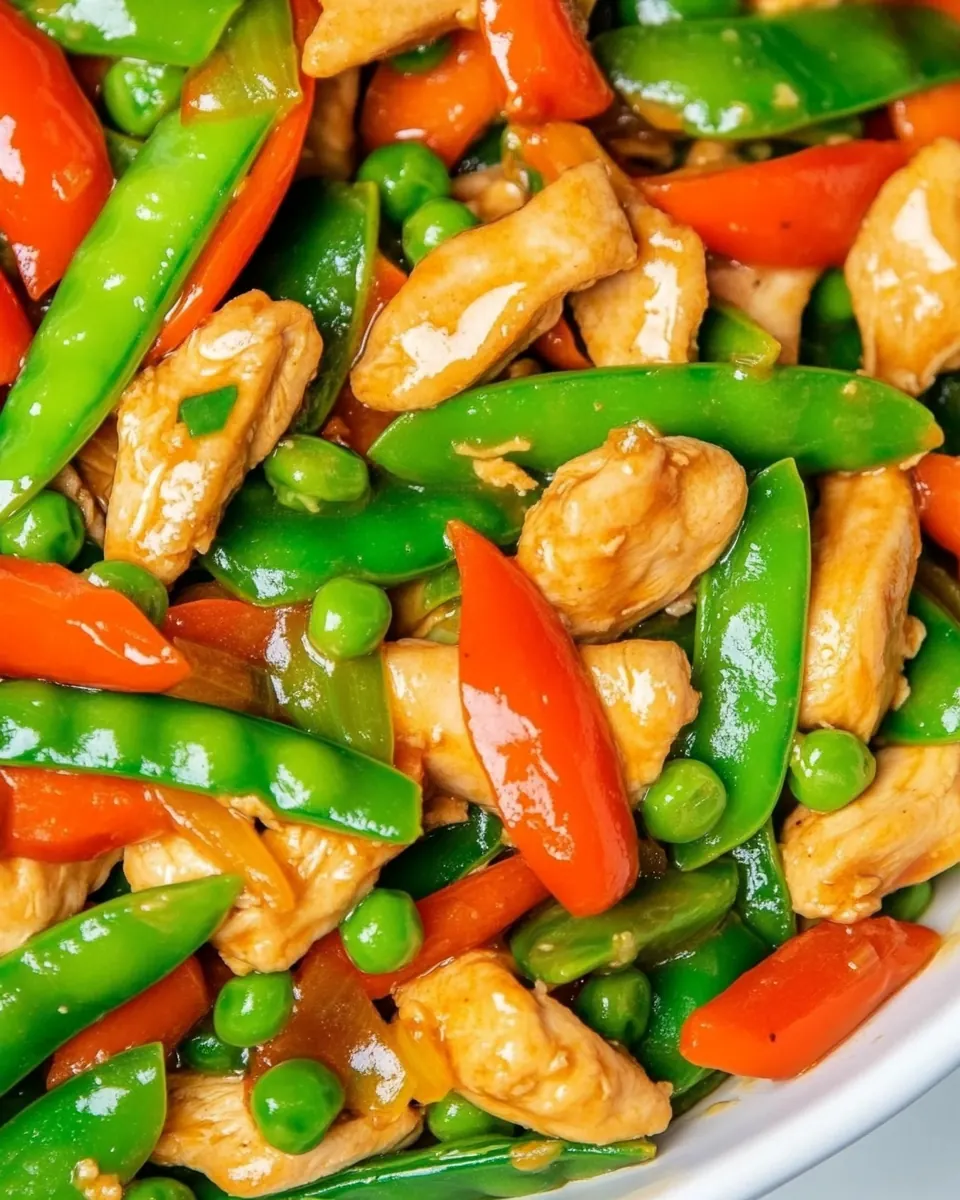
I think of these ingredients as a small, efficient team where each player has a clear role. The chicken brings body and richness, the snap peas and bell pepper contribute freshness and crunch, while the simple soy based sauce ties everything together with savory, glossy flavor. Garlic and ginger add aromatic lift, and the little cornstarch trick thickens the sauce so it clings to every piece.
- 1 tbsp . avocado oil (divided): Use to sear and prevent sticking while providing a neutral, high-heat fat; divide the tablespoon so some coats the pan for cooking and some finishes the stir-fry for sheen and mouthfeel. Avocado oil's mild flavor and high smoke point help achieve a quick, caramelized exterior on the chicken without burning. It also helps the aromatics bloom when sautéing garlic and ginger, distributing flavor evenly. Choose refined avocado oil for consistent performance at stir-fry temperatures.
- 2 garlic cloves, minced: Add aromatic depth and savory bite by mincing finely so the garlic distributes quickly and releases pungent, roasted notes during a brief sauté. Garlic promotes browning on the chicken and integrates with the sauce for umami complexity. Be careful not to overcook or let it burn, as that creates bitterness. Stir in early with oil to infuse the entire dish with its fragrance.
- 2 tsp . minced ginger: Provide bright, peppery warmth when minced so it melds with garlic to form the flavor backbone of the stir-fry; ginger's freshness counters rich soy sauce and fatty chicken. Minced ginger also helps tenderize and uplift the vegetables, contributing a subtle citrusy zing. Add early to the hot oil to release its essential oils without becoming fibrous. Adjust quantity to balance heat and aromatic intensity.
- 12 oz . sugar snap peas, strings removed and trimmed (if needed): Contribute crisp texture and sweet, green flavor when trimmed and strings removed so eating is effortless and pleasant; sugar snap peas add a refreshing crunch to contrast tender chicken. Their quick-cooking nature preserves color and nutrients, keeping them vibrant in a high-heat stir-fry. Add near the end of cooking to maintain snap and prevent sogginess. They also absorb the sauce lightly, carrying savory flavors.
- 1 large bell pepper, cut into strips: Introduce sweet, colorful crunch when sliced into strips to add visual appeal and balance the dish's savory elements; bell pepper provides mild sweetness and juiciness. Cooking briefly preserves its texture and brightens flavor without turning limp. Add with peas for a harmonious vegetable medley that complements the chicken. Use a large pepper for ample bite–sized strips throughout the stir-fry.
- 1 lb . chicken thighs, cut into bite-sized pieces: Supply hearty protein and rich flavor when cut into bite–sized pieces for even cooking and quick searing; thighs offer more moisture and succulence than breast. Properly sized pieces brown uniformly, creating savory caramelization that anchors the dish. Marinate briefly in a portion of the sauce if desired to enhance tenderness and depth. Cook to safe internal temperature while retaining juiciness.
- 1/3 cup soy sauce: Deliver concentrated salty, umami seasoning and depth when measured precisely to form the base of the stir-fry sauce; soy sauce balances sweet and savory components. It seasons the chicken and vegetables while providing color and salinity for the corn starch to thicken. Use low-sodium if watching salt, or regular for robust flavor. Combine with water and corn starch for a cohesive glaze.
- 1/3 cup water: Provide dilution and volume to the sauce so it reaches the right consistency without overpowering saltiness; water helps the cornstarch hydrate and become a smooth slurry. It also moderates soy sauce intensity while enabling even coating of all ingredients. Warm water integrates more easily into the hot pan, preventing lumps. Adjust amount slightly to achieve desired sauce thickness.
- 1 tbsp . corn starch: Thicken and create a glossy, clingy sauce when dissolved into the soy-water mixture; cornstarch yields a silky glaze that coats chicken and vegetables. Mix with cold water first to form a slurry and prevent graininess when added to hot liquid. Cook briefly after adding so the starch fully gelatinizes and the sauce reaches proper viscosity. Use exact measurement to avoid overly gelatinous texture.
- 1/4 cup chopped scallions: Finish with a sharp, fresh oniony note when chopped and sprinkled over the stir-fry; scallions add color contrast and bright flavor. Add most at the end or as garnish to preserve crispness and aromatic lift. White parts can be cooked briefly for savory depth while green tops provide fresh aroma. Scatter evenly for balanced bites and visual appeal.
How to Prepare Chicken Snap Pea Stir Fry
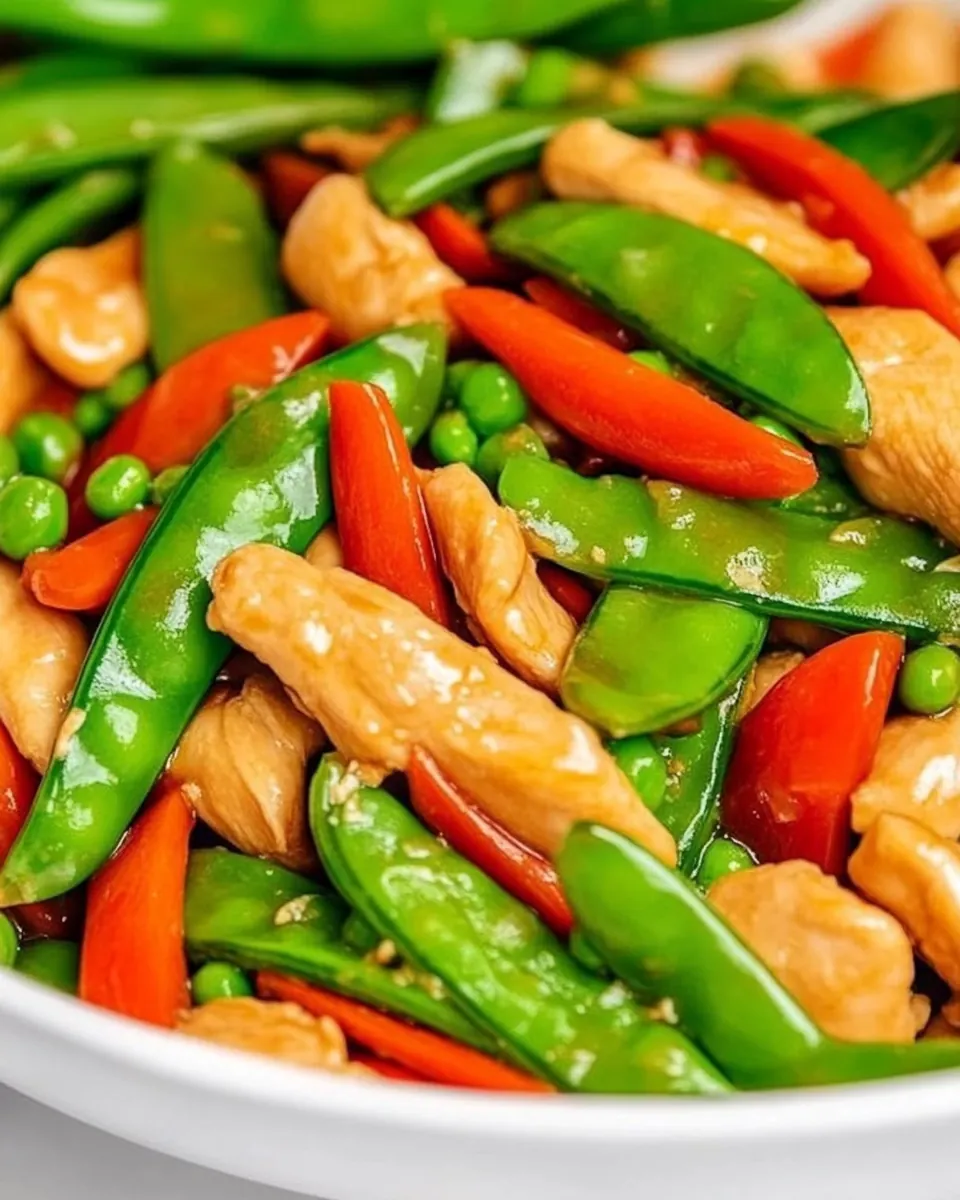
We are going to move through the steps in a rhythm that respects timing, texture, and temperature. Stir fries are all about quick heat and attention, so keep your mise en place ready and a spatula in hand. Below are the rewritten directions expanded into rich, sensory steps so you know what to expect at each moment.
- Heat a large non-stick skillet on medium heat. Add a tablespoon of oil, garlic, and ginger. Saute for 1 minute.: You will smell the immediate lift of fresh garlic and ginger as they hit the warm oil, a heady, spicy aroma that signals the flavor base is forming. The oil should shimmer gently and you will hear a soft sizzle as the aromatics hit the pan, releasing fragrant steam. This step builds the backbone of the dish, so watch the color of the garlic and ginger closely; they should soften and become fragrant without turning dark brown. A common mistake is letting the garlic burn, which creates harsh bitterness, so keep the heat at medium and stir continuously for an even, aromatic finish.
- Now add the snap peas and the bell pepper. Cook for 5 minutes, until the veggies just start to cook, but are still crunchy.: When the vegetables hit the skillet you should hear a crisp sputter as their moisture meets the heat, and their colors will brighten almost immediately, a sign they are cooking properly. Stir them frequently so the edges get a touch of blister without wilting away, preserving a pleasing crunch. The goal is tender crispness, which contrasts beautifully with the eventual tenderness of the chicken . Overcooking here results in limp, dull vegetables, so test a piece after a few minutes to ensure you retain that satisfying snap.
- Remove the veggies from the skillet and set them aside.: Lifting the vegetables keeps them from continuing to cook in the residual heat of the pan, preserving texture and color. As you remove them, you may notice a light glaze from the garlic oils left behind on the pan surface, which will later help flavor the chicken . A frequent error is leaving them in the pan where carryover heat will soften them too much, so place them on a plate or bowl to rest briefly.
- To the same skillet, add the remaining tablespoon of oil and chicken. Cook the chicken for 5-7 minutes, until it’s fully cooked through and starts to brown nicely.: The second addition of oil brings the pan back to the correct searing temperature, and as the chicken meets the hot surface you will hear a pronounced sizzle. This is when Maillard reactions occur, creating those brown, savory edges that deepen the dish. Cook undisturbed for short periods to develop color, flipping so multiple sides get caramelized. A common pitfall is moving the pieces constantly, which prevents proper browning and leads to steamed rather than seared meat.
- While the chicken is cooking, mix the soy sauce with water and cornstarch in a small bowl.: Combining the soy sauce , water, and corn starch into a slurry creates the magic that will thicken into a glossy sauce, and whisking it smooth removes lumps so it integrates evenly. You may notice the sauce smells more saline when mixed, but it will mellow once it hits the hot pan. The purpose here is control, because adding a pre blended mixture ensures that the thickening happens quickly and uniformly. If you add dry cornstarch directly, you risk clumps or uneven thickening, so dissolve first for best results.
- Add the soy sauce mixture to the chicken and stir (the sauce will start to thicken).: As the liquid hits the hot skillet you will see it shimmer and then begin to transform into a glossy coating, clinging to the browned surfaces of the chicken . The sizzling sound will soften and the aroma becomes deeper and more savory, indicating the sauce is reducing just enough to concentrate flavor. Stir gently so the sauce envelopes each piece, and watch for the moment it reaches a silky consistency. If it thickens too quickly, add a splash of water to loosen it; if it remains too thin, let it bubble briefly to reduce.
- Now add back the snap peas and bell pepper together with chopped scallions. Stir everything well, turn off the heat and serve.: Reintroducing the vegetables and the fresh scallions at the end preserves their color and crunch while letting them pick up the sauce sizzle. Toss everything so the glossy sauce coats the pieces, and you will feel a warm steam and smell the mingling of sweet vegetable notes with the savory sauce. Turning off the heat quickly prevents overcooking, and finishing in this way maintains the lively textures that make the dish shine. Avoid leaving the pan on heat where residual warmth will continue to soften the vegetables beyond the ideal point.
Customization Ideas
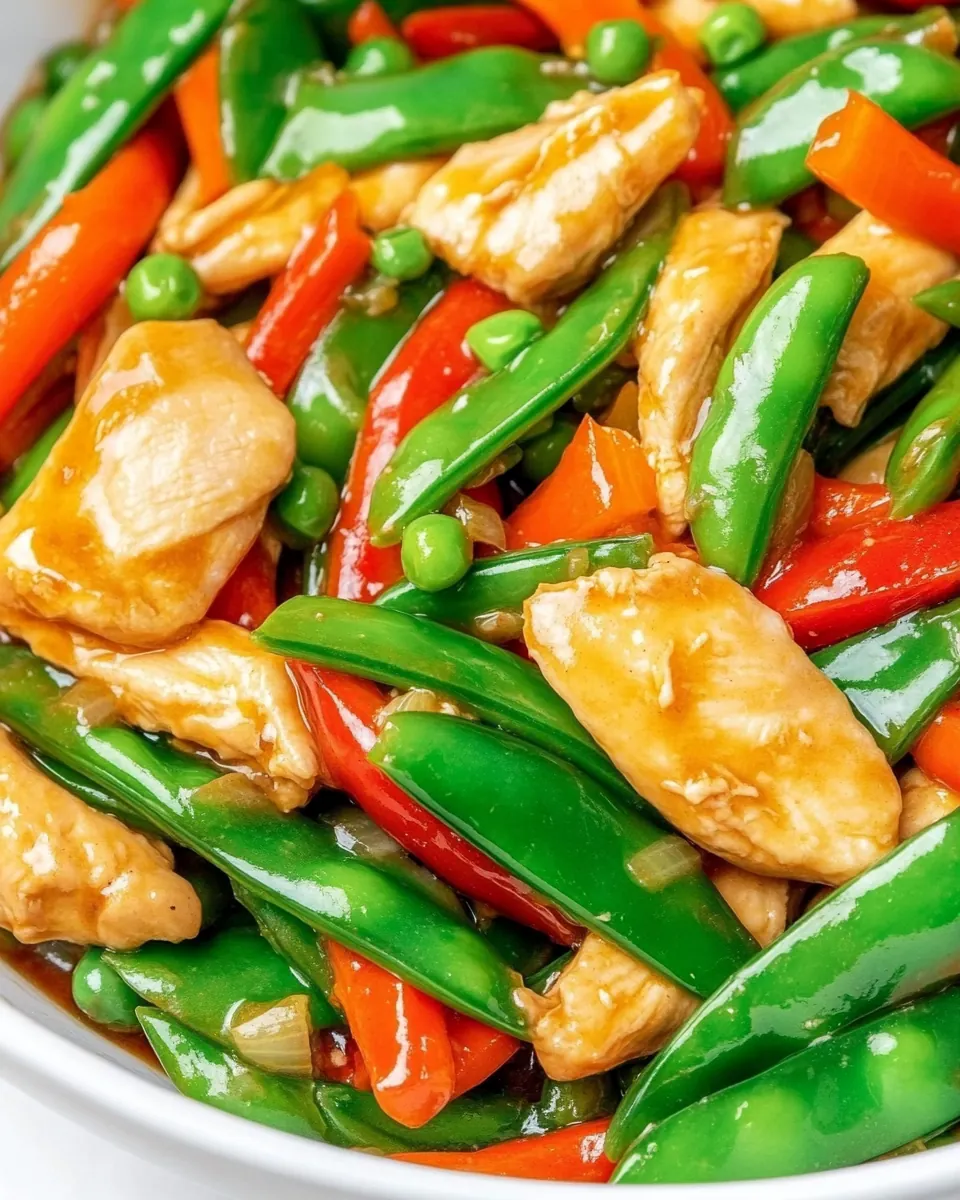
This recipe is designed to be flexible, so small swaps or additions can shift the flavor profile without changing the method. Below are practical, kitchen friendly ideas to make the dish your own, each expanded into a useful tip you can apply the next time you cook.
- Swap vegetables freely Use carrots, broccoli, or zucchini in place of the snap peas or bell pepper, taking care to cut them to similar thickness so cooking times remain even.
- Protein variations You can cook beef, turkey, or a different cut of chicken instead of thighs, but adjust the cook time to ensure the meat is properly done and still tender.
- Control salt with low sodium soy If you prefer less salt, choose low sodium soy sauce and taste the sauce before serving so you can adjust with small additions of salt if needed.
- Brighten with fresh aromatics Finish with more chopped scallions or a squeeze of citrus for added lift right before serving, which refreshes reheated leftovers as well.
- Make it saucier or drier Adjust the water to soy sauce ratio to thin or thicken the sauce, or reduce longer if you want a more concentrated glaze that clings intensely to the ingredients.
What to Pair With Chicken Snap Pea Stir Fry
This dish is versatile at the table and pairs beautifully with simple accompaniments that let its textures and sauce shine. Below are serving ideas, occasions, storage notes, and seasonal pairings to help you plan meals around it.
- Serve with steamed rice Plain white or jasmine rice soaks up the glossy sauce, creating a comforting, balanced plate perfect for casual weeknight dinners.
- Offer brown rice or quinoa For a nuttier, heartier feel, choose whole grain sides which add fiber and make the meal more filling for lunch or dinner.
- Family friendly weeknight This recipe is ideal for busy evenings when you want something quick, nutritious, and universally appealing to both kids and adults.
- Meal prep lunches Pack leftovers in airtight containers and store in the refrigerator for up to three days; reheat gently so the vegetables retain some crunch.
- Seasonal produce swaps In spring use fresh snap peas as written, in cooler months swap to broccoli or carrots for a similar texture that stands up to the sauce.
- Casual dinner parties Serve family style with bowls of rice and let guests spoon the stir fry over their portions, it keeps presentation relaxed and communal.
- Storage tip Store sauce and solids together, but reheat gently with a splash of water if the sauce tightens too much in the fridge so it loosens and regains a silky texture.
FAQ
Conclusion
This recipe shines because it balances quick technique with bold, layered flavor, delivering tender chicken and crisp snap peas in a glossy, savory sauce. Give it a try on a weeknight when you want something fast yet satisfying, and I think you will find it becomes a regular in your rotation. It is approachable, adaptable, and reliably delicious, which makes it one of those dishes I keep coming back to when life gets busy.
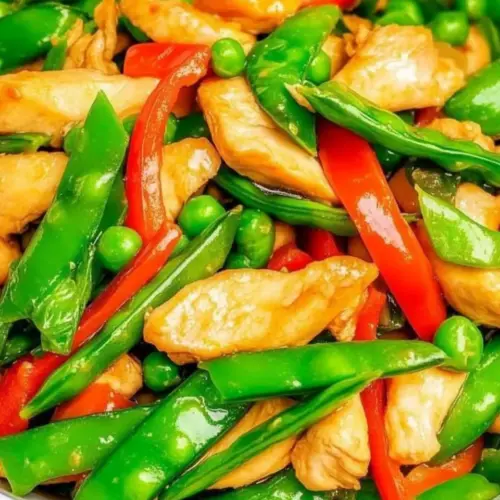
Chicken Snap Pea Stir Fry
Equipment
- Non-Stick Skillet
- Mixing Bowl
- Spatula
Ingredients
- 1 tbsp . avocado oil (divided) Use to sear and prevent sticking while providing a neutral, high-heat fat; divide the tablespoon so some coats the pan for cooking and some finishes the stir-fry for sheen and mouthfeel. Avocado oil's mild flavor and high smoke point help achieve a quick, caramelized exterior on the chicken without burning. It also helps the aromatics bloom when sautéing garlic and ginger, distributing flavor evenly. Choose refined avocado oil for consistent performance at stir-fry temperatures.
- 2 garlic cloves, minced Add aromatic depth and savory bite by mincing finely so the garlic distributes quickly and releases pungent, roasted notes during a brief sauté. Garlic promotes browning on the chicken and integrates with the sauce for umami complexity. Be careful not to overcook or let it burn, as that creates bitterness. Stir in early with oil to infuse the entire dish with its fragrance.
- 2 tsp . minced ginger Provide bright, peppery warmth when minced so it melds with garlic to form the flavor backbone of the stir-fry; ginger's freshness counters rich soy sauce and fatty chicken. Minced ginger also helps tenderize and uplift the vegetables, contributing a subtle citrusy zing. Add early to the hot oil to release its essential oils without becoming fibrous. Adjust quantity to balance heat and aromatic intensity.
- 12 oz . sugar snap peas, strings removed and trimmed (if needed) Contribute crisp texture and sweet, green flavor when trimmed and strings removed so eating is effortless and pleasant; sugar snap peas add a refreshing crunch to contrast tender chicken. Their quick-cooking nature preserves color and nutrients, keeping them vibrant in a high-heat stir-fry. Add near the end of cooking to maintain snap and prevent sogginess. They also absorb the sauce lightly, carrying savory flavors.
- 1 large bell pepper, cut into strips Introduce sweet, colorful crunch when sliced into strips to add visual appeal and balance the dish's savory elements; bell pepper provides mild sweetness and juiciness. Cooking briefly preserves its texture and brightens flavor without turning limp. Add with peas for a harmonious vegetable medley that complements the chicken. Use a large pepper for ample bite-sized strips throughout the stir-fry.
- 1 lb . chicken thighs, cut into bite-sized pieces Supply hearty protein and rich flavor when cut into bite-sized pieces for even cooking and quick searing; thighs offer more moisture and succulence than breast. Properly sized pieces brown uniformly, creating savory caramelization that anchors the dish. Marinate briefly in a portion of the sauce if desired to enhance tenderness and depth. Cook to safe internal temperature while retaining juiciness.
- 1/3 cup soy sauce Deliver concentrated salty, umami seasoning and depth when measured precisely to form the base of the stir-fry sauce; soy sauce balances sweet and savory components. It seasons the chicken and vegetables while providing color and salinity for the corn starch to thicken. Use low-sodium if watching salt, or regular for robust flavor. Combine with water and corn starch for a cohesive glaze.
- 1/3 cup water Provide dilution and volume to the sauce so it reaches the right consistency without overpowering saltiness; water helps the cornstarch hydrate and become a smooth slurry. It also moderates soy sauce intensity while enabling even coating of all ingredients. Warm water integrates more easily into the hot pan, preventing lumps. Adjust amount slightly to achieve desired sauce thickness.
- 1 tbsp . corn starch Thicken and create a glossy, clingy sauce when dissolved into the soy-water mixture; cornstarch yields a silky glaze that coats chicken and vegetables. Mix with cold water first to form a slurry and prevent graininess when added to hot liquid. Cook briefly after adding so the starch fully gelatinizes and the sauce reaches proper viscosity. Use exact measurement to avoid overly gelatinous texture.
- 1/4 cup chopped scallions Finish with a sharp, fresh oniony note when chopped and sprinkled over the stir-fry; scallions add color contrast and bright flavor. Add most at the end or as garnish to preserve crispness and aromatic lift. White parts can be cooked briefly for savory depth while green tops provide fresh aroma. Scatter evenly for balanced bites and visual appeal.
Instructions
- Heat a large non-stick skillet on medium heat. Add a tablespoon of oil, garlic, and ginger. Saute for 1 minute.: You will smell the immediate lift of fresh garlic and ginger as they hit the warm oil, a heady, spicy aroma that signals the flavor base is forming. The oil should shimmer gently and you will hear a soft sizzle as the aromatics hit the pan, releasing fragrant steam. This step builds the backbone of the dish, so watch the color of the garlic and ginger closely; they should soften and become fragrant without turning dark brown. A common mistake is letting the garlic burn, which creates harsh bitterness, so keep the heat at medium and stir continuously for an even, aromatic finish.
- Now add the snap peas and the bell pepper. Cook for 5 minutes, until the veggies just start to cook, but are still crunchy.: When the vegetables hit the skillet you should hear a crisp sputter as their moisture meets the heat, and their colors will brighten almost immediately, a sign they are cooking properly. Stir them frequently so the edges get a touch of blister without wilting away, preserving a pleasing crunch. The goal is tender crispness, which contrasts beautifully with the eventual tenderness of the chicken . Overcooking here results in limp, dull vegetables, so test a piece after a few minutes to ensure you retain that satisfying snap.
- Remove the veggies from the skillet and set them aside.: Lifting the vegetables keeps them from continuing to cook in the residual heat of the pan, preserving texture and color. As you remove them, you may notice a light glaze from the garlic oils left behind on the pan surface, which will later help flavor the chicken . A frequent error is leaving them in the pan where carryover heat will soften them too much, so place them on a plate or bowl to rest briefly.
- To the same skillet, add the remaining tablespoon of oil and chicken. Cook the chicken for 5-7 minutes, until it’s fully cooked through and starts to brown nicely.: The second addition of oil brings the pan back to the correct searing temperature, and as the chicken meets the hot surface you will hear a pronounced sizzle. This is when Maillard reactions occur, creating those brown, savory edges that deepen the dish. Cook undisturbed for short periods to develop color, flipping so multiple sides get caramelized. A common pitfall is moving the pieces constantly, which prevents proper browning and leads to steamed rather than seared meat.
- While the chicken is cooking, mix the soy sauce with water and cornstarch in a small bowl.: Combining the soy sauce , water, and corn starch into a slurry creates the magic that will thicken into a glossy sauce, and whisking it smooth removes lumps so it integrates evenly. You may notice the sauce smells more saline when mixed, but it will mellow once it hits the hot pan. The purpose here is control, because adding a pre blended mixture ensures that the thickening happens quickly and uniformly. If you add dry cornstarch directly, you risk clumps or uneven thickening, so dissolve first for best results.
- Add the soy sauce mixture to the chicken and stir (the sauce will start to thicken).: As the liquid hits the hot skillet you will see it shimmer and then begin to transform into a glossy coating, clinging to the browned surfaces of the chicken . The sizzling sound will soften and the aroma becomes deeper and more savory, indicating the sauce is reducing just enough to concentrate flavor. Stir gently so the sauce envelopes each piece, and watch for the moment it reaches a silky consistency. If it thickens too quickly, add a splash of water to loosen it; if it remains too thin, let it bubble briefly to reduce.
- Now add back the snap peas and bell pepper together with chopped scallions. Stir everything well, turn off the heat and serve.: Reintroducing the vegetables and the fresh scallions at the end preserves their color and crunch while letting them pick up the sauce sizzle. Toss everything so the glossy sauce coats the pieces, and you will feel a warm steam and smell the mingling of sweet vegetable notes with the savory sauce. Turning off the heat quickly prevents overcooking, and finishing in this way maintains the lively textures that make the dish shine. Avoid leaving the pan on heat where residual warmth will continue to soften the vegetables beyond the ideal point.
Notes
- Swap vegetables freely Use carrots, broccoli, or zucchini in place of the snap peas or bell pepper, taking care to cut them to similar thickness so cooking times remain even.
- Protein variations You can cook beef, turkey, or a different cut of chicken instead of thighs, but adjust the cook time to ensure the meat is properly done and still tender.
- Control salt with low sodium soy If you prefer less salt, choose low sodium soy sauce and taste the sauce before serving so you can adjust with small additions of salt if needed.
- Brighten with fresh aromatics Finish with more chopped scallions or a squeeze of citrus for added lift right before serving, which refreshes reheated leftovers as well.
- Make it saucier or drier Adjust the water to soy sauce ratio to thin or thicken the sauce, or reduce longer if you want a more concentrated glaze that clings intensely to the ingredients.