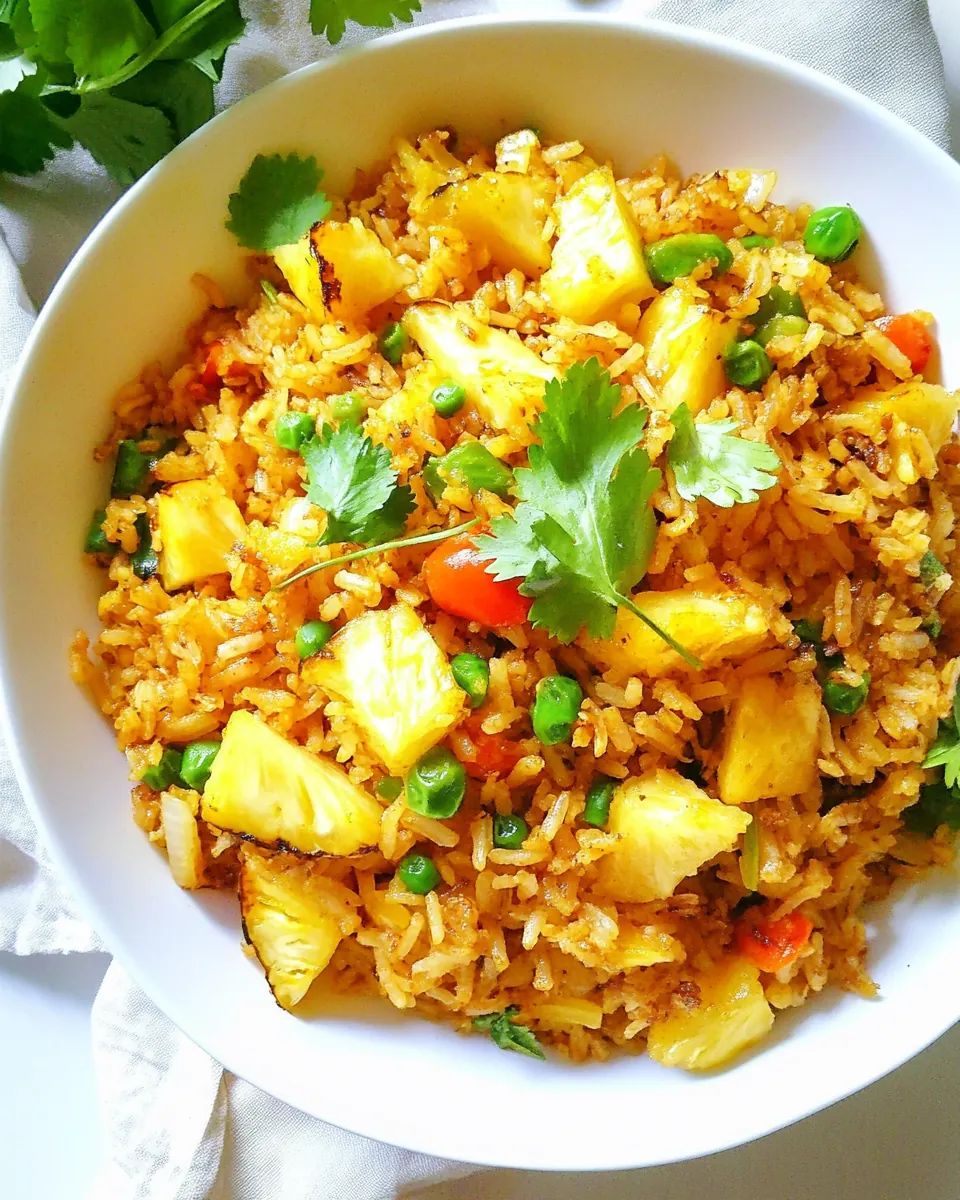
Pineapple Fried Brown Rice
Pineapple Fried Brown Rice started as a weeknight rescue for me, a way to use leftover rice and a lonely pineapple sitting on the counter. I remember the first time I tossed bright chunks of pineapple into a sizzling pan with tender bits of chicken and steamed brown rice, the aroma lifting everything in the kitchen and making even a tired evening feel festive. It felt like a small celebration, a meal that was both comforting and lively at the same time.
Over time I refined the balance of sweet, savory, and toasted notes until the combination felt inevitable. The crunch of toasted cashews, the bright citrus from a squeezed orange, and the warm sesame undertone make this one of my go to dinners when I want something fast that still tastes like effort. Family and friends always ask for seconds, and I have a habit of sneaking extra spoonfuls straight from the pan while I taste for seasoning.
Recipe Snapshot
55 mins
15 mins
40 mins
Medium
450 kcal
American
Gluten-Free, Vegan
Dinner
Medium pot, Very large pan, Small bowl
Why We Love This Pineapple Fried Brown Rice
1. Flavor Contrast That Surprises
I love how Pineapple Fried Brown Rice balances sweet and savory. The pineapple brings bright acidity and sweetness, while the soy sauce and sesame oil ground the dish with umami. That contrast keeps every bite interesting, and I find it elevates simple ingredients into something memorable.
2. Texture Play Makes It Fun
The dish layers textures, and to me that is everything. Soft, slightly chewy brown rice meets tender shredded chicken, crisp celery, grated carrot, and crunchy toasted cashews. I always appreciate a bite that shifts between silky and crisp, it feels like a small party in the mouth.
3. Weeknight Friendly, Yet Special
I often make this when I need something quick but still impressive. It uses pantry staples and simple cooking techniques, and because you cook components separately, you can multitask. The sauce comes together in a bowl in seconds, meaning you spend most time stirring and enjoying kitchen aromas rather than babysitting complicated steps.
4. Flexible and Crowd Pleasing
This recipe adapts well to different needs. You can scale it up without losing texture, and it holds nicely for reheating. Guests tend to love the tropical touch from the pineapple, and the finishing cilantro adds a fresh lift that makes the dish feel complete and balanced.
5. Nutrient Forward Comfort Food
I value recipes that feel indulgent but include wholesome ingredients. Using brown rice and plenty of vegetables gives this fried rice fiber and micronutrients, while the chicken provides a solid protein base. That combination makes it a satisfying meal you can feel good about serving any night of the week.
Key Ingredients for Pineapple Fried Brown Rice
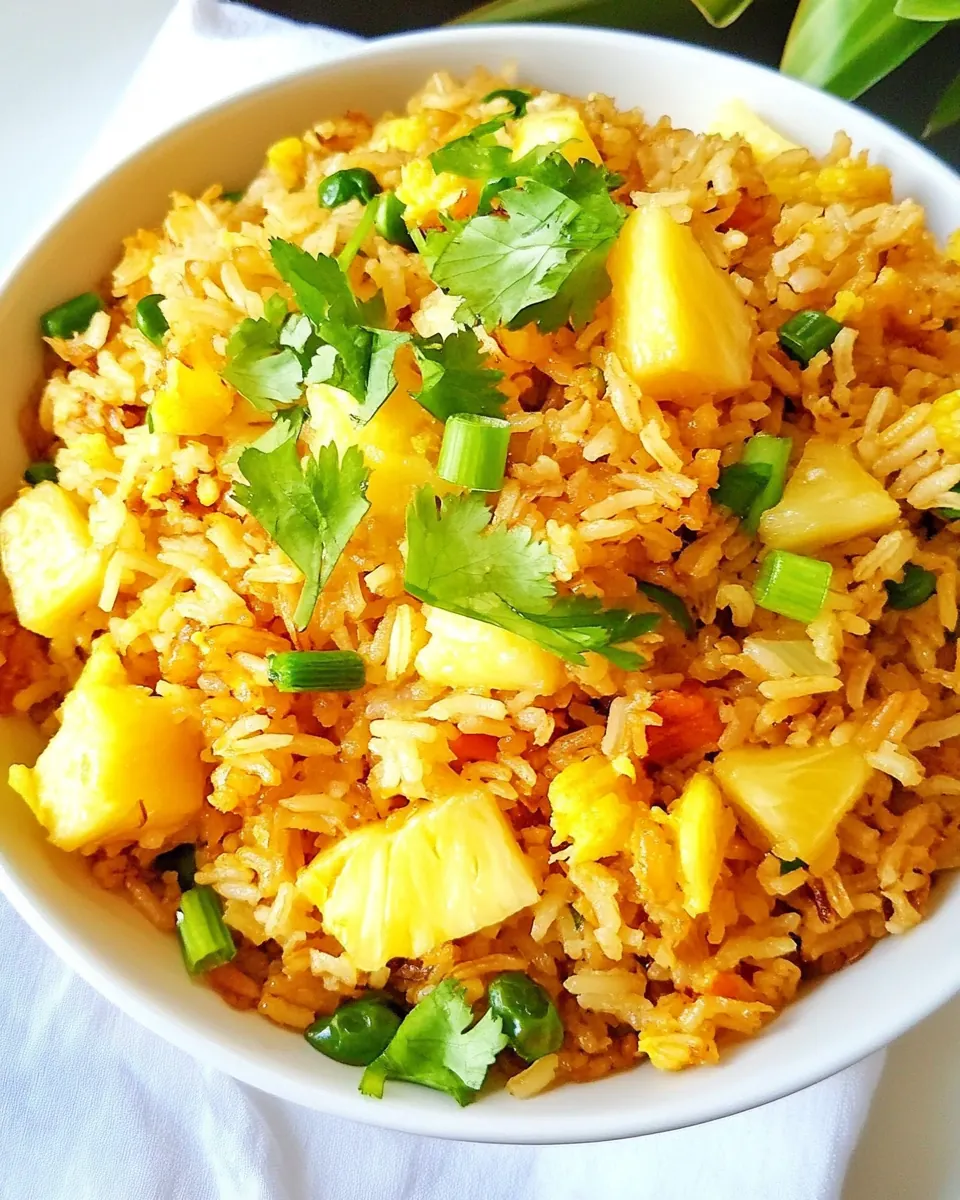
These ingredients work together to create a bright, balanced fried rice. The starchy base of brown rice soaks up the tangy sauce, while the pineapple and orange juice add brightness. Vegetables like carrot, celery, and onion give texture and natural sweetness, and the cashews provide crunch and richness to contrast the tender chicken.
- 1 1/2 cup brown rice, raw: Cooked to tender fluffiness and used as the staple grain base, providing body and whole-grain texture for the dish; absorbs flavors from soy sauce and sesame oil while offering a nutty taste that complements the fruit and vegetables. Rinse before cooking to remove excess starch and simmer with water until just tender, then cool for best frying results.
- 3 cup water: Simmered to hydrate the brown rice and create the proper texture; contributes steam and carries heat through the rice during initial cooking. Use measured water for consistent doneness so the rice fries without becoming mushy.
- 1/2 pound chicken breast: Sliced into bite-sized pieces and pan-seared until golden to supply savory protein and a meaty contrast to the sweet pineapple; adds richness and a satisfying chew that balances the dish. Season lightly before cooking and ensure it reaches proper temperature for safe consumption.
- 2 tablespoon butter, unsalted: Melted in the hot pan to provide a rich cooking medium that helps brown the chicken and vegetables while adding a subtle creamy flavor; contributes to mouthfeel and helps coat rice for a glossy finish. Use unsalted butter to control overall sodium and combine with oils for higher smoke point if needed.
- 2 cup pineapple: Cut into chunks to provide juicy sweetness and tropical acidity that brightens the fried rice; balances savory notes and introduces moisture and texture contrast. Add toward the end of cooking to warm through without breaking down too much.
- 3 medium carrot: Diced and stir-fried until slightly tender to add natural sweetness, color, and a firm bite; contributes vegetal notes and nutritional value, complementing both rice and proteins. Cut uniformly for even cooking and to blend smoothly into the bite-sized components.
- 2 stalk celery: Chopped finely and sautéed to impart a mild aromatic crunch and vegetal backbone; helps unify flavors by adding freshness and light savory notes. Use tender inner stalks for best texture and slice across the grains for easier chewing.
- 1 medium onion, sweet: Diced and sweated until translucent to supply aromatic sweetness and depth; acts as a flavor foundation that enhances savory and sweet components when caramelized slightly. Choose a sweet onion for milder flavor and brown gently to avoid bitterness.
- 2 tablespoons soy sauce, gluten free: Added to season the rice with umami and saltiness while tying together savory and sweet elements; use gluten–free soy sauce to maintain dietary restrictions without sacrificing depth. Drizzle during frying and toss quickly to evenly coat ingredients.
- 2 tablespoons sesame oil: Drizzled to deliver toasted aroma and rich, nutty flavor that elevates the overall profile; small amounts go a long way in creating authentic fried rice character. Combine with butter for flavor balance and add near the end to preserve its fragrance.
- 1 medium orange: Zested and juiced to introduce bright citrus acidity and floral sweetness that lifts heavier flavors; complements pineapple and cuts through richness from butter and chicken. Use fresh orange for best aromatic oils and a subtle tangy finish.
- 1 cup green peas, frozen: Stirred in to contribute pops of sweetness, color, and a tender bite that contrasts with rice and vegetables; frozen peas add convenience and a pleasant textural element when warmed through. Thaw slightly or add near the end of cooking to avoid overcooking.
- 1/2 cup cashews: Toasted briefly to add crunch and buttery nutty flavor that complements the tropical theme; acts as a garnish and textural counterpoint to softer rice and fruit. Lightly toast in a dry pan or with butter to boost aroma before mixing in.
- 2 tablespoon cilantro: Chopped and sprinkled to deliver fresh herbal brightness and a clean finish that cuts through richness; cilantro layers a citrusy, slightly peppery note onto each bite. Add at the end off-heat to preserve color and fragrance.
Making This Pineapple Fried Brown Rice
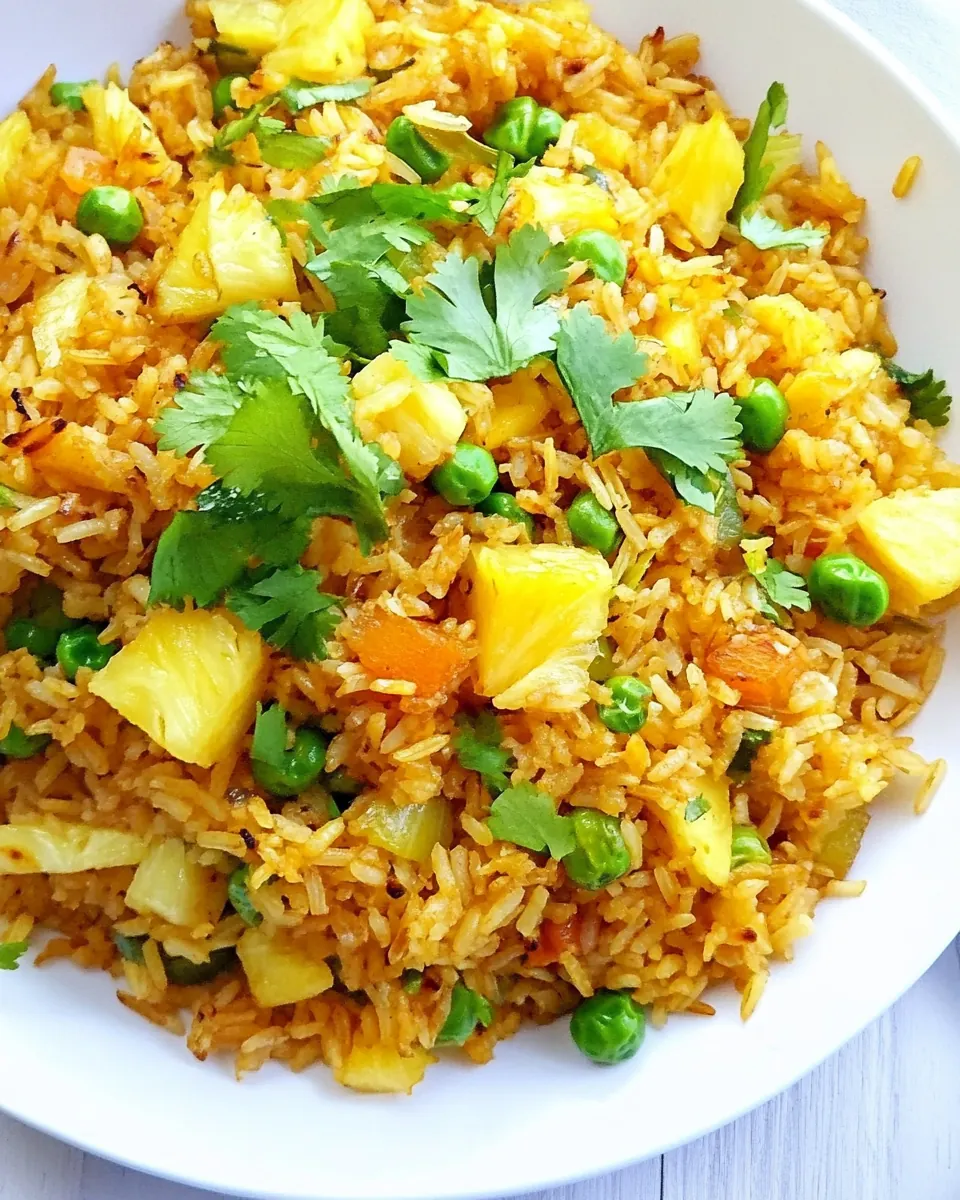
I like to think of this as an assembly of small wins, each step building toward a balanced final dish. With components cooked separately and a quick final toss, the meal comes together fast and tastes composed. Below you will find each instruction rewritten with sensory notes, reasons, and common pitfalls so you can follow confidently.
- Place rinsed and drained brown rice in a medium pot with 3 cups of water, and bring to a boil. Reduce heat to low and let simmer, covered, until water is evaporated and rice is tender.: The aroma of toasting grains is subtle here, but as the water comes to a boil you will hear the gentle rolling simmer. I like to cover the pot so steam circulates, which helps the brown rice cook evenly and hold slightly chewy texture. The reason this matters is that brown rice has more bran and requires steady, gentle heat to become tender without turning sticky. A common mistake is lifting the lid too often, which lets steam escape and prolongs cooking time, resulting in undercooked centers.
- Cook chicken breasts.: You will notice the bubbling slow and the pot quiet down as the water absorbs into the grains. That soft hissing and occasional gentle pop tell you things are progressing. Leaving it covered off direct heat for a few minutes after the water is gone helps steam finish the job and yields separated grains. Avoid stirring vigorously once it is simmering, because agitation releases starch and makes the rice glue together.
- Cut pineapple into bite size pieces. Peel and grate carrots, slice celery; chop onion.: When the chicken sizzles in the pan you will smell a savory note that anchors the dish. Cook on medium until juices run clear and the internal texture is firm but still juicy. Rest the cooked chicken a few minutes before shredding or dicing so the juices redistribute, which keeps pieces tender in the final stir fry. Overcooking is the most common issue here, leaving the chicken dry and less pleasant alongside moist rice.
- Meanwhile, heat butter in a very large pan over medium heat. Add the onions and grated carrots to the pan, and fry until translucent and tender, about ten minutes.: The bright perfume of fresh pineapple becomes more vivid as you cut it, and grating the carrot releases sweet juices that caramelize subtly when cooked. Uniform sizes ensure even cooking during the quick stir fry, so take a few extra minutes to prep. A frequent slip is uneven chopping, which yields pieces that cook at different rates and upset the texture balance.
- Add the celery, and fry a few minutes more, until it’s bright green and tender-crisp.: You will notice a soft sizzle and the pan will fill with sweet onion and carrot aromas as they soften. The butter helps carry flavors and gives the vegetables a glossy sheen. Cooking slowly until translucent lets natural sugars bloom without burning, which deepens flavor. Rushing this step by cranking up heat risks browning too fast and tasting bitter.
- In a small bowl, whisk together the soy sauce, sesame oil and juice from one orange.: The pop of color when the celery hits the pan signals freshness, and its crispness should remain to contrast softer elements. Listen for a lively sizzle that means the pan is hot enough to cook without steaming. Overcooking will cause dull color and limp stalks, so watch the clock and test a piece for that ideal tender-crisp bite.
- Add the cooked rice to the frying pan along with the cooked chicken, pineapple, peas and sauce. Toss the fried rice to coat it with the sauce, then taste and adjust seasonings. Top with cashews.: The sauce should smell fragrant from the sesame oil and bright from the orange juice, creating a glossy, pourable dressing. Whisking ensures the salty soy sauce and oil emulsify and coat the grains evenly. The purpose is to season and bind the dish, so taste as you go because too much salt will overwhelm the natural sweetness of the pineapple . A common error is skipping the tasting step and ending up with an overly salty result.
- Serve with chopped cilantro as a garnish, and Sriracha sauce for grownups (or kids!!) who like it hot.: When these ingredients meet in the pan you will hear a satisfying gentle roar as the cold or room temperature components hit the hot surface. The scent opens up, releasing a complex mix of sweet, savory, and toasty aromas. Tossing helps the sauce cling to individual grains so each bite is well seasoned. If you dump everything at once into a small pan the ingredients will steam instead of fry, so use a large pan for even heat distribution.
- Toss the fried rice to coat it with the sauce, then taste and adjust seasonings: As you toss, watch for a light sheen on the brown rice and a uniform color from the sauce. Taste several bites to check for salt, acid, and balance, and tweak with small amounts if needed. This tasting is the final quality control, and it is essential because it lets you calibrate flavor to your preference. A mistake people make is not tasting until plated, which can leave the dish flat.
- Top with cashews: The moment you add crunchy toasted cashews you get a pleasing contrast between warm tender rice and the nutty crispness. The toasty scent enhances the overall profile. Sprinkle them right at the end so they retain texture. If you add them too early they will soften and lose their distinctive crunch.
- Serve with chopped cilantro as a garnish, and Sriracha sauce for grownups (or kids!!) who like it hot: The fresh pop of chopped cilantro at service time brightens every bite, and the optional spicy sauce provides a warm kick for those who want it. You will notice a final lift from the herb that ties together sweet, savory, and nutty notes. Avoid adding the garnish too early, because herbs wilt quickly under heat and lose their vibrant flavor.
Making Adjustments
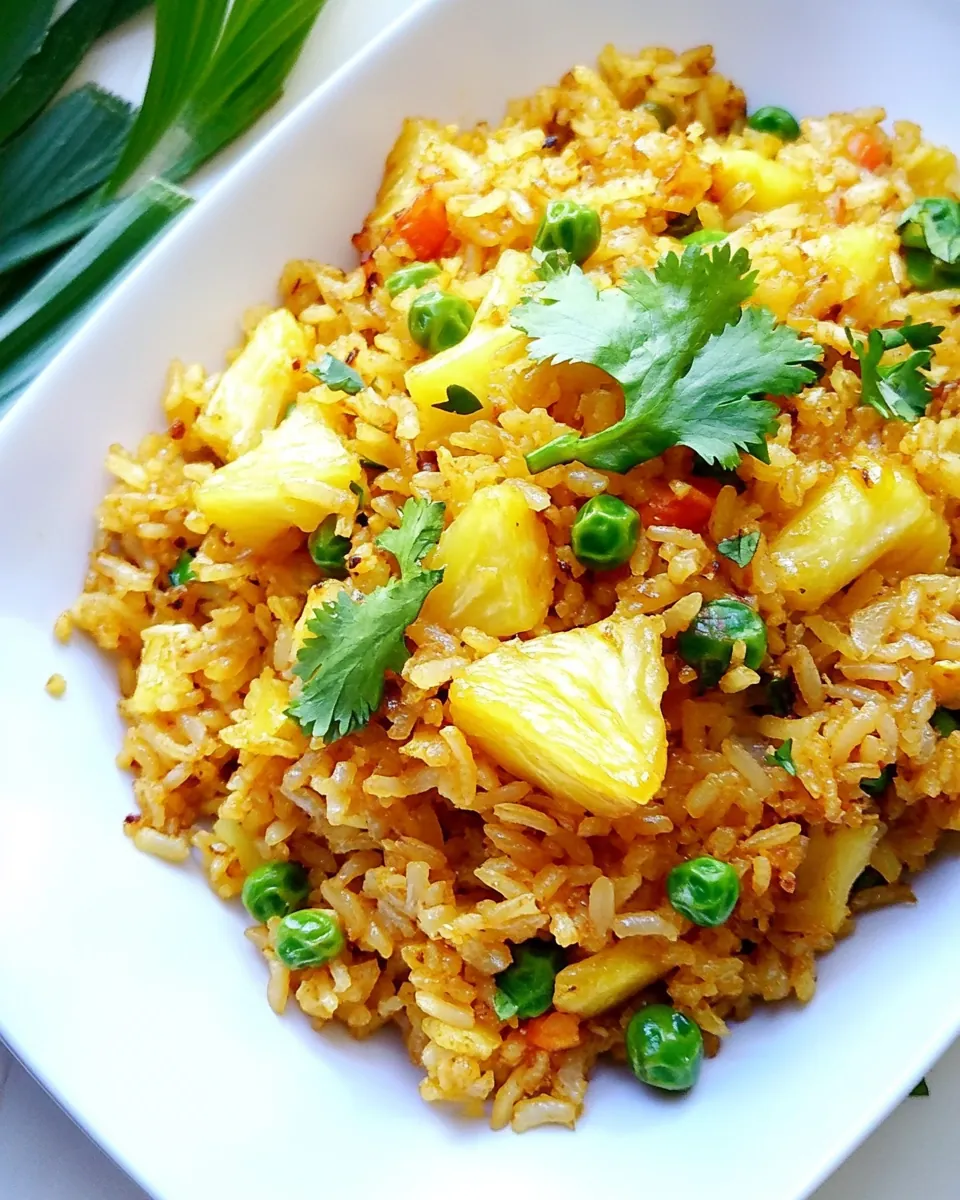
I like to offer practical tweaks so you can tailor Pineapple Fried Brown Rice to what you have on hand or your flavor preferences. Below are focused, actionable tips that expand on the recipe points and help you avoid common pitfalls.
- Rice Texture: If your brown rice is slightly undercooked, add a splash of hot water to the pan and cover briefly to finish steaming rather than continuing to fry aggressively, which can lead to uneven chew.
- Protein Prep: Poach or gently pan sear the chicken with a little salt and oil until just cooked through, then rest before shredding to keep it tender when mixed with hot rice.
- Pineapple Choice: Fresh pineapple offers brighter flavor, but drained canned works in a pinch. If using canned, rinse lightly to remove excess syrup and avoid added sweetness.
- Soy Saltiness Control: Since soy sauce levels vary by brand, start with less and add more after tasting. This prevents an overly salty final dish.
- Nut Allergies: If someone cannot have cashews, substitute toasted sunflower seeds for crunch while keeping the textural contrast.
Serving Suggestions
This Pineapple Fried Brown Rice serves well for casual weeknight dinners or as a festive potluck dish. The tropical notes make it especially nice for warm weather gatherings, and the recipe scales easily for larger groups. I like to serve it family style so everyone can add Sriracha or extra cilantro to their own plates.
- Main Course: Serve as a stand alone Pineapple Fried Brown Rice meal with a wedge of lime or extra cilantro on the side for bright finishing touches.
- Occasions: Great for summer dinners and casual get togethers where bold, shareable flavors are welcome, because the dish holds up well on a buffet.
- Storage: Cool leftovers quickly, store in an airtight container, and refrigerate for up to three days. Reheat gently in a pan with a splash of water to revive the grains and avoid drying out the chicken.
- Meal Prep: Cook the brown rice and chicken ahead and keep chopped vegetables ready for a fast assembly night, so you can finish the dish in under twenty minutes when needed.
- Seasonal Pairings: The bright pineapple and citrus notes pair beautifully with light, crisp sides like a simple green salad, making this ideal for warmer months like summer.
FAQ
Conclusion
Pineapple Fried Brown Rice stands out because it balances sweet, savory, and textural contrasts in a single, satisfying dish. The combination of nutty brown rice, juicy pineapple, tender chicken, and crunchy cashews creates a meal that feels both comforting and bright. Give it a try on a busy weeknight or when you want something that feels special with minimal fuss. You may find it becomes a reliable favorite in your dinner rotation for its speed, flavor, and easy adaptability.
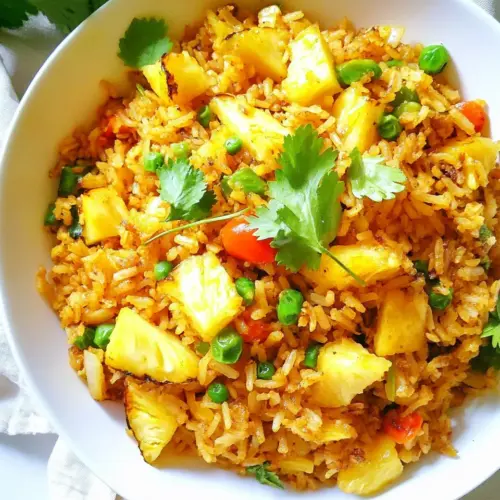
Pineapple Fried Brown Rice
Equipment
- Medium Pot
- Very large pan
- Small Bowl
Ingredients
- 1 1/2 cup brown rice, raw Cooked to tender fluffiness and used as the staple grain base, providing body and whole-grain texture for the dish; absorbs flavors from soy sauce and sesame oil while offering a nutty taste that complements the fruit and vegetables. Rinse before cooking to remove excess starch and simmer with water until just tender, then cool for best frying results.
- 3 cup water Simmered to hydrate the brown rice and create the proper texture; contributes steam and carries heat through the rice during initial cooking. Use measured water for consistent doneness so the rice fries without becoming mushy.
- 1/2 pound chicken breast Sliced into bite-sized pieces and pan-seared until golden to supply savory protein and a meaty contrast to the sweet pineapple; adds richness and a satisfying chew that balances the dish. Season lightly before cooking and ensure it reaches proper temperature for safe consumption.
- 2 tablespoon butter, unsalted Melted in the hot pan to provide a rich cooking medium that helps brown the chicken and vegetables while adding a subtle creamy flavor; contributes to mouthfeel and helps coat rice for a glossy finish. Use unsalted butter to control overall sodium and combine with oils for higher smoke point if needed.
- 2 cup pineapple Cut into chunks to provide juicy sweetness and tropical acidity that brightens the fried rice; balances savory notes and introduces moisture and texture contrast. Add toward the end of cooking to warm through without breaking down too much.
- 3 medium carrot Diced and stir-fried until slightly tender to add natural sweetness, color, and a firm bite; contributes vegetal notes and nutritional value, complementing both rice and proteins. Cut uniformly for even cooking and to blend smoothly into the bite-sized components.
- 2 stalk celery Chopped finely and sautéed to impart a mild aromatic crunch and vegetal backbone; helps unify flavors by adding freshness and light savory notes. Use tender inner stalks for best texture and slice across the grains for easier chewing.
- 1 medium onion, sweet Diced and sweated until translucent to supply aromatic sweetness and depth; acts as a flavor foundation that enhances savory and sweet components when caramelized slightly. Choose a sweet onion for milder flavor and brown gently to avoid bitterness.
- 2 tablespoons soy sauce, gluten free Added to season the rice with umami and saltiness while tying together savory and sweet elements; use gluten-free soy sauce to maintain dietary restrictions without sacrificing depth. Drizzle during frying and toss quickly to evenly coat ingredients.
- 2 tablespoons sesame oil Drizzled to deliver toasted aroma and rich, nutty flavor that elevates the overall profile; small amounts go a long way in creating authentic fried rice character. Combine with butter for flavor balance and add near the end to preserve its fragrance.
- 1 medium orange Zested and juiced to introduce bright citrus acidity and floral sweetness that lifts heavier flavors; complements pineapple and cuts through richness from butter and chicken. Use fresh orange for best aromatic oils and a subtle tangy finish.
- 1 cup green peas, frozen Stirred in to contribute pops of sweetness, color, and a tender bite that contrasts with rice and vegetables; frozen peas add convenience and a pleasant textural element when warmed through. Thaw slightly or add near the end of cooking to avoid overcooking.
- 1/2 cup cashews Toasted briefly to add crunch and buttery nutty flavor that complements the tropical theme; acts as a garnish and textural counterpoint to softer rice and fruit. Lightly toast in a dry pan or with butter to boost aroma before mixing in.
- 2 tablespoon cilantro Chopped and sprinkled to deliver fresh herbal brightness and a clean finish that cuts through richness; cilantro layers a citrusy, slightly peppery note onto each bite. Add at the end off-heat to preserve color and fragrance.
Instructions
- Place rinsed and drained brown rice in a medium pot with 3 cups of water, and bring to a boil. Reduce heat to low and let simmer, covered, until water is evaporated and rice is tender.: The aroma of toasting grains is subtle here, but as the water comes to a boil you will hear the gentle rolling simmer. I like to cover the pot so steam circulates, which helps the brown rice cook evenly and hold slightly chewy texture. The reason this matters is that brown rice has more bran and requires steady, gentle heat to become tender without turning sticky. A common mistake is lifting the lid too often, which lets steam escape and prolongs cooking time, resulting in undercooked centers.
- Cook chicken breasts.: You will notice the bubbling slow and the pot quiet down as the water absorbs into the grains. That soft hissing and occasional gentle pop tell you things are progressing. Leaving it covered off direct heat for a few minutes after the water is gone helps steam finish the job and yields separated grains. Avoid stirring vigorously once it is simmering, because agitation releases starch and makes the rice glue together.
- Cut pineapple into bite size pieces. Peel and grate carrots, slice celery; chop onion.: When the chicken sizzles in the pan you will smell a savory note that anchors the dish. Cook on medium until juices run clear and the internal texture is firm but still juicy. Rest the cooked chicken a few minutes before shredding or dicing so the juices redistribute, which keeps pieces tender in the final stir fry. Overcooking is the most common issue here, leaving the chicken dry and less pleasant alongside moist rice.
- Meanwhile, heat butter in a very large pan over medium heat. Add the onions and grated carrots to the pan, and fry until translucent and tender, about ten minutes.: The bright perfume of fresh pineapple becomes more vivid as you cut it, and grating the carrot releases sweet juices that caramelize subtly when cooked. Uniform sizes ensure even cooking during the quick stir fry, so take a few extra minutes to prep. A frequent slip is uneven chopping, which yields pieces that cook at different rates and upset the texture balance.
- Add the celery, and fry a few minutes more, until it’s bright green and tender-crisp.: You will notice a soft sizzle and the pan will fill with sweet onion and carrot aromas as they soften. The butter helps carry flavors and gives the vegetables a glossy sheen. Cooking slowly until translucent lets natural sugars bloom without burning, which deepens flavor. Rushing this step by cranking up heat risks browning too fast and tasting bitter.
- In a small bowl, whisk together the soy sauce, sesame oil and juice from one orange.: The pop of color when the celery hits the pan signals freshness, and its crispness should remain to contrast softer elements. Listen for a lively sizzle that means the pan is hot enough to cook without steaming. Overcooking will cause dull color and limp stalks, so watch the clock and test a piece for that ideal tender-crisp bite.
- Add the cooked rice to the frying pan along with the cooked chicken, pineapple, peas and sauce. Toss the fried rice to coat it with the sauce, then taste and adjust seasonings. Top with cashews.: The sauce should smell fragrant from the sesame oil and bright from the orange juice, creating a glossy, pourable dressing. Whisking ensures the salty soy sauce and oil emulsify and coat the grains evenly. The purpose is to season and bind the dish, so taste as you go because too much salt will overwhelm the natural sweetness of the pineapple . A common error is skipping the tasting step and ending up with an overly salty result.
- Serve with chopped cilantro as a garnish, and Sriracha sauce for grownups (or kids!!) who like it hot.: When these ingredients meet in the pan you will hear a satisfying gentle roar as the cold or room temperature components hit the hot surface. The scent opens up, releasing a complex mix of sweet, savory, and toasty aromas. Tossing helps the sauce cling to individual grains so each bite is well seasoned. If you dump everything at once into a small pan the ingredients will steam instead of fry, so use a large pan for even heat distribution.
- Toss the fried rice to coat it with the sauce, then taste and adjust seasonings: As you toss, watch for a light sheen on the brown rice and a uniform color from the sauce. Taste several bites to check for salt, acid, and balance, and tweak with small amounts if needed. This tasting is the final quality control, and it is essential because it lets you calibrate flavor to your preference. A mistake people make is not tasting until plated, which can leave the dish flat.
- Top with cashews: The moment you add crunchy toasted cashews you get a pleasing contrast between warm tender rice and the nutty crispness. The toasty scent enhances the overall profile. Sprinkle them right at the end so they retain texture. If you add them too early they will soften and lose their distinctive crunch.
- Serve with chopped cilantro as a garnish, and Sriracha sauce for grownups (or kids!!) who like it hot: The fresh pop of chopped cilantro at service time brightens every bite, and the optional spicy sauce provides a warm kick for those who want it. You will notice a final lift from the herb that ties together sweet, savory, and nutty notes. Avoid adding the garnish too early, because herbs wilt quickly under heat and lose their vibrant flavor.
Notes
- Rice Texture: If your brown rice is slightly undercooked, add a splash of hot water to the pan and cover briefly to finish steaming rather than continuing to fry aggressively, which can lead to uneven chew.
- Protein Prep: Poach or gently pan sear the chicken with a little salt and oil until just cooked through, then rest before shredding to keep it tender when mixed with hot rice.
- Pineapple Choice: Fresh pineapple offers brighter flavor, but drained canned works in a pinch. If using canned, rinse lightly to remove excess syrup and avoid added sweetness.
- Soy Saltiness Control: Since soy sauce levels vary by brand, start with less and add more after tasting. This prevents an overly salty final dish.
- Nut Allergies: If someone cannot have cashews, substitute toasted sunflower seeds for crunch while keeping the textural contrast.
