Apple Walnut Salad
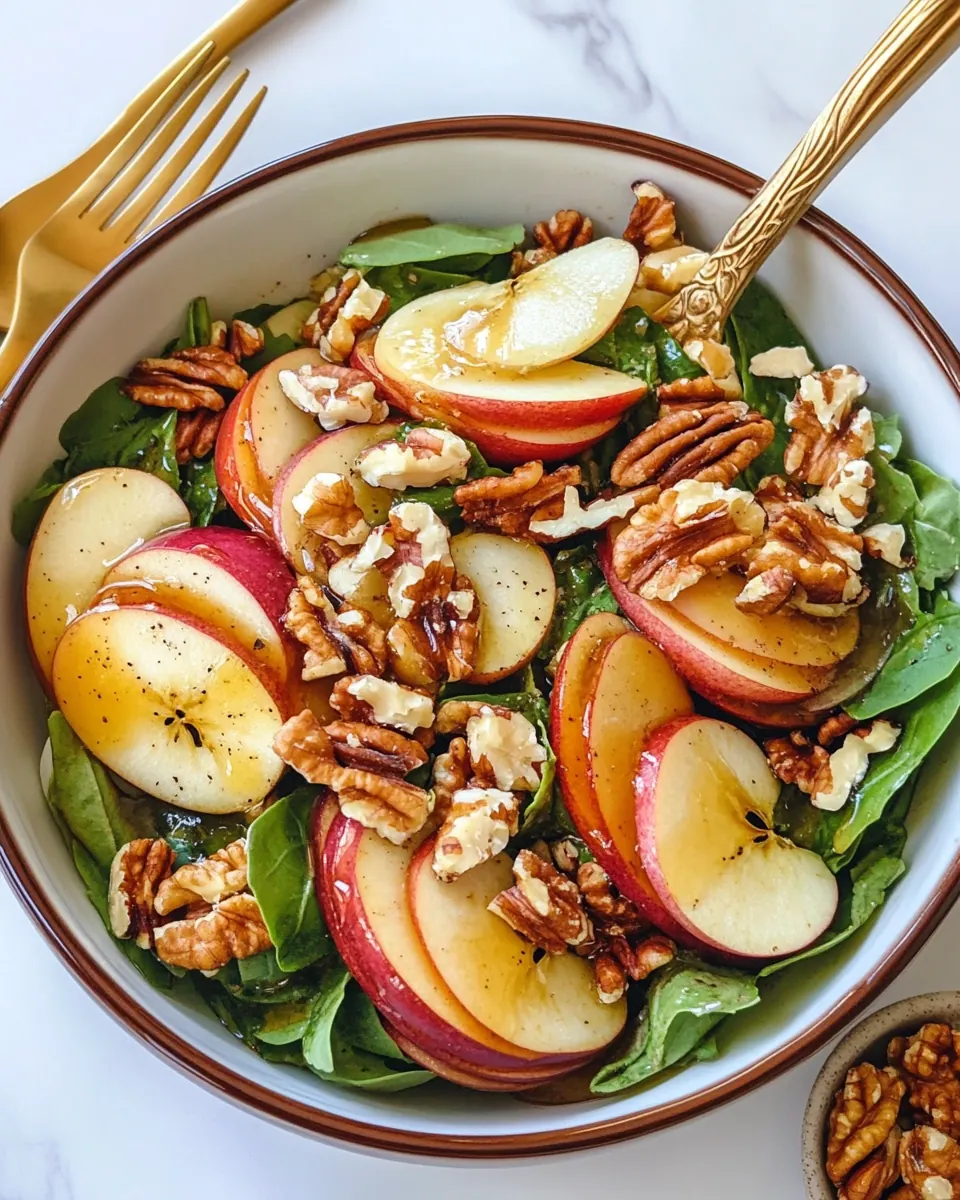
Apple Walnut Salad has been a weekday lifeline for me when I need a crisp, refreshing meal that still feels thoughtful. The first time I tossed this together I was coming home from a long market run with a bag of firm apples and a jar of walnuts on impulse, and I needed something to highlight those textures and bright flavors without fuss. Right away I loved how the thin apple slices met the crunchy walnuts, and how a little tang from the dressing woke everything up.
Some afternoons I build this salad as a solo lunch, savoring each crunchy bite between sips of tea, and other times I serve it for friends who expect something simple yet memorable. Each component sings on its own, but when they mingle the contrast is what keeps me reaching for another forkful. I often think of this as a little seasonal snapshot that’s easy to scale up if company drops by.
Recipe Snapshot
15 mins
15 mins
Easy
250 kcal
American
Gluten-Free, Paleo
Salads
Small bowl, Whisk, Large serving plate
What’s Great About This Apple Walnut Salad
Balanced textures that delight
I adore how the combination of tender mixed greens, crisp apple, and crunchy walnuts creates a layered mouthfeel. Every bite offers a new note, from soft leafy folds to a satisfying crack when you bite a nut, and that variety keeps the salad interesting from first forkful to last.
Bright, versatile dressing
The vinaigrette combines extra-virgin olive oil, balsamic vinegar, honey, and a touch of spicy brown mustard, giving you sweet, tart, and savory in one pour. I like that it clings to the apple slices and greens, adding glossy flavor without weighing them down, and you can easily adjust the honey if you prefer it tarter or sweeter.
Quick to assemble
This recipe respects busy schedules. With about 15 minutes from start to finish, it’s perfect for pulling together between commitments. I often keep the dressing made ahead so I can throw the salad together in minutes when time is tight.
Flexible for diets and occasions
You can omit the feta or blue cheese to keep it vegan, or leave it in for a creamy counterpoint to the crisp fruit. I enjoy serving it for casual weeknight dinners as well as for festive lunches, because it reads light yet composed.
Makeahead friendly
I appreciate that the vinaigrette stores well, which makes this salad a great candidate for planning. I usually mix the dressing up to five days ahead and slice the apple just before serving to maintain that fresh snap.
What You Need for Apple Walnut Salad
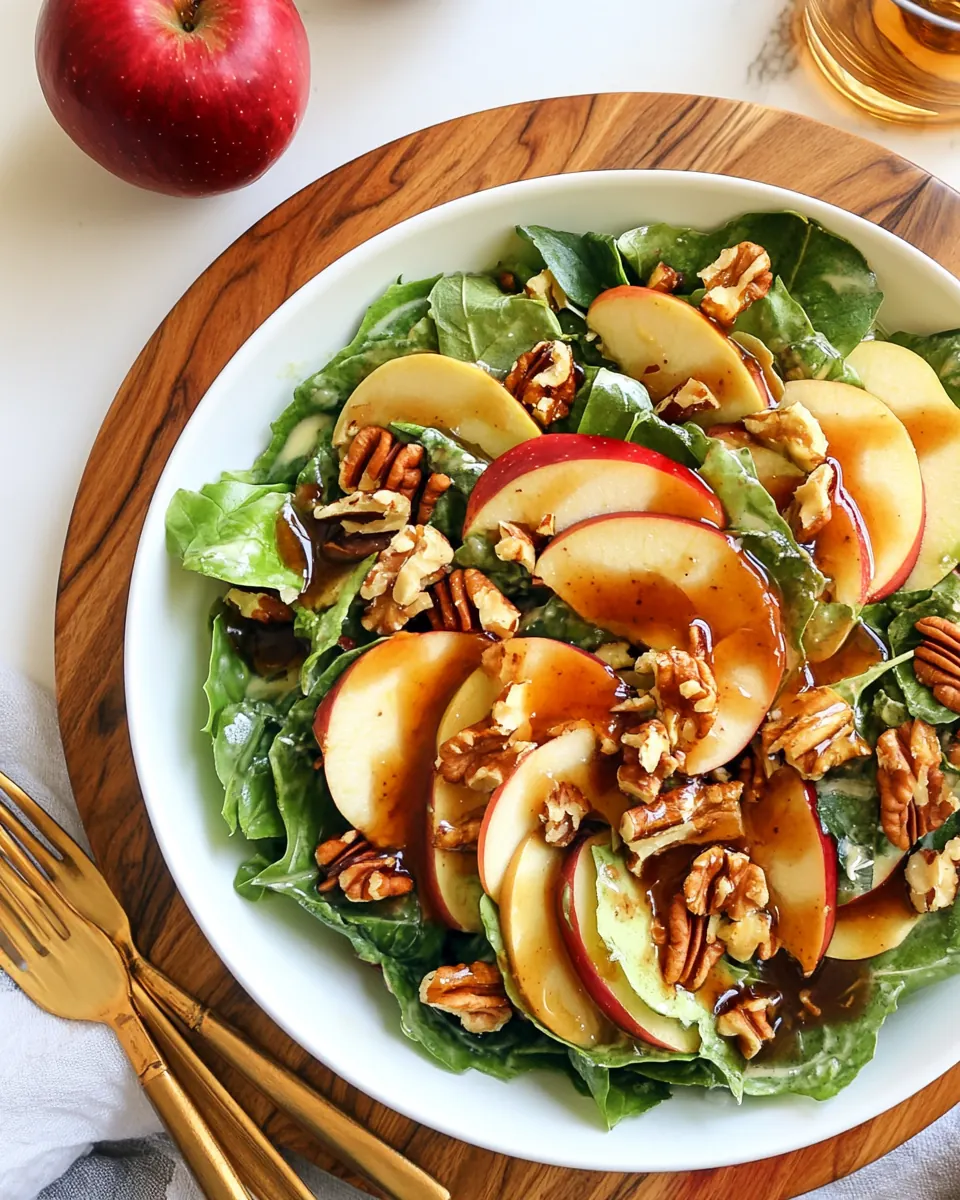
These ingredients come together with a clear philosophy: contrast and balance. The key players are the crisp apple, crunchy walnuts, and a silky vinaigrette made from extra-virgin olive oil and balsamic vinegar. The greens act as a mellow backdrop that lets the fruit and nuts shine, while the optional feta or blue cheese adds a creamy, salty counterpoint when used.
- 1/4 cup extra-virgin olive oil: Adds a rich, fruity fat that forms the base of the dressing; helps emulsify other liquid ingredients and carries flavors across the salad.
- 2 tablespoons balsamic vinegar (see note): Provides bright acidity and a tangy sweetness for balance in the dressing; can be reduced slightly for a milder flavor profile.
- 2 tablespoons honey: Contributes natural sweetness and helps bind the dressing; mellows the sharpness of vinegar while enhancing overall flavor complexity.
- 1 teaspoon spicy brown mustard: Introduces piquant heat and depth to the dressing; helps emulsify and adds a subtle savory note that complements the sweetness.
- 1/4 teaspoon fine sea salt: Season with a clean, ocean-like salt that enhances all other flavors; use sparingly to avoid overpowering the vinaigrette.
- 6 cups mixed greens: Forms the leafy base and primary texture of the salad; offers a fresh, crisp backdrop for fruit, nuts, and cheese.
- 1 medium apple, thinly sliced: Provides crunchy, juicy sweetness and a refreshing tartness; thin slicing ensures even distribution and easy eating.
- 1/4 red onion, thinly sliced: Adds a sharp, slightly pungent crunch that contrasts sweet components; thin slices mellow its bite while retaining flavor.
- 1/2 cup raw walnuts, roughly chopped: Delivers earthy crunch and a toasty, slightly bitter note; chopping creates small bites that evenly distribute through the greens.
- 1/4 cup feta or blue cheese, crumbled () (optional): Offers creamy, salty, and tangy richness as an optional topper; crumbling provides small pockets of concentrated flavor throughout.
Putting Together Apple Walnut Salad
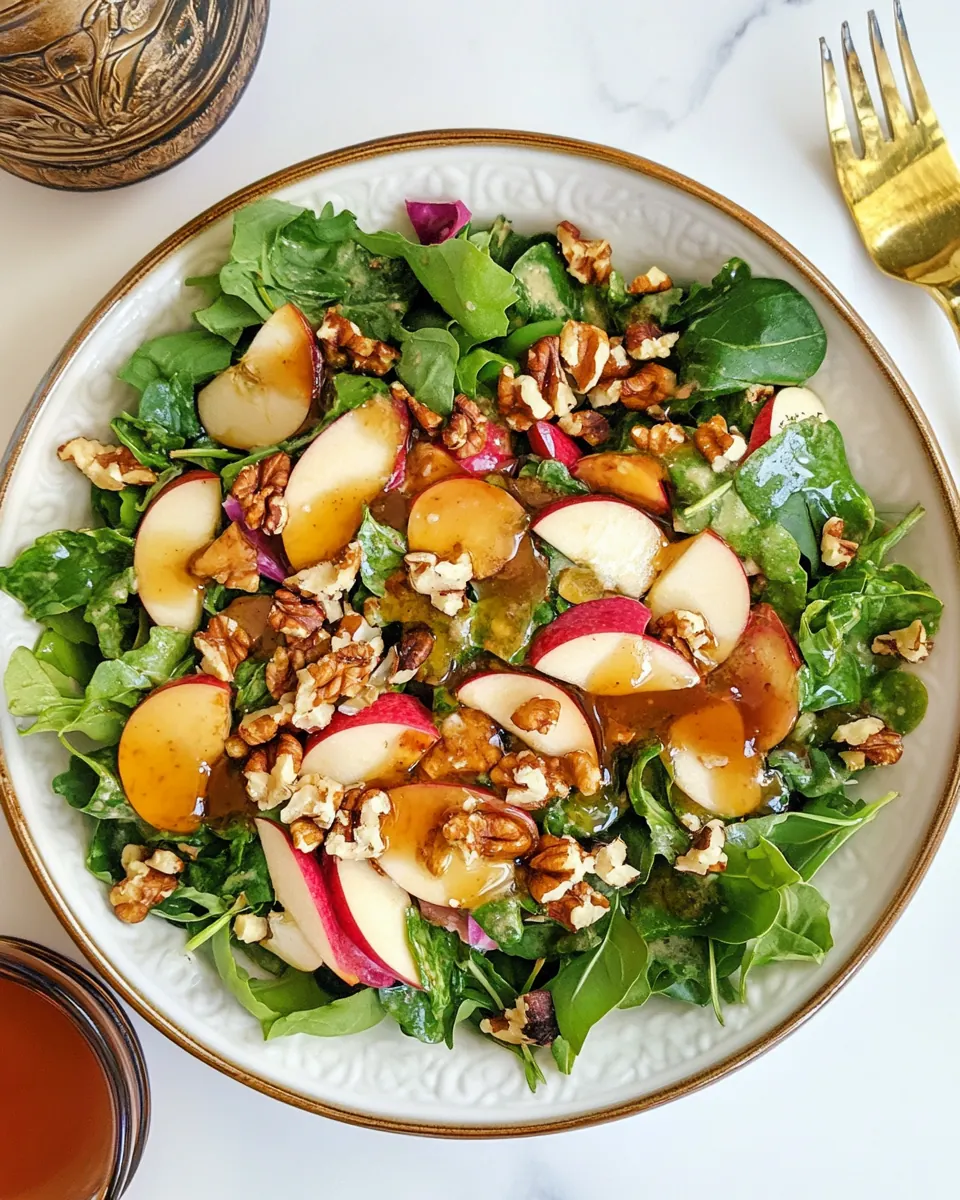
Assembling this salad is about rhythm and attention, not rush. The directions are straightforward, but I like to pause at each step and savor the aromas and textures as they come together.
- To prepare the balsamic vinaigrette, add the olive oil, vinegar, honey, mustard, and salt to a small bowl. Whisk well, until the dressing looks thicker, then set it aside.: A gentle whisk will pull these components into a glossy dressing, with the smell of balsamic vinegar bright against the roundness of extra–virgin olive oil . You should see the dressing thicken slightly and become cohesive, forming a smooth emulsion on the surface. This matters because a well emulsified dressing clings to the greens and apple slices rather than pooling at the bottom, ensuring balanced flavor in every bite. If the dressing separates, whisk vigorously or add a tiny splash more olive oil to bring it back together. Common mistakes include overwhisking vigorously to the point of incorporating air, which can make textures feel lighter but break the mouthfeel, or under-seasoning, so taste and adjust salt carefully.
- To assemble the salad, add the mixed greens to a large serving plate and top it with the sliced apples and red onion. Then sprinkle on the walnuts and crumbled cheese, if using.: When you pile the mixed greens on the platter, notice their subtle, green aroma and the soft rustle as you toss them slightly for airiness. Arrange the thin apple slices so they overlap elegantly, and scatter the slivers of red onion among the leaves to create pops of color and sharpness. Visually this step sets the stage for contrasts, and it helps diners get a bit of everything on their fork. A typical misstep is crowding the platter too tightly, which can squash the leaves and make the salad look limp, so give it room to breathe.
- Drizzle the dressing over the salad just before serving. You might not use all of the dressing right away, but I like to serve the extra on the side in case guests would like to add more. Leftover dressing can be stored in an airtight container in the fridge for up to 5 days. It will thicken when chilled, so run the jar under warm running tap water to thin it out again.: Adding the roughly chopped walnuts introduces immediate texture, and their warm, nutty scent becomes noticeable as they mingle with the greens. If you opted for feta or blue cheese , crumble it over sparingly so its creamy, saline notes punctuate each bite without taking over. This layering creates a pleasing cadence when eating, where a forkful might hit a crunchy nut, a soft leaf, and a salty cheese morsel all at once. A common error is adding all the nuts at once and not distributing them, so take a moment to scatter them evenly.
- Drizzle the dressing over the salad just before serving: As the vinaigrette streams over the arrangement, you’ll notice a glossy sheen form on the leaves and fruit, and an immediate lift in aroma. The dressing should be added sparingly at first, then you can toss gently with tongs or plates to coat everything evenly. Doing this right ensures the salad stays light and not soggy, and it lets you control how much dressing each guest gets. Many people overdress salads, which masks delicate flavors, so start with less and serve extra on the side if someone wants more. If the dressing has thickened from chilling, warm the jar briefly under running water to loosen it before pouring.
- You might not use all of the dressing right away but I like to serve the extra on the side in case guests would like to add more: Offering extra dressing respects individual preference and keeps the plated salad crisp for longer. The leftover vinaigrette keeps for up to five days in the refrigerator, where it will thicken slightly and benefit from a quick stir before serving. This step is practical for entertaining, and it prevents waste while preserving the best texture for those who want just a hint of dressing. Avoid storing the dressing at room temperature for long periods, since the cold helps maintain its flavor balance and safety.
- Leftover dressing can be stored in an airtight container in the fridge for up to 5 days it will thicken when chilled so run the jar under warm running tap water to thin it out again: Chilling concentrates the dressing and slightly stiffens the oils, which changes the pour but not the flavor. When you warm the jar briefly under warm water and shake, the dressing will once again become smooth and easy to drizzle. This is helpful if you make the vinaigrette ahead of time to streamline meal prep. A mistake to avoid is leaving the dressing in metal containers that can impart off flavors if acidic, so choose glass or food safe plastic for storage.
Pro Tips and Tweaks
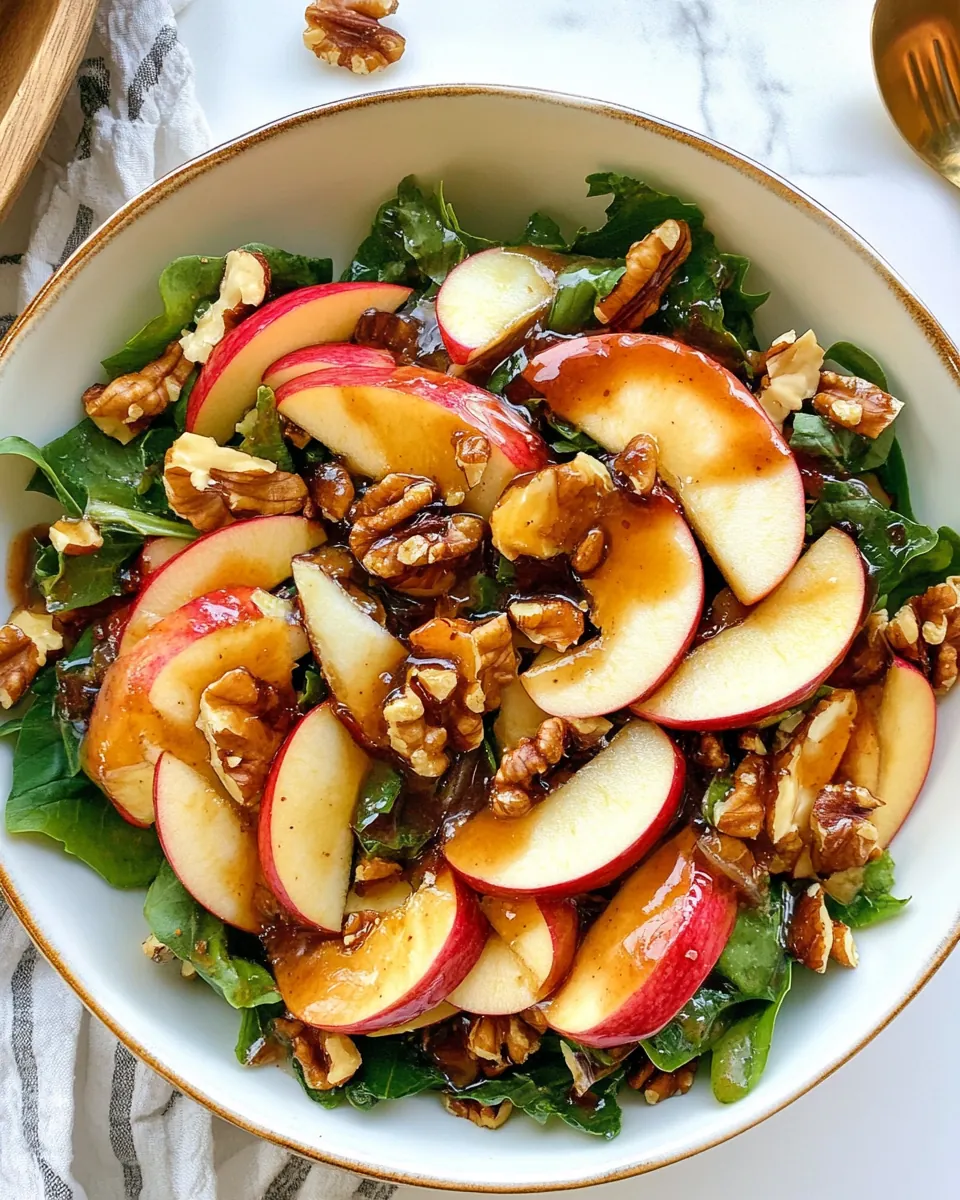
I like to think of these tips as small moves that yield large flavor returns. Below you will find practical adjustments and ideas to make the salad suit your pantry and occasion.
- Make the dressing ahead to save time on a busy day, store it in a sealed jar in the fridge and whisk briefly before using.
- Adjust sweetness by reducing the honey if your balsamic is very sweet, or increase it slightly for a fruitier profile.
- Keep apples crisp by slicing them just before plating, or toss them in a little dressing to slow oxidation if you need a short hold time.
- Toast walnuts for deeper flavor, lay them in a single layer in a dry skillet over medium heat and stir until fragrant, about two to three minutes.
- Control onion intensity by soaking the slices in cold water for ten minutes then draining, which softens the sharp edge without removing flavor.
- Offer cheese on the side so guests who prefer no dairy can skip it, while others can add a creamy contrast to their portion.
What to Pair With Apple Walnut Salad
This salad is versatile enough to accompany light lunches and heartier dinners. Think about how its crisp textures and sweet tang interact with the rest of the menu, and choose pairings that either complement or gently contrast the flavors.
- Light sandwiches such as roasted vegetable or simple grilled cheese make a cozy pairing for a casual lunch, with the salad adding freshness and crunch.
- Protein mains like roasted chicken or grilled fish work well if you want to round the meal into a full dinner, allowing the salad to act as a bright counterpoint.
- Holiday side this salad fits nicely on a fall or holiday table where you want a lighter option among richer dishes, offering a palate cleansing bite between heavier courses.
- Storage tips keep the dressing separate and store components in airtight containers in the fridge, assembling within a few hours of serving for best texture.
- Seasonal notes in fall use crisp, tart apple varieties for a refreshing contrast, and feel free to swap walnuts for a different nut if needed for availability or preference.
FAQ
Conclusion
Apple Walnut Salad stands out because of its harmonious balance of crunchy, sweet, and tangy elements that come together in minutes. I encourage you to give it a try the next time you want a quick but elegant salad that pleases both weeknight simplicity and entertaining guests. It’s forgiving, adaptable, and rewards small touches like toasting the walnuts or adjusting the honey in the dressing, so have fun making it your own.
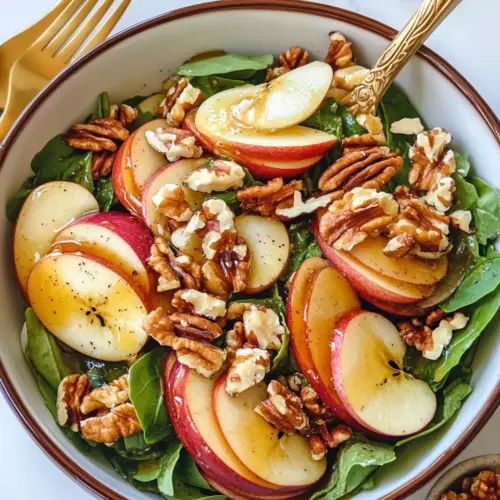
Apple Walnut Salad
Equipment
- Small Bowl
- Whisk
- Large serving plate
Ingredients
- 1/4 cup extra-virgin olive oil Adds a rich, fruity fat that forms the base of the dressing; helps emulsify other liquid ingredients and carries flavors across the salad.
- 2 tablespoons balsamic vinegar (see note) Provides bright acidity and a tangy sweetness for balance in the dressing; can be reduced slightly for a milder flavor profile.
- 2 tablespoons honey Contributes natural sweetness and helps bind the dressing; mellows the sharpness of vinegar while enhancing overall flavor complexity.
- 1 teaspoon spicy brown mustard Introduces piquant heat and depth to the dressing; helps emulsify and adds a subtle savory note that complements the sweetness.
- 1/4 teaspoon fine sea salt Season with a clean, ocean-like salt that enhances all other flavors; use sparingly to avoid overpowering the vinaigrette.
- 6 cups mixed greens Forms the leafy base and primary texture of the salad; offers a fresh, crisp backdrop for fruit, nuts, and cheese.
- 1 medium apple, thinly sliced Provides crunchy, juicy sweetness and a refreshing tartness; thin slicing ensures even distribution and easy eating.
- 1/4 red onion, thinly sliced Adds a sharp, slightly pungent crunch that contrasts sweet components; thin slices mellow its bite while retaining flavor.
- 1/2 cup raw walnuts, roughly chopped Delivers earthy crunch and a toasty, slightly bitter note; chopping creates small bites that evenly distribute through the greens.
- 1/4 cup feta or blue cheese, crumbled (optional) Offers creamy, salty, and tangy richness as an optional topper; crumbling provides small pockets of concentrated flavor throughout.
Instructions
- To prepare the balsamic vinaigrette, add the olive oil, vinegar, honey, mustard, and salt to a small bowl. Whisk well, until the dressing looks thicker, then set it aside.: A gentle whisk will pull these components into a glossy dressing, with the smell of balsamic vinegar bright against the roundness of extra-virgin olive oil . You should see the dressing thicken slightly and become cohesive, forming a smooth emulsion on the surface. This matters because a well emulsified dressing clings to the greens and apple slices rather than pooling at the bottom, ensuring balanced flavor in every bite. If the dressing separates, whisk vigorously or add a tiny splash more olive oil to bring it back together. Common mistakes include overwhisking vigorously to the point of incorporating air, which can make textures feel lighter but break the mouthfeel, or under-seasoning, so taste and adjust salt carefully.
- To assemble the salad, add the mixed greens to a large serving plate and top it with the sliced apples and red onion. Then sprinkle on the walnuts and crumbled cheese, if using.: When you pile the mixed greens on the platter, notice their subtle, green aroma and the soft rustle as you toss them slightly for airiness. Arrange the thin apple slices so they overlap elegantly, and scatter the slivers of red onion among the leaves to create pops of color and sharpness. Visually this step sets the stage for contrasts, and it helps diners get a bit of everything on their fork. A typical misstep is crowding the platter too tightly, which can squash the leaves and make the salad look limp, so give it room to breathe.
- Drizzle the dressing over the salad just before serving. You might not use all of the dressing right away, but I like to serve the extra on the side in case guests would like to add more. Leftover dressing can be stored in an airtight container in the fridge for up to 5 days. It will thicken when chilled, so run the jar under warm running tap water to thin it out again.: Adding the roughly chopped walnuts introduces immediate texture, and their warm, nutty scent becomes noticeable as they mingle with the greens. If you opted for feta or blue cheese , crumble it over sparingly so its creamy, saline notes punctuate each bite without taking over. This layering creates a pleasing cadence when eating, where a forkful might hit a crunchy nut, a soft leaf, and a salty cheese morsel all at once. A common error is adding all the nuts at once and not distributing them, so take a moment to scatter them evenly.
- Drizzle the dressing over the salad just before serving: As the vinaigrette streams over the arrangement, you’ll notice a glossy sheen form on the leaves and fruit, and an immediate lift in aroma. The dressing should be added sparingly at first, then you can toss gently with tongs or plates to coat everything evenly. Doing this right ensures the salad stays light and not soggy, and it lets you control how much dressing each guest gets. Many people overdress salads, which masks delicate flavors, so start with less and serve extra on the side if someone wants more. If the dressing has thickened from chilling, warm the jar briefly under running water to loosen it before pouring.
- You might not use all of the dressing right away but I like to serve the extra on the side in case guests would like to add more: Offering extra dressing respects individual preference and keeps the plated salad crisp for longer. The leftover vinaigrette keeps for up to five days in the refrigerator, where it will thicken slightly and benefit from a quick stir before serving. This step is practical for entertaining, and it prevents waste while preserving the best texture for those who want just a hint of dressing. Avoid storing the dressing at room temperature for long periods, since the cold helps maintain its flavor balance and safety.
- Leftover dressing can be stored in an airtight container in the fridge for up to 5 days it will thicken when chilled so run the jar under warm running tap water to thin it out again: Chilling concentrates the dressing and slightly stiffens the oils, which changes the pour but not the flavor. When you warm the jar briefly under warm water and shake, the dressing will once again become smooth and easy to drizzle. This is helpful if you make the vinaigrette ahead of time to streamline meal prep. A mistake to avoid is leaving the dressing in metal containers that can impart off flavors if acidic, so choose glass or food safe plastic for storage.
Notes
- Make the dressing ahead to save time on a busy day, store it in a sealed jar in the fridge and whisk briefly before using.
- Adjust sweetness by reducing the honey if your balsamic is very sweet, or increase it slightly for a fruitier profile.
- Keep apples crisp by slicing them just before plating, or toss them in a little dressing to slow oxidation if you need a short hold time.
- Toast walnuts for deeper flavor, lay them in a single layer in a dry skillet over medium heat and stir until fragrant, about two to three minutes.
- Control onion intensity by soaking the slices in cold water for ten minutes then draining, which softens the sharp edge without removing flavor.
- Offer cheese on the side so guests who prefer no dairy can skip it, while others can add a creamy contrast to their portion.