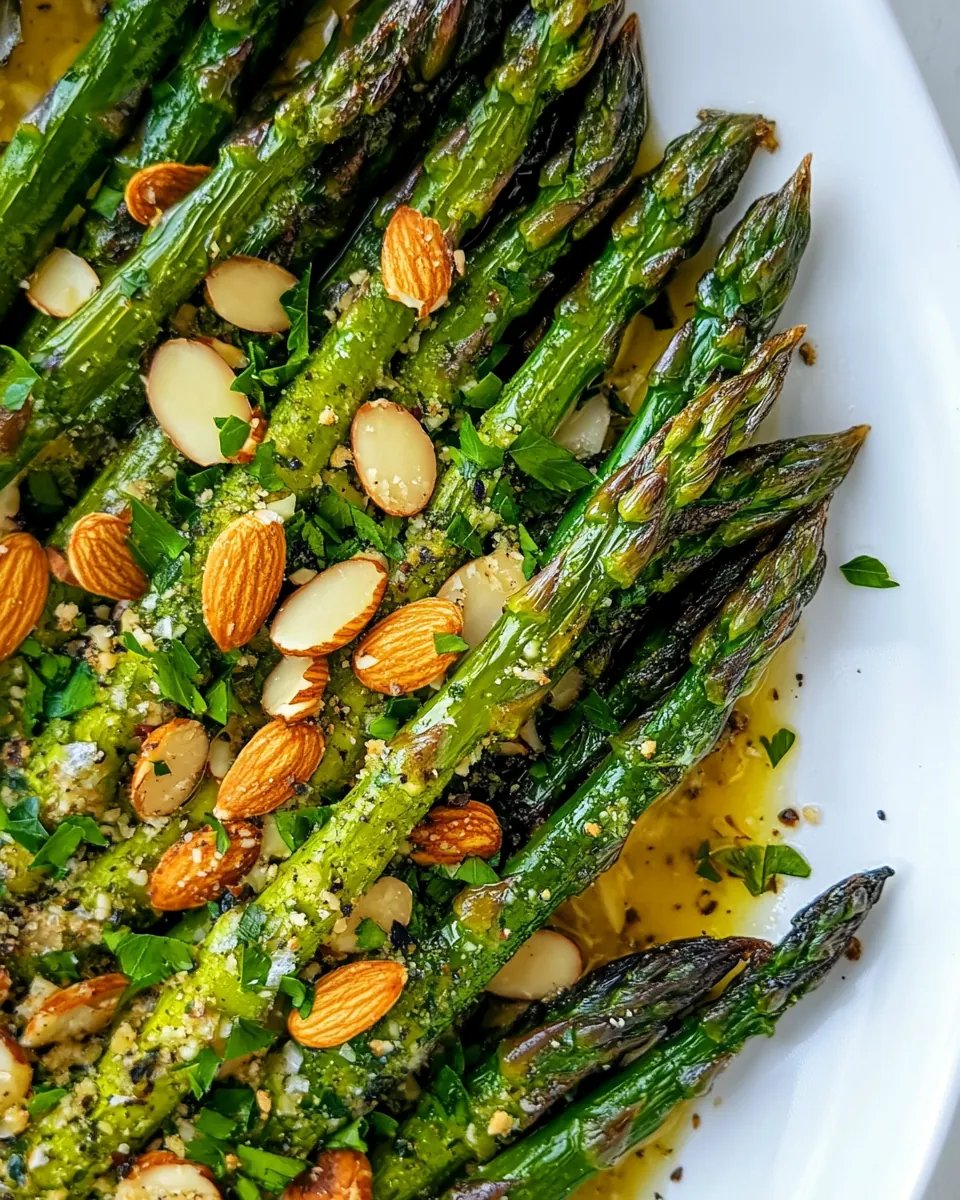
Asparagus Almondine
Asparagus Almondine has been a quiet star at my table ever since I tasted a version of it at a friend s spring supper. The first sentence here still tastes like butter and lemon, and that memory pulls me back whenever asparagus shows up at the market. I remember rushing home with a bunch of firm stalks, eager to recreate that crunchy nut topping and bright herb finish, and finding the whole family circling the kitchen while I finished the pan. It felt like a tiny celebration of seasonal produce, simple techniques, and comfort that comes from good timing.
Over the years I ve learned to treat this dish as both an elegant side and a weeknight go to, depending on how much attention I give it. When I am hosting, I take a little extra time to toast the almonds until they sing with a warm, nutty scent, and when I am cooking for one I keep the steps brisk and focused, still honoring the contrast between the tender asparagus and the crunchy sliced almonds. Each time, the lemon squeezer and a scattering of fresh herbs change the dish from ordinary to noticeably bright. I love how a handful of simple pantry items transforms the stalks into something savory, fresh, and deeply satisfying.
Recipe Snapshot
15 mins
5 mins
10 mins
Easy
250 kcal
American
Gluten-Free, Low FODMAP
Side Dishes
Large skillet, Steamer or pot with lid, Tongs, Paper towels
The Magic of This Asparagus Almondine
1. Fresh seasonal focus
I love Asparagus Almondine because it champions peak produce. When asparagus is in season, its flavor is sweet and grassy, and cooking it briefly preserves that crispness. I often choose bunches with medium thickness for the best texture, and I enjoy how a quick steam then pan finish preserves vibrant color while keeping a satisfying snap.
2. Contrasting textures and flavors
This recipe is all about contrasts. The toasted sliced almonds offer a nutty crunch, unsalted butter provides a silky coating, and a squeeze of lemon lifts the whole plate. I always appreciate how a sprinkle of flaky sea salt at the end introduces little bursts of salinity, making every bite more interesting.
3. Speed without compromise
One of the reasons I return to Asparagus Almondine is how quickly it comes together. From trimming the woody ends to plating, the process is streamlined, yet the results feel thoughtful. For busy weeknights or last minute guests, this dish proves that quick does not mean careless.
4. Versatile and elegant
I tend to use this as a side for casual dinners and also as part of a more formal menu. The recipe pairs with grilled mains or can stand alongside vegetarian plates. Because the seasonings are light, the dish complements rather than competes with other flavors, which I find essential when planning a balanced meal.
5. Hands on, sensory cooking
Cooking Asparagus Almondine invites you to pay attention to smell, sound, and sight. Toasting almonds, hearing the butter s gentle sizzle, and watching the asparagus brighten are all small joys I relish in the kitchen. It s a recipe that rewards gentle focus and yields reliable, crowd pleasing results.
Asparagus Almondine Shopping List
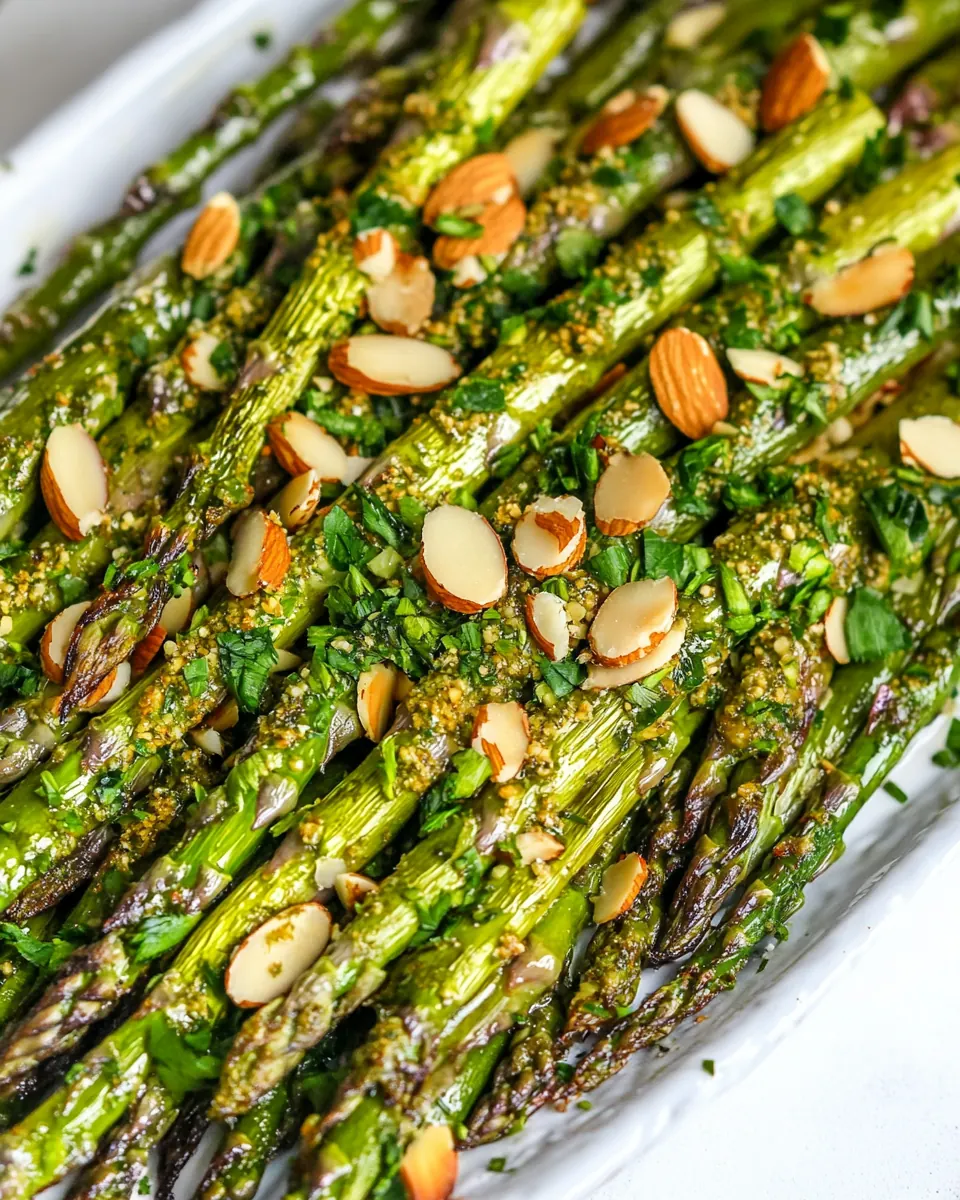
These ingredients are a study in simplicity, each one playing a clear role. The key players are the bright, grassy asparagus, the rich, nutty unsalted butter, and the toasted crunch of sliced almonds. Fresh herbs and lemon act as accent notes, lifting the dish without masking the primary flavors. Together they create balance: fat, acid, texture, and aroma all aligned.
- 2 bunches asparagus medium thickness, woody ends trimmed: Trimmed and bundled to maintain even cooking, provides the primary vegetable base with a crisp-tender texture and bright flavor when blanched or sautéed.
- 6 tablespoons unsalted butter: Melted to create a rich, glossy sauce that coats the asparagus and toasted almonds, adding silky mouthfeel and savory depth to the dish.
- 1/2 cups sliced almonds: Toasted until golden to contribute a nutty crunch and aromatic complexity that contrasts the tender asparagus and enriches the overall texture.
- 1/4 teaspoon fine sea salt: Lightly measured to season and enhance the natural flavors, balancing the butter and lemon while preventing over-salting during cooking.
- Juice of 1/2 lemon: Squeezed to add bright, acidic brightness that cuts through the butter and lifts the dish, providing a clean citrusy finish.
- 1 tablespoon chopped fresh tarragon leaves: Chopped and sprinkled to impart a subtle anise-like, slightly sweet herbal note that complements the asparagus without overpowering it.
- 1 tablespoon chopped fresh chives: Finely chopped and folded in to add a mild oniony, grassy accent and a fresh green finish to each bite.
- Freshly ground black pepper: Freshly ground to introduce adjustable heat and aromatic complexity, enhancing savory elements and adding subtle warmth to the plate.
- Flaky sea salt for serving: Flaky crystals added at the end to provide bursts of crunchy salinity and a finishing touch that heightens texture and flavor contrast.
How to Make Asparagus Almondine
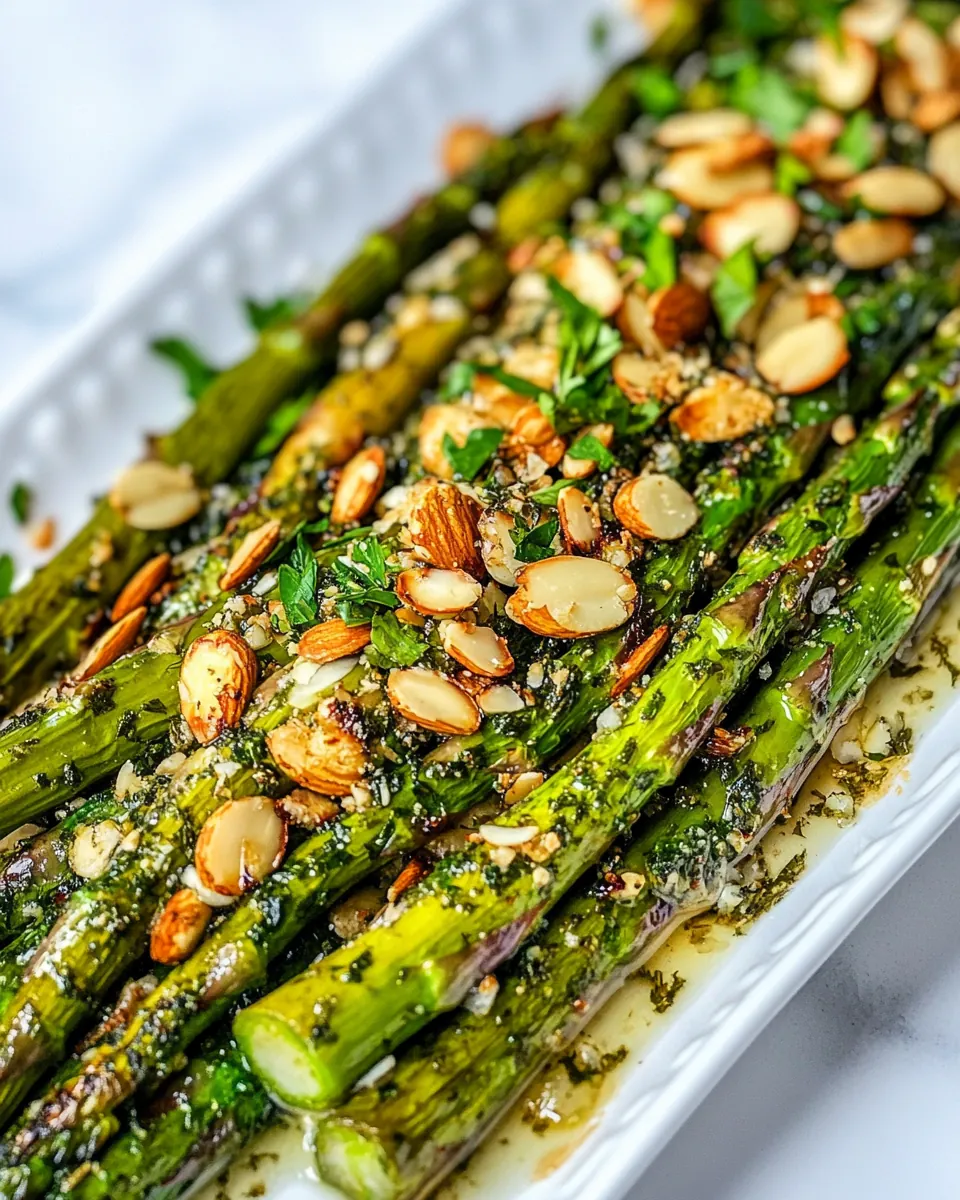
This recipe is deceptively simple, and a few careful moments will make all the difference. I like to prep my trimming and herbs first so the cooking goes smoothly. Keep an eye on color and listen for the subtle sizzle when the butter and almonds hit the pan.
- Steam the asparagus spears over 1-2 inches of water, about 2 minutes, or until the spears have softened but still snap. Transfer to a bowl of ice water to stop the cooking and then to paper towels to pat dry.: The kitchen will fill with a fresh, green scent as the steam rises, and the spears should turn a brighter green while retaining a firm, slightly resistant bite. This brief steam step partially cooks the stalks so they finish perfectly in the butter later. A common mistake is over steaming, which yields limp, waterlogged asparagus. If you detect a soggy texture, reduce steaming time next round and immediately plunge the spears into ice water to halt cooking.
- In a large skillet set over medium-low heat, melt the butter. Stir in the almonds and shake the pan, about 2-3 minutes, or until the butter is dark gold and has a nutty aroma. The almonds should not be darker than pale gold.: The shock of ice water locks in the vivid color and stops carryover cooking, preserving that essential snap. You will hear faint sloshes and feel the coolness when you lift the asparagus out. Patting dry is crucial, because excess water will hiss and splatter when it meets the hot butter. Skipping the drying step can lead to spattering and diluted flavor in the pan.
- Add the asparagus to the skillet and cover. Shake the pan so the butter coats the asparagus. Cook, shaking the pan continuously, about 2-4 minutes, or until the almonds and butter darken in color one shade to a light brown and the asparagus is cooked to desired tenderness. If the asparagus or almonds are darkening too quickly, reduce the heat to low.: As the butter melts, watch for it to foam and release a gentle, creamy aroma that signals it is warming. Medium low heat prevents the butter from browning too quickly and allows controlled toasting later. If you rush to higher heat, you risk burning the butter, which will lend a bitter taste. Keep the skillet steady and use a pan with room to shake the almonds around.
- Sprinkle the asparagus with lemon juice, parsley, tarragon, chives and pepper and shake the pan until evenly distributed.: You will notice a transformation as the butter deepens in color and the almonds shift to a pale gold, releasing a warm toasted scent. The gentle rattling of almonds in the pan is reassuring, indicating even toasting. Stay attentive because sliced almonds brown faster than whole nuts. If bits begin to look too dark, lower the heat immediately to avoid bitterness.
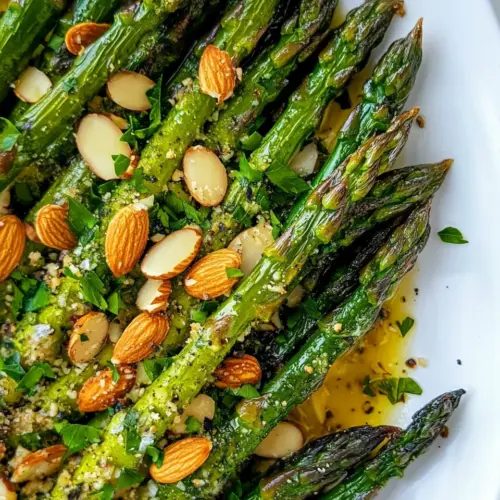
- Display the asparagus on a small platter and spoon the butter, herbs and almonds over the top. Sprinkle with freshly ground black pepper and flake sea salt. Serve immediately.: Pale gold is the sweet spot where the almonds are fragrant and crisp without becoming bitter. The aroma becomes toasted and slightly sweet, and you may see small flecks of deeper color on some slices. Overcooking here results in an acrid flavor, so remove the pan from heat the moment you reach that pale gold tone. A common misstep is letting them sit in residual heat, so transfer the almonds or lower the temperature right away.
- Add the asparagus to the skillet and cover: When the asparagus meets the warm butter and almonds, you will hear a gentle sizzle and see the surface take on a glossy sheen. Covering traps a little steam, helping the asparagus warm through without drying out, while the butter flavors infuse the stalks. Avoid leaving the cover on too long, which can over soften the asparagus and dampen the almonds crispness.
- Shake the pan so the butter coats the asparagus: Shaking distributes butter and toasted almond fragments evenly, creating a consistent coating on each spear. You will feel the pan s movement and see the asparagus glisten as it turns. This motion helps the flavors marry and prevents hotspots. If you find uneven coating, use tongs to gently toss, but avoid rough handling that can bruise the spears.
- Cook, shaking the pan continuously, about 2 to 4 minutes, or until the almonds and butter darken in color one shade to a light brown and the asparagus is cooked to desired tenderness: During this time the kitchen fills with a nutty butter aroma and the asparagus softens a touch while still offering bite. The light brown color in the butter and almonds signals a developed flavor, while the asparagus should yield slightly when pierced. A frequent error is overcooking in this final stage, which will turn tender stalks limp; keep testing for firmness and reduce heat if things deepen too quickly.
- If the asparagus or almonds are darkening too quickly, reduce the heat to low: Slowing the temperature preserves balanced flavors and prevents bitterness. You will notice the sizzling calm and gain better control over color development. Dropping the heat also reduces the chance of burning during the carryover cooking. A common oversight is not adjusting the heat in time, so watch carefully and move the pan off heat briefly if needed.
- Sprinkle the asparagus with lemon juice, parsley, tarragon, chives and pepper and shake the pan until evenly distributed: The lemon sizzle brightens and the herbs release fresh, green aromatics as you shake the pan, transforming the warm, buttery base into a lively, layered bite. You ll see tiny droplets of lemon and flecks of green coating the spears. A mistake here is adding herbs too early, causing them to wilt; add them after the main cooking to maintain freshness.
- Display the asparagus on a small platter and spoon the butter, herbs and almonds over the top: Presenting the spears on a platter lets the glossy butter and toasted almond pieces settle attractively. The spooned butter creates little pools of flavor near the base of the stalks. For the final flourish, sprinkle with freshly ground black pepper and flake sea salt for texture and emphasis. Avoid plating too early, as the almonds may lose some crunch if left standing in the warm butter for too long.
- Sprinkle with freshly ground black pepper and flake sea salt: A last minute seasoning gives pops of saline and spice that heighten each bite. The aroma of freshly ground pepper is more robust than pre ground, and flaky salt supplies an elegant crunch. Don t over salt; add modestly and let diners adjust at the table.
- Serve immediately: Serving right away preserves the contrast between warm, buttery asparagus and crisp almonds. The visual appeal is strongest when the asparagus is still glossy and the almond pieces are distinct. A common mistake is leaving the dish to sit, which softens textures and dulls the bright herbs. Aim to bring the platter to the table within minutes of finishing.
Variations to Try
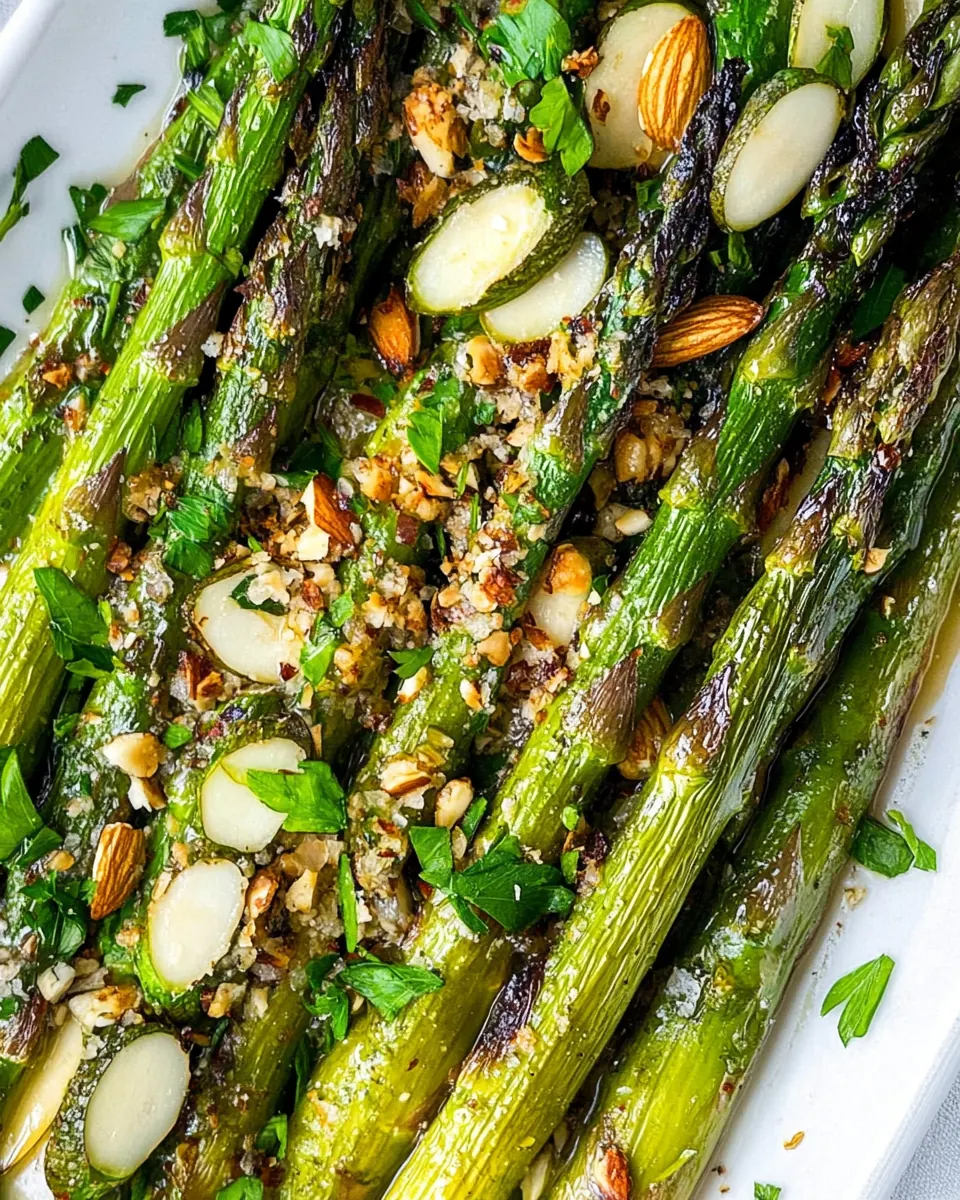
This dish is wonderfully adaptable, and small swaps can tailor it to different menus or tastes. Below are practical options to vary the herbs, nuts, and presentation while keeping the heart of the recipe intact.
- Swap herbs Try more chives or extra tarragon for a different aromatic profile, keeping the bright lemon element to balance the butter.
- Change nut texture Use slivered almonds or coarsely chopped almonds for a different mouthfeel, but watch toasting time since smaller pieces brown faster.
- Increase herb quantity If you prefer a greener, fresher finish, add a bit more chopped chives and tarragon at the end, distributing them evenly for consistent flavor.
- Lemon intensity Adjust the lemon juice amount to taste, starting small and adding more if you want a livelier zing, especially helpful for richer mains.
- Presentation tweak Serve the asparagus fanned on a platter and spoon the almonds and butter down the center for an elevated look that s easy to execute.
What to Pair With Asparagus Almondine
Asparagus Almondine works beautifully across occasions, from casual family dinners to festive spring gatherings. It pairs well with simply prepared mains and can be dressed up or down. The dish s bright, nutty character harmonizes with a range of side dishes and serving styles.
- Simple mains Serve alongside roasted or grilled fish for a light dinner where the asparagus highlights rather than competes.
- Vegetarian spreads Pair with a grain salad or a creamy risotto to add texture contrast and fresh herb notes.
- Holiday tables Use Asparagus Almondine on spring brunch or holiday spreads, where its vivid color and delicate flavors complement celebratory menus.
- Storage tips Store leftovers chilled in an airtight container and reheat gently in a skillet to keep almonds crisp; avoid microwaving which softens the nuts.
- Seasonal pairing Best in spring, this dish plays well with other spring vegetables and light, lemon forward sides for a cohesive seasonal meal.
FAQ
Conclusion
Asparagus Almondine stands out because it turns a few thoughtful ingredients into a dish that feels both elegant and approachable. Its bright lemon, toasted almond crunch, and buttery coating make it a memorable side that I reach for in spring and beyond. Give it a try the next time asparagus appears at the market; it s quick to make, reliably delicious, and a simple way to highlight seasonal produce with minimal fuss. Sharing this dish always sparks compliments, and the easy prep makes it realistic for weeknight cooking as well as special dinners.
Asparagus Almondine
Equipment
- Large Skillet
- Steamer or pot with lid
- Tongs
- Paper towels
Ingredients
- 2 bunches asparagus medium thickness, woody ends trimmed Trimmed and bundled to maintain even cooking, provides the primary vegetable base with a crisp-tender texture and bright flavor when blanched or sautéed.
- 6 tablespoons unsalted butter Melted to create a rich, glossy sauce that coats the asparagus and toasted almonds, adding silky mouthfeel and savory depth to the dish.
- 1/2 cups sliced almonds Toasted until golden to contribute a nutty crunch and aromatic complexity that contrasts the tender asparagus and enriches the overall texture.
- 1/4 teaspoon fine sea salt Lightly measured to season and enhance the natural flavors, balancing the butter and lemon while preventing over-salting during cooking.
- Juice of 1/2 lemon Squeezed to add bright, acidic brightness that cuts through the butter and lifts the dish, providing a clean citrusy finish.
- 1 tablespoon chopped fresh tarragon leaves Chopped and sprinkled to impart a subtle anise-like, slightly sweet herbal note that complements the asparagus without overpowering it.
- 1 tablespoon chopped fresh chives Finely chopped and folded in to add a mild oniony, grassy accent and a fresh green finish to each bite.
- Freshly ground black pepper Freshly ground to introduce adjustable heat and aromatic complexity, enhancing savory elements and adding subtle warmth to the plate.
- Flaky sea salt for serving Flaky crystals added at the end to provide bursts of crunchy salinity and a finishing touch that heightens texture and flavor contrast.
Instructions
- Steam the asparagus spears over 1-2 inches of water, about 2 minutes, or until the spears have softened but still snap. Transfer to a bowl of ice water to stop the cooking and then to paper towels to pat dry.: The kitchen will fill with a fresh, green scent as the steam rises, and the spears should turn a brighter green while retaining a firm, slightly resistant bite. This brief steam step partially cooks the stalks so they finish perfectly in the butter later. A common mistake is over steaming, which yields limp, waterlogged asparagus. If you detect a soggy texture, reduce steaming time next round and immediately plunge the spears into ice water to halt cooking.
- In a large skillet set over medium-low heat, melt the butter. Stir in the almonds and shake the pan, about 2-3 minutes, or until the butter is dark gold and has a nutty aroma. The almonds should not be darker than pale gold.: The shock of ice water locks in the vivid color and stops carryover cooking, preserving that essential snap. You will hear faint sloshes and feel the coolness when you lift the asparagus out. Patting dry is crucial, because excess water will hiss and splatter when it meets the hot butter. Skipping the drying step can lead to spattering and diluted flavor in the pan.
- Add the asparagus to the skillet and cover. Shake the pan so the butter coats the asparagus. Cook, shaking the pan continuously, about 2-4 minutes, or until the almonds and butter darken in color one shade to a light brown and the asparagus is cooked to desired tenderness. If the asparagus or almonds are darkening too quickly, reduce the heat to low.: As the butter melts, watch for it to foam and release a gentle, creamy aroma that signals it is warming. Medium low heat prevents the butter from browning too quickly and allows controlled toasting later. If you rush to higher heat, you risk burning the butter, which will lend a bitter taste. Keep the skillet steady and use a pan with room to shake the almonds around.
- Sprinkle the asparagus with lemon juice, parsley, tarragon, chives and pepper and shake the pan until evenly distributed.: You will notice a transformation as the butter deepens in color and the almonds shift to a pale gold, releasing a warm toasted scent. The gentle rattling of almonds in the pan is reassuring, indicating even toasting. Stay attentive because sliced almonds brown faster than whole nuts. If bits begin to look too dark, lower the heat immediately to avoid bitterness.
- Display the asparagus on a small platter and spoon the butter, herbs and almonds over the top. Sprinkle with freshly ground black pepper and flake sea salt. Serve immediately.: Pale gold is the sweet spot where the almonds are fragrant and crisp without becoming bitter. The aroma becomes toasted and slightly sweet, and you may see small flecks of deeper color on some slices. Overcooking here results in an acrid flavor, so remove the pan from heat the moment you reach that pale gold tone. A common misstep is letting them sit in residual heat, so transfer the almonds or lower the temperature right away.
- Add the asparagus to the skillet and cover: When the asparagus meets the warm butter and almonds, you will hear a gentle sizzle and see the surface take on a glossy sheen. Covering traps a little steam, helping the asparagus warm through without drying out, while the butter flavors infuse the stalks. Avoid leaving the cover on too long, which can over soften the asparagus and dampen the almonds crispness.
- Shake the pan so the butter coats the asparagus: Shaking distributes butter and toasted almond fragments evenly, creating a consistent coating on each spear. You will feel the pan s movement and see the asparagus glisten as it turns. This motion helps the flavors marry and prevents hotspots. If you find uneven coating, use tongs to gently toss, but avoid rough handling that can bruise the spears.
- Cook, shaking the pan continuously, about 2 to 4 minutes, or until the almonds and butter darken in color one shade to a light brown and the asparagus is cooked to desired tenderness: During this time the kitchen fills with a nutty butter aroma and the asparagus softens a touch while still offering bite. The light brown color in the butter and almonds signals a developed flavor, while the asparagus should yield slightly when pierced. A frequent error is overcooking in this final stage, which will turn tender stalks limp; keep testing for firmness and reduce heat if things deepen too quickly.
- If the asparagus or almonds are darkening too quickly, reduce the heat to low: Slowing the temperature preserves balanced flavors and prevents bitterness. You will notice the sizzling calm and gain better control over color development. Dropping the heat also reduces the chance of burning during the carryover cooking. A common oversight is not adjusting the heat in time, so watch carefully and move the pan off heat briefly if needed.
- Sprinkle the asparagus with lemon juice, parsley, tarragon, chives and pepper and shake the pan until evenly distributed: The lemon sizzle brightens and the herbs release fresh, green aromatics as you shake the pan, transforming the warm, buttery base into a lively, layered bite. You ll see tiny droplets of lemon and flecks of green coating the spears. A mistake here is adding herbs too early, causing them to wilt; add them after the main cooking to maintain freshness.
- Display the asparagus on a small platter and spoon the butter, herbs and almonds over the top: Presenting the spears on a platter lets the glossy butter and toasted almond pieces settle attractively. The spooned butter creates little pools of flavor near the base of the stalks. For the final flourish, sprinkle with freshly ground black pepper and flake sea salt for texture and emphasis. Avoid plating too early, as the almonds may lose some crunch if left standing in the warm butter for too long.
- Sprinkle with freshly ground black pepper and flake sea salt: A last minute seasoning gives pops of saline and spice that heighten each bite. The aroma of freshly ground pepper is more robust than pre ground, and flaky salt supplies an elegant crunch. Don t over salt; add modestly and let diners adjust at the table.
- Serve immediately: Serving right away preserves the contrast between warm, buttery asparagus and crisp almonds. The visual appeal is strongest when the asparagus is still glossy and the almond pieces are distinct. A common mistake is leaving the dish to sit, which softens textures and dulls the bright herbs. Aim to bring the platter to the table within minutes of finishing.
Notes
- Swap herbs Try more chives or extra tarragon for a different aromatic profile, keeping the bright lemon element to balance the butter.
- Change nut texture Use slivered almonds or coarsely chopped almonds for a different mouthfeel, but watch toasting time since smaller pieces brown faster.
- Increase herb quantity If you prefer a greener, fresher finish, add a bit more chopped chives and tarragon at the end, distributing them evenly for consistent flavor.
- Lemon intensity Adjust the lemon juice amount to taste, starting small and adding more if you want a livelier zing, especially helpful for richer mains.
- Presentation tweak Serve the asparagus fanned on a platter and spoon the almonds and butter down the center for an elevated look that s easy to execute.