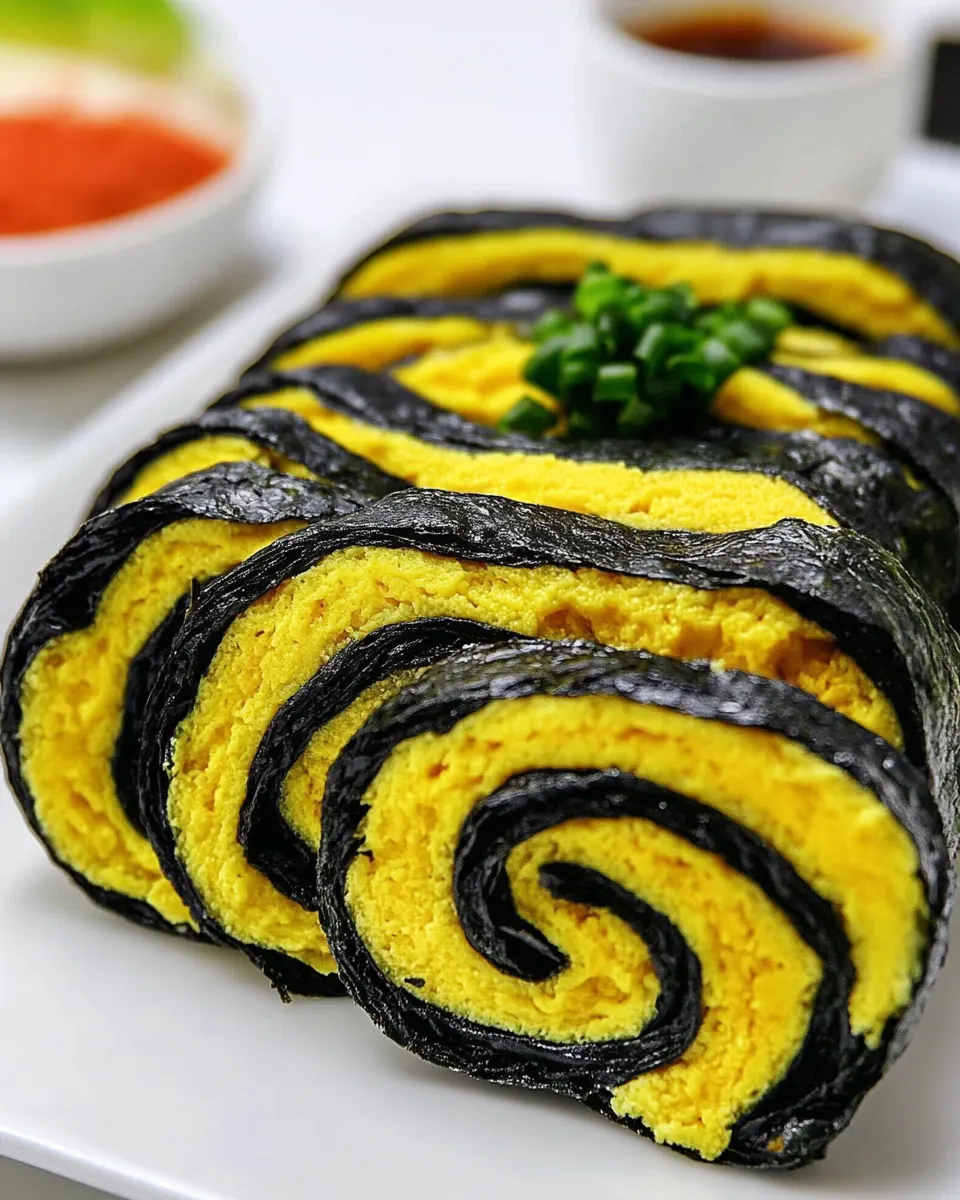
Korean Egg Roll With Seaweed
Korean Egg Roll With Seaweed is one of those small wonders I reach for on rushed mornings or when I want a nostalgic snack that feels like home. I remember the first time I rolled these up in a tiny apartment kitchen, using a single pan and whatever patience I had left before work, and the bright, savory layers felt like a tiny celebration. The combination of soft, tender eggs and crisp roasted seaweed sheets hit a balance that is both humble and utterly satisfying.
Over the years I’ve played with heat and timing until the texture was just right, so now I can coax out a slightly sweet, slightly savory fold that keeps its shape when sliced. When friends come over for an informal brunch, I always make a batch because it travels well and slices into neat pieces that are perfect for little plates. I love how the seaweed adds an umami punch without overpowering the creamy eggs, and how the oil gives a faint, toasted aroma that wakes up the senses.
Recipe Snapshot
10 mins
5 mins
5 mins
Medium
200 kcal
Korean
Keto, Gluten-Free
Breakfast
12-inch non-stick pan, measuring cup or bowl, whisk, spatula, cutting board, sharp knife
The Charm of This Korean Egg Roll With Seaweed
1. Speed and Simplicity
I adore this recipe because it comes together incredibly fast, making it a go to when time is short. With just a few minutes at the stove you get a composed roll that looks intentional, even when you were in a hurry. The technique is forgiving, so even if you wobble a bit with the heat, you still end up with tasty results.
2. Contrast of Textures
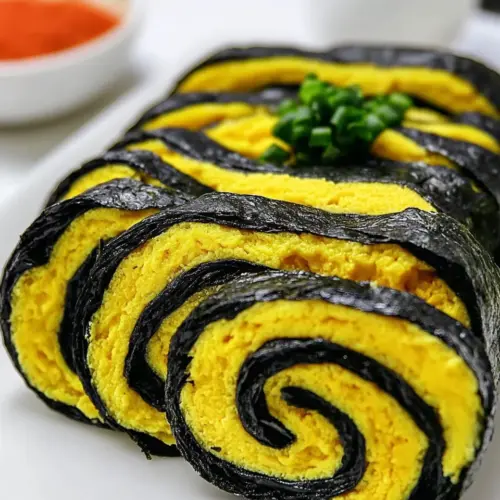
The contrast between the silkiness of the whisked eggs and the delicate snap of the roasted seaweed keeps every bite interesting. I like to notice the layers as I slice, and the way the seaweed holds the egg together makes for tidy, pleasing pieces. That texture play is a big reason I keep making it.
3. Minimal, High Impact Ingredients
With only a few elements on the sheet, each ingredient has to pull its weight. The kosher salt brightens the whole roll, while a little avocado oil gives a neutral toastiness and helps the eggs glide in the pan. This economy of ingredients is something I really appreciate when cooking simply but well.
4. Versatility in Serving
I often slice this up for snacks, tuck it into a bento box, or serve it alongside a spicy side. It pairs beautifully with fermented vegetables and fresh herbs, and it holds up well at room temperature which makes it useful for gatherings. That flexibility makes it one of my pantry staples for quick entertaining.
5. Technique That Builds Confidence
Learning to roll the egg in stages teaches you how to control heat and timing, and that skill translates to other quick egg dishes. I love watching someone’s face when they realize they can make something that looks elaborate with minimal fuss. That confidence boost keeps me coming back to it.
Shopping List for Korean Egg Roll With Seaweed
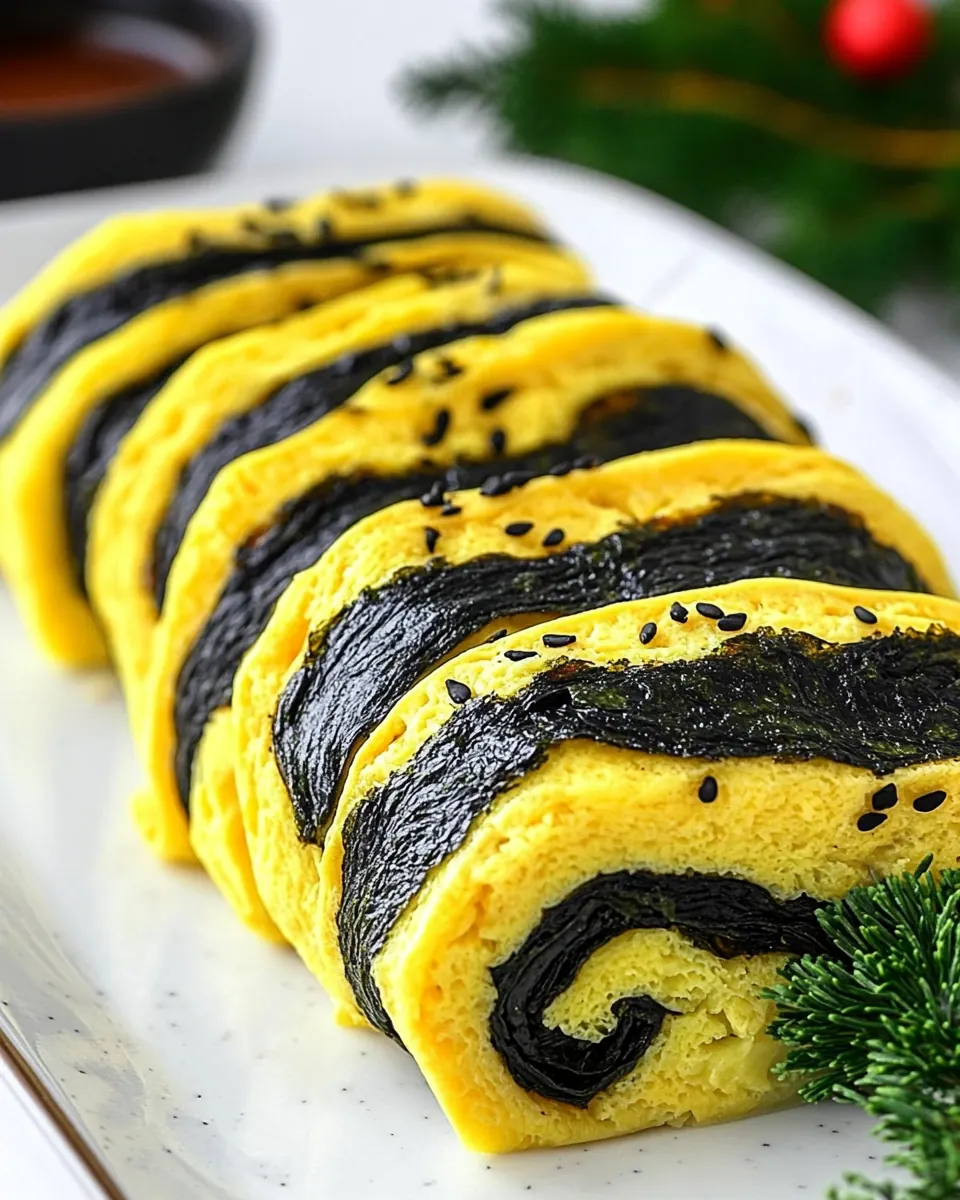
These ingredients reflect a philosophy of restraint and purpose. Each item plays a clear role: the eggs provide structure and creaminess, the seaweed lends umami and texture, the salt lifts flavors, and the avocado oil ensures a clean, even cook. Together they create a balanced roll that is greater than the sum of its parts.
- 3 large eggs: Beat and incorporate air into the eggs to form a light, custardy base for the rolled omelette, providing structure and a tender texture.
- 1/4 teaspoon Diamond Crystal kosher salt: Season lightly to enhance the eggs' natural flavor and balance richness without overpowering the delicate omelette.
- 2 teaspoons avocado oil: Heat for frying and prevent sticking while contributing a neutral, slightly fruity fat that helps achieve golden layers in the roll.
- 2 roasted seaweed sheets a.k.a. nori or gim: Crisp and add umami by layering or slicing these roasted seaweed sheets, offering a savory contrast and traditional Korean flavor inside the roll.
Recipe Directions for Korean Egg Roll With Seaweed
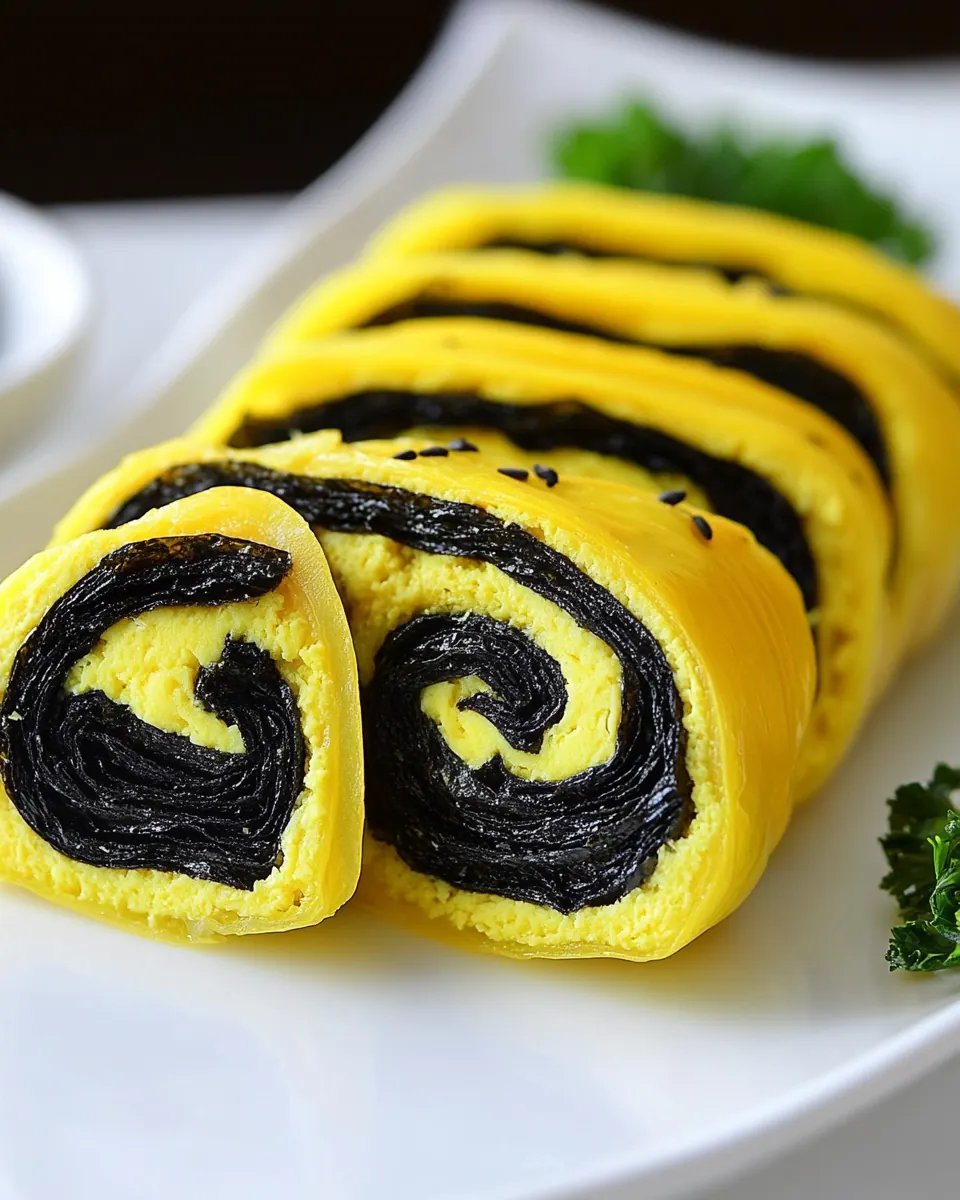
These steps break down a practiced rhythm that earns you tidy rolls. I find that maintaining medium heat and moving confidently helps the layers set properly. Below I expand each direction with sensory cues, reasons behind the technique, and troubleshooting tips so you can replicate the result with confidence.
- In a liquid measuring cup or bowl, whisk together the eggs and salt.: You should hear a faint, quick swoosh as the eggs come together into a pale, homogenous mixture, and the surface will show tiny ribbons when you lift the whisk. This blending distributes the salt for even seasoning and introduces minimal air so the final texture is silky, not foamy. If the mixture looks streaky, keep whisking until uniform. A common mistake is overwhisking, which traps too much air and makes the layers fragile and holey when you try to roll.
- Heat a 12-inch non-stick pan or well-seasoned cast iron or carbon steel pan on medium heat. When the pan is hot, swirl in the oil.: You want the pan to feel consistently warm when you hover your hand above it, without smoking. The avocado oil should glide and shimmer, not bubble aggressively. Heating properly ensures the first egg layer sets quickly and forms a smooth surface, which helps the roll slide and fold. If the oil smokes, reduce the heat and wipe the pan lightly, because burnt oil will impart off flavors to the eggs .
- Pour in half the eggs and rotate the pan until a thin layer forms.: When the mix hits the pan you should hear a soft hiss and see the edge turn opaque within seconds, while the center remains glossy and slightly wet. This set at the edges signals readiness for the next move. Pouring a thin layer ensures the roll has even thickness and cooks through without browning too fast. Pour too much and the layer will be thick and difficult to roll cleanly, leaving undercooked pockets.
- When the bottom is set and the top is still moist, add one sheet of roasted seaweed.: Look for a firm base that yields slightly when nudged with a spatula, while the top still glistens. Lay the roasted seaweed gently so it rests flat on the warm surface; the residual moisture will help it adhere. This timing is crucial, because if the egg is too liquid the seaweed will sink or wrinkle, and if it is too dry the sheet will not stick and may tear when rolling.
- Start rolling up one edge of the egg, flipping over about 2 inches and continue folding it over until you reach the end. Push the rolled egg to the edge of the skillet.: As you begin the roll you will feel a slight resistance as layers fold into each other, and the sound is a quiet, reassuring glide rather than a scrape. Keeping the roll compact helps it build structure so it supports the next layer. A common slip is rolling too loosely, which creates gaps and a crumbly interior when sliced.
- Pour the rest of the whisked egg into the pan. Tip the skillet to form a thin egg layer that completely covers the bottom.: You should see the new layer quickly spread under the cooked roll and meet the pan edges. That brief sizzle and the glossy shine across the surface tell you it is setting evenly. This step bonds the cooked piece to the fresh layer, creating a continuous roll. If the pan is too hot, the new layer will set before it reaches the edges, causing uneven seams and a lumpy roll.
- When the bottom is set and the top is still moist, lay the second piece of roasted seaweed on the egg.: The same cues apply here, the bottom should be firm and the top still slightly wet so the second seaweed can adhere. Laying it smoothly prevents bubbles and ensures a clean internal stripe when sliced. If you wait too long and the surface dries, the seaweed will not stick and may peel away while rolling.
- Roll up the egg omelet again, starting on the end with the cooked egg omelet until you reach the end of the pan.: As you roll, the layers will compact and you will notice a subtle weight forming in the pan. The smell will be rich with cooked eggs and toasted oil, and the roll should move as one piece when nudged. Use steady pressure and a confident motion to avoid tearing. Rolling erratically or hesitantly can create irregular seams and an uneven final shape.
- Transfer the egg to a cutting board and slice it up. Serve with kimchi and enjoy!: On the board the roll will sit for a moment, its exterior slightly warm and giving just a touch when pressed. Slicing will reveal neat layers punctuated by the dark seaweed , and the scent of savory eggs will be inviting. Letting it rest a few moments prevents the juices from running and helps you get clean slices. Cutting too soon often causes the roll to collapse and yield messy pieces.
Making Adjustments
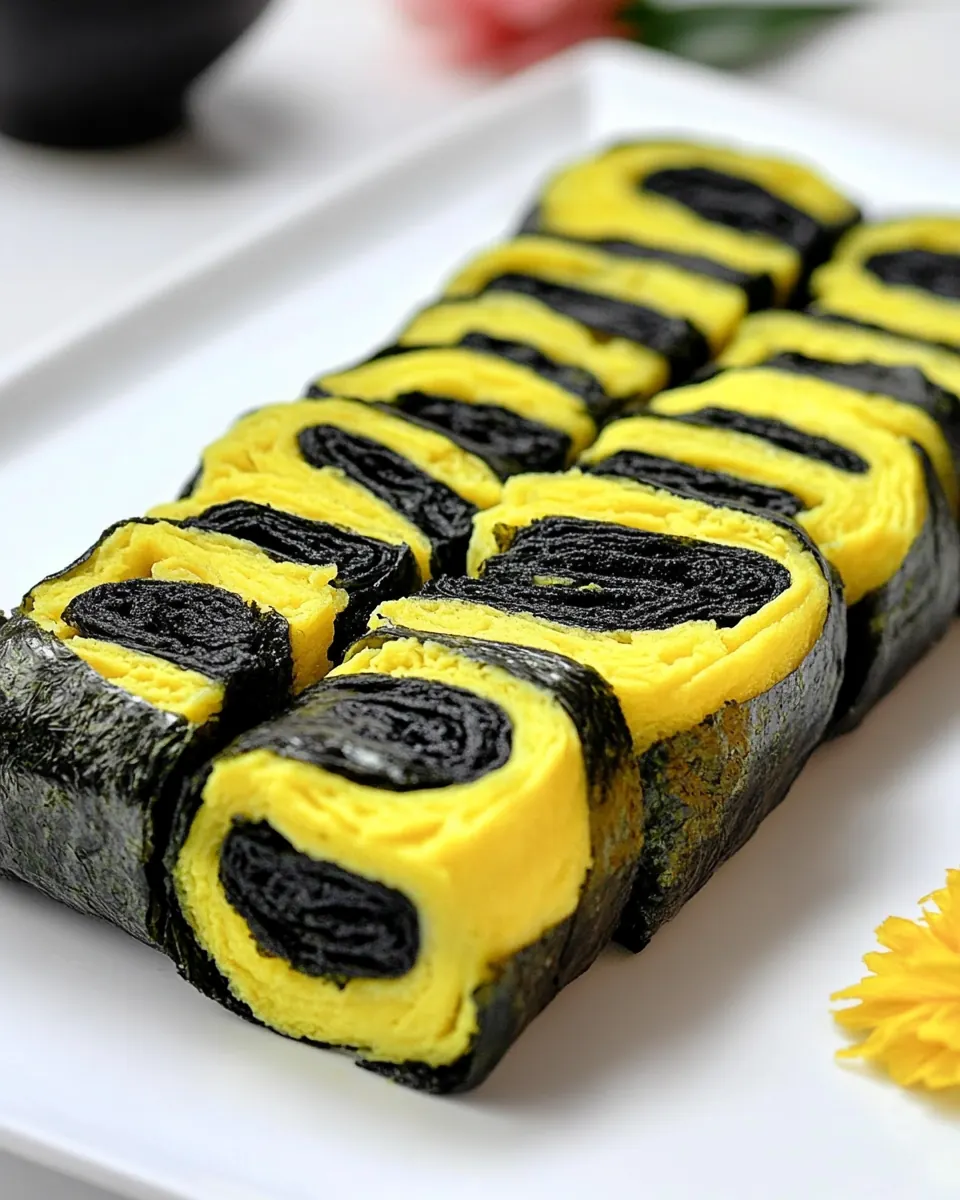
Tweaking this recipe is straightforward because the list of ingredients is short. Small changes in technique, temperature, or the way you slice will noticeably change the texture and presentation. Below are targeted tips to help you refine the result and adapt the roll to your preferences.
- Use room temperature eggs: Allowing the eggs to sit at room temperature for a few minutes helps them whisk more smoothly and set more evenly, which reduces tearing during rolling.
- Adjust heat, not time: If the layers are browning too quickly, lower the heat slightly and give the pan a moment to stabilize, this prevents overcooking while preserving the soft interior.
- Control oil sparingly: Apply only a thin film of avocado oil between layers with a paper towel to avoid excess oil pooling and making the roll slippery.
- Slice with a sharp knife: Use a very sharp knife and a gentle sawing motion to keep the layers intact and get clean, attractive pieces without compressing the roll.
- Practice the rolling motion: Work on a confident, steady roll to build compact layers, once you master the movement the outcome becomes reliably tidy.
What Goes Well With This Korean Egg Roll With Seaweed
This roll is wonderfully adaptable and pairs well with bold, fermented sides or mild, fresh accompaniments. It works for casual lunches, picnic boxes, or as part of a larger dinner spread. Below are thoughtful serving ideas, storage tips, and occasions where this recipe shines.
- Serve with fermented sides: Pair with a small bowl of kimchi or pickled vegetables for a lively contrast that complements the savory seaweed and creamy eggs, great for casual lunches.
- Pack into bento boxes: Slice and nestle into a bento with rice and steamed vegetables for a neat, portable meal that holds well at room temperature for a few hours.
- Brunch platter addition: Arrange alongside simple salads and steamed rice for a relaxed brunch where each guest can take a few slices, the roll’s tidy appearance makes it good for company.
- Occasions: Perfect for quick Ramadan iftar snacks, light weekday dinners, or as finger food for small gatherings where you want something compact and flavorful.
- Storage tips: Keep leftover slices in an airtight container in the refrigerator for up to two days, and reheat gently in a pan over low heat to preserve texture rather than microwaving.
- Seasonal pairings: Works year round as a light protein option, pairing especially well with spring greens or summer pickles for seasonal contrast.
FAQ
Conclusion
Korean Egg Roll With Seaweed stands out because it delivers neat, flavorful slices from just a handful of ingredients and a little practiced technique. Give it a try when you want something quick, portable, and subtly savory that performs well for breakfast, lunch, or as part of a small spread. Once you get comfortable with the heat and rolling motion, this becomes one of those reliable recipes you reach for again and again, offering consistent, comforting results with minimal fuss.
Korean Egg Roll With Seaweed
Equipment
- 12-inch non-stick pan
- measuring cup or bowl
- Whisk
- Spatula
- Cutting Board
- Sharp Knife
Ingredients
- 3 large eggs Beat and incorporate air into the eggs to form a light, custardy base for the rolled omelette, providing structure and a tender texture.
- 1/4 teaspoon Diamond Crystal kosher salt Season lightly to enhance the eggs' natural flavor and balance richness without overpowering the delicate omelette.
- 2 teaspoons avocado oil Heat for frying and prevent sticking while contributing a neutral, slightly fruity fat that helps achieve golden layers in the roll.
- 2 roasted seaweed sheets a.k.a. nori or gim Crisp and add umami by layering or slicing these roasted seaweed sheets, offering a savory contrast and traditional Korean flavor inside the roll.
Instructions
- In a liquid measuring cup or bowl, whisk together the eggs and salt.: You should hear a faint, quick swoosh as the eggs come together into a pale, homogenous mixture, and the surface will show tiny ribbons when you lift the whisk. This blending distributes the salt for even seasoning and introduces minimal air so the final texture is silky, not foamy. If the mixture looks streaky, keep whisking until uniform. A common mistake is overwhisking, which traps too much air and makes the layers fragile and holey when you try to roll.
- Heat a 12-inch non-stick pan or well-seasoned cast iron or carbon steel pan on medium heat. When the pan is hot, swirl in the oil.: You want the pan to feel consistently warm when you hover your hand above it, without smoking. The avocado oil should glide and shimmer, not bubble aggressively. Heating properly ensures the first egg layer sets quickly and forms a smooth surface, which helps the roll slide and fold. If the oil smokes, reduce the heat and wipe the pan lightly, because burnt oil will impart off flavors to the eggs .
- Pour in half the eggs and rotate the pan until a thin layer forms.: When the mix hits the pan you should hear a soft hiss and see the edge turn opaque within seconds, while the center remains glossy and slightly wet. This set at the edges signals readiness for the next move. Pouring a thin layer ensures the roll has even thickness and cooks through without browning too fast. Pour too much and the layer will be thick and difficult to roll cleanly, leaving undercooked pockets.
- When the bottom is set and the top is still moist, add one sheet of roasted seaweed.: Look for a firm base that yields slightly when nudged with a spatula, while the top still glistens. Lay the roasted seaweed gently so it rests flat on the warm surface; the residual moisture will help it adhere. This timing is crucial, because if the egg is too liquid the seaweed will sink or wrinkle, and if it is too dry the sheet will not stick and may tear when rolling.
- Start rolling up one edge of the egg, flipping over about 2 inches and continue folding it over until you reach the end. Push the rolled egg to the edge of the skillet.: As you begin the roll you will feel a slight resistance as layers fold into each other, and the sound is a quiet, reassuring glide rather than a scrape. Keeping the roll compact helps it build structure so it supports the next layer. A common slip is rolling too loosely, which creates gaps and a crumbly interior when sliced.
- Pour the rest of the whisked egg into the pan. Tip the skillet to form a thin egg layer that completely covers the bottom.: You should see the new layer quickly spread under the cooked roll and meet the pan edges. That brief sizzle and the glossy shine across the surface tell you it is setting evenly. This step bonds the cooked piece to the fresh layer, creating a continuous roll. If the pan is too hot, the new layer will set before it reaches the edges, causing uneven seams and a lumpy roll.
- When the bottom is set and the top is still moist, lay the second piece of roasted seaweed on the egg.: The same cues apply here, the bottom should be firm and the top still slightly wet so the second seaweed can adhere. Laying it smoothly prevents bubbles and ensures a clean internal stripe when sliced. If you wait too long and the surface dries, the seaweed will not stick and may peel away while rolling.
- Roll up the egg omelet again, starting on the end with the cooked egg omelet until you reach the end of the pan.: As you roll, the layers will compact and you will notice a subtle weight forming in the pan. The smell will be rich with cooked eggs and toasted oil, and the roll should move as one piece when nudged. Use steady pressure and a confident motion to avoid tearing. Rolling erratically or hesitantly can create irregular seams and an uneven final shape.
- Transfer the egg to a cutting board and slice it up. Serve with kimchi and enjoy!: On the board the roll will sit for a moment, its exterior slightly warm and giving just a touch when pressed. Slicing will reveal neat layers punctuated by the dark seaweed , and the scent of savory eggs will be inviting. Letting it rest a few moments prevents the juices from running and helps you get clean slices. Cutting too soon often causes the roll to collapse and yield messy pieces.
Notes
- Use room temperature eggs: Allowing the eggs to sit at room temperature for a few minutes helps them whisk more smoothly and set more evenly, which reduces tearing during rolling.
- Adjust heat, not time: If the layers are browning too quickly, lower the heat slightly and give the pan a moment to stabilize, this prevents overcooking while preserving the soft interior.
- Control oil sparingly: Apply only a thin film of avocado oil between layers with a paper towel to avoid excess oil pooling and making the roll slippery.
- Slice with a sharp knife: Use a very sharp knife and a gentle sawing motion to keep the layers intact and get clean, attractive pieces without compressing the roll.
- Practice the rolling motion: Work on a confident, steady roll to build compact layers, once you master the movement the outcome becomes reliably tidy.
