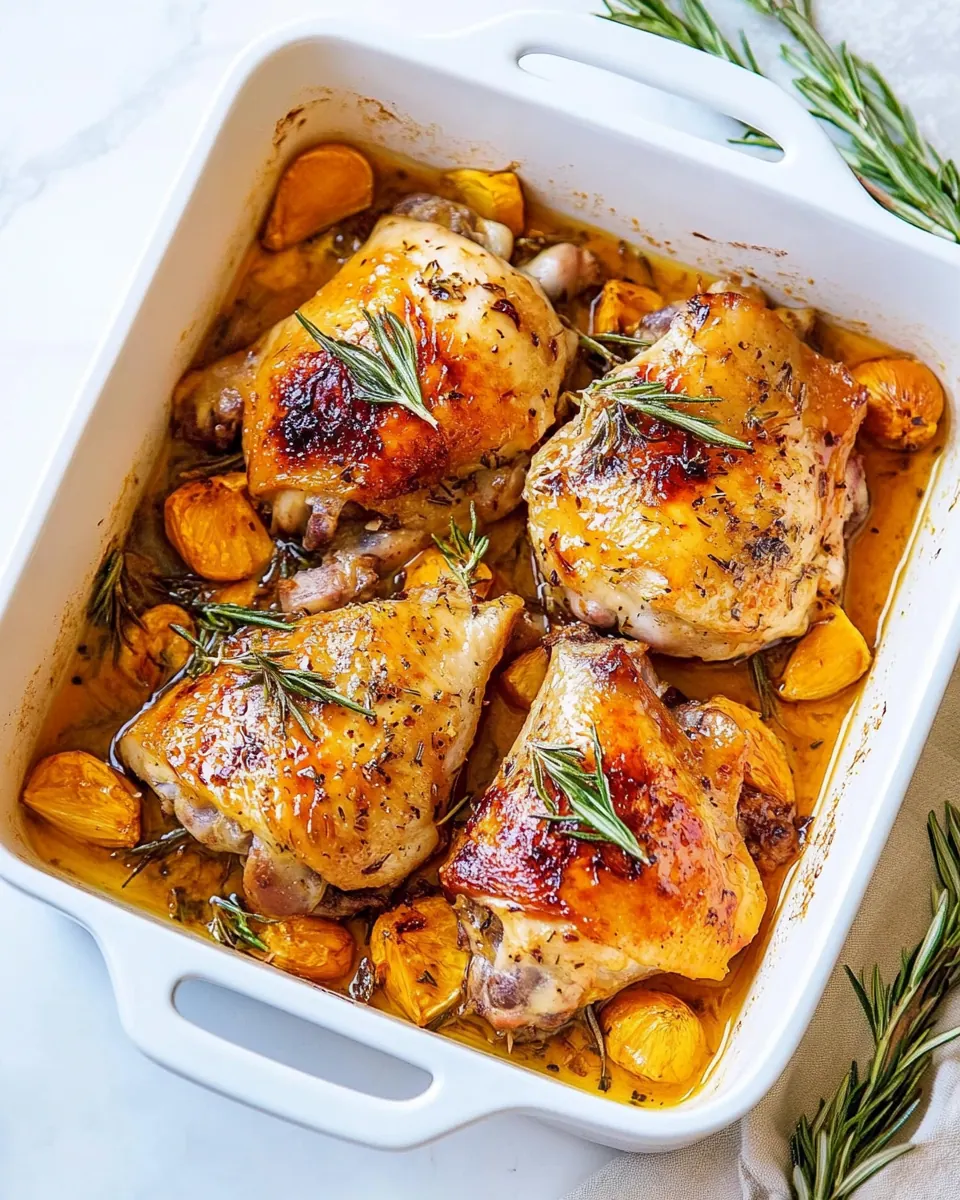
40 Clove Garlic Chicken
40 Clove Garlic Chicken is the sort of recipe that sneaks into your kitchen and stays in your memory long after the last plate is cleared. I first made it on an ordinary weeknight when I had nothing planned and a heady craving for something deeply savory and a little theatrical. The ritual of peeling cloves, arranging chicken and whole heads of garlic in a baking dish, and drizzling a glossy orange and olive oil mixture felt calming and oddly ceremonial, like giving the evening a delicious purpose.
That night the oven filled the house with a warm, toasty aroma that was not just garlic, but honeyed and bright from the orange juice. My family gathered around the counter, curious about the mound of glossy cloves, and by the time the chicken was golden and the cloves had turned jammy, everyone was instant converts. I still remember the sound of the skin crisping, the steam rising when we cut into the thighs, and that first unforgettable mouthful of roasted garlic that tasted mellow, sweet, and utterly luscious.
Over the years I have played with small tweaks, but the core magic remains the same: simple ingredients treated with care produce something soulful and generous. 40 Clove Garlic Chicken is a dish I reach for when I want a comforting main that feels special without fuss. It’s the kind of meal that suits a cozy family dinner, a relaxed weekend feast, or an intimate gathering where the kitchen smells like hospitality. If you love deep, roasted flavors and rustic presentations, this one will become part of your rotation.
Recipe Snapshot
55 mins
15 mins
40 mins
Medium
450 kcal
American
Paleo, Gluten-Free
Dinner
9×13-inch Baking Dish
The Best Thing About This 40 Clove Garlic Chicken
Roasted Garlic Depth
I love how the garlic transforms in the oven, trading raw bite for a soft, caramelized sweetness. The long gentle heat changes texture and flavor, creating cloves you can spread on bread or nestle with a forkful of chicken. That mellow, almost nutty quality is a big reason this dish stands out.
Bold Yet Simple Flavor Profile
The combination of extra virgin olive oil, orange juice, honey, and dried herbs yields a bright, savory glaze that is complex without being fussy. I appreciate that you do not need dozens of ingredients to achieve layers of taste, just a confident mix and the right roast time.
Comforting Presentation
Serving a bubbling dish of golden chicken surrounded by glossy cloves has a rustic charm that invites conversation. I enjoy the theatrical moment when you pull it from the oven and everyone leans in to smell the citrus and roasted garlic.
Minimal Hands On Time
From my experience, this recipe feels luxurious but asks little from you. A short prep to assemble everything and then the oven does the heavy lifting. This makes it perfect for busy weeknights when you still want a special meal.
Versatile and Crowd Friendly
I often double the recipe for company since it scales beautifully. People of all ages tend to enjoy the tender chicken and sweet roasted garlic, and the dish pairs well with simple sides so you can serve it for casual family dinners or relaxed gatherings.
Essential Ingredients for 40 Clove Garlic Chicken
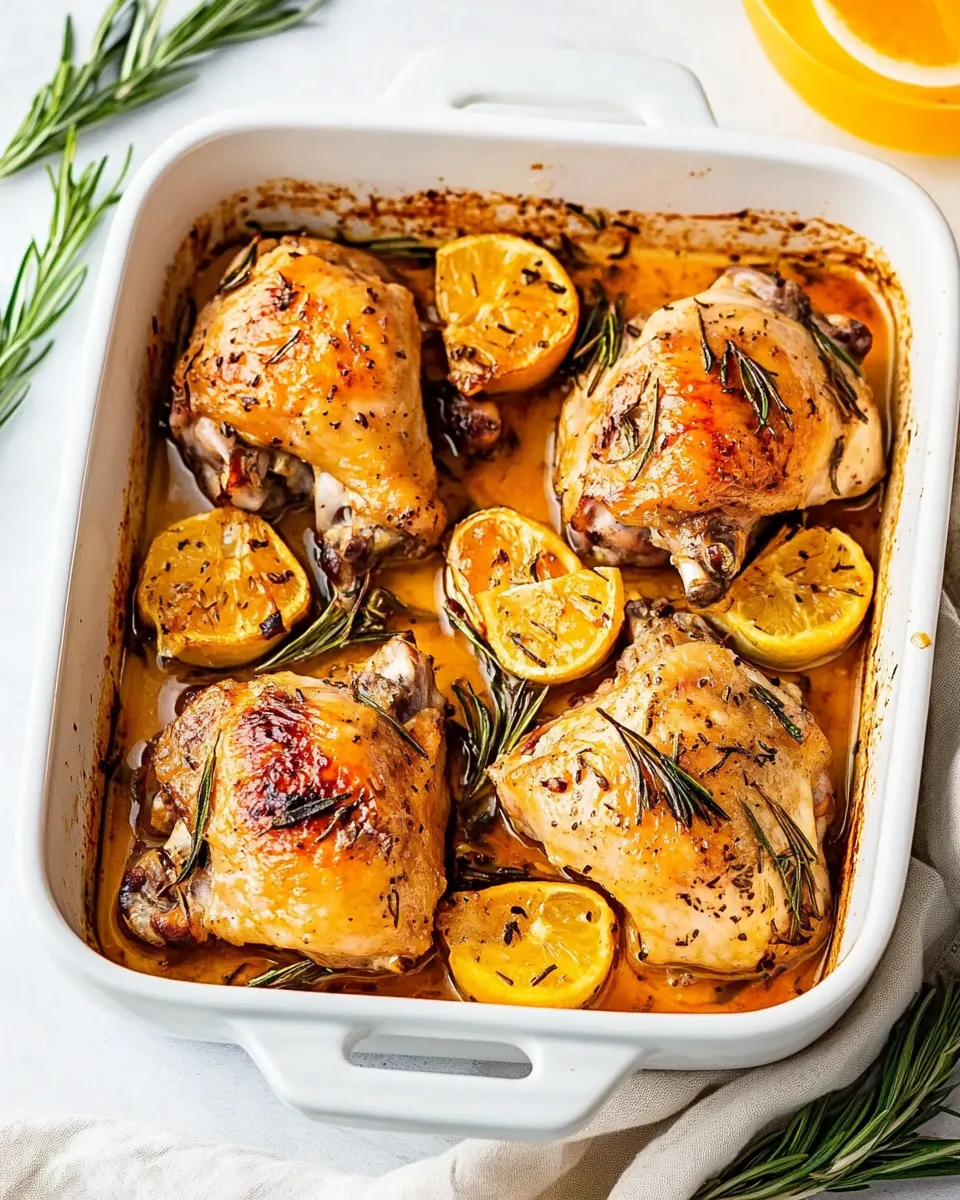
These ingredients are intentionally straightforward, each playing a definite role in building the final flavor. The key players are the abundant garlic for depth, the bone in chicken for richness, and a citrus and oil dressing that crisps skin while infusing brightness. Together they create a balance of savory, sweet, and aromatic notes.
- 3 whole heads garlic: Peel and separate cloves from the heads to provide a large base of mellow, sweet garlic flavor that infuses the entire dish; roast or sauté as directed to mellow sharpness and add richness. Use whole heads to ensure abundant garlic aroma and to create a signature garlicky profile that complements the chicken and sauces.
- 3 bone-in, skin-on chicken leg quarters: Season and sear to build savory, crispy skin and render fat that bastes the meat during roasting; choose bone-in, skin-on leg quarters for moistness and deep chicken flavor. Use the skin to protect the meat in the oven and to develop golden color and texture.
- 40 cloves garlic (peeled (from about 4 whole heads)): Peel individual cloves to add concentrated roasted garlic bites and spread mellowed garlic flavor throughout the dish; using many cloves yields a soft, spreadable roasted-garlic texture that complements the chicken. Toss cloves with oil and aromatics so they caramelize and impart sweet, nutty notes to the pan sauce.
- 1/2 cup extra-virgin olive oil: Coat and toss with garlic and chicken to promote even browning and to transfer fat-soluble flavors; extra–virgin olive oil also helps prevent sticking and carries aromatic compounds. Choose a good-quality oil for fruity undertones and a smooth mouthfeel in the finished dish.
- 1/4 cup freshly-squeezed orange juice (from 1 orange): Squeeze and add fresh orange juice to introduce bright acidity and a subtle citrus sweetness that balances the richness of the roasted garlic and chicken. Use freshly–squeezed juice for clean flavor that lifts the overall seasoning and assists in deglazing the pan.
- 1 teaspoon ground thyme: Season and sprinkle to provide warm, slightly floral herbaceous notes that complement rosemary and garlic; ground thyme disperses evenly and integrates into sauces and rubs. Use measured amounts to enhance complexity without overpowering the citrus and garlic.
- 1 teaspoon dry rosemary leaves: Infuse and scatter dried leaves to impart piney, resinous herb flavor that pairs well with roasted meats and garlic; dry rosemary adds concentrated aromatics that stand up to long cooking. Crush lightly if needed so pieces distribute evenly and release more flavor.
- 1 teaspoon kosher salt: Season and balance to enhance overall taste and to draw out the savory elements of the chicken and garlic; kosher salt helps extract moisture from surfaces for better browning. Use measured salt to avoid oversalting while allowing other seasonings to shine.
- 1/2 teaspoon ground black pepper: Season and ground to add sharpness and mild heat that highlights the garlic and citrus; freshly ground black pepper contributes aromatic bite and complexity. Use moderate quantity so pepper complements rather than overwhelms the herb and citrus notes.
- 1 teaspoon honey: Sweeten and glaze to round out acidity and enhance caramelization of garlic and pan juices; honey adds depth and a gentle sweetness that harmonizes flavors. Stir into the marinade or pan sauce to create a balanced finish with subtle floral notes.
- 3 sprigs fresh rosemary (, for garnish) (optional): Garnish and present to add fresh, aromatic green notes and visual appeal when serving; sprigs of rosemary can be tucked into the pan or placed atop plated chicken for fragrance. Use optional garnish sparingly to complement rather than dominate the roasted flavors.
How to Cook 40 Clove Garlic Chicken
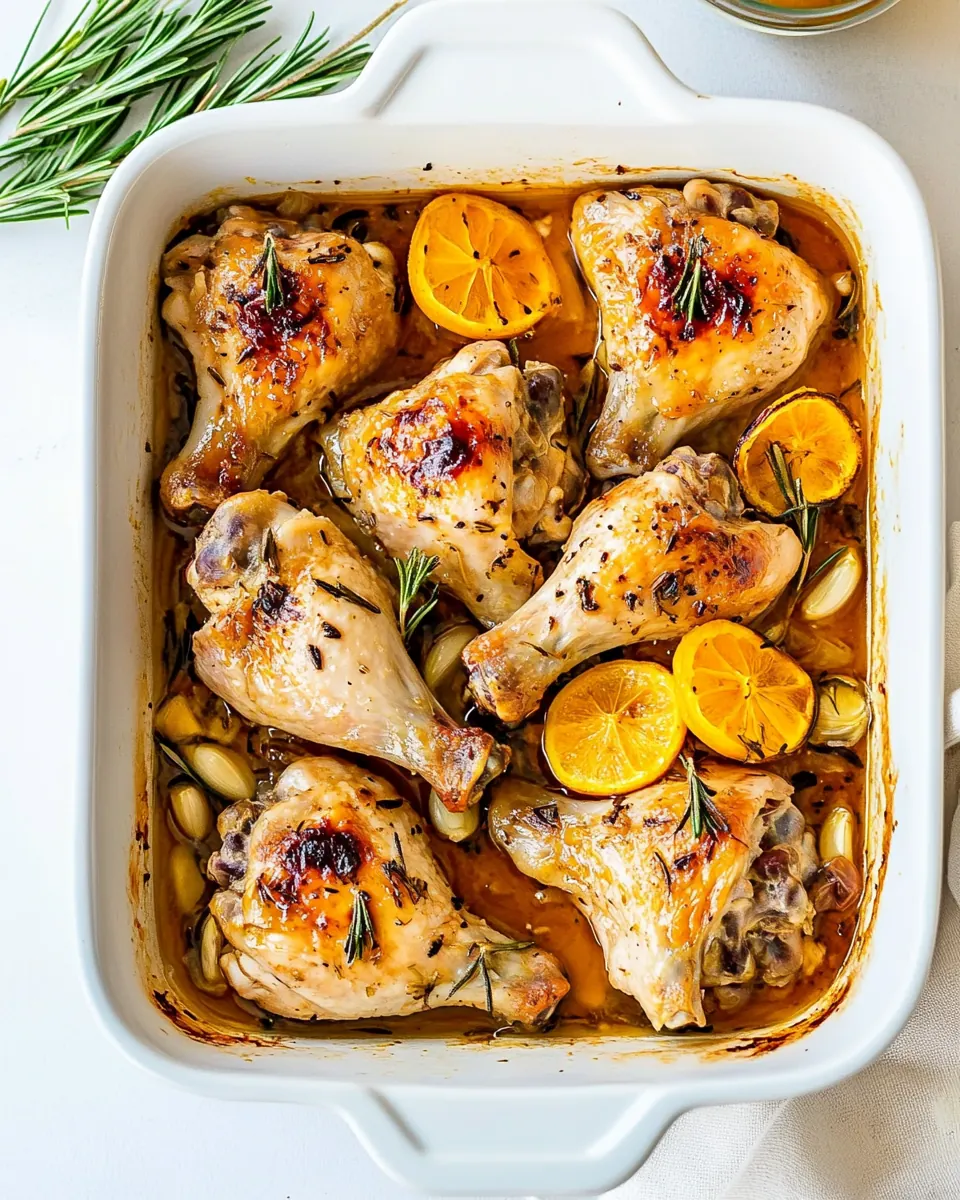
These instructions are written to guide you through each tactile moment, from arranging the chicken to recognizing the subtle cues that signal doneness. Take your time during assembly and trust the oven to do the transformative work.
- Preheat oven 350℉.: When the oven warms, you will feel a dry, steady heat in the kitchen that primes the air for roasting. A properly preheated oven ensures even browning across the chicken skin and helps the garlic cloves roast gently until they are jammy. If you skip preheating, the skin may cook unevenly and fail to crisp. A quick check is to use an oven thermometer to confirm the temperature is accurate.
- Chop off the top 1/2 inch of the whole garlic heads.: After you cut the tops, the cloves peek out, allowing oil and heat to penetrate during roasting. You will notice an immediate burst of raw garlic aroma that will mellow as it cooks. Doing this step wrong, such as cutting too deep, can cause loose pieces to scatter and burn, so remove just enough to expose the cloves.
- Add chicken legs, whole garlic heads, and the 40 peeled garlic cloves to a 9×13-inch baking dish.: As you arrange the pieces, the visual contrast of pale cloves and skin on chicken is striking. Make sure the pieces are spaced so air can circulate and the surface can brown. Overcrowding will steam the meat instead of roasting it, resulting in limp skin and less flavorful garlic.
- Add the olive oil, orange juice, thyme, dry rosemary, salt, pepper, and honey to a small bowl.: Mixing these creates a unified glaze that will coat the chicken and cloves. As you whisk, the fragrance shifts from citrusy to herby, and the honey emulsifies into the oil. If you fail to combine the ingredients properly, the seasoning may pool instead of adhering, leading to uneven flavor.
- Mix with a fork then drizzle the mixture over the chicken and garlic.: The act of drizzling lets the glaze settle into crevices, scenting the chicken and garlic. You should see a glossy sheen form on the skin which helps with caramelization. A common pitfall is to pour too much in one spot, which can create soggy areas, so aim for even coverage.
- Bake for 35-40 minutes, or until the chicken is golden brown and cooked through (165℉ internally).: In the oven you will hear faint sizzling, and the aroma will deepen into toasty, citrusy notes. Watch for a rich, golden color on the skin and a thermometer reading of 165℉ at the thickest part near the bone. If you remove the dish too early, the juices will not have set and the texture will be gummy; if you overcook, the meat will dry out. Rotate the pan halfway if your oven has hot spots for consistent browning.
- Serve with fresh rosemary stems and enjoy!: When you lift the dish, the steam carries concentrated scents of roasted garlic and herbs. The tender cloves should be soft enough to spread, and the chicken skin should crackle under a fork. Let the dish rest briefly so juices redistribute, then garnish with rosemary for a fragrant finish. A mistake here is carving immediately, which can release juices and make the meat less moist.
Ways to Adapt This Recipe
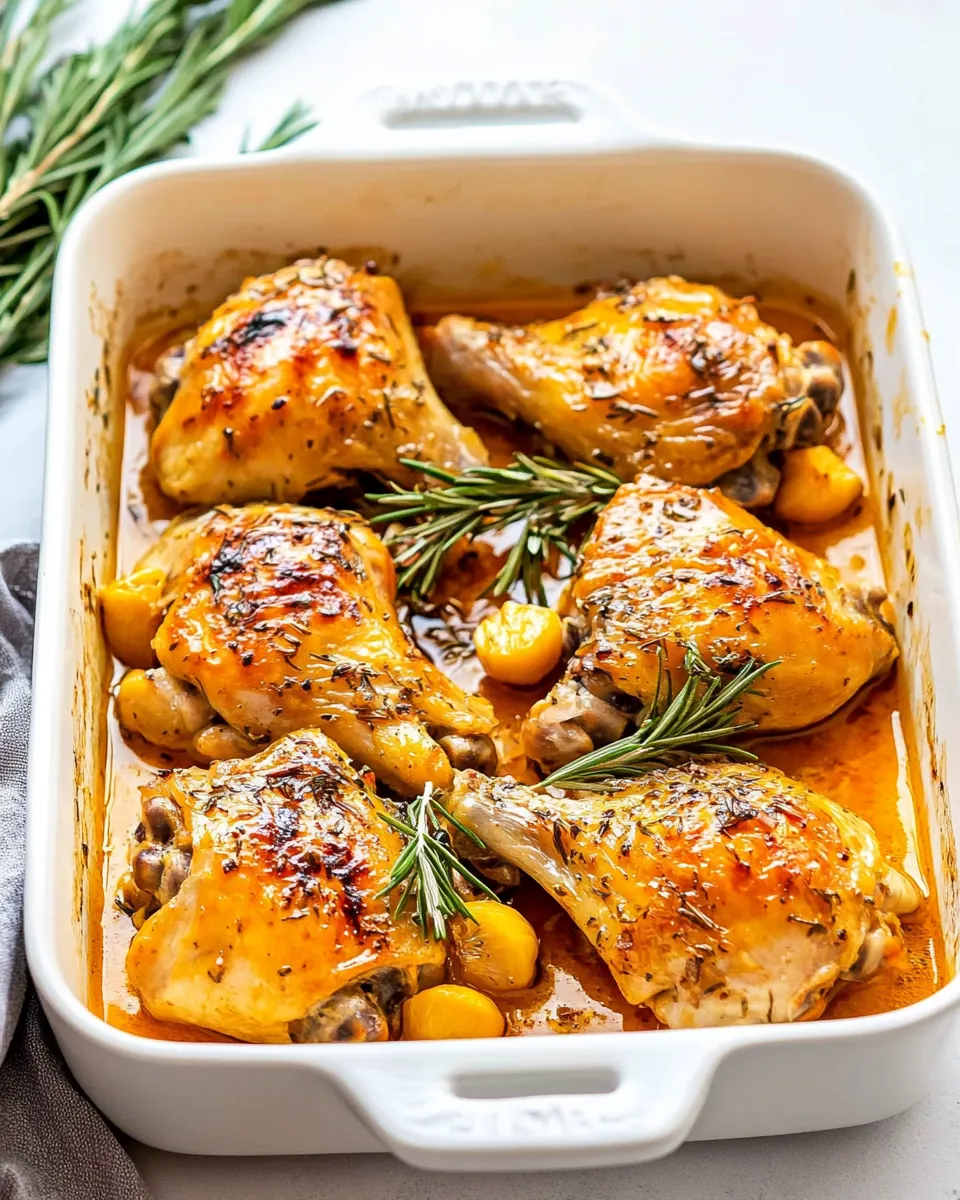
This section offers practical variations and ideas to tailor the dish to what you have on hand or the mood you are cooking for. Each tip highlights one approach and explains why it works.
- Swap citrus intensity Use more or less orange juice to brighten or soften the glaze; increasing it makes the flavor tangier while reducing it lets the garlic shine more.
- Adjust sweetness Reduce or omit the honey if you prefer a less sweet finish, the garlic will still caramelize nicely without it.
- Herb emphasis Increase the dried rosemary or add extra thyme if you want a more robust herb aroma, but do so sparingly to avoid an herbal bite.
- Presentation tweak Roast the whole garlic heads alongside for spreadable cloves, then serve the soft cloves piled around the chicken for dramatic plating.
- Make ahead Assemble the dish up to the drizzling step and refrigerate for a few hours, then bring to room temperature before roasting to ensure even cooking.
Serve This 40 Clove Garlic Chicken With
This dish is wonderfully versatile and pairs well with simple, textural sides that soak up the roasted juices. Below are serving suggestions and occasion ideas to help you plan a complete meal.
- Starch pairing Serve with mashed potatoes or roasted root vegetables to absorb the glossy, herby pan juices and create a comforting plate.
- Light greens A crisp salad tossed with lemon vinaigrette offers a bright counterpoint to the richness of the chicken and roasted garlic.
- Grain accompaniment Offer fluffy rice or couscous to catch every bit of the glaze, making the meal feel more substantial for weeknight dinners.
- Occasion This recipe fits casual family dinners, weekend gatherings, or a special holiday meal where you want something both impressive and low fuss.
- Storage tips Keep leftovers in an airtight container in the refrigerator for up to three days, or freeze for up to three months for longer storage.
- Seasonal note The bright orange element makes this suitable year round, pairing especially well with winter citrus and autumn root vegetables.
FAQ
Conclusion
40 Clove Garlic Chicken stands out for its dramatic aroma and impossibly tender results, turning simple ingredients into a soulful, memorable meal. Give it a try when you want something that feels special without complicated steps, and enjoy the ritual of roasting cloves until they are soft and sweet. Once you serve this, the combination of caramelized garlic and crisp skin will likely become one of your favorite comforting dishes to make again and again.
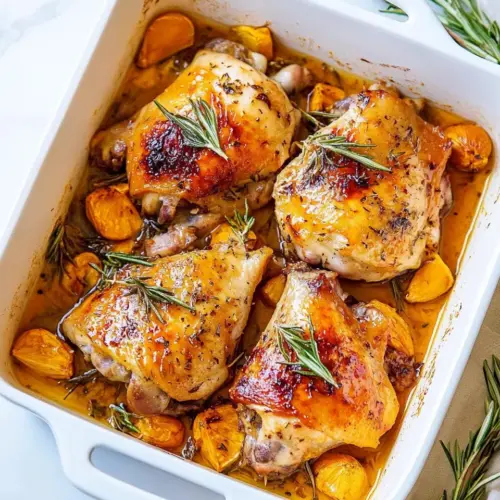
40 Clove Garlic Chicken
Equipment
- 9x13-inch Baking Dish
Ingredients
- 3 whole heads garlic Peel and separate cloves from the heads to provide a large base of mellow, sweet garlic flavor that infuses the entire dish; roast or sauté as directed to mellow sharpness and add richness. Use whole heads to ensure abundant garlic aroma and to create a signature garlicky profile that complements the chicken and sauces.
- 3 bone-in, skin-on chicken leg quarters Season and sear to build savory, crispy skin and render fat that bastes the meat during roasting; choose bone-in, skin-on leg quarters for moistness and deep chicken flavor. Use the skin to protect the meat in the oven and to develop golden color and texture.
- 40 cloves garlic (peeled (from about 4 whole heads)) Peel individual cloves to add concentrated roasted garlic bites and spread mellowed garlic flavor throughout the dish; using many cloves yields a soft, spreadable roasted-garlic texture that complements the chicken. Toss cloves with oil and aromatics so they caramelize and impart sweet, nutty notes to the pan sauce.
- 1/2 cup extra-virgin olive oil Coat and toss with garlic and chicken to promote even browning and to transfer fat-soluble flavors; extra-virgin olive oil also helps prevent sticking and carries aromatic compounds. Choose a good-quality oil for fruity undertones and a smooth mouthfeel in the finished dish.
- 1/4 cup freshly-squeezed orange juice (from 1 orange) Squeeze and add fresh orange juice to introduce bright acidity and a subtle citrus sweetness that balances the richness of the roasted garlic and chicken. Use freshly-squeezed juice for clean flavor that lifts the overall seasoning and assists in deglazing the pan.
- 1 teaspoon ground thyme Season and sprinkle to provide warm, slightly floral herbaceous notes that complement rosemary and garlic; ground thyme disperses evenly and integrates into sauces and rubs. Use measured amounts to enhance complexity without overpowering the citrus and garlic.
- 1 teaspoon dry rosemary leaves Infuse and scatter dried leaves to impart piney, resinous herb flavor that pairs well with roasted meats and garlic; dry rosemary adds concentrated aromatics that stand up to long cooking. Crush lightly if needed so pieces distribute evenly and release more flavor.
- 1 teaspoon kosher salt Season and balance to enhance overall taste and to draw out the savory elements of the chicken and garlic; kosher salt helps extract moisture from surfaces for better browning. Use measured salt to avoid oversalting while allowing other seasonings to shine.
- 1/2 teaspoon ground black pepper Season and ground to add sharpness and mild heat that highlights the garlic and citrus; freshly ground black pepper contributes aromatic bite and complexity. Use moderate quantity so pepper complements rather than overwhelms the herb and citrus notes.
- 1 teaspoon honey Sweeten and glaze to round out acidity and enhance caramelization of garlic and pan juices; honey adds depth and a gentle sweetness that harmonizes flavors. Stir into the marinade or pan sauce to create a balanced finish with subtle floral notes.
- 3 sprigs fresh rosemary (optional, for garnish) Garnish and present to add fresh, aromatic green notes and visual appeal when serving; sprigs of rosemary can be tucked into the pan or placed atop plated chicken for fragrance. Use optional garnish sparingly to complement rather than dominate the roasted flavors.
Instructions
- Preheat oven 350℉.: When the oven warms, you will feel a dry, steady heat in the kitchen that primes the air for roasting. A properly preheated oven ensures even browning across the chicken skin and helps the garlic cloves roast gently until they are jammy. If you skip preheating, the skin may cook unevenly and fail to crisp. A quick check is to use an oven thermometer to confirm the temperature is accurate.
- Chop off the top 1/2 inch of the whole garlic heads.: After you cut the tops, the cloves peek out, allowing oil and heat to penetrate during roasting. You will notice an immediate burst of raw garlic aroma that will mellow as it cooks. Doing this step wrong, such as cutting too deep, can cause loose pieces to scatter and burn, so remove just enough to expose the cloves.
- Add chicken legs, whole garlic heads, and the 40 peeled garlic cloves to a 9×13-inch baking dish.: As you arrange the pieces, the visual contrast of pale cloves and skin on chicken is striking. Make sure the pieces are spaced so air can circulate and the surface can brown. Overcrowding will steam the meat instead of roasting it, resulting in limp skin and less flavorful garlic.
- Add the olive oil, orange juice, thyme, dry rosemary, salt, pepper, and honey to a small bowl.: Mixing these creates a unified glaze that will coat the chicken and cloves. As you whisk, the fragrance shifts from citrusy to herby, and the honey emulsifies into the oil. If you fail to combine the ingredients properly, the seasoning may pool instead of adhering, leading to uneven flavor.
- Mix with a fork then drizzle the mixture over the chicken and garlic.: The act of drizzling lets the glaze settle into crevices, scenting the chicken and garlic. You should see a glossy sheen form on the skin which helps with caramelization. A common pitfall is to pour too much in one spot, which can create soggy areas, so aim for even coverage.
- Bake for 35-40 minutes, or until the chicken is golden brown and cooked through (165℉ internally).: In the oven you will hear faint sizzling, and the aroma will deepen into toasty, citrusy notes. Watch for a rich, golden color on the skin and a thermometer reading of 165℉ at the thickest part near the bone. If you remove the dish too early, the juices will not have set and the texture will be gummy; if you overcook, the meat will dry out. Rotate the pan halfway if your oven has hot spots for consistent browning.
- Serve with fresh rosemary stems and enjoy!: When you lift the dish, the steam carries concentrated scents of roasted garlic and herbs. The tender cloves should be soft enough to spread, and the chicken skin should crackle under a fork. Let the dish rest briefly so juices redistribute, then garnish with rosemary for a fragrant finish. A mistake here is carving immediately, which can release juices and make the meat less moist.
Notes
- Swap citrus intensity Use more or less orange juice to brighten or soften the glaze; increasing it makes the flavor tangier while reducing it lets the garlic shine more.
- Adjust sweetness Reduce or omit the honey if you prefer a less sweet finish, the garlic will still caramelize nicely without it.
- Herb emphasis Increase the dried rosemary or add extra thyme if you want a more robust herb aroma, but do so sparingly to avoid an herbal bite.
- Presentation tweak Roast the whole garlic heads alongside for spreadable cloves, then serve the soft cloves piled around the chicken for dramatic plating.
- Make ahead Assemble the dish up to the drizzling step and refrigerate for a few hours, then bring to room temperature before roasting to ensure even cooking.