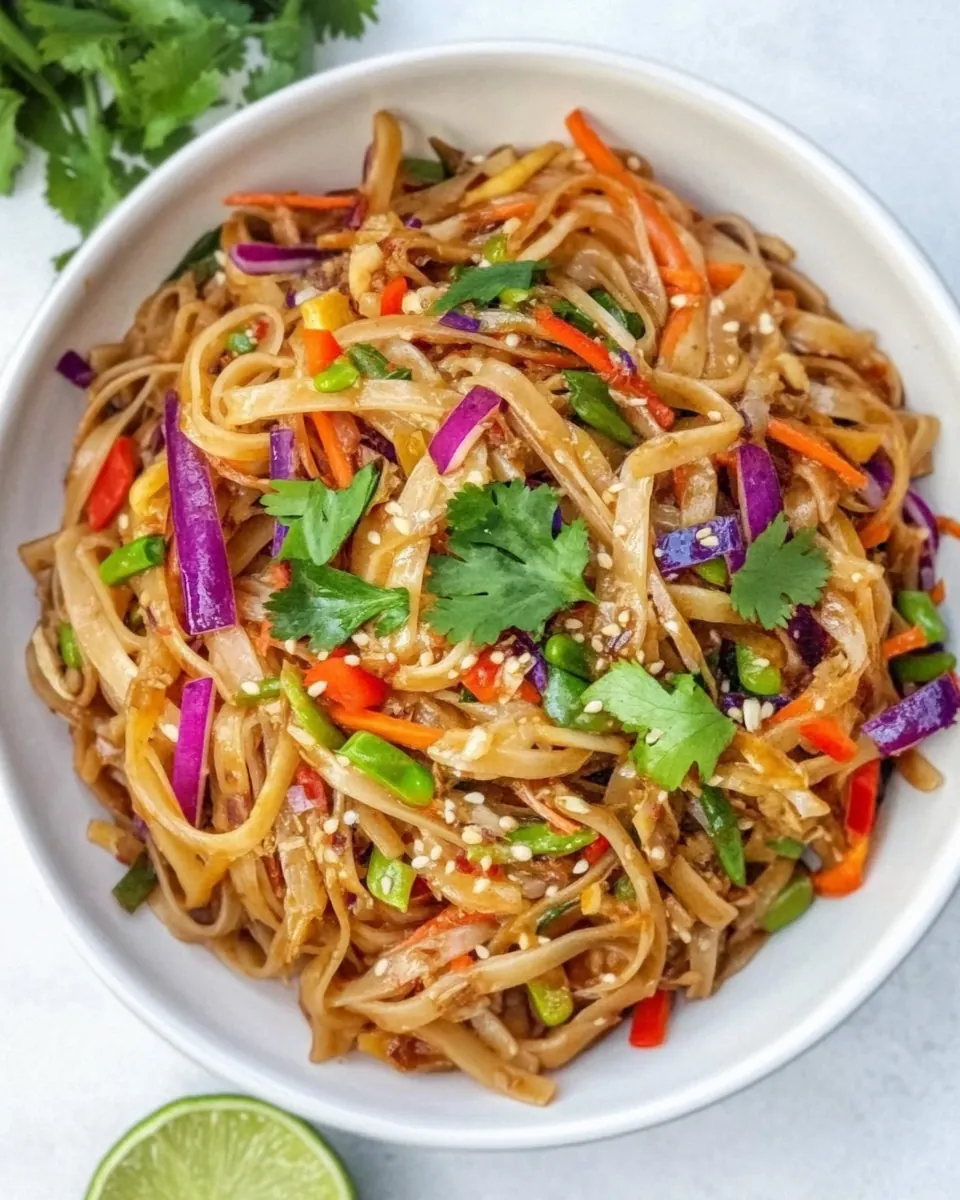
Easy Thai Noodles
Easy Thai Noodles came into my weeknight rotation the moment I needed a no fuss, highly flavorful meal that still felt special. The first time I tossed these vibrant noodles together, I was rushed between errands and a late grocery run, but the bright, nutty sauce and crisp vegetables turned a chaotic evening into something I actually looked forward to eating. I remember standing over the bowl, spoon in hand, thinking that a hurried dinner had never tasted so balanced and satisfying.
Over time I’ve tweaked little things, like toasting the peanuts and sesame seeds until they whisper with aroma, and using a splash of lime juice to lift the whole dish. I like how the textures play off one another, the soft rice noodles against crunchy sugar snap peas and thinly sliced red bell pepper. Friends ask for the recipe after just one bite, and I always tell them the secret is patience when combining ingredients, even when it feels like you do not have time.
Recipe Snapshot
15 mins
10 mins
5 mins
Easy
350 kcal
Thai
Vegan, Gluten-Free
Dinner
Large skillet (my favorite non toxic nonstick pan!)
Why This Easy Thai Noodles Stands Out
Bold, Balanced Flavor
I love how Easy Thai Noodles delivers an assertive, layered sauce without complicated prep. The combination of peanut butter, soy sauce, lime juice, and a touch of hot sauce creates sweet, salty, tangy, and spicy notes that sing together. I find this balance makes the dish approachable for picky eaters, while still feeling restaurant worthy.
Speed and Simplicity
What gets me cooking on busy nights is how fast Easy Thai Noodles comes together. You can have everything plated in the time it takes to cook the rice noodles, and the sauce whips up in a single bowl. That quick turnaround makes it a go to for easy weeknight dinner plans.
Textural Contrast
I am always drawn to recipes that offer contrast, and these noodles do not disappoint. Soft, slippery noodles are offset by crisp carrot and red cabbage, plus crunchy toasted peanuts. Each bite keeps you interested, and that variety is why I frequently make this for gatherings where people graze and chat.
Flexible and Adaptable
One of my favorite things about Easy Thai Noodles is how forgiving it is. The ingredient list invites swaps, and the sauce can be dialed up or down on heat and sweetness. I appreciate recipes that allow improvisation while still ensuring a great final result.
Fresh Finish
I always finish with fresh cilantro and a squeeze of lime juice, and that bright finishing touch elevates the whole bowl. It is that last minute freshness that turns a simple pantry meal into something I am proud to serve to guests.
Recipe Ingredients for Easy Thai Noodles
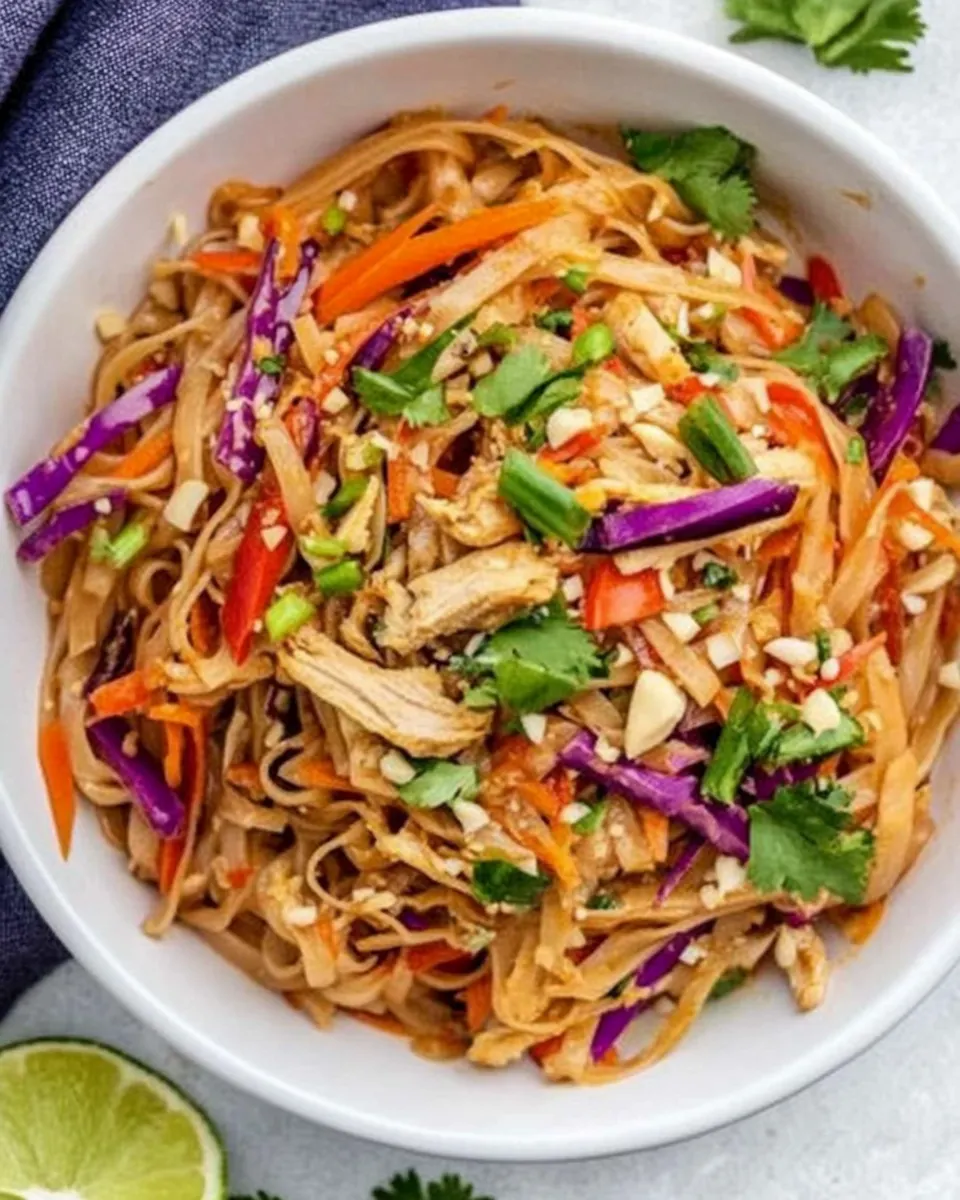
These ingredients form a harmony of savory, sweet, nutty, and bright components that work together to deliver classic Thai inspired flavors. The key players are the base rice noodles for soft texture, the rich peanut butter and toasted peanuts for depth, and a small cast of bold seasonings like soy sauce, lime juice, and sesame oil to pull everything into a cohesive sauce.
- 8 9 ounce package of rice noodles: Soak or boil until tender and slightly chewy to provide the noodle base that carries the sauce and vegetables throughout the dish. Rice noodles absorb flavors well and create the classic texture of Thai-style cold or warm noodle salads. Handle gently when cooked to avoid breaking and rinse under cold water to stop cooking. Use the package size to serve about 3–4 people depending on appetite.
- 1/2 tablespoon canola oil, for peanut sauce: Heat lightly to loosen and incorporate into the peanut sauce for a neutral, high-heat carrier without affecting flavor. Canola oil helps emulsify the sauce and gives it a silky mouthfeel while allowing other ingredients to meld. Measure carefully since it is used in small quantities to prevent greasiness. Choose refined canola oil for a neutral profile.
- 2 teaspoons sesame oil: Add aromatic and nutty depth by drizzling into the sauce or finishing the dish for a toasted sesame flavor. Sesame oil enhances the overall aroma and provides a distinctive taste characteristic of many Asian dishes. Use sparingly, as its flavor is concentrated and can overpower other components. Toasted sesame oil is best for finishing rather than heavy cooking.
- 1/4 cup low sodium soy sauce: Provide salty, umami richness to balance the sweet and tangy elements in the sauce and seasoning. Low sodium soy sauce allows control over overall saltiness while contributing fermented complexity. Mix into sauces, dressings, or use to season vegetables before tossing with noodles. Taste and adjust to maintain balance with honey and peanut butter.
- 1/4 teaspoon crushed red pepper flakes (optional): Add a touch of heat and a subtle smoky flavor when sprinkled into the sauce or used as a garnish for those who like spice. Crushed red pepper flakes are optional and allow customization of heat level without altering other flavors. Start with a small amount and increase if more kick is desired. They also add visual interest with red flecks.
- 1 tablespoon rice vinegar: Introduce a mild acidic brightness that cuts through richness and helps balance the peanut sauce. Rice vinegar offers gentle tang without overwhelming other flavors and blends smoothly into dressings. Use measured amounts to create a harmonious sweet-sour-salty profile. It also helps tenderize vegetables slightly when tossed together.
- 1 teaspoon hot sauce, (like Sriracha) more or less to taste: Provide concentrated spicy, tangy heat to brighten the sauce and appeal to chili lovers, with adjustable intensity. Hot sauce like Sriracha adds savory chili flavor and a touch of sweetness while boosting aroma. Stir into the peanut mixture a little at a time to reach desired heat. It also enhances color and visual appeal of the sauce.
- 1/4 cup smooth peanut butter: Lend creamy, nutty body and primary flavor to the sauce while thickening and binding ingredients together. Smooth peanut butter blends easily for a silky texture and rich taste that defines Thai-style peanut sauces. Choose unsweetened or lightly salted varieties to better control sweetness and salt balance. Warm slightly if needed to loosen for easier mixing.
- 2 tablespoons honey: Contribute sweetness and a sticky consistency to balance salty and acidic components in the sauce. Honey harmonizes flavors and gives the sauce a glossy finish while softening the intensity of soy sauce and vinegar. Adjust quantity for preferred sweetness and to achieve desired viscosity. Use a good-quality honey for better flavor clarity.
- 1 tablespoon lime juice: Offer bright citrus acidity and a fresh aroma that elevates and balances the rich peanut sauce. Lime juice cuts through fat and adds a clean, tart finish essential to Southeast Asian flavor profiles. Squeeze fresh limes whenever possible for best fragrance and avoid bottled substitutes if possible. Incorporate gradually and taste to avoid overpowering other notes.
- 2 cloves garlic, minced: Provide pungent aromatic depth and savory complexity when minced finely and mixed into the sauce or tossed with noodles. Garlic adds a sharp, warm undertone that mellows when combined with other ingredients and cooked slightly. Use fresh cloves for the most vibrant flavor and adjust amount to personal preference. Sauté briefly in oil if desiring a milder, sweeter garlic profile.
- 2 tablespoons sesame seeds, toasted: Give a toasty crunch and visual garnish while reinforcing sesame flavor when toasted and sprinkled over the finished dish. Sesame seeds add a nutty aroma and small textural contrast that complements the smoother peanut butter base. Toast lightly in a dry pan to awaken oils and enhance flavor before using. Use as a finishing touch to lift appearance and taste.
- 1/4 cup dry roasted peanuts: Add crunchy texture and a roasted peanut accent either whole or chopped as a topping to contrast the creamy sauce. Dry roasted peanuts contribute savory, slightly smoky notes and substantial bite that pairs well with soft noodles and crisp vegetables. Chop coarsely for textural variety and scatter shortly before serving to preserve crunch. Use salted or unsalted depending on desired overall saltiness.
- 1/2 tablespoon canola oil, for tossing with noodles: Coat noodles lightly and prevent sticking while adding a neutral sheen before combining with sauce and vegetables. Canola oil used for tossing helps separate strands and ensures an even distribution of sauce later. Use sparingly to avoid greasiness and to keep flavors balanced. Toss immediately after draining noodles to maintain texture.
- 1 green onion, minced: Offer a sharp, oniony freshness and mild crunch when minced and sprinkled into the salad or sauce. Green onion brings bright herbal notes and subtle sweetness that complements cilantro and lime. Include both white and green parts for layered flavor and color contrast. Add just before serving to preserve crispness and aroma.
- 1 cup sugar snap peas: Provide crisp, sweet snap and vibrant green color that adds freshness and a lively texture to the noodle bowl. Sugar snap peas contribute a pleasant pop and mild vegetal sweetness when blanched or briefly sautéed. Keep cooking time short to retain crunch and bright color. Slice diagonally if desired to increase surface area and visual appeal.
- 1 large red bell pepper, thinly sliced: Add juicy, sweet, and slightly smoky flavor with crunchy texture when thinly sliced for color contrast and body. Red bell pepper brightens the dish visually and contributes vitamin C and crispness. Slice thinly to mix easily with noodles and to allow the dressing to coat evenly. Use fresh, firm peppers for best texture.
- 1 medium carrot, julienned: Bring sweet earthiness and firm crunch when julienned to add color and textural variety. Carrot complements other vegetables and soaks up dressing flavors while remaining crisp if not overcooked. Use a mandoline or sharp knife for consistent matchsticks that mingle well with noodles. Consider peeling first for a cleaner look.
- 1 cup red cabbage, thinly sliced: Provide vivid color, mild peppery bite, and crunchy texture when thinly sliced to enhance visual appeal and freshness. Red cabbage also adds fiber and a slightly astringent note that balances richer sauce components. Keep slices thin to prevent overpowering other textures and to ensure even coating with dressing. Stir gently to avoid bruising delicate strands.
- 1/4 cup chopped cilantro: Add bright, citrusy herbal aroma and fresh flavor when chopped and used as a finishing herb. Cilantro lifts the dish with its distinctive freshness and pairs naturally with lime and chili flavors. Add at the end to preserve its fragrance and avoid wilting with heat. Chop coarsely or finely depending on preference for distribution.
How to Cook Easy Thai Noodles
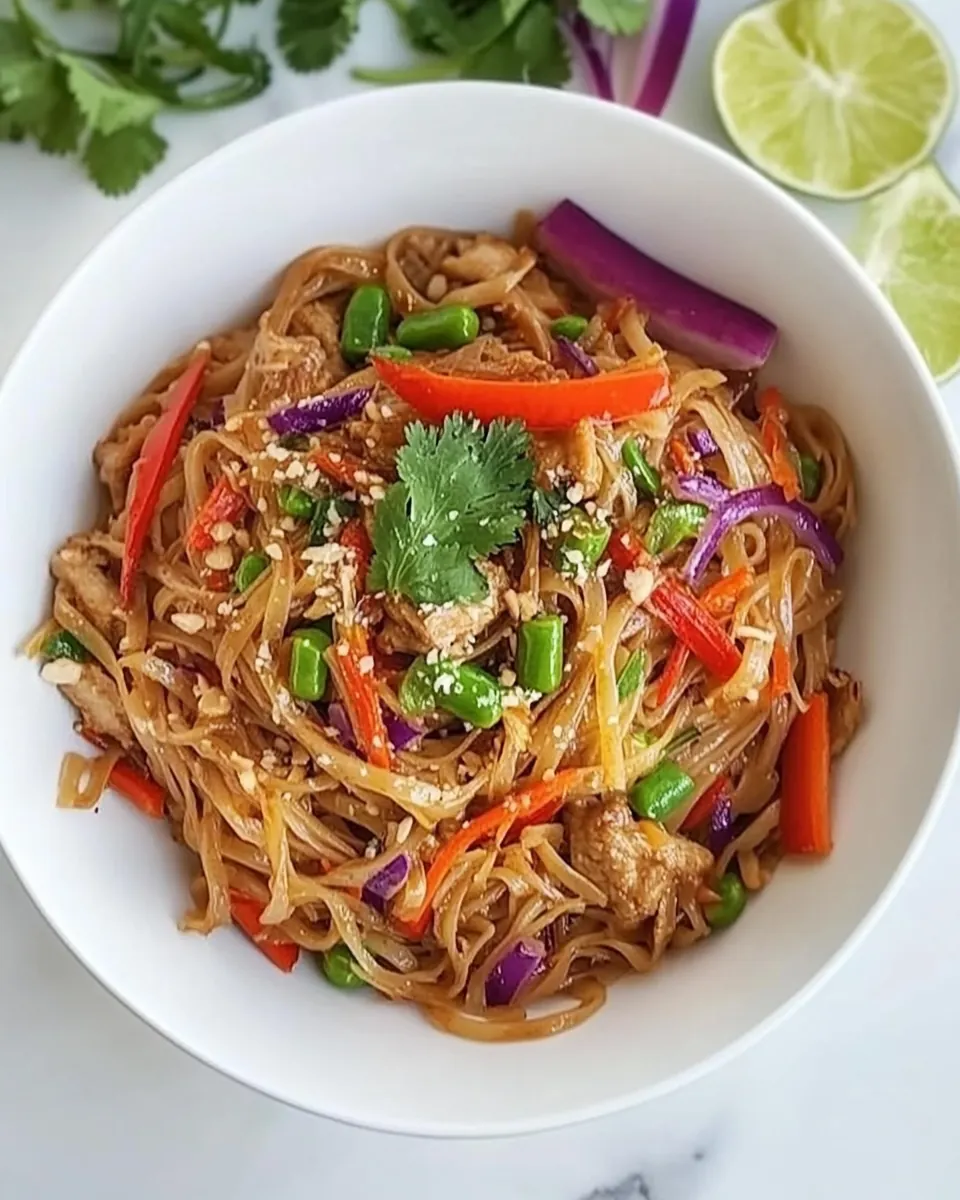
I like to keep the rhythm simple: cook the rice noodles correctly, whisk the sauce until silky, toast the nuts and seeds for aroma, then toss everything together while the noodles are warm so the sauce clings. Below you will find detailed steps expanded with sensory cues, reasons behind techniques, and common pitfalls to avoid.
- Prepare 8-9 ounce package of rice noodles (or pasta noodles) according to package directions. It is very important to follow the package directions as some brands work best soaking noodles in boiling water for a couple minutes and others need to be simmered in boiling water.: The scent of the cooking water and the sight of the noodles softening are your first signals, a gentle bubbling steam should rise from the pot as they cook. Different brands behave differently, with some needing a quick soak in boiling water and others benefitting from a brief simmer. Watch for the moment they become pliable but still have a slight bite, then immediately test a strand for texture, because overcooked noodles become gummy. If you follow package timing, you will protect the delicate structure of the rice noodles . A common mistake is walking away from the stove, which leads to overcooking; stay near and taste early to avoid that.
- While pasta is cooking, mix together 1/2 tablespoon canola oil, 2 teaspoons sesame oil, 1/4 cup low sodium soy sauce, 1/4 teaspoon crushed red pepper flakes, 1 tablespoon rice vinegar, 1 teaspoon hot sauce, 1/4 cup smooth peanut butter, 2 tablespoons honey, 1 tablespoon lime juice, and 2 cloves garlic (minced). Whisk vigorously until smooth.: As you whisk, notice how the peanut butter transforms from thick and clumpy into a glossy emulsion with the liquids, and how the aroma of garlic and sesame oil rises. The oils help suspend fat soluble flavors, while the acids like rice vinegar and lime juice brighten the overall profile, preventing the sauce from tasting flat. If the sauce feels too thick, add a teaspoon of warm water at a time until it loosens; conversely, if it is watery, a bit more peanut butter or honey can round it out. A frequent error is adding dry peanut butter without vigorous whisking, which leaves lumps; persist with the whisk until smooth and shiny.
- Toast 1/4 cup dry roasted peanuts and 2 tablespoons sesame seeds in a dry skillet over medium-high heat for 2-3 minutes, or until slightly toasted. This is CRUCIAL for developing the most flavor out of the nuts and sesame seeds and makes a world of difference. If your peanuts/sesame seeds say dry-roasted or toasted, skip this step!: The moment the nuts hit the hot skillet, you will hear a faint sizzle and smell a toasty, nutty perfume that signals Maillard reactions at work. Keep the pan moving to ensure even browning and watch closely because seeds and nuts can go from perfectly toasted to burnt in seconds. This toast develops depth and crunch that the sauce alone cannot provide, enriching the finished dish. If your peanuts or sesame seeds are already labeled toasted, skip this and avoid double toasting which creates bitterness.
- Drain the noodles and rinse well. Place noodles in large mixing bowl and immediately toss the noodles with 1/2 tablespoon canola oil to coat. This keeps the noodles from sticking together!: After draining, the cool cascade of water will wash away excess starch and prevent sticking, while the tactile test of a noodle between your fingers will confirm they are not gummy. Immediately transfer to a large mixing bowl and toss with 1/2 tablespoon canola oil to coat each strand, which adds a protective film so they stay separate and receptive to the sauce. Doing this while the noodles are warm helps the oil spread evenly. A typical misstep is letting noodles sit in the colander where they clump as they cool; transfer quickly and toss to avoid that problem.
- Add the peanut sauce, 1 green onion (sliced), 1 cup sugar snap peas, 1 large red bell pepper (thinly sliced), 1 medium carrot (julienned), 1 cup red cabbage (thinly sliced), and 1/4 cup chopped cilantro to the noodles, and toss well. Top with the chopped nuts and sesame seeds.: As you combine everything, pay attention to how the peanut sauce clings to the warm noodles , coating them with a glossy sheen while the vegetables add pops of color and texture. Use tongs or clean hands to fold gently so the sauce distributes without bruising the vegetables. The contrast of warm, sauced noodles and cool, crisp vegetables makes each bite layered and interesting. If the mixture seems dry, add a teaspoon of warm water or a splash of reserved noodle cooking liquid to loosen the sauce. Avoid vigorously overmixing which can break the vegetables down and dilute their crunch.
- Serve immediately for best results.: Scatter the toasted peanuts and sesame seeds over the plated noodles so the first forkful has a pronounced crunch and toasted aroma. The textural finish is essential, giving a satisfying contrast to the silky noodles. Serve immediately for the best texture, because as the dish sits the crunchy elements soften and the noodles absorb more sauce. A common oversight is plating early and letting the dish rest, which diminishes the crispness and freshness.
- Serve immediately for best results: The ideal moment to eat is right after assembly, when the balance of textures and temperatures is at its peak, and the aroma of toasted nuts and fresh cilantro is most vivid. Waiting allows moisture exchange and flavor mellowing, so I encourage plating right away. If you must hold it, keep the crunchy toppings separate until serving to preserve texture. A frequent misjudgment is assuming flavors improve indefinitely with time, when in fact some components lose their signature qualities if left too long.
Recipe Notes about Easy Thai Noodles
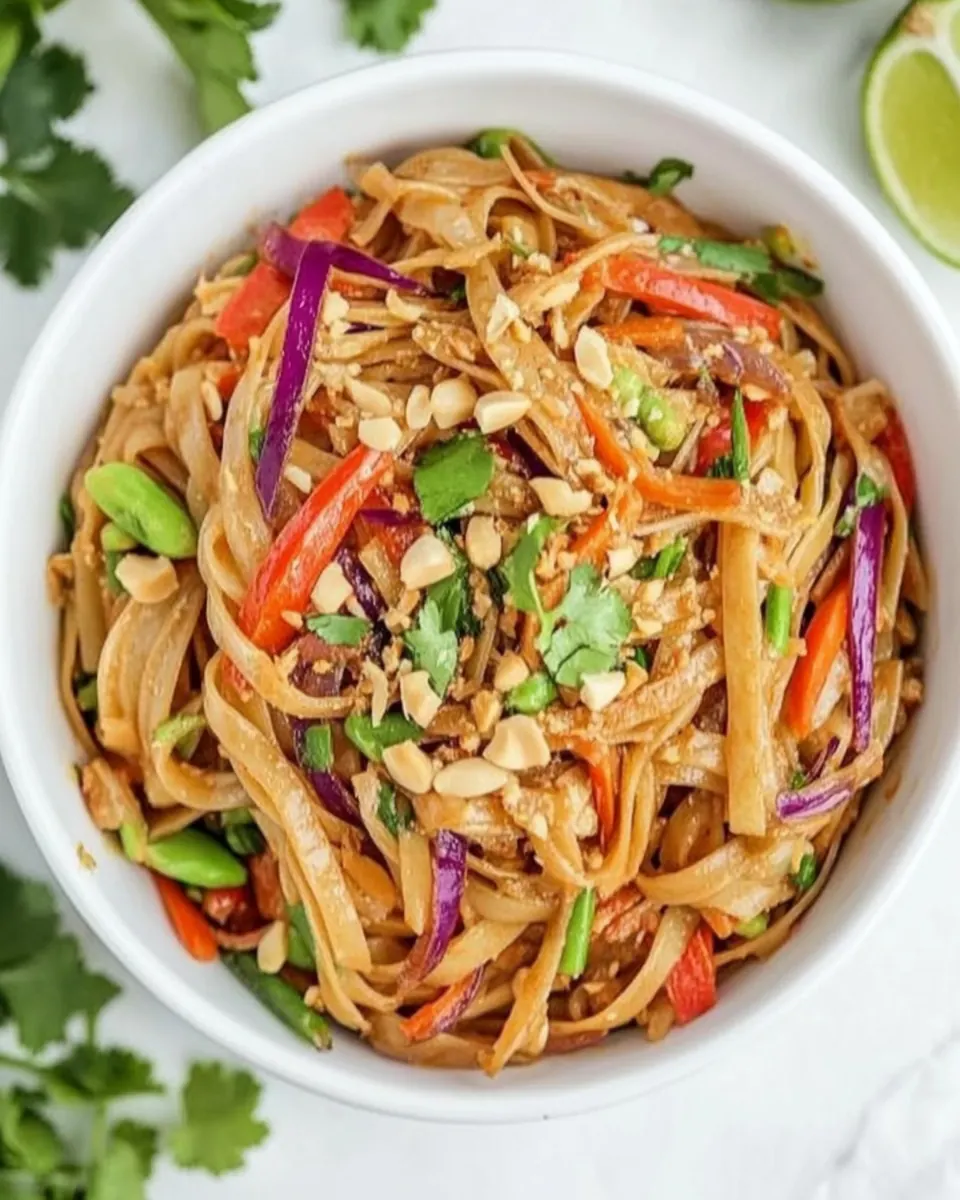
This section offers practical notes and common modifications that I rely on. Read these expanded tips to help you adapt the recipe to pantry items, dietary preferences, or storage needs. Each item highlights a quick rationale and how to execute the tip well.
- Swap noodles carefully, if you cannot find rice noodles you can use linguine as suggested, but pay attention to cooking time because wheat pasta soaks and releases starch differently, which affects sauce adhesion.
- Vegetable flexibility, you can use whatever crisp vegetables you have on hand; I like to keep them raw for bite, but a quick blanch or steam is fine if you prefer softer texture.
- Vegan modification, replace honey with maple syrup to make the sauce vegan friendly, adjusting sweetness to taste since maple can be bolder in flavor.
- Gluten free options, use certified gluten free rice noodles and tamari or a gluten free soy sauce to maintain the dish without gluten, checking labels carefully to avoid hidden gluten.
- Storing leftovers, keep the noodles in an airtight container in the fridge for up to 3 to 4 days and add a splash of water or stock when reheating to loosen the sauce and preserve texture.
Serve This Easy Thai Noodles With
Easy Thai Noodles pairs beautifully with light sides and works for many occasions, from casual weeknight dinners to festive summer gatherings. I often serve it with simple sides that complement the bold peanut sauce without competing with it. Below are serving ideas, storage advice, and occasion suggestions to help you plan the meal.
- Serve with extra fresh herbs, offer additional chopped cilantro and sliced green onion on the side so guests can finish their bowls according to preference, enhancing freshness and herbal lift.
- Offer lime wedges, a small plate of lime wedges allows each diner to add brightness at the table, balancing the richness of the peanut butter and honey in the sauce.
- Prepare as a potluck option, this recipe scales well and stays vibrant when served at room temperature, making it a good choice for summer gatherings where you want a dish that holds up without reheating.
- Pack for lunch, place the crunchy toppings in a separate container to keep them crisp, and store the noodles and sauce chilled until ready to eat, adding a quick toss before serving.
- Seasonal pairing, in summer the crisp raw vegetables feel light and refreshing, while in cooler months you might prefer to briefly blanch the vegetables for a warmer mouthfeel.
- Storage tips, refrigerate leftovers in an airtight container for up to 3 to 4 days, and stir in a splash of warm water when reheating to restore sauce consistency and prevent dryness.
- Occasion notes, serve this at casual dinners, summer lunches, or during Ramadan Iftar when you need something nourishing and quick that still feels celebratory and satisfying.
FAQ
Conclusion
What makes this recipe special is its ability to deliver vivid flavor and satisfying texture with minimal fuss. I encourage you to try it on a busy weeknight, and notice how a few pantry staples can layer into something memorable. The combination of creamy peanut sauce, crisp vegetables, and toasted nuts gives a balance that appeals to many palates, making it a reliable and joyous meal to share.
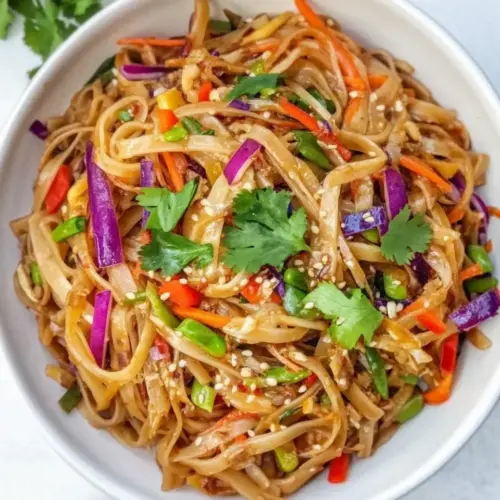
Easy Thai Noodles
Equipment
- Large skillet (my favorite non toxic nonstick pan!)
Ingredients
- 8 -9 ounce package of rice noodles Soak or boil until tender and slightly chewy to provide the noodle base that carries the sauce and vegetables throughout the dish. Rice noodles absorb flavors well and create the classic texture of Thai-style cold or warm noodle salads. Handle gently when cooked to avoid breaking and rinse under cold water to stop cooking. Use the package size to serve about 3–4 people depending on appetite.
- 1/2 tablespoon canola oil, for peanut sauce Heat lightly to loosen and incorporate into the peanut sauce for a neutral, high-heat carrier without affecting flavor. Canola oil helps emulsify the sauce and gives it a silky mouthfeel while allowing other ingredients to meld. Measure carefully since it is used in small quantities to prevent greasiness. Choose refined canola oil for a neutral profile.
- 2 teaspoons sesame oil Add aromatic and nutty depth by drizzling into the sauce or finishing the dish for a toasted sesame flavor. Sesame oil enhances the overall aroma and provides a distinctive taste characteristic of many Asian dishes. Use sparingly, as its flavor is concentrated and can overpower other components. Toasted sesame oil is best for finishing rather than heavy cooking.
- 1/4 cup low sodium soy sauce Provide salty, umami richness to balance the sweet and tangy elements in the sauce and seasoning. Low sodium soy sauce allows control over overall saltiness while contributing fermented complexity. Mix into sauces, dressings, or use to season vegetables before tossing with noodles. Taste and adjust to maintain balance with honey and peanut butter.
- 1/4 teaspoon crushed red pepper flakes, optional Add a touch of heat and a subtle smoky flavor when sprinkled into the sauce or used as a garnish for those who like spice. Crushed red pepper flakes are optional and allow customization of heat level without altering other flavors. Start with a small amount and increase if more kick is desired. They also add visual interest with red flecks.
- 1 tablespoon rice vinegar Introduce a mild acidic brightness that cuts through richness and helps balance the peanut sauce. Rice vinegar offers gentle tang without overwhelming other flavors and blends smoothly into dressings. Use measured amounts to create a harmonious sweet-sour-salty profile. It also helps tenderize vegetables slightly when tossed together.
- 1 teaspoon hot sauce, (like Sriracha) more or less to taste Provide concentrated spicy, tangy heat to brighten the sauce and appeal to chili lovers, with adjustable intensity. Hot sauce like Sriracha adds savory chili flavor and a touch of sweetness while boosting aroma. Stir into the peanut mixture a little at a time to reach desired heat. It also enhances color and visual appeal of the sauce.
- 1/4 cup smooth peanut butter Lend creamy, nutty body and primary flavor to the sauce while thickening and binding ingredients together. Smooth peanut butter blends easily for a silky texture and rich taste that defines Thai-style peanut sauces. Choose unsweetened or lightly salted varieties to better control sweetness and salt balance. Warm slightly if needed to loosen for easier mixing.
- 2 tablespoons honey Contribute sweetness and a sticky consistency to balance salty and acidic components in the sauce. Honey harmonizes flavors and gives the sauce a glossy finish while softening the intensity of soy sauce and vinegar. Adjust quantity for preferred sweetness and to achieve desired viscosity. Use a good-quality honey for better flavor clarity.
- 1 tablespoon lime juice Offer bright citrus acidity and a fresh aroma that elevates and balances the rich peanut sauce. Lime juice cuts through fat and adds a clean, tart finish essential to Southeast Asian flavor profiles. Squeeze fresh limes whenever possible for best fragrance and avoid bottled substitutes if possible. Incorporate gradually and taste to avoid overpowering other notes.
- 2 cloves garlic, minced Provide pungent aromatic depth and savory complexity when minced finely and mixed into the sauce or tossed with noodles. Garlic adds a sharp, warm undertone that mellows when combined with other ingredients and cooked slightly. Use fresh cloves for the most vibrant flavor and adjust amount to personal preference. Sauté briefly in oil if desiring a milder, sweeter garlic profile.
- 2 tablespoons sesame seeds, toasted Give a toasty crunch and visual garnish while reinforcing sesame flavor when toasted and sprinkled over the finished dish. Sesame seeds add a nutty aroma and small textural contrast that complements the smoother peanut butter base. Toast lightly in a dry pan to awaken oils and enhance flavor before using. Use as a finishing touch to lift appearance and taste.
- 1/4 cup dry roasted peanuts Add crunchy texture and a roasted peanut accent either whole or chopped as a topping to contrast the creamy sauce. Dry roasted peanuts contribute savory, slightly smoky notes and substantial bite that pairs well with soft noodles and crisp vegetables. Chop coarsely for textural variety and scatter shortly before serving to preserve crunch. Use salted or unsalted depending on desired overall saltiness.
- 1/2 tablespoon canola oil, for tossing with noodles Coat noodles lightly and prevent sticking while adding a neutral sheen before combining with sauce and vegetables. Canola oil used for tossing helps separate strands and ensures an even distribution of sauce later. Use sparingly to avoid greasiness and to keep flavors balanced. Toss immediately after draining noodles to maintain texture.
- 1 green onion, minced Offer a sharp, oniony freshness and mild crunch when minced and sprinkled into the salad or sauce. Green onion brings bright herbal notes and subtle sweetness that complements cilantro and lime. Include both white and green parts for layered flavor and color contrast. Add just before serving to preserve crispness and aroma.
- 1 cup sugar snap peas Provide crisp, sweet snap and vibrant green color that adds freshness and a lively texture to the noodle bowl. Sugar snap peas contribute a pleasant pop and mild vegetal sweetness when blanched or briefly sautéed. Keep cooking time short to retain crunch and bright color. Slice diagonally if desired to increase surface area and visual appeal.
- 1 large red bell pepper, thinly sliced Add juicy, sweet, and slightly smoky flavor with crunchy texture when thinly sliced for color contrast and body. Red bell pepper brightens the dish visually and contributes vitamin C and crispness. Slice thinly to mix easily with noodles and to allow the dressing to coat evenly. Use fresh, firm peppers for best texture.
- 1 medium carrot, julienned Bring sweet earthiness and firm crunch when julienned to add color and textural variety. Carrot complements other vegetables and soaks up dressing flavors while remaining crisp if not overcooked. Use a mandoline or sharp knife for consistent matchsticks that mingle well with noodles. Consider peeling first for a cleaner look.
- 1 cup red cabbage, thinly sliced Provide vivid color, mild peppery bite, and crunchy texture when thinly sliced to enhance visual appeal and freshness. Red cabbage also adds fiber and a slightly astringent note that balances richer sauce components. Keep slices thin to prevent overpowering other textures and to ensure even coating with dressing. Stir gently to avoid bruising delicate strands.
- 1/4 cup chopped cilantro Add bright, citrusy herbal aroma and fresh flavor when chopped and used as a finishing herb. Cilantro lifts the dish with its distinctive freshness and pairs naturally with lime and chili flavors. Add at the end to preserve its fragrance and avoid wilting with heat. Chop coarsely or finely depending on preference for distribution.
Instructions
- Prepare 8-9 ounce package of rice noodles (or pasta noodles) according to package directions. It is very important to follow the package directions as some brands work best soaking noodles in boiling water for a couple minutes and others need to be simmered in boiling water.: The scent of the cooking water and the sight of the noodles softening are your first signals, a gentle bubbling steam should rise from the pot as they cook. Different brands behave differently, with some needing a quick soak in boiling water and others benefitting from a brief simmer. Watch for the moment they become pliable but still have a slight bite, then immediately test a strand for texture, because overcooked noodles become gummy. If you follow package timing, you will protect the delicate structure of the rice noodles . A common mistake is walking away from the stove, which leads to overcooking; stay near and taste early to avoid that.
- While pasta is cooking, mix together 1/2 tablespoon canola oil, 2 teaspoons sesame oil, 1/4 cup low sodium soy sauce, 1/4 teaspoon crushed red pepper flakes, 1 tablespoon rice vinegar, 1 teaspoon hot sauce, 1/4 cup smooth peanut butter, 2 tablespoons honey, 1 tablespoon lime juice, and 2 cloves garlic (minced). Whisk vigorously until smooth.: As you whisk, notice how the peanut butter transforms from thick and clumpy into a glossy emulsion with the liquids, and how the aroma of garlic and sesame oil rises. The oils help suspend fat soluble flavors, while the acids like rice vinegar and lime juice brighten the overall profile, preventing the sauce from tasting flat. If the sauce feels too thick, add a teaspoon of warm water at a time until it loosens; conversely, if it is watery, a bit more peanut butter or honey can round it out. A frequent error is adding dry peanut butter without vigorous whisking, which leaves lumps; persist with the whisk until smooth and shiny.
- Toast 1/4 cup dry roasted peanuts and 2 tablespoons sesame seeds in a dry skillet over medium-high heat for 2-3 minutes, or until slightly toasted. This is CRUCIAL for developing the most flavor out of the nuts and sesame seeds and makes a world of difference. If your peanuts/sesame seeds say dry-roasted or toasted, skip this step!: The moment the nuts hit the hot skillet, you will hear a faint sizzle and smell a toasty, nutty perfume that signals Maillard reactions at work. Keep the pan moving to ensure even browning and watch closely because seeds and nuts can go from perfectly toasted to burnt in seconds. This toast develops depth and crunch that the sauce alone cannot provide, enriching the finished dish. If your peanuts or sesame seeds are already labeled toasted, skip this and avoid double toasting which creates bitterness.
- Drain the noodles and rinse well. Place noodles in large mixing bowl and immediately toss the noodles with 1/2 tablespoon canola oil to coat. This keeps the noodles from sticking together!: After draining, the cool cascade of water will wash away excess starch and prevent sticking, while the tactile test of a noodle between your fingers will confirm they are not gummy. Immediately transfer to a large mixing bowl and toss with 1/2 tablespoon canola oil to coat each strand, which adds a protective film so they stay separate and receptive to the sauce. Doing this while the noodles are warm helps the oil spread evenly. A typical misstep is letting noodles sit in the colander where they clump as they cool; transfer quickly and toss to avoid that problem.
- Add the peanut sauce, 1 green onion (sliced), 1 cup sugar snap peas, 1 large red bell pepper (thinly sliced), 1 medium carrot (julienned), 1 cup red cabbage (thinly sliced), and 1/4 cup chopped cilantro to the noodles, and toss well. Top with the chopped nuts and sesame seeds.: As you combine everything, pay attention to how the peanut sauce clings to the warm noodles , coating them with a glossy sheen while the vegetables add pops of color and texture. Use tongs or clean hands to fold gently so the sauce distributes without bruising the vegetables. The contrast of warm, sauced noodles and cool, crisp vegetables makes each bite layered and interesting. If the mixture seems dry, add a teaspoon of warm water or a splash of reserved noodle cooking liquid to loosen the sauce. Avoid vigorously overmixing which can break the vegetables down and dilute their crunch.
- Serve immediately for best results.: Scatter the toasted peanuts and sesame seeds over the plated noodles so the first forkful has a pronounced crunch and toasted aroma. The textural finish is essential, giving a satisfying contrast to the silky noodles. Serve immediately for the best texture, because as the dish sits the crunchy elements soften and the noodles absorb more sauce. A common oversight is plating early and letting the dish rest, which diminishes the crispness and freshness.
- Serve immediately for best results: The ideal moment to eat is right after assembly, when the balance of textures and temperatures is at its peak, and the aroma of toasted nuts and fresh cilantro is most vivid. Waiting allows moisture exchange and flavor mellowing, so I encourage plating right away. If you must hold it, keep the crunchy toppings separate until serving to preserve texture. A frequent misjudgment is assuming flavors improve indefinitely with time, when in fact some components lose their signature qualities if left too long.
Notes
- Swap noodles carefully, if you cannot find rice noodles you can use linguine as suggested, but pay attention to cooking time because wheat pasta soaks and releases starch differently, which affects sauce adhesion.
- Vegetable flexibility, you can use whatever crisp vegetables you have on hand; I like to keep them raw for bite, but a quick blanch or steam is fine if you prefer softer texture.
- Vegan modification, replace honey with maple syrup to make the sauce vegan friendly, adjusting sweetness to taste since maple can be bolder in flavor.
- Gluten free options, use certified gluten free rice noodles and tamari or a gluten free soy sauce to maintain the dish without gluten, checking labels carefully to avoid hidden gluten.
- Storing leftovers, keep the noodles in an airtight container in the fridge for up to 3 to 4 days and add a splash of water or stock when reheating to loosen the sauce and preserve texture.