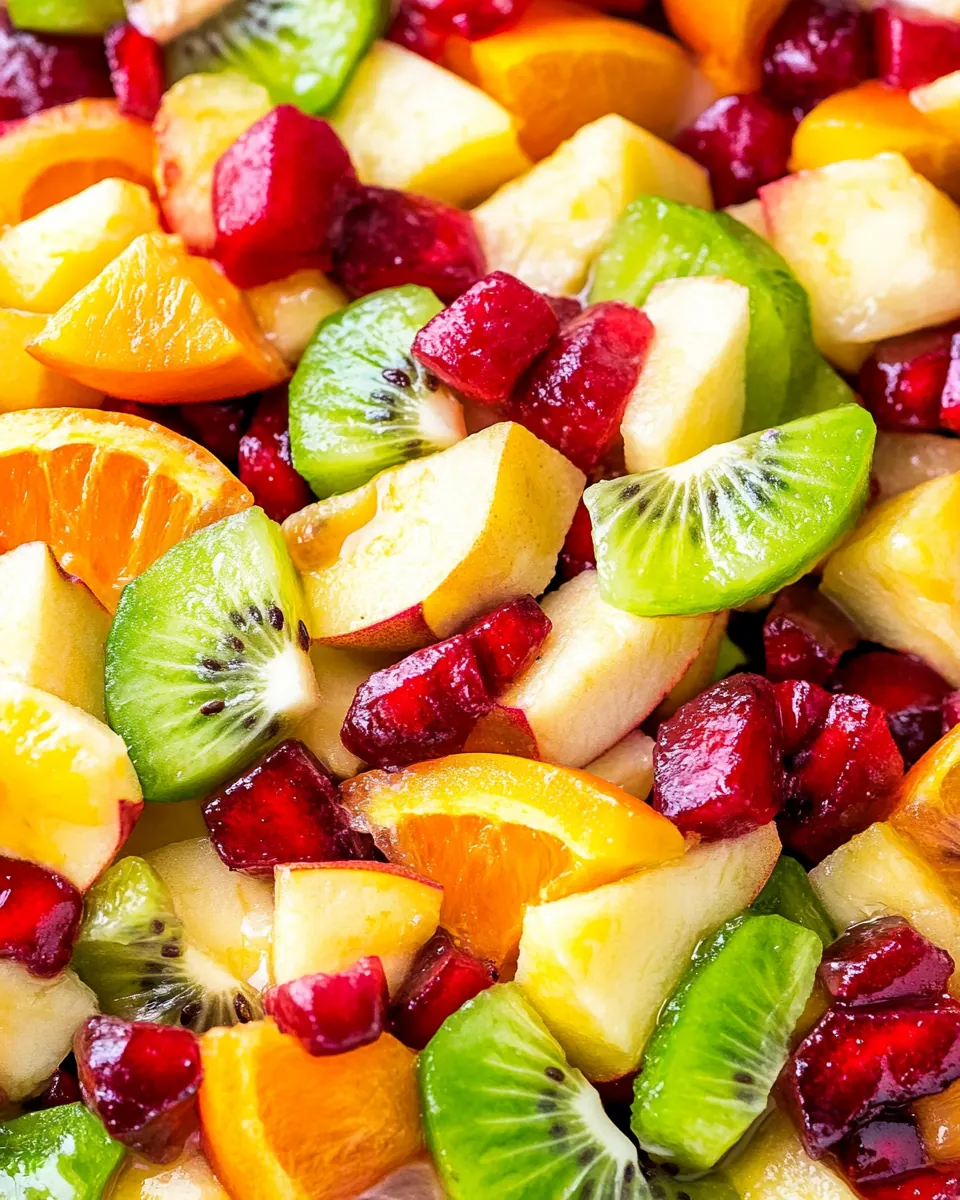
Winter Fruit Salad
Winter Fruit Salad began as a tiny rescue mission the first time I made it, when a crate of bruised market fruit begged for redemption on a cold afternoon. I remember standing at my kitchen counter, a wool sweater on, a mug forgotten on the side, and feeling the urge to turn those imperfect pieces into something bright and generous. That first bowl felt like sunshine in winter, a mix of textures and tart notes that made the whole room feel lighter.
Over the years I kept nudging the formula, paying attention to balance the sweetness of the honey with the tart snap of citrus, and the crisp bite of apples with the jewel like pop of pomegranate arils. Each version taught me something about contrast and patience. I’ll never forget the way the aroma of citrus filled the kitchen as I squeezed the lime and lemon, or how the tiny seeds seemed to make the salad feel celebratory even on an ordinary weekday.
What I love most about this bowl is how forgiving it is. You can scale it up without losing charm, and it feels at home at a cozy brunch, as a side for a family dinner, or brought to a holiday potluck. When friends ask what I bring to winter gatherings, this is often my go to, because it’s colorful, quick, and somehow feels both indulgent and wholesome. Give it a try and you’ll have a simple, comforting recipe that keeps earning compliments every time I serve it.
Recipe Snapshot
16 mins
15 mins
1 mins
Easy
150 kcal
American
Gluten-Free, AIP
Side Dishes
Large mixing bowl, Measuring cup, Whisk, Knife
The Beauty of This Winter Fruit Salad
Bright, Seasonal Flavor
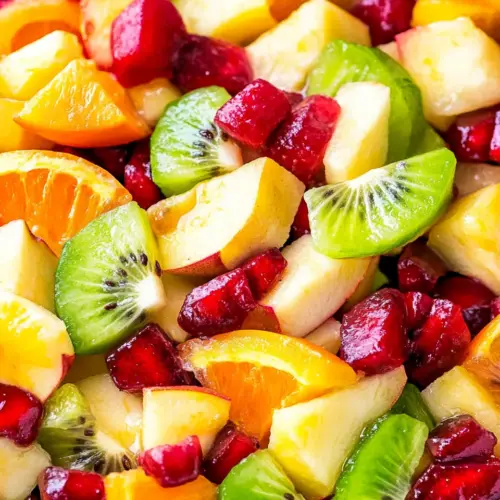
I love how Winter Fruit Salad celebrates fruit in its quiet season. The mix of clementine oranges, pears, apples, and pomegranate brings a layered citrus and sweet profile that tastes intentional, not contrived. Each bite is an interplay of sweet and tart, and that natural contrast keeps the salad from feeling cloying.
Textural Contrast That Feels Luxurious
Texture is everything to me, and this salad delivers. The soft, juicy segments of clementines sit beautifully alongside the crisp snap of apples and the tender bite of pears. Then there are the pomegranate arils popping like tiny flavor fireworks. I find the variety of mouthfeels keeps people coming back for more.
Simple Dressing That Elevates
The dressing is uncomplicated, yet transformative. A little honey, a squeeze of lemon and lime wakes up the fruit without masking its character. I often tell guests that this dressing is the secret handshake of the salad, it ties everything together and keeps the flavors bright and fresh for serving.
Fast to Make, Great for Gatherings
I value recipes that travel well to potlucks and holiday tables. Winter Fruit Salad is quick to assemble, scales easily, and looks beautiful in a large bowl. You can prep most elements ahead of time, and the salad still holds up if you toss it gently just before serving. For me, that reliability makes it a go to when I need something pretty and stress free.
Adaptable and Friendly
I appreciate how forgiving the recipe is. If one fruit is past its prime, another can step in. The basic formula allows me to be creative without risking the whole dish. That flexibility is why I reach for this bowl again and again, and why guests always ask for the recipe.
Winter Fruit Salad Ingredients
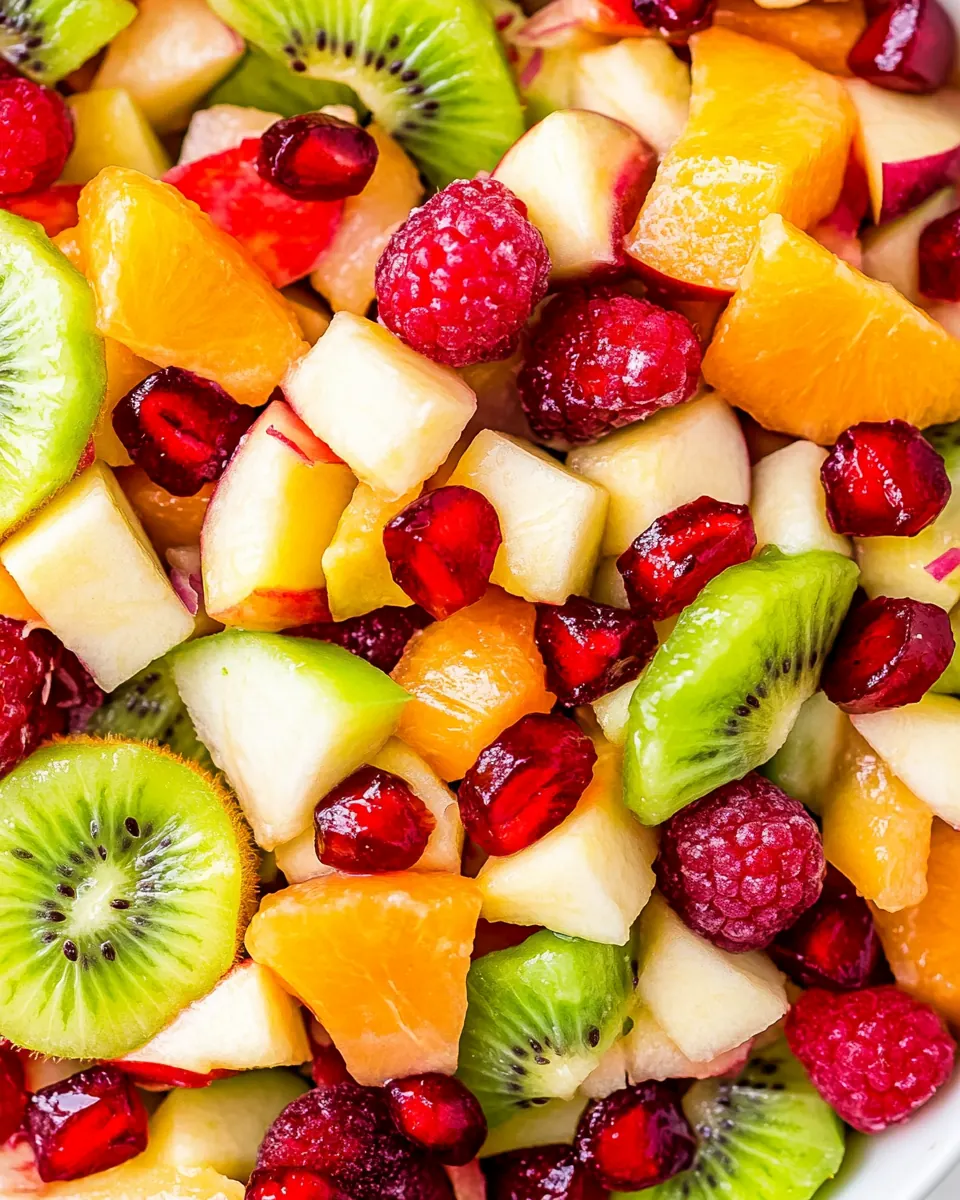
I approach ingredients with a few guiding ideas: respect the fruit, highlight natural contrast, and keep the dressing minimal so the produce sings. The key players are the citrus for brightness, the apples and pears for body and texture, and the pomegranate arils for color and pops of tart sweetness. Each item has a clear role in the chorus.
- 1 lb 5 count Clementine oranges, peeled and separated into segments: Provide bright, sweet-tart citrus segments that add juiciness and a burst of flavor; peel and separate to avoid bitterness from pith and to distribute evenly throughout the salad. Serve chilled for maximum refreshment and contrast with firmer fruits.
- 2 pears, cored and sliced: Add tender, slightly grainy slices that contribute mild sweetness and pleasant texture; core and slice evenly to maintain consistent bite size. Choose ripe but firm pears to prevent mushiness and to keep slices intact in the dressing.
- 2 apples, cored and sliced: Offer crisp, sweet-tart slices that bring structure and crunch; core and slice to match the size of other fruits for balanced mouthfeel. Use a variety you prefer for sweetness level and to complement the other winter fruits.
- 1 large pomegranate, to get 1 to 1 1/2 cups arils or seeds: Provide jewel-like arils that deliver a pop of tart juice, vivid color, and a delightful crunchy texture; extract enough to yield one to one and a half cups for visual appeal. Rinse and drain the seeds gently to remove any membrane bits before adding.
- 4 kiwis, peeled and sliced: Contribute vibrant green color and a soft, slightly tangy-sweet flavor with a creamy texture when peeled and sliced; prepare slices to harmonize with citrus and pomegranate. Select ripe kiwis that give slightly to gentle pressure for best sweetness.
- 3 tbsp honey: Add natural sweetness and a glossy finish that helps bind juices and lightly sweeten the fruit medley; drizzle evenly and adjust to taste for desired sweetness. Warm slightly if needed to thin for easier mixing and to coat fruit evenly.
- 2 tbsp fresh lime juice, from 1 medium lime: Provide bright acidity and fresh citrus aroma that balances sweetness and enhances overall freshness; squeeze from a medium lime for measured flavor. Strain to remove seeds and add gradually, tasting to maintain brightness without overpowering.
- 2 tbsp fresh lemon juice, from 1 medium lemon: Deliver gentle acidity and fragrant citrus notes that round out the dressing and lift flavors; juice from a medium lemon for a clean, tart edge. Combine with lime juice and honey to create a balanced, zesty dressing for the salad.
How to Make Winter Fruit Salad
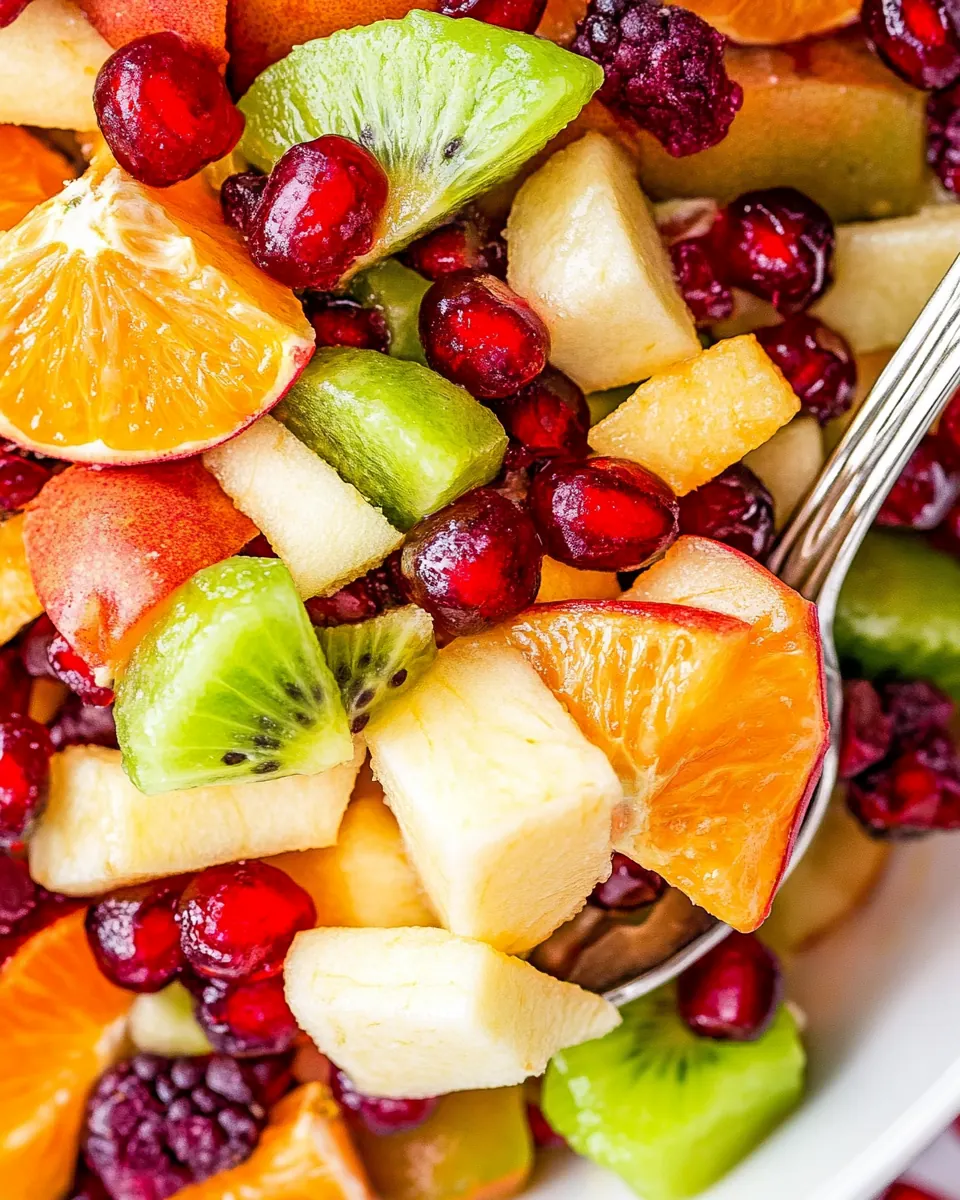
This recipe is straightforward but mindful. Start by preparing and arranging your fruit with care, then whisk a simple dressing that acts like a gentle finishing touch. The steps below will help you get the right textures and flavors so the salad feels lively and balanced.
- In a large mixing bowl combine all prepared fruit – 5 segmented clementines, 2 sliced pears, 2 sliced apples, pomegranate seeds, and 4 sliced kiwis.: The first sensory cue you’ll notice is the mingle of fresh citrus aroma as you bring together the clementine segments, sliced pears , sliced apples , pomegranate arils, and sliced kiwis . You should see a colorful mosaic of textures and hues, and the bowl will begin to smell bright and fruity. This step matters because combining the fruit gently ensures each type retains its texture, letting the crunchy apples contrast with the soft kiwis and juicy clementines . A common mistake is overhandling the fruit which can bruise delicate pieces, so use a wide, shallow bowl and fold gently with a spoon or your hands.
- In a measuring cup, combine: 3 tbsp honey, 2 tbsp lemon juice and 2 tbsp lime juice, until honey is dissolved. If honey is not dissolving easily, warm for 10 seconds in microwave.: The moment you mix the honey with the fresh lemon and lime juices a fragrant citrus steam lifts, cutting through the syrupy sweetness of the honey . Use a small whisk or fork, and if the honey resists dissolving, warming it for a few seconds helps it blend smoothly without cooking the juice. The reason this matters is an even dressing coats the fruit with a thin glossy layer rather than puddling at the bottom. Avoid heating too long which can change the flavor of the honey , and be careful not to over dilute the citrus which would flatten the taste.
- Drizzle dressing over salad and toss gently to combine. Serve right away or cover and refrigerate if not serving right away.: When warmed briefly, the honey loosens and incorporates into the juices with minimal effort, releasing a deeper floral note. You’ll hear a gentle sound as the liquid mixes and see the viscosity drop, creating a silky dressing. This technique matters because a fully dissolved dressing adheres to fruit better, promoting even flavor in every bite. A frequent misstep is overheating which can scorch the honey and introduce a caramelized flavor, so trust short bursts of heat and stir between intervals.
- Drizzle dressing over salad and toss gently to combine: As the dressing hits the fruit you’ll notice the bowl gaining a soft sheen and a fresh citrus fragrance. Toss with gentle folding motions so the dressing coats pieces evenly, maintaining textures rather than pulverizing them. This final touch is crucial because it melds the components without making the salad soggy; it enhances brightness while preserving visual appeal. One thing to watch for is over tossing which bruises delicate segments, so aim for a few smooth turns to distribute flavor.
- Serve right away or cover and refrigerate if not serving right away: If you serve immediately, the fruit will be at its freshest with vibrant textures. If you refrigerate, the flavors will mingle further and the salad will chill nicely, making it refreshing at serving time. Chilling also helps the dressing set slightly on the fruit, which some guests prefer. However, refrigerating for too long can cause softer fruits to lose their structure, so plan to serve within a few hours for best texture. A common error is leaving the salad covered overnight which can lead to excess liquid and a loss of crispness.
Helpful Hints
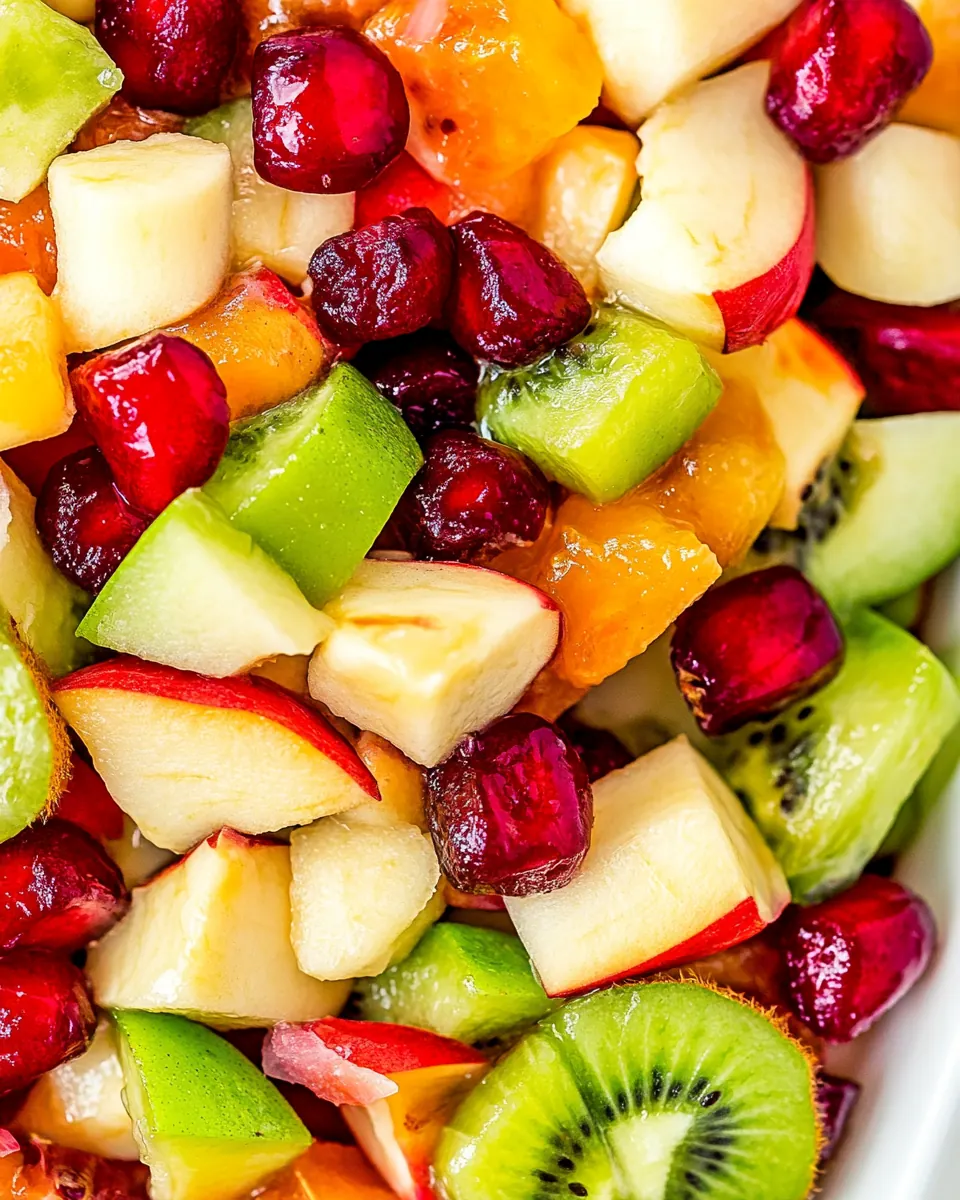
I like to keep a handful of reliable tricks up my sleeve when assembling this kind of fruit salad. These tips cover prep, timing, and presentation so you can make a bowl that looks as good as it tastes, even when you are short on time.
- Choose firm fruit: Select pears and apples that are ripe but still firm to keep a pleasing crunch after tossing.
- Prep pomegranate smartly: Cut the pomegranate and tap out arils over a bowl of water to minimize mess and make separation easier.
- Balance the dressing: Taste the dressing with a small piece of fruit and adjust the honey or citrus to suit the sweetness or tartness you prefer.
- Slice uniformly: Keep slices consistent so each bite has a balanced mix of textures and flavors.
- Serve chilled: Refrigerate the salad for a short time before serving to let flavors settle and to refresh the bowl for warm gatherings.
Serve This Winter Fruit Salad With
This salad is wonderfully versatile, fitting holiday spreads, light lunches, or a colorful breakfast accompaniment. Below I outline ideas for presentation, pairings, and storage so you can serve it confidently for different occasions.
- As a side for holiday meals: Place the salad in a large, shallow bowl to showcase the pomegranate arils and citrus segments, pairing it with richer mains to cut through heavier flavors.
- For brunch: Offer the salad alongside warm baked goods and creamy spreads, letting guests spoon it onto their plates for a bright contrast.
- Picnic or potluck friendly: Transport the dressing separately if you need the salad to hold up, then toss right before serving to keep textures crisp.
- Seasonal pairings: Emphasize the winter elements by setting the bowl near warm spices or roasted root vegetables for a seasonal menu.
- Storage tips: Keep the prepared fruit chilled in an airtight container for up to a day, but add the dressing only when you are ready to serve to maintain the best texture.
- Occasion ideas: This salad works well for casual lunches, family dinners, Ramadan iftar spreads, and festive gatherings where a fresh, colorful dish is welcome.
FAQ
Conclusion
What makes this recipe special is its effortless balance of bright citrus, crisp fruit, and jewel like pomegranate arils that transform humble winter produce into a celebratory bowl. I encourage you to give it a try because it is quick to assemble, forgiving, and always a crowd pleaser, bringing color and freshness to the table during colder months. Serve it for a casual lunch or a festive gathering and enjoy the way simple ingredients can feel both wholesome and elevated.
Winter Fruit Salad
Equipment
- Large Mixing Bowl
- Measuring Cup
- Whisk
- Knife
Ingredients
- 1 lb 5 count Clementine oranges, peeled and separated into segments Provide bright, sweet-tart citrus segments that add juiciness and a burst of flavor; peel and separate to avoid bitterness from pith and to distribute evenly throughout the salad. Serve chilled for maximum refreshment and contrast with firmer fruits.
- 2 pears, cored and sliced Add tender, slightly grainy slices that contribute mild sweetness and pleasant texture; core and slice evenly to maintain consistent bite size. Choose ripe but firm pears to prevent mushiness and to keep slices intact in the dressing.
- 2 apples, cored and sliced Offer crisp, sweet-tart slices that bring structure and crunch; core and slice to match the size of other fruits for balanced mouthfeel. Use a variety you prefer for sweetness level and to complement the other winter fruits.
- 1 large pomegranate, to get 1 to 1 1/2 cups arils or seeds Provide jewel-like arils that deliver a pop of tart juice, vivid color, and a delightful crunchy texture; extract enough to yield one to one and a half cups for visual appeal. Rinse and drain the seeds gently to remove any membrane bits before adding.
- 4 kiwis, peeled and sliced Contribute vibrant green color and a soft, slightly tangy-sweet flavor with a creamy texture when peeled and sliced; prepare slices to harmonize with citrus and pomegranate. Select ripe kiwis that give slightly to gentle pressure for best sweetness.
- 3 tbsp honey Add natural sweetness and a glossy finish that helps bind juices and lightly sweeten the fruit medley; drizzle evenly and adjust to taste for desired sweetness. Warm slightly if needed to thin for easier mixing and to coat fruit evenly.
- 2 tbsp fresh lime juice, from 1 medium lime Provide bright acidity and fresh citrus aroma that balances sweetness and enhances overall freshness; squeeze from a medium lime for measured flavor. Strain to remove seeds and add gradually, tasting to maintain brightness without overpowering.
- 2 tbsp fresh lemon juice, from 1 medium lemon Deliver gentle acidity and fragrant citrus notes that round out the dressing and lift flavors; juice from a medium lemon for a clean, tart edge. Combine with lime juice and honey to create a balanced, zesty dressing for the salad.
Instructions
- In a large mixing bowl combine all prepared fruit - 5 segmented clementines, 2 sliced pears, 2 sliced apples, pomegranate seeds, and 4 sliced kiwis.: The first sensory cue you’ll notice is the mingle of fresh citrus aroma as you bring together the clementine segments, sliced pears , sliced apples , pomegranate arils, and sliced kiwis . You should see a colorful mosaic of textures and hues, and the bowl will begin to smell bright and fruity. This step matters because combining the fruit gently ensures each type retains its texture, letting the crunchy apples contrast with the soft kiwis and juicy clementines . A common mistake is overhandling the fruit which can bruise delicate pieces, so use a wide, shallow bowl and fold gently with a spoon or your hands.
- In a measuring cup, combine: 3 tbsp honey, 2 tbsp lemon juice and 2 tbsp lime juice, until honey is dissolved. If honey is not dissolving easily, warm for 10 seconds in microwave.: The moment you mix the honey with the fresh lemon and lime juices a fragrant citrus steam lifts, cutting through the syrupy sweetness of the honey . Use a small whisk or fork, and if the honey resists dissolving, warming it for a few seconds helps it blend smoothly without cooking the juice. The reason this matters is an even dressing coats the fruit with a thin glossy layer rather than puddling at the bottom. Avoid heating too long which can change the flavor of the honey , and be careful not to over dilute the citrus which would flatten the taste.
- Drizzle dressing over salad and toss gently to combine. Serve right away or cover and refrigerate if not serving right away.: When warmed briefly, the honey loosens and incorporates into the juices with minimal effort, releasing a deeper floral note. You’ll hear a gentle sound as the liquid mixes and see the viscosity drop, creating a silky dressing. This technique matters because a fully dissolved dressing adheres to fruit better, promoting even flavor in every bite. A frequent misstep is overheating which can scorch the honey and introduce a caramelized flavor, so trust short bursts of heat and stir between intervals.
- Drizzle dressing over salad and toss gently to combine: As the dressing hits the fruit you’ll notice the bowl gaining a soft sheen and a fresh citrus fragrance. Toss with gentle folding motions so the dressing coats pieces evenly, maintaining textures rather than pulverizing them. This final touch is crucial because it melds the components without making the salad soggy; it enhances brightness while preserving visual appeal. One thing to watch for is over tossing which bruises delicate segments, so aim for a few smooth turns to distribute flavor.
- Serve right away or cover and refrigerate if not serving right away: If you serve immediately, the fruit will be at its freshest with vibrant textures. If you refrigerate, the flavors will mingle further and the salad will chill nicely, making it refreshing at serving time. Chilling also helps the dressing set slightly on the fruit, which some guests prefer. However, refrigerating for too long can cause softer fruits to lose their structure, so plan to serve within a few hours for best texture. A common error is leaving the salad covered overnight which can lead to excess liquid and a loss of crispness.
Notes
- Choose firm fruit: Select pears and apples that are ripe but still firm to keep a pleasing crunch after tossing.
- Prep pomegranate smartly: Cut the pomegranate and tap out arils over a bowl of water to minimize mess and make separation easier.
- Balance the dressing: Taste the dressing with a small piece of fruit and adjust the honey or citrus to suit the sweetness or tartness you prefer.
- Slice uniformly: Keep slices consistent so each bite has a balanced mix of textures and flavors.
- Serve chilled: Refrigerate the salad for a short time before serving to let flavors settle and to refresh the bowl for warm gatherings.
