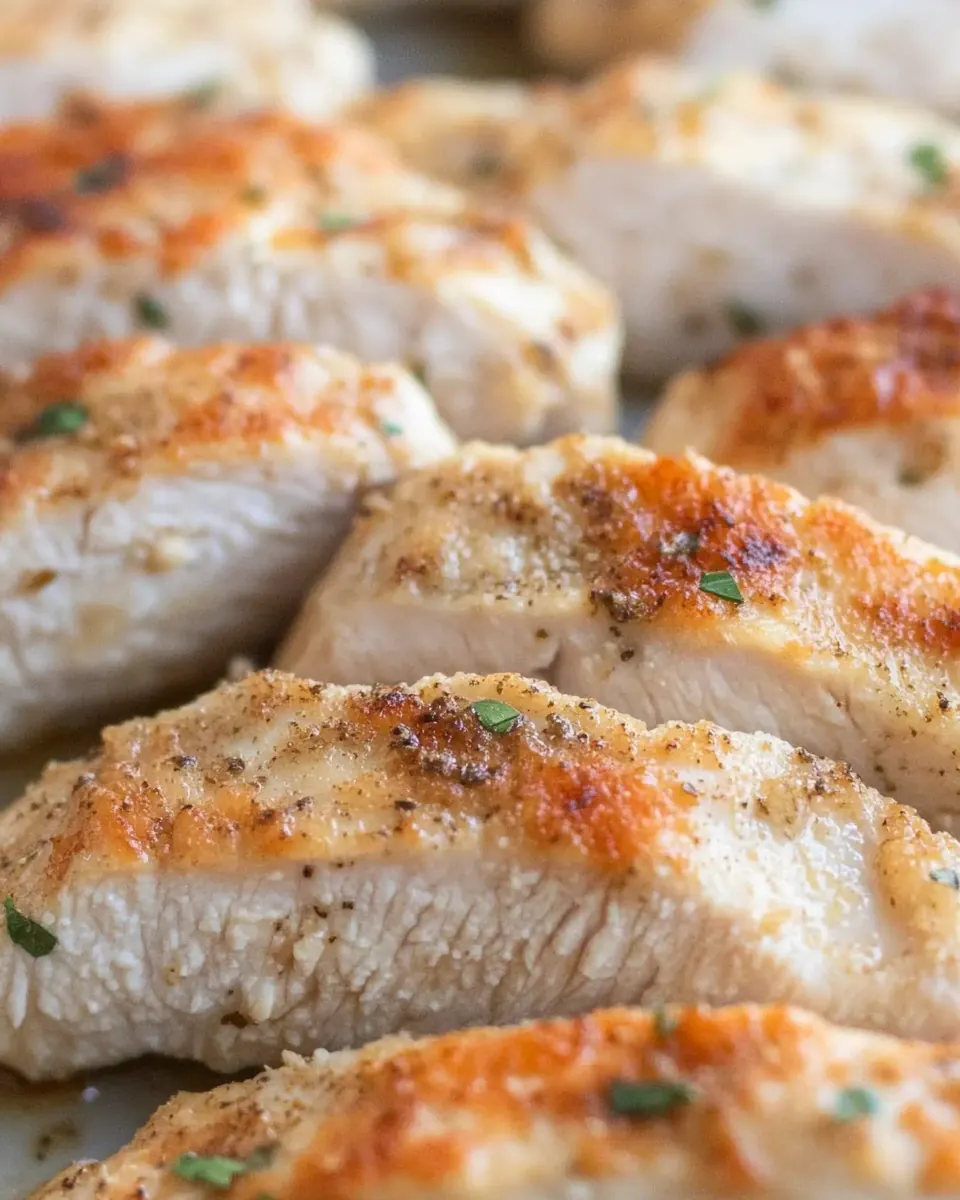
Ranch Chicken
Ranch Chicken is one of those weeknight heroes I turn to when I want big flavor with almost no fuss.
I remember the first time I tossed everything into a bag and shook it together, skeptical that a handful of pantry staples could transform plain chicken and humble potatoes into something memorable. That evening the kitchen smelled like toasted Parmesan cheese and dried herbs, and the family gathered around the oven door like it was magic. I love recipes that let the oven do most of the work while I focus on a salad and some conversation, and this one became a fast favorite for busy nights.
Over time I learned a few small tweaks that make the texture just right, especially paying attention to how the baby carrots and baby red potatoes are cut and tossed so everything roasts evenly. The combination of crunchy edges, tender centers, and the savory tang of ranch seasoning creates a dinner that feels both homey and a little special. I often double the veggies because they vanish so quickly, and I enjoy how leftovers reheat without losing their charm.
Recipe Snapshot
45 mins
10 mins
35 mins
Medium
350 kcal
American
Gluten-Free, Low FODMAP
Dinner
Sheet pan, Gallon bag, Meat thermometer, Aluminum foil
Why You’ll Love This Ranch Chicken
Bold, familiar flavors
I love how Ranch Chicken leans into familiar pantry flavors, yet finishes with a punch. The mix of dried ranch seasoning and Parmesan cheese gives everything a savory, slightly tangy edge that makes each bite feel indulgent without fuss.
One pan, minimal cleanup
There is something satisfying about tossing baby red potatoes and baby carrots on a sheet pan and letting the oven create crisp edges. I value recipes that free up my evening, so this one is perfect when I want to focus on people, not dishes.
Textures that play well together
The contrast between the crisped exterior of the roasted chicken and the tender, creamy insides of the baby red potatoes is exactly why I keep coming back to this recipe. The Parmesan cheese adds a nutty crispness that highlights those contrasts.
Friendly for busy cooks
This recipe is forgiving. I appreciate that you can adjust oil and seasoning without derailing the final result. I often prepare the veggies first in a bag to make sure they get the head start they need, which keeps timing simple for a weeknight meal.
Kid and guest approved
Whether I am serving family or visitors, Ranch Chicken usually gets smiles. The flavors are broadly appealing, and the presentation straight from the sheet pan feels casual but thoughtful. I find it especially useful when feeding a small group and wanting something that looks like effort without the fuss.
Main Ingredients for Ranch Chicken
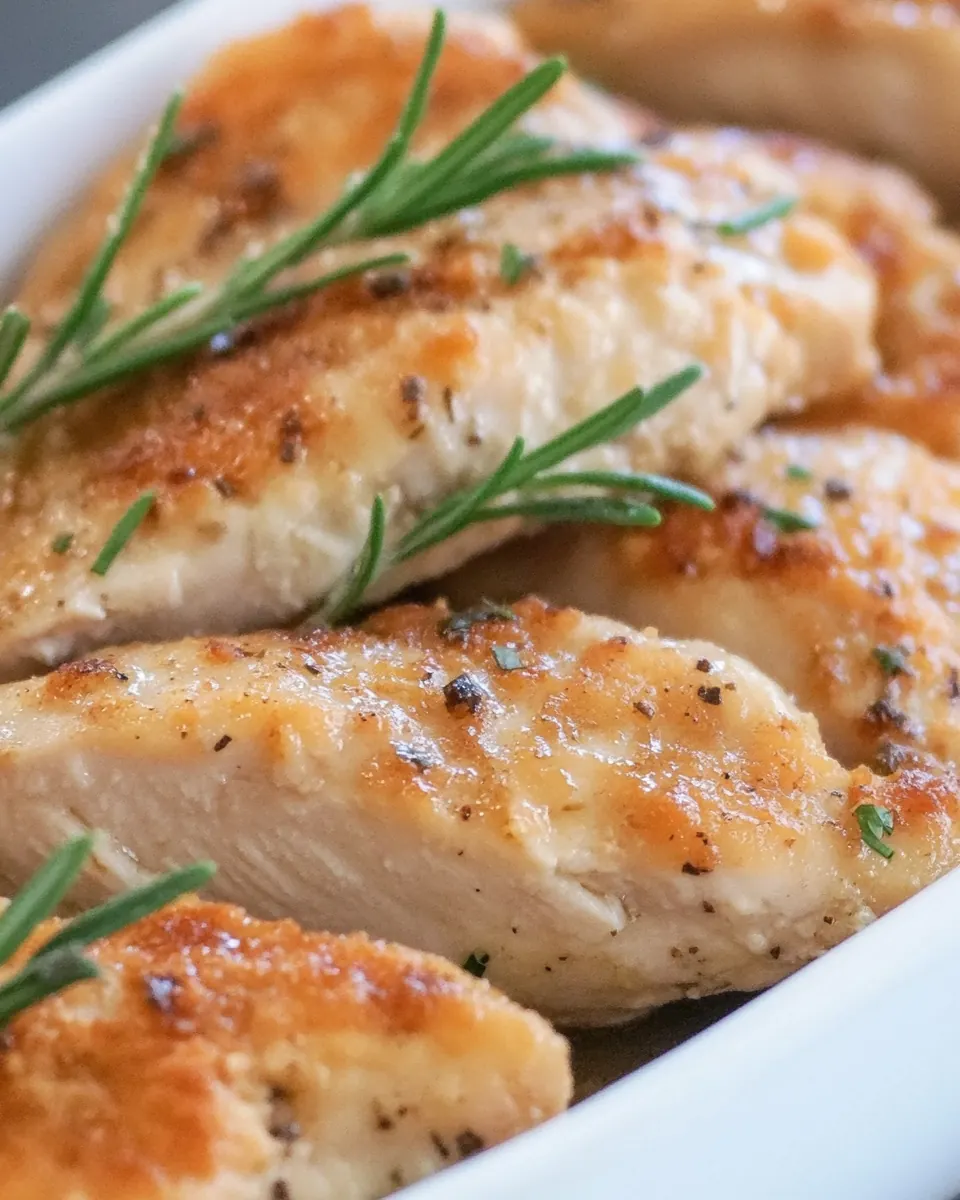
The philosophy here is straightforward: high impact, low drama. Each ingredient plays a clear role, from the starchy comfort of the baby red potatoes to the aromatic tang of the Hidden Valley® Ranch Dip Mix. The goal is to build layered flavors and complementary textures so every bite has a little crisp, a little creaminess, and a lot of savory depth.
- 2 cups halved baby red potatoes: Halved to expose more surface area and tenderize quickly when roasted; helps absorb seasonings and become crisp on the edges. Contributes a hearty, earthy base and starch to balance the meal while retaining a creamy interior. Pairs well with savory herbs and the ranch seasoning for a comforting roasted vegetable accompaniment.
- 1 cups baby carrots: Placed whole to maintain texture and provide natural sweetness; cooks relatively quickly and offers a tender bite that contrasts with roasted potatoes. Adds bright color and nutritional value, including beta-carotene and fiber. Complements the savory, herby profile of the dish while bringing subtle natural sugars that caramelize when roasted.
- 3 TB vegetable oil: Measured to coat vegetables for roasting and to provide a cooking medium; promotes even browning and crispness while preventing sticking. Adds a neutral fat component that carries flavors and allows the ranch and Parmesan to adhere. Helps achieve a golden, appetizing finish on potatoes and carrots.
- 1/2 cup grated Parmesan cheese: Finely grated to melt and form a savory crust when sprinkled over roasted vegetables; delivers umami and salty, nutty richness that enhances overall flavor. Binds with oil and seasoning to create a lightly crisp, cheesy coating. Balances the tangy ranch mix and elevates the dish with depth.
- 3 TB Hidden Valley® Ranch Dip Mix: Sprinkled to infuse a concentrated herby, tangy ranch flavor into the vegetables; contains dried herbs and seasonings that adhere when mixed with oil and cheese. Acts as the primary seasoning blend, providing the characteristic ranch profile that defines the recipe. Disperses evenly to season each piece for consistent taste.
- salt and pepper to taste: Used to adjust seasoning to personal preference and to highlight other flavors; simple seasoning that enhances natural tastes without overpowering. Helps bring out savory and cheesy notes while balancing saltiness from Parmesan and ranch mix. Added to taste at different stages to ensure proper seasoning throughout the dish.
- 3 boneless, skinless chicken breast: Boneless, skinless pieces prepared to cook quickly and remain lean; serves as the main protein component of the meal and soaks up seasonings. Provides a substantial, tender centerpiece that pairs with the roasted vegetables and ranch flavors. Cooks evenly when pounded or flattened slightly to uniform thickness for consistent doneness.
- 1 TB vegetable oil: Added to sear chicken and prevent sticking in the pan; creates a caramelized exterior that enhances flavor and texture. Acts as a medium for the ranch and Parmesan to adhere to the chicken surface, forming a flavorful crust. Helps transfer heat efficiently for even browning and moisture retention.
- 2 TB grated Parmesan cheese: Sprinkled onto chicken to create a savory, cheesy crust and boost umami; melts slightly to help bind seasonings to the meat. Complements the larger Parmesan portion on the vegetables, reinforcing the cheesy theme across the dish. Enhances mouthfeel with a subtle salty, nutty taste when broiled or baked.
- 2 TB Hidden Valley® Ranch Dip Mix: Applied to season the chicken with the same herby, tangy ranch profile used on the vegetables, ensuring cohesive flavors. Works with oil and cheese to form a flavorful coating that adheres during cooking. Provides concentrated ranch seasoning that defines the dish's signature taste on the protein.
- salt and pepper to taste: Used to finalize seasoning and balance flavors of both vegetables and chicken according to taste; simple salt and pepper adjustment ensures overall seasoning is appropriate. Enhances natural flavors while controlling the saltiness introduced by Parmesan and ranch mix. Added at the end or during cooking to achieve desired seasoning levels.
How to Assemble Ranch Chicken
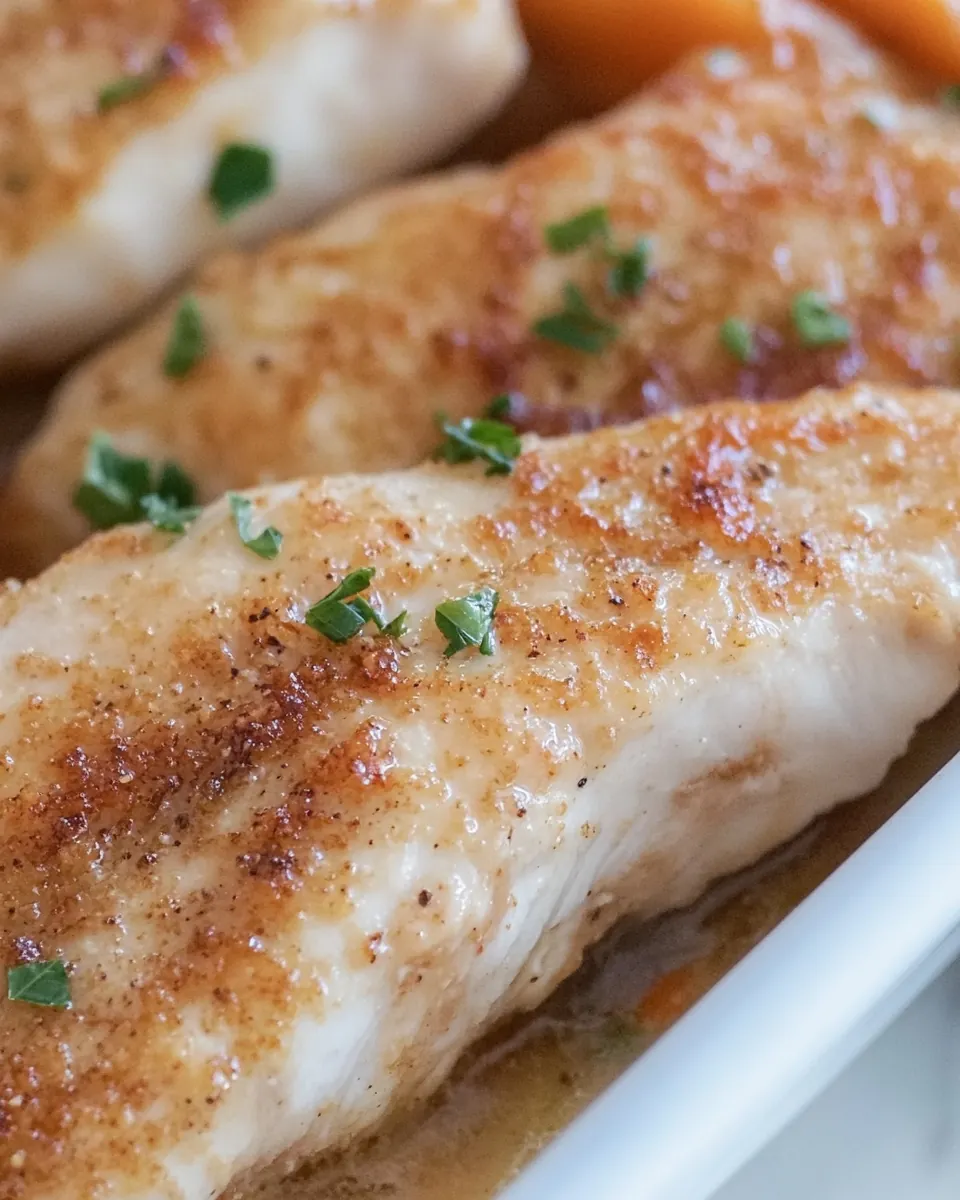
These instructions will walk you through the simple assembly and roasting process. I like to prep in stages, starting with the vegetables so they get a head start, then moving to the chicken so everything finishes together. Keep a meat thermometer handy to hit the perfect temperature.
- Preheat oven to 350.: The kitchen fills with a faint warmth as the oven approaches 350 degrees, and you can almost smell the faint toasty promise of roasted baby red potatoes . Preheating is essential because a cold oven will delay browning, leaving the exterior pale and the texture less inviting. One common mistake is not waiting for the oven to fully reach 350 , which can add uneven cooking time. As the oven heats, line your sheet pan with foil or grease it to prevent sticking, and give yourself a clear workspace so you can move quickly when the veggies are ready.
- Prepare veggies by placing them in a gallon bag. Add oil, Parmesan cheese, Hidden Valley Ranch mix, salt and pepper. Shake until veggies are well coated.: When you toss the baby red potatoes and baby carrots in the bag, you should hear a gentle rustle as the oil and seasonings cling to their surfaces, which helps the Parmesan cheese adhere. The oil promotes even browning, while the ranch mix creates an herby layer that crisps in the oven. A useful sensory cue is to look for an even, glossy coating, not clumps of seasoning. Avoid adding too much oil, which leads to soggy edges rather than crunchy browning. If the coating looks patchy, seal and shake again for uniform coverage.
- Place veggies onto a foil-lined or greased sheet pan making sure there is room in the middle for the chicken.: Spread the veggies so each piece has breathing room, which encourages direct contact with the hot pan and results in crisp edges and caramelized spots. You should see a scattering of glossy, seasoned surfaces and a bit of space between pieces, not a crowded pile. Crowding traps steam and prevents browning, so resist the urge to cram everything together. If needed, use a second sheet pan or remove a few pieces so they roast rather than steam. The sound of an oven air current and the visual of sizzling edges are good indicators of proper spacing.
- Prepare chicken by placing in a gallon bag, add oil, Parmesan cheese, Hidden Valley Ranch mix, salt and pepper. Shake until chicken is well coated.: As you coat the chicken , the meat should glisten faintly with oil and the seasonings should form a light, even layer. The small amount of Parmesan cheese will help form a subtle crust while the ranch mix brings savory complexity. Pressing the air out of the bag and massaging briefly helps the flavors adhere. A common error is overcoating, which creates clumps that can burn. Aim for a thin, uniform layer that will crisp gently during roasting.
- Add chicken to sheet pan and bake for 35 – 40 minutes (or until meat thermometer reads 170 degrees). Serve warm, and ENJOY!: As the chicken and veggies roast together, your kitchen will start to smell of toasted cheese and warm herbs, and you might see the edges of the vegetables darken to a golden brown. The chicken should reach an internal temperature of 170 degrees for safe doneness while remaining juicy, because the ranch seasoning and cheese help retain moisture. Slice into a thicker piece to check for clear juices if you do not have a thermometer, though a thermometer is the best tool here. Avoid overbaking, which dries the breast meat; remove the pan a few minutes early if the veggies are deeply caramelized and the thermometer is close to the target temperature. Let the chicken rest briefly after baking so the juices redistribute, then serve warm and enjoy.
Tips for Success
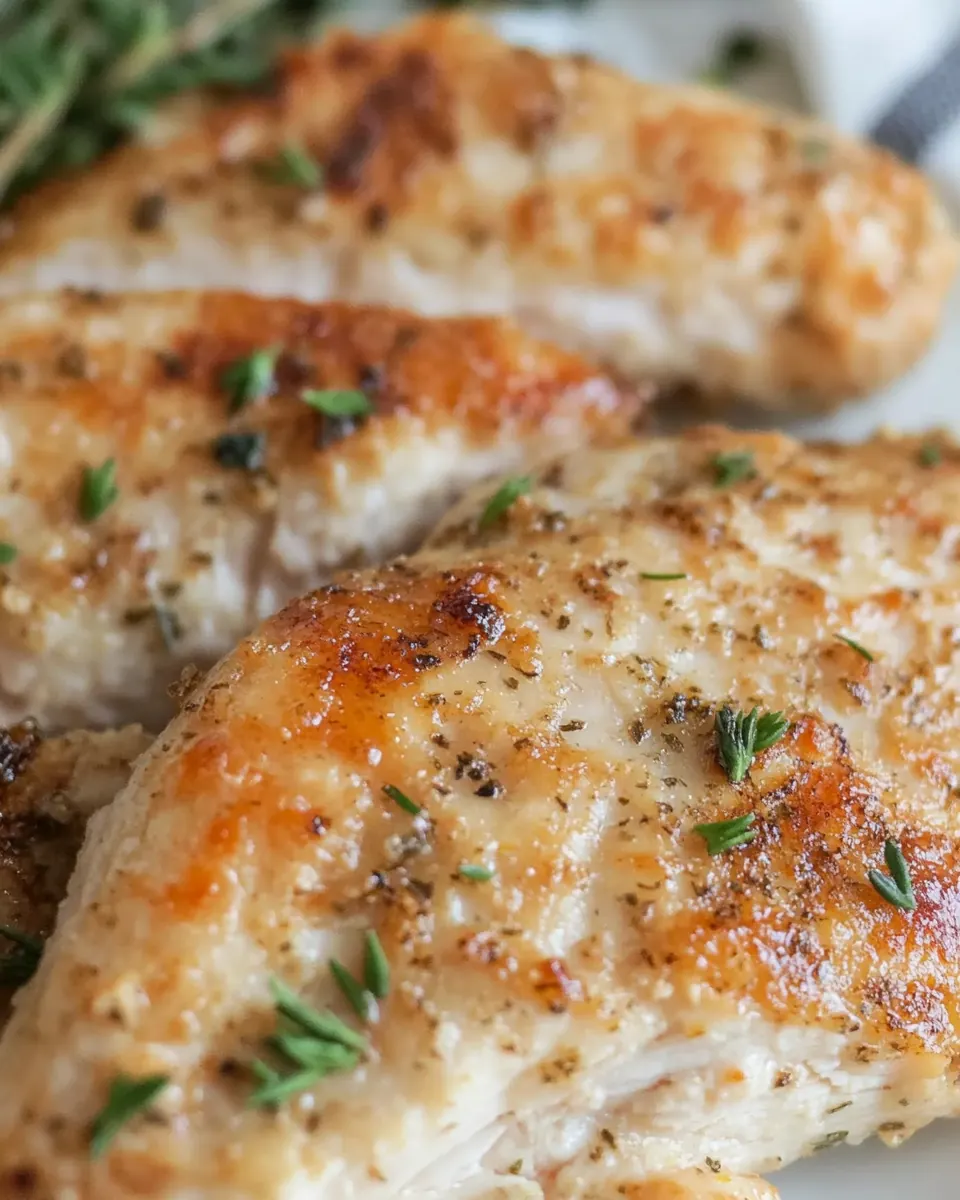
I like to share practical, hands on tips that keep this recipe simple and consistent. These tips focus on timing, texture, and small prep tricks that make a big difference in the final dish.
- Season evenly: Make sure each piece of baby red potatoes, baby carrots, and chicken gets a thin, even coating of oil and seasoning, which ensures balanced flavor and consistent browning.
- Mind the pan: Use a foil lined or well greased sheet pan to prevent sticking and to make cleanup faster, which keeps weeknight cooking stress free.
- Temperature check: Invest in a reliable meat thermometer and remove the chicken at 170 degrees to avoid dryness while ensuring safety.
- Spacing matters: Arrange ingredients with space between pieces so hot air can circulate, promoting crispness rather than steaming.
- Prep ahead: Toss the veggies in their bag and refrigerate for up to a day, then add the chicken just before roasting for quick assembly.
- Even sizes: Cut or halve larger baby red potatoes so everything finishes at the same time, preventing an overcooked vegetable or underdone chicken.
Serving Options for Ranch Chicken
This section outlines thoughtful ways to present and enjoy the meal, whether you are serving a family dinner or a casual gathering. I include storage and pairing ideas to help you plan the full experience.
- Sheet pan family style: Serve the Ranch Chicken right from the sheet pan for an effortless, rustic presentation that encourages sharing and keeps cleanup minimal.
- Weeknight dinner: Pair with a simple green salad or crusty bread to round out the meal, making it an easy, balanced midweek option that feels complete.
- Meal prep: Portion into containers for lunches, the roasted baby red potatoes and chicken reheat well and keep the ranch flavor intact for a few days in the fridge.
- Casual entertaining: Arrange the roasted pieces on a large platter with a small bowl of extra ranch for dipping, which adds an interactive element for guests.
- Seasonal pairings: This recipe works year round because the roasted root vegetables feel hearty in cooler months and straightforward in warmer ones, making it a versatile menu choice.
- Storage tips: Refrigerate leftovers within two hours in an airtight container; consume within three to four days for best texture and flavor retention.
- Reheating advice: Warm in a 350 degree oven briefly to revive crisp edges, or use a skillet for quick re crisping of the chicken and vegetables.
FAQ
Conclusion
Ranch Chicken stands out for its simple assembly, bold flavors, and comforting textures. The combination of ranch seasoning and Parmesan cheese creates a savory crust while the roasted baby red potatoes and baby carrots add balance and color. Give it a try on a busy evening when you want a satisfying meal with minimal cleanup. I think you will appreciate how little effort produces a flavorful result that the whole table will enjoy.
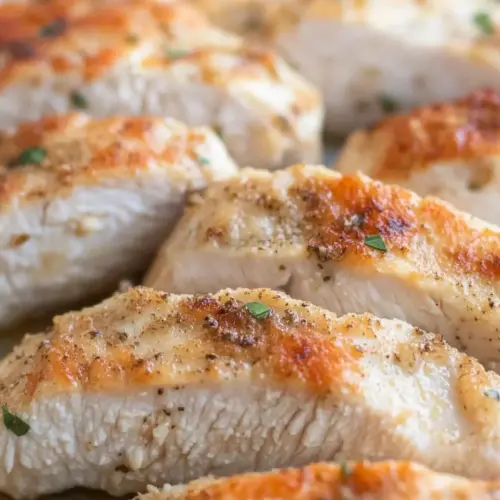
Ranch Chicken
Equipment
- Sheet Pan
- Gallon bag
- Meat Thermometer
- Aluminum Foil
Ingredients
- 2 cups halved baby red potatoes Halved to expose more surface area and tenderize quickly when roasted; helps absorb seasonings and become crisp on the edges. Contributes a hearty, earthy base and starch to balance the meal while retaining a creamy interior. Pairs well with savory herbs and the ranch seasoning for a comforting roasted vegetable accompaniment.
- 1 cups baby carrots Placed whole to maintain texture and provide natural sweetness; cooks relatively quickly and offers a tender bite that contrasts with roasted potatoes. Adds bright color and nutritional value, including beta-carotene and fiber. Complements the savory, herby profile of the dish while bringing subtle natural sugars that caramelize when roasted.
- 3 TB vegetable oil Measured to coat vegetables for roasting and to provide a cooking medium; promotes even browning and crispness while preventing sticking. Adds a neutral fat component that carries flavors and allows the ranch and Parmesan to adhere. Helps achieve a golden, appetizing finish on potatoes and carrots.
- 1/2 cup grated Parmesan cheese Finely grated to melt and form a savory crust when sprinkled over roasted vegetables; delivers umami and salty, nutty richness that enhances overall flavor. Binds with oil and seasoning to create a lightly crisp, cheesy coating. Balances the tangy ranch mix and elevates the dish with depth.
- 3 TB Hidden Valley® Ranch Dip Mix Sprinkled to infuse a concentrated herby, tangy ranch flavor into the vegetables; contains dried herbs and seasonings that adhere when mixed with oil and cheese. Acts as the primary seasoning blend, providing the characteristic ranch profile that defines the recipe. Disperses evenly to season each piece for consistent taste.
- salt and pepper to taste Used to adjust seasoning to personal preference and to highlight other flavors; simple seasoning that enhances natural tastes without overpowering. Helps bring out savory and cheesy notes while balancing saltiness from Parmesan and ranch mix. Added to taste at different stages to ensure proper seasoning throughout the dish.
- 3 boneless, skinless chicken breast Boneless, skinless pieces prepared to cook quickly and remain lean; serves as the main protein component of the meal and soaks up seasonings. Provides a substantial, tender centerpiece that pairs with the roasted vegetables and ranch flavors. Cooks evenly when pounded or flattened slightly to uniform thickness for consistent doneness.
- 1 TB vegetable oil Added to sear chicken and prevent sticking in the pan; creates a caramelized exterior that enhances flavor and texture. Acts as a medium for the ranch and Parmesan to adhere to the chicken surface, forming a flavorful crust. Helps transfer heat efficiently for even browning and moisture retention.
- 2 TB grated Parmesan cheese Sprinkled onto chicken to create a savory, cheesy crust and boost umami; melts slightly to help bind seasonings to the meat. Complements the larger Parmesan portion on the vegetables, reinforcing the cheesy theme across the dish. Enhances mouthfeel with a subtle salty, nutty taste when broiled or baked.
- 2 TB Hidden Valley® Ranch Dip Mix Applied to season the chicken with the same herby, tangy ranch profile used on the vegetables, ensuring cohesive flavors. Works with oil and cheese to form a flavorful coating that adheres during cooking. Provides concentrated ranch seasoning that defines the dish's signature taste on the protein.
- salt and pepper to taste Used to finalize seasoning and balance flavors of both vegetables and chicken according to taste; simple salt and pepper adjustment ensures overall seasoning is appropriate. Enhances natural flavors while controlling the saltiness introduced by Parmesan and ranch mix. Added at the end or during cooking to achieve desired seasoning levels.
Instructions
- Preheat oven to 350.: The kitchen fills with a faint warmth as the oven approaches 350 degrees, and you can almost smell the faint toasty promise of roasted baby red potatoes . Preheating is essential because a cold oven will delay browning, leaving the exterior pale and the texture less inviting. One common mistake is not waiting for the oven to fully reach 350 , which can add uneven cooking time. As the oven heats, line your sheet pan with foil or grease it to prevent sticking, and give yourself a clear workspace so you can move quickly when the veggies are ready.
- Prepare veggies by placing them in a gallon bag. Add oil, Parmesan cheese, Hidden Valley Ranch mix, salt and pepper. Shake until veggies are well coated.: When you toss the baby red potatoes and baby carrots in the bag, you should hear a gentle rustle as the oil and seasonings cling to their surfaces, which helps the Parmesan cheese adhere. The oil promotes even browning, while the ranch mix creates an herby layer that crisps in the oven. A useful sensory cue is to look for an even, glossy coating, not clumps of seasoning. Avoid adding too much oil, which leads to soggy edges rather than crunchy browning. If the coating looks patchy, seal and shake again for uniform coverage.
- Place veggies onto a foil-lined or greased sheet pan making sure there is room in the middle for the chicken.: Spread the veggies so each piece has breathing room, which encourages direct contact with the hot pan and results in crisp edges and caramelized spots. You should see a scattering of glossy, seasoned surfaces and a bit of space between pieces, not a crowded pile. Crowding traps steam and prevents browning, so resist the urge to cram everything together. If needed, use a second sheet pan or remove a few pieces so they roast rather than steam. The sound of an oven air current and the visual of sizzling edges are good indicators of proper spacing.
- Prepare chicken by placing in a gallon bag, add oil, Parmesan cheese, Hidden Valley Ranch mix, salt and pepper. Shake until chicken is well coated.: As you coat the chicken , the meat should glisten faintly with oil and the seasonings should form a light, even layer. The small amount of Parmesan cheese will help form a subtle crust while the ranch mix brings savory complexity. Pressing the air out of the bag and massaging briefly helps the flavors adhere. A common error is overcoating, which creates clumps that can burn. Aim for a thin, uniform layer that will crisp gently during roasting.
- Add chicken to sheet pan and bake for 35 - 40 minutes (or until meat thermometer reads 170 degrees). Serve warm, and ENJOY!: As the chicken and veggies roast together, your kitchen will start to smell of toasted cheese and warm herbs, and you might see the edges of the vegetables darken to a golden brown. The chicken should reach an internal temperature of 170 degrees for safe doneness while remaining juicy, because the ranch seasoning and cheese help retain moisture. Slice into a thicker piece to check for clear juices if you do not have a thermometer, though a thermometer is the best tool here. Avoid overbaking, which dries the breast meat; remove the pan a few minutes early if the veggies are deeply caramelized and the thermometer is close to the target temperature. Let the chicken rest briefly after baking so the juices redistribute, then serve warm and enjoy.
Notes
- Season evenly: Make sure each piece of baby red potatoes, baby carrots, and chicken gets a thin, even coating of oil and seasoning, which ensures balanced flavor and consistent browning.
- Mind the pan: Use a foil lined or well greased sheet pan to prevent sticking and to make cleanup faster, which keeps weeknight cooking stress free.
- Temperature check: Invest in a reliable meat thermometer and remove the chicken at 170 degrees to avoid dryness while ensuring safety.
- Spacing matters: Arrange ingredients with space between pieces so hot air can circulate, promoting crispness rather than steaming.
- Prep ahead: Toss the veggies in their bag and refrigerate for up to a day, then add the chicken just before roasting for quick assembly.
- Even sizes: Cut or halve larger baby red potatoes so everything finishes at the same time, preventing an overcooked vegetable or underdone chicken.
