White Chocolate Cranberry Sugar Cookies
White Chocolate Cranberry Sugar Cookies are the kind of cookie that makes my kitchen smell like celebration, even on a quiet Tuesday. The first time I baked these I was chasing a memory from a holiday cookie swap, and the warm, sweet aroma of white chocolate melting into granulated sugar and butter instantly transported me back to sticky-fingered afternoons with friends. From the moment the dough came together, I knew these would become a go to gift for neighbors and a reliable treat for last minute gatherings.
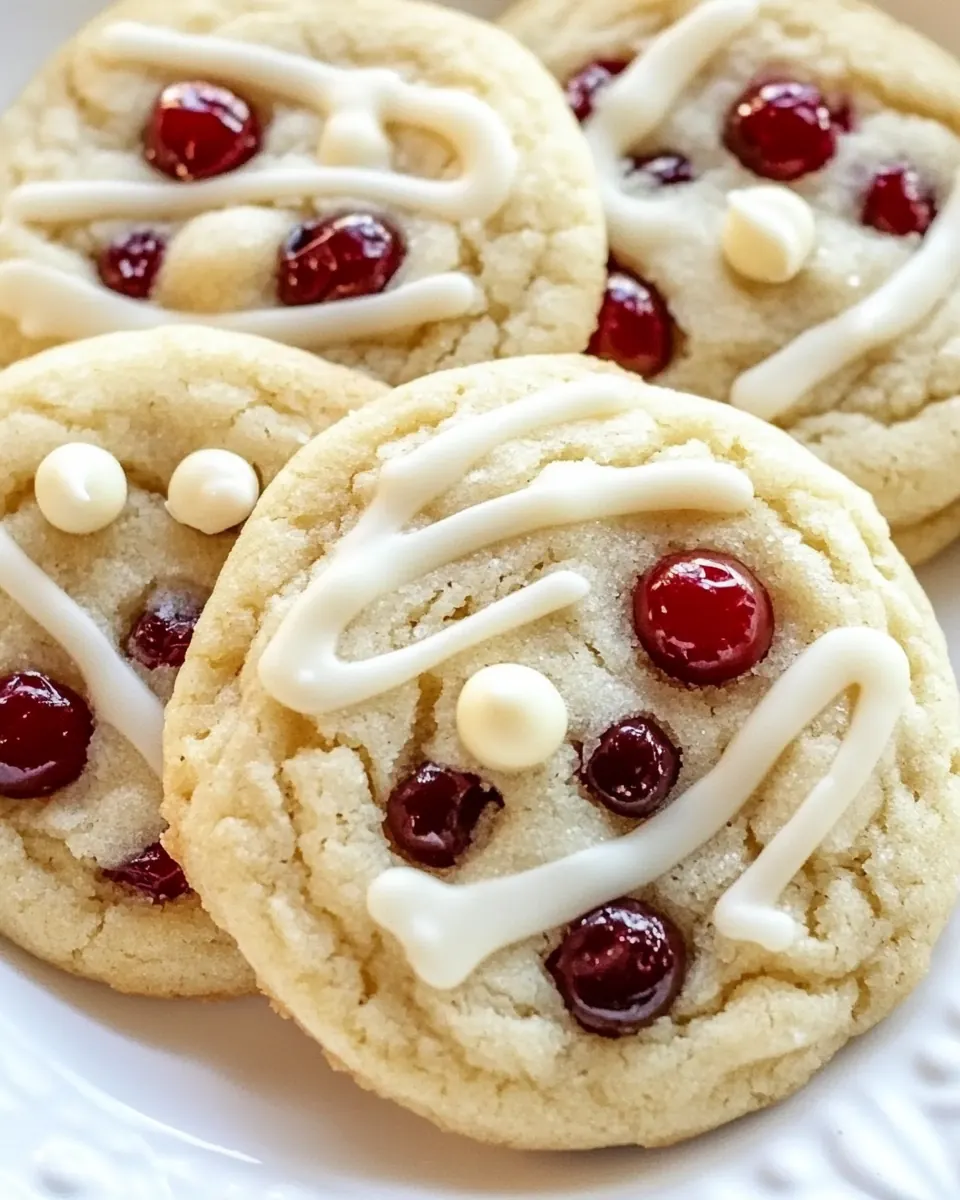
What I love about White Chocolate Cranberry Sugar Cookies is how approachable they are. The dough is forgiving, the mix of tangy dried cranberries and creamy white chocolate chips hits the right balance, and the finished cookie holds up beautifully in a tin. I remember laughing with a friend while we carefully spooned melted white chocolate over each cookie, declaring ourselves far more precise than we actually were. That imperfect drizzle is part of the charm.
Recipe Snapshot
16 mins
5 mins
11 mins
Medium
150 kcal
American
Gluten-Free, Low FODMAP
Desserts
Mixing bowl, Whisk, Mixer, Measuring cups, Baking sheet, Parchment paper, Microwave safe bowl, Cooling rack, Scoop
Why This White Chocolate Cranberry Sugar Cookies Is So Good
Perfect holiday cheer without fuss
I always reach for this recipe when I want something festive but not complicated. The short ingredient list means I can pull everything together quickly, and the results look thoughtful and homemade without hours of work. I like that you can make the dough ahead and chill it, which frees up time on the day you plan to bake and share.
Contrast of textures and flavors
These cookies combine a tender, slightly chewy all purpose flour based cookie with the snap and creaminess of melted white chocolate and the chewy pop of dried cranberries. I find that contrast keeps people coming back for another, it is lively on the palate and never flat. The sugar gives a bright sweetness that complements the tart cranberries rather than overpowering them.
Highly adaptable and gift friendly
I love that you can scale the batch and tweak presentation without changing technique. You can chill the dough for a firmer texture, or scoop and bake right away for softer cookies. When I gift them I pack them in a simple tin with parchment, they travel well and keep for several days in an airtight container, making them excellent for cookie swaps and last minute hostess gifts.
Reliable and forgiving method
Because the recipe uses common techniques like creaming butter and sugar and folding dry ingredients into wet, it rarely goes wrong. Even if you overmix slightly or the butter is a touch too soft, the cookies still bake into something comforting. That reliability gives me confidence to share the recipe with friends who are newer to baking.
Visually striking without being fussy
The final touch of melted white chocolate and scattered dried cranberries makes each cookie look special. I like the imperfect drizzle and the bright cranberry pieces on top, they signal care but are easy to execute. These cookies look festive on a platter, and I often alternate plain tops and cranberry topped ones for variety.
Shopping List for White Chocolate Cranberry Sugar Cookies
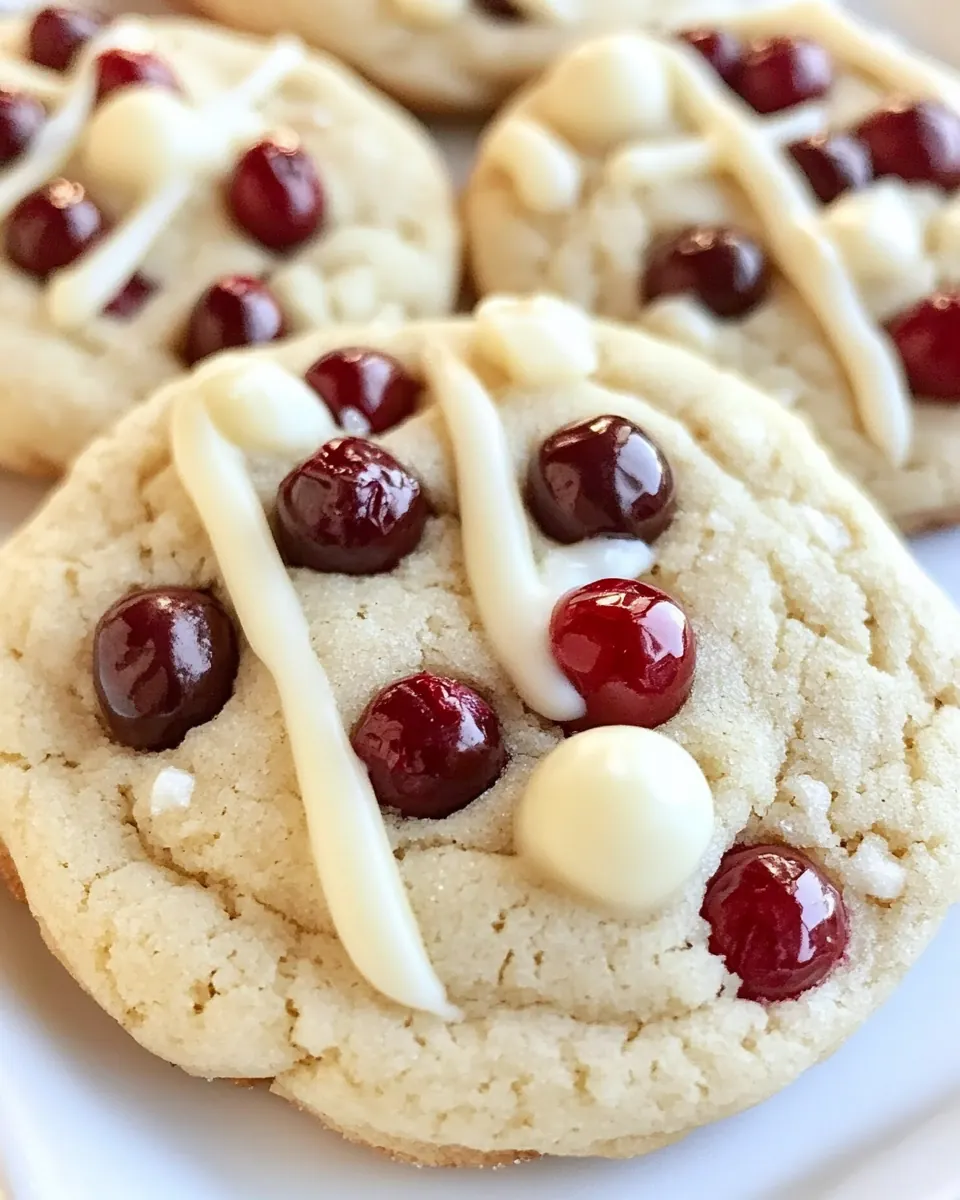
These ingredients form a simple, classic cookie base with two standout players. The foundation of all purpose flour, leaveners and a touch of salt gives structure and balance, while the combination of creamed butter and granulated sugar creates a tender, lightly crisp edge. The finishing accents of white chocolate chips and dried cranberries bring both sweetness and bright fruity contrast.
- 1 and 3/4 cup all-purpose flour: Provide structure and bulk to the cookies, forming the dough’s base by combining with fats and liquids. Sift or whisk before measuring to ensure even texture and prevent lumps. Contributes to tenderness when correctly measured and not overworked.
- 1/2 teaspoon baking powder: Help the cookies rise gently by releasing carbon dioxide when heated, creating a light crumb. Use precise measurement for balanced leavening without metallic taste. Combine with baking soda for proper lift and texture.
- 1 teaspoon baking soda: Act as a chemical leavener that reacts with acidic components to produce carbon dioxide and spread control. Ensure even distribution through dry ingredients to avoid uneven pockets of lift. Balances texture and browning in the finished cookie.
- 1/8 teaspoon salt: Enhance overall flavor and balance sweetness while strengthening gluten slightly when present in small amounts. Control salt level carefully to avoid overpowering delicate flavors. Dissolve into dry ingredients for uniform seasoning.
- 1/2 cup (1 stick) unsalted butter, softened to room temperature: Provide fat that tenderizes the crumb, adds richness, and aids in spreading during baking. Soften to room temperature for easier creaming with sugar and optimal aeration. Contributes flavor and mouthfeel to the cookies.
- 1 cup granulated sugar: Introduce sweetness and assist in creaming with butter to create a light, aerated dough. Dissolve and caramelize slightly during baking to add flavor depth and color. Measure accurately for consistent sweetness and texture.
- 1 teaspoon vanilla: Impart aromatic flavor that rounds out sweet components and enhances other ingredients. Add to creamed butter and sugar to evenly distribute flavor throughout the dough. Choose pure vanilla for best results.
- 1 large egg: Bind the dough together while providing moisture, structure, and some leavening through trapped air when beaten. Crack into a small bowl before adding to ensure quality and uniform mixing. Adjust mixing just until incorporated to avoid toughness.
- 1 cup white chocolate chips, melted: Contribute creamy, sweet, and smooth white chocolate flavor; when melted, helps integrate chocolate uniformly into the dough. Melt gently to avoid scorching and temper slightly with oil if needed for gloss. Adds sweetness and rich mouthfeel to each bite.
- 1/2 teaspoon vegetable or coconut oil: Thin the melted white chocolate and improve shine and pourability for easier mixing into the dough. Use a neutral oil in very small quantity to avoid altering flavor. Stir thoroughly to achieve a smooth, silky chocolate consistency.
- 3/4 cup dried cranberries: Provide chewy texture and tart-sweet flavor contrast that complements white chocolate. Soak briefly if very dry to plump slightly, then drain to avoid excess moisture in the dough. Fold in at the end to distribute evenly without crushing.
Making This White Chocolate Cranberry Sugar Cookies
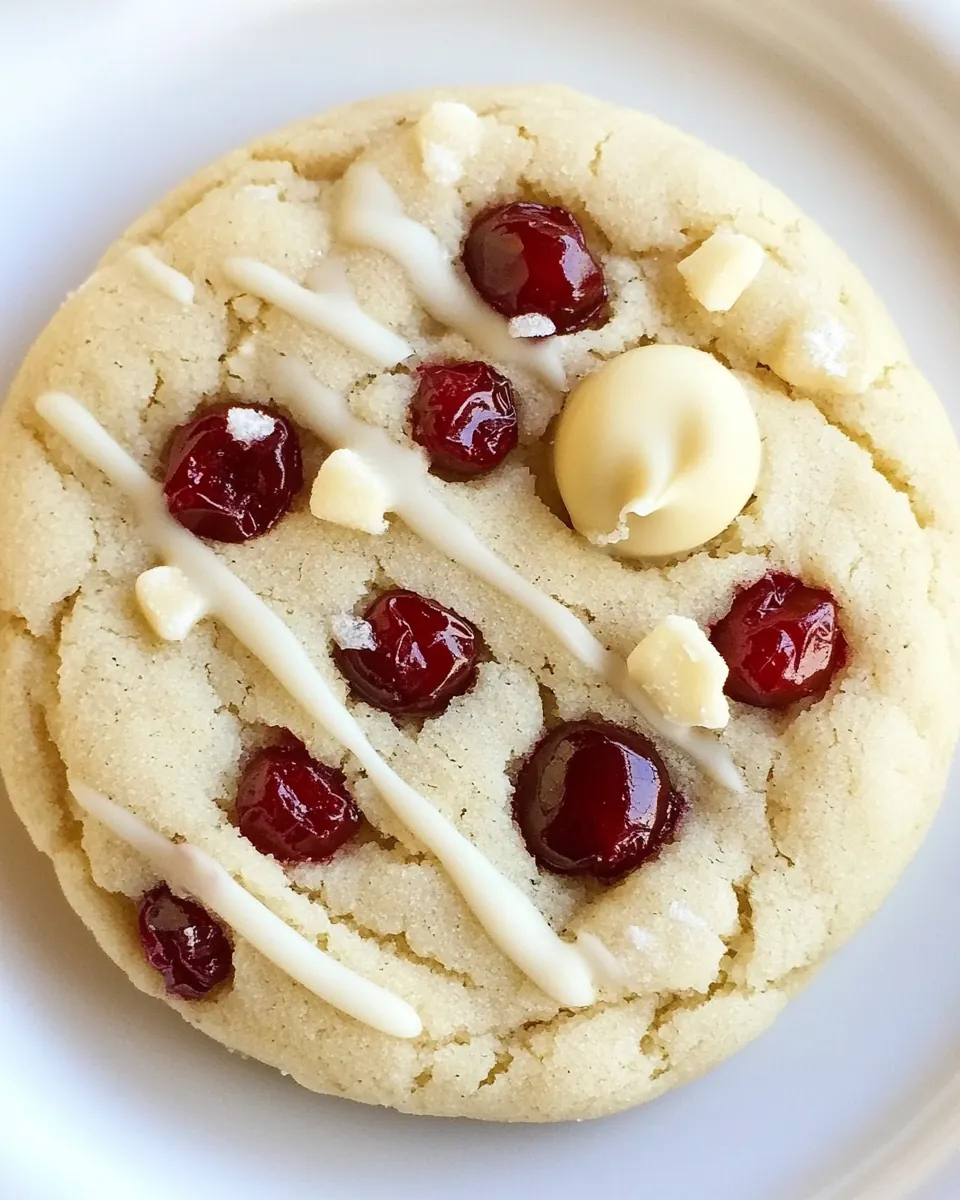
These directions take a straightforward approach, and I talk you through sensory cues and small troubleshooting tips so every bake is successful. Read each expanded step carefully, especially the notes about dough feel and how the cookies should look as they come from the oven.
- In a large mixing bowl, whisk together flour, baking powder, baking soda and salt.: The dry mix should look even and pale, with no streaks of leavening. You will notice a faint powdery aroma of the all purpose flour and a light dusty texture on your fingertips if you rub a bit between them. Sifting or whisking aerates the mix, which promotes even rising and prevents clumping. This step matters because if the leavening agents are not evenly distributed, some cookies will puff and others will stay flat, creating inconsistent batches. A common mistake is to skip thorough whisking, which can leave small pockets of baking soda that cause tiny bitter spots. If you spot clumps, press them through a fine mesh or break them up with the whisk until the mixture is uniform and powdery.
- In another mixing bowl, cream butter for 30 seconds. Gradually add the sugar and beat until light and fluffy.: When you cream the softened butter , it should look lighter in color and develop a slightly fluffy texture. You will hear the mixer lighten its load as the butter aerates, and the aroma becomes more buttery and rich. Proper creaming traps tiny air pockets which help the cookie rise and create a tender crumb. Overcreaming can make the butter too soft and greasy, causing excessive spread. If your butter looks greasy or has separated, chill the bowl briefly, then continue. Undercreamed butter will result in dense cookies, so aim for a smooth, airy consistency.
- Add vanilla and egg and mix in well.: As you add granulated sugar , the mixture will transform, gaining body and a slightly grainy sheen before the sugar dissolves. Beat until the texture is visibly lighter and the bowl shows faint streaks where the paddle has been. This creates structure and sweetness and helps the cookies achieve a delicate crumb. If you rush and dump sugar in all at once, it may not integrate well and will leave grainy pockets, producing a coarser texture. Scrape the bowl sides to ensure even mixing, and stop when the mixture has a pale, airy look.
- Add the dry ingredients to the wet ingredients and mix just until incorporated.: When the vanilla and the large egg go in, the mixture will briefly look glossy and more cohesive. The egg binds fats and dry ingredients, adding moisture and richness. Mix until just combined and smooth, then pause to smell the fragrant vanilla lifting the blend, and observe the batter become slightly looser. A typical misstep is overmixing at this stage, which can toughen the dough once flour is added. If you see separation or curdling, mix gently until it comes back together, and ensure the egg is room temperature for best integration.
- Cover the bowl with the dough and chill for 2 hours in the fridge.: At this stage, you will notice the mixture thicken and the bowl will look doughlike, with streaks of flour disappearing as you fold. The key sensory cue is that the dough should cling together without being sticky or overly stiff. This gentle mixing preserves tender texture, because overmixing develops gluten and can make cookies chewy. A common mistake is to power through the mixer, which leaves you with tough cookies. Use a spatula or low speed, and stop when you only see small bits of dry flour remaining, then finish folding by hand if needed.
- Preheat oven to 375 degrees.: After chilling, the dough firms and the flavors meld, which makes scoopable mounds and controls spread during baking. You will notice the texture change from soft to slightly firm, and the aroma will deepen as the butter cools. This rest also hydrates the flour for a better mouthfeel. Skipping chill time can lead to overly flat cookies, particularly if your kitchen is warm. If you are short on time, a 30 to 60 minute chill helps, but two hours is ideal for a reliably shaped cookie.
- Line a baking sheet with parchment paper or silicone baking mat.: The oven should be fully heated so the cookies start setting at the right moment. When the oven reaches temperature, it will feel noticeably warm and airy when you open the door briefly, and a quick glance at an oven thermometer helps confirm accuracy. Baking at the correct temperature ensures even browning and proper rise. A common error is inserting cold dough into an oven that is still heating, resulting in uneven spread. Allow the oven to preheat fully before baking to achieve consistent results.
- Using a 1 and 1/2 tablespoon scoop, drop mounds of dough onto the prepared sheet.: The surface should look smooth and clean, which helps cookies release easily and promotes even bottom browning. You will notice reduced sticking and easier cleanup when using parchment or a silicone mat. This step matters because direct contact with a hot metal pan can cause faster browning and uneven spread. Avoid greasing the sheet when you are using parchment, since excess fat on the pan can alter how the cookies bake and may cause them to flatten too much.
- Bake for 10 to 11 minutes. The cookies will puff up but deflate slightly during cooling.: Scooping consistent portions gives you uniform baking times and matching cookie sizes, so the tray bakes evenly. You should hear a soft thud as the scoop releases dough, and the mounds should hold their shape without collapsing. If the dough sticks to the scoop, lightly wet or dip the scoop in a bit of water, but do not add extra liquid to the dough. A typical mistake is making uneven scoops, which leads to some cookies underbaked while others are overdone. Leave space between mounds for gentle spreading.
- Cool cookies completely before decorating.: The cookies will puff and develop pale golden edges, then settle gently as they cool. You should see the tops set and the edges take on a faint color while the centers remain slightly soft. This sensory cue tells you they are done, as they will firm up off the heat. If you bake too long, they can become dry and lose their tender center, so remove them when edges are light golden. Rotate the pan halfway through if your oven has hot spots to ensure even coloring.
- Melt chocolate and oil in a heat-proof dish, in a microwave. Stir until smooth.: Cooling allows the cookies to set so the toppings do not sink or melt into the surface. The exterior will firm and the aroma will relax into a mellow sweet note, making the cookies easier to handle. Decorating too soon leads to smeared chocolate and lost texture contrast. Patience here results in cleaner presentation and preserved chewiness in the center.
- Spread each cookie with two teaspoons of melted chocolate. Sprinkle with dried cranberries.: Melt gently using short bursts and stirring between intervals until the white chocolate chips and the small amount of oil are silky and smooth. You will see a glossy shine and a warm sweet aroma when the chocolate is properly melted. The oil thins the chocolate for easy spreading and drizzling. Overheating can cause graininess or separation, so heat in 15 second bursts and stir well. If the chocolate seizes, a tiny splash of warm cream or oil can help re emulsify it.
- Set on a cooling rack to dry. Repeat with the rest of the cookies.: The melted chocolate should glide smoothly and create a glossy surface that sets with a satiny finish. When you spread, the chocolate will be warm and will slightly soften the cookie surface, creating a seamless bond. This step enhances visual appeal and delivers a creamy bite of white chocolate in every mouthful. If the chocolate cools and thickens too much, warm it briefly and stir, but avoid overheating or it may lose its sheen.
- Drizzle the remaining chocolate over each cookie. Let dry.: The tart red pieces create a striking contrast against the warm white chocolate, and their chewiness adds texture. Press them lightly so they adhere to the melted chocolate, and you will notice a pleasing color pop that makes the cookies look festive. Adding them while the chocolate is still tacky prevents them from sliding off as it sets. Too heavy a pile can weigh down the chocolate, so use moderate amounts for balance.
- Store in an air-tight container for up to 5 days.: Placing cookies on a rack allows air to circulate so the chocolate sets evenly and the bottoms stay crisp. You will hear a faint settling sound as the chocolate firms, and the gloss will dull slightly as it becomes matte. If you stack cookies before the chocolate is fully dry, the topping can smudge and stick. Wait until the surface is fully set to the touch before stacking or packing.
- Repeat with the rest of the cookies: Working in batches keeps the melted chocolate at an ideal consistency for spreading, and lets you maintain uniform decoration. You will notice that the chocolate becomes cooler with time, so reheating briefly between batches ensures a smooth finish. A common trap is trying to decorate too many at once, which causes the chocolate to thicken and results in uneven coverage. Keep a consistent workflow and refresh the chocolate as needed.
- Drizzle the remaining chocolate over each cookie: Use a spoon or a small piping bag to create a fine ribbon of chocolate that adds texture and elegance. The drizzle should create thin, glossy lines that set to a firm but tender finish. This final flourish elevates the appearance and adds another layer of creamy flavor. If your drizzle is too thick, thin the chocolate slightly with the tiniest amount of oil, stirring until fluid but not runny.
- Let dry: Allow the decorated cookies to rest until the chocolate is fully set, which may take a short while at room temperature or faster in a cool spot. You will notice the surface lose its wet shine and become firm to the touch, signaling readiness for storage or gifting. Storing too early can result in smudged toppings, so patience ensures an attractive final product.
- Store in an air tight container for up to 5 days: Proper storage preserves texture and flavor, keeping the cookies chewy and the toppings intact. Layer with parchment if stacking to prevent sticking, and keep them at room temperature for the best bite. Avoid refrigerating as that can dry them out and dull the texture. A common storage mistake is using a loosely covered container, which lets air in and causes the cookies to stale faster.
Recipe Variations about White Chocolate Cranberry Sugar Cookies
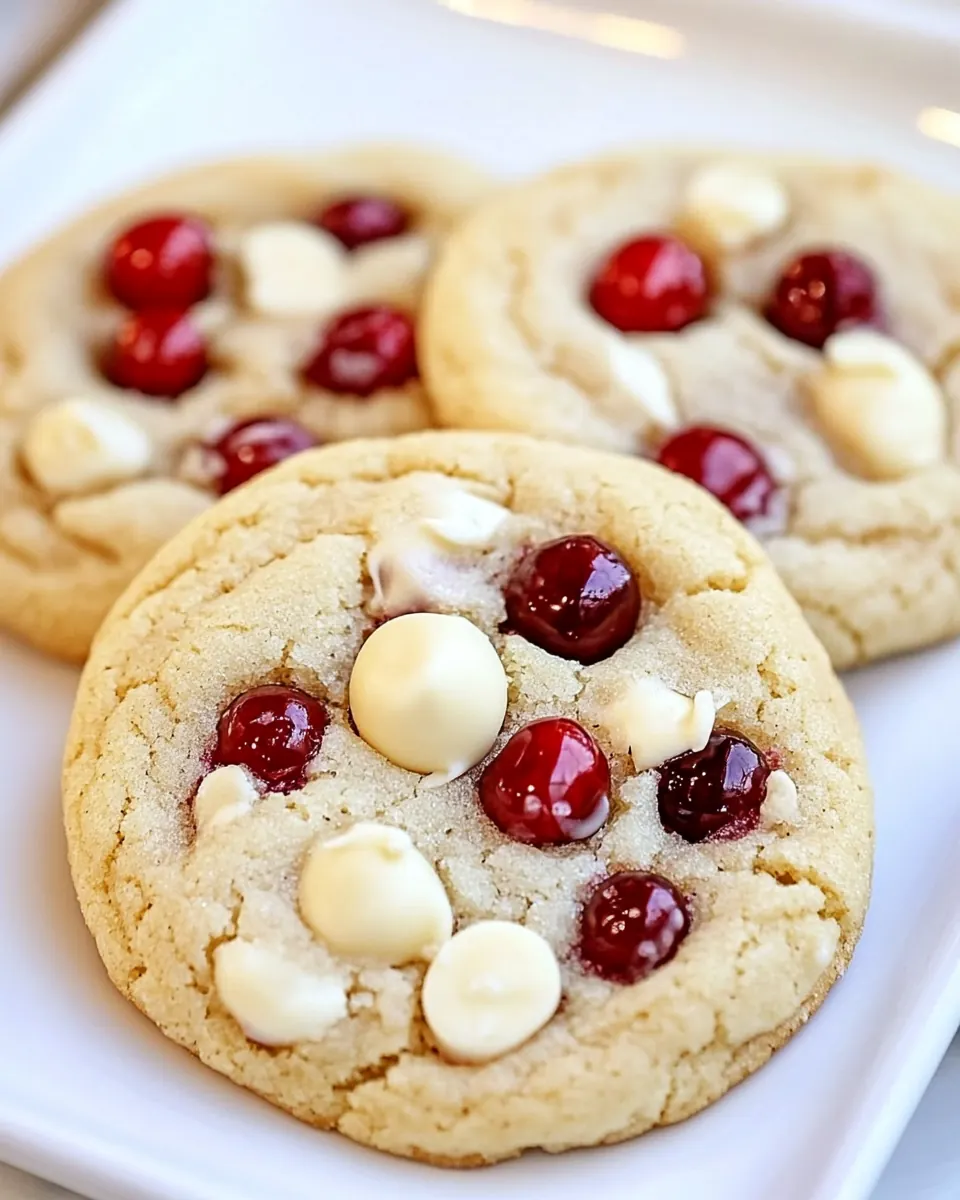
These variations let you play with texture and presentation while keeping the core technique intact. Each tip starts with a clear idea you can try, followed by details so you know what to expect and why it works.
- Make them softer by reducing the bake time by one minute and chilling the dough less, which keeps the centers tender and slightly underbaked for a chewier bite that stays moist for days.
- For a crisper cookie bake until the edges are a touch darker and let them cool fully on the sheet for a few minutes before transferring to a rack, which encourages a crisp exterior while the center still retains slight chew.
- Decorative drizzle use a piping bag or a zip top bag with a small snip to create finer chocolate lines, giving a more professional finish and allowing you to control thickness and pattern effortlessly.
- Storage tip layer with parchment between cookies in an airtight container to prevent sticking and preserve the appearance of the chocolate decorations when transporting or gifting.
- Batch prep freeze scooped dough on a tray, then transfer to a sealed bag; bake directly from frozen with an extra minute or two of baking time for fresh cookies on demand.
Best Served With
These cookies are a versatile treat for gatherings and quieter moments alike. I like to present them on a decorative platter with a mix of plain and cranberry topped versions, and they pair well with warm beverages or simple gift packaging for holiday swaps.
- Afternoon tea serve a stack of warm cookies with small cups of tea for an elegant, relaxed snack that highlights the cranberry contrast.
- Holiday cookie plates arrange these among other favorites for a visually striking assortment, the red cranberries add seasonal color to a festive spread.
- Gift giving pack in layers with parchment in a tin or box, these hold up well for transport and make a thoughtful homemade present for neighbors or hosts.
- Party nibble include on a dessert table during gatherings, they are easy to pick up and eat while mingling, and the white chocolate decoration makes them stand out.
- Storage advice keep at room temperature in an airtight container for up to five days, avoid refrigeration which can dry them out, and separate layers with parchment to keep the chocolate intact.
- Seasonal pairing they are particularly lovely during cooler months, when the tart dried cranberries feel right at home alongside cozy drinks and warm spices in the atmosphere.
FAQ
Conclusion
These White Chocolate Cranberry Sugar Cookies stand out for their balanced sweetness, chewy texture, and festive appearance. They are simple to make, forgiving in technique, and rewarding to share with friends and family. I hope you give them a try soon, whether you are assembling a holiday cookie platter or baking a small batch for a cozy afternoon. Enjoy the process and the melty, tangy bites that make these cookies a reliable favorite.
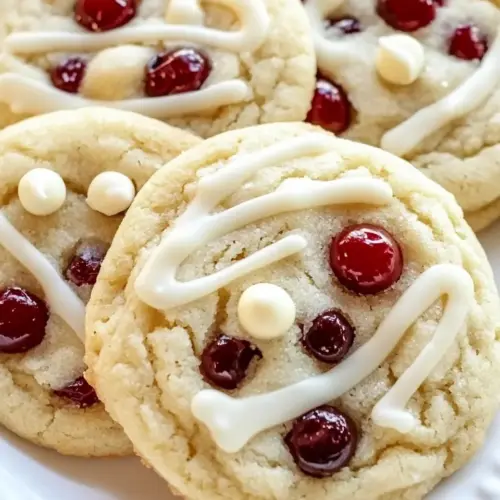
White Chocolate Cranberry Sugar Cookies
Equipment
- Mixing Bowl
- Whisk
- Mixer
- Measuring Cups
- Baking Sheet
- Parchment Paper
- Microwave-safe Bowl
- Cooling rack
- Scoop
Ingredients
- 1 and 3/4 cup all-purpose flour Provide structure and bulk to the cookies, forming the dough’s base by combining with fats and liquids. Sift or whisk before measuring to ensure even texture and prevent lumps. Contributes to tenderness when correctly measured and not overworked.
- 1/2 teaspoon baking powder Help the cookies rise gently by releasing carbon dioxide when heated, creating a light crumb. Use precise measurement for balanced leavening without metallic taste. Combine with baking soda for proper lift and texture.
- 1 teaspoon baking soda Act as a chemical leavener that reacts with acidic components to produce carbon dioxide and spread control. Ensure even distribution through dry ingredients to avoid uneven pockets of lift. Balances texture and browning in the finished cookie.
- 1/8 teaspoon salt Enhance overall flavor and balance sweetness while strengthening gluten slightly when present in small amounts. Control salt level carefully to avoid overpowering delicate flavors. Dissolve into dry ingredients for uniform seasoning.
- 1/2 cup (1 stick) unsalted butter, softened to room temperature Provide fat that tenderizes the crumb, adds richness, and aids in spreading during baking. Soften to room temperature for easier creaming with sugar and optimal aeration. Contributes flavor and mouthfeel to the cookies.
- 1 cup granulated sugar Introduce sweetness and assist in creaming with butter to create a light, aerated dough. Dissolve and caramelize slightly during baking to add flavor depth and color. Measure accurately for consistent sweetness and texture.
- 1 teaspoon vanilla Impart aromatic flavor that rounds out sweet components and enhances other ingredients. Add to creamed butter and sugar to evenly distribute flavor throughout the dough. Choose pure vanilla for best results.
- 1 large egg Bind the dough together while providing moisture, structure, and some leavening through trapped air when beaten. Crack into a small bowl before adding to ensure quality and uniform mixing. Adjust mixing just until incorporated to avoid toughness.
- 1 cup white chocolate chips, melted Contribute creamy, sweet, and smooth white chocolate flavor; when melted, helps integrate chocolate uniformly into the dough. Melt gently to avoid scorching and temper slightly with oil if needed for gloss. Adds sweetness and rich mouthfeel to each bite.
- 1/2 teaspoon vegetable or coconut oil Thin the melted white chocolate and improve shine and pourability for easier mixing into the dough. Use a neutral oil in very small quantity to avoid altering flavor. Stir thoroughly to achieve a smooth, silky chocolate consistency.
- 3/4 cup dried cranberries Provide chewy texture and tart-sweet flavor contrast that complements white chocolate. Soak briefly if very dry to plump slightly, then drain to avoid excess moisture in the dough. Fold in at the end to distribute evenly without crushing.
Instructions
- In a large mixing bowl, whisk together flour, baking powder, baking soda and salt.: The dry mix should look even and pale, with no streaks of leavening. You will notice a faint powdery aroma of the all purpose flour and a light dusty texture on your fingertips if you rub a bit between them. Sifting or whisking aerates the mix, which promotes even rising and prevents clumping. This step matters because if the leavening agents are not evenly distributed, some cookies will puff and others will stay flat, creating inconsistent batches. A common mistake is to skip thorough whisking, which can leave small pockets of baking soda that cause tiny bitter spots. If you spot clumps, press them through a fine mesh or break them up with the whisk until the mixture is uniform and powdery.
- In another mixing bowl, cream butter for 30 seconds. Gradually add the sugar and beat until light and fluffy.: When you cream the softened butter , it should look lighter in color and develop a slightly fluffy texture. You will hear the mixer lighten its load as the butter aerates, and the aroma becomes more buttery and rich. Proper creaming traps tiny air pockets which help the cookie rise and create a tender crumb. Overcreaming can make the butter too soft and greasy, causing excessive spread. If your butter looks greasy or has separated, chill the bowl briefly, then continue. Undercreamed butter will result in dense cookies, so aim for a smooth, airy consistency.
- Add vanilla and egg and mix in well.: As you add granulated sugar , the mixture will transform, gaining body and a slightly grainy sheen before the sugar dissolves. Beat until the texture is visibly lighter and the bowl shows faint streaks where the paddle has been. This creates structure and sweetness and helps the cookies achieve a delicate crumb. If you rush and dump sugar in all at once, it may not integrate well and will leave grainy pockets, producing a coarser texture. Scrape the bowl sides to ensure even mixing, and stop when the mixture has a pale, airy look.
- Add the dry ingredients to the wet ingredients and mix just until incorporated.: When the vanilla and the large egg go in, the mixture will briefly look glossy and more cohesive. The egg binds fats and dry ingredients, adding moisture and richness. Mix until just combined and smooth, then pause to smell the fragrant vanilla lifting the blend, and observe the batter become slightly looser. A typical misstep is overmixing at this stage, which can toughen the dough once flour is added. If you see separation or curdling, mix gently until it comes back together, and ensure the egg is room temperature for best integration.
- Cover the bowl with the dough and chill for 2 hours in the fridge.: At this stage, you will notice the mixture thicken and the bowl will look doughlike, with streaks of flour disappearing as you fold. The key sensory cue is that the dough should cling together without being sticky or overly stiff. This gentle mixing preserves tender texture, because overmixing develops gluten and can make cookies chewy. A common mistake is to power through the mixer, which leaves you with tough cookies. Use a spatula or low speed, and stop when you only see small bits of dry flour remaining, then finish folding by hand if needed.
- Preheat oven to 375 degrees.: After chilling, the dough firms and the flavors meld, which makes scoopable mounds and controls spread during baking. You will notice the texture change from soft to slightly firm, and the aroma will deepen as the butter cools. This rest also hydrates the flour for a better mouthfeel. Skipping chill time can lead to overly flat cookies, particularly if your kitchen is warm. If you are short on time, a 30 to 60 minute chill helps, but two hours is ideal for a reliably shaped cookie.
- Line a baking sheet with parchment paper or silicone baking mat.: The oven should be fully heated so the cookies start setting at the right moment. When the oven reaches temperature, it will feel noticeably warm and airy when you open the door briefly, and a quick glance at an oven thermometer helps confirm accuracy. Baking at the correct temperature ensures even browning and proper rise. A common error is inserting cold dough into an oven that is still heating, resulting in uneven spread. Allow the oven to preheat fully before baking to achieve consistent results.
- Using a 1 and 1/2 tablespoon scoop, drop mounds of dough onto the prepared sheet.: The surface should look smooth and clean, which helps cookies release easily and promotes even bottom browning. You will notice reduced sticking and easier cleanup when using parchment or a silicone mat. This step matters because direct contact with a hot metal pan can cause faster browning and uneven spread. Avoid greasing the sheet when you are using parchment, since excess fat on the pan can alter how the cookies bake and may cause them to flatten too much.
- Bake for 10 to 11 minutes. The cookies will puff up but deflate slightly during cooling.: Scooping consistent portions gives you uniform baking times and matching cookie sizes, so the tray bakes evenly. You should hear a soft thud as the scoop releases dough, and the mounds should hold their shape without collapsing. If the dough sticks to the scoop, lightly wet or dip the scoop in a bit of water, but do not add extra liquid to the dough. A typical mistake is making uneven scoops, which leads to some cookies underbaked while others are overdone. Leave space between mounds for gentle spreading.
- Cool cookies completely before decorating.: The cookies will puff and develop pale golden edges, then settle gently as they cool. You should see the tops set and the edges take on a faint color while the centers remain slightly soft. This sensory cue tells you they are done, as they will firm up off the heat. If you bake too long, they can become dry and lose their tender center, so remove them when edges are light golden. Rotate the pan halfway through if your oven has hot spots to ensure even coloring.
- Melt chocolate and oil in a heat-proof dish, in a microwave. Stir until smooth.: Cooling allows the cookies to set so the toppings do not sink or melt into the surface. The exterior will firm and the aroma will relax into a mellow sweet note, making the cookies easier to handle. Decorating too soon leads to smeared chocolate and lost texture contrast. Patience here results in cleaner presentation and preserved chewiness in the center.
- Spread each cookie with two teaspoons of melted chocolate. Sprinkle with dried cranberries.: Melt gently using short bursts and stirring between intervals until the white chocolate chips and the small amount of oil are silky and smooth. You will see a glossy shine and a warm sweet aroma when the chocolate is properly melted. The oil thins the chocolate for easy spreading and drizzling. Overheating can cause graininess or separation, so heat in 15 second bursts and stir well. If the chocolate seizes, a tiny splash of warm cream or oil can help re emulsify it.
- Set on a cooling rack to dry. Repeat with the rest of the cookies.: The melted chocolate should glide smoothly and create a glossy surface that sets with a satiny finish. When you spread, the chocolate will be warm and will slightly soften the cookie surface, creating a seamless bond. This step enhances visual appeal and delivers a creamy bite of white chocolate in every mouthful. If the chocolate cools and thickens too much, warm it briefly and stir, but avoid overheating or it may lose its sheen.
- Drizzle the remaining chocolate over each cookie. Let dry.: The tart red pieces create a striking contrast against the warm white chocolate, and their chewiness adds texture. Press them lightly so they adhere to the melted chocolate, and you will notice a pleasing color pop that makes the cookies look festive. Adding them while the chocolate is still tacky prevents them from sliding off as it sets. Too heavy a pile can weigh down the chocolate, so use moderate amounts for balance.
- Store in an air-tight container for up to 5 days.: Placing cookies on a rack allows air to circulate so the chocolate sets evenly and the bottoms stay crisp. You will hear a faint settling sound as the chocolate firms, and the gloss will dull slightly as it becomes matte. If you stack cookies before the chocolate is fully dry, the topping can smudge and stick. Wait until the surface is fully set to the touch before stacking or packing.
- Repeat with the rest of the cookies: Working in batches keeps the melted chocolate at an ideal consistency for spreading, and lets you maintain uniform decoration. You will notice that the chocolate becomes cooler with time, so reheating briefly between batches ensures a smooth finish. A common trap is trying to decorate too many at once, which causes the chocolate to thicken and results in uneven coverage. Keep a consistent workflow and refresh the chocolate as needed.
- Drizzle the remaining chocolate over each cookie: Use a spoon or a small piping bag to create a fine ribbon of chocolate that adds texture and elegance. The drizzle should create thin, glossy lines that set to a firm but tender finish. This final flourish elevates the appearance and adds another layer of creamy flavor. If your drizzle is too thick, thin the chocolate slightly with the tiniest amount of oil, stirring until fluid but not runny.
- Let dry: Allow the decorated cookies to rest until the chocolate is fully set, which may take a short while at room temperature or faster in a cool spot. You will notice the surface lose its wet shine and become firm to the touch, signaling readiness for storage or gifting. Storing too early can result in smudged toppings, so patience ensures an attractive final product.
- Store in an air tight container for up to 5 days: Proper storage preserves texture and flavor, keeping the cookies chewy and the toppings intact. Layer with parchment if stacking to prevent sticking, and keep them at room temperature for the best bite. Avoid refrigerating as that can dry them out and dull the texture. A common storage mistake is using a loosely covered container, which lets air in and causes the cookies to stale faster.
Notes
- Make them softer by reducing the bake time by one minute and chilling the dough less, which keeps the centers tender and slightly underbaked for a chewier bite that stays moist for days.
- For a crisper cookie bake until the edges are a touch darker and let them cool fully on the sheet for a few minutes before transferring to a rack, which encourages a crisp exterior while the center still retains slight chew.
- Decorative drizzle use a piping bag or a zip top bag with a small snip to create finer chocolate lines, giving a more professional finish and allowing you to control thickness and pattern effortlessly.
- Storage tip layer with parchment between cookies in an airtight container to prevent sticking and preserve the appearance of the chocolate decorations when transporting or gifting.
- Batch prep freeze scooped dough on a tray, then transfer to a sealed bag; bake directly from frozen with an extra minute or two of baking time for fresh cookies on demand.