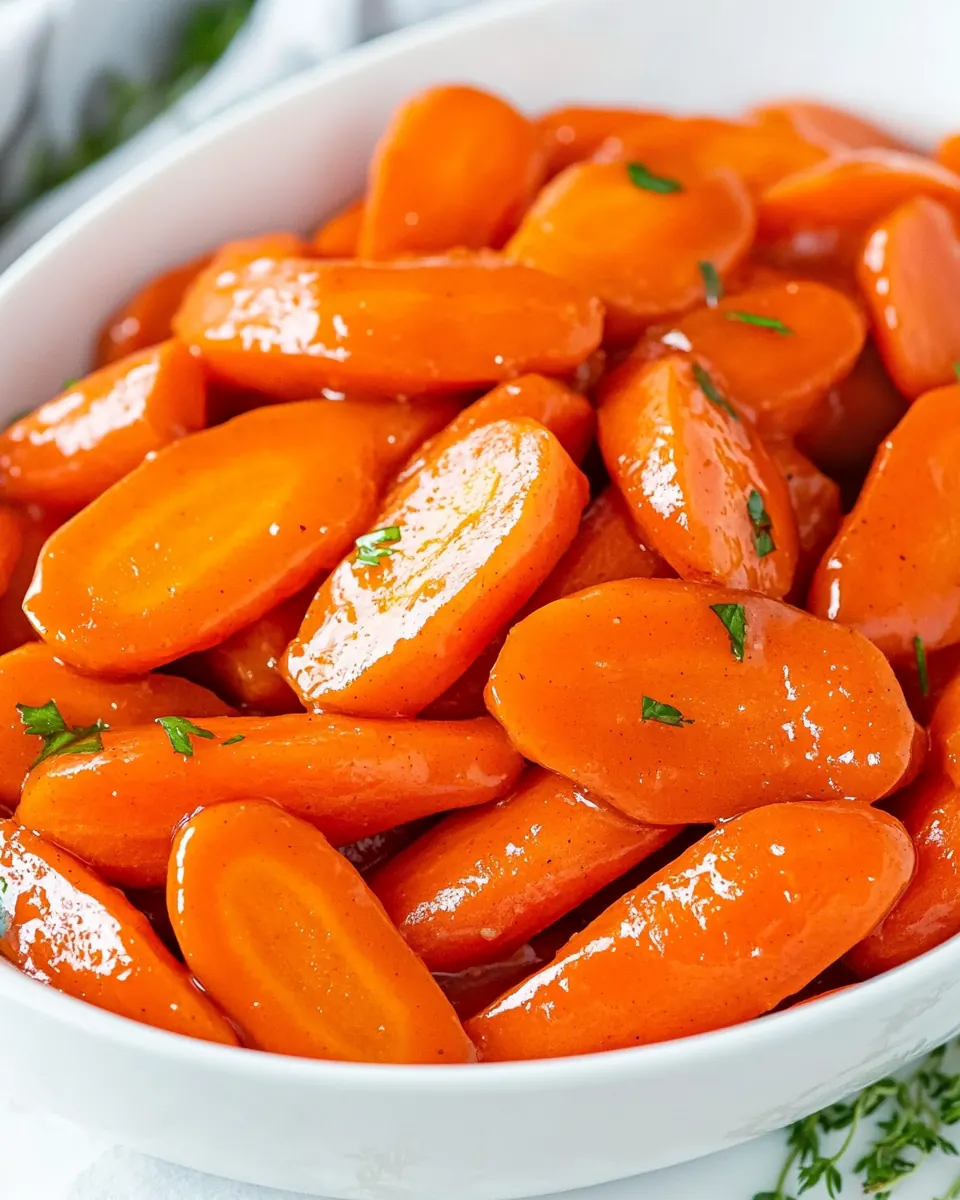
Brown Sugar Glazed Carrots
Brown Sugar Glazed Carrots have been a fixture on my table for as long as I can remember, a simple side that somehow always steals the spotlight. I first learned to make them watching my grandmother work at the stove, her hands moving confidently while she hummed an old tune. As a kid I loved how the carrots softened and the kitchen filled with a warm, sweet aroma while the glaze thickened, and I still chase that exact smell when I cook them now.
Over the years I have experimented with textures and timing, learning when to stop the heat so the glaze clings without turning syrupy, and how a quick sprinkle of fresh herbs can lift the whole dish. Every time I make Brown Sugar Glazed Carrots I think of casual Sunday lunches and holiday dinners alike, because they feel homey yet refined. I enjoy the ritual of peeling and slicing the carrots, hearing them hit the pan, and watching the brown sugar dissolve into glossy ribbons of flavor. That sensory memory is what keeps me coming back.
There is something comforting about a recipe that is both forgiving and precise, where a small technique shift transforms the result. I still follow my grandmother’s basic method, but I add small notes based on what the moment calls for: a touch less water if the carrots are fresh and very sweet, or a hair more butter for an especially glossy finish. When I serve Brown Sugar Glazed Carrots, I love seeing friends reach for seconds and ask for the recipe, which always sparks stories about family kitchens and the food that defines us.
Recipe Snapshot
20 mins
5 mins
15 mins
Easy
120 kcal
American
Gluten-Free, Low FODMAP
Side Dishes
Saucepan or pot with lid, Wooden spoon
Why This Brown Sugar Glazed Carrots Stands Out
Sweetness that complements without overpowering
I love how the brown sugar adds a gentle caramel note that enhances the natural sweetness of the carrots, rather than masking it. The glaze brings a silky mouthfeel that makes each bite feel indulgent, yet the dish remains light enough to pair with rich mains. I often choose this recipe when I want something approachable but memorable, because its balance is reliable.
Speed and simplicity when time is tight
This recipe comes together quickly, which is a huge reason I keep it in heavy rotation. With just a few minutes of hands on time and a short simmer, you get an elegant side that does not demand babysitting. I appreciate being able to focus on other parts of the meal while the carrots reduce and glaze, which is especially helpful on busy weeknights or when hosting friends.
Flexible for many menus
I find Brown Sugar Glazed Carrots fits almost any occasion, from casual family dinners to holiday spreads. Its flavor profile plays well with roasted proteins and grain dishes, and it reads familiar to picky eaters while still feeling polished. Because it is not fussy, you can scale it for intimate meals or larger gatherings without losing quality.
Texture that delights
When cooked right the carrots are tender but keep a satisfying bite, while the glaze clings to each piece. That contrast between soft and slightly firm gives the dish excitement in every forkful. I enjoy encouraging friends to notice those subtle textural moments, they always remark on how much they like it.
Minimal ingredients, maximum impact
There is something joyful about creating a standout side with just a few pantry staples. The combination of brown sugar, butter, and a pinch of salt creates depth quickly. I often use the exact measurements from this recipe because it reliably produces that glossy, flavorful glaze we all want.
What You Need for Brown Sugar Glazed Carrots
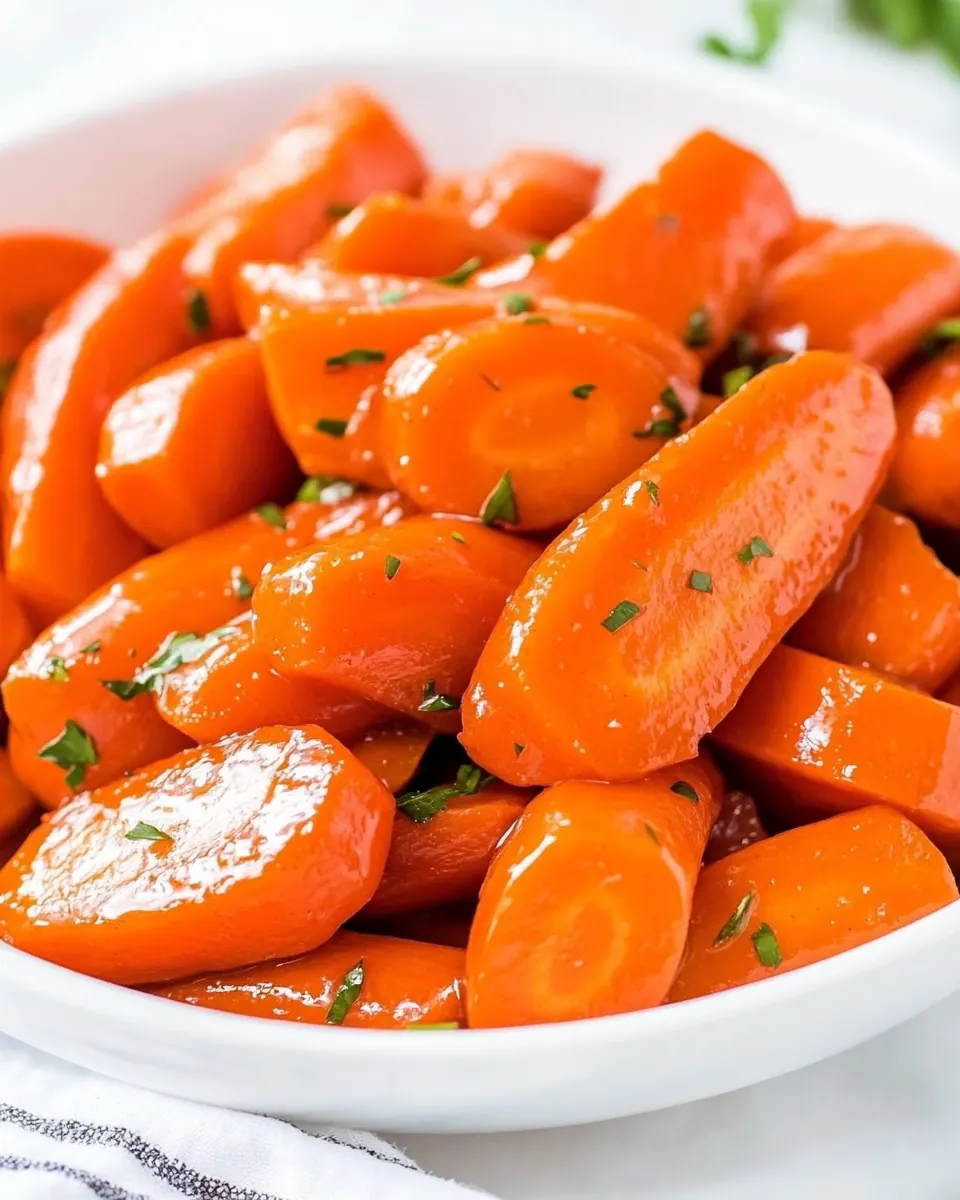
The core idea here is harmony. Simple, high impact ingredients work together to build sweetness, richness, and balance. The carrots supply fresh vegetal sweetness and texture, while the brown sugar and butter create the caramelized glaze. A little salt rounds flavors and water helps the glaze form without scorching. Each player has a clear job, and together they create a comforting side dish that feels both nostalgic and elevated.
- 2 pounds carrots peeled and cut into 1/2-inch thick slices: Provide sweetness and body while offering a tender texture when sliced; helps carry the glaze and absorbs flavors as carrots cook until fork-tender.
- 1 cup water: Add moisture to the pan to create steam for even cooking and to dissolve brown sugar into a glossy glaze; helps prevent burning while simmering.
- 1/4 cup brown sugar: Contribute rich molasses sweetness and caramelization potential; melt into the cooking liquid to form the sticky, brown glaze that coats the carrots.
- 1/2 teaspoon salt: Enhance overall flavor by balancing sweetness and bringing out natural carrot taste; helps season the dish and can slightly elevate perceived saltiness.
- 1/4 cup unsalted butter: Impart a silky, rich mouthfeel and help bind the glaze while adding a mild dairy richness; melts into the liquid to create a smooth, shiny coating.
- 1 teaspoon chopped fresh parsley for garnish (optional): Provide a fresh, herbal finish and bright color contrast when sprinkled over the finished dish; add a subtle grassy note that lifts the glaze.
Making Brown Sugar Glazed Carrots
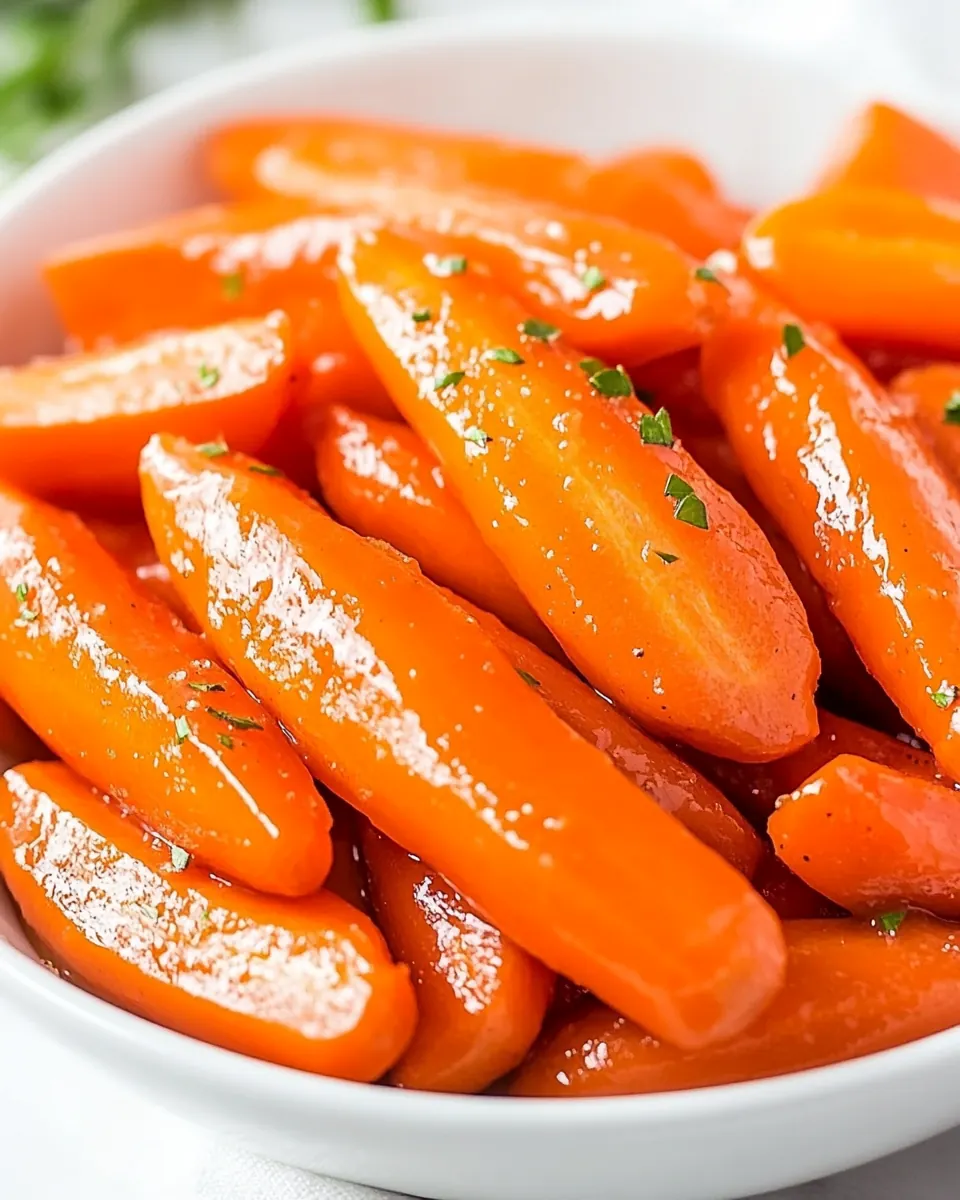
I like to approach the cooking with gentle attention, keeping an eye on the liquid as it reduces and the aroma as the glaze forms. Below I expand each directive into a sensory rich guide to help you get the exact glossy finish and tender texture I look for.
- In a saucepan or pot with a lid, combine the sliced carrots, brown sugar, butter, salt, and water or vegetable stock.: The moment you add the carrots and water to the saucepan you will hear a soft clatter as the pieces settle, and the initial steam rises quickly once the heat is on. The brown sugar will sit on top at first, granular and fragrant with molasses notes, and as the mixture warms the sugar starts to dissolve into the liquid, releasing a warm, sweet scent. The presence of butter at this stage contributes fat that will help the glaze finish with a glossy sheen, and the salt will begin to knit the flavors together. Pay attention to the sound of the simmer, it should be a gentle, steady bubble rather than a vigorous boil. A common mistake here is cranking the heat too high causing the sugar to stick or scorch. If the pan seems to be drying out too quickly, lower the heat and add a splash more water .
- Simmer covered for 10 minutes on low-medium heat until most of the liquid has evaporated and turned into a glaze.: As the lid traps steam the carrots soften and their sweet juices start to mingle with the melted brown sugar , creating a fragrant steam that smells faintly of caramel and roasted vegetable. Visually you will notice the liquid level drop and the remaining syrup darken slightly, thickening around the edges. The low to medium heat allows collagen like sugars to meld without breaking down the carrots into mush, producing tender pieces with body. Stir once halfway to ensure even cooking, and watch the liquid closely during the last minutes; you want most of it gone but not completely dry. A common error is under simmering so the glaze remains thin, yielding a watery coating. If that happens, continue to simmer briefly uncovered until it reaches the desired viscosity.
- Uncover, and cook for 3-5 more minutes, stirring occasionally. Remove from heat, sprinkle with fresh chopped parsley if desired and serve.: When you remove the lid you will hear a change, a brighter sizzle as steam escapes and the surface of the glaze begins to concentrate. The butter will emulsify into the syrup, giving a shiny finish that catches the light, and the carrots edges may develop a slight translucence and glossy caramelization. Stirring occasionally helps each piece pick up the glaze evenly and avoids hot spots. Use a wooden spoon or spatula to gently turn the pieces, listening for a soft hiss rather than loud splatter. Overcooking at this stage is easy if you step away, so keep the pan in view; if the glaze becomes too thick or starts smoking, remove from heat and add a teaspoon of water to loosen it while stirring.
- Remove from heat sprinkle with fresh chopped parsley if desired and serve: Once off the heat the aroma will be rich and buttery, with caramelized sugar notes mingling with the natural sweetness of the carrots . Adding the chopped fresh parsley at the end introduces a cool, green contrast both in flavor and color that brightens the dish. Serving warm allows the glaze to feel silky on the tongue, while cooling a bit will let it cling even more to the vegetable surfaces. A typical pitfall is adding garnish too early, which causes it to wilt; always finish and serve promptly for best texture. If the glaze has congealed too much while sitting, a quick gentle rewarm over low heat with a teaspoon of water restores the shine.
Tips for Success
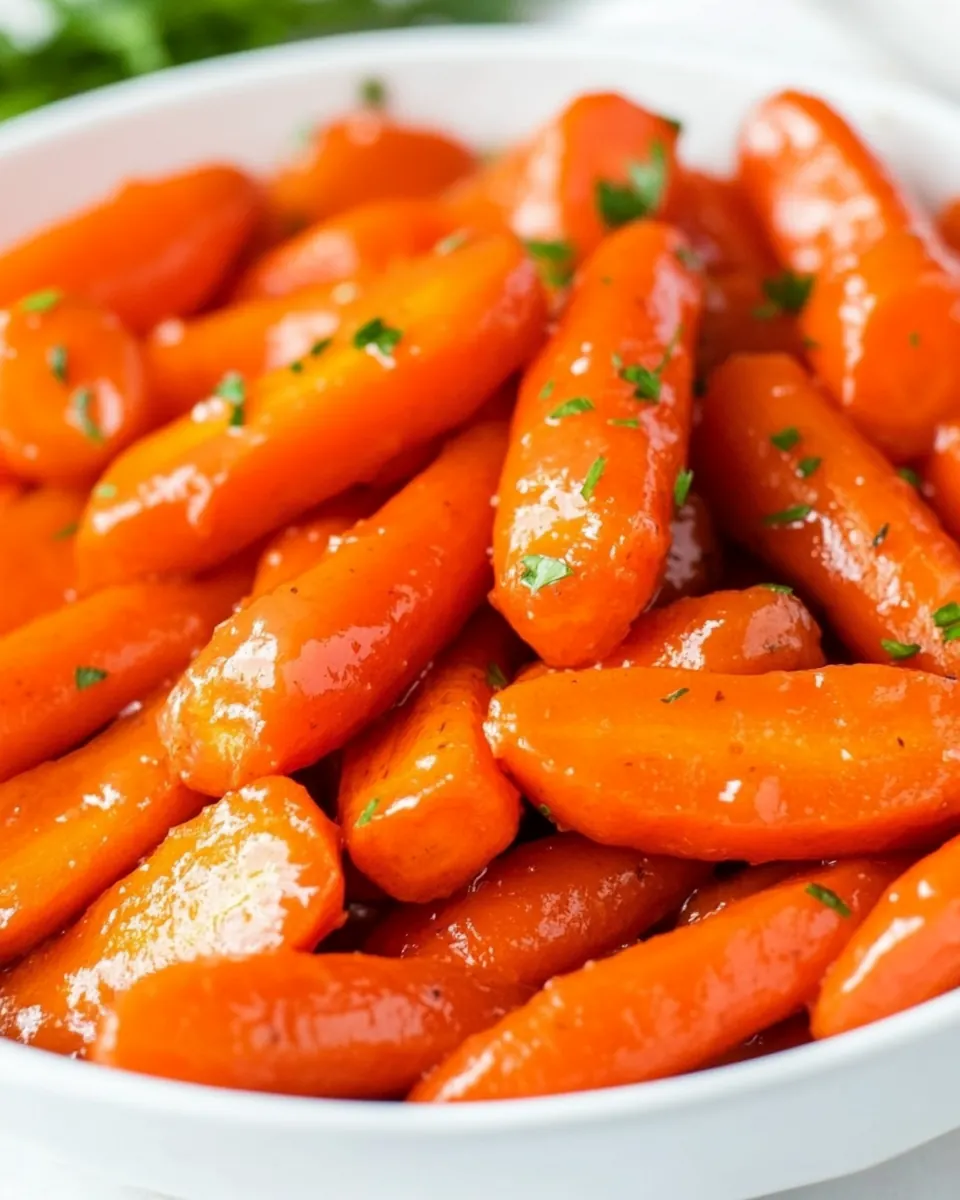
I like to think of these tips as small habits that yield reliable, glossy results every time I make Brown Sugar Glazed Carrots. Apply a few and you will notice the difference in texture and shine.
- Uniform Slices: Cut the carrots to an even 1/2 inch thickness so each piece cooks at the same rate, preventing some from becoming mushy while others remain underdone.
- Low to Medium Heat: Maintain gentle heat during simmering to let the sugar dissolve and the carrots soften without scorching the glaze, which would create a bitter note.
- Finish Uncovered: After most liquid is gone, remove the lid and concentrate the glaze for a glossy coating, but keep the pan in sight to avoid over reduction.
- Use Unsalted Butter: Unsalted butter offers better control of seasoning, letting you add precise amounts of salt at the end to balance sweetness.
- Garnish Last: Add the chopped fresh parsley right before serving to preserve its color and fresh flavor contrast against the warm sweet glaze.
Side Dish Ideas for Brown Sugar Glazed Carrots
These serving suggestions will help you pair and present Brown Sugar Glazed Carrots for different occasions. I enjoy arranging complementary textures and flavors on the plate to create a balanced meal.
- Family Dinner Pairing: Serve the glazed carrots alongside roasted proteins and a grain to balance richness with a sweet vegetable note; they add warmth and color to the plate.
- Holiday Table: On special occasions present them in a shallow serving bowl topped with a sprinkle of fresh parsley for contrast, they bring a nostalgic sweetness that complements hearty mains.
- Weeknight Meals: Keep portions small and serve as a bright side with simple pan seared mains when you want a quick, comforting accompaniment.
- Storage Tips: Refrigerate leftovers in an airtight container for up to four days; rewarm gently over low heat to revive the glaze, adding a splash of water if it has thickened.
- Seasonal Serving: In fall the natural sweetness of fresh carrots is at its peak, making this an especially timely side for autumn menus and harvest gatherings.
FAQ
Conclusion
Brown Sugar Glazed Carrots stand out for their simple yet transformative combination of carrots, brown sugar, and butter, delivering a glossy, tender side that suits everyday meals and special occasions alike. Give this recipe a try the next time you want a fast, crowd pleasing vegetable dish that still feels a bit special. I promise the balance of sweet, buttery glaze and lightly tender carrots will leave guests asking for seconds and you feeling satisfied with an easy, elegant side.
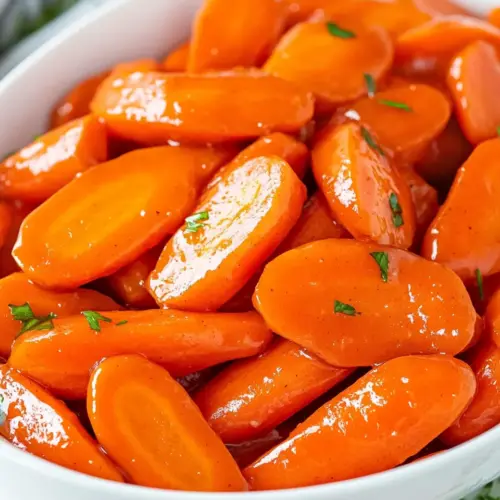
Brown Sugar Glazed Carrots
Equipment
- Saucepan or pot with lid
- Wooden Spoon
Ingredients
- 2 pounds carrots peeled and cut into 1/2-inch thick slices Provide sweetness and body while offering a tender texture when sliced; helps carry the glaze and absorbs flavors as carrots cook until fork-tender.
- 1 cup water Add moisture to the pan to create steam for even cooking and to dissolve brown sugar into a glossy glaze; helps prevent burning while simmering.
- 1/4 cup brown sugar Contribute rich molasses sweetness and caramelization potential; melt into the cooking liquid to form the sticky, brown glaze that coats the carrots.
- 1/2 teaspoon salt Enhance overall flavor by balancing sweetness and bringing out natural carrot taste; helps season the dish and can slightly elevate perceived saltiness.
- 1/4 cup unsalted butter Impart a silky, rich mouthfeel and help bind the glaze while adding a mild dairy richness; melts into the liquid to create a smooth, shiny coating.
- 1 teaspoon chopped fresh parsley optional for garnish Provide a fresh, herbal finish and bright color contrast when sprinkled over the finished dish; add a subtle grassy note that lifts the glaze.
Instructions
- In a saucepan or pot with a lid, combine the sliced carrots, brown sugar, butter, salt, and water or vegetable stock.: The moment you add the carrots and water to the saucepan you will hear a soft clatter as the pieces settle, and the initial steam rises quickly once the heat is on. The brown sugar will sit on top at first, granular and fragrant with molasses notes, and as the mixture warms the sugar starts to dissolve into the liquid, releasing a warm, sweet scent. The presence of butter at this stage contributes fat that will help the glaze finish with a glossy sheen, and the salt will begin to knit the flavors together. Pay attention to the sound of the simmer, it should be a gentle, steady bubble rather than a vigorous boil. A common mistake here is cranking the heat too high causing the sugar to stick or scorch. If the pan seems to be drying out too quickly, lower the heat and add a splash more water .
- Simmer covered for 10 minutes on low-medium heat until most of the liquid has evaporated and turned into a glaze.: As the lid traps steam the carrots soften and their sweet juices start to mingle with the melted brown sugar , creating a fragrant steam that smells faintly of caramel and roasted vegetable. Visually you will notice the liquid level drop and the remaining syrup darken slightly, thickening around the edges. The low to medium heat allows collagen like sugars to meld without breaking down the carrots into mush, producing tender pieces with body. Stir once halfway to ensure even cooking, and watch the liquid closely during the last minutes; you want most of it gone but not completely dry. A common error is under simmering so the glaze remains thin, yielding a watery coating. If that happens, continue to simmer briefly uncovered until it reaches the desired viscosity.
- Uncover, and cook for 3-5 more minutes, stirring occasionally. Remove from heat, sprinkle with fresh chopped parsley if desired and serve.: When you remove the lid you will hear a change, a brighter sizzle as steam escapes and the surface of the glaze begins to concentrate. The butter will emulsify into the syrup, giving a shiny finish that catches the light, and the carrots edges may develop a slight translucence and glossy caramelization. Stirring occasionally helps each piece pick up the glaze evenly and avoids hot spots. Use a wooden spoon or spatula to gently turn the pieces, listening for a soft hiss rather than loud splatter. Overcooking at this stage is easy if you step away, so keep the pan in view; if the glaze becomes too thick or starts smoking, remove from heat and add a teaspoon of water to loosen it while stirring.
- Remove from heat sprinkle with fresh chopped parsley if desired and serve: Once off the heat the aroma will be rich and buttery, with caramelized sugar notes mingling with the natural sweetness of the carrots . Adding the chopped fresh parsley at the end introduces a cool, green contrast both in flavor and color that brightens the dish. Serving warm allows the glaze to feel silky on the tongue, while cooling a bit will let it cling even more to the vegetable surfaces. A typical pitfall is adding garnish too early, which causes it to wilt; always finish and serve promptly for best texture. If the glaze has congealed too much while sitting, a quick gentle rewarm over low heat with a teaspoon of water restores the shine.
Notes
- Uniform Slices: Cut the carrots to an even 1/2 inch thickness so each piece cooks at the same rate, preventing some from becoming mushy while others remain underdone.
- Low to Medium Heat: Maintain gentle heat during simmering to let the sugar dissolve and the carrots soften without scorching the glaze, which would create a bitter note.
- Finish Uncovered: After most liquid is gone, remove the lid and concentrate the glaze for a glossy coating, but keep the pan in sight to avoid over reduction.
- Use Unsalted Butter: Unsalted butter offers better control of seasoning, letting you add precise amounts of salt at the end to balance sweetness.
- Garnish Last: Add the chopped fresh parsley right before serving to preserve its color and fresh flavor contrast against the warm sweet glaze.
