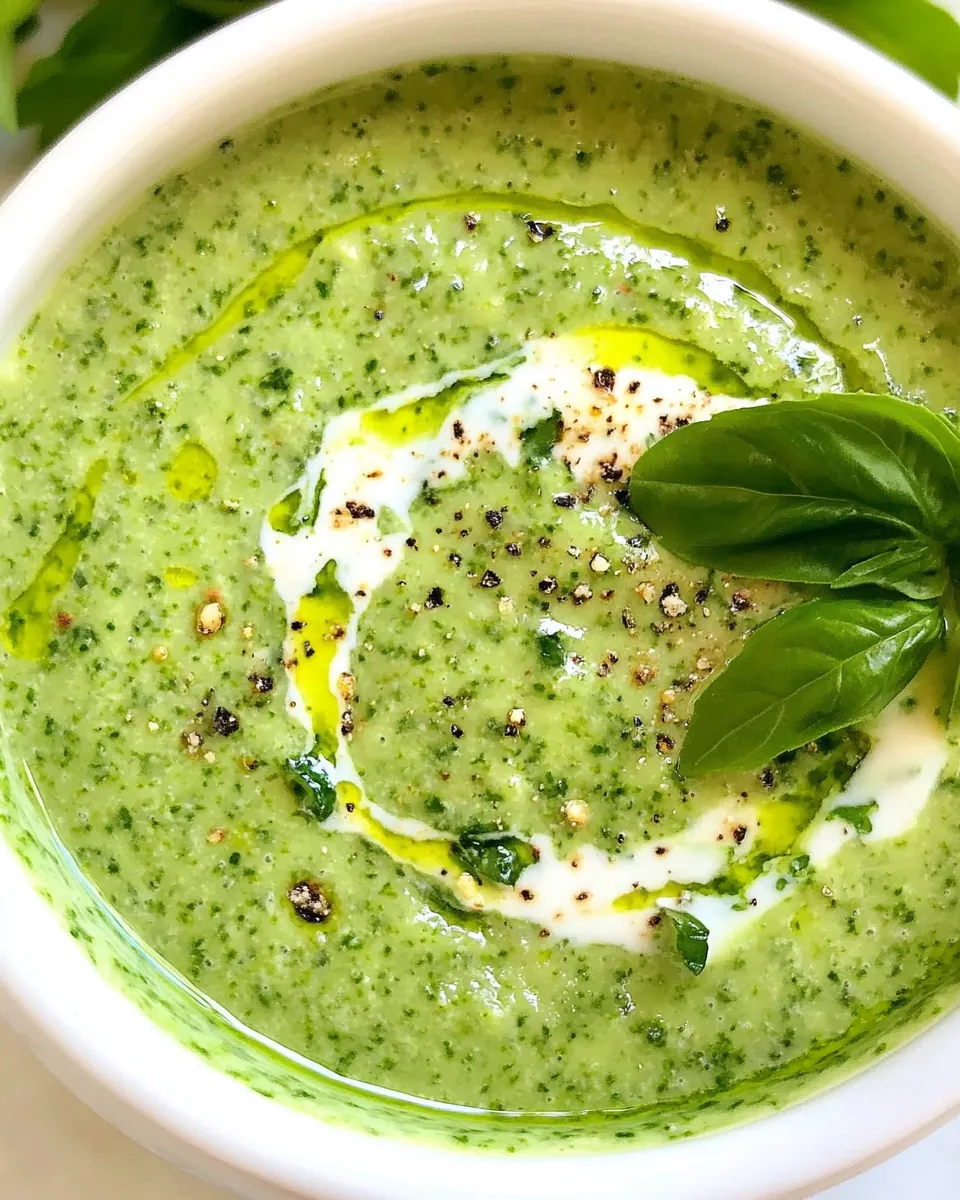
Homemade Green Goddess Dressing
Homemade Green Goddess Dressing has been my go to for turning simple salads and roasted vegetables into something unforgettable. The first time I made this dressing I was scrambling to pull together a last minute lunch for friends, and the bright herbs and tangy lemon saved the day. I remember the way the kitchen smelled as I pulsed herbs and garlic, a fresh, green aroma that hinted at summer even though it was a rainy afternoon.
Since then I’ve mixed this dressing into grain bowls, used it as a dip for raw carrots and celery, and spooned it over chilled potatoes at picnics. Each batch seems to adapt to whatever I have on hand; some batches lean more herb forward, others more creamy and tangy. That flexibility is the heart of why I reach for this recipe again and again.
What I love most is how quickly it comes together, and how a few humble pantry items like Greek yogurt, lemon, and a handful of fresh herbs can make something that tastes complex and restaurant quality. Every time someone asks for the recipe, they tell me it tastes like a secret sauce. I never tire of watching friends scoop it up with roasted veg, drizzle it over a salad, or dunk warm pita into it, and then ask for seconds.
Recipe Snapshot
10 mins
10 mins
Easy
150 kcal
American
Keto, Gluten-Free
Salads
Food processor, Measuring cups, Measuring spoons
The Appeal of This Homemade Green Goddess Dressing
Bright, fresh flavor that wakes up everything
I love how Homemade Green Goddess Dressing brings intense brightness without being sharp. The mix of fresh parsley, dill, and softer leafy herbs creates layers of green perfume, and the lemon juice adds a clean, citrusy lift. When I spoon it over a bowl it instantly elevates the entire dish, making ordinary ingredients feel intentional.
Creamy texture with lightness
The base of Greek yogurt gives the dressing a silky body that clings to greens and vegetables, while keeping the dressing lighter than mayonnaise based alternatives. I appreciate that it provides richness without heaviness, so you can use it liberally and still feel good after lunch.
Versatile and forgiving
This recipe is wonderfully flexible. I often swap or combine the soft herbs listed, and I tune salt and lemon to taste. When entertaining, I make a big bowl because it pairs with so many things, from crudites to grain bowls. It adapts to the herbs I have on hand, so I rarely feel locked into a strict list of ingredients.
Fast prep, big payoff
It comes together in minutes, and chilling time deepens the flavor. I can prep it while other components are cooking, and that small investment of time returns powerful flavor that impresses guests. For weeknight meals, it’s a practical shortcut that doesn’t sacrifice taste.
Kid friendly and crowd pleasing
Kids and adults alike tend to love the creamy, herby profile. I’ve served it at casual gatherings and more formal dinners, and there are rarely leftovers. It hits a sweet spot between familiar and exciting, which is why I reach for it again and again.
Everything You Need for Homemade Green Goddess Dressing
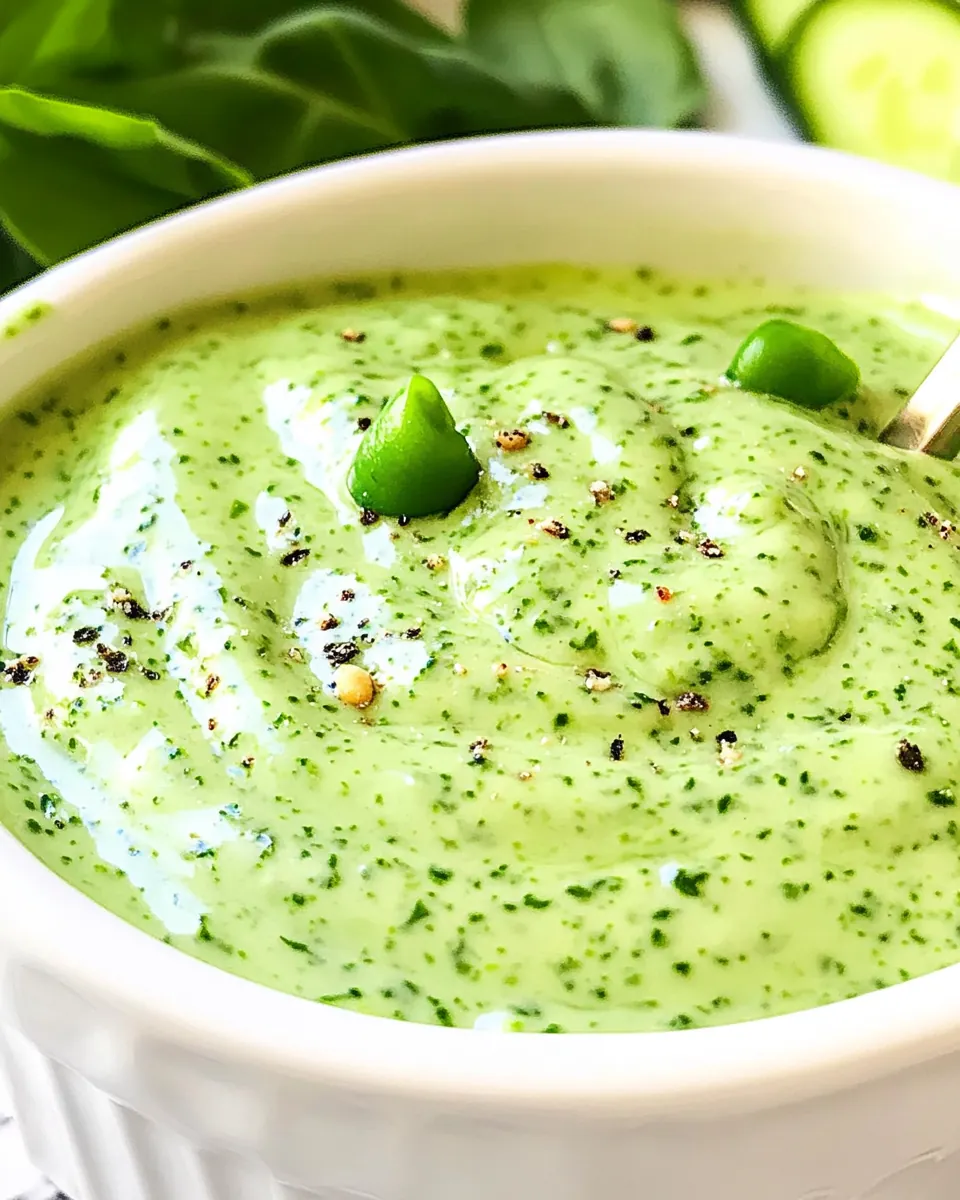
This dressing is built around bright herbs and a creamy yogurt base. The ingredients work together to balance freshness, tang, and body. The herb trio provides aromatic complexity, the Greek yogurt adds tang and creaminess, and the lemon and capers bring a lively, savory pop. Olive oil is the final tool to adjust texture and sheen.
- 1 1/3 cups plain Greek yogurt: Provide creamy, tangy body and protein-rich base that brings thickness and a velvety mouthfeel to the dressing while balancing the herbs' brightness; can be thinned with olive oil or water for desired consistency and helps the flavors cling to salads and vegetables.
- 1 cup gently packed flat-leaf parsley: Add bright, earthy freshness and a slightly peppery note that grounds the herbaceous blend; finely chopping or pulsing in a food processor releases oils and ensures even distribution throughout the dressing.
- 1 cup gently packed mixed soft leafy herbs (basil, cilantro, mint, and/or up to 1/4 cup tarragon): Contribute a layered, aromatic herb profile combining sweetness, citrusy lift, and cooling menthol notes depending on the mix of basil, cilantro, mint, and optional tarragon; gently packing keeps measurement consistent and blending these soft herbs creates the signature green color and complexity.
- 1/4 cup gently packed fresh dill (or 2 teaspoons dried dill weed): Impart a feathery, anise-like freshness (or provide a mild dried dill flavor if substituting) that enhances the overall herbal character and adds delicate aromatic top notes; chopping or processing releases volatile oils that brighten the dressing.
- 2 green onions, roughly chopped (4-5 stalks, white and green parts): Offer a mild allium sharpness with both sweet white and tender green parts, supplying a subtler onion flavor than raw bulb onion; roughly chopping aids even processing and distributes savory depth throughout the dressing.
- 2 garlic cloves: Deliver pungent, spicy aromatics that build backbone and depth; mincing or crushing garlic before blending unlocks allicin and integrates robust flavor into the creamy base.
- 1 tablespoon capers: Bring salty, briny, umami-rich pops that deepen savory complexity and act as a tiny acidic counterpoint; finely chopping capers or blending them smooths their texture so their flavor disperses evenly.
- 1 lemon, juiced and zested (3 TBS juice + 1/2 TBS zest): Provide bright acidity and citrus fragrance from both juice and zest, cutting through richness and lifting the herbs; juicing and zesting directly into the mix maximizes fresh flavor and balances the dressing's richness.
- 1/2 teaspoons salt: Season to enhance and unify flavors while controlling overall saltiness; dissolving or whisking it in prevents uneven salty pockets and ensures balanced taste.
- 1/4 teaspoon pepper: Contribute subtle heat and aromatic complexity that rounds out flavors without overwhelming; freshly cracked or ground pepper offers liveliness and finishing contrast.
- Olive oil as needed to thin: Adjust viscosity by loosening the dressing to a pourable or drizzling texture; adding olive oil gradually while whisking or pulsing creates a smoother, silkier emulsion and mellows acidity.
Homemade Green Goddess Dressing Instructions
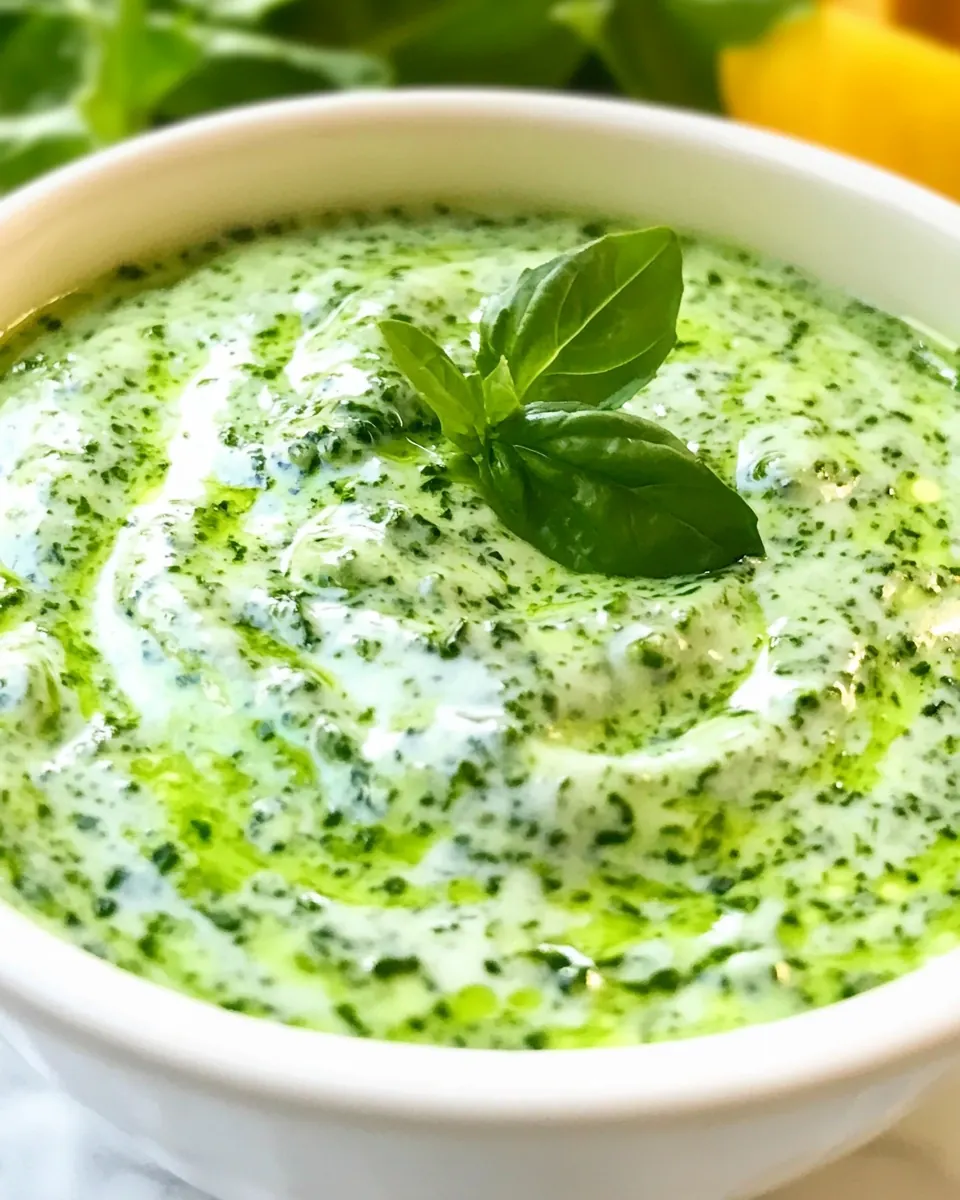
These steps are straightforward and forgiving, but the details make a big difference. I walk you through how to blend, chill, and adjust, so the final texture and flavor are just right. Keep tasting as you go, and plan for a short chilling time to let the flavors settle.
- Add the ingredients to a food processor bowl. Process until smooth, about 30 seconds, scraping down the sides of the bowl as needed.: As you pulse, notice the fresh scent of chopped herbs and the creamy tang coming together, a green steam of aroma rising as the blades work. This is the moment when separate flavors start to meld into a unified profile, so use a bowl size that gives the herbs room to move for even blending. A common mistake is overcrowding the bowl which can leave larger herb bits, so pulse in short bursts and scrape the sides often to ensure an even puree.
- The dressing is best chilled in the freezer for 30 minutes or for at least 2 hours in the refrigerator. (It will thicken up a bit after being chilled.): The sound of the processor changes as the texture transforms from coarse to velvety, shifting from a louder chop to a steady hum. You should see a uniform pale green mixture with tiny flecks of herb, and it should feel silky on the spoon. If it seems too thick, drizzle a little olive oil to help it emulsify. Avoid overprocessing which can heat the herbs and make the dressing darker and slightly bitter.
- After chilling, adjust the consistency by adding additional yogurt for thicker or olive oil for thinner. Season with freshly cracked salt, pepper, and lemon juice if desired.: Chilling deepens the flavors and lets the acids and dairy knit together, resulting in a rounder taste. When you chill it briefly in the freezer you speed up that process, but in the refrigerator the flavors develop more gently. A mistake is serving immediately, which may taste grassy and less integrated, so be patient and let the flavors harmonize.
- It will thicken up a bit after being chilled: Expect a firmer texture after cooling, with the aroma mellowing and the tang becoming subtler. The change in mouthfeel helps the dressing cling to salads, so if you planned to drizzle it, be ready to thin it slightly. Overthinning with too much liquid will dilute flavor, so add thinning agents sparingly.
- After chilling, adjust the consistency by adding additional yogurt for thicker or olive oil for thinner: When you taste after chilling, focus on texture first, then balance. Adding small amounts, a teaspoon at a time, helps you reach the ideal viscosity. If you add too much Greek yogurt you can make it overly tangy and dense, while too much olive oil can make it feel greasy, so proceed carefully and taste between additions.
- Season with freshly cracked salt, pepper, and lemon juice if desired: Final seasoning is where the dressing comes alive, so taste and adjust. Freshly cracked salt brightens the whole mixture, black pepper adds warmth, and a squeeze more lemon can bring back zip if chilling dulled the acidity. A common misstep is over-salting early, since flavors concentrate after chilling, so season lightly and revisit after the rest period.
Tips and Variations
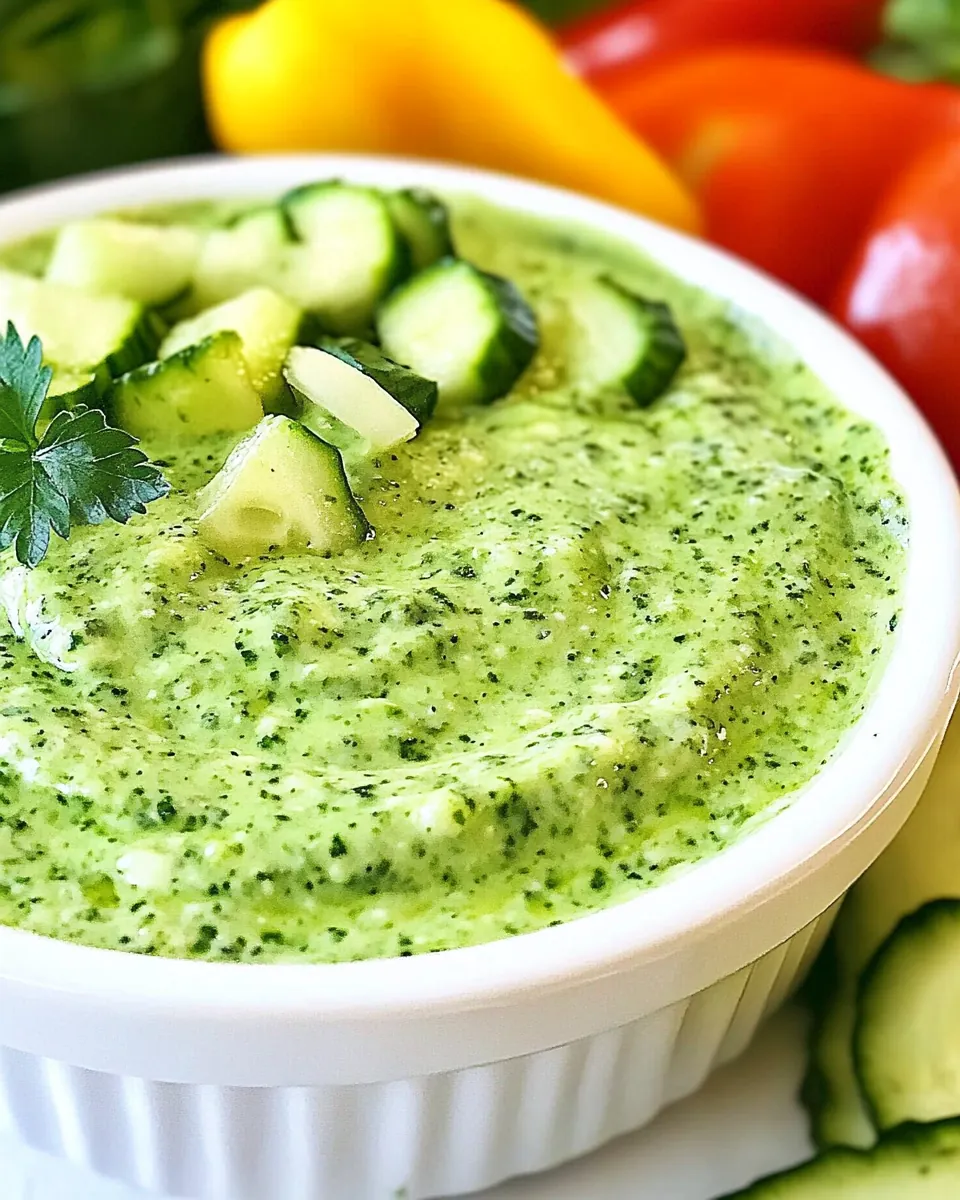
This dressing is adaptable and forgiving, making it easy to tailor to your pantry and preferences. Below are practical tips and tasty variations to help you get the most from Homemade Green Goddess Dressing. Try one or combine several ideas to make it your own.
- Choose your herb mix: Swap basil, cilantro, or mint based on what you have, aiming for about one cup total of soft herbs to maintain a balanced herbaceous profile.
- Control garlic intensity: Start with one garlic clove if you prefer a milder note, then add more after chilling if you want a stronger presence.
- Capers as a flavor anchor: Use the tablespoon as a baseline, but rinse briefly to tame brininess if your palate leans less salty.
- Zest for aroma: Use the listed amount of lemon zest for concentrated citrus oils which boost aroma without adding extra acidity.
- Texture tweaks: If you want a pourable dressing, add olive oil a teaspoon at a time, tasting as you go to keep flavors balanced.
What to Serve With Homemade Green Goddess Dressing
This dressing pairs beautifully across seasons and plates. Use it as a finishing sauce, a dip, or a dressing for composed bowls. It works for casual lunches, elegant dinners, and festive gatherings.
- Roasted vegetables: Spoon over warm roasted potatoes or root vegetables for a bright counterpoint to caramelized edges.
- Salads: Toss with mixed greens or a crunchy slaw to add creaminess and herb depth without weighing the salad down.
- Grain bowls: Drizzle over quinoa or farro bowls to add a fresh, tangy layer that ties proteins and vegetables together.
- Veggie dip: Serve as a dip with raw carrots, celery, and cucumber for a healthy appetizer at gatherings.
- Picnic staple: Pack in a sealed jar for outdoor meals; keep chilled and use as a versatile sauce for sandwiches and wraps.
- Storage tips: Keep refrigerated in an airtight container for up to five days, and give it a quick stir before serving if it settles.
FAQ
Conclusion
This dressing stands out because it combines fresh herbs, tangy yogurt, and bright lemon into a silky sauce that lifts simple dishes. Try making it once and you will see how quickly it becomes a kitchen staple for salads, vegetables, and bowls. It is easy to prepare, forgiving to tweak, and reliably crowd pleasing, so give it a go the next time you want a fresh, flavorful boost to a meal.
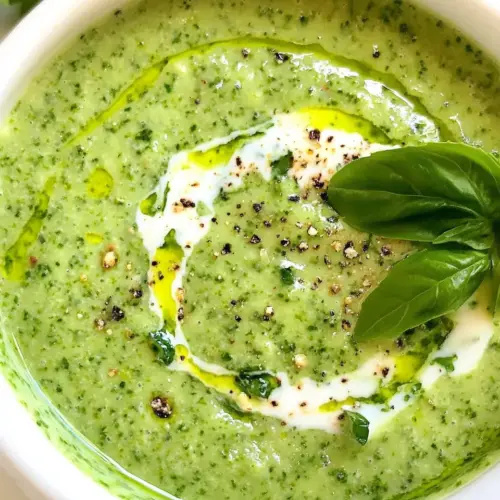
Homemade Green Goddess Dressing
Equipment
- Food Processor
- Measuring Cups
- Measuring Spoons
Ingredients
- 1 1/3 cups plain Greek yogurt Provide creamy, tangy body and protein-rich base that brings thickness and a velvety mouthfeel to the dressing while balancing the herbs' brightness; can be thinned with olive oil or water for desired consistency and helps the flavors cling to salads and vegetables.
- 1 cup gently packed flat-leaf parsley Add bright, earthy freshness and a slightly peppery note that grounds the herbaceous blend; finely chopping or pulsing in a food processor releases oils and ensures even distribution throughout the dressing.
- 1 cup gently packed mixed soft leafy herbs (basil, cilantro, mint, and/or up to 1/4 cup tarragon) Contribute a layered, aromatic herb profile combining sweetness, citrusy lift, and cooling menthol notes depending on the mix of basil, cilantro, mint, and optional tarragon; gently packing keeps measurement consistent and blending these soft herbs creates the signature green color and complexity.
- 1/4 cup gently packed fresh dill (or 2 teaspoons dried dill weed) Impart a feathery, anise-like freshness (or provide a mild dried dill flavor if substituting) that enhances the overall herbal character and adds delicate aromatic top notes; chopping or processing releases volatile oils that brighten the dressing.
- 2 green onions, roughly chopped (4-5 stalks, white and green parts) Offer a mild allium sharpness with both sweet white and tender green parts, supplying a subtler onion flavor than raw bulb onion; roughly chopping aids even processing and distributes savory depth throughout the dressing.
- 2 garlic cloves Deliver pungent, spicy aromatics that build backbone and depth; mincing or crushing garlic before blending unlocks allicin and integrates robust flavor into the creamy base.
- 1 tablespoon capers Bring salty, briny, umami-rich pops that deepen savory complexity and act as a tiny acidic counterpoint; finely chopping capers or blending them smooths their texture so their flavor disperses evenly.
- 1 lemon, juiced and zested (3 TBS juice + 1/2 TBS zest) Provide bright acidity and citrus fragrance from both juice and zest, cutting through richness and lifting the herbs; juicing and zesting directly into the mix maximizes fresh flavor and balances the dressing's richness.
- 1/2 teaspoons salt Season to enhance and unify flavors while controlling overall saltiness; dissolving or whisking it in prevents uneven salty pockets and ensures balanced taste.
- 1/4 teaspoon pepper Contribute subtle heat and aromatic complexity that rounds out flavors without overwhelming; freshly cracked or ground pepper offers liveliness and finishing contrast.
- Olive oil as needed to thin Adjust viscosity by loosening the dressing to a pourable or drizzling texture; adding olive oil gradually while whisking or pulsing creates a smoother, silkier emulsion and mellows acidity.
Instructions
- Add the ingredients to a food processor bowl. Process until smooth, about 30 seconds, scraping down the sides of the bowl as needed.: As you pulse, notice the fresh scent of chopped herbs and the creamy tang coming together, a green steam of aroma rising as the blades work. This is the moment when separate flavors start to meld into a unified profile, so use a bowl size that gives the herbs room to move for even blending. A common mistake is overcrowding the bowl which can leave larger herb bits, so pulse in short bursts and scrape the sides often to ensure an even puree.
- The dressing is best chilled in the freezer for 30 minutes or for at least 2 hours in the refrigerator. (It will thicken up a bit after being chilled.): The sound of the processor changes as the texture transforms from coarse to velvety, shifting from a louder chop to a steady hum. You should see a uniform pale green mixture with tiny flecks of herb, and it should feel silky on the spoon. If it seems too thick, drizzle a little olive oil to help it emulsify. Avoid overprocessing which can heat the herbs and make the dressing darker and slightly bitter.
- After chilling, adjust the consistency by adding additional yogurt for thicker or olive oil for thinner. Season with freshly cracked salt, pepper, and lemon juice if desired.: Chilling deepens the flavors and lets the acids and dairy knit together, resulting in a rounder taste. When you chill it briefly in the freezer you speed up that process, but in the refrigerator the flavors develop more gently. A mistake is serving immediately, which may taste grassy and less integrated, so be patient and let the flavors harmonize.
- It will thicken up a bit after being chilled: Expect a firmer texture after cooling, with the aroma mellowing and the tang becoming subtler. The change in mouthfeel helps the dressing cling to salads, so if you planned to drizzle it, be ready to thin it slightly. Overthinning with too much liquid will dilute flavor, so add thinning agents sparingly.
- After chilling, adjust the consistency by adding additional yogurt for thicker or olive oil for thinner: When you taste after chilling, focus on texture first, then balance. Adding small amounts, a teaspoon at a time, helps you reach the ideal viscosity. If you add too much Greek yogurt you can make it overly tangy and dense, while too much olive oil can make it feel greasy, so proceed carefully and taste between additions.
- Season with freshly cracked salt, pepper, and lemon juice if desired: Final seasoning is where the dressing comes alive, so taste and adjust. Freshly cracked salt brightens the whole mixture, black pepper adds warmth, and a squeeze more lemon can bring back zip if chilling dulled the acidity. A common misstep is over-salting early, since flavors concentrate after chilling, so season lightly and revisit after the rest period.
Notes
- Choose your herb mix: Swap basil, cilantro, or mint based on what you have, aiming for about one cup total of soft herbs to maintain a balanced herbaceous profile.
- Control garlic intensity: Start with one garlic clove if you prefer a milder note, then add more after chilling if you want a stronger presence.
- Capers as a flavor anchor: Use the tablespoon as a baseline, but rinse briefly to tame brininess if your palate leans less salty.
- Zest for aroma: Use the listed amount of lemon zest for concentrated citrus oils which boost aroma without adding extra acidity.
- Texture tweaks: If you want a pourable dressing, add olive oil a teaspoon at a time, tasting as you go to keep flavors balanced.