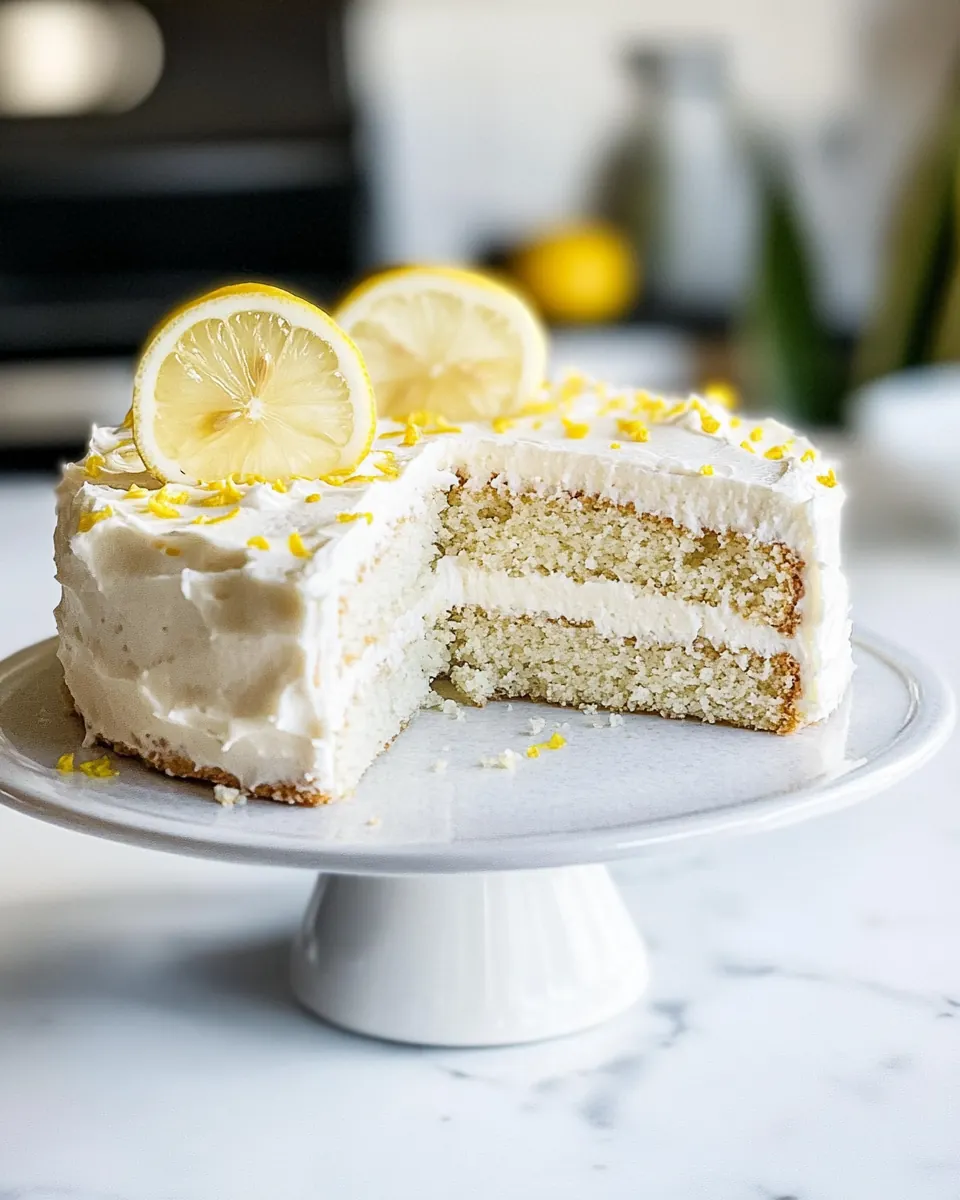
Lemon Cake
Lemon Cake has been my go to when I want something that tastes like a sunny afternoon in dessert form. The first time I baked this cake I remember the bright, citrusy perfume that filled my tiny kitchen, and how each forkful seemed to lift an ordinary afternoon into something celebratory. I still make it when I need a pick me up, or when guests arrive and I want them to leave with a smile.
My approach to this Lemon Cake blends boxed convenience with from scratch care. I rely on a boxed lemon cake mix and instant lemon pudding for the backbone, while adding real lemon zest, buttermilk, and extra eggs so the crumb stays tender and springy. That combination gives me a reliably moist crumb, with enough homemade flair to make it feel special.
Over the years I’ve tweaked the frosting to balance sweetness with brightness. A buttercream that uses fresh lemon juice and just enough powdered sugar becomes spreadable and luminous, not cloying. I love how the tang from the Greek yogurt or sour cream in the batter cuts through the sweetness, keeping every bite lively.
Recipe Snapshot
55 mins
25 mins
30 mins
Medium
320 kcal
American
Gluten-Free, Low FODMAP
Desserts
Cake Pans, Hand mixer, Parchment Paper
What You’ll Enjoy About This Lemon Cake
Bright, authentic lemon flavor
I love how this Lemon Cake carries genuine citrus notes. Using fresh lemon zest and fresh lemon juice alongside the instant pudding keeps the flavor layered, not one dimensional. I find the zest releases essential oils that perfume the batter, while the juice brings a clean, tart finish that balances the sweet crumb.
Moist, tender crumb
One of the reasons I return to this recipe is the texture. The mix of boxed cake mix, extra eggs, and buttermilk yields a soft, resilient crumb that stays moist for days. I appreciate that the combination prevents dryness, so slices remain pleasant whether eaten the same day or a few days later.
Quick but elevated
There is a satisfying speed to this cake. While it uses convenient store bought elements, a few simple fresh ingredients like unsalted butter and lemon zest elevate the result. I enjoy teaching friends how small upgrades transform a boxed cake into something they feel proud to serve.
Versatile and crowd friendly
Every time I bring this Lemon Cake to gatherings, it disappears fast. It can be dressed up for celebrations with piped frosting, or kept simple for afternoon tea. The balance of tang and sweetness appeals to many palates, making it a safe, approachable choice for a variety of occasions.
Reliable frosting finish
The buttercream for this cake is forgiving. By adjusting powdered sugar and lemon juice you control thickness easily, so whether you want a thick coat or a thin glaze you can get the texture you need. I appreciate that it tolerates small timing changes, so even if the cakes cool slowly the frosting still behaves.
Ingredients Required for Lemon Cake
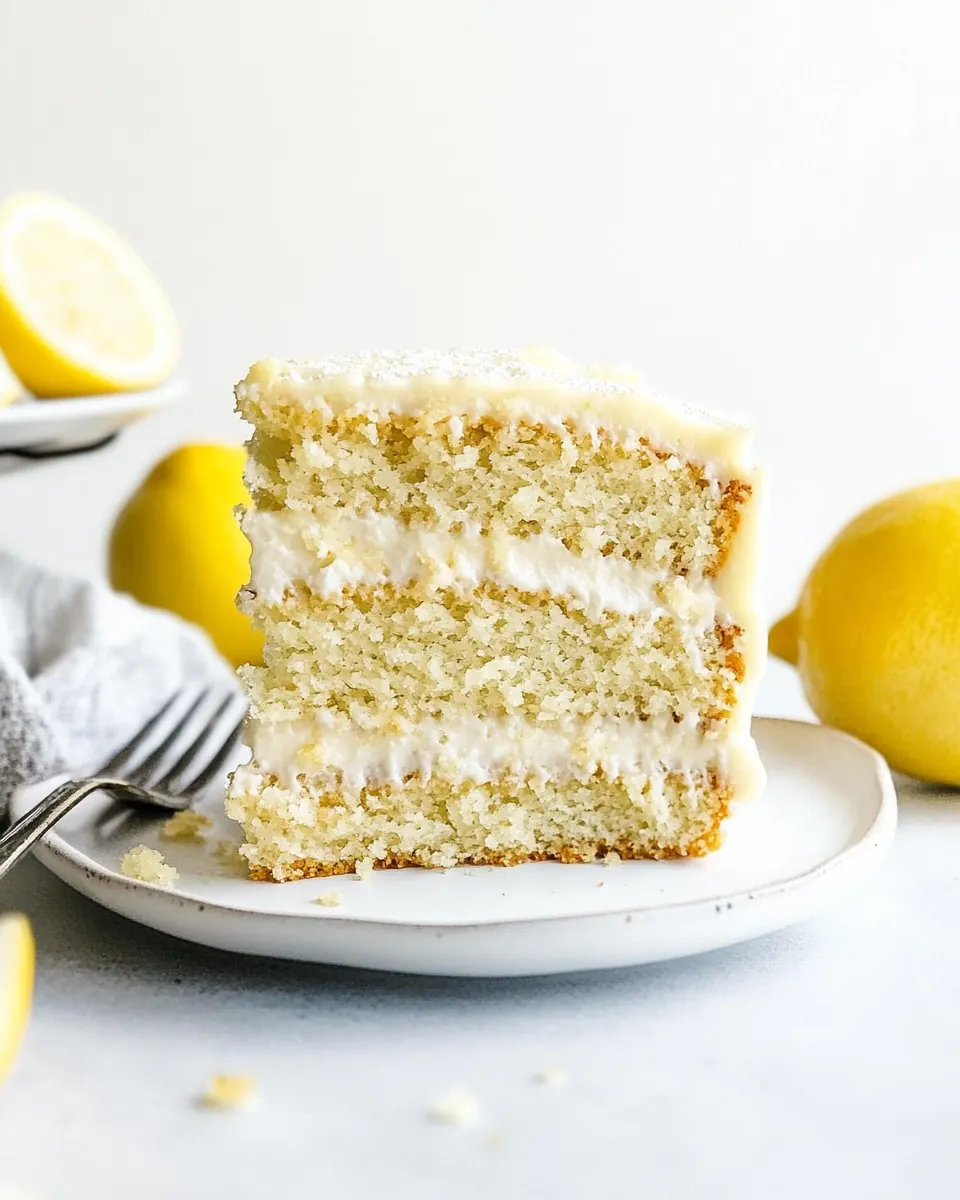
These components work together to create a bright, tender Lemon Cake. The boxed elements give structure and convenience, while fresh ingredients contribute lift, moisture, and zing. The key players are the flours for body, the fats for tenderness, and the citrus for aroma and balance.
- 1 1/2 cups all-purpose flour: Provides the primary structure and crumb to the cake by supplying gluten and starch; sifts to ensure even mixing and prevent lumps. Balances texture between tender cake flour and adds bulk to the batter for stability during baking.
- 1 1/2 cups cake flour: Contributes a tender, fine crumb due to its lower protein content and helps produce a softer cake texture; blends with all-purpose flour for optimal structure. Enhances delicate mouthfeel and lightness in the finished cake.
- 2 teaspoons baking powder: Leavens the batter by releasing carbon dioxide when activated by heat and moisture; helps the cake rise evenly and achieve a light texture. Also contributes slight alkalinity that balances tenderness and browning.
- 1/4 teaspoon baking soda: Provides additional leavening and reacts with acidic components in the batter to create lift and a tender crumb. Helps neutralize excess acidity from other ingredients for balanced flavor.
- 1/2 teaspoons salt: Enhances overall flavor by subtly seasoning the cake and strengthening gluten formation; helps balance sweetness and rounding other flavors. Used sparingly to avoid overt saltiness while improving taste depth.
- 1 cup unsalted butter, softened: Adds richness, moisture, and tender mouthfeel through fat content; when creamed with sugar, incorporates air for a lighter crumb. Also aids in flavor distribution and contributes to browning.
- 1 1/2 cups granulated sugar: Sweetens the cake and participates in creaming to incorporate air for leavening; controls moisture and caramelizes during baking for color and flavor. Also balances the lemon’s tartness in the batter.
- 2 tablespoons lemon zest from about 4 medium lemons: Imparts concentrated citrus aroma and bright lemon flavor; oils in the zest provide intense fragrance without added acidity. Works with juice and other lemon elements to create layered lemon character.
- 2 large eggs: Binds ingredients, contributes structure, and adds moisture and richness; proteins coagulate during baking to set the cake. Adds color and helps emulsify fats for uniform texture.
- 4 large egg whites: Further stabilizes and leavens the batter while adding lift without the richness of whole eggs; increases volume and lightness when folded into the mixture. Enhances structure through additional egg white protein.
- 1 teaspoon vanilla extract: Adds aromatics and subtle sweetness while rounding flavors; enhances the overall taste profile and complements the lemon notes. Helps with flavor complexity without altering texture significantly.
- 1/2 cup buttermilk: Provides acidity and tenderizes the crumb through its acid content; contributes tangy flavor and moisture for a soft cake. Reacts with leaveners for additional lift and enriches mouthfeel.
- 1 box lemon cake mix I use the betty crocker brand: Introduces concentrated lemon flavor and extra sweetness as a convenience component; complements homemade elements and boosts overall lemon intensity. May alter texture slightly due to packaged mix ingredients.
- 1 small package lemon instant pudding: Thickens and stabilizes the batter while adding lemon flavor and creamy mouthfeel; helps set fillings or layers and contributes moisture retention. Provides instant flavoring and structure without additional preparation.
- 1 cup plain Greek yogurt or sour cream: Adds creaminess, tang, and moisture while enriching the batter for a denser, more tender crumb; contributes lactic acid that reacts with leaveners. Offers a pleasant tang that complements the lemon elements.
- 3/4 cup water: Adjusts batter consistency and hydrates dry ingredients; contributes to mixing fluidity and influences baking time and crumb. Helps dissolve sugars and distribute flavors evenly throughout the batter.
- 3/4 cup oil (vegetable or canola): Serves as additional fat to increase moisture and tenderness; helps create a soft, tender crumb and improved mouthfeel. Neutral-flavored oil keeps lemon flavor prominent while aiding moistness.
- 4 large eggs: Provides richness, structure, and leavening support through added eggs; increases protein content for a firmer set and contributes moisture. Enhances color and emulsification when combined with fats.
- 1 cup butter (2 sticks), room temperature: Supplies fat, richness, and flavor while softening the crumb and enabling smooth creaming with sugar; contributes to tender texture and spread. Room–temperature butter ensures proper incorporation for consistent batters.
- 6 cups powdered sugar: Sweetens and helps create frosting structure by absorbing moisture and providing stability; powdered form enables smooth, pipeable frostings and dustings. Also dissolves to create glossy finishes when blended with butter and liquids.
- 1/3 – 1/2 cups fresh lemon juice: Adds bright acidity and fresh lemon flavor to balance sweetness; adjusts tanginess of glazes or frostings to preference. Fresh juice contributes volatile aromatics and natural acidity for brightness.
- 1 teaspoon lemon zest: Garnishes and intensifies lemon aroma with concentrated citrus oils; used lightly to lift flavors and add visual appeal. Complements juice and zest used elsewhere for layered lemon intensity.
Recipe Directions for Lemon Cake
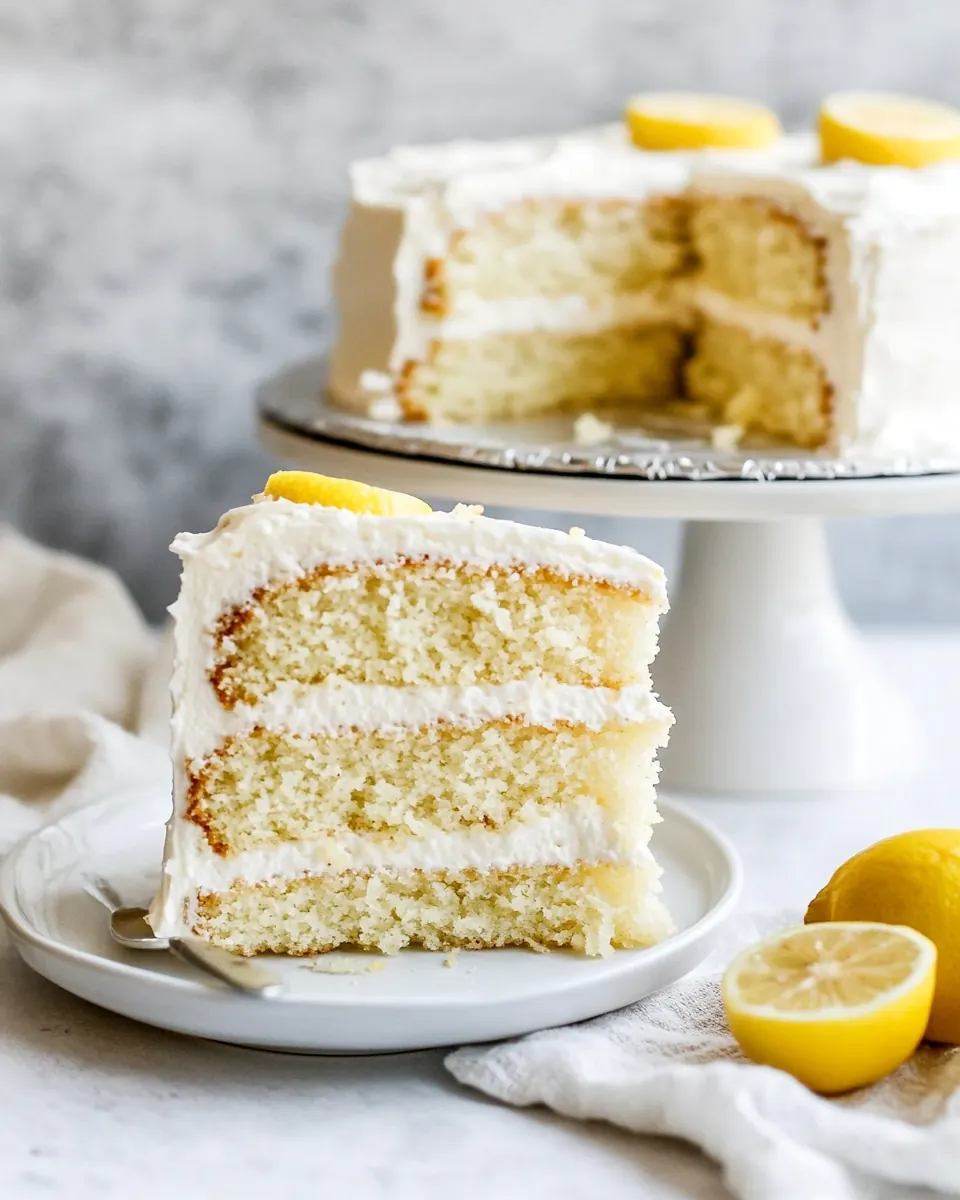
These directions walk you through preparation, baking, and finishing. I like to keep the kitchen organized and read each step before starting so nothing surprises me mid recipe. Now, follow these sequential actions and trust your senses as you go.
- Prep pans: Preheat oven to 350 degrees F. Line the bottom of two 9'' round baking pans with a piece of parchment paper and lightly spray all over the inside of the pan with nonstick cooking spray. Set aside.: The warm scent of a kitchen preparing to bake is comforting, and you will notice a faint warmth from the oven when you open it; this readiness prevents temperature drop when the batter goes in. Ensuring parchment is cut and fitted prevents sticking and makes unmolding simple, which preserves the cake edges and appearance. One common mistake is not spraying the sides after the parchment is placed, leading to cakes sticking along the rim, so be thorough with a light coating. Also, check the oven rack is centered for even rise. Proper pan prep reduces tearing when you invert the cakes, and it shortens cleanup time.
- Sift all-purpose flour and cake flour into a mixing bowl. Add baking powder, baking soda, and salt then stir to combine.: When you sift and blend these dry ingredients you create a uniform matrix so the leaveners are evenly distributed, which helps the cake rise uniformly and prevents pockets of baking powder. The mixture should look light and aerated, with a soft, almost powdery feel under your fingers. A common error is skipping sifting and getting uneven rise or small lumps of leavening, so take the extra minute to whisk thoroughly. Even distribution also helps flavor balance, so every bite gets the correct lift and tenderness.
- In a separate mixing bowl, add the butter, sugar and lemon zest then mix with an electric mixer until pale and fluffy, about 3-4 minutes. Add the whole eggs and mix well. Add the egg whites one at a time, mixing after each. Stir in the vanilla.: Creaming butter and granulated sugar releases air, producing a lighter texture; you will see the color shift to a pale yellow and notice a soft, billowy texture. Adding the lemon zest while creaming integrates citrus oils for aromatic lift. When you incorporate the eggs , add them gradually so the batter does not break; it should remain glossy and cohesive. A frequent mistake is adding eggs too quickly, causing a curdled appearance, but gentle mixing brings it back together. The aroma of citrus and sweet butter will be strong and inviting, which is a good sign you are on track.
- Alternately add in a little bit of the flour mixture and then the buttermilk, stirring between each addition. Divide batter evenly between the two prepared round cake pans.: Alternating dry and wet additions prevents overmixing and helps maintain a tender crumb; the batter should feel smooth and slightly thick, not dense. When pouring into pans, the batter's surface should be level and glossy; tapping the pans lightly on the counter removes air bubbles and encourages even settling. A typical slip is dumping all the flour at once, which can lead to a tough cake from overworked gluten, so be patient with the alternation. Weighing or visually dividing batter helps produce two cakes of equal height for easier stacking and frosting.
- Bake in preheated oven until toothpick inserted into center of the cakes comes out clean, about 24-29 minutes. Remove from oven and allow to cool several minutes in the pans, then transfer to a wire rack to cool completely.: During baking you will smell the lemon and butter deepen and see the edges pull slightly away from the pan as a visual cue of doneness; the top should be a pale golden tone. The toothpick test should yield a few moist crumbs, not wet batter. Letting the cakes rest in their pans for a few minutes allows structure to set, preventing collapse when inverted. A common mistake is leaving them in the pan too long, which can trap steam and make the bottom soggy, so use a timer and then move to a wire rack promptly.
- Add butter to a stand mixer or large mixing bowl and beat with beaters for 1 minute. Add 4 cups of powdered sugar, half of the lemon juice and the lemon zest. Beat well until smooth and creamy, about 3 minutes.: The first step of the frosting is about texture, not speed; soft butter beaten briefly becomes silky and ready to incorporate the sugar without lumps. When you add the initial portion of powdered sugar and lemon juice , the mixture will thicken and smell brightly citrusy, with a glossy sheen. If the frosting seems gritty, beat longer or sieve the sugar before adding. A typical pitfall is using cold butter, resulting in a lumpy frosting, so ensure the butter is room temperature for smoothness.
- Gradually add the remaining sugar, 1 cup at a time, and the remaining lemon juice until you reach your desired frosting consistency. Add more juice to thin, or more sugar to thicken.: Building the frosting slowly allows precise control over consistency and sweetness; as you add each cup of powdered sugar the frosting will firm up and the lemon aroma will intensify. Taste as you go so the balance of sweet and tart sits where you want it. A common misstep is adding all the juice at once which can make the frosting too thin and runny; if that happens, add more sugar and chill briefly to firm it back up. The final frosting should be silky, spreadable, and bright with citrus notes.
- Frost cake once the cake is completely cool.: Cooling completely is crucial so the frosting does not melt and slide off, you will notice a warm cake will steam slightly when frosted, which indicates it is too hot. When the layers are cool, the frosting spreads smoothly and holds any decorations or piping you choose. Avoid the temptation to frost warm layers, as this causes sliding and a thin, translucent coat; patience at this step preserves the cake's look and texture. Once frosted the cake will have a creamy exterior and a fragrant lemon finish that complements the tender crumb.
Recipe Variations about Lemon Cake
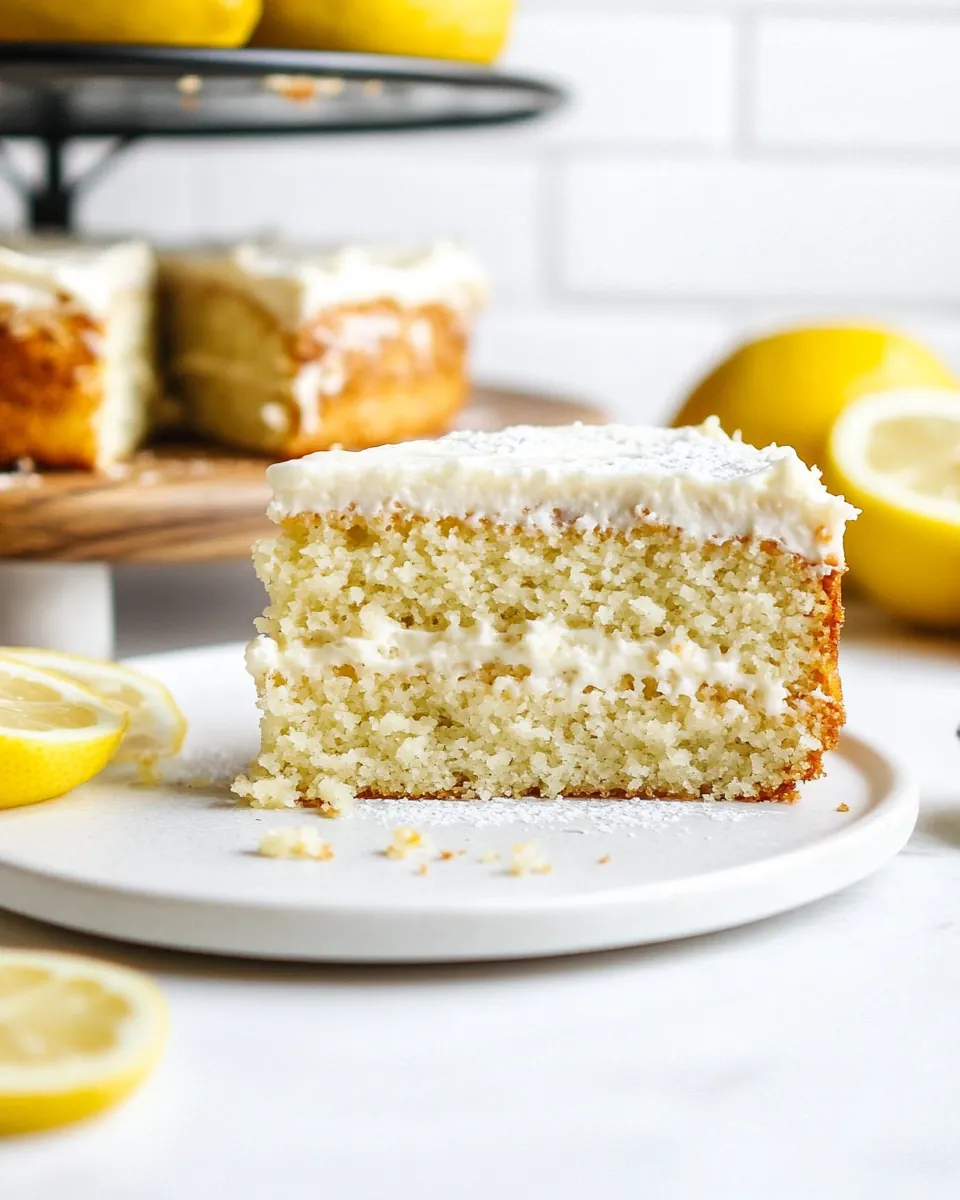
I like to offer variations that honor the cake‘s citrus core while giving you options for texture and presentation. Below are ideas I have used and refined over time.
- Citrus zest boost Add extra lemon zest which will intensify aroma without changing texture, and I often use one extra lemon when I want a more fragrant profile.
- Yogurt swap Use the Greek yogurt listed for a tangier crumb and slightly denser mouthfeel, which I prefer when making the cake a day ahead.
- Oil for moisture Use the specified oil from the mix to keep slices moist longer, especially if you plan to serve over multiple days.
- Frosting thinness Adjust the lemon juice in the frosting to control thickness, adding juice for a glaze like finish or more sugar for a pipeable buttercream.
- Presentation ideas Keep it simple with a dusting of powdered sugar and extra lemon zest, or pipe rosettes of frosting for a more formal look.
- Make ahead Bake layers a day ahead and wrap them tightly to preserve moisture, then frost on the serving day for fresher texture.
Serving This Lemon Cake
This section explains how I serve and pair this Lemon Cake. I like to offer suggestions for occasions, pairings, and storage so the cake looks and tastes its best when shared.
- Casual tea or coffee Serve a slice with a cup of coffee or tea for an afternoon treat.
- Celebrations and parties Use this cake for birthdays or spring gatherings, where its bright flavor complements festive menus.
- Seasonal pairings Pair with fresh berries or a light fruit salad in spring for contrast and color.
- Storage short term Keep the cake covered at room temperature for one day, then refrigerate to preserve the frosting and freshness for up to four days.
- Freezing option Freeze unfrosted layers wrapped tightly, then thaw overnight in the fridge before frosting for easier make ahead planning.
- Serving temperature Serve slightly chilled or at cool room temperature to let the frosting set and flavors shine through without being waxy or overly firm.
FAQ
Conclusion
This Lemon Cake stands out because it combines convenience with bright, fresh citrus flavor and a reliably moist crumb. The mix of boxed and fresh ingredients gives you a quick path to a cake that tastes homemade, with a frosting that balances sweet and tart. I encourage you to give it a try for your next spring gathering or when you want a sunny dessert that is simple to execute. Enjoy the bright aroma and that first tangy bite, and feel free to make it your own with small tweaks to frosting thickness or zest intensity.
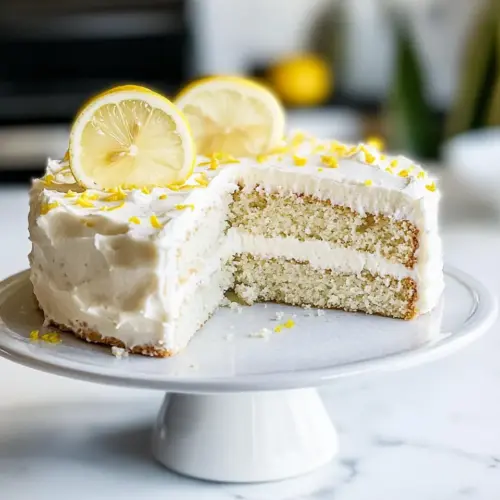
Lemon Cake
Equipment
- Cake Pans
- Hand Mixer
- Parchment Paper
Ingredients
- 1 1/2 cups all-purpose flour Provides the primary structure and crumb to the cake by supplying gluten and starch; sifts to ensure even mixing and prevent lumps. Balances texture between tender cake flour and adds bulk to the batter for stability during baking.
- 1 1/2 cups cake flour Contributes a tender, fine crumb due to its lower protein content and helps produce a softer cake texture; blends with all-purpose flour for optimal structure. Enhances delicate mouthfeel and lightness in the finished cake.
- 2 teaspoons baking powder Leavens the batter by releasing carbon dioxide when activated by heat and moisture; helps the cake rise evenly and achieve a light texture. Also contributes slight alkalinity that balances tenderness and browning.
- 1/4 teaspoon baking soda Provides additional leavening and reacts with acidic components in the batter to create lift and a tender crumb. Helps neutralize excess acidity from other ingredients for balanced flavor.
- 1/2 teaspoons salt Enhances overall flavor by subtly seasoning the cake and strengthening gluten formation; helps balance sweetness and rounding other flavors. Used sparingly to avoid overt saltiness while improving taste depth.
- 1 cup unsalted butter, softened Adds richness, moisture, and tender mouthfeel through fat content; when creamed with sugar, incorporates air for a lighter crumb. Also aids in flavor distribution and contributes to browning.
- 1 1/2 cups granulated sugar Sweetens the cake and participates in creaming to incorporate air for leavening; controls moisture and caramelizes during baking for color and flavor. Also balances the lemon’s tartness in the batter.
- 2 tablespoons lemon zest from about 4 medium lemons Imparts concentrated citrus aroma and bright lemon flavor; oils in the zest provide intense fragrance without added acidity. Works with juice and other lemon elements to create layered lemon character.
- 2 large eggs Binds ingredients, contributes structure, and adds moisture and richness; proteins coagulate during baking to set the cake. Adds color and helps emulsify fats for uniform texture.
- 4 large egg whites Further stabilizes and leavens the batter while adding lift without the richness of whole eggs; increases volume and lightness when folded into the mixture. Enhances structure through additional egg white protein.
- 1 teaspoon vanilla extract Adds aromatics and subtle sweetness while rounding flavors; enhances the overall taste profile and complements the lemon notes. Helps with flavor complexity without altering texture significantly.
- 1/2 cup buttermilk Provides acidity and tenderizes the crumb through its acid content; contributes tangy flavor and moisture for a soft cake. Reacts with leaveners for additional lift and enriches mouthfeel.
- 1 box lemon cake mix I use the betty crocker brand Introduces concentrated lemon flavor and extra sweetness as a convenience component; complements homemade elements and boosts overall lemon intensity. May alter texture slightly due to packaged mix ingredients.
- 1 small package lemon instant pudding Thickens and stabilizes the batter while adding lemon flavor and creamy mouthfeel; helps set fillings or layers and contributes moisture retention. Provides instant flavoring and structure without additional preparation.
- 1 cup plain Greek yogurt or sour cream Adds creaminess, tang, and moisture while enriching the batter for a denser, more tender crumb; contributes lactic acid that reacts with leaveners. Offers a pleasant tang that complements the lemon elements.
- 3/4 cup water Adjusts batter consistency and hydrates dry ingredients; contributes to mixing fluidity and influences baking time and crumb. Helps dissolve sugars and distribute flavors evenly throughout the batter.
- 3/4 cup oil (vegetable or canola) Serves as additional fat to increase moisture and tenderness; helps create a soft, tender crumb and improved mouthfeel. Neutral-flavored oil keeps lemon flavor prominent while aiding moistness.
- 4 large eggs Provides richness, structure, and leavening support through added eggs; increases protein content for a firmer set and contributes moisture. Enhances color and emulsification when combined with fats.
- 1 cup butter (2 sticks), room temperature Supplies fat, richness, and flavor while softening the crumb and enabling smooth creaming with sugar; contributes to tender texture and spread. Room-temperature butter ensures proper incorporation for consistent batters.
- 6 cups powdered sugar Sweetens and helps create frosting structure by absorbing moisture and providing stability; powdered form enables smooth, pipeable frostings and dustings. Also dissolves to create glossy finishes when blended with butter and liquids.
- 1/3 – 1/2 cups fresh lemon juice Adds bright acidity and fresh lemon flavor to balance sweetness; adjusts tanginess of glazes or frostings to preference. Fresh juice contributes volatile aromatics and natural acidity for brightness.
- 1 teaspoon lemon zest Garnishes and intensifies lemon aroma with concentrated citrus oils; used lightly to lift flavors and add visual appeal. Complements juice and zest used elsewhere for layered lemon intensity.
Instructions
- Prep pans: Preheat oven to 350 degrees F. Line the bottom of two 9'' round baking pans with a piece of parchment paper and lightly spray all over the inside of the pan with nonstick cooking spray. Set aside.: The warm scent of a kitchen preparing to bake is comforting, and you will notice a faint warmth from the oven when you open it; this readiness prevents temperature drop when the batter goes in. Ensuring parchment is cut and fitted prevents sticking and makes unmolding simple, which preserves the cake edges and appearance. One common mistake is not spraying the sides after the parchment is placed, leading to cakes sticking along the rim, so be thorough with a light coating. Also, check the oven rack is centered for even rise. Proper pan prep reduces tearing when you invert the cakes, and it shortens cleanup time.
- Sift all-purpose flour and cake flour into a mixing bowl. Add baking powder, baking soda, and salt then stir to combine.: When you sift and blend these dry ingredients you create a uniform matrix so the leaveners are evenly distributed, which helps the cake rise uniformly and prevents pockets of baking powder. The mixture should look light and aerated, with a soft, almost powdery feel under your fingers. A common error is skipping sifting and getting uneven rise or small lumps of leavening, so take the extra minute to whisk thoroughly. Even distribution also helps flavor balance, so every bite gets the correct lift and tenderness.
- In a separate mixing bowl, add the butter, sugar and lemon zest then mix with an electric mixer until pale and fluffy, about 3-4 minutes. Add the whole eggs and mix well. Add the egg whites one at a time, mixing after each. Stir in the vanilla.: Creaming butter and granulated sugar releases air, producing a lighter texture; you will see the color shift to a pale yellow and notice a soft, billowy texture. Adding the lemon zest while creaming integrates citrus oils for aromatic lift. When you incorporate the eggs , add them gradually so the batter does not break; it should remain glossy and cohesive. A frequent mistake is adding eggs too quickly, causing a curdled appearance, but gentle mixing brings it back together. The aroma of citrus and sweet butter will be strong and inviting, which is a good sign you are on track.
- Alternately add in a little bit of the flour mixture and then the buttermilk, stirring between each addition. Divide batter evenly between the two prepared round cake pans.: Alternating dry and wet additions prevents overmixing and helps maintain a tender crumb; the batter should feel smooth and slightly thick, not dense. When pouring into pans, the batter's surface should be level and glossy; tapping the pans lightly on the counter removes air bubbles and encourages even settling. A typical slip is dumping all the flour at once, which can lead to a tough cake from overworked gluten, so be patient with the alternation. Weighing or visually dividing batter helps produce two cakes of equal height for easier stacking and frosting.
- Bake in preheated oven until toothpick inserted into center of the cakes comes out clean, about 24-29 minutes. Remove from oven and allow to cool several minutes in the pans, then transfer to a wire rack to cool completely.: During baking you will smell the lemon and butter deepen and see the edges pull slightly away from the pan as a visual cue of doneness; the top should be a pale golden tone. The toothpick test should yield a few moist crumbs, not wet batter. Letting the cakes rest in their pans for a few minutes allows structure to set, preventing collapse when inverted. A common mistake is leaving them in the pan too long, which can trap steam and make the bottom soggy, so use a timer and then move to a wire rack promptly.
- Add butter to a stand mixer or large mixing bowl and beat with beaters for 1 minute. Add 4 cups of powdered sugar, half of the lemon juice and the lemon zest. Beat well until smooth and creamy, about 3 minutes.: The first step of the frosting is about texture, not speed; soft butter beaten briefly becomes silky and ready to incorporate the sugar without lumps. When you add the initial portion of powdered sugar and lemon juice , the mixture will thicken and smell brightly citrusy, with a glossy sheen. If the frosting seems gritty, beat longer or sieve the sugar before adding. A typical pitfall is using cold butter, resulting in a lumpy frosting, so ensure the butter is room temperature for smoothness.
- Gradually add the remaining sugar, 1 cup at a time, and the remaining lemon juice until you reach your desired frosting consistency. Add more juice to thin, or more sugar to thicken.: Building the frosting slowly allows precise control over consistency and sweetness; as you add each cup of powdered sugar the frosting will firm up and the lemon aroma will intensify. Taste as you go so the balance of sweet and tart sits where you want it. A common misstep is adding all the juice at once which can make the frosting too thin and runny; if that happens, add more sugar and chill briefly to firm it back up. The final frosting should be silky, spreadable, and bright with citrus notes.
- Frost cake once the cake is completely cool.: Cooling completely is crucial so the frosting does not melt and slide off, you will notice a warm cake will steam slightly when frosted, which indicates it is too hot. When the layers are cool, the frosting spreads smoothly and holds any decorations or piping you choose. Avoid the temptation to frost warm layers, as this causes sliding and a thin, translucent coat; patience at this step preserves the cake's look and texture. Once frosted the cake will have a creamy exterior and a fragrant lemon finish that complements the tender crumb.
Notes
- Citrus zest boost Add extra lemon zest which will intensify aroma without changing texture, and I often use one extra lemon when I want a more fragrant profile.
- Yogurt swap Use the Greek yogurt listed for a tangier crumb and slightly denser mouthfeel, which I prefer when making the cake a day ahead.
- Oil for moisture Use the specified oil from the mix to keep slices moist longer, especially if you plan to serve over multiple days.
- Frosting thinness Adjust the lemon juice in the frosting to control thickness, adding juice for a glaze like finish or more sugar for a pipeable buttercream.
- Presentation ideas Keep it simple with a dusting of powdered sugar and extra lemon zest, or pipe rosettes of frosting for a more formal look.
- Make ahead Bake layers a day ahead and wrap them tightly to preserve moisture, then frost on the serving day for fresher texture.
