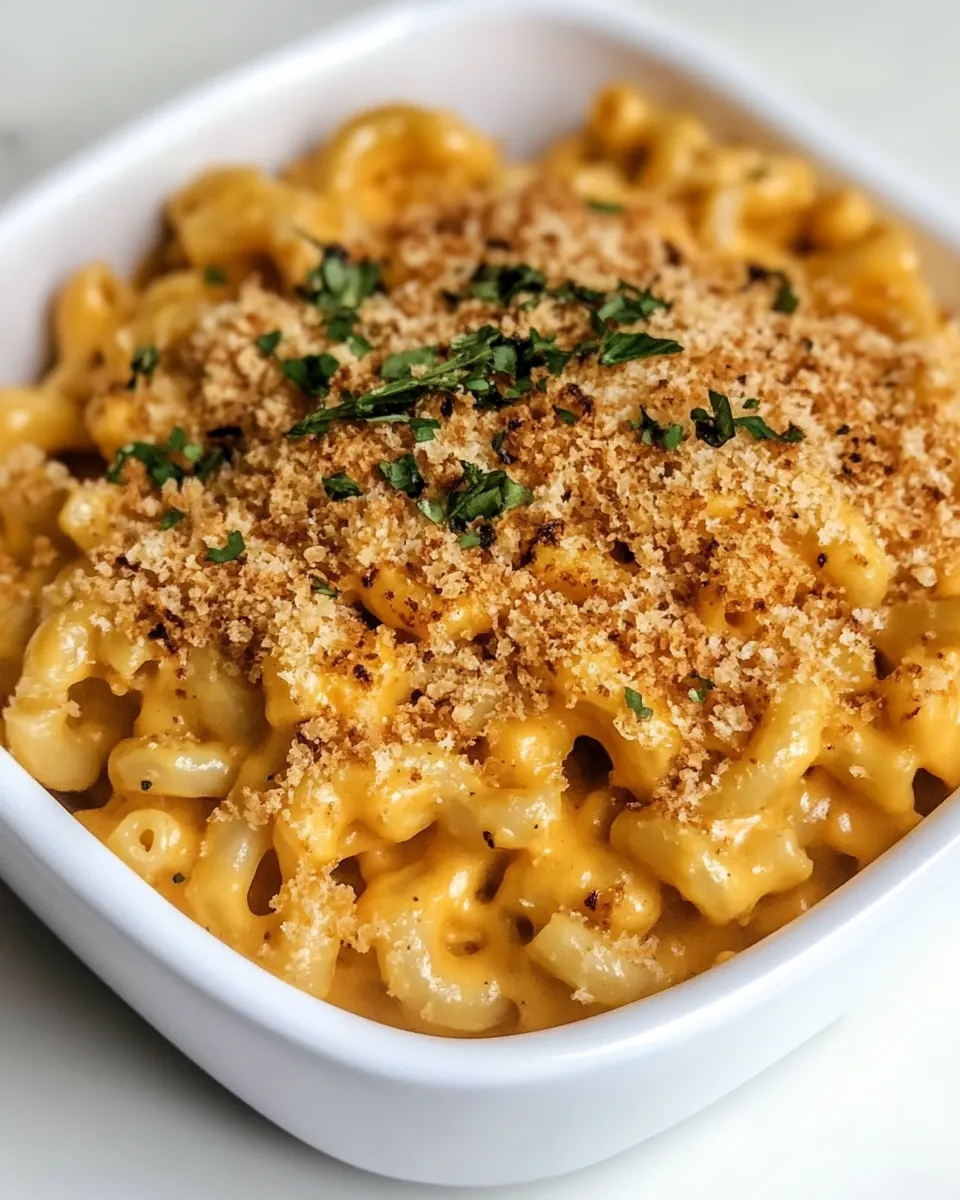
Vegan Butternut Squash Mac and Cheese
Vegan Butternut Squash Mac and Cheese first captured my heart on a rainy autumn evening when I wanted something comforting yet lighter than the usual creamy casseroles. I remember pulling a squat, bright orange squash from the crate at the market, thinking about how its sweetness could stand in for dairy, and how a simple pantry of pantry staples could transform into a luscious sauce. I was skeptical at first, but after the first spoonful I was sold, and the scent of warm squash and nutty yeast became an instant seasonal ritual.
Over time I learned small adjustments that make this recipe sing, from toasting the crumbs until they whisper of caramel to balancing salt so each forkful tastes complete. Friends who avoid vegan cooking now ask for the recipe by name, and I love how it travels well to potlucks or quiet weeknight dinners. Each batch I make reminds me that great cooking doesn’t need complexity, just thoughtful technique and a few strong players.
Recipe Snapshot
50 mins
30 mins
20 mins
Medium
400 kcal
American
Vegan, Gluten-Free
Dinner
Large pot or Dutch oven, Steamer basket, Saucepan, Blender, Baking dish
Why This Vegan Butternut Squash Mac and Cheese Hits Different
Comfort without compromise
I adore how Vegan Butternut Squash Mac and Cheese gives you that classic creamy mouthfeel without dairy. The texture is rich and velvety, and I often serve it when someone asks for something indulgent but plant based. It satisfies the craving for comfort food while keeping the dish lighter and bright with real vegetables.
Ingredient synergy
The cast of characters here, from the sweet butternut squash to the nutty nutritional yeast, work together in a way that feels intentional. Each element has a job, whether it is building body, adding umami, or lending crunch. I always notice how the flavors layer rather than compete, which is why this recipe feels balanced every time.
Accessible technique
There is no exotic equipment required, and most steps are familiar: steaming, blending, and boiling pasta. That simplicity makes this a weekday hero for me. You can focus on timing and texture instead of hunting down rare ingredients, and the payoff is enormous for the effort.
Customizable and forgiving
I love that this dish adapts easily. If I have extra herbs I fold them in at the end, or I’ll toast crumbs when I want a crisp topping. The sauce tolerates a little tweaking, like extra nutritional yeast for cheesier notes or a splash more lemon juice to brighten. Because the base is sturdy, small changes rarely derail the final result.
Seasonal star
This recipe shines in the cooler months when butternut squash is in its prime. I serve it at cozy dinners and casual gatherings, and it always feels appropriate for autumn menus. The warm color and comforting aroma alone make the table feel festive.
Key Ingredients for Vegan Butternut Squash Mac and Cheese
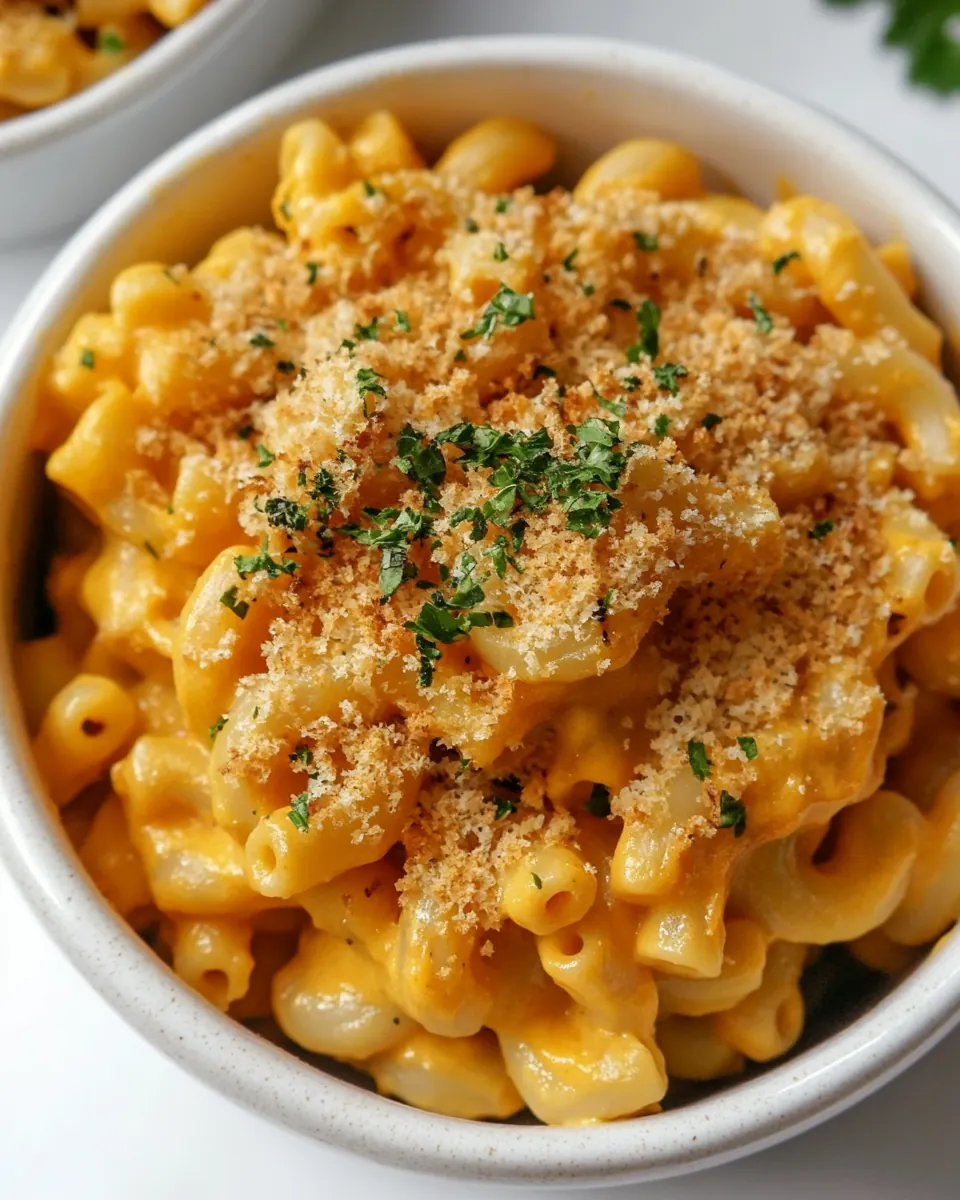
These ingredients were chosen to create the creamy texture and savory depth of a classic mac and cheese while keeping it vegan. The philosophy is simple: a starchy, sweet vegetable for body, fortified pantry players for umami, and a small crunchy element to provide contrast. Each item plays a clear role in mouthfeel, balance, or aroma, so they come together to feel cohesive and satisfying.
- 2 cups cubed butternut squash, cut into 1 1/2-inch cubes: Provide sweetness and creamy body when cooked and pureed; roast or boil until tender to create the base of the cheese-like sauce and add natural color and depth to the dish.
- 1/2 cup panko bread crumbs, * step (optional): Add crunchy topping texture when desired; sprinkle evenly over the baked macaroni for a golden, crisp finish or omit for a softer casserole surface.
- 1 clove garlic, minced: Impart a sharp, savory note and aromatic depth; sauté briefly with oil to mellow raw bite and enhance overall savory flavor in the sauce.
- 2 tbsp arrowroot powder, or cornstarch: Thicken the sauce to a smooth, velvety consistency; whisk into the warm non-dairy milk to create a glossy, stable roux-like binder for the cheese mixture.
- 1 cup unsweetened plain non-dairy milk, such as soy, oat, or almond milk: Create a creamy, dairy-free liquid base; combine with arrowroot and heat gently to form a silky sauce that carries the nutty, cheesy flavors.
- 1 tbsp grapeseed oil, canola oil, or vegan butter (such as Earth Balance): Provide a neutral cooking fat for sautéing and finishing; use to soften aromatics and help the sauce develop a richer mouthfeel without overpowering flavors.
- 3 tsp smooth Dijon mustard: Introduce tangy, savory complexity and emulsifying power; whisk into the sauce to brighten flavors and help bind the mixture for a cohesive taste.
- 1 tsp onion powder: Contribute concentrated savory aroma and background sweetness; sprinkle into the sauce to enhance the overall umami profile without adding fresh onions.
- 1 tbsp fresh lemon juice: Brighten and balance the richness with acidity; stir into the finished sauce to lift flavors and add a subtle fresh citrus note.
- 1 cup nutritional yeast: Deliver cheesy, nutty, savory umami while keeping the dish vegan; blend into the pureed squash sauce to simulate traditional cheese flavor and add depth.
- 1 1/2 tsp sea salt: Season the dish evenly to enhance all flavors; dissolve into the sauce and adjust to taste to ensure the final mac and cheese is well balanced.
- 8 oz macaroni pasta, 1/2 pack of pasta, or another small-shaped pasta such as shells, wagon wheels, or cavatappi: Provide the classic pasta vehicle for the sauce; cook until al dente so the sauce adheres to small–shaped noodles and creates a satisfying bite.
- 1/4 cup fresh parsley, minced: Add a fresh herbal finish and visual contrast; mince and sprinkle over the plated dish to contribute a bright, slightly peppery note and color.
How to Cook Vegan Butternut Squash Mac and Cheese
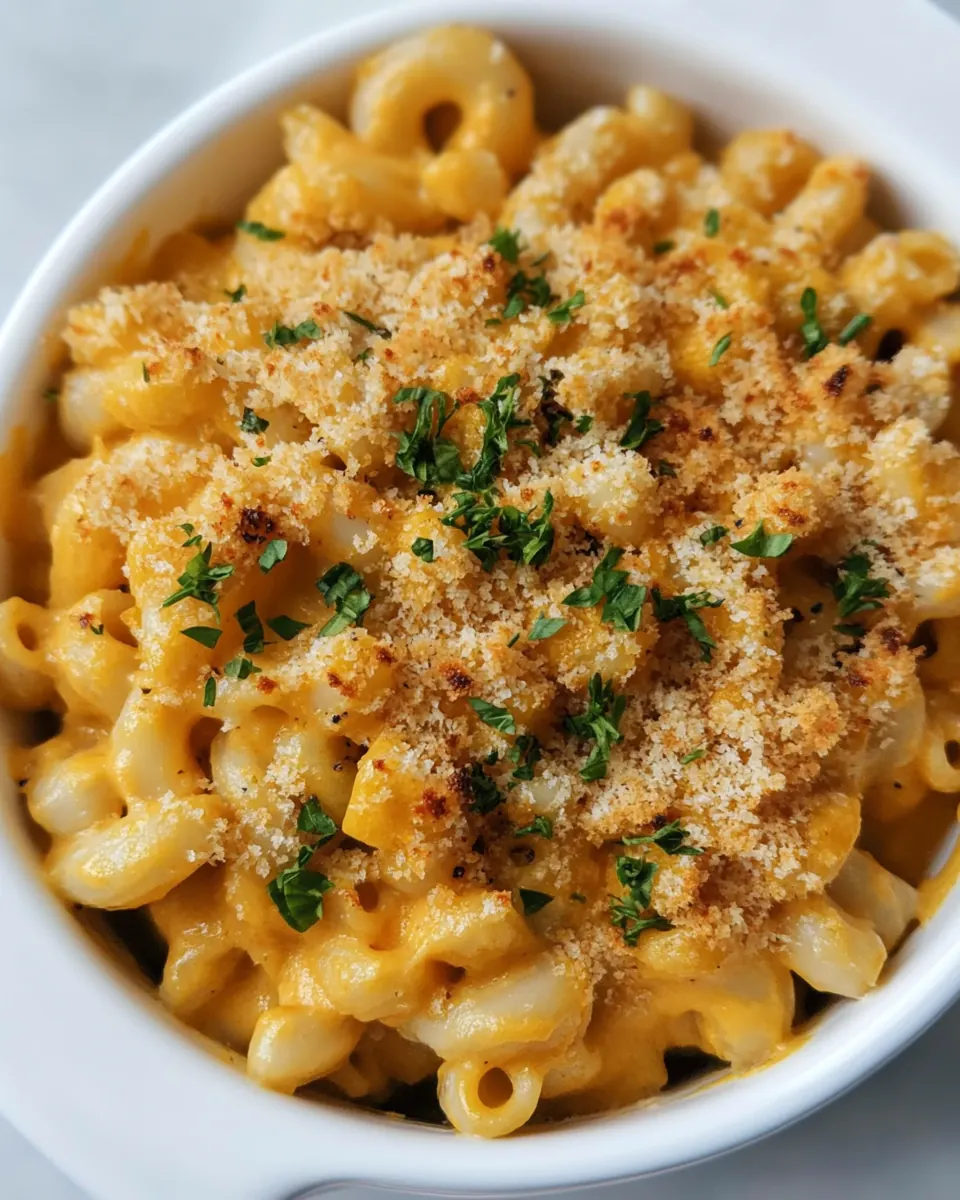
This method walks you through building the sauce, cooking the pasta, and finishing with a crisp topping. I like to keep my mise en place ready so transitions are smooth, and to taste frequently as you blend and season. Follow the sequence and pay attention to texture cues rather than clock times alone.
- Fit a large pot or Dutch oven with a steamer basket. Add 1 1/2 inches of water to the pot and bring it to a boil over medium-high heat. Add the butternut squash to the basket, cover, and steam for 15 minutes or until very tender.: Warm steam will coax the starches in the butternut squash to soften, releasing a faintly sweet aroma that fills the kitchen. You should hear a gentle hiss as the water simmers, and the squash will yield easily to a fork when done, signaling the right tenderness for blending. Steaming preserves moisture and bright flavor compared with overboiling, which can waterlog the flesh and dilute sweetness. A common mistake is crowding the basket, which leads to uneven cooking; give the cubes space so steam circulates. Drain and let the cubes cool slightly before blending to avoid scalding and to help the sauce emulsify smoothly.
- Preheat oven or toaster oven to 350°. Pour the panko bread crumbs into a baking dish, and toast for 7 minutes, or until golden. Set aside for topping the finished mac & cheese.: As the crumbs toast, they release a warm, toasty scent that signals crispness and more complex flavors. Watch them closely in the oven because they can go from golden to burnt quickly, and stirring once or twice ensures even browning. The crunchy texture they provide is crucial for contrast against the creamy sauce, so allow them to cool on a plate where they will firm up and stay crisp. Avoid skipping this step if you want a textural counterpoint; untossed, untoasted crumbs will remain soft and will not provide the same satisfying crunch.
- Whisk the arrowroot powder and 1/3 cup of the milk in a small mixing bowl until smooth. Set aside.: This blending step eliminates lumps and creates a slurry that integrates into the sauce without clumps. You should see a glossy, pourable mixture that is free of white starch bits. Working cold prevents immediate thickening and gives you control once the slurry hits the warmed milk. One pitfall is adding the starch directly to hot liquid, which causes lumps; pre mixing with a cool portion of the non dairy milk avoids this entirely.
- Warm a saucepan over medium heat. Add the oil or vegan butter and heat until melted. Add the minced garlic and sauté for 1-2 minutes, until just golden.: When the oil shimmers and the aroma of garlic begins to bloom, the base is ready. The sizzling sound will soften to a gentle bubble as the garlic releases its sugars, and a light golden color indicates it has turned aromatic without bitterness. Keep the heat moderate, stirring frequently, because overbrowned garlic yields a burnt, acrid taste that can dominate the sauce. If you accidentally brown it, start over to avoid that charred edge in the final dish.
- Add the remaining soy milk, Dijon mustard, onion powder, lemon juice, nutritional yeast, and salt to the saucepan. Whisk to combine.: As you whisk these ingredients together, a nutty, savory scent from the nutritional yeast and a subtle tang from the Dijon mustard will mingle. The liquid should look unified and slightly cloudy from the yeast. This is the flavor backbone, so tasting at this stage is important; adjust salt or lemon to achieve a lively balance that will carry through the pasta. A typical misstep is underseasoning, because the pasta will dilute the sauce, so err on the side of assertive seasoning.
- Whisk the arrowroot milk mixture into the saucepan. Cook over medium-low heat, whisking regularly, for 3 minutes or until thickened.: Gentle heat activates the thickening power of the starch, and you will notice the sauce become glossy and coat the back of a spoon. The whisking motion keeps the texture smooth and prevents the starch from settling. Sensory cues include a quiet bubbling and a thicker mouth coating when you taste a small amount. Avoid high heat, which can break down the thickening and make the sauce thin or grainy; patience yields the best texture.
- Cook the pasta following the package directions until al dente, or still slightly chewy. Drain the noodles.: Boiling salted water should smell faintly mineral and lively, and the pasta will glide in the pot, releasing small starchy bubbles. Al dente means a slight resistance when bitten and ensures the pasta holds up when mixed with the warm sauce. Drain promptly to prevent residual heat from softening the noodles too much. A common error is overcooking, which results in mushy texture once combined with the sauce; set a timer and taste a minute early to check for that pleasant chew.
- Transfer the sauce to a blender and add the butternut squash. Blend until smooth and season with more nutritional yeast and salt to taste. The sauce should be pretty salty to balance the noodles.: In the blender the sauce becomes silky, and you will see a glossy, uniformly colored emulsion form. The sound of the blender shifts as large pieces become a smooth, humming pour, and the aroma will be richer and slightly sweeter once pureed. Seasoning after blending lets you fine tune the savory notes because sweetness is now more pronounced. One mistake is underblending, leaving small fibers or lumps; blend until completely smooth for the best mouthfeel.
- Pour the cheese sauce over the noodles and stir well to coat. Enjoy hot!: The moment you combine the sauce and pasta , steam rises with a warm, comforting scent. Stir gently but thoroughly so every piece is glossed with sauce, and serve immediately for the creamiest experience. Visually, the noodles should glisten and hold a smooth film of sauce. If you let it sit too long before serving, the pasta will absorb more sauce and the texture will firm up; serve promptly for optimal creaminess.
- Garnish with the toasted panko bread crumbs and fresh parsley.: Sprinkle the golden panko bread crumbs and bright parsley to add contrast and freshness. The first forkful should deliver a pleasing crunch followed by the warm, smooth sauce and a herbaceous finish from the parsley. Adding the topping just before serving preserves its texture. A common oversight is adding toasted crumbs too early, which causes them to soften from steam, robbing the dish of that crunchy surprise.
Variations to Try
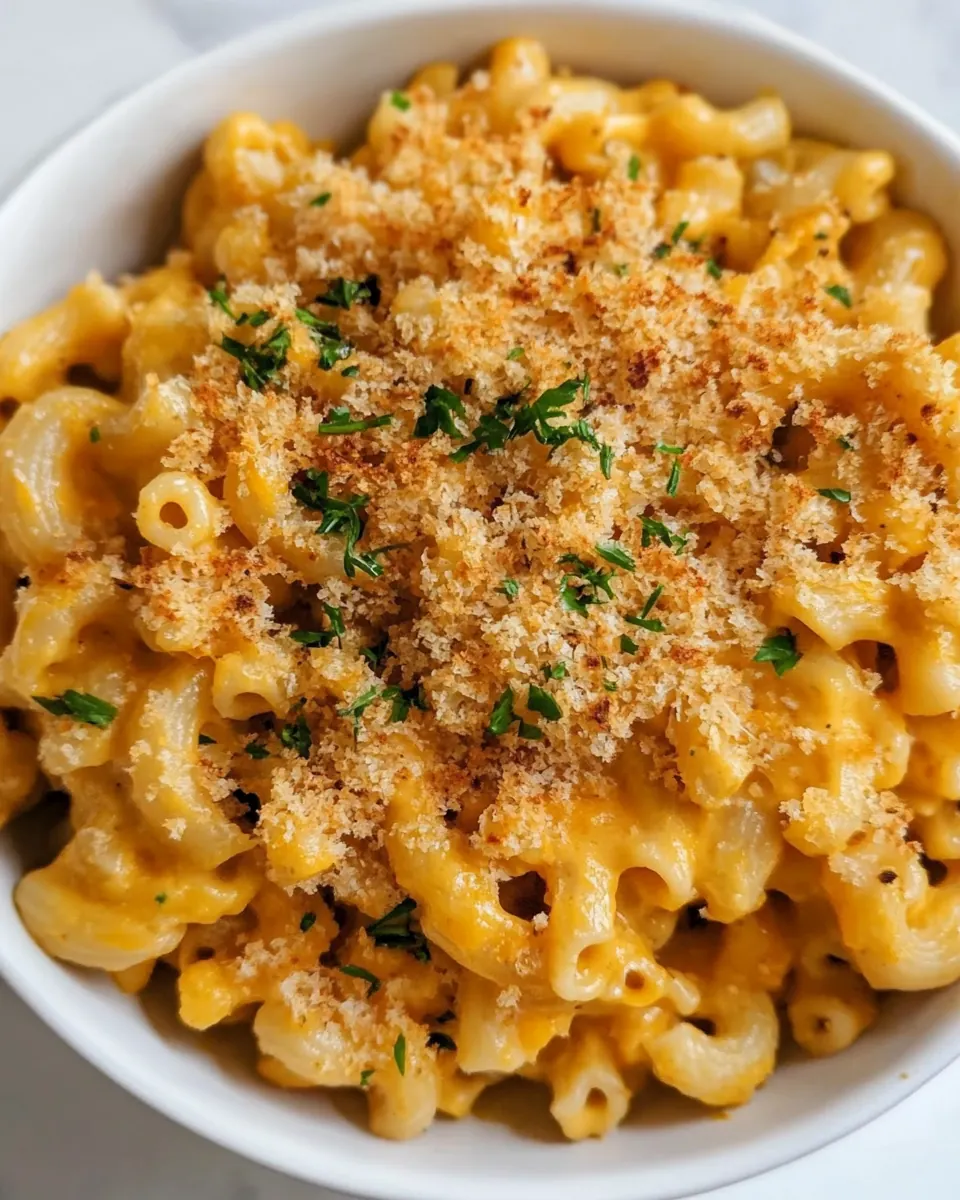
This dish is flexible and friendly to small experiments. Below are practical variations and ideas that preserve the integrity of Vegan Butternut Squash Mac and Cheese while offering new textures and flavor accents. Each tip starts with a focused suggestion to help you adapt the recipe confidently.
- Swap cooking method by roasting the butternut squash instead of steaming for a caramelized, deeper sweetness; toss the cubes with a tablespoon of neutral oil and roast at 375ºF until golden and tender, which intensifies flavor and adds a toasty edge to the sauce.
- Boost cheesiness by increasing the amount of nutritional yeast gradually; add a tablespoon at a time after blending and taste so you reach your desired savory depth without overpowering the squash.
- Make it herbaceous by stirring extra minced parsley or other fresh herbs into the finished dish for brightness; add just before serving to preserve the fresh green color and lively aroma.
- Crunch upgrade by mixing the panko bread crumbs with a touch of olive or vegan butter before toasting to achieve richer browning and a more satisfying crisp topping for contrast.
- Milk choices matter, choose a fuller bodied unsweetened non dairy milk such as soy or oat for a creamier mouthfeel, while lighter milks will yield a silkier but slightly thinner sauce.
- Starch alternatives if you do not have arrowroot, use cornstarch in the same amount, mixing it with cold milk first, and cook gently to avoid a gluey texture; each starch behaves slightly differently so adjust heat and timing as needed.
What Goes Well With This Vegan Butternut Squash Mac and Cheese
This Vegan Butternut Squash Mac and Cheese pairs well with simple salads and roasted vegetables to round out a meal. It fits casual weeknight dinners as well as cozy holiday sides. Think about contrasting textures and bright flavors to balance the creamy pasta. Below are serving ideas, occasions, and storage tips presented as practical options to help you plan the whole meal.
- Light green salad with a sharp vinaigrette provides acidity and crunch, cutting through the richness of the sauce and offering a refreshing counterpoint.
- Roasted Brussels sprouts or other roasted winter vegetables make a hearty side, their caramelized edges adding savory complexity that pairs beautifully with the sweet squash base.
- Casual weeknight dinner serve this dish with simple steamed greens or a wedge salad for an easy, satisfying meal that feels like a treat without fuss.
- Holiday side during autumn gatherings present it alongside roasted mains and a selection of seasonal vegetables, where its warm color and cozy flavors complement festive menus.
- Storage tips cool completely before refrigerating in an airtight container for up to three days; reheat gently in the oven at 350ºF or in the microwave, stirring occasionally for even warming.
- Freezing guidance portion into freezer safe containers and freeze up to three months, thaw overnight in the refrigerator before reheating to preserve texture and flavor.
FAQ
Conclusion
This recipe stands out because it transforms humble ingredients into a creamy, comforting dish that feels indulgent yet entirely plant based. I encourage you to give it a try, whether you make it for a weeknight dinner or bring it to a seasonal gathering. It’s forgiving to small adjustments, pairs well with bright salads or roasted sides, and consistently draws compliments for its flavor and texture. Enjoy the cozy warmth and the easy satisfaction of a dish that brings people together.
Vegan Butternut Squash Mac and Cheese
Equipment
- Large Pot or Dutch Oven
- Steamer basket
- Saucepan
- Blender
- Baking Dish
Ingredients
- 2 cups cubed butternut squash, cut into 1 1/2-inch cubes Provide sweetness and creamy body when cooked and pureed; roast or boil until tender to create the base of the cheese-like sauce and add natural color and depth to the dish.
- 1/2 cup panko bread crumbs, *optional step Add crunchy topping texture when desired; sprinkle evenly over the baked macaroni for a golden, crisp finish or omit for a softer casserole surface.
- 1 clove garlic, minced Impart a sharp, savory note and aromatic depth; sauté briefly with oil to mellow raw bite and enhance overall savory flavor in the sauce.
- 2 tbsp arrowroot powder, or cornstarch Thicken the sauce to a smooth, velvety consistency; whisk into the warm non-dairy milk to create a glossy, stable roux-like binder for the cheese mixture.
- 1 cup unsweetened plain non-dairy milk, such as soy, oat, or almond milk Create a creamy, dairy-free liquid base; combine with arrowroot and heat gently to form a silky sauce that carries the nutty, cheesy flavors.
- 1 tbsp grapeseed oil, canola oil, or vegan butter (such as Earth Balance) Provide a neutral cooking fat for sautéing and finishing; use to soften aromatics and help the sauce develop a richer mouthfeel without overpowering flavors.
- 3 tsp smooth Dijon mustard Introduce tangy, savory complexity and emulsifying power; whisk into the sauce to brighten flavors and help bind the mixture for a cohesive taste.
- 1 tsp onion powder Contribute concentrated savory aroma and background sweetness; sprinkle into the sauce to enhance the overall umami profile without adding fresh onions.
- 1 tbsp fresh lemon juice Brighten and balance the richness with acidity; stir into the finished sauce to lift flavors and add a subtle fresh citrus note.
- 1 cup nutritional yeast Deliver cheesy, nutty, savory umami while keeping the dish vegan; blend into the pureed squash sauce to simulate traditional cheese flavor and add depth.
- 1 1/2 tsp sea salt Season the dish evenly to enhance all flavors; dissolve into the sauce and adjust to taste to ensure the final mac and cheese is well balanced.
- 8 oz macaroni pasta, 1/2 pack of pasta, or another small-shaped pasta such as shells, wagon wheels, or cavatappi Provide the classic pasta vehicle for the sauce; cook until al dente so the sauce adheres to small-shaped noodles and creates a satisfying bite.
- 1/4 cup fresh parsley, minced Add a fresh herbal finish and visual contrast; mince and sprinkle over the plated dish to contribute a bright, slightly peppery note and color.
Instructions
- Fit a large pot or Dutch oven with a steamer basket. Add 1 1/2 inches of water to the pot and bring it to a boil over medium-high heat. Add the butternut squash to the basket, cover, and steam for 15 minutes or until very tender.: Warm steam will coax the starches in the butternut squash to soften, releasing a faintly sweet aroma that fills the kitchen. You should hear a gentle hiss as the water simmers, and the squash will yield easily to a fork when done, signaling the right tenderness for blending. Steaming preserves moisture and bright flavor compared with overboiling, which can waterlog the flesh and dilute sweetness. A common mistake is crowding the basket, which leads to uneven cooking; give the cubes space so steam circulates. Drain and let the cubes cool slightly before blending to avoid scalding and to help the sauce emulsify smoothly.
- Preheat oven or toaster oven to 350°. Pour the panko bread crumbs into a baking dish, and toast for 7 minutes, or until golden. Set aside for topping the finished mac & cheese.: As the crumbs toast, they release a warm, toasty scent that signals crispness and more complex flavors. Watch them closely in the oven because they can go from golden to burnt quickly, and stirring once or twice ensures even browning. The crunchy texture they provide is crucial for contrast against the creamy sauce, so allow them to cool on a plate where they will firm up and stay crisp. Avoid skipping this step if you want a textural counterpoint; untossed, untoasted crumbs will remain soft and will not provide the same satisfying crunch.
- Whisk the arrowroot powder and 1/3 cup of the milk in a small mixing bowl until smooth. Set aside.: This blending step eliminates lumps and creates a slurry that integrates into the sauce without clumps. You should see a glossy, pourable mixture that is free of white starch bits. Working cold prevents immediate thickening and gives you control once the slurry hits the warmed milk. One pitfall is adding the starch directly to hot liquid, which causes lumps; pre mixing with a cool portion of the non dairy milk avoids this entirely.
- Warm a saucepan over medium heat. Add the oil or vegan butter and heat until melted. Add the minced garlic and sauté for 1-2 minutes, until just golden.: When the oil shimmers and the aroma of garlic begins to bloom, the base is ready. The sizzling sound will soften to a gentle bubble as the garlic releases its sugars, and a light golden color indicates it has turned aromatic without bitterness. Keep the heat moderate, stirring frequently, because overbrowned garlic yields a burnt, acrid taste that can dominate the sauce. If you accidentally brown it, start over to avoid that charred edge in the final dish.
- Add the remaining soy milk, Dijon mustard, onion powder, lemon juice, nutritional yeast, and salt to the saucepan. Whisk to combine.: As you whisk these ingredients together, a nutty, savory scent from the nutritional yeast and a subtle tang from the Dijon mustard will mingle. The liquid should look unified and slightly cloudy from the yeast. This is the flavor backbone, so tasting at this stage is important; adjust salt or lemon to achieve a lively balance that will carry through the pasta. A typical misstep is underseasoning, because the pasta will dilute the sauce, so err on the side of assertive seasoning.
- Whisk the arrowroot milk mixture into the saucepan. Cook over medium-low heat, whisking regularly, for 3 minutes or until thickened.: Gentle heat activates the thickening power of the starch, and you will notice the sauce become glossy and coat the back of a spoon. The whisking motion keeps the texture smooth and prevents the starch from settling. Sensory cues include a quiet bubbling and a thicker mouth coating when you taste a small amount. Avoid high heat, which can break down the thickening and make the sauce thin or grainy; patience yields the best texture.
- Cook the pasta following the package directions until al dente, or still slightly chewy. Drain the noodles.: Boiling salted water should smell faintly mineral and lively, and the pasta will glide in the pot, releasing small starchy bubbles. Al dente means a slight resistance when bitten and ensures the pasta holds up when mixed with the warm sauce. Drain promptly to prevent residual heat from softening the noodles too much. A common error is overcooking, which results in mushy texture once combined with the sauce; set a timer and taste a minute early to check for that pleasant chew.
- Transfer the sauce to a blender and add the butternut squash. Blend until smooth and season with more nutritional yeast and salt to taste. The sauce should be pretty salty to balance the noodles.: In the blender the sauce becomes silky, and you will see a glossy, uniformly colored emulsion form. The sound of the blender shifts as large pieces become a smooth, humming pour, and the aroma will be richer and slightly sweeter once pureed. Seasoning after blending lets you fine tune the savory notes because sweetness is now more pronounced. One mistake is underblending, leaving small fibers or lumps; blend until completely smooth for the best mouthfeel.
- Pour the cheese sauce over the noodles and stir well to coat. Enjoy hot!: The moment you combine the sauce and pasta , steam rises with a warm, comforting scent. Stir gently but thoroughly so every piece is glossed with sauce, and serve immediately for the creamiest experience. Visually, the noodles should glisten and hold a smooth film of sauce. If you let it sit too long before serving, the pasta will absorb more sauce and the texture will firm up; serve promptly for optimal creaminess.
- Garnish with the toasted panko bread crumbs and fresh parsley.: Sprinkle the golden panko bread crumbs and bright parsley to add contrast and freshness. The first forkful should deliver a pleasing crunch followed by the warm, smooth sauce and a herbaceous finish from the parsley. Adding the topping just before serving preserves its texture. A common oversight is adding toasted crumbs too early, which causes them to soften from steam, robbing the dish of that crunchy surprise.
Notes
- Swap cooking method by roasting the butternut squash instead of steaming for a caramelized, deeper sweetness; toss the cubes with a tablespoon of neutral oil and roast at 375ºF until golden and tender, which intensifies flavor and adds a toasty edge to the sauce.
- Boost cheesiness by increasing the amount of nutritional yeast gradually; add a tablespoon at a time after blending and taste so you reach your desired savory depth without overpowering the squash.
- Make it herbaceous by stirring extra minced parsley or other fresh herbs into the finished dish for brightness; add just before serving to preserve the fresh green color and lively aroma.
- Crunch upgrade by mixing the panko bread crumbs with a touch of olive or vegan butter before toasting to achieve richer browning and a more satisfying crisp topping for contrast.
- Milk choices matter, choose a fuller bodied unsweetened non dairy milk such as soy or oat for a creamier mouthfeel, while lighter milks will yield a silkier but slightly thinner sauce.
- Starch alternatives if you do not have arrowroot, use cornstarch in the same amount, mixing it with cold milk first, and cook gently to avoid a gluey texture; each starch behaves slightly differently so adjust heat and timing as needed.