Sweet Potato Rosemary Biscuits
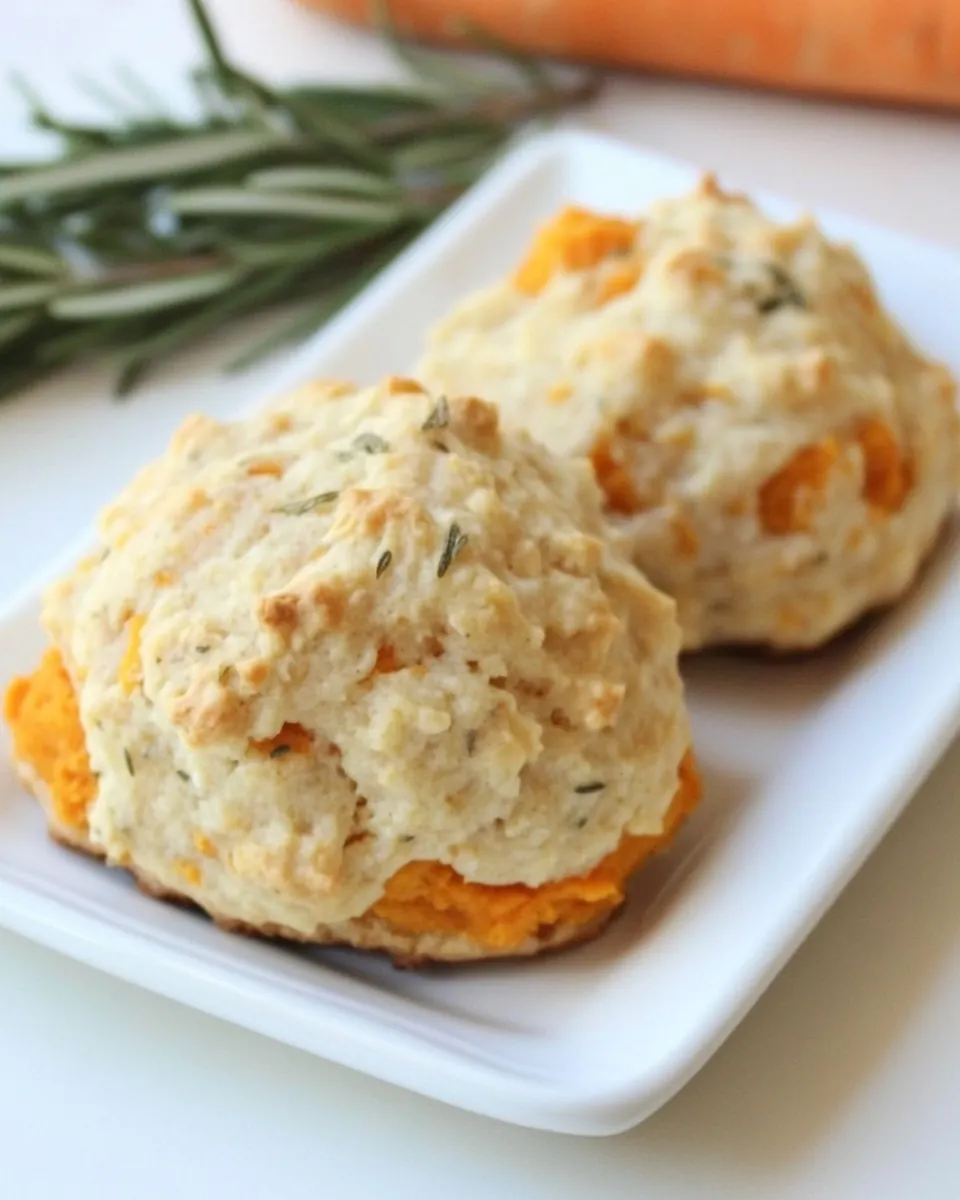
Sweet Potato Rosemary Biscuits have been my go to for cozy fall mornings and holiday tables for years, and the first time I made them I knew they would stick around. I remember juggling a tray of warm biscuits while the kitchen smelled like browned butter and rosemary, a small triumph after a long week. These biscuits feel both nostalgic and new, comforting yet a little unexpected because of the earthy sweet potatoes and perfumed rosemary.
My partner and I often argue about whether these are best straight from the oven or split and filled with butter, and honestly both camps are correct. I love how the crumb is tender from the buttermilk, while bits of roasted sweet potatoes give a naturally sweet, silky texture. The minced garlic and chopped rosemary weave savory notes into every bite, making them perfect alongside soups or as a star on a holiday table.
Recipe Snapshot
32 mins
15 mins
17 mins
Easy
200 kcal
American
Gluten-Free, Vegan
Side Dishes
Large bowl, Whisk, Spatula, Baking sheet, Parchment paper
Why You Need This Sweet Potato Rosemary Biscuits
Comfort with a twist
I adore how Sweet Potato Rosemary Biscuits deliver the homey feel of a classic biscuit, with a thoughtful twist. The roasted sweet potatoes add moisture and a subtle sweetness that keeps the crumb soft, while the rosemary lifts the flavor into more grown up territory. When I want something familiar but memorable, this is my pick.
Textural balance
What really stands out is the texture balance. There is a tender interior from the buttermilk and fat, contrasted with a lightly crisp top when brushed with melted butter. I notice how the edges brown and give a pleasant chew, it makes every bite interesting instead of one note.
Simple technique, big payoff
These biscuits are forgiving. Using cold, cubed butter and working quickly creates flaky pockets, and folding in roasted sweet potatoes instead of raw ones spares you the extra moisture guesswork. I like to tell friends that a little care with temperature gives you bakery results at home.
Versatile serving
I serve these for late breakfasts, alongside roasted vegetables, or on Thanksgiving. The flavor profile works with sweet or savory accompaniments, so they feel like a reliable anchor on a busy spread. For gatherings, they travel well and reheat beautifully, which I appreciate when hosting.
Minimal fuss, maximum charm
One thing I always mention is how approachable these are. You do not need special equipment or advanced skills, just basic pantry staples and attention to small cues like golden tops and tender centers. For busy cooks, that approachable nature is priceless.
Ingredients for Sweet Potato Rosemary Biscuits

These ingredients come together to create a biscuit that is both rustic and refined. The structure relies on all purpose flour and leaveners, while the sweet potatoes and butter bring moisture and richness. Aromatics like garlic and rosemary define the savory character, and buttermilk keeps the texture tender. The list is short and straightforward, which is why this recipe feels so achievable.
- 2 1/4 cups all-purpose flour: Provide structure and bulk to the dough, creating the framework that holds other ingredients together; sift or whisk to aerate for lighter biscuits and measure by spooning into a cup for accuracy.
- 2 1/2 teaspoons baking powder: Leaven the biscuits by releasing carbon dioxide when heated, helping them rise and become tender; distribute evenly through the flour to ensure consistent lift throughout the batch.
- 2 teaspoons sugar: Add a touch of sweetness to balance savory flavors and enhance browning during baking; dissolve into the dry mix so it integrates smoothly with other components.
- 3/4 teaspoon baking soda: React with acidic buttermilk to produce additional lift and a delicate crumb; measure precisely and keep away from moisture until mixed to preserve its potency.
- 1 teaspoon salt: Enhance overall flavor by seasoning the dough and highlighting savory notes from garlic and rosemary; mix thoroughly into the dry ingredients to ensure even seasoning in every bite.
- 2 cloves garlic minced: Introduce savory, aromatic depth and subtle pungency when minced and folded into the dough; cook slightly or incorporate raw depending on desired intensity and texture.
- 1 1/2 tablespoons chopped fresh rosemary: Impart bright, piney herbal fragrance and a savory, slightly resinous note that complements sweet potato; chop finely so rosemary disperses evenly without tough bites.
- 6 tablespoons cold unsalted butter cut into cubes: Provide flakiness and richness by creating small pockets of fat that melt during baking; keep cold and cut into cubes so it can be quickly rubbed into the flour for tender layers.
- 1 cup diced roasted sweet potatoes: Contribute moistness, natural sweetness, and a creamy texture while adding body and color; roast beforehand to concentrate flavor and dice uniformly for even distribution.
- 1 cup buttermilk: React with baking soda to activate leavening and add tang, while contributing moisture and tender crumb due to its acidity; keep chilled until mixing for best rise.
- 3 tablespoons butter melted: Brush over or fold into dough to increase richness, encourage browning, and add a glossy finish; melt gently and apply sparingly for controlled flavor and texture.
Cooking Method for Sweet Potato Rosemary Biscuits

These directions are straightforward and forgiving, and I like to walk through them in a conversational way so you can feel confident as you go. Focus on the sensory cues and keep your ingredients cold until mixing, and you will be rewarded with golden, tender biscuits.
- Preheat the oven to 450 degrees F. Line a large baking sheet with parchment paper and set aside.: When the oven warms to 450 degrees F you will notice a dry, hot air that helps create an immediate oven spring and a crisp exterior, which matters for an ideal contrast with the tender interior. Slide in a lined baking sheet to keep the bottoms from browning too fast. A common mistake is not preheating fully, which yields a slow rise and denser texture; wait until the oven registers the full heat before baking.
- In a large bowl, whisk together flour, baking powder, sugar, baking soda, and salt. Stir in the minced garlic and fresh rosemary. Mix in cold butter with your fingertips until mixture resembles coarse meal. Add roasted sweet potatoes and gently stir. Pour buttermilk over all of the ingredients and stir with a spatula until just combined.: The parchment helps with even browning and makes cleanup effortless, plus it prevents sticking that could tear the bottoms when you remove them. Press the sheet flat so the biscuits sit level; crooked sheets can cause uneven baking. Avoid placing biscuits too close, or their edges will fuse into one large piece.
- Drop round spoonfuls of dough, about four tablespoons, onto prepared baking sheet. Brush biscuits with melted butter. Bake 15-17 minutes or until tops are golden brown. Remove from oven and serve warm.: As you whisk, the dry mix takes on a uniform pale tone and a faint, slightly sweet aroma, which signals consistent distribution of leaveners for even rise. Sifting is not required, but thorough whisking removes lumps and aerates the flour for lighter results. A frequent error is under whisking, which leaves pockets of leavener that cause uneven domes.
- Stir in the minced garlic and fresh rosemary: Adding the minced garlic and chopped rosemary at this stage lets the aromatics mingle with the dry mix so they disperse through the dough evenly. You should see tiny flecks of herb and bits of garlic throughout, hinting at the flavor to come. If your garlic pieces are too large they can create sharp pockets of raw pungency, so mince finely.
- Mix in cold butter with your fingertips until mixture resembles coarse meal: As you work the cold butter into the flour, pulses of coolness and tiny butter pebbles will form, and the fragrance will be buttery without melting; this is the texture you want. The tactile cue is a crumbly, sandy texture with visible butter bits. Overworking warms the butter and flattens those pockets, leading to a tougher biscuit, so stop as soon as you see coarse crumbs.
- Add roasted sweet potatoes and gently stir: Folding in the diced roasted sweet potatoes adds sweet, caramelized notes and visible orange flecks. Stir gently so the potatoes remain intact rather than mashing into the dough, preserving those pops of texture. Rushing or forceful mixing will turn the potatoes into puree, adding too much moisture and altering structure.
- Pour buttermilk over all of the ingredients and stir with a spatula until just combined: Pouring the buttermilk creates a glossy, slightly wet mix that comes together with minimal strokes. The dough should look shaggy and hold together but not be sticky; signs of sheen and slight lumpiness are good. Overmixing activates gluten, making the biscuits tough, so stop when you see the dough just come together.
- Drop round spoonfuls of dough, about four tablespoons, onto prepared baking sheet: Using a spoon to portion about four tablespoons gives uniformly sized biscuits that bake at the same rate. You will hear a faint thud as each scoop meets the tray, and the surface should show soft peaks and small pockets of potato. Crowding the tray leads to uneven baking, and overly large scoops may bake through unevenly.
- Brush biscuits with melted butter: Brushing the tops with melted butter adds immediate aroma and encourages a rich, golden crust. You will see the dough darken slightly and take on a glossy sheen, signaling readiness for the oven. Skipping this step results in paler tops and less flavor impact, so take the extra minute to brush each one.
- Bake 15 to 17 minutes or until tops are golden brown: While baking you will notice a toasty, herb filled aroma and a gentle crackle as steam escapes, and the tops should turn a warm golden brown in about 15 to 17 minutes. The edges will firm and the centers remain tender, giving a lovely contrast. Leaving them too long will dry the interior, so check visually and with a gentle tap for spring.
- Remove from oven and serve warm: The moment you pull them out the kitchen will feel welcoming, and brushing any remaining warm butter can boost shine and flavor. Serve while still warm for the best texture, the crumb should tear with a soft, flaky pull. Cooling completely makes them firmer and less tender, which is fine for storage but not ideal for immediate serving.
Change It Up

These tips will help you adapt and perfect the recipe based on what you have and the mood you are in. Each tip offers a practical tweak or explanation so you can feel confident making these biscuits for weeknight dinners or holiday spreads.
- Swap the shaped potatoes by trying different roasting spices on the sweet potatoes to deepen flavor, such as a light sprinkle of smoked paprika, which complements rosemary nicely.
- Chill before baking if your kitchen is warm, a short rest in the fridge firms the dough so you keep flaky pockets of butter intact and improve oven spring.
- Use room temperature buttermilk to keep the dough relaxed so it mixes more evenly, which helps the biscuits rise more uniformly in the oven.
- Press gently for a flat top if you prefer a classic biscuit shape, use a floured hand to slightly flatten each scoop before baking to control height and crust development.
- Make ahead and freeze by portioning raw drops onto a tray, freezing solid, then transferring to a bag; bake from frozen adding a few minutes to the time for fresh from oven results.
What to Pair With Sweet Potato Rosemary Biscuits
These biscuits are versatile companions for many meals. They pair beautifully with simple protein mains, vegetable dishes, and make a lovely addition to festive spreads. Below are thoughtful pairing ideas, presentation suggestions, and storage notes to help you serve them with confidence.
- Serve with warm soups, like a creamy vegetable or broth based bowl, letting the biscuit soak up flavorful spoonfuls while offering a tender counterpoint.
- Feature on a holiday table as a side for large dinners, arranging them in a basket with a cloth napkin to keep them warm and inviting for guests.
- Create sandwiches by splitting warm biscuits and filling with roasted vegetables or sliced cheeses for a cozy brunch offering that highlights the biscuit's texture.
- Offer compound butter on the side, such as herb softened butter, so guests can smear and taste different pairings while the biscuits stay the star.
- Storage tip Store cooled biscuits in an airtight container for up to two days at room temperature, or freeze for up to one month; reheat in a warm oven to revive the crust.
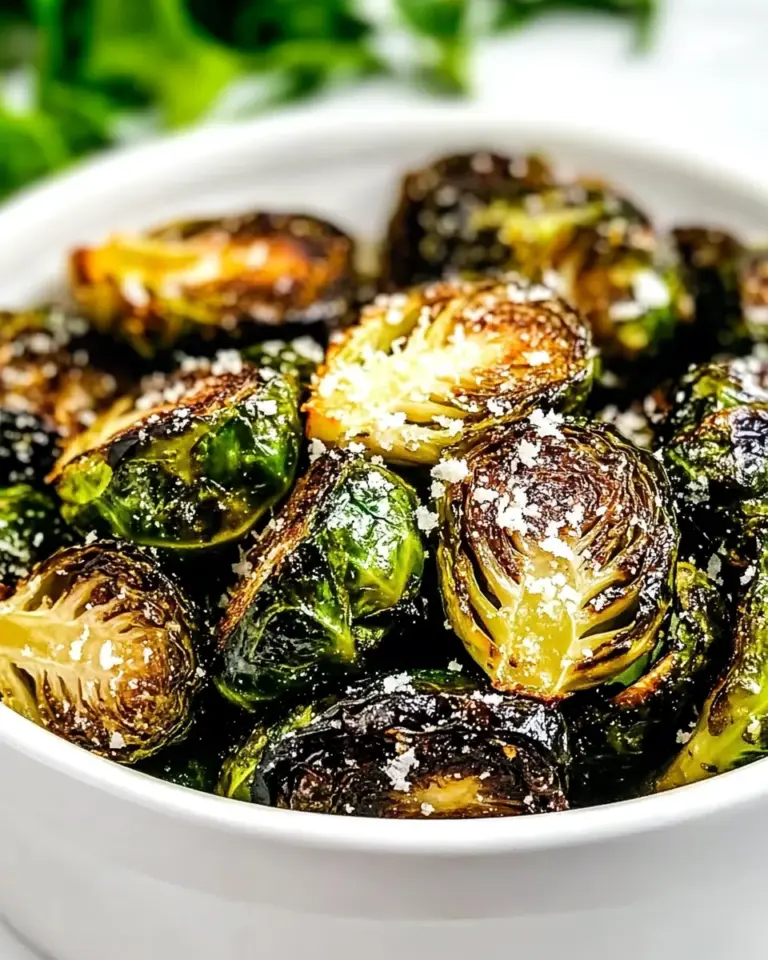
- Seasonal pairing Lean into autumn by serving with roasted root vegetables and brussels for a comforting, seasonally coherent plate.
FAQ
Conclusion
What makes these biscuits special is the way the roasted sweet potatoes and fresh rosemary transform a humble biscuit into something cozy and memorable. Try them warm with a pat of butter or alongside your favorite autumn mains, and you will see why they quickly become a repeat dish in my kitchen. They are approachable, forgiving, and adaptable, so give them a go on a weekend morning or add them to a holiday table for a simple, tasty upgrade.

Sweet Potato Rosemary Biscuits
Equipment
- Large Bowl
- Whisk
- Spatula
- Baking Sheet
- Parchment Paper
Ingredients
- 2 1/4 cups all-purpose flour Provide structure and bulk to the dough, creating the framework that holds other ingredients together; sift or whisk to aerate for lighter biscuits and measure by spooning into a cup for accuracy.
- 2 1/2 teaspoons baking powder Leaven the biscuits by releasing carbon dioxide when heated, helping them rise and become tender; distribute evenly through the flour to ensure consistent lift throughout the batch.
- 2 teaspoons sugar Add a touch of sweetness to balance savory flavors and enhance browning during baking; dissolve into the dry mix so it integrates smoothly with other components.
- 3/4 teaspoon baking soda React with acidic buttermilk to produce additional lift and a delicate crumb; measure precisely and keep away from moisture until mixed to preserve its potency.
- 1 teaspoon salt Enhance overall flavor by seasoning the dough and highlighting savory notes from garlic and rosemary; mix thoroughly into the dry ingredients to ensure even seasoning in every bite.
- 2 cloves garlic minced Introduce savory, aromatic depth and subtle pungency when minced and folded into the dough; cook slightly or incorporate raw depending on desired intensity and texture.
- 1 1/2 tablespoons chopped fresh rosemary Impart bright, piney herbal fragrance and a savory, slightly resinous note that complements sweet potato; chop finely so rosemary disperses evenly without tough bites.
- 6 tablespoons cold unsalted butter cut into cubes Provide flakiness and richness by creating small pockets of fat that melt during baking; keep cold and cut into cubes so it can be quickly rubbed into the flour for tender layers.
- 1 cup diced roasted sweet potatoes Contribute moistness, natural sweetness, and a creamy texture while adding body and color; roast beforehand to concentrate flavor and dice uniformly for even distribution.
- 1 cup buttermilk React with baking soda to activate leavening and add tang, while contributing moisture and tender crumb due to its acidity; keep chilled until mixing for best rise.
- 3 tablespoons butter melted Brush over or fold into dough to increase richness, encourage browning, and add a glossy finish; melt gently and apply sparingly for controlled flavor and texture.
Instructions
- Preheat the oven to 450 degrees F. Line a large baking sheet with parchment paper and set aside.: When the oven warms to 450 degrees F you will notice a dry, hot air that helps create an immediate oven spring and a crisp exterior, which matters for an ideal contrast with the tender interior. Slide in a lined baking sheet to keep the bottoms from browning too fast. A common mistake is not preheating fully, which yields a slow rise and denser texture; wait until the oven registers the full heat before baking.
- In a large bowl, whisk together flour, baking powder, sugar, baking soda, and salt. Stir in the minced garlic and fresh rosemary. Mix in cold butter with your fingertips until mixture resembles coarse meal. Add roasted sweet potatoes and gently stir. Pour buttermilk over all of the ingredients and stir with a spatula until just combined.: The parchment helps with even browning and makes cleanup effortless, plus it prevents sticking that could tear the bottoms when you remove them. Press the sheet flat so the biscuits sit level; crooked sheets can cause uneven baking. Avoid placing biscuits too close, or their edges will fuse into one large piece.
- Drop round spoonfuls of dough, about four tablespoons, onto prepared baking sheet. Brush biscuits with melted butter. Bake 15-17 minutes or until tops are golden brown. Remove from oven and serve warm.: As you whisk, the dry mix takes on a uniform pale tone and a faint, slightly sweet aroma, which signals consistent distribution of leaveners for even rise. Sifting is not required, but thorough whisking removes lumps and aerates the flour for lighter results. A frequent error is under whisking, which leaves pockets of leavener that cause uneven domes.
- Stir in the minced garlic and fresh rosemary: Adding the minced garlic and chopped rosemary at this stage lets the aromatics mingle with the dry mix so they disperse through the dough evenly. You should see tiny flecks of herb and bits of garlic throughout, hinting at the flavor to come. If your garlic pieces are too large they can create sharp pockets of raw pungency, so mince finely.
- Mix in cold butter with your fingertips until mixture resembles coarse meal: As you work the cold butter into the flour, pulses of coolness and tiny butter pebbles will form, and the fragrance will be buttery without melting; this is the texture you want. The tactile cue is a crumbly, sandy texture with visible butter bits. Overworking warms the butter and flattens those pockets, leading to a tougher biscuit, so stop as soon as you see coarse crumbs.
- Add roasted sweet potatoes and gently stir: Folding in the diced roasted sweet potatoes adds sweet, caramelized notes and visible orange flecks. Stir gently so the potatoes remain intact rather than mashing into the dough, preserving those pops of texture. Rushing or forceful mixing will turn the potatoes into puree, adding too much moisture and altering structure.
- Pour buttermilk over all of the ingredients and stir with a spatula until just combined: Pouring the buttermilk creates a glossy, slightly wet mix that comes together with minimal strokes. The dough should look shaggy and hold together but not be sticky; signs of sheen and slight lumpiness are good. Overmixing activates gluten, making the biscuits tough, so stop when you see the dough just come together.
- Drop round spoonfuls of dough, about four tablespoons, onto prepared baking sheet: Using a spoon to portion about four tablespoons gives uniformly sized biscuits that bake at the same rate. You will hear a faint thud as each scoop meets the tray, and the surface should show soft peaks and small pockets of potato. Crowding the tray leads to uneven baking, and overly large scoops may bake through unevenly.
- Brush biscuits with melted butter: Brushing the tops with melted butter adds immediate aroma and encourages a rich, golden crust. You will see the dough darken slightly and take on a glossy sheen, signaling readiness for the oven. Skipping this step results in paler tops and less flavor impact, so take the extra minute to brush each one.
- Bake 15 to 17 minutes or until tops are golden brown: While baking you will notice a toasty, herb filled aroma and a gentle crackle as steam escapes, and the tops should turn a warm golden brown in about 15 to 17 minutes. The edges will firm and the centers remain tender, giving a lovely contrast. Leaving them too long will dry the interior, so check visually and with a gentle tap for spring.
- Remove from oven and serve warm: The moment you pull them out the kitchen will feel welcoming, and brushing any remaining warm butter can boost shine and flavor. Serve while still warm for the best texture, the crumb should tear with a soft, flaky pull. Cooling completely makes them firmer and less tender, which is fine for storage but not ideal for immediate serving.
Notes
- Swap the shaped potatoes by trying different roasting spices on the sweet potatoes to deepen flavor, such as a light sprinkle of smoked paprika, which complements rosemary nicely.
- Chill before baking if your kitchen is warm, a short rest in the fridge firms the dough so you keep flaky pockets of butter intact and improve oven spring.
- Use room temperature buttermilk to keep the dough relaxed so it mixes more evenly, which helps the biscuits rise more uniformly in the oven.
- Press gently for a flat top if you prefer a classic biscuit shape, use a floured hand to slightly flatten each scoop before baking to control height and crust development.
- Make ahead and freeze by portioning raw drops onto a tray, freezing solid, then transferring to a bag; bake from frozen adding a few minutes to the time for fresh from oven results.