Toad in the Hole
Toad in the Hole is one of those recipes I turn to when I want comfort food that feels nostalgic but still impresses. I first learned it on a rainy afternoon spent with an English friend who insisted that a proper puddle of gravy makes everything better. From that day forward, the memory of hot, puffy batter collapsing slightly as I spooned savory sauce over it stuck with me, and I kept refining the technique until the texture and timing felt right.
When I make Toad in the Hole, I think about rhythm and patience. The batter needs a little rest so it can trap air and puff gloriously in the oven, and the sausages benefit from a quick brown before the batter goes over them. That combination of sizzle, scent, and rising batter creates a moment of theater in the kitchen that always gets guests leaning in. I like to tell the story of that first rainy day while the dish roasts, because recipes with a history taste better somehow, at least to me.
Over the years I have learned to read the visual cues: when the batter forms a bronzed crust and the edges become crisp, you know the inside is set but still tender. I also learned to respect the oven temperature changes and to leave the door closed early on so the rise is dramatic. Every time I serve Toad in the Hole, we crowd around the skillet, pass the gravy, and savor the warm, herb-scented batter with the juicy sausages, and it always feels like a small celebration.
Recipe Snapshot
55 mins
15 mins
40 mins
Medium
350 kcal
British
Gluten-Free, Low FODMAP
Dinner
Oven, Casserole dish, Cast iron skillet, Mixing bowl, Whisk
The Magic of This Toad in the Hole
It is comfort food with a little showmanship
I adore Toad in the Hole because it turns simple pantry staples into something theatrical. The batter puffs up like a savory cloud, and when you slice in, the contrast of tender interior and crisp edges is satisfying. I love the way the aroma of roasted sausages and fresh rosemary fills the kitchen, it instantly signals a cozy meal that brings people together.
Flavor comes from smart, simple choices
I rely on good quality sausages and a bold touch like the beef bouillon granules to deepen flavor. The mustard powder gives a subtle lift, and the fresh thyme and rosemary add aromatic brightness. Each ingredient plays a clear role, so the dish tastes layered without being fussy.
Technique makes it feel elevated
There is joy in the method, because a quick roast of the sausages before the batter goes in creates the right texture balance. Leaving the rendered fat in the pan is a deliberate choice that enriches the batter and helps the edges crisp. I enjoy explaining these small decisions to friends, they make the final result surprisingly impressive.
Versatile for weeknights and gatherings
I often serve Toad in the Hole on busy evenings because it uses minimal prep and fills the table. It scales well for more people, and the comforting, hearty nature makes it great for colder months. I find it especially satisfying when paired with a robust onion gravy, it turns simple components into a memorable meal.
Comfort with familiar seasonings
The use of straightforward herbs and a touch of bouillon keeps the dish familiar but purposeful. The batter is essentially a Yorkshire pudding batter, and its texture is what elevates the finished dish. I appreciate that it rewards attention to small details, which makes cooking it feel like a skill rather than a chore.
What’s In This Toad in the Hole
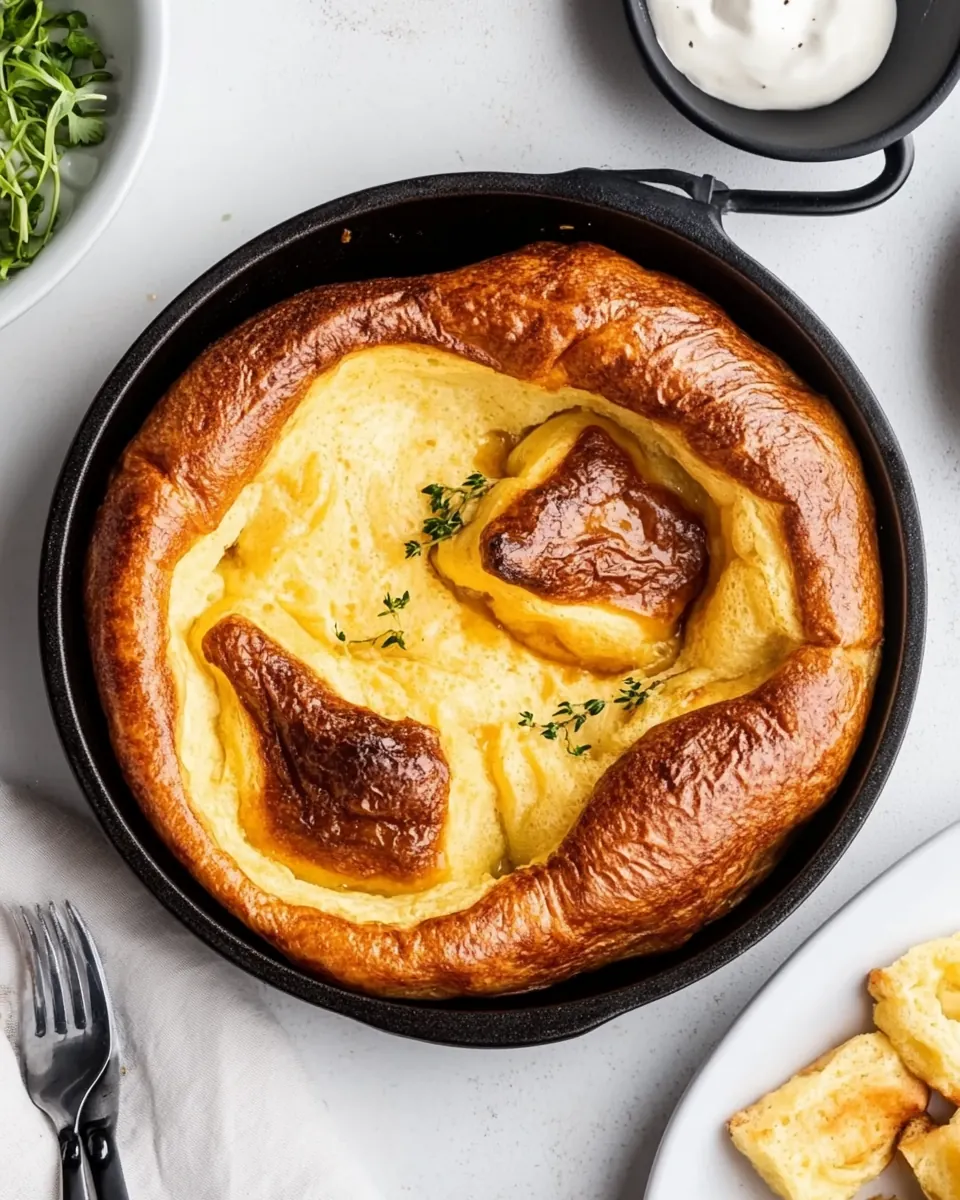
These ingredients form a tight, purposeful roster. The recipe relies on a starchy batter that puffs to create contrast with the meaty sausages, while herbs and bouillon deepen the savory profile. The key players are the sausages, the simple batter of flour, eggs, and milk, and fresh rosemary and thyme to lift the final dish.
- 4 British bangers or other quality mild sausages in casings: Provide savory, meaty flavor and a satisfying protein component as traditional British bangers; brown evenly to render fat and develop caramelized exterior before baking.
- extra virgin olive oil: Add a light coating to the pan and prevent sausages from sticking while contributing a subtle fruity finish; use sparingly to avoid overpowering the pudding.
- 1 cup whole milk: Impart richness and tenderness to the batter through whole milk's fat content; combine with eggs to create a smooth custard that puffs during baking.
- 3 large eggs: Bind the batter and create lift and structure; beat until slightly aerated so the mixture sets around the sausages and produces a light, custardy rise.
- 1 cup all-purpose flour: Provide the essential bulk and structure for the batter by producing gluten when mixed with wet ingredients; sift or whisk to avoid lumps for an even texture.
- 1 teaspoon beef bouillon granules or bouillon base: Enhance and deepen the overall savory profile with concentrated beefy notes; dissolve into the wet mix to evenly distribute umami throughout the pudding.
- 1/2 teaspoon ground mustard powder: Introduce a warm, slightly sharp undertone that cuts through richness; incorporate sparingly to add complexity without dominating the flavor.
- 1 tablespoon fresh rosemary: Offer aromatic piney notes and a resinous herbaceousness that complement roasted sausages; chop finely and scatter through batter or sprinkle on top for fragrance.
- 1 teaspoon fresh thyme leaves: Contribute delicate floral and citrusy elements that brighten the dish; strip leaves from stems and sprinkle evenly to infuse subtle herb flavor during baking.
- Homemade Onion Gravy, for serving (click link for recipe): Serve as the classic finishing component, providing a rich, caramelized onion gravy that complements the pudding's savory flavors and adds moistness to each serving.
Putting Together Toad in the Hole

I like to keep the process relaxed and a little theatrical, because the batter rising is the reward for your patience. Gather your ingredients and warm the dish so the batter hits a hot surface; that initial shock is the secret to a lofty rise. As you follow each step, pay attention to color, aroma, and texture more than strict timing, because those cues tell you when things are right.
- Preheat the oven to 400 degrees F. To make the batter, combine the flour, beef bouillon and mustard powder in a mixing bowl. Add the eggs and milk and whisk continuously for a few minutes until the batter is perfectly smooth and airy. Let sit at room temperature for at least 30 minutes before using.: You will notice a dry, warming smell filling the kitchen as the oven climbs to temperature, and the internal air feels more alive when you open the door briefly to slide in the pan. This initial temperature gives the sausages space to start browning without overcooking them. One common mistake is skipping preheating which leads to uneven browning, so always confirm the oven has reached the set temperature before proceeding. Expect the oven light to glow and heat waves to shimmer when you move the rack into position.
- While the batter is resting, rub the sausages with olive oil. Grease a medium sized casserole dish (about 8×10 inch) or 12 inch cast iron skillet and place the sausages in it. Roast the sausages for about 10 minutes on each side until browned.: As you sift or whisk the dry flour with the beef bouillon and mustard , you get a faint, savory aroma and a uniform pale mixture. This also prevents lumps, ensuring a smooth batter. If you rush this stage, pockets of dry seasoning can leave uneven flavor, so take the extra minute to blend thoroughly. The dry ingredients will look light and even, which helps the wet ingredients incorporate more easily.
- Carefully remove the casserole dish and increase the oven temperature to 450 degrees F. The fat from the sausages is traditionally left in to contribute flavor and texture to the batter. While the casserole dish is still very hot, pour the batter over the sausages. Sprinkle with the fresh herbs. Bake for 15-20 minutes or until the Yorkshire pudding has risen and is browned. Reduce the temperature to 350 degrees F and continue to bake for another 10 minutes or until the batter is cooked through. (DO NOT OPEN THE OVEN during the first 20 minutes or the batter will not rise properly). Serve immediately with homemade onion gravy and your choice of vegetables.: Whisking brings the batter to life; you will see it thin out and take on a satin sheen, and tiny bubbles will appear indicating air incorporation. This aeration is crucial because it forms the lift you want during baking. A common slip is underwhisking, which yields a dense result, so whisk until you feel resistance and see uniform texture. The batter should pour slowly off the whisk in a ribbon, signaling ideal consistency.
- Let sit at room temperature for at least 30 minutes before using: Resting allows the gluten to relax and encourages trapped air to stabilize, leading to a more dramatic oven rise. You might smell the mild tang of settled batter after a brief rest, and the viscosity evens out. Avoid skipping this pause, as cold or unrelaxed batter can refuse to puff properly. Keep the bowl covered lightly to prevent a skin forming on top.
- While the batter is resting, rub the sausages with olive oil: Rubbing extra virgin olive oil over the sausages creates a sheen that promotes even browning and helps the skins crisp without splitting wildly. When you handle them, you may feel the oil smooth the casing, and the heat will coax brown caramelized notes as they roast. Do not overcrowd the pan because crowded sausages steam rather than brown, losing that appealing roasted flavor.
- Grease a medium sized casserole dish or 12 inch cast iron skillet and place the sausages in it: A well greased dish ensures the batter will crisp at the edges and release cleanly when served, and a cast iron skillet will give the most pronounced browning. As you arrange the sausages , you can hear a faint sizzle on contact, and the pan will start to smell savory. A mistake is using a cold pan for roasting without prewarming, which reduces sear and increases sticking; choose a pan that conducts heat evenly.
- Roast the sausages for about 10 minutes on each side until browned: As the sausages brown, the kitchen fills with a rich roasted meat aroma and the skins take on an appealing mahogany color. Browning creates flavorful crusts and releases fat that will flavor the batter. Avoid underbrowning, because pale sausages lack the caramel notes that make the finished dish memorable. The surface should be taut and glossy before you move to the next step.
- Carefully remove the casserole dish and increase the oven temperature to 450 degrees F: The higher heat is what gives the batter the force to puff up quickly; when you return the dish to the oven after pouring batter, that immediate intensity produces lift. You will feel a burst of heat when you open the oven to change the temperature, and the pan will be very hot to the touch, so use sturdy mitts. A common error is failing to ramp the heat, which leads to a sluggish rise and a denser pudding.
- The fat from the sausages is traditionally left in to contribute flavor and texture to the batter: Leaving that rendered fat is intentional because it creates hotspots that help the batter crisp in places and soak up savory notes. You may hear a faint hiss as batter meets hot fat, and this interaction helps form crunchy pockets. Some people remove the fat for health reasons, but doing so reduces depth and crispness; if you remove it, expect a less pronounced texture contrast.
- While the casserole dish is still very hot, pour the batter over the sausages: When batter hits a preheated pan, it immediately begins to set at the edges and form steam pockets, which is what drives the upward rise. You'll see the batter sizzle slightly and start to puff around the sausages, and the scent becomes more toasty. Pour evenly to ensure uniform rise; pouring too slowly can cause uneven distribution and patchy texture.
- Sprinkle with the fresh herbs: Scattering chopped rosemary and leaves of thyme over the wet batter releases fragrant oils in the oven, perfuming the pudding. The herbs brown slightly as they roast, giving little pops of aromatic flavor with each bite. Avoid piling on too much herb as it can dominate the delicate batter; a light hand ensures balance.
- Bake for 15 to 20 minutes or until the Yorkshire pudding has risen and is browned: During this period you will witness the dramatic puffing and golden transformation; edges will crisp and the top will take on a warm bronze hue. The sound is subtle, a gentle crackle as the crust forms, and the interior remains springy. The key mistake here is opening the oven early, which lets out steam and collapses the rise, so keep the door closed until you see a solid set and color.
- Reduce the temperature to 350 degrees F and continue to bake for another 10 minutes or until the batter is cooked through: Lowering the heat allows the interior to finish cooking without overbrowning the top, producing a tender middle beneath a crisp surface. You may notice the top firming and the aroma deepening as the center sets. If you skip this step, the edges can become overly dark while the middle stays undercooked, so allow the gentle finish at reduced heat.
- DO NOT OPEN THE OVEN during the first 20 minutes or the batter will not rise properly: This caution is about preserving the steam that inflates the batter, and the difference between a spectacular rise and a flat one is often this single choice. The batter relies on trapped moisture expanding, and opening the door releases that essential steam. Resist curiosity, and when you finally open the door, the reward will be a lofty, bronzed pudding.
- Serve immediately with homemade onion gravy and your choice of vegetables: Served hot, the contrast between crisp edges and a light interior is at its peak, and the warm Homemade Onion Gravy will meld the components together. The gravy adds moisture and savory sweetness that complements the herbed batter and sausages . A typical misstep is letting the dish sit too long, which causes the pudding to soften and lose its crisp charm, so bring it straight to the table.
Expert Tips about Toad in the Hole

I like to share tips that save time and improve texture, because small adjustments make a big difference in this recipe. These suggestions reflect things I learned through practice and from good friends who taught me to respect oven heat. Use them to boost success whether you are feeding four or a crowd.
- Room temperature ingredients help the batter incorporate more fully and rise better, because cold milk or eggs can deflate aeration and reduce lift.
- Warm the pan before adding sausages, a heated surface promotes immediate browning and releases flavorful fat that the batter can use to crisp edges.
- Whisk thoroughly until the batter is smooth and slightly frothy, this trapped air is the foundation of the pudding structure and ensures a light interior.
- Use a heavy skillet or casserole that holds heat, because even heat distribution prevents hot spots and promotes even rise and browning.
- Brown sausages first to develop caramelized flavor, which enhances the finished dish and provides the savory base the batter needs.
What Complements This Toad in the Hole
Serving Toad in the Hole is about warmth and balance, because the dish is rich and benefits from bright, textural companions. I like to match it with simple vegetables and a strong gravy so each bite feels complete. These serving ideas cover occasions from cozy weeknights to celebratory meals.
- Onion gravy is essential, spoon it generously to add moisture and savory depth that ties everything together.
- Mashed potatoes make a classic, comforting bed that soaks up gravy and pairs with the pudding’s tender interior.
- Roasted root vegetables like carrots and parsnips work well for a hearty winter meal, their natural sweetness balancing savory flavors.
- Steamed greens such as green beans or kale add a fresh, slightly bitter counterpoint that lightens the plate.
- Family dinners or winter gatherings suit this dish, it is perfect for colder months and filling enough to anchor a simple menu.
- Storage Store leftovers in an airtight container in the refrigerator for up to two days and reheat in a warm oven to restore crispness.
- Seasonal pairing In winter, serve with robust sides and a hot gravy; in milder months, consider lighter steamed greens to complement the richness.
FAQ
Conclusion
What makes this Toad in the Hole special is the contrast between pillowy, risen batter and richly browned sausages, elevated by simple seasonings and a splash of rendered fat. It delivers theater and comfort in a single skillet, and the method rewards patience with a dramatic rise and satisfying texture. Give it a try on a cozy evening, invite people to the table, and enjoy the warm, herb scented result that brings a touch of British home cooking to your kitchen.

Toad in the Hole
Equipment
- Oven
- Casserole Dish
- Cast-Iron Skillet
- Mixing Bowl
- Whisk
Ingredients
- 4 British bangers or other quality mild sausages in casings Provide savory, meaty flavor and a satisfying protein component as traditional British bangers; brown evenly to render fat and develop caramelized exterior before baking.
- extra virgin olive oil Add a light coating to the pan and prevent sausages from sticking while contributing a subtle fruity finish; use sparingly to avoid overpowering the pudding.
- 1 cup whole milk Impart richness and tenderness to the batter through whole milk's fat content; combine with eggs to create a smooth custard that puffs during baking.
- 3 large eggs Bind the batter and create lift and structure; beat until slightly aerated so the mixture sets around the sausages and produces a light, custardy rise.
- 1 cup all-purpose flour Provide the essential bulk and structure for the batter by producing gluten when mixed with wet ingredients; sift or whisk to avoid lumps for an even texture.
- 1 teaspoon beef bouillon granules or bouillon base Enhance and deepen the overall savory profile with concentrated beefy notes; dissolve into the wet mix to evenly distribute umami throughout the pudding.
- 1/2 teaspoon ground mustard powder Introduce a warm, slightly sharp undertone that cuts through richness; incorporate sparingly to add complexity without dominating the flavor.
- 1 tablespoon fresh rosemary Offer aromatic piney notes and a resinous herbaceousness that complement roasted sausages; chop finely and scatter through batter or sprinkle on top for fragrance.
- 1 teaspoon fresh thyme leaves Contribute delicate floral and citrusy elements that brighten the dish; strip leaves from stems and sprinkle evenly to infuse subtle herb flavor during baking.
- Homemade Onion Gravy, for serving (click link for recipe) Serve as the classic finishing component, providing a rich, caramelized onion gravy that complements the pudding's savory flavors and adds moistness to each serving.
Instructions
- Preheat the oven to 400 degrees F. To make the batter, combine the flour, beef bouillon and mustard powder in a mixing bowl. Add the eggs and milk and whisk continuously for a few minutes until the batter is perfectly smooth and airy. Let sit at room temperature for at least 30 minutes before using.: You will notice a dry, warming smell filling the kitchen as the oven climbs to temperature, and the internal air feels more alive when you open the door briefly to slide in the pan. This initial temperature gives the sausages space to start browning without overcooking them. One common mistake is skipping preheating which leads to uneven browning, so always confirm the oven has reached the set temperature before proceeding. Expect the oven light to glow and heat waves to shimmer when you move the rack into position.
- While the batter is resting, rub the sausages with olive oil. Grease a medium sized casserole dish (about 8×10 inch) or 12 inch cast iron skillet and place the sausages in it. Roast the sausages for about 10 minutes on each side until browned.: As you sift or whisk the dry flour with the beef bouillon and mustard , you get a faint, savory aroma and a uniform pale mixture. This also prevents lumps, ensuring a smooth batter. If you rush this stage, pockets of dry seasoning can leave uneven flavor, so take the extra minute to blend thoroughly. The dry ingredients will look light and even, which helps the wet ingredients incorporate more easily.
- Carefully remove the casserole dish and increase the oven temperature to 450 degrees F. The fat from the sausages is traditionally left in to contribute flavor and texture to the batter. While the casserole dish is still very hot, pour the batter over the sausages. Sprinkle with the fresh herbs. Bake for 15-20 minutes or until the Yorkshire pudding has risen and is browned. Reduce the temperature to 350 degrees F and continue to bake for another 10 minutes or until the batter is cooked through. (DO NOT OPEN THE OVEN during the first 20 minutes or the batter will not rise properly). Serve immediately with homemade onion gravy and your choice of vegetables.: Whisking brings the batter to life; you will see it thin out and take on a satin sheen, and tiny bubbles will appear indicating air incorporation. This aeration is crucial because it forms the lift you want during baking. A common slip is underwhisking, which yields a dense result, so whisk until you feel resistance and see uniform texture. The batter should pour slowly off the whisk in a ribbon, signaling ideal consistency.
- Let sit at room temperature for at least 30 minutes before using: Resting allows the gluten to relax and encourages trapped air to stabilize, leading to a more dramatic oven rise. You might smell the mild tang of settled batter after a brief rest, and the viscosity evens out. Avoid skipping this pause, as cold or unrelaxed batter can refuse to puff properly. Keep the bowl covered lightly to prevent a skin forming on top.
- While the batter is resting, rub the sausages with olive oil: Rubbing extra virgin olive oil over the sausages creates a sheen that promotes even browning and helps the skins crisp without splitting wildly. When you handle them, you may feel the oil smooth the casing, and the heat will coax brown caramelized notes as they roast. Do not overcrowd the pan because crowded sausages steam rather than brown, losing that appealing roasted flavor.
- Grease a medium sized casserole dish or 12 inch cast iron skillet and place the sausages in it: A well greased dish ensures the batter will crisp at the edges and release cleanly when served, and a cast iron skillet will give the most pronounced browning. As you arrange the sausages , you can hear a faint sizzle on contact, and the pan will start to smell savory. A mistake is using a cold pan for roasting without prewarming, which reduces sear and increases sticking; choose a pan that conducts heat evenly.
- Roast the sausages for about 10 minutes on each side until browned: As the sausages brown, the kitchen fills with a rich roasted meat aroma and the skins take on an appealing mahogany color. Browning creates flavorful crusts and releases fat that will flavor the batter. Avoid underbrowning, because pale sausages lack the caramel notes that make the finished dish memorable. The surface should be taut and glossy before you move to the next step.
- Carefully remove the casserole dish and increase the oven temperature to 450 degrees F: The higher heat is what gives the batter the force to puff up quickly; when you return the dish to the oven after pouring batter, that immediate intensity produces lift. You will feel a burst of heat when you open the oven to change the temperature, and the pan will be very hot to the touch, so use sturdy mitts. A common error is failing to ramp the heat, which leads to a sluggish rise and a denser pudding.
- The fat from the sausages is traditionally left in to contribute flavor and texture to the batter: Leaving that rendered fat is intentional because it creates hotspots that help the batter crisp in places and soak up savory notes. You may hear a faint hiss as batter meets hot fat, and this interaction helps form crunchy pockets. Some people remove the fat for health reasons, but doing so reduces depth and crispness; if you remove it, expect a less pronounced texture contrast.
- While the casserole dish is still very hot, pour the batter over the sausages: When batter hits a preheated pan, it immediately begins to set at the edges and form steam pockets, which is what drives the upward rise. You'll see the batter sizzle slightly and start to puff around the sausages, and the scent becomes more toasty. Pour evenly to ensure uniform rise; pouring too slowly can cause uneven distribution and patchy texture.
- Sprinkle with the fresh herbs: Scattering chopped rosemary and leaves of thyme over the wet batter releases fragrant oils in the oven, perfuming the pudding. The herbs brown slightly as they roast, giving little pops of aromatic flavor with each bite. Avoid piling on too much herb as it can dominate the delicate batter; a light hand ensures balance.
- Bake for 15 to 20 minutes or until the Yorkshire pudding has risen and is browned: During this period you will witness the dramatic puffing and golden transformation; edges will crisp and the top will take on a warm bronze hue. The sound is subtle, a gentle crackle as the crust forms, and the interior remains springy. The key mistake here is opening the oven early, which lets out steam and collapses the rise, so keep the door closed until you see a solid set and color.
- Reduce the temperature to 350 degrees F and continue to bake for another 10 minutes or until the batter is cooked through: Lowering the heat allows the interior to finish cooking without overbrowning the top, producing a tender middle beneath a crisp surface. You may notice the top firming and the aroma deepening as the center sets. If you skip this step, the edges can become overly dark while the middle stays undercooked, so allow the gentle finish at reduced heat.
- DO NOT OPEN THE OVEN during the first 20 minutes or the batter will not rise properly: This caution is about preserving the steam that inflates the batter, and the difference between a spectacular rise and a flat one is often this single choice. The batter relies on trapped moisture expanding, and opening the door releases that essential steam. Resist curiosity, and when you finally open the door, the reward will be a lofty, bronzed pudding.
- Serve immediately with homemade onion gravy and your choice of vegetables: Served hot, the contrast between crisp edges and a light interior is at its peak, and the warm Homemade Onion Gravy will meld the components together. The gravy adds moisture and savory sweetness that complements the herbed batter and sausages . A typical misstep is letting the dish sit too long, which causes the pudding to soften and lose its crisp charm, so bring it straight to the table.
Notes
- Room temperature ingredients help the batter incorporate more fully and rise better, because cold milk or eggs can deflate aeration and reduce lift.
- Warm the pan before adding sausages, a heated surface promotes immediate browning and releases flavorful fat that the batter can use to crisp edges.
- Whisk thoroughly until the batter is smooth and slightly frothy, this trapped air is the foundation of the pudding structure and ensures a light interior.
- Use a heavy skillet or casserole that holds heat, because even heat distribution prevents hot spots and promotes even rise and browning.
- Brown sausages first to develop caramelized flavor, which enhances the finished dish and provides the savory base the batter needs.