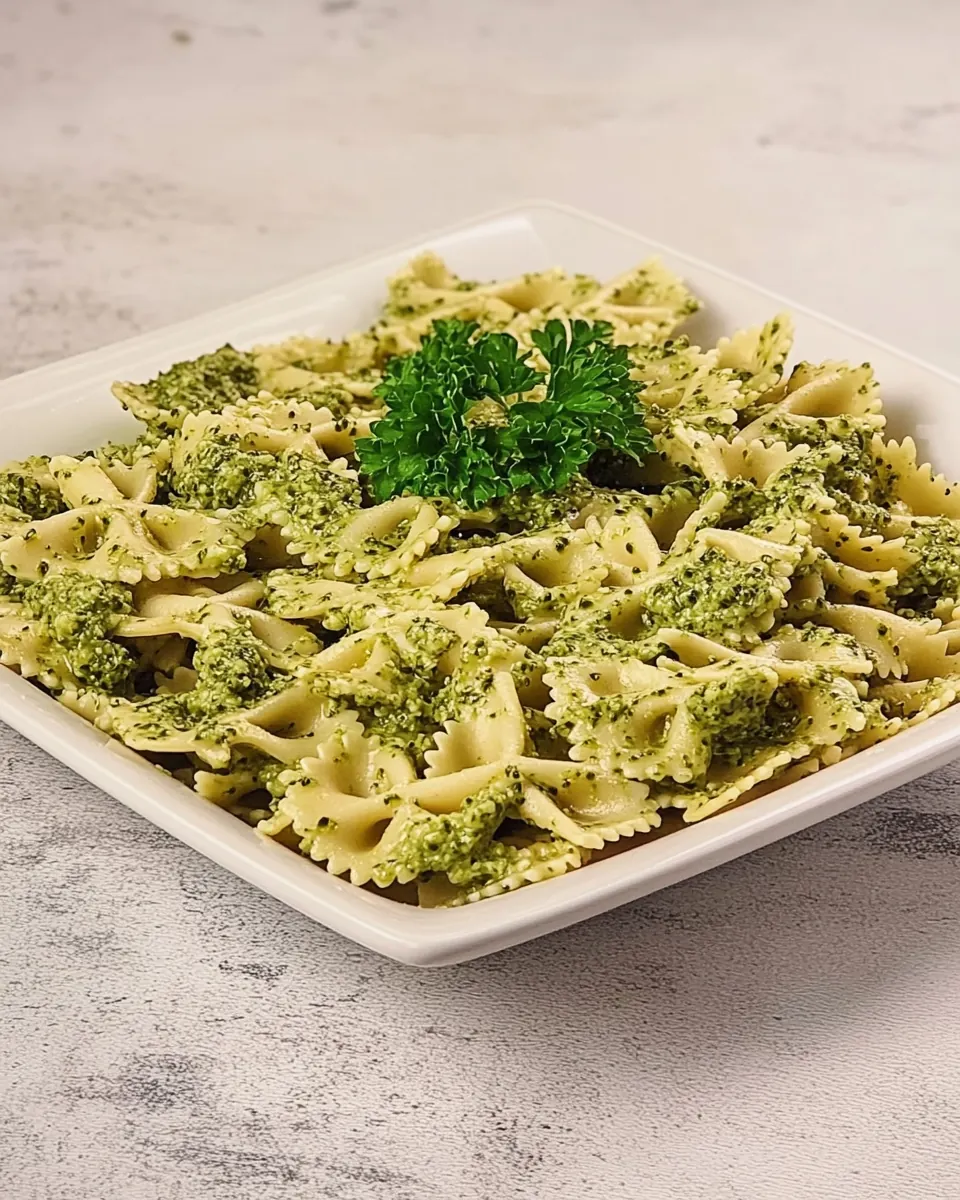
Farfalle with Broccoli Pesto
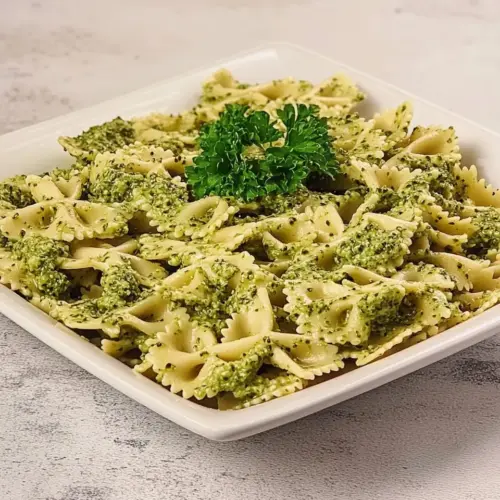
Farfalle with Broccoli Pesto is the kind of meal that sneaks into my weeknight rotation and refuses to leave, because it feels both comforting and surprisingly bright.
I first made Farfalle with Broccoli Pesto on a rainy spring evening when I had a stubborn craving for something green and saucy but not heavy. I remember rinsing a mound of broccoli florets in the sink, humming to myself as I chopped, thinking about how a simple switch from basil to broccoli could turn an ordinary pasta into a vernacular of spring on a plate. The kitchen filled with an herbaceous, slightly sweet steam as the broccoli hit the boiling water, and the house felt instantly cozier.
Later, while pulsing the steamed broccoli with parmesan, anchovies, and garlic in the processor, I realized this recipe is a little lesson in contrast. The savory depth from the anchovies and parmesan plays beautifully against the vegetal brightness of the broccoli, and the creamy sheen from the reserved pasta water brings everything together. I loved how the farfalle pockets caught the pesto, making each bite both saucy and textured.
What keeps me coming back to Farfalle with Broccoli Pesto is how forgiving it is. You can make it for two people after work, or stretch it into leftovers that taste just as good the next day. The assembly is almost meditative, from sautéing the pasta broccoli in a touch of butter to folding in the vibrant pesto until the sauce clings to the farfalle. Each time I serve it, friends ask for the recipe, and I always smile because it started as a simple weeknight experiment.
Recipe Snapshot
45 mins
15 mins
30 mins
Medium
450 kcal
Italian
Gluten-Free, Low FODMAP
Dinner
Pot, Food processor, Large pan, Colander
What You’ll Enjoy About This Farfalle with Broccoli Pesto
Bright, seasonal flavor that still feels homey
I adore how Farfalle with Broccoli Pesto tastes like spring without being fussy. The steamed broccoli keeps its grassy notes while the parmesan and anchovies lend an umami backbone, so every forkful is lively yet satisfying.
Speed without sacrificing substance
I often need dinner on the table fast, and this dish delivers in about the time it takes to boil pasta. Using reserved pasta water to emulsify the pesto gives you a glossy sauce in seconds, which means you get a restaurant feel at home with minimal fuss.
Textural delight
The choice of farfalle is deliberate, because the little ridges and bow shape catch sauce and broccoli bits. That contrast between tender pasta and slightly rustic pesto makes the mouthfeel interesting every bite.
Flexible and forgiving
I love that this is not a strict recipe you must worship. It forgives slightly overcooked broccoli, it tolerates a splash more olive oil, and it even improves when you tweak salt to taste. That flexibility makes it a reliable weeknight champion.
Simple pantry-friendly ingredients
Most of the components are staples: olive oil, garlic, parmesan, and butter are things I usually have on hand. That makes this an ideal fallback when you want something fuss free but full of flavor.
Essential Ingredients for Farfalle with Broccoli Pesto
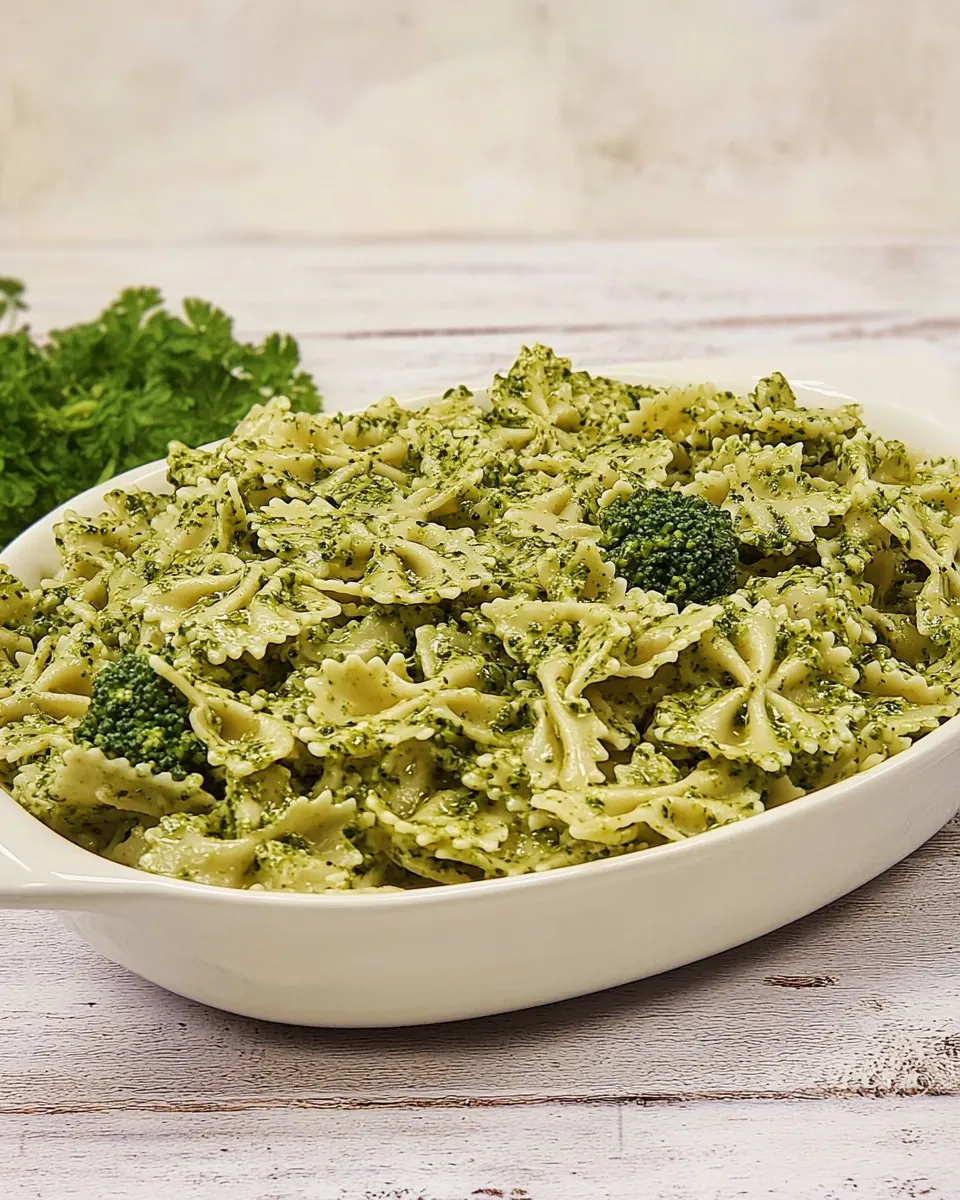
These ingredients are deliberately straightforward, built around a few key players that each pull their weight. The starchy farfalle provides body and texture, while the steamed broccoli forms the vibrant base of the pesto. Rich touches like parmesan and anchovies deliver savory depth, and the reserved pasta water creates the silky liaison that makes the sauce cling to the pasta.
- 300 g farfalle pasta: Boil to al dente and provide the main pasta shape and texture for the dish, holding the pesto and broccoli well between its wings. Ensure cooking time is followed and drain, reserving some cooking water to adjust sauce consistency later.
- 150 200 ml water from the boiling pasta: Reserve to loosen and emulsify the pesto when mixing with pasta, helping the sauce adhere without becoming too thick. Measure from the pot after draining so salt and starch content aid the sauce's creaminess.
- 60 g butter: Melt to enrich the pesto and finished pasta with a silky, glossy mouthfeel and subtle richness. Add at the emulsion stage so it melds with the olive oil and hot pasta water for a cohesive sauce.
- 100 150 g broccoli cut into florets and boiled: Cook until tender and blendable to form much of the pesto's vegetal body and fresh broccoli flavor, contributing texture and color. Chop florets evenly before boiling and drain well to avoid excess water in the sauce.
- salt: Season during boiling and to taste while finishing the pasta to enhance flavors and balance bitterness from broccoli and saltiness from anchovies and cheese. Add incrementally and taste as you combine components.
- 230 g broccoli cut into florets and boiled: Steam or boil separately to provide additional broccoli for texture contrast and to garnish or mix into the pasta, increasing vegetable presence and volume. Use slightly firmer florets if planning to toss some whole for bite alongside blended pesto.
- 20 g anchovies: Mash or finely chop to deliver a concentrated savory, umami depth and saltiness that balances the cheese and greens in the pesto. Incorporate gradually into the blended broccoli mixture so it dissolves and flavors the sauce evenly.
- 50 g parmesan grated: Grate to introduce nutty, salty, and creamy notes that help bind the pesto and finish the pasta with savory richness. Stir in toward the end of blending or mixing so it melts slightly into the warm sauce.
- 50 g olive oil: Emulsify alongside butter and reserved pasta water to create a smooth, glossy pesto that coats the pasta and carries flavors. Drizzle gradually while blending to reach the desired consistency and mouthfeel.
- 2 cloves of garlic: Crush or finely mince to infuse aromatic pungency and a mild spicy bite that lifts the broccoli and anchovy flavors in the pesto. Sauté lightly or blend raw depending on desired intensity, then adjust quantity to taste.
- salt: Season lightly to adjust salinity after combining anchovies, cheese, and any reserved pasta water, ensuring overall balance without over-salting. Taste before adding because salty elements are already present.
- pepper: Ground to add a subtle heat and aromatic background that brightens the herbaceous broccoli pesto and complements the cheese and anchovy components. Grind fresh if possible and sprinkle cautiously to avoid overpowering delicate flavors.
Instructions for Farfalle with Broccoli Pesto
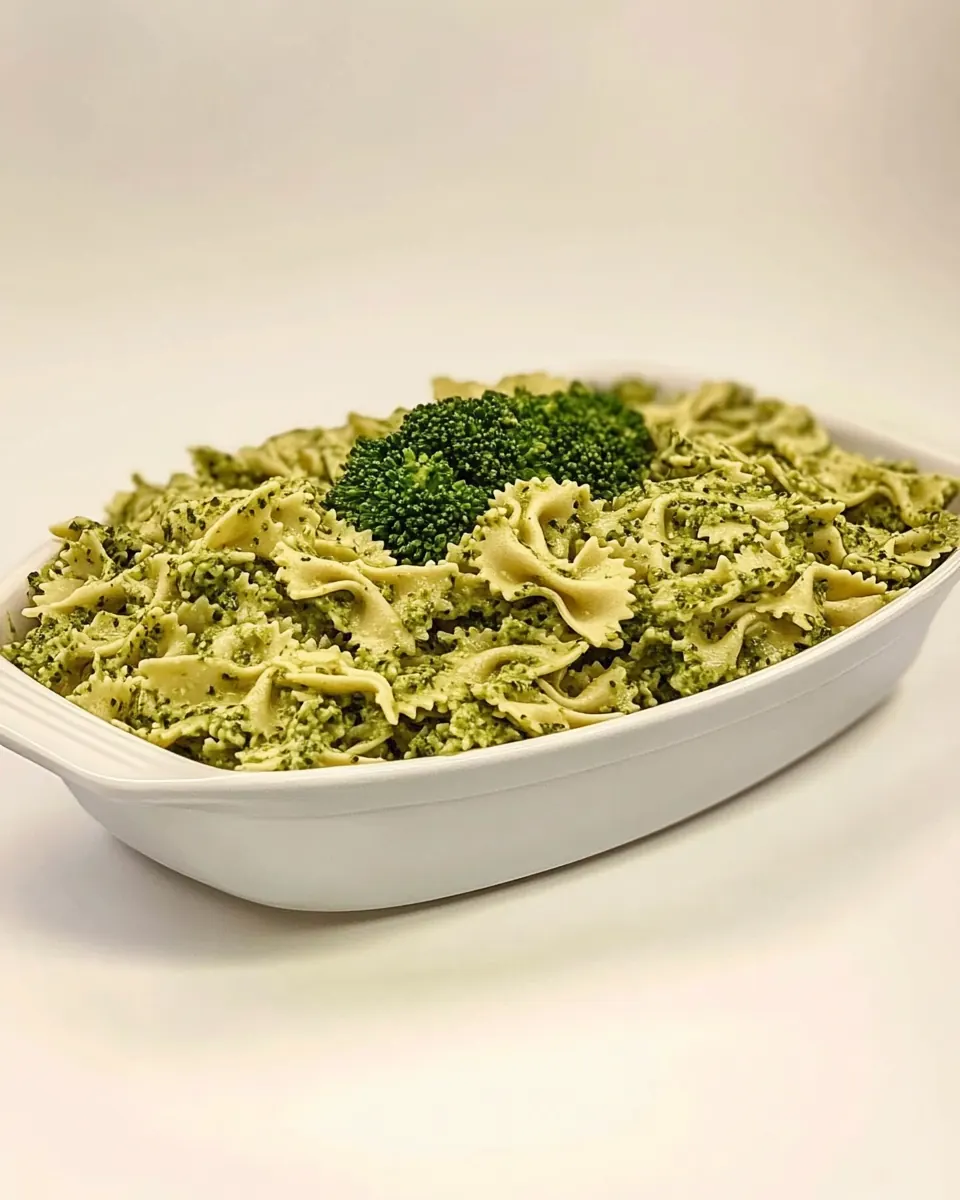
This recipe is straightforward but benefits from attention to timing. I like to have everything prepped before the water boils so the process feels fluid and calm rather than rushed.
- Bring a pot full of water to the boil over high heat. Add the salt and the pasta. Cook the pasta according to the instructions on the package. Reserve 150-200 ml (about 1 cup) of the pasta water before straining.: The moment you start hearing the water roar and seeing big rolling bubbles, you know it is hot enough to add salt and farfalle . The steam should feel lively and slightly sharp on your face, and the kettle like hiss signals readiness. Why this matters, because pasta added too early will cook unevenly and release excess starch. A common mistake is under salting the water so the pasta tastes bland; always season until the water tastes slightly like the sea. If you see violent foaming, reduce heat briefly to avoid messy boil overs.
- Put the broccoli, anchovies, parmesan, olive oil and garlic in a food processor. Season with salt and pepper, mash well and set aside.: When the farfalle hits the water you will hear a lively bubbling change and the pasta should start moving freely. Stir immediately so the shapes do not cling together, and keep an eye on the clock provided on the package. Cooking to an al dente texture means a tooth encountering gentle resistance, which gives better mouthfeel and prevents mushy results when you finish in the pan. A typical slip up is failing to stir regularly, which can cause clumping or uneven cooking, so give it a good stir every minute or so.
- Place a large pan over medium heat. Once hot, add the butter, a little olive oil and pasta broccoli and sauté a little.: As the farfalle cooks you will notice the aroma change from raw starch to a toasty, wheaty scent, and the shapes will turn uniformly opaque. Taste a piece a minute or two before the suggested time to find the perfect bite. Overcooking is the usual error here; drain a touch early if you plan to finish cooking in the sauce, because the pasta will continue to soften when combined with hot ingredients.
- Remove the pan from the heat, add the broccoli pesto, water from the boiling pasta and the farfalle. Stir well and serve.: That warm, cloudy liquid will shimmer and smell faintly of cooked wheat, and it is key to making the pesto silky. Measure roughly but remember you can always add more to loosen the sauce. A typical mistake is rinsing pasta after draining, which removes the starch needed for emulsifying the sauce, so never rinse if you want a glossy finish.
- Put the broccoli anchovies parmesan olive oil and garlic in a food processor: When you load the ingredients into the processor you will see the vibrant green of the steamed broccoli and the glint of olive oil , and the aroma of garlic will lift as you pulse. Pulse gently to combine, stopping to scrape down the sides so everything is evenly integrated. The texture should become a coarse paste that still shows flecks of broccoli , not a watery slurry. Overblending can heat the mix and dull the color, so pulse in short bursts and add a splash of reserved pasta water if needed to reach the right consistency.
- Season with salt and pepper mash well and set aside: After pulsing, press a small taste of the pesto onto the roof of your mouth to check seasoning; the anchovies bring saltiness, so adjust cautiously. The aroma should be herbaceous with umami depth, and the texture should cling to a spoon. Letting it rest allows flavors to marry, but avoid leaving it unrefrigerated for long periods because fresh garlic can become harsh if exposed to heat. If you find it too sharp, a touch more olive oil or a sprinkle of parmesan will mellow it.
- Place a large pan over medium heat: You want the pan to feel warm to the touch over medium heat and to emit a subtle, dry hiss when a drop of water flicks into it. This controlled heat helps gently sauté without burning, which preserves the sweet edges of the broccoli . If your pan gets too hot it will smoke and the flavors will scorch, so lower the temperature if you notice a sharp scent.
- Once hot add the butter a little olive oil and pasta broccoli and sauté a little: As the butter melts you will see it foam and then settle, offering a nutty scent, while the tiny sizzle from the broccoli hitting the pan signals caramelization. Sauté just until the florets develop a few golden flecks and the aroma becomes toasty, which deepens flavor. Avoid crowding the pan, which causes steaming rather than sautéing; work in batches if needed to get those desirable seared bits.
- Remove the pan from the heat: Lifting the pan off direct heat prevents the residual temperature from overcooking delicate ingredients and keeps the next emulsification step gentle. The pan will still be warm enough to help marry the sauce without risking the pesto turning oily or breaking. A common trap is leaving it on heat, which can cook the blended pesto too much and make it lose brightness, so take it off promptly.
- Add the broccoli pesto water from the boiling pasta and the farfalle: When you fold in the reserved pasta water the sauce will begin to shine and cling, and the steam will carry the savory perfume of parmesan and anchovies . Toss the farfalle so the sauce slips into every curve, watching the texture change to a creamy coating. If the sauce seems slack, add another spoonful of the warm pasta water; if it is too loose, let it sit a moment so the starch can bind. Do not drown the pasta with water, as that dilutes flavor.
- Stir well and serve: The finished dish should glisten lightly, and you should notice a balanced interplay of savory, creamy, and green notes. Serve immediately while warm, and consider finishing with an extra grate of parmesan or a crack of pepper if you like. Common mistakes here include letting the pasta sit too long which causes the sauce to clump or dry; plate promptly for best texture and flavor.
Ways to Adapt This Recipe
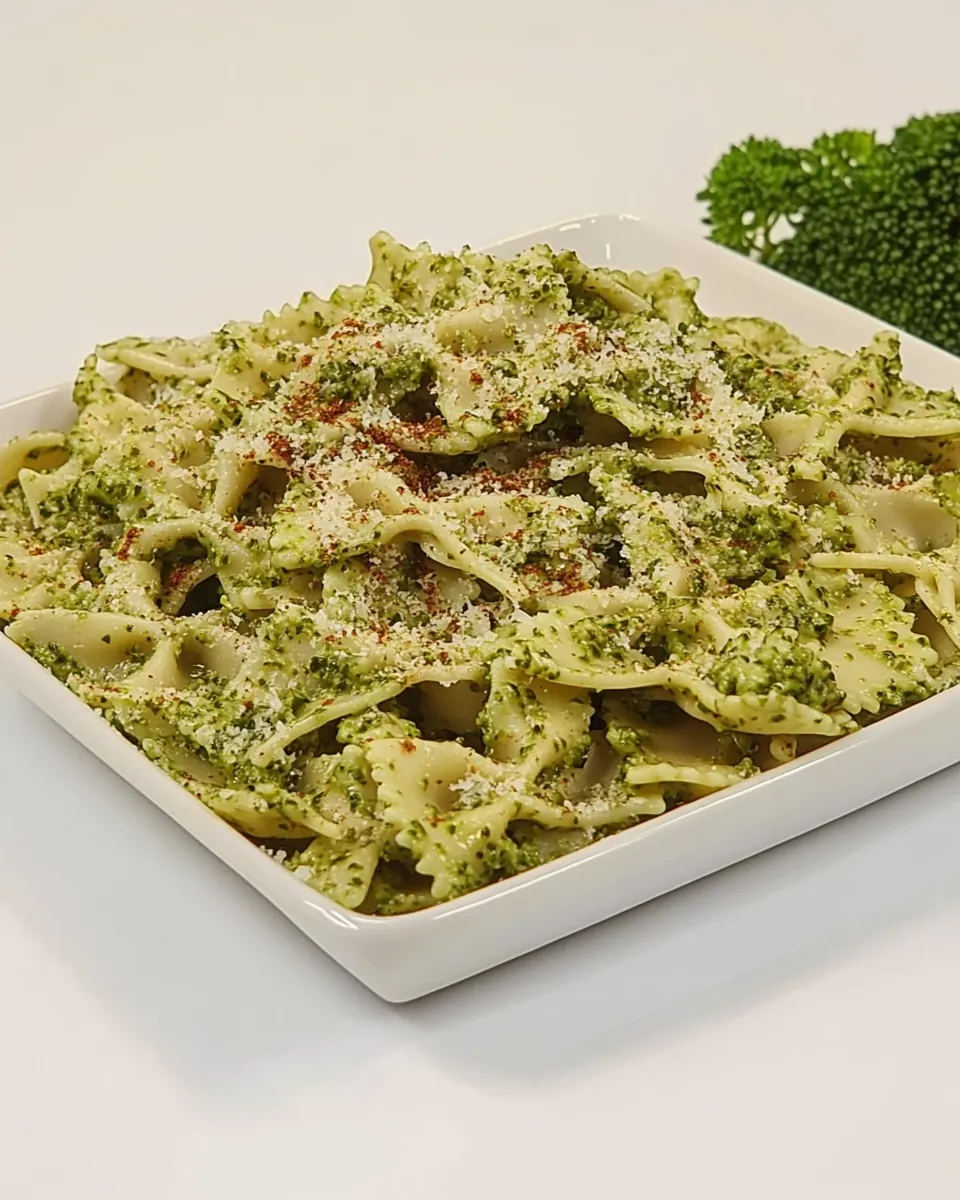
This recipe adapts well to what you have on hand and to different textures and occasions. Below are focused tips to change mouthfeel, intensity, or to scale the recipe without losing its core character.
- Use blanched broccoli for brighter color, then shock the florets in iced water; this preserves a vivid green that looks beautiful against the farfalle. Blanching arrests cooking immediately, preventing a dull, olive tone and keeping the texture pleasantly firm.
- Adjust the anchovy level for umami, adding less for a subtler savory backbone or a touch more if you want a pronounced depth. Mash them thoroughly into the pesto so they dissolve and do not create concentrated salty pockets.
- Emulsify with reserved pasta water gradually to control consistency; start with less and add more until the sauce coats the back of a spoon. Too much water will make the sauce thin, while too little will leave it clumpy.
- Toast the broccoli briefly in the pan after boiling to add caramelized notes; this small step introduces a nutty aroma and slight crunch contrast to the blended pesto.
- Grate parmesan fresh for best melt and flavor; pregrated cheese often contains anti clumping agents that affect texture. Freshly grated parmesan binds better into the emulsion, giving a creamier finish.
- Add a garlic pinch cautiously, because raw garlic can overpower; pulse it finely and taste before adding more. If the garlic bites too hard, a small extra splash of oil or cheese can soften it.
- Scale up by holding sauce temperature, preparing extra reserved pasta water and warm pans to keep everything cohesive when serving a larger group. Work in stages to maintain the glossy emulsion for each batch.
Accompaniments for Farfalle with Broccoli Pesto
This pasta pairs easily with simple sides and fits many occasions from casual weeknights to spring lunches. Below are serving suggestions, storage notes, and ideas for different meal contexts.
- Serve with a crisp green salad dressed lightly with lemon and olive oil, which contrasts the creamy pasta and refreshes the palate for a balanced meal.
- Offer crusty bread to soak up any leftover sauce; it is perfect for informal dinners where people like to mop the plate and savor every drop.
- Pair with roasted vegetables such as seasonal root veg in cooler months, adding a roasted aroma and contrasting texture that complements the broccoli pesto.
- For a spring lunch, serve the dish slightly warm or at room temperature for alfresco dining, where the freshness of the broccoli shows best.
- Storage tip, refrigerate leftovers in an airtight container for up to two days, and reheat gently with a splash of reserved pasta water to revive the sauce without drying it out.
- Occasion idea, this is an ideal easy weeknight dinner but elegant enough for a small dinner party when paired with a light appetizer and simple dessert.
- Seasonal pairing, highlight spring produce by serving alongside lightly dressed asparagus or peas, which echo the green theme and add bright contrasts.
FAQ
Conclusion
Farfalle with Broccoli Pesto shines because it balances bright green flavor with deep savory notes, creating a satisfying and elegant plate that is still easy to pull together. Give it a try on a busy weeknight or when you want something green and comforting, and you will likely find it becomes a reliable favorite. Cooking this dish is forgiving, and the payoff is a glossy, flavorful pasta that feels both fresh and deeply nourishing; I hope it earns a spot in your regular rotation.
Farfalle with Broccoli Pesto
Equipment
- Pot
- Food Processor
- Large Pan
- Colander
Ingredients
- 300 g farfalle pasta Boil to al dente and provide the main pasta shape and texture for the dish, holding the pesto and broccoli well between its wings. Ensure cooking time is followed and drain, reserving some cooking water to adjust sauce consistency later.
- 150 -200 ml water from the boiling pasta Reserve to loosen and emulsify the pesto when mixing with pasta, helping the sauce adhere without becoming too thick. Measure from the pot after draining so salt and starch content aid the sauce's creaminess.
- 60 g butter Melt to enrich the pesto and finished pasta with a silky, glossy mouthfeel and subtle richness. Add at the emulsion stage so it melds with the olive oil and hot pasta water for a cohesive sauce.
- 100 -150 g broccoli cut into florets and boiled Cook until tender and blendable to form much of the pesto's vegetal body and fresh broccoli flavor, contributing texture and color. Chop florets evenly before boiling and drain well to avoid excess water in the sauce.
- salt Season during boiling and to taste while finishing the pasta to enhance flavors and balance bitterness from broccoli and saltiness from anchovies and cheese. Add incrementally and taste as you combine components.
- 230 g broccoli cut into florets and boiled Steam or boil separately to provide additional broccoli for texture contrast and to garnish or mix into the pasta, increasing vegetable presence and volume. Use slightly firmer florets if planning to toss some whole for bite alongside blended pesto.
- 20 g anchovies Mash or finely chop to deliver a concentrated savory, umami depth and saltiness that balances the cheese and greens in the pesto. Incorporate gradually into the blended broccoli mixture so it dissolves and flavors the sauce evenly.
- 50 g parmesan grated Grate to introduce nutty, salty, and creamy notes that help bind the pesto and finish the pasta with savory richness. Stir in toward the end of blending or mixing so it melts slightly into the warm sauce.
- 50 g olive oil Emulsify alongside butter and reserved pasta water to create a smooth, glossy pesto that coats the pasta and carries flavors. Drizzle gradually while blending to reach the desired consistency and mouthfeel.
- 2 cloves of garlic Crush or finely mince to infuse aromatic pungency and a mild spicy bite that lifts the broccoli and anchovy flavors in the pesto. Sauté lightly or blend raw depending on desired intensity, then adjust quantity to taste.
- salt Season lightly to adjust salinity after combining anchovies, cheese, and any reserved pasta water, ensuring overall balance without over-salting. Taste before adding because salty elements are already present.
- pepper Ground to add a subtle heat and aromatic background that brightens the herbaceous broccoli pesto and complements the cheese and anchovy components. Grind fresh if possible and sprinkle cautiously to avoid overpowering delicate flavors.
Instructions
- Bring a pot full of water to the boil over high heat. Add the salt and the pasta. Cook the pasta according to the instructions on the package. Reserve 150-200 ml (about 1 cup) of the pasta water before straining.: The moment you start hearing the water roar and seeing big rolling bubbles, you know it is hot enough to add salt and farfalle . The steam should feel lively and slightly sharp on your face, and the kettle like hiss signals readiness. Why this matters, because pasta added too early will cook unevenly and release excess starch. A common mistake is under salting the water so the pasta tastes bland; always season until the water tastes slightly like the sea. If you see violent foaming, reduce heat briefly to avoid messy boil overs.
- Put the broccoli, anchovies, parmesan, olive oil and garlic in a food processor. Season with salt and pepper, mash well and set aside.: When the farfalle hits the water you will hear a lively bubbling change and the pasta should start moving freely. Stir immediately so the shapes do not cling together, and keep an eye on the clock provided on the package. Cooking to an al dente texture means a tooth encountering gentle resistance, which gives better mouthfeel and prevents mushy results when you finish in the pan. A typical slip up is failing to stir regularly, which can cause clumping or uneven cooking, so give it a good stir every minute or so.
- Place a large pan over medium heat. Once hot, add the butter, a little olive oil and pasta broccoli and sauté a little.: As the farfalle cooks you will notice the aroma change from raw starch to a toasty, wheaty scent, and the shapes will turn uniformly opaque. Taste a piece a minute or two before the suggested time to find the perfect bite. Overcooking is the usual error here; drain a touch early if you plan to finish cooking in the sauce, because the pasta will continue to soften when combined with hot ingredients.
- Remove the pan from the heat, add the broccoli pesto, water from the boiling pasta and the farfalle. Stir well and serve.: That warm, cloudy liquid will shimmer and smell faintly of cooked wheat, and it is key to making the pesto silky. Measure roughly but remember you can always add more to loosen the sauce. A typical mistake is rinsing pasta after draining, which removes the starch needed for emulsifying the sauce, so never rinse if you want a glossy finish.
- Put the broccoli anchovies parmesan olive oil and garlic in a food processor: When you load the ingredients into the processor you will see the vibrant green of the steamed broccoli and the glint of olive oil , and the aroma of garlic will lift as you pulse. Pulse gently to combine, stopping to scrape down the sides so everything is evenly integrated. The texture should become a coarse paste that still shows flecks of broccoli , not a watery slurry. Overblending can heat the mix and dull the color, so pulse in short bursts and add a splash of reserved pasta water if needed to reach the right consistency.
- Season with salt and pepper mash well and set aside: After pulsing, press a small taste of the pesto onto the roof of your mouth to check seasoning; the anchovies bring saltiness, so adjust cautiously. The aroma should be herbaceous with umami depth, and the texture should cling to a spoon. Letting it rest allows flavors to marry, but avoid leaving it unrefrigerated for long periods because fresh garlic can become harsh if exposed to heat. If you find it too sharp, a touch more olive oil or a sprinkle of parmesan will mellow it.
- Place a large pan over medium heat: You want the pan to feel warm to the touch over medium heat and to emit a subtle, dry hiss when a drop of water flicks into it. This controlled heat helps gently sauté without burning, which preserves the sweet edges of the broccoli . If your pan gets too hot it will smoke and the flavors will scorch, so lower the temperature if you notice a sharp scent.
- Once hot add the butter a little olive oil and pasta broccoli and sauté a little: As the butter melts you will see it foam and then settle, offering a nutty scent, while the tiny sizzle from the broccoli hitting the pan signals caramelization. Sauté just until the florets develop a few golden flecks and the aroma becomes toasty, which deepens flavor. Avoid crowding the pan, which causes steaming rather than sautéing; work in batches if needed to get those desirable seared bits.
- Remove the pan from the heat: Lifting the pan off direct heat prevents the residual temperature from overcooking delicate ingredients and keeps the next emulsification step gentle. The pan will still be warm enough to help marry the sauce without risking the pesto turning oily or breaking. A common trap is leaving it on heat, which can cook the blended pesto too much and make it lose brightness, so take it off promptly.
- Add the broccoli pesto water from the boiling pasta and the farfalle: When you fold in the reserved pasta water the sauce will begin to shine and cling, and the steam will carry the savory perfume of parmesan and anchovies . Toss the farfalle so the sauce slips into every curve, watching the texture change to a creamy coating. If the sauce seems slack, add another spoonful of the warm pasta water; if it is too loose, let it sit a moment so the starch can bind. Do not drown the pasta with water, as that dilutes flavor.
- Stir well and serve: The finished dish should glisten lightly, and you should notice a balanced interplay of savory, creamy, and green notes. Serve immediately while warm, and consider finishing with an extra grate of parmesan or a crack of pepper if you like. Common mistakes here include letting the pasta sit too long which causes the sauce to clump or dry; plate promptly for best texture and flavor.
Notes
- Use blanched broccoli for brighter color, then shock the florets in iced water; this preserves a vivid green that looks beautiful against the farfalle. Blanching arrests cooking immediately, preventing a dull, olive tone and keeping the texture pleasantly firm.
- Adjust the anchovy level for umami, adding less for a subtler savory backbone or a touch more if you want a pronounced depth. Mash them thoroughly into the pesto so they dissolve and do not create concentrated salty pockets.
- Emulsify with reserved pasta water gradually to control consistency; start with less and add more until the sauce coats the back of a spoon. Too much water will make the sauce thin, while too little will leave it clumpy.
- Toast the broccoli briefly in the pan after boiling to add caramelized notes; this small step introduces a nutty aroma and slight crunch contrast to the blended pesto.
- Grate parmesan fresh for best melt and flavor; pregrated cheese often contains anti clumping agents that affect texture. Freshly grated parmesan binds better into the emulsion, giving a creamier finish.
- Add a garlic pinch cautiously, because raw garlic can overpower; pulse it finely and taste before adding more. If the garlic bites too hard, a small extra splash of oil or cheese can soften it.
- Scale up by holding sauce temperature, preparing extra reserved pasta water and warm pans to keep everything cohesive when serving a larger group. Work in stages to maintain the glossy emulsion for each batch.
