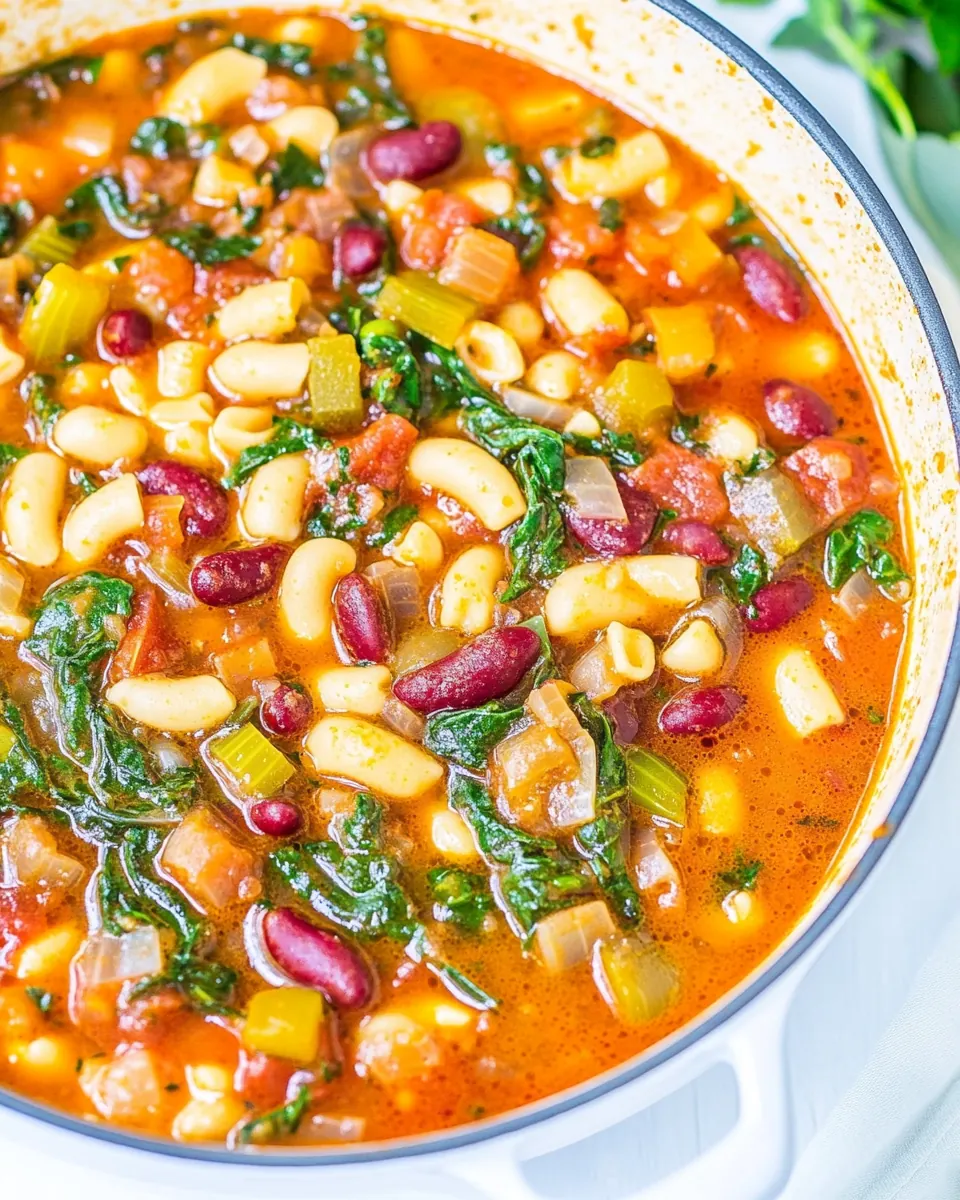
Easy 30 Minute Minestrone Soup
Easy 30 Minute Minestrone Soup is the kind of bowl I reach for on evenings when I want real comfort with no fuss. The first time I made this soup it was a cold night and I had a half dozen random vegetables in the fridge, so I tossed them together and adjusted flavors as I went. That improvised pot turned into a recipe I now return to whenever I want a bright, nourishing meal that feels like a warm hug.
Over the years I have learned to respect simple steps that coax out maximum flavor, and this version of Easy 30 Minute Minestrone Soup balances soft, tender beans with slightly al dente pasta and vibrant greens. I love how the aroma of sautéed onion and garlic fills the kitchen, and how a splash of lemon at the end lifts everything. There are nights when I serve it with crusty bread, and other nights when it stands alone as a complete, satisfying dinner.
Recipe Snapshot
30 mins
10 mins
20 mins
Medium
180 kcal
Italian
Gluten-Free, Vegan
Soups
Large Dutch Oven
Why This Easy 30 Minute Minestrone Soup Works
Hearty but not heavy
I adore that Easy 30 Minute Minestrone Soup delivers satisfying texture without weighing you down. The combination of beans, small pasta, and fresh spinach creates body and substance, while the broth stays bright and broth forward. I often finish a bowl and still feel light enough to relax for the evening.
Speed and simplicity
We all need weeknight recipes that actually fit the weeknight. This soup comes together in about the time it takes to set the table, because the vegetables are cooked to tender quickly and the small macaroni shells cook fast. I value techniques that save time, like sautéing until just soft, which gives great flavor without long simmering.
Flexible and forgiving
I love that this recipe tolerates swaps and additions. If your pantry has a different canned bean or an extra veggie, it usually works. The recipe remains balanced because of the low sodium vegetable broth baseline, which lets you control the final saltiness. I often add more herbs if I want a greener note, or a squeeze of lemon for lift.
Bright finishing touches
Small details matter, and I always recommend the optional lemon juice and fresh parsley at the end. They transform the bowl from simply warm to freshly alive. A little freshly grated parmesan at service adds a savory roundness that many people find irresistible.
Great for batch cooking
I frequently make a big pot because it keeps well and freezes nicely. This recipe stores for days in the fridge and holds up in the freezer, so it is perfect for planning ahead. The structure of beans, pasta, and greens ensures each reheated bowl still feels like a home cooked meal.
Ingredients Overview for Easy 30 Minute Minestrone Soup
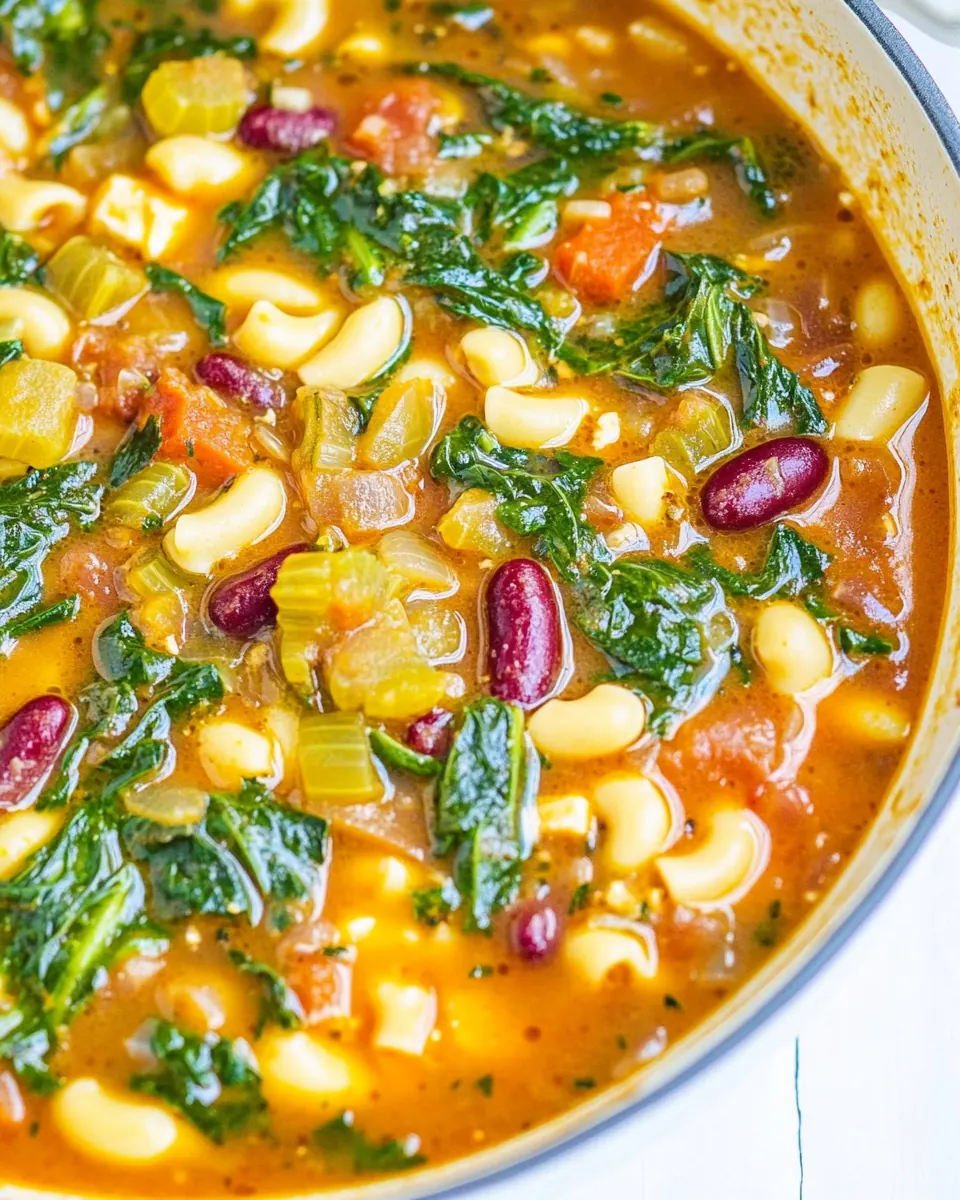
The ingredient list for Easy 30 Minute Minestrone Soup is built for balance. I focus on a few key players: aromatic onion and garlic for depth, several crisp vegetables for texture, canned beans for protein and creaminess, and small pasta for comforting body. The herbs and bay leaves knit everything together while the optional parmesan and lemon brighten the finish.
- 3 to 4 tablespoons olive oil: Heat gently in a soup base to create a fragrant cooking medium and help saute other aromatics; provides healthy monounsaturated fats and contributes to mouthfeel and flavor depth.
- 2 cups sweet Vidalia or yellow onion, peeled and diced small (about 1 large onion): Sweat slowly until translucent to build sweet, savory foundation and natural sweetness; diced small to release juices and integrate evenly throughout the soup.
- 1 1/2 cups zucchini, diced small (about 1 small/medium zucchini): Sauté briefly to add tender texture and subtle vegetal sweetness; diced small to soften quickly and distribute flavor throughout the broth.
- 1 1/2 cups carrots, peeled and sliced thin (about 1 1/2 large carrots): Cook until slightly softened to contribute natural sweetness, texture, and color contrast; sliced thin so it becomes tender within the 30-minute cooking time.
- 1 cup celery, sliced thin (about 2 stalks): Sauté until tender to add aromatic savory notes and contribute a crisp-tender bite; sliced thin for quick cooking and consistent texture in each spoonful.
- 4 garlic cloves, minced: Crush or mince finely and add early to release pungent, aromatic flavor that layers with the onions; provides savory depth and aromatic warmth to the soup.
- 64 ounces (8 cups) low-sodium vegetable broth: Pour as the primary liquid to simmer vegetables and pasta, providing a savory, low-sodium base and controlling overall saltiness and consistency.
- 1 1/2 cups small macaroni shells or small shell pasta: Stir in to provide body and tender chewy texture; small shells cook quickly and capture broth for a comforting mouthfeel.
- two 14.5-ounce cans petite diced tomatoes, I use no-salt added: Add canned tomatoes to bring bright acidity, tomatoey sweetness, and chunky texture while contributing liquid and body to the broth.
- one 15-ounce can red kidney beans, drained and rinsed (I use no-salt added): Rinse and add to supply creamy texture, plant-based protein, and fiber; drained beans help thicken the soup and make it more filling.
- one 15-ounce can great northern white beans or cannellini beans, drained and rinsed (I use no-salt added): Rinse and include to add mild, nutty flavor and additional plant-based protein; helps create a balanced, hearty soup with varied bean textures.
- one 15-ounce can cut green beans, drained and rinsed (I use no-salt added): Drain and add to contribute a tender, green vegetable component and additional fiber with minimal preparation required from canned form.
- 2 bay leaves: Toss in whole to infuse subtle herbal depth and complexity during simmering; remove before serving for balanced background flavor.
- 2 teaspoons dried basil: Sprinkle to introduce sweet, aromatic herb flavor and Italian-inspired warmth; dried form melds into the broth during simmering.
- 1 teaspoon dried thyme: Add to impart earthy, slightly floral notes that complement other herbs and vegetables; dried thyme softens and blends with heat.
- 1 teaspoon dried oregano: Include to provide savory, slightly bitter, and oregano's characteristic Mediterranean flavor that brightens the overall seasoning profile.
- 1 teaspoon dried rosemary: Use sparingly to contribute piney, resinous flavor that enhances herb complexity; dried rosemary should be used in small amounts to avoid overpowering.
- 1 teaspoon pepper, or to taste: Season to taste to add a balanced peppery heat and enhance overall flavor; adjust during cooking to suit personal preference.
- 2 1/2 to 3 cups fresh spinach, tightly packed: Fold in near the end to wilt and add fresh green color, tender texture, and a boost of vitamins and minerals to each serving.
- 1/4 cup fresh flat-leaf parsley leaves, finely chopped: Chop finely and sprinkle in for bright, herbaceous freshness that lifts the finished soup and adds a fresh green aroma.
- 1 tablespoon lemon juice (optional): Stir in optionally to add a bright citrus lift that balances richness and heightens the soup's overall freshness and flavor complexity.
- salt, to taste: Season at the end to adjust overall salt balance to taste, enhancing and rounding flavors without overpowering other ingredients.
- freshly grated parmesan cheese, and for garnishing (optional): Garnish optionally to add umami-rich savory notes and a salty, nutty finish when freshly grated over individual bowls before serving.
How to Make Easy 30 Minute Minestrone Soup
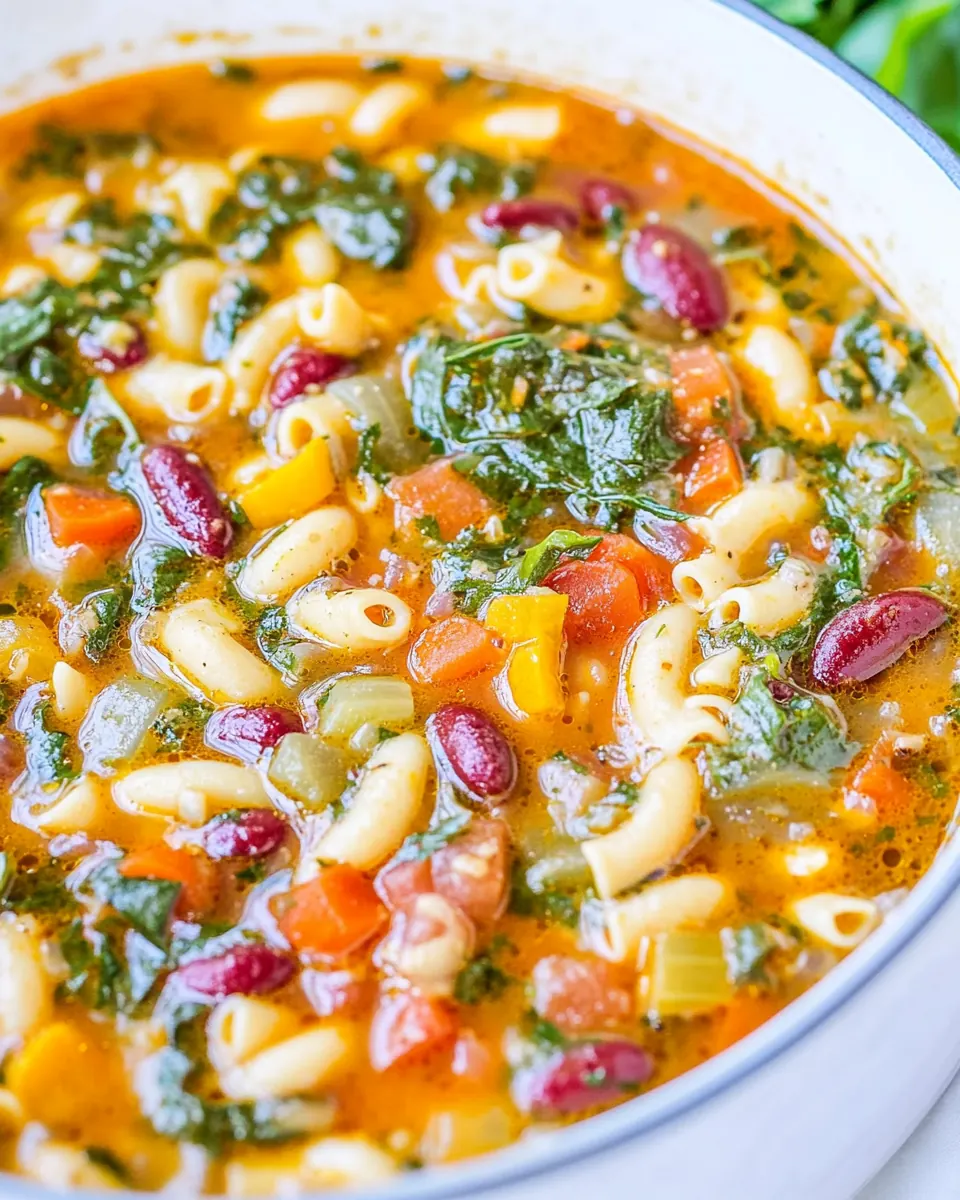
This recipe is approachable and methodical, so you can focus on technique and sensory cues rather than timers alone. Below I expand each direction into a deep, chef like walkthrough, with reasons and troubleshooting so you can trust each step.
- To a very large Dutch oven or stockpot, add the oil and heat over medium-high heat to warm.: The kitchen should begin to smell faintly warm and the oil shimmers when ready, signaling it will coat the pan evenly and transfer heat to the vegetables without burning. Warming oil at medium high ensures efficient sautéing, but watch carefully because oil can go from shimmering to smoking quickly; if you see wisps of smoke, reduce heat immediately. A common mistake is overheating the pan which scorches aromatics, so I wait until the oil moves like molten glass but is not smoking. This technique matters because gentle, even heat helps the onion and garlic release sugars and aroma, building the soup's flavor foundation. I also tilt the pot and test with a small piece of onion to verify the surface is ready before adding all vegetables.
- Add the onion, zucchini, carrots, celery, and sauté for about 10 minutes, or until vegetables begin to soften. Stir intermittently.: As the vegetables cook the pan will issue soft sizzling sounds and the edges of the onion will take on a translucent sheen, indicating sugars are breaking down into caramel like notes. Stirring intermittently prevents sticking and encourages even browning on different pieces. I look for a tender bite in carrot slices and slightly softened zucchini; that combination ensures the soup will have varied texture after cooking. Overcrowding the pot reduces browning and leads to steaming rather than sautéing, so use a very large pot or cook in batches. If you end up with too much moisture in the pan, increase heat briefly to evaporate excess liquid before proceeding.
- Add the garlic and sauté for another 1 to 2 minutes.: Once the garlic hits the warm vegetables the aroma should become immediate and sweetly pungent, with quick sizzles. This short time allows the garlic to bloom and infuse the oil without turning bitter. You will notice tiny fragrant wisps and a warm, almost nutty scent; that is the garlic caramelizing slightly. A common mistake is leaving garlic too long which makes it harsh, so add it last in the sauté sequence and watch the clock. The why is simple: garlic's volatile compounds enrich the soup when gently cooked but degrade into off flavors if burned.
- Add the vegetable broth, macaroni, tomatoes and juice, kidney beans, white beans, green beans, bay leaves, basil, thyme, oregano, rosemary, pepper, and bring to a boil.: As you add the cool broth the pot will hiss softly and steam will rise, carrying herbaceous and tomato aromas. Stir briefly to combine so the macaroni is submerged and the canned items spread their juices through the liquid. Bringing the pot to a boil locks in flavors and begins the pasta cooking process, but keep an eye on even heat because a violent boil can break apart delicate beans and cause foaming. I add dried herbs now to allow them to rehydrate and release their essences. A common mistake is to dump the pasta on top so it floats, cook it uncovered, and end up with unevenly cooked shapes, so stir gently after adding.
- Allow mixture to boil gently for about 15 minutes or until macaroni is cooked through. At any time while making the soup, if the overall liquid level is lower than you like and you prefer more broth, adding a cup or two of water or additional vegetable broth is okay. At the end you will adjust the salt level.: During this period the pot should settle into a steady gentle boil, with rhythmic bubbling and a fragrant, savory steam. The macaroni will slowly become tender and the broth will take on a fuller body as starches release. Stir occasionally to prevent the pasta from settling to the bottom. If you notice the liquid reducing more than you want, add warm water or broth a cup at a time so you do not shock the temperature, which could interrupt cooking. A common error is letting pasta overcook; remove a piece to taste at the lower end of the time range if you prefer some chew.
- Add the spinach, parsley, optional lemon juice (brightens up the flavor), and boil 1 to 2 minutes, or until spinach and parsley are wilted and vibrant.: At this stage the kitchen will be perfumed with fresh green notes as the spinach collapses into the warm broth and the chopped parsley softens and releases bright, herbaceous oils. The leaves should become glossy and deeply green rather than dull, which signals they are cooked just enough. Adding lemon juice now lifts the entire pot, cutting through starch and bean richness with acid. A frequent mistake is cooking the greens for too long until they turn limp and dull, so add them at the end for immediate vibrancy.
- Taste soup and add salt to taste. I added about 1 tablespoon but this will vary based on how salty the brand of vegetable broth, tomatoes, and the various beans are, and upon personal preference.: This tasting moment is crucial because canned goods and broths differ widely in sodium. Use a spoon to test temperature and flavor balance, and add small amounts of salt incrementally until the soup sings. Salt amplifies the other flavors and rounds the dish, but oversalting is easy to do, so proceed with restraint. If you oversalt accidentally, adding a peeled, raw potato and simmering briefly can absorb some excess salt, though it may alter texture.
- Make any necessary seasoning adjustments (i. e. more salt, pepper, herbs, etc.), remove the bay leaves, optionally garnish with parmesan, and serve immediately.: Once seasoning is adjusted, remove the bay leaves so no leathery pieces end up in bowls. At service, a grating of parmesan will melt into hot soup and add savory depth. Serve while steaming hot so the aromatics and textures are at their best; as the bowl cools the pasta will continue to absorb liquid. A common mistake is reheating repeatedly which dries out the soup, so reheat gently and add a splash of broth if needed.
How to Switch It Up
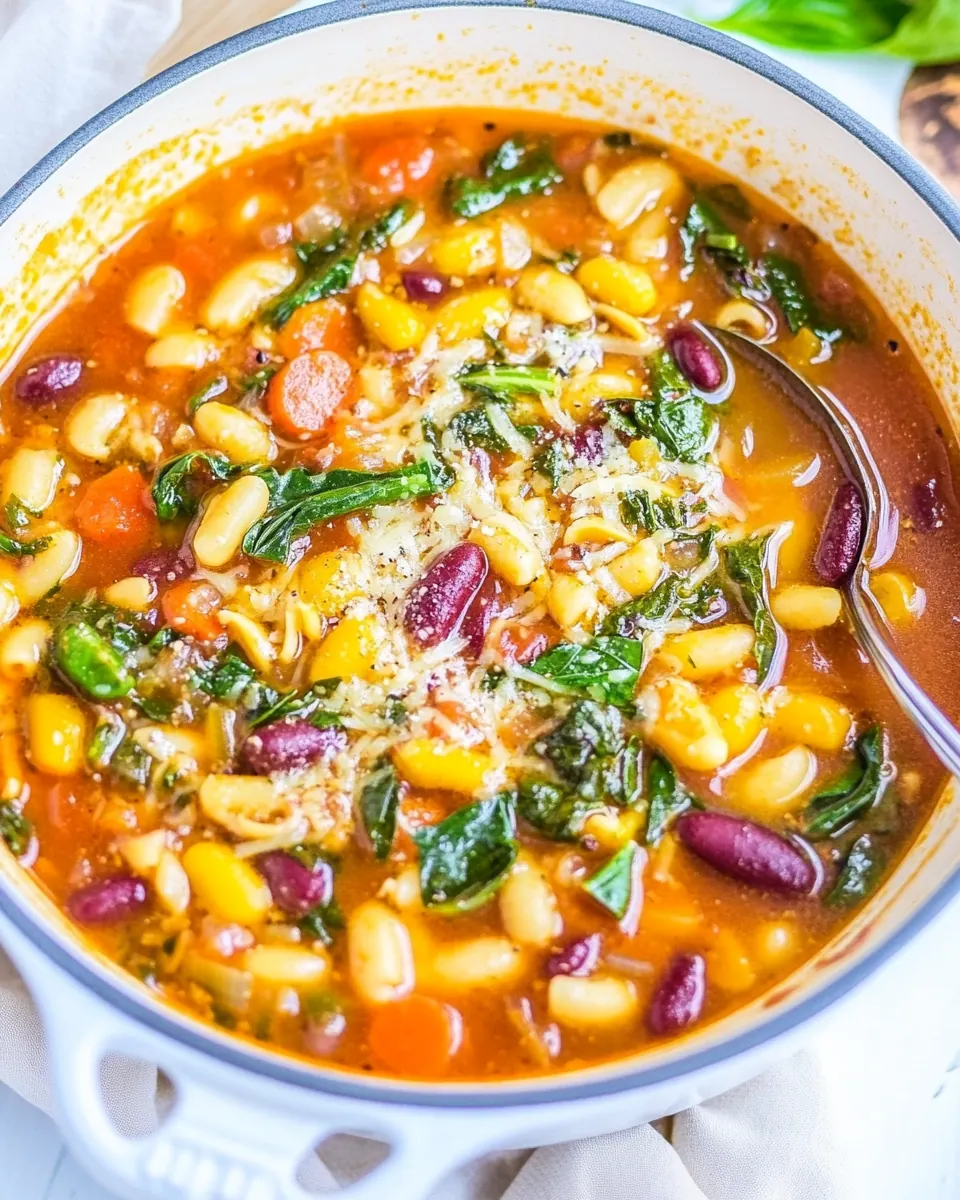
I like offering options so you can tailor Easy 30 Minute Minestrone Soup to whatever is in your pantry. Below are practical, flavorful tweaks that preserve the spirit of the recipe while providing variety.
- Swap pasta shapes Try small shells or orzo if you prefer different bite sizes, they change mouthfeel but keep cooking times short.
- Use fresh tomatoes in season If you have ripe tomatoes, dice and add them with a splash of broth for fresher acidity and texture.
- Boost herb freshness Replace some dried herbs with more chopped parsley or a little fresh basil at the end for a brighter finish.
- Stretch with extra broth If you want a soupier result, add extra low sodium vegetable broth while simmering and adjust salt at the end.
- Make it kid friendly Omit visible herb flecks and finely chop vegetables so the texture is smoother but the nutrition remains.
- Freeze in portions Cool fully and freeze in single serving containers; reheat gently and add a splash of broth to revive the texture.
What to Pair With Easy 30 Minute Minestrone Soup
This soup is versatile on the table and works well for simple meals, gatherings, or a cozy solo dinner. Below are serving ideas, occasions, and storage suggestions to make the most of it.
- Crusty bread or rolls Warm, crusty bread is perfect for dipping into the broth and soaking up flavors.
- Light salad A crisp green salad with lemon vinaigrette provides a refreshing contrast to the warm bowl.
- Grated parmesan on the side Offer freshly grated parmesan so guests can finish bowls to taste for extra savory depth.
- Casual weeknight dinner Serve as the main course with side bread for an easy weeknight meal that still feels complete.
- Meal prep and storage Keep in an airtight container in the fridge for 5 to 7 days or freeze portions for up to 4 months, reheating gently with added broth if needed.
- Seasonal pairing This is a great winter soup for warming comfort, but with fresh tomatoes it transitions nicely into spring and summer.
FAQ
Conclusion
This recipe shines because it combines pantry staples and fresh greens into a warming, balanced bowl that comes together quickly. I encourage you to try Easy 30 Minute Minestrone Soup on a busy weeknight or when you need a comforting meal with minimal fuss. It’s forgiving, adaptable, and a true home kitchen winner that stores and freezes well while still tasting fresh when reheated.
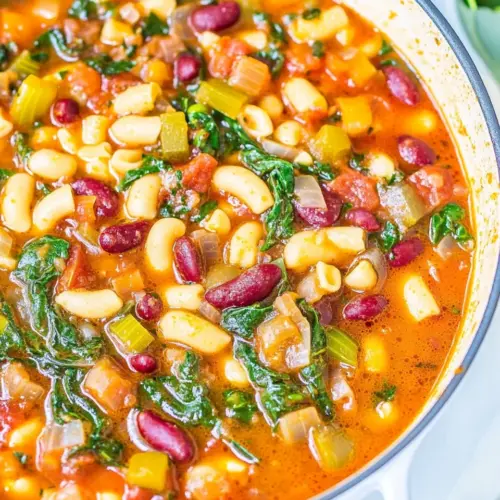
Easy 30 Minute Minestrone Soup
Equipment
- Large Dutch oven
Ingredients
- 3 to 4 tablespoons olive oil Heat gently in a soup base to create a fragrant cooking medium and help saute other aromatics; provides healthy monounsaturated fats and contributes to mouthfeel and flavor depth.
- 2 cups sweet Vidalia or yellow onion, peeled and diced small (about 1 large onion) Sweat slowly until translucent to build sweet, savory foundation and natural sweetness; diced small to release juices and integrate evenly throughout the soup.
- 1 1/2 cups zucchini, diced small (about 1 small/medium zucchini) Sauté briefly to add tender texture and subtle vegetal sweetness; diced small to soften quickly and distribute flavor throughout the broth.
- 1 1/2 cups carrots, peeled and sliced thin (about 1 1/2 large carrots) Cook until slightly softened to contribute natural sweetness, texture, and color contrast; sliced thin so it becomes tender within the 30-minute cooking time.
- 1 cup celery, sliced thin (about 2 stalks) Sauté until tender to add aromatic savory notes and contribute a crisp-tender bite; sliced thin for quick cooking and consistent texture in each spoonful.
- 4 garlic cloves, minced Crush or mince finely and add early to release pungent, aromatic flavor that layers with the onions; provides savory depth and aromatic warmth to the soup.
- 64 ounces (8 cups) low-sodium vegetable broth Pour as the primary liquid to simmer vegetables and pasta, providing a savory, low-sodium base and controlling overall saltiness and consistency.
- 1 1/2 cups small macaroni shells or small shell pasta Stir in to provide body and tender chewy texture; small shells cook quickly and capture broth for a comforting mouthfeel.
- two 14.5-ounce cans petite diced tomatoes, I use no-salt added Add canned tomatoes to bring bright acidity, tomatoey sweetness, and chunky texture while contributing liquid and body to the broth.
- one 15-ounce can red kidney beans, drained and rinsed (I use no-salt added) Rinse and add to supply creamy texture, plant-based protein, and fiber; drained beans help thicken the soup and make it more filling.
- one 15-ounce can great northern white beans or cannellini beans, drained and rinsed (I use no-salt added) Rinse and include to add mild, nutty flavor and additional plant-based protein; helps create a balanced, hearty soup with varied bean textures.
- one 15-ounce can cut green beans, drained and rinsed (I use no-salt added) Drain and add to contribute a tender, green vegetable component and additional fiber with minimal preparation required from canned form.
- 2 bay leaves Toss in whole to infuse subtle herbal depth and complexity during simmering; remove before serving for balanced background flavor.
- 2 teaspoons dried basil Sprinkle to introduce sweet, aromatic herb flavor and Italian-inspired warmth; dried form melds into the broth during simmering.
- 1 teaspoon dried thyme Add to impart earthy, slightly floral notes that complement other herbs and vegetables; dried thyme softens and blends with heat.
- 1 teaspoon dried oregano Include to provide savory, slightly bitter, and oregano's characteristic Mediterranean flavor that brightens the overall seasoning profile.
- 1 teaspoon dried rosemary Use sparingly to contribute piney, resinous flavor that enhances herb complexity; dried rosemary should be used in small amounts to avoid overpowering.
- 1 teaspoon pepper, or to taste Season to taste to add a balanced peppery heat and enhance overall flavor; adjust during cooking to suit personal preference.
- 2 1/2 to 3 cups fresh spinach, tightly packed Fold in near the end to wilt and add fresh green color, tender texture, and a boost of vitamins and minerals to each serving.
- 1/4 cup fresh flat-leaf parsley leaves, finely chopped Chop finely and sprinkle in for bright, herbaceous freshness that lifts the finished soup and adds a fresh green aroma.
- 1 tablespoon lemon juice, optional Stir in optionally to add a bright citrus lift that balances richness and heightens the soup's overall freshness and flavor complexity.
- salt, to taste Season at the end to adjust overall salt balance to taste, enhancing and rounding flavors without overpowering other ingredients.
- freshly grated parmesan cheese, optional and for garnishing Garnish optionally to add umami-rich savory notes and a salty, nutty finish when freshly grated over individual bowls before serving.
Instructions
- To a very large Dutch oven or stockpot, add the oil and heat over medium-high heat to warm.: The kitchen should begin to smell faintly warm and the oil shimmers when ready, signaling it will coat the pan evenly and transfer heat to the vegetables without burning. Warming oil at medium high ensures efficient sautéing, but watch carefully because oil can go from shimmering to smoking quickly; if you see wisps of smoke, reduce heat immediately. A common mistake is overheating the pan which scorches aromatics, so I wait until the oil moves like molten glass but is not smoking. This technique matters because gentle, even heat helps the onion and garlic release sugars and aroma, building the soup's flavor foundation. I also tilt the pot and test with a small piece of onion to verify the surface is ready before adding all vegetables.
- Add the onion, zucchini, carrots, celery, and sauté for about 10 minutes, or until vegetables begin to soften. Stir intermittently.: As the vegetables cook the pan will issue soft sizzling sounds and the edges of the onion will take on a translucent sheen, indicating sugars are breaking down into caramel like notes. Stirring intermittently prevents sticking and encourages even browning on different pieces. I look for a tender bite in carrot slices and slightly softened zucchini; that combination ensures the soup will have varied texture after cooking. Overcrowding the pot reduces browning and leads to steaming rather than sautéing, so use a very large pot or cook in batches. If you end up with too much moisture in the pan, increase heat briefly to evaporate excess liquid before proceeding.
- Add the garlic and sauté for another 1 to 2 minutes.: Once the garlic hits the warm vegetables the aroma should become immediate and sweetly pungent, with quick sizzles. This short time allows the garlic to bloom and infuse the oil without turning bitter. You will notice tiny fragrant wisps and a warm, almost nutty scent; that is the garlic caramelizing slightly. A common mistake is leaving garlic too long which makes it harsh, so add it last in the sauté sequence and watch the clock. The why is simple: garlic's volatile compounds enrich the soup when gently cooked but degrade into off flavors if burned.
- Add the vegetable broth, macaroni, tomatoes and juice, kidney beans, white beans, green beans, bay leaves, basil, thyme, oregano, rosemary, pepper, and bring to a boil.: As you add the cool broth the pot will hiss softly and steam will rise, carrying herbaceous and tomato aromas. Stir briefly to combine so the macaroni is submerged and the canned items spread their juices through the liquid. Bringing the pot to a boil locks in flavors and begins the pasta cooking process, but keep an eye on even heat because a violent boil can break apart delicate beans and cause foaming. I add dried herbs now to allow them to rehydrate and release their essences. A common mistake is to dump the pasta on top so it floats, cook it uncovered, and end up with unevenly cooked shapes, so stir gently after adding.
- Allow mixture to boil gently for about 15 minutes or until macaroni is cooked through. At any time while making the soup, if the overall liquid level is lower than you like and you prefer more broth, adding a cup or two of water or additional vegetable broth is okay. At the end you will adjust the salt level.: During this period the pot should settle into a steady gentle boil, with rhythmic bubbling and a fragrant, savory steam. The macaroni will slowly become tender and the broth will take on a fuller body as starches release. Stir occasionally to prevent the pasta from settling to the bottom. If you notice the liquid reducing more than you want, add warm water or broth a cup at a time so you do not shock the temperature, which could interrupt cooking. A common error is letting pasta overcook; remove a piece to taste at the lower end of the time range if you prefer some chew.
- Add the spinach, parsley, optional lemon juice (brightens up the flavor), and boil 1 to 2 minutes, or until spinach and parsley are wilted and vibrant.: At this stage the kitchen will be perfumed with fresh green notes as the spinach collapses into the warm broth and the chopped parsley softens and releases bright, herbaceous oils. The leaves should become glossy and deeply green rather than dull, which signals they are cooked just enough. Adding lemon juice now lifts the entire pot, cutting through starch and bean richness with acid. A frequent mistake is cooking the greens for too long until they turn limp and dull, so add them at the end for immediate vibrancy.
- Taste soup and add salt to taste. I added about 1 tablespoon but this will vary based on how salty the brand of vegetable broth, tomatoes, and the various beans are, and upon personal preference.: This tasting moment is crucial because canned goods and broths differ widely in sodium. Use a spoon to test temperature and flavor balance, and add small amounts of salt incrementally until the soup sings. Salt amplifies the other flavors and rounds the dish, but oversalting is easy to do, so proceed with restraint. If you oversalt accidentally, adding a peeled, raw potato and simmering briefly can absorb some excess salt, though it may alter texture.
- Make any necessary seasoning adjustments (i. e. more salt, pepper, herbs, etc.), remove the bay leaves, optionally garnish with parmesan, and serve immediately.: Once seasoning is adjusted, remove the bay leaves so no leathery pieces end up in bowls. At service, a grating of parmesan will melt into hot soup and add savory depth. Serve while steaming hot so the aromatics and textures are at their best; as the bowl cools the pasta will continue to absorb liquid. A common mistake is reheating repeatedly which dries out the soup, so reheat gently and add a splash of broth if needed.
Notes
- Swap pasta shapes Try small shells or orzo if you prefer different bite sizes, they change mouthfeel but keep cooking times short.
- Use fresh tomatoes in season If you have ripe tomatoes, dice and add them with a splash of broth for fresher acidity and texture.
- Boost herb freshness Replace some dried herbs with more chopped parsley or a little fresh basil at the end for a brighter finish.
- Stretch with extra broth If you want a soupier result, add extra low sodium vegetable broth while simmering and adjust salt at the end.
- Make it kid friendly Omit visible herb flecks and finely chop vegetables so the texture is smoother but the nutrition remains.
- Freeze in portions Cool fully and freeze in single serving containers; reheat gently and add a splash of broth to revive the texture.