Raspberry Cream Scones
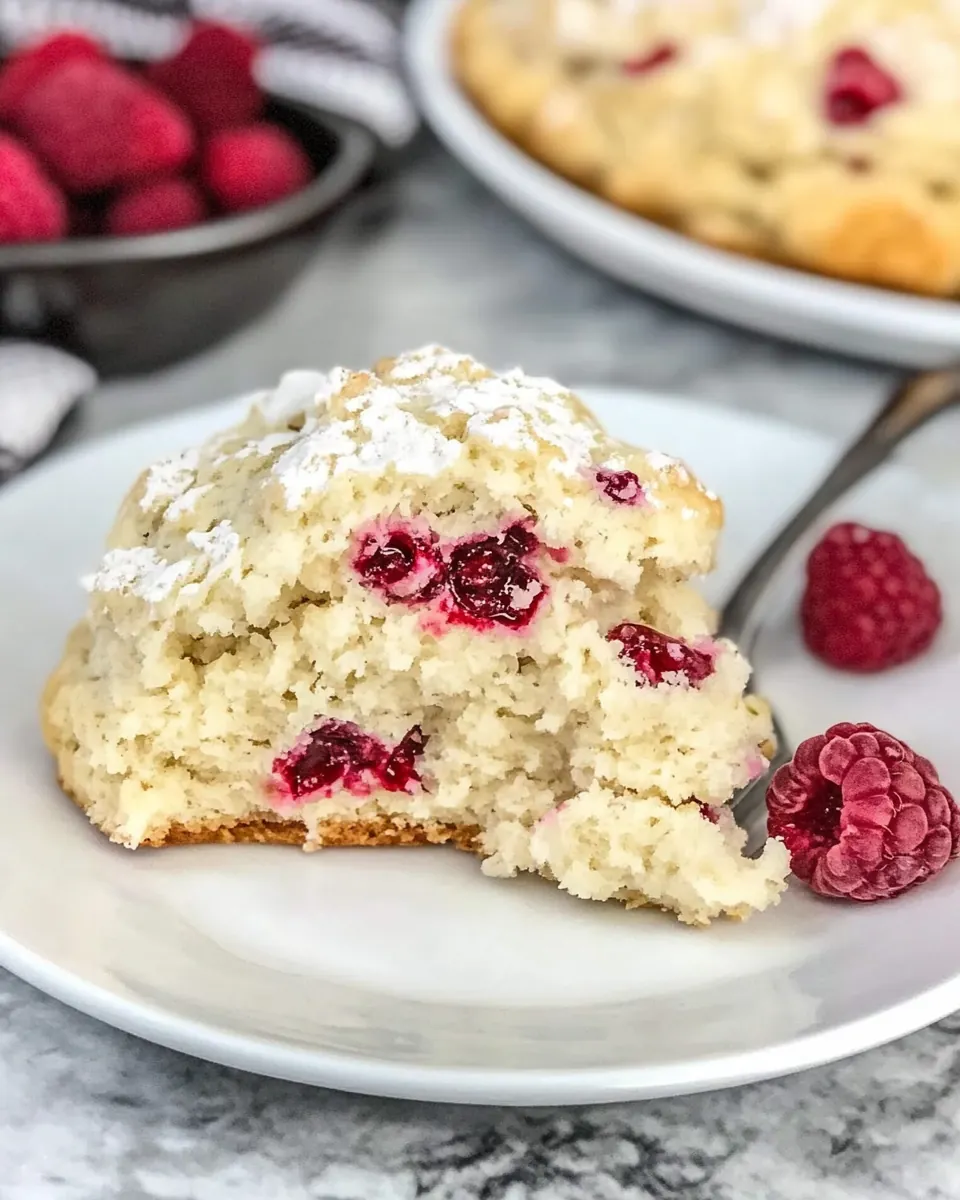
Raspberry Cream Scones are one of those comforting baked treats I reach for when I want a little celebration without the fuss. The first time I made them I was juggling a sleepy morning and an unexpected guest, and these scones saved the day by coming together quickly while still tasting like something special. The first bite offered a tender, slightly crumbly interior, with bright bursts of raspberries and a rich, creamy note from the heavy cream, and that balance has stuck with me ever since.
I remember learning to handle the dough gently, how brief kneading keeps the scones flaky rather than dense, and how cold butter creates pockets that melt into buttery rivers while baking. Over time I’ve adjusted the sugar and shaped them to be tall and tender, not flat and heavy. When friends arrive for coffee, I often make a batch, and the warm aroma of toasted edges and sweet fruit always makes the kitchen feel like a small bakery for the morning.
Recipe Snapshot
27 mins
15 mins
12 mins
Medium
250 kcal
American
Gluten-Free, Low FODMAP
Desserts
Mixing bowl, Whisk, Pastry blender, Baking sheet, Parchment paper, Biscuit cutter
What’s Great About This Raspberry Cream Scones
Bright, Fresh Fruit in Every Bite
I love how the Raspberry Cream Scones showcase fresh raspberries. They add a burst of tartness that cuts through the rich heavy cream, keeping each bite lively and never cloying. Fresh fruit is gentle in texture, so the scones stay tender, not gummy, when you mix it in carefully.
Buttery Flakes from Cold Butter
Using cold, cubed butter and cutting it into the flour keeps the dough light. I always aim for coarse, cornmeal like crumbs with visible pea sized bits of butter. Those bits melt in the oven, creating steam pockets that make the scones flaky and layered. It is a simple technique, yet it transforms texture dramatically.
Simple Ingredients, Big Results
There is a humility to this recipe I appreciate. With just flour, baking powder, a bit of sugar, and heavy cream, the scones taste refined. The method leans on gentle handling, not fancy equipment, so you get an elevated result with honest pantry staples. I find this reliable for mornings when I want to impress without stress.
Quick to Make, Great for Guests
These come together in under an hour from start to cooling, which makes them a dependable option when company drops by. I often mash through the steps while brewing coffee, and by the time the kettle has steamed, the oven hums and the house smells like a cozy bakery. The short timeline is one reason I make them again and again.
Versatile Serving Options
I adore that Raspberry Cream Scones work warm from the oven alongside a cup of tea, or cooled and packed into a picnic basket. They also freeze well, so you can double the batch and save a few for busy mornings. That flexibility keeps them in my regular rotation.
What to Buy for Raspberry Cream Scones
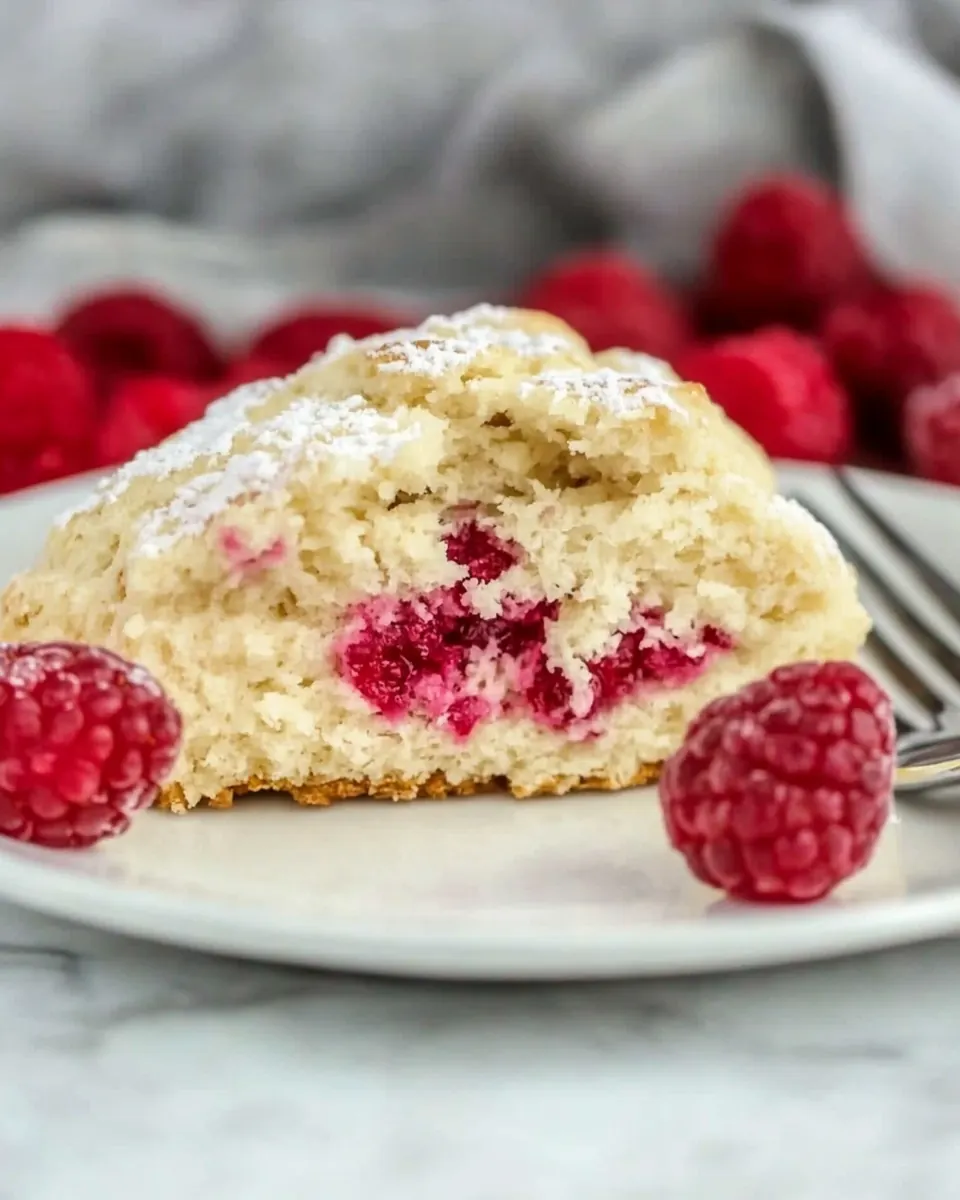
For these scones I follow a minimalistic philosophy: choose ingredients that play distinct roles. The flour builds structure, the baking powder gives lift, a touch of sugar balances tartness, and butter creates flakiness. Fresh raspberries bring brightness while heavy cream adds richness and hydration. Together they create a scone that is tender, slightly crumbly, and fruit forward.
- 2 cups flour: Provide structure and bulk to the scone dough by forming the dry base; whisk with leavening and sugar to ensure even distribution and a tender crumb when baked. Use spoon-and-level measuring for accuracy to maintain proper dough consistency and avoid toughness from overworking.
- 1 tablespoon baking powder: Leaven the scones by creating lift and lightness, reacting with the cream to produce air pockets during baking. Measure precisely and mix thoroughly with the flour so rising is uniform and scones remain tender rather than gummy.
- 3 tablespoons sugar: Add subtle sweetness and help with browning, balancing tartness from raspberries while contributing to the scone’s flavor profile. Dissolve with the wet ingredients to avoid gritty spots and ensure even caramelization on the crust.
- 1/2 teaspoon salt: Enhance flavor depth and control seasoning, preventing blandness while balancing sweetness and acidity. Combine with the dry ingredients so salt is evenly distributed and enhances the butter and cream notes throughout the scone.
- 5 tablespoons cold butter, cut into 1/4-inch cubes: Provide richness and tender flakiness by coating flour particles and creating steam pockets as it melts, yielding layered texture. Keep cold and cut into small cubes to prevent over-softening; minimal handling preserves pockets of butter for flakier scones.
- 1/2 cup fresh raspberries: Introduce fresh fruity tartness and bursts of moisture that contrast the rich dough, adding bright flavor and visual appeal. Fold gently to avoid squashing berries and releasing excess juice, which can make the dough soggy and affect baking.
- 1 cup heavy cream: Bind the dough, supply fat for tenderness, and activate the baking powder to create a soft, rich crumb with golden color. Keep chilled and mix just until combined to avoid overworking gluten, ensuring moist, tender scones.
How to Assemble Raspberry Cream Scones
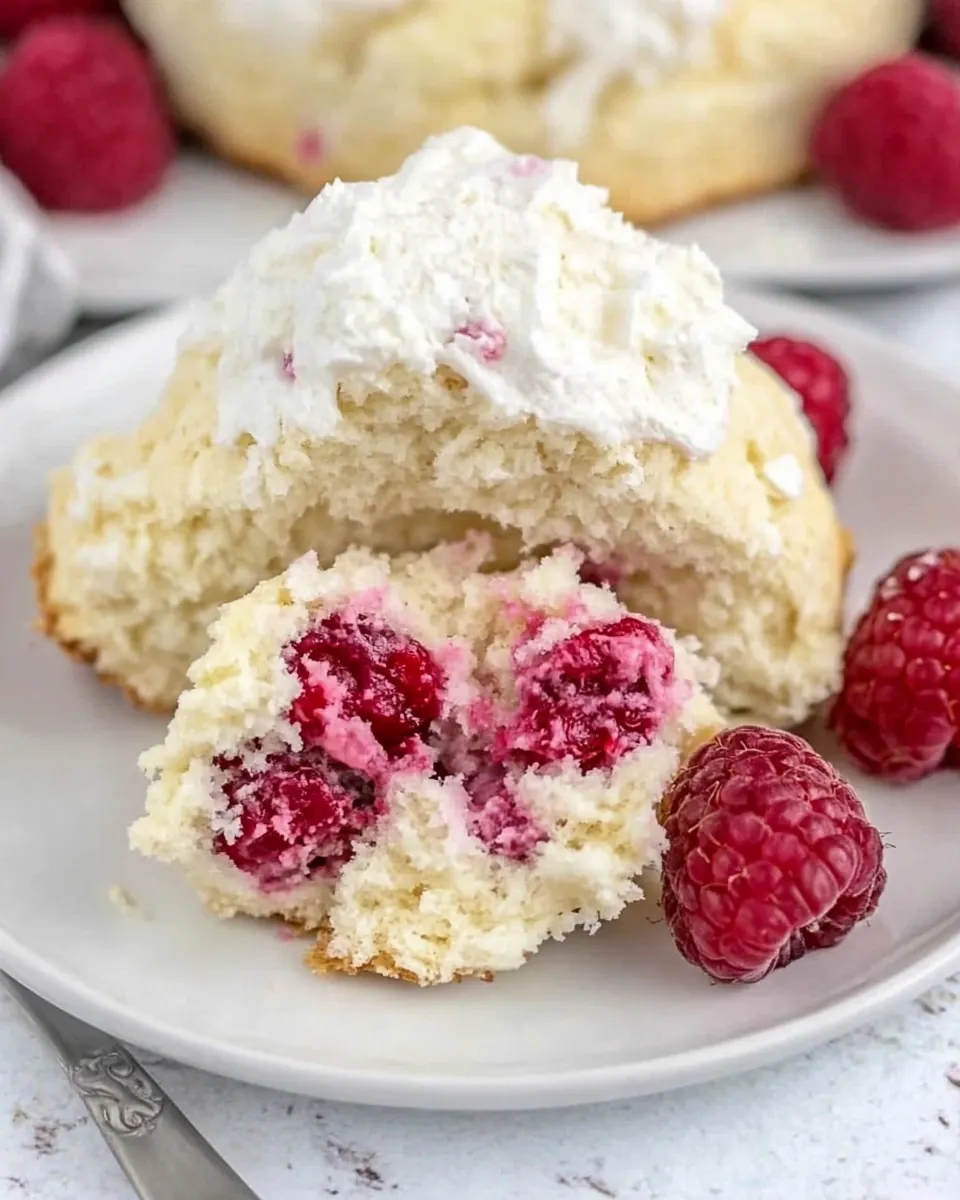
These instructions are conversational and aimed at guiding you through sensory cues and common pitfalls. Work gently and deliberately, and you will be rewarded with tall, tender scones that have a flaky crumb and bright fruit pockets.
- Preheat oven to 425º.: As the oven warms, notice the subtle change in your kitchen air where anticipation meets warmth. Preheating ensures those first moments in the oven create rapid steam from the cold butter , helping the scones rise, and sets the stage for a golden crust. A common mistake is placing scones into an oven that is not fully hot, which can make them spread instead of lifting, so resist the urge to start too early.
- Combine flour, baking powder, sugar, and salt in a mixing bowl. Whisk to combine.: When you whisk, listen for a soft whisper of the dry ingredients settling together, and watch the mixture take on a uniform pale tone. This even distribution of leavening and salt guarantees consistent rise and balance throughout each scone. Avoid skipping this step, because uneven leavening pockets will yield uneven texture where some scones rise more than others.
- Cut in butter with a pastry blender until it looks like coarse cornmeal with a few slightly larger lumps. Gently stir in fruit.: As you work the cold butter into the dry mix, feel the grainy, coarse texture change under your tool. Those pea sized bits are perfect; they are the little pockets that steam and create flakiness. When you fold in the raspberries , do so softly so they stay intact and do not smear into the dough. A common error is overworking here, which warms the butter and yields dense scones.
- Add heavy cream and stir with a spatula or fork till dough begins to form.: When the heavy cream hits the dry mix, it transforms into a shaggy dough that clings together in moist clusters. You should see patches of dry flour still, and that is okay, because continued handling will bring it together. The cream's fat contributes tenderness and flavor. Overmixing at this stage is a frequent pitfall, producing tough scones instead of flaky ones.
- Pour out onto the countertop and knead very carefully till the dough comes together into a slightly sticky mound… only about 5-10 seconds.: Touch the dough and you should feel slight tackiness, not wet stickiness. Gentle kneading unites strands, but doing this too long tightens gluten and makes the crumb chewy. The right feel is a cohesive ball that still yields to a fingertip. Avoid heavy, pounding kneads, which are a foolproof route to dense scones.
- Pat into a rectangle about 1 inch tall. Cut into 8-12 rounds using a biscuit cutter.: Patting the dough gently gives it uniform height which helps even baking. As you press, watch the edges form clean lines without compacting the center. When you press out rounds, you should hear a soft thud and see the dough separate cleanly. Forcing the cutter up and down repeatedly crushes layers, so press straight down and lift to leave the layers intact.
- Place onto parchment or Silpat lined baking sheet. May brush with cream and sprinkle with sugar if desired.: Lining the sheet prevents sticking and encourages even bottom browning. Brushing with extra heavy cream before baking makes a shiny, golden top, and a sprinkle of sugar adds sparkle and crunch. Be mindful that too much brushing can create pooling, which can steam the bottoms and soften the crust.
- Bake 11-14 minutes till light brown. Cool on a rack for 10 minutes before serving. May serve warm or at room temperature. These freeze well.: As they bake, pay attention to aroma and color, the kitchen will fill with a warm, toasty scent and the edges will gently brown. The sound is silent, but the visual cue of even, light browning signals doneness. Let them rest so steam redistributes, giving a tender crumb. A common trap is underbaking, which leaves a gummy center, so rely on color and a springy top to judge completion.
- You may also make these in the food processor. Be careful not to over-process.: If you use a processor, the mixing is quick and the mixture should still show pea sized bits of fat. The noise is obvious and the dough comes together rapidly, but it is easy to overwork, turning the dough into a paste. Pulse briefly and check frequently to avoid warming the butter and losing flakiness.
Helpful Hints
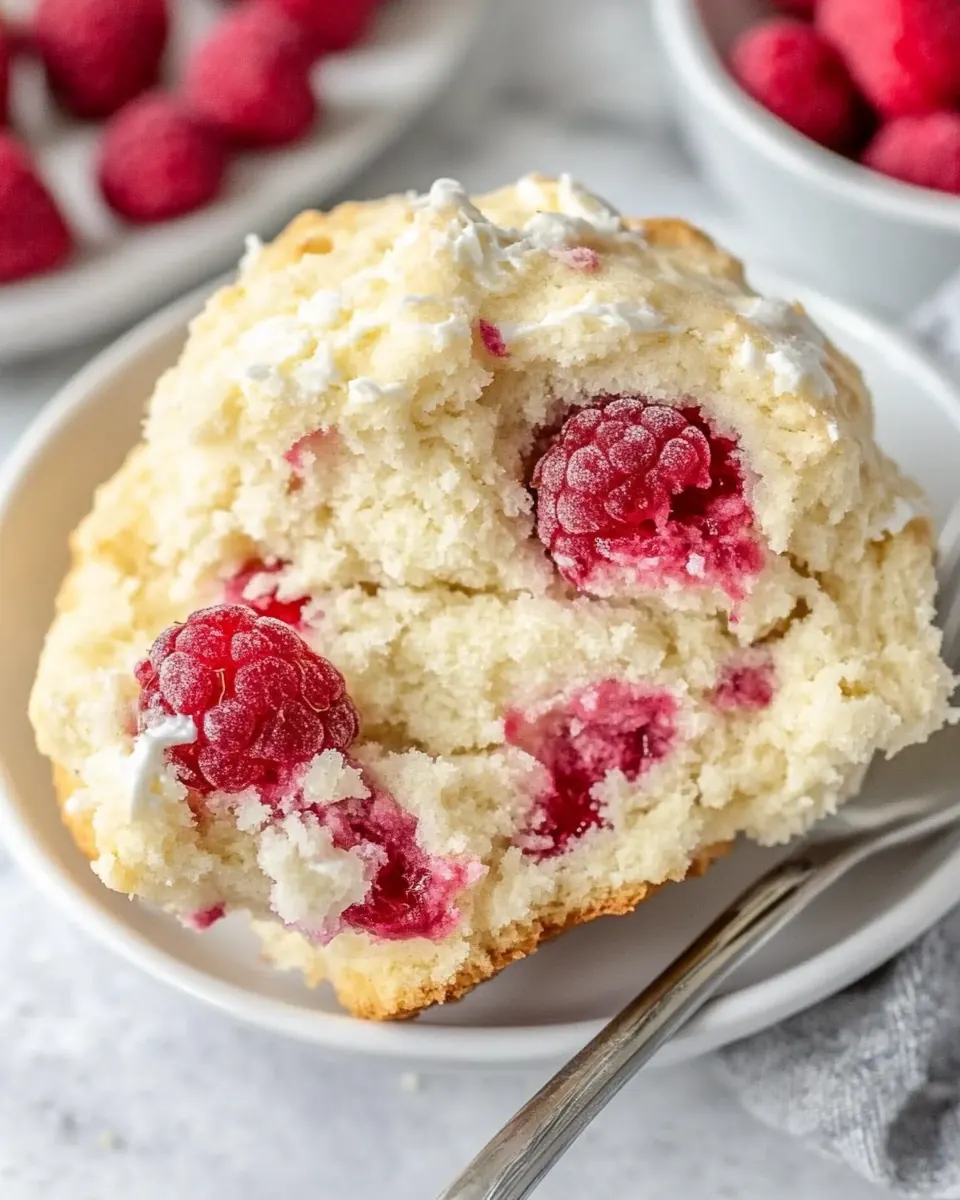
I like sharing tips that save time and elevate texture without complicating the bake. These pointers reflect years of making scones on mornings of all kinds, from rushed to leisurely.
- Chill everything: Keep the butter and even the bowl chilled when possible, because cold fat creates flaky pockets as it melts during baking.
- Pulse if using a processor: When you use a food processor, pulse in short bursts to avoid turning the dough into a paste and to preserve pea sized bits of butter.
- Measure flour correctly: Spoon the flour into the cup and level it off rather than scooping, which can add too much and dry the dough.
- Protect the fruit: Toss raspberries gently in a tablespoon of flour before folding into the dough to reduce sinking and bleeding.
- Watch the oven color: Bake until the tops are a light golden brown, not dark, to keep interiors tender and not overbaked.
- Freeze extras: Flash freeze scones on a tray, then transfer to a bag so you can reheat single portions without thawing the whole batch.
Perfect Matches for Raspberry Cream Scones
These scones are versatile for light breakfasts, brunch gatherings, and tea time. Below I outline pairing ideas, occasions, and storage strategies to make serving effortless and appealing.
- Breakfast pairing: Serve warm with a pat of butter and a cup of coffee or tea for a relaxed morning where the scone is the centerpiece.
- Brunch spread: Arrange with fruit bowls and simple yogurt for a mid morning gathering that is easy to assemble yet feels curated.
- Picnic option: Cool completely, wrap individually, and pack in a basket for a portable, fruit forward treat that travels well.
- Holiday mornings: These work beautifully for spring holidays like Mother’s Day or a casual brunch, where you want something pretty without fuss.
- Storage tips: Keep cooled scones in an airtight container at room temperature for up to two days, or freeze for up to three months and reheat from frozen for a quick morning option.
- Seasonal pairing: Pair with light spring fruit and herbal teas to complement the bright raspberries and the rich heavy cream notes.
FAQ
Conclusion
Raspberry Cream Scones stand out for their bright fruit pockets and tender, flaky crumb, a result of cold butter and gentle handling. Give them a try the next time you crave a simple, elegant bake that comes together quickly yet tastes special. I hope this recipe becomes one of your go to morning treats, bringing a warm, homemade touch to everyday moments.
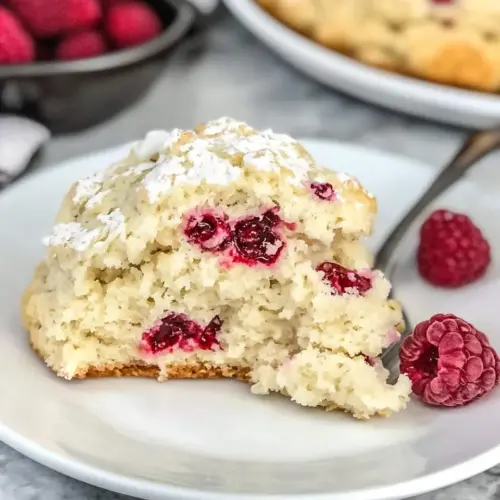
Raspberry Cream Scones
Equipment
- Mixing Bowl
- Whisk
- Pastry blender
- Baking Sheet
- Parchment Paper
- Biscuit cutter
Ingredients
- 2 cups flour Provide structure and bulk to the scone dough by forming the dry base; whisk with leavening and sugar to ensure even distribution and a tender crumb when baked. Use spoon-and-level measuring for accuracy to maintain proper dough consistency and avoid toughness from overworking.
- 1 tablespoon baking powder Leaven the scones by creating lift and lightness, reacting with the cream to produce air pockets during baking. Measure precisely and mix thoroughly with the flour so rising is uniform and scones remain tender rather than gummy.
- 3 tablespoons sugar Add subtle sweetness and help with browning, balancing tartness from raspberries while contributing to the scone’s flavor profile. Dissolve with the wet ingredients to avoid gritty spots and ensure even caramelization on the crust.
- 1/2 teaspoon salt Enhance flavor depth and control seasoning, preventing blandness while balancing sweetness and acidity. Combine with the dry ingredients so salt is evenly distributed and enhances the butter and cream notes throughout the scone.
- 5 tablespoons cold butter, cut into 1/4-inch cubes Provide richness and tender flakiness by coating flour particles and creating steam pockets as it melts, yielding layered texture. Keep cold and cut into small cubes to prevent over-softening; minimal handling preserves pockets of butter for flakier scones.
- 1/2 cup fresh raspberries Introduce fresh fruity tartness and bursts of moisture that contrast the rich dough, adding bright flavor and visual appeal. Fold gently to avoid squashing berries and releasing excess juice, which can make the dough soggy and affect baking.
- 1 cup heavy cream Bind the dough, supply fat for tenderness, and activate the baking powder to create a soft, rich crumb with golden color. Keep chilled and mix just until combined to avoid overworking gluten, ensuring moist, tender scones.
Instructions
- Preheat oven to 425º.: As the oven warms, notice the subtle change in your kitchen air where anticipation meets warmth. Preheating ensures those first moments in the oven create rapid steam from the cold butter , helping the scones rise, and sets the stage for a golden crust. A common mistake is placing scones into an oven that is not fully hot, which can make them spread instead of lifting, so resist the urge to start too early.
- Combine flour, baking powder, sugar, and salt in a mixing bowl. Whisk to combine.: When you whisk, listen for a soft whisper of the dry ingredients settling together, and watch the mixture take on a uniform pale tone. This even distribution of leavening and salt guarantees consistent rise and balance throughout each scone. Avoid skipping this step, because uneven leavening pockets will yield uneven texture where some scones rise more than others.
- Cut in butter with a pastry blender until it looks like coarse cornmeal with a few slightly larger lumps. Gently stir in fruit.: As you work the cold butter into the dry mix, feel the grainy, coarse texture change under your tool. Those pea sized bits are perfect; they are the little pockets that steam and create flakiness. When you fold in the raspberries , do so softly so they stay intact and do not smear into the dough. A common error is overworking here, which warms the butter and yields dense scones.
- Add heavy cream and stir with a spatula or fork till dough begins to form.: When the heavy cream hits the dry mix, it transforms into a shaggy dough that clings together in moist clusters. You should see patches of dry flour still, and that is okay, because continued handling will bring it together. The cream's fat contributes tenderness and flavor. Overmixing at this stage is a frequent pitfall, producing tough scones instead of flaky ones.
- Pour out onto the countertop and knead very carefully till the dough comes together into a slightly sticky mound... only about 5-10 seconds.: Touch the dough and you should feel slight tackiness, not wet stickiness. Gentle kneading unites strands, but doing this too long tightens gluten and makes the crumb chewy. The right feel is a cohesive ball that still yields to a fingertip. Avoid heavy, pounding kneads, which are a foolproof route to dense scones.
- Pat into a rectangle about 1 inch tall. Cut into 8-12 rounds using a biscuit cutter.: Patting the dough gently gives it uniform height which helps even baking. As you press, watch the edges form clean lines without compacting the center. When you press out rounds, you should hear a soft thud and see the dough separate cleanly. Forcing the cutter up and down repeatedly crushes layers, so press straight down and lift to leave the layers intact.
- Place onto parchment or Silpat lined baking sheet. May brush with cream and sprinkle with sugar if desired.: Lining the sheet prevents sticking and encourages even bottom browning. Brushing with extra heavy cream before baking makes a shiny, golden top, and a sprinkle of sugar adds sparkle and crunch. Be mindful that too much brushing can create pooling, which can steam the bottoms and soften the crust.
- Bake 11-14 minutes till light brown. Cool on a rack for 10 minutes before serving. May serve warm or at room temperature. These freeze well.: As they bake, pay attention to aroma and color, the kitchen will fill with a warm, toasty scent and the edges will gently brown. The sound is silent, but the visual cue of even, light browning signals doneness. Let them rest so steam redistributes, giving a tender crumb. A common trap is underbaking, which leaves a gummy center, so rely on color and a springy top to judge completion.
- You may also make these in the food processor. Be careful not to over-process.: If you use a processor, the mixing is quick and the mixture should still show pea sized bits of fat. The noise is obvious and the dough comes together rapidly, but it is easy to overwork, turning the dough into a paste. Pulse briefly and check frequently to avoid warming the butter and losing flakiness.
Notes
- Chill everything: Keep the butter and even the bowl chilled when possible, because cold fat creates flaky pockets as it melts during baking.
- Pulse if using a processor: When you use a food processor, pulse in short bursts to avoid turning the dough into a paste and to preserve pea sized bits of butter.
- Measure flour correctly: Spoon the flour into the cup and level it off rather than scooping, which can add too much and dry the dough.
- Protect the fruit: Toss raspberries gently in a tablespoon of flour before folding into the dough to reduce sinking and bleeding.
- Watch the oven color: Bake until the tops are a light golden brown, not dark, to keep interiors tender and not overbaked.
- Freeze extras: Flash freeze scones on a tray, then transfer to a bag so you can reheat single portions without thawing the whole batch.