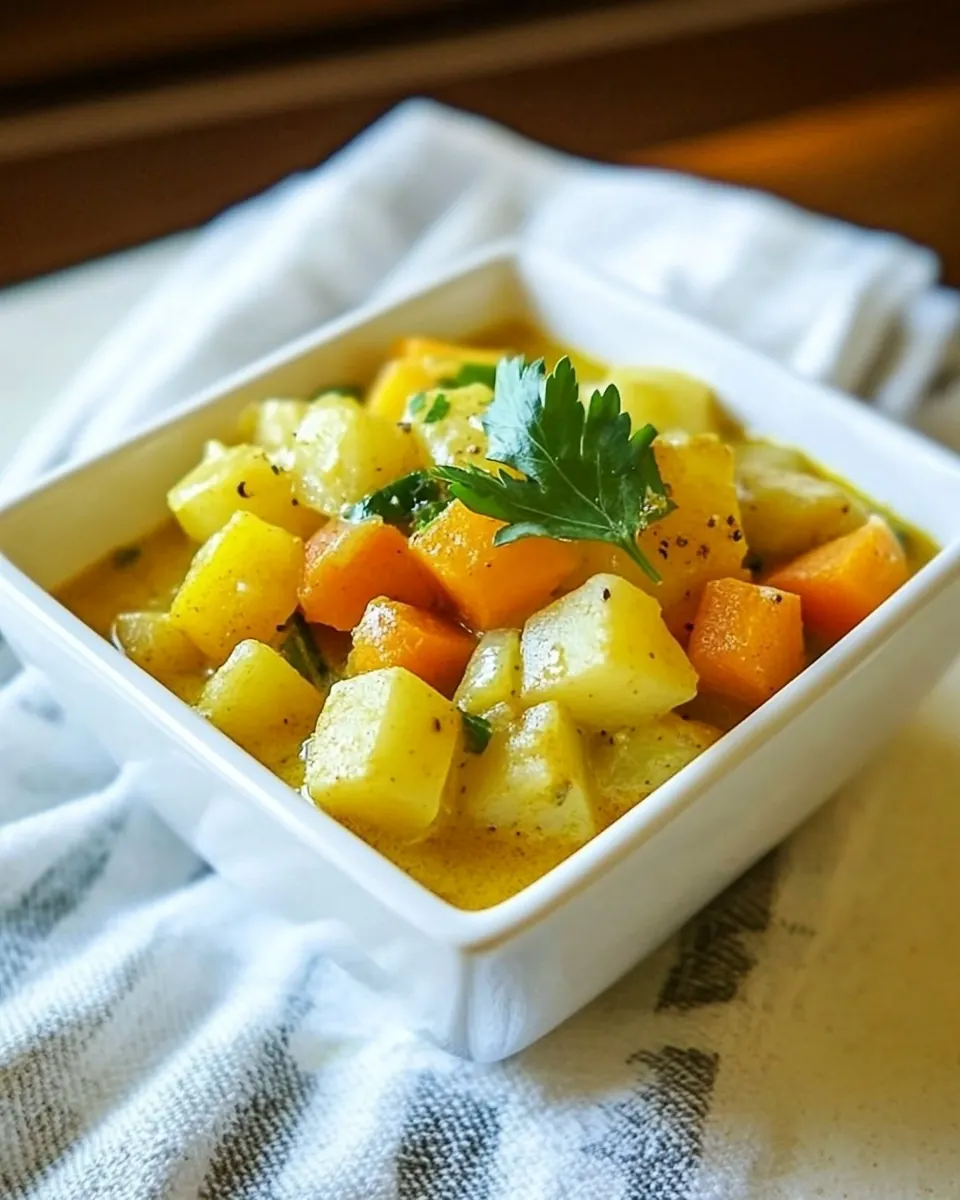
Thai Root Vegetable Curry
Thai Root Vegetable Curry started as a late autumn rescue in my kitchen, when the market stalls were full of knobbly roots and I had nothing planned for dinner. I remember carrying a plastic bag heavy with sweet potato, parsnip, and turnip, thinking I wanted something warm and gently spiced to celebrate the season. That first pot came together quickly, the aroma of toasted cumin seeds and grated ginger filling the apartment and convincing my neighbor to drop by, bowl in hand. We ate seated on the floor, scooping up spoonfuls of creamy curry and trading stories about childhood meals.
Over many repeats I refined the balance so the flavors sing without being showy. The combination of roasted root textures and velvety coconut milk is unexpectedly comforting, and the fresh chopped basil at the end lifts the whole pot into something bright and fragrant. I love how the curry holds up for lunches the next day, and how flexible it is when you want to add protein or more heat. Each time I make Thai Root Vegetable Curry I tweak one tiny thing, a pinch more turmeric here, a tad less salt there, and the dish keeps revealing new cozy layers.
Recipe Snapshot
50 mins
10 mins
40 mins
Medium
400 kcal
Thai
Gluten-Free, Vegan
Dinner
Wok or large skillet, Spatula
What We Adore About This Thai Root Vegetable Curry
Comforting texture and warming spices
I adore this curry because it wraps the root vegetables in a silky bathing of coconut milk and spices, creating a satisfying mouthfeel. The contrast between a slightly al dente sweet potato and the tender parsnip and turnip keeps every bite interesting, and the aromatic spices make it feel like a hug from the inside. I often reach for this when I want something both nourishing and easy to eat.
Simple pantry friendly ingredients
This recipe uses straightforward pantry staples like turmeric, coriander, and cumin seeds, so I rarely need a special shopping trip. Because the ingredient list is short and forgiving, I can throw this together on a busy evening and still produce a dish that tastes layered and thoughtful. I appreciate recipes that minimize stress while maximizing flavor, and this is one of them.
Fast to make, but full of depth
Even though the curry simmers and needs attention to texture, the active work is minimal and the payoff is huge. I love how the technique of adding coconut milk in stages builds a glossy sauce that clings to the vegetables, rather than a soupy broth. This stepwise method is a small trick that gives a restaurant quality finish at home.
Flexible and adaptable
I often vary the heat with red pepper flakes or toss in a chopped protein if I have it on hand. The core recipe sings on its own for a vegetarian meal, and yet it welcomes additions without losing identity. That adaptability makes Thai Root Vegetable Curry my go to when I need a crowdpleaser or a solo comfort bowl.
Bright finishing herbs
The last minute addition of chopped basil transforms the dish, cutting through the richness and adding an herbal lift. I always keep a bunch on the counter for that final fresh note, which makes the curry feel vibrant rather than heavy.
Shopping List for Thai Root Vegetable Curry
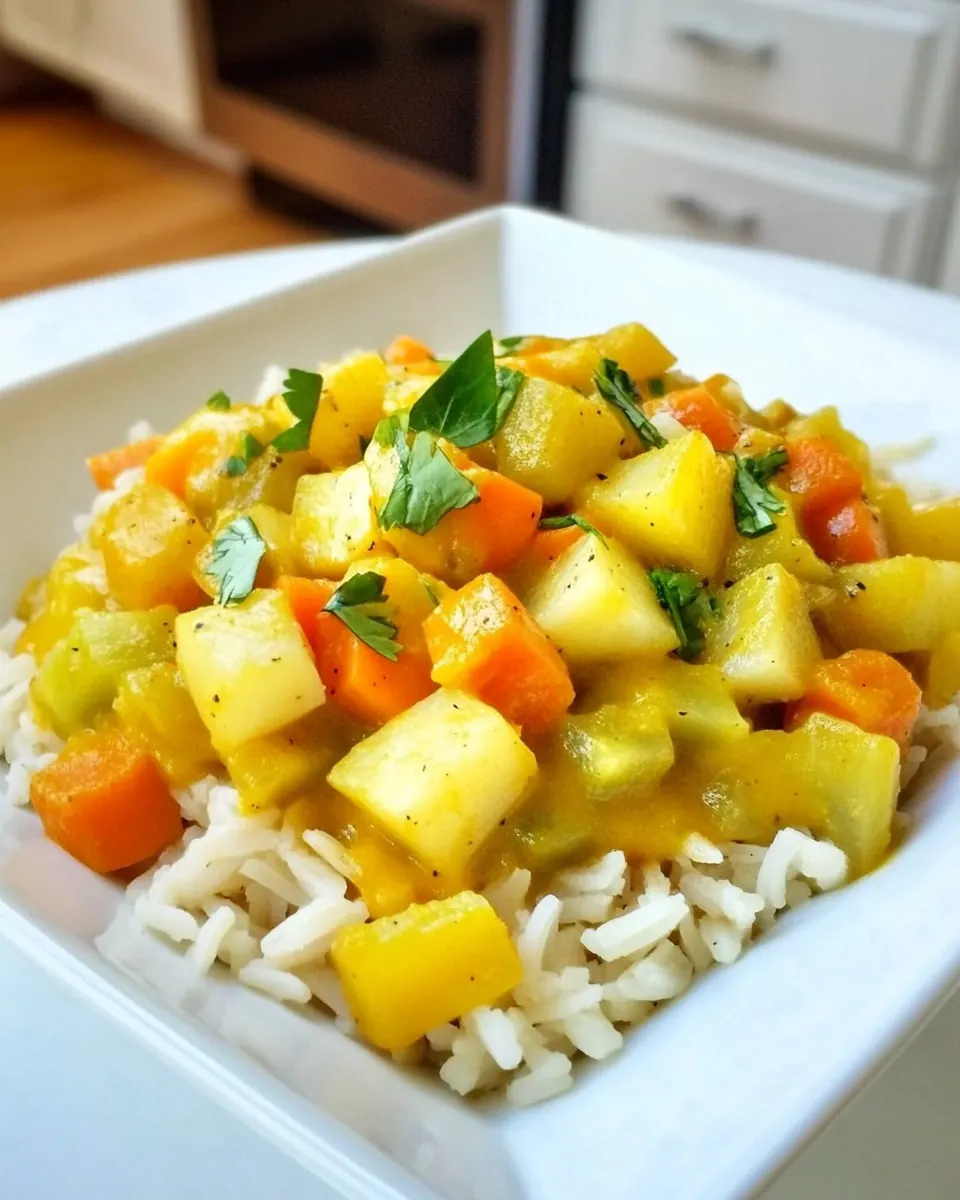
These ingredients are chosen to create a balance of starch, earthiness, and creaminess. The root vegetables provide body and natural sweetness, the spices add warmth and depth, and the coconut milk binds everything into a silky sauce. I think of the onion, ginger, and cumin seeds as the aromatic foundation, while the basil at the end brings brightness that keeps the curry from feeling heavy.
- 2 tablespoons coconut oil or oil of choice: Sauté slowly in the pan to provide a neutral, rich cooking fat that helps carry and meld the curry flavors; can be substituted with another oil if preferred and brings a silky mouthfeel to the finished dish.
- 1 yellow onion chopped: Chop finely and sweat until translucent to add a sweet, aromatic base and build savory depth; releases natural sugars that balance the spices and complements root vegetables.
- 1 1/2 tablespoons grated fresh ginger: Grate freshly and add early in cooking to contribute bright, pungent warmth and a slightly citrusy bite; helps lift the curry’s flavors and aids digestion.
- 1 medium-sized sweet potato chopped into 1-inch pieces: Cube evenly and simmer until tender to introduce natural sweetness and creamy texture; absorbs curry sauce and provides hearty substance to the stew.
- 1 turnip chopped into 1-inch pieces: Chop into uniform pieces and cook until soft to add an earthy, slightly peppery note and firm texture; helps balance the sweeter root elements in the curry.
- 1 parsnip chopped into 1-inch pieces: Cut into 1-inch pieces and braise until tender to contribute a sweet, nutty flavor and dense texture that complements the other roots; helps thicken the sauce as it breaks down.
- 1 teaspoon cumin seeds: Toast briefly in oil to bloom aromatic oils and add warm, slightly smoky fragrance; provides a subtle background complexity and an earthy spice base.
- 1 teaspoon turmeric: Stir in to impart warm, slightly bitter warmth and golden color; acts as an anti-inflammatory spice and pairs well with coconut and other curry spices.
- 1 teaspoon coriander: Add ground to layer citrusy, floral notes and gentle spice complexity; helps round out the curry’s flavor profile and complements cumin and turmeric.
- 2 teaspoons garlic powder: Sprinkle during cooking to add savory garlic punch without needing fresh cloves; distributes evenly and offers long-lasting, mellowed garlic flavor after simmering.
- 1/4 teaspoon red pepper flakes (optional): Toss in sparingly to introduce heat and a touch of smoky spice; adjusts the curry’s piquancy without overwhelming the aromatic and creamy elements.
- 1 teaspoon salt or to taste: Season gradually to enhance and balance all flavors while cooking; allows control over saltiness so the coconut milk and basil can shine without being muted.
- 1 full-fat canned coconut milk: Pour creamy coconut milk in to provide rich, velvety body and slightly sweet tropical flavor; tempers spices, creates saucy consistency, and melds the curry ingredients together.
- 1 bunch fresh basil leaves chopped: Chop and stir in at the end to introduce fresh, anise-like brightness and herbal lift; adds color, aroma, and a fragrant finish that balances the richness of the coconut milk.
How to Prepare Thai Root Vegetable Curry
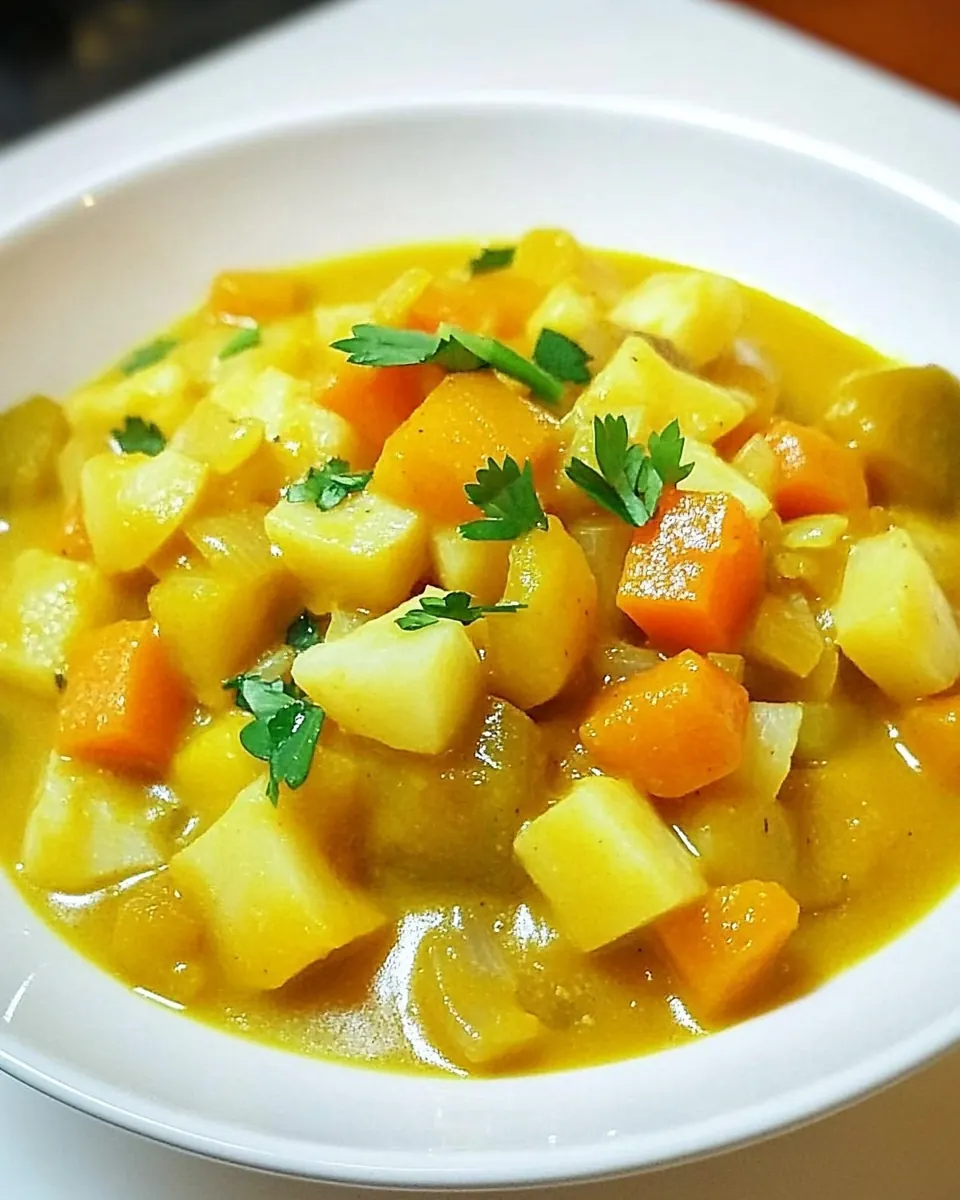
These directions walk you through building flavor in layers, focusing on texture and timing so the root vegetables stay distinct and the sauce finishes glossy. Follow the sensory cues to know when to move to the next stage, and be patient with the slow coaxing of flavors.
- In a wok or large skillet, sauté onion, ginger and cumin seeds in the coconut oil over medium heat until the onion is softened and beginning to turn translucent, about 3 minutes.: The kitchen should smell warm and toasty as the cumin seeds pop in the shimmering coconut oil , releasing a nutty perfume, while the diced onion softens and begins to glisten. Listen for a gentle sizzle, not a furious fry, and watch for the onion edges to go from opaque to translucent, which signals the sugars are starting to bloom and the aromatic base is ready. The grated ginger will release a sharp, peppery steam when it hits the pan, adding an immediate lift. This stage matters because properly softened aromatics create a rounded backbone that infuses every subsequent layer, so do not rush by turning the heat too high. A common mistake is crowding the pan or increasing heat to hurry things, which can scorch the spices and leave a bitter taste. If you see dark specks forming on the cumin seeds , lower the heat and stir to prevent burning. Stir often to ensure even contact with the oil, and keep the motion gentle so you do not tear the softened onion .
- Add all spices and root veggies and sauté about 8 minutes before adding 1/4 cup of the coconut milk. Continue cooking a couple of minutes, allowing the coconut milk to evaporate, then add an additional 1/4 cup of the coconut milk. Continue to cook about 5 minutes.: At this point add the measured turmeric , coriander , garlic powder , red pepper flakes if using, and salt , then toss in the chopped sweet potato , turnip , and parsnip . The dry spices will bloom on contact with the hot oil, deepening in aroma and color, while the roots begin to pick up a light golden sheen. Stir continuously so each piece is kissed by the spice oil, and you should hear a steady sizzle as moisture leaves the vegetables. After about eight minutes the edges of the roots will start to soften and show slight browning, which adds complexity. Now add a quarter cup of the coconut milk to deglaze, scraping up any fond from the pan, which incorporates caramelized bits into the sauce for extra flavor. This technique matters because it prevents sticking and builds a richer mouthfeel. Avoid dumping all the coconut milk now, or the pan will cool and steaming will replace the desired light browning.
- Add another 1/4 cup of the coconut milk – by now the root veggies should be softening up. Test the sweet potato by biting into it. If it’s still not cooked all the way, continue sautéing. Cook until the sweet potato is soft, but slightly al dente in the middle (avoid cooking the vegetables to the point that they turn mushy).: After the first splash, you will see the liquid bubble and then reduce quickly, concentrating aromatics on the vegetables. The sound should change from an aggressive boil to gentle bubbling, and you will notice the aroma becoming creamier as the coconut melds with the spices. Adding a second quarter cup keeps the sauce building in stages, reducing the risk of ending up with a thin, watery curry. During this phase check the texture, pressing a fork into a piece of sweet potato to feel for resistance. A common pitfall is moving too fast and not letting the moisture reduce enough, which prevents the sauce from thickening. Stir often to prevent scorching, and adjust the heat to maintain a steady but not violent simmer.
- Once the vegetables are finished cooking, add the remaining coconut milk.: As you add the next portion of coconut milk , the mixture should become silkier and the surface will develop a lightly glossy sheen. Use sensory cues to judge doneness, such as the way a fork slides through the sweet potato with slight resistance rather than collapsing. The goal is tender but with structure, which keeps the curry texturally satisfying. If a piece resists too much, reduce heat and continue to cook while stirring, checking every couple of minutes. Overcooking makes roots fall apart and the dish lose its pleasant contrast, so avoid leaving the pan unattended during this step. If you notice the sauce becoming too thin, increase the heat briefly to reduce and concentrate flavors, then return to gentle simmering.
- Stir to incorporate the coconut milk. Allow it to come to a gentle boil and cook a few more minutes, allowing it to thicken slightly.: Adding the final portion of coconut milk should turn the pan into a unified, creamy pool that bathes every piece of vegetable. You will see a uniform color and a velvety texture, and the aroma should be rich, floral, and warming. This final addition adjusts the sauce to the desired richness, so if you prefer a thicker finish, let it simmer a touch longer to reduce, or for a looser curry, serve sooner. This step matters because it allows you to calibrate the mouthfeel and ensure the spices have fully integrated. A typical mistake is to skip tasting here; always sample and adjust salt or heat as needed. Stir gently to avoid breaking the vegetables while allowing the sauce to coat them thoroughly.
- Stir to incorporate the coconut milk. Allow it to come to a gentle boil and cook a few more minutes, allowing it to thicken slightly.: As you stir, watch for small bubbles rising and the sauce clinging to the back of the spoon, a visual cue the curry is reaching the right thickness. The smell will become more rounded, the sharpness of individual spices mellowing into a cohesive profile. Keep the boil gentle to prevent separation of the coconut milk , and keep stirring intermittently to maintain an even texture. This brief finishing simmer melds flavors and slightly reduces the liquid so the sauce coats the roots beautifully. Avoid a vigorous boil which can break emulsions and make the sauce grainy. Once you see the glossy sheen and the sauce no longer runs off a spoon, remove from heat and let the pot rest a couple minutes before serving to let flavors settle.
Make It Your Own
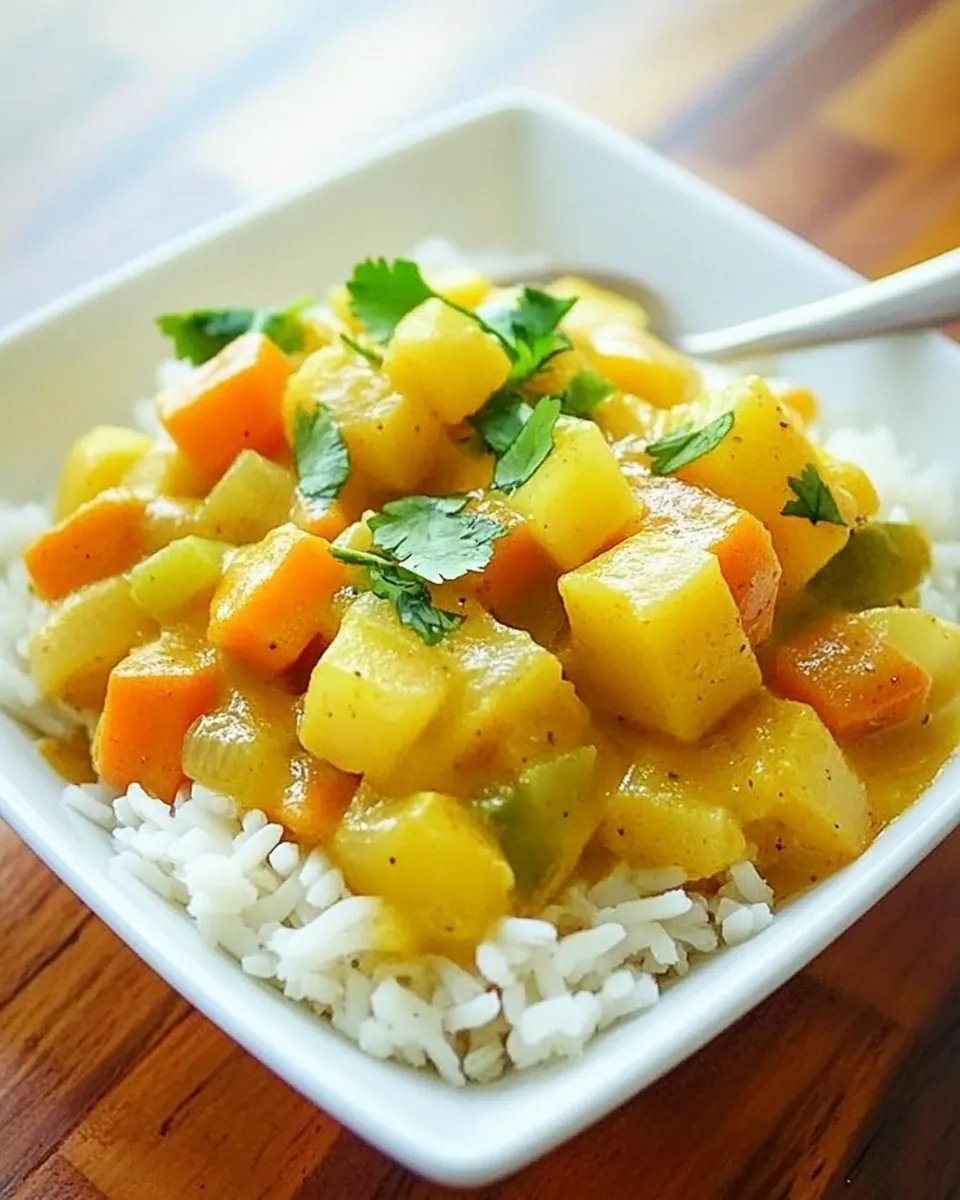
This recipe is a canvas. Small swaps or additions can shift the personality of the dish without changing the technique. Below are practical tips to adapt texture, heat, and serving style so the curry suits your appetite and pantry.
- Protein boost: The notes mention adding a chopped chicken breast or shrimp for protein, and if you choose that option, cook the protein separately and fold it in at the end to keep the vegetables perfectly textured.
- Adjusting heat: Increase or decrease the red pepper flakes to control spice, and remember that heat intensifies slightly as the curry sits, so err on the milder side if you plan leftovers.
- Thickening tricks: If you want a thicker sauce, simmer a little longer after the final coconut milk addition to reduce, or remove a small portion of vegetables to mash and stir back for natural thickening.
- Brightening flavor: Always finish with chopped basil for a fresh lift, and consider a tiny squeeze of citrus only if it fits your taste, added sparingly at the end.
- Make ahead: This curry holds well in the refrigerator for up to three days; gently reheat on low, adding a splash of water if the sauce tightens.
Serving Options for Thai Root Vegetable Curry
This curry is versatile, working for weeknight dinners or more mindful seasonal meals. Think about contrasts of texture and temperature to complement the creamy roots. Below are serving ideas, storage tips, and occasions where this bowl shines.
- With steamed rice: Serve the curry over fluffy white or brown rice to soak up the sauce, creating a hearty, complete meal ideal for dinner.
- On a grain bowl: Pair with quinoa or bulgur and add a scattering of fresh chopped basil to create a balanced lunch bowl that travels well.
- For cooler seasons: This is perfect for fall evenings when root vegetables are in season and you crave warming spices and comforting textures.
- Occasion friendly: Serve at casual dinners or family meals where guests appreciate simple, flavorful food; it is especially welcoming during Ramadan if you need a nourishing meal to break fast.
- Leftovers and storage: Refrigerate in an airtight container for up to three days, and reheat gently on the stove, stirring to reincorporate the sauce and adding a splash of water if the curry tightens.
- Batch cooking: Make a double batch and freeze portions for quick weeknight dinners; thaw slowly in the refrigerator overnight before reheating.
FAQ
Conclusion
This recipe shines because it balances earthy root vegetables with warm spices and creamy coconut milk for a bowl that is both comforting and bright. Give Thai Root Vegetable Curry a try when you have a bounty of roots or when you want a relaxed, nourishing meal that feels thoughtful without fuss. It adapts well to leftovers, welcomes small additions like protein, and rewards patient, attentive cooking with a satisfying depth of flavor that will make it a repeat favorite.
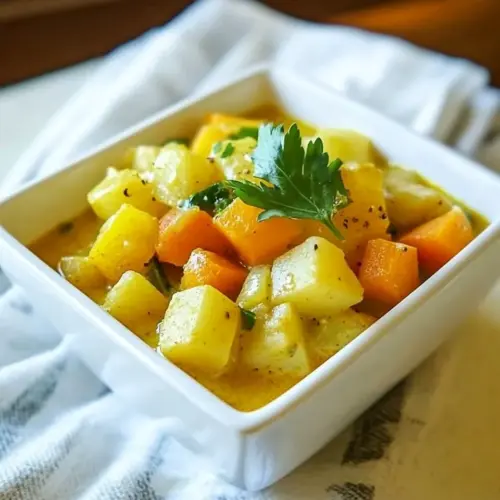
Thai Root Vegetable Curry
Equipment
- Wok or large skillet
- Spatula
Ingredients
- 2 tablespoons coconut oil or oil of choice Sauté slowly in the pan to provide a neutral, rich cooking fat that helps carry and meld the curry flavors; can be substituted with another oil if preferred and brings a silky mouthfeel to the finished dish.
- 1 yellow onion chopped Chop finely and sweat until translucent to add a sweet, aromatic base and build savory depth; releases natural sugars that balance the spices and complements root vegetables.
- 1 -1/2 tablespoons grated fresh ginger Grate freshly and add early in cooking to contribute bright, pungent warmth and a slightly citrusy bite; helps lift the curry’s flavors and aids digestion.
- 1 medium-sized sweet potato chopped into 1-inch pieces Cube evenly and simmer until tender to introduce natural sweetness and creamy texture; absorbs curry sauce and provides hearty substance to the stew.
- 1 turnip chopped into 1-inch pieces Chop into uniform pieces and cook until soft to add an earthy, slightly peppery note and firm texture; helps balance the sweeter root elements in the curry.
- 1 parsnip chopped into 1-inch pieces Cut into 1-inch pieces and braise until tender to contribute a sweet, nutty flavor and dense texture that complements the other roots; helps thicken the sauce as it breaks down.
- 1 teaspoon cumin seeds Toast briefly in oil to bloom aromatic oils and add warm, slightly smoky fragrance; provides a subtle background complexity and an earthy spice base.
- 1 teaspoon turmeric Stir in to impart warm, slightly bitter warmth and golden color; acts as an anti-inflammatory spice and pairs well with coconut and other curry spices.
- 1 teaspoon coriander Add ground to layer citrusy, floral notes and gentle spice complexity; helps round out the curry’s flavor profile and complements cumin and turmeric.
- 2 teaspoons garlic powder Sprinkle during cooking to add savory garlic punch without needing fresh cloves; distributes evenly and offers long-lasting, mellowed garlic flavor after simmering.
- 1/4 teaspoon red pepper flakes optional Toss in sparingly to introduce heat and a touch of smoky spice; adjusts the curry’s piquancy without overwhelming the aromatic and creamy elements.
- 1 teaspoon salt or to taste Season gradually to enhance and balance all flavors while cooking; allows control over saltiness so the coconut milk and basil can shine without being muted.
- 1 full-fat canned coconut milk Pour creamy coconut milk in to provide rich, velvety body and slightly sweet tropical flavor; tempers spices, creates saucy consistency, and melds the curry ingredients together.
- 1 bunch fresh basil leaves chopped Chop and stir in at the end to introduce fresh, anise-like brightness and herbal lift; adds color, aroma, and a fragrant finish that balances the richness of the coconut milk.
Instructions
- In a wok or large skillet, sauté onion, ginger and cumin seeds in the coconut oil over medium heat until the onion is softened and beginning to turn translucent, about 3 minutes.: The kitchen should smell warm and toasty as the cumin seeds pop in the shimmering coconut oil , releasing a nutty perfume, while the diced onion softens and begins to glisten. Listen for a gentle sizzle, not a furious fry, and watch for the onion edges to go from opaque to translucent, which signals the sugars are starting to bloom and the aromatic base is ready. The grated ginger will release a sharp, peppery steam when it hits the pan, adding an immediate lift. This stage matters because properly softened aromatics create a rounded backbone that infuses every subsequent layer, so do not rush by turning the heat too high. A common mistake is crowding the pan or increasing heat to hurry things, which can scorch the spices and leave a bitter taste. If you see dark specks forming on the cumin seeds , lower the heat and stir to prevent burning. Stir often to ensure even contact with the oil, and keep the motion gentle so you do not tear the softened onion .
- Add all spices and root veggies and sauté about 8 minutes before adding 1/4 cup of the coconut milk. Continue cooking a couple of minutes, allowing the coconut milk to evaporate, then add an additional 1/4 cup of the coconut milk. Continue to cook about 5 minutes.: At this point add the measured turmeric , coriander , garlic powder , red pepper flakes if using, and salt , then toss in the chopped sweet potato , turnip , and parsnip . The dry spices will bloom on contact with the hot oil, deepening in aroma and color, while the roots begin to pick up a light golden sheen. Stir continuously so each piece is kissed by the spice oil, and you should hear a steady sizzle as moisture leaves the vegetables. After about eight minutes the edges of the roots will start to soften and show slight browning, which adds complexity. Now add a quarter cup of the coconut milk to deglaze, scraping up any fond from the pan, which incorporates caramelized bits into the sauce for extra flavor. This technique matters because it prevents sticking and builds a richer mouthfeel. Avoid dumping all the coconut milk now, or the pan will cool and steaming will replace the desired light browning.
- Add another 1/4 cup of the coconut milk – by now the root veggies should be softening up. Test the sweet potato by biting into it. If it’s still not cooked all the way, continue sautéing. Cook until the sweet potato is soft, but slightly al dente in the middle (avoid cooking the vegetables to the point that they turn mushy).: After the first splash, you will see the liquid bubble and then reduce quickly, concentrating aromatics on the vegetables. The sound should change from an aggressive boil to gentle bubbling, and you will notice the aroma becoming creamier as the coconut melds with the spices. Adding a second quarter cup keeps the sauce building in stages, reducing the risk of ending up with a thin, watery curry. During this phase check the texture, pressing a fork into a piece of sweet potato to feel for resistance. A common pitfall is moving too fast and not letting the moisture reduce enough, which prevents the sauce from thickening. Stir often to prevent scorching, and adjust the heat to maintain a steady but not violent simmer.
- Once the vegetables are finished cooking, add the remaining coconut milk.: As you add the next portion of coconut milk , the mixture should become silkier and the surface will develop a lightly glossy sheen. Use sensory cues to judge doneness, such as the way a fork slides through the sweet potato with slight resistance rather than collapsing. The goal is tender but with structure, which keeps the curry texturally satisfying. If a piece resists too much, reduce heat and continue to cook while stirring, checking every couple of minutes. Overcooking makes roots fall apart and the dish lose its pleasant contrast, so avoid leaving the pan unattended during this step. If you notice the sauce becoming too thin, increase the heat briefly to reduce and concentrate flavors, then return to gentle simmering.
- Stir to incorporate the coconut milk. Allow it to come to a gentle boil and cook a few more minutes, allowing it to thicken slightly.: Adding the final portion of coconut milk should turn the pan into a unified, creamy pool that bathes every piece of vegetable. You will see a uniform color and a velvety texture, and the aroma should be rich, floral, and warming. This final addition adjusts the sauce to the desired richness, so if you prefer a thicker finish, let it simmer a touch longer to reduce, or for a looser curry, serve sooner. This step matters because it allows you to calibrate the mouthfeel and ensure the spices have fully integrated. A typical mistake is to skip tasting here; always sample and adjust salt or heat as needed. Stir gently to avoid breaking the vegetables while allowing the sauce to coat them thoroughly.
- Stir to incorporate the coconut milk. Allow it to come to a gentle boil and cook a few more minutes, allowing it to thicken slightly.: As you stir, watch for small bubbles rising and the sauce clinging to the back of the spoon, a visual cue the curry is reaching the right thickness. The smell will become more rounded, the sharpness of individual spices mellowing into a cohesive profile. Keep the boil gentle to prevent separation of the coconut milk , and keep stirring intermittently to maintain an even texture. This brief finishing simmer melds flavors and slightly reduces the liquid so the sauce coats the roots beautifully. Avoid a vigorous boil which can break emulsions and make the sauce grainy. Once you see the glossy sheen and the sauce no longer runs off a spoon, remove from heat and let the pot rest a couple minutes before serving to let flavors settle.
Notes
- Protein boost: The notes mention adding a chopped chicken breast or shrimp for protein, and if you choose that option, cook the protein separately and fold it in at the end to keep the vegetables perfectly textured.
- Adjusting heat: Increase or decrease the red pepper flakes to control spice, and remember that heat intensifies slightly as the curry sits, so err on the milder side if you plan leftovers.
- Thickening tricks: If you want a thicker sauce, simmer a little longer after the final coconut milk addition to reduce, or remove a small portion of vegetables to mash and stir back for natural thickening.
- Brightening flavor: Always finish with chopped basil for a fresh lift, and consider a tiny squeeze of citrus only if it fits your taste, added sparingly at the end.
- Make ahead: This curry holds well in the refrigerator for up to three days; gently reheat on low, adding a splash of water if the sauce tightens.