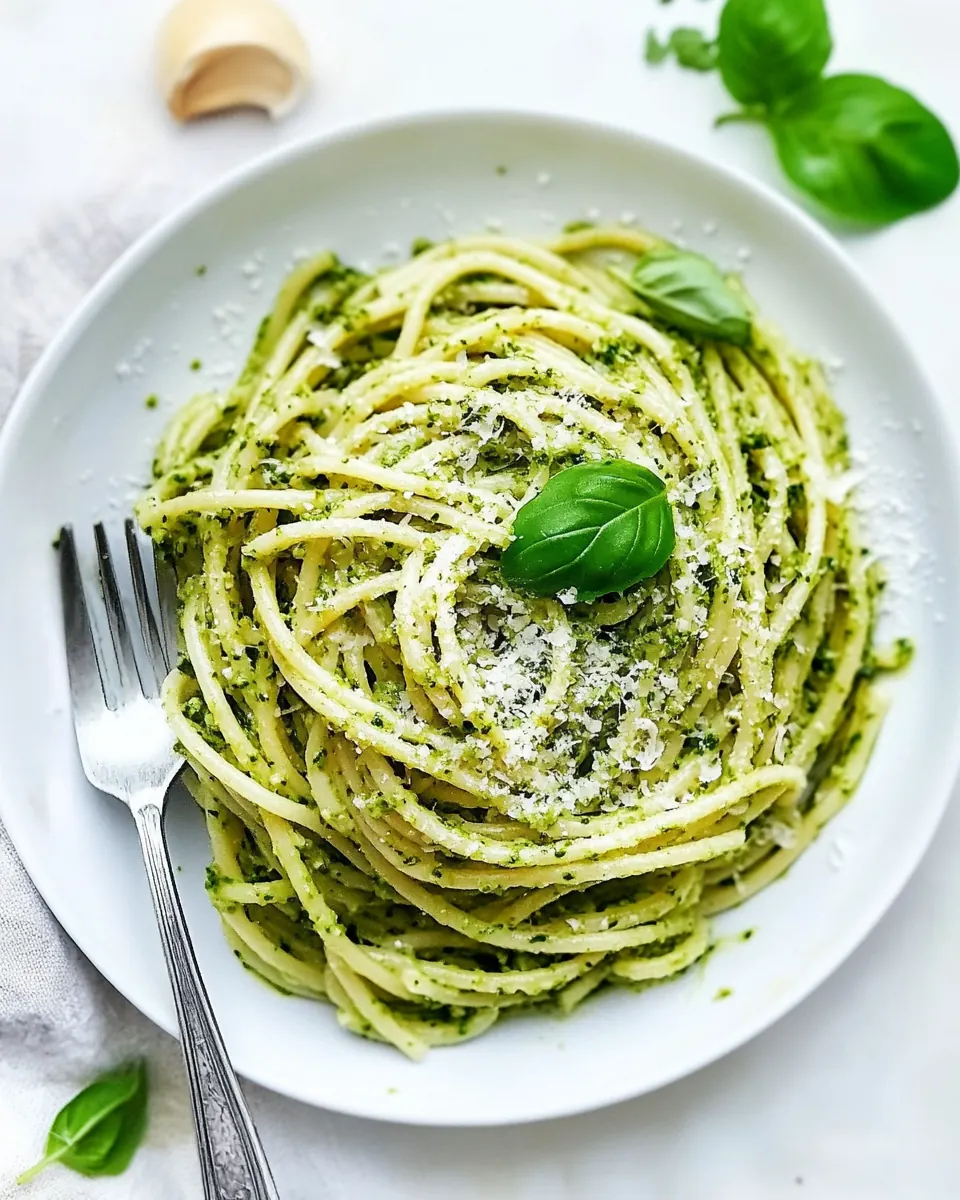
Super Easy Homemade Pesto Pasta
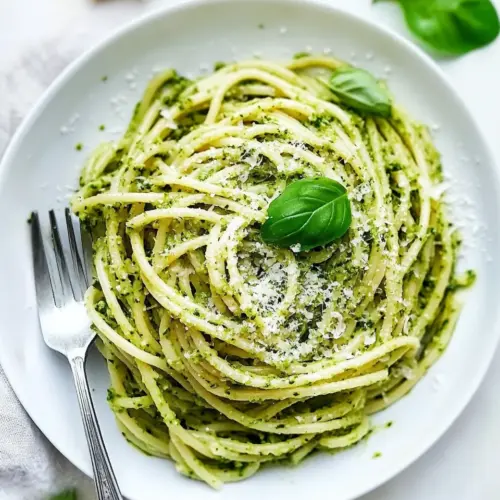
Super Easy Homemade Pesto Pasta has been a weeknight lifesaver in my kitchen ever since I learned how to turn a handful of vibrant ingredients into a sauce that smells like summer in a bowl.
One afternoon, I rushed home with a tote full of basil from the farmers market, and I wanted a meal that felt both effortless and special. I threw together a quick pesto while the water came to a boil, and the result was bright, herbaceous, and comforting all at once. That moment convinced me that simple techniques and quality ingredients can transform an ordinary night into something memorable. Over the years, I have played with ratios and textures until I found the balance I now reach for instinctively.
Every time I make Super Easy Homemade Pesto Pasta I remember the steam rising from the pot, the toasted nuttiness of the pine nuts, and how the sauce clung to each twist of pasta. It is the sort of dish I cook when I want flavor without fuss, when friends drop by, or when I need a quick, satisfying solo dinner. I love that it travels well to picnics and holds up for leftovers, and that it can be dressed up or kept humble depending on the moment. That adaptability is what keeps this recipe in constant rotation for me.
Recipe Snapshot
20 mins
10 mins
10 mins
Easy
500 kcal
Italian
Gluten-Free, Low FODMAP
Dinner
Large pot, Food processor, Colander, Skillet
What We Adore About This Super Easy Homemade Pesto Pasta
Vibrant fresh flavor with minimal effort
I adore how Super Easy Homemade Pesto Pasta delivers a punch of herbal brightness from basil without requiring long simmering or complicated prep. The aroma when you pulse the leaves and nuts together is immediate proof that great taste does not need hours on the stove.
Speed meets reliability
This recipe is a reliable go to when time is short. The whole process is essentially two parts prep and one part assembly, so I can have dinner on the table while a podcast plays in the background. For busy evenings, that predictability is a gift.
Textural contrast that sings
The creaminess from the parmesan cheese and extra virgin olive oil balanced against the tiny crunch of toasted pine nuts makes every bite interesting. I like that each forkful has layers, from silky sauce to toothsome pasta, and that you can tweak it to be smoother or chunkier depending on your mood.
Flexible and crowd friendly
I often double the batch when friends are coming over because it scales without drama. You can reserve a little sauce for tossing warm pasta, saving some for cold pasta salads, and it still tastes fresh the next day. That kind of versatility is why I reach for it repeatedly.
Simple ingredients, big impact
What I appreciate most is how pantry staples and a bunch of basil transform into something that tastes thoughtful. This recipe highlights quality ingredients, so small improvements, like fresher basil or better olive oil, produce noticeable gains.
Essential Ingredients for Super Easy Homemade Pesto Pasta
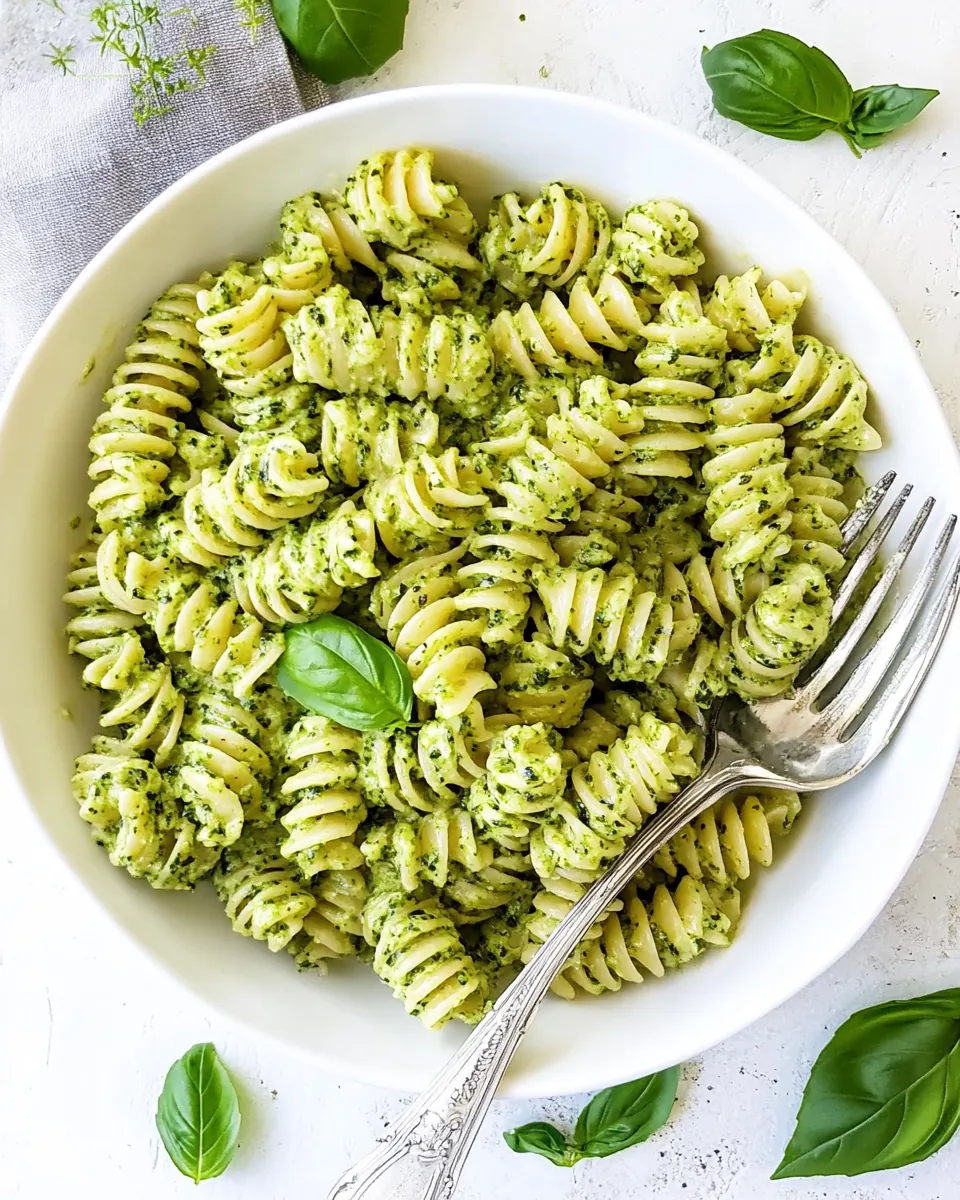
These ingredients form a classic, balanced pesto that clings to pasta beautifully. The philosophy is straightforward, highlight the herb, add fat for silkiness, nuts for body, and cheese for savory depth. Each player has a clear role, and together they elevate simple pasta into a dish that feels both refined and homey.
- 2 cups spiral pasta: Provide structure and bite to the dish by cooking until al dente; toss with sauce to absorb flavors and maintain texture. Use spiral shapes to catch pesto between crevices, enhancing each mouthful with herbaceous sauce.
- 2 cups fresh basil leaves: Bring bright, aromatic freshness and a signature basil flavor when blended into pesto; choose young leaves for a tender, vibrant profile. Add gradually to control intensity and preserve the aromatic oils that define the sauce.
- 1/2 cup pine nuts: Deliver a rich, nutty backbone and slight creaminess when ground into the pesto; toast lightly to amplify flavor but avoid burning to prevent bitterness. Use as a middle note to balance herbaceous basil and sharp cheese.
- 1/4 cup extra virgin olive oil: Provide smoothness and help emulsify the sauce when whisked with nuts and basil, creating a glossy texture that coats pasta evenly. Use good-quality extra virgin olive oil for fruity complexity and to carry fat-soluble flavors.
- 1/2 cup parmesan cheese freshly grated: Contribute sharp, savory, umami depth and creamy texture when finely grated into the pesto; stir in to add saltiness and help bind the sauce. Freshly grated cheese melts into the warm pasta for a cohesive, flavorful finish.
- salt and pepper to taste: Enhance and balance flavors by seasoning to taste; start with a pinch and adjust gradually to avoid over-salting. Use freshly ground pepper for brightness and subtle heat that complements the pesto's richness.
Cooking Method for Super Easy Homemade Pesto Pasta
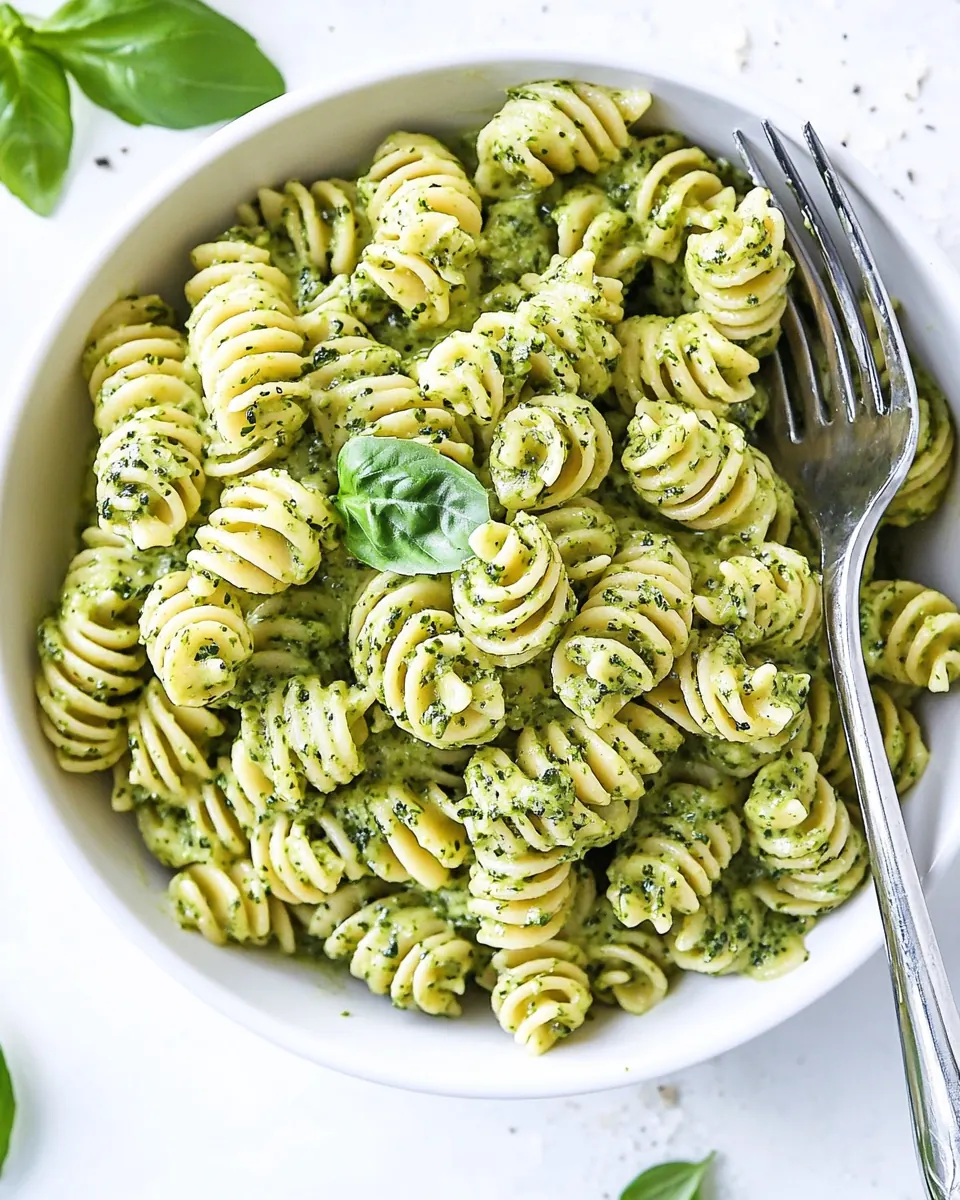
These steps are straightforward, but the magic is in technique. I will guide you through cooking the pasta, building the pesto in a food processor, and finishing everything so the sauce clings perfectly. Pay attention to texture and seasoning as you go for the best outcome.
- Cook your noodles according to package directions.: The kitchen fills with a warm, starchy scent as the water comes to a rolling simmer, and the occasional bubble bursts on the surface. You want the pasta to be cooked to an al dente texture where it still has a gentle resistance when bitten, not mushy. Salting the boiling water before adding the pasta seasons it from the inside out and prevents blandness, which is a common oversight. Listen for the water returning to a vigorous boil after the pasta goes in, then stir to keep pieces from sticking, and watch the pot rather than relying solely on the clock to avoid overcooking.
- Pulse. In the bowl of a food processor, add the basil leaves and pine nuts and pulse until very finely minced.: When you add the basil leaves and pine nuts to the food processor, you will immediately notice a green, herbaceous aroma that signals freshness. Pulse in short bursts so the ingredients break down evenly rather than turning into a puree too quickly. This controlled processing preserves small bits of texture and prevents the mixture from warming up too much, which can dull the bright flavor. A common mistake is running the processor continuously, which heats the sauce and can cause color loss.
- Add the garlic and parmesan cheese and pulse a few more times until combined.: As you introduce minced garlic and freshly grated parmesan cheese , the scent deepens into savory territory, and the mixture will start to bind. Pulse just enough to combine without overworking, because over-blending can create a gluey texture and reduce the lively herbal notes. If the garlic is too coarse, it may leave harsh pockets of flavor, so check the consistency and scrape down the sides if needed to unify the mixture.
- Pour. With the food processor running, slowly pour in the olive oil and blend until combined and smooth. Season with salt and pepper to taste and pulse a couple of times.: Slowly streaming in the extra virgin olive oil while the processor runs creates an emulsion that turns the mixture silky and glossy. The sound changes subtly as the oil incorporates, and you will see the sauce go from grainy to smooth. This technique matters because a proper emulsion helps the sauce cling to the pasta , yielding even coating rather than sliding off. Pour too quickly and the oil may separate, leaving a slick layer instead of a cohesive sauce.
- Serve with cooked pasta and add an extra sprinkle of parmesan cheese as a garnish.: At this point, tasting is essential. The interplay of salt and pepper fine tunes the pesto, brightening the basil and tempering the richness of the parmesan cheese . Pulse briefly after seasoning to distribute flavors. Watch out for under seasoning, which makes the dish flat, and over seasoning, which is difficult to correct after the fact. If it tastes too sharp, a tiny bit more olive oil can mellow it.
- Serve with cooked pasta and add an extra sprinkle of parmesan cheese as a garnish: Tossing the warm pasta with the pesto lets the sauce cling into every crevice, and you will notice steam rising as the flavors meld. The sound of the pasta being stirred in a bowl is subtle, but the visual is important too, the sauce should coat rather than pool. Garnish with an additional dusting of freshly grated parmesan cheese for a final savory lift. A mistake to avoid here is adding hot pasta directly from the pot without draining well, which can dilute the sauce with excess water.
Customization Ideas
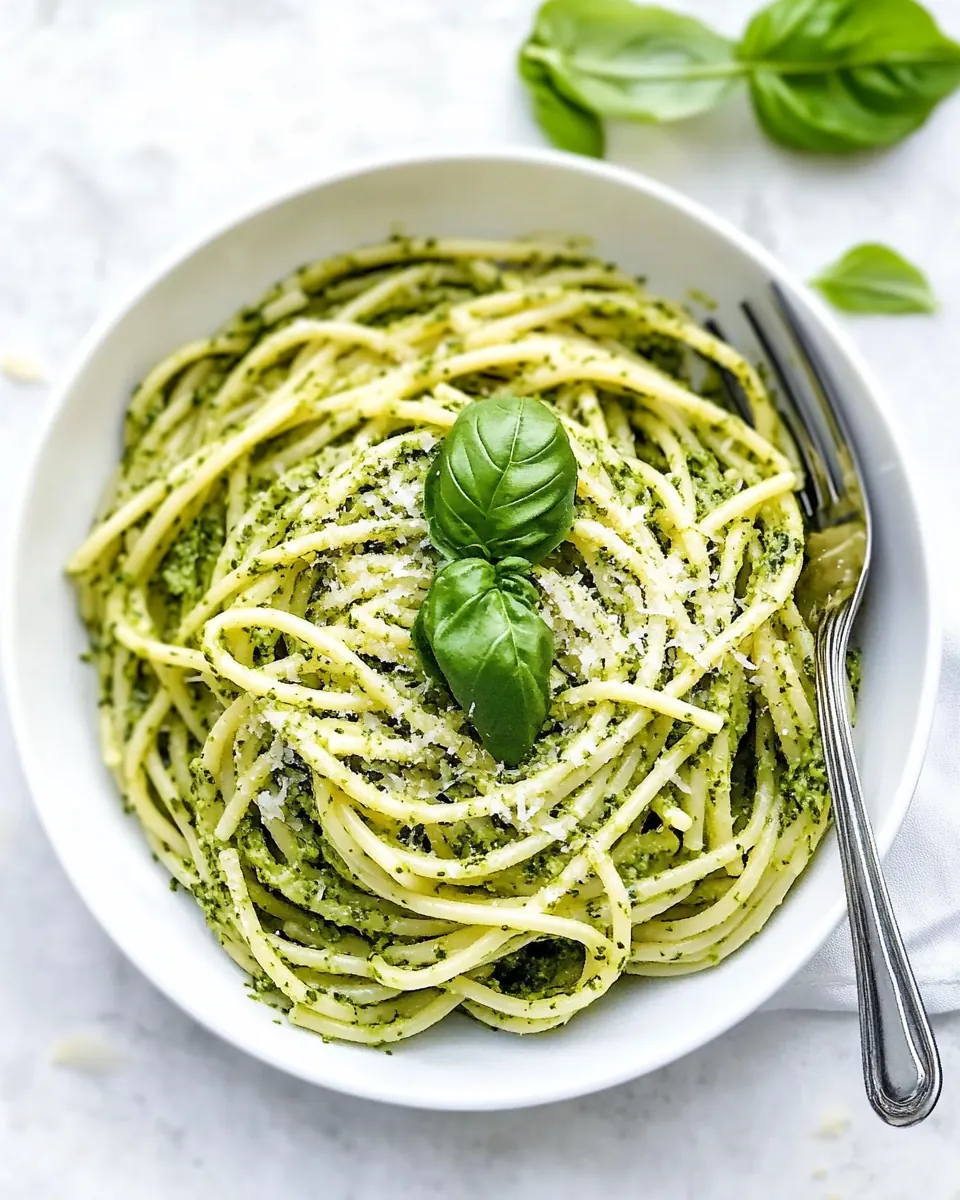
This section offers ways to tweak the recipe while keeping the essential soul of the dish. I will provide practical, flavorful options that highlight different textures, intensities, and serving styles so you can make the recipe truly yours.
- Swap nuts for variety If you want a different nuttiness, you can substitute toasted walnuts or almonds for the pine nuts, they add a robust flavor and are often more budget friendly.
- Smooth versus chunky For a silkier pesto, process a little longer and add extra olive oil, for a chunkier texture pulse less frequently to keep small pieces of pine nuts and basil.
- Adjust the cheese If you prefer a sharper note, use a slightly older grated parmesan cheese, or reduce the amount for a lighter finish.
- Boost brightness For extra lift, stir in a small squeeze of lemon juice at the end, which brightens the basil without masking it.
- Reserve pesto for other uses This sauce is great in sandwiches or as a drizzle for roasted vegetables, so make a double batch to keep on hand.
Perfect Pairings for Super Easy Homemade Pesto Pasta
Pesto pasta shines at lunch and dinner, and it pairs well with a variety of sides and occasions. Below I outline serving suggestions, seasonal touches, and storage ideas so you can plan meals around this dish.
- Light green salad A simple tossed salad with crisp lettuce provides a refreshing contrast to the richness of the pesto and makes the meal feel balanced for a weeknight dinner.
- Grilled vegetables Charred zucchini or bell peppers add smoky notes that complement the herby pesto, perfect for summer menus and outdoor meals.
- Picnic friendly Make the pasta slightly undercooked, toss with pesto, and chill for a flavorful pasta salad that travels well to picnics and potlucks.
- Special occasions Serve as part of a shared family meal, it scales easily and works well when you want a comforting but refined main on a casual gathering.
- Storage tips Keep leftover pesto in an airtight container with a thin layer of olive oil on top to preserve color, and store in the refrigerator for up to three days, or freeze for longer keeping.
- Seasonal pairing In summer, highlight fresh basil and lighter sides; in cooler months, serve the pasta with roasted root vegetables for a cozier plate.
FAQ
Conclusion
Super Easy Homemade Pesto Pasta stands out for its bright herbal flavor, creamy texture, and effortless speed. I encourage you to give it a try the next time you want a quick, satisfying dinner that still feels thoughtful and fresh. It rewards small attention to ingredients and technique, and once you taste it, I think it will become one of your go to recipes for busy evenings and casual gatherings alike.
Super Easy Homemade Pesto Pasta
Equipment
- Large Pot
- Food Processor
- Colander
- Skillet
Ingredients
- 2 cups spiral pasta Provide structure and bite to the dish by cooking until al dente; toss with sauce to absorb flavors and maintain texture. Use spiral shapes to catch pesto between crevices, enhancing each mouthful with herbaceous sauce.
- 2 cups fresh basil leaves Bring bright, aromatic freshness and a signature basil flavor when blended into pesto; choose young leaves for a tender, vibrant profile. Add gradually to control intensity and preserve the aromatic oils that define the sauce.
- 1/2 cup pine nuts Deliver a rich, nutty backbone and slight creaminess when ground into the pesto; toast lightly to amplify flavor but avoid burning to prevent bitterness. Use as a middle note to balance herbaceous basil and sharp cheese.
- 1/4 cup extra virgin olive oil Provide smoothness and help emulsify the sauce when whisked with nuts and basil, creating a glossy texture that coats pasta evenly. Use good-quality extra virgin olive oil for fruity complexity and to carry fat-soluble flavors.
- 1/2 cup parmesan cheese freshly grated Contribute sharp, savory, umami depth and creamy texture when finely grated into the pesto; stir in to add saltiness and help bind the sauce. Freshly grated cheese melts into the warm pasta for a cohesive, flavorful finish.
- salt and pepper to taste Enhance and balance flavors by seasoning to taste; start with a pinch and adjust gradually to avoid over-salting. Use freshly ground pepper for brightness and subtle heat that complements the pesto's richness.
Instructions
- Cook your noodles according to package directions.: The kitchen fills with a warm, starchy scent as the water comes to a rolling simmer, and the occasional bubble bursts on the surface. You want the pasta to be cooked to an al dente texture where it still has a gentle resistance when bitten, not mushy. Salting the boiling water before adding the pasta seasons it from the inside out and prevents blandness, which is a common oversight. Listen for the water returning to a vigorous boil after the pasta goes in, then stir to keep pieces from sticking, and watch the pot rather than relying solely on the clock to avoid overcooking.
- Pulse. In the bowl of a food processor, add the basil leaves and pine nuts and pulse until very finely minced.: When you add the basil leaves and pine nuts to the food processor, you will immediately notice a green, herbaceous aroma that signals freshness. Pulse in short bursts so the ingredients break down evenly rather than turning into a puree too quickly. This controlled processing preserves small bits of texture and prevents the mixture from warming up too much, which can dull the bright flavor. A common mistake is running the processor continuously, which heats the sauce and can cause color loss.
- Add the garlic and parmesan cheese and pulse a few more times until combined.: As you introduce minced garlic and freshly grated parmesan cheese , the scent deepens into savory territory, and the mixture will start to bind. Pulse just enough to combine without overworking, because over-blending can create a gluey texture and reduce the lively herbal notes. If the garlic is too coarse, it may leave harsh pockets of flavor, so check the consistency and scrape down the sides if needed to unify the mixture.
- Pour. With the food processor running, slowly pour in the olive oil and blend until combined and smooth. Season with salt and pepper to taste and pulse a couple of times.: Slowly streaming in the extra virgin olive oil while the processor runs creates an emulsion that turns the mixture silky and glossy. The sound changes subtly as the oil incorporates, and you will see the sauce go from grainy to smooth. This technique matters because a proper emulsion helps the sauce cling to the pasta , yielding even coating rather than sliding off. Pour too quickly and the oil may separate, leaving a slick layer instead of a cohesive sauce.
- Serve with cooked pasta and add an extra sprinkle of parmesan cheese as a garnish.: At this point, tasting is essential. The interplay of salt and pepper fine tunes the pesto, brightening the basil and tempering the richness of the parmesan cheese . Pulse briefly after seasoning to distribute flavors. Watch out for under seasoning, which makes the dish flat, and over seasoning, which is difficult to correct after the fact. If it tastes too sharp, a tiny bit more olive oil can mellow it.
- Serve with cooked pasta and add an extra sprinkle of parmesan cheese as a garnish: Tossing the warm pasta with the pesto lets the sauce cling into every crevice, and you will notice steam rising as the flavors meld. The sound of the pasta being stirred in a bowl is subtle, but the visual is important too, the sauce should coat rather than pool. Garnish with an additional dusting of freshly grated parmesan cheese for a final savory lift. A mistake to avoid here is adding hot pasta directly from the pot without draining well, which can dilute the sauce with excess water.
Notes
- Swap nuts for variety If you want a different nuttiness, you can substitute toasted walnuts or almonds for the pine nuts, they add a robust flavor and are often more budget friendly.
- Smooth versus chunky For a silkier pesto, process a little longer and add extra olive oil, for a chunkier texture pulse less frequently to keep small pieces of pine nuts and basil.
- Adjust the cheese If you prefer a sharper note, use a slightly older grated parmesan cheese, or reduce the amount for a lighter finish.
- Boost brightness For extra lift, stir in a small squeeze of lemon juice at the end, which brightens the basil without masking it.
- Reserve pesto for other uses This sauce is great in sandwiches or as a drizzle for roasted vegetables, so make a double batch to keep on hand.
