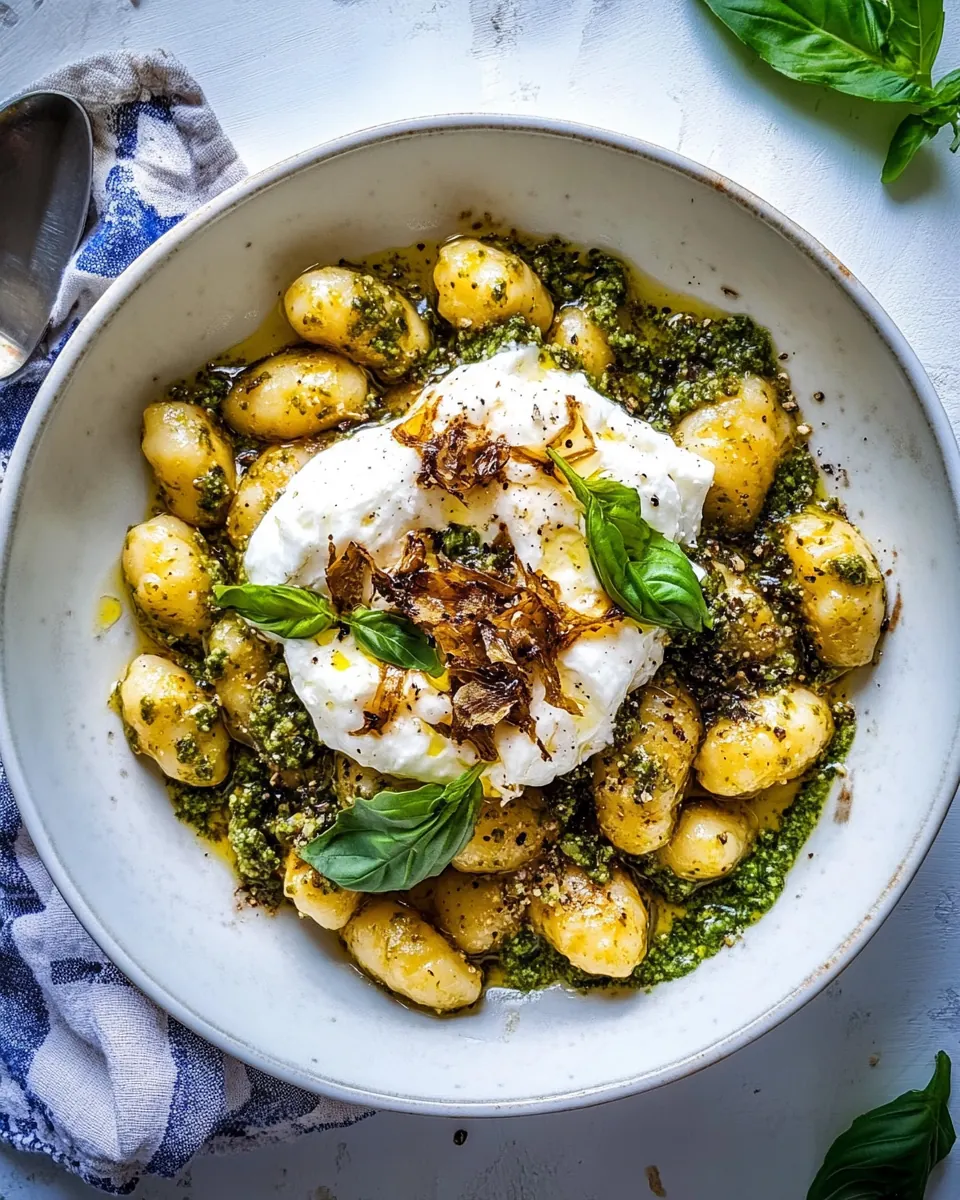
Lemon Pesto Burrata and Brown Butter Gnocchi
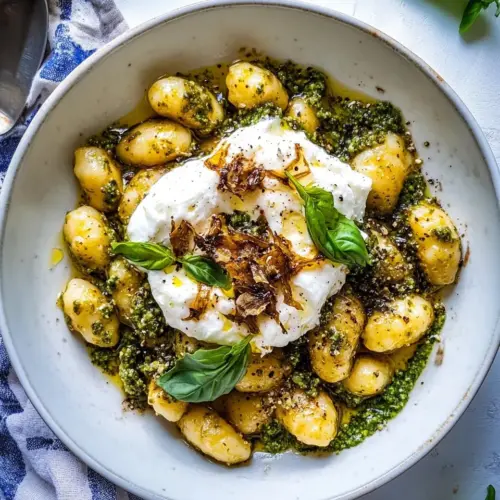
Lemon Pesto Burrata and Brown Butter Gnocchi landed on my table on a breezy spring evening when I wanted something that felt both comforting and a little indulgent.
I recall standing at the stove, the scent of butter turning toasty and nutty as it coaxed the edges of the gnocchi to a golden, crisp finish. The contrast between that toasty aroma and the bright snap of lemon zest felt like sunshine on a plate. I love how the creamy center of burrata softens under a spoon, releasing milky richness that tames the browned butter, while the pesto threads basil into every bite.
That night I invited a friend over with little fanfare, and we sat at the counter, forks in hand, trading stories as we dug into bowls piled high with pillowy gnocchi, crisp asparagus, and ribbons of glossy pesto. The first taste was silence, then a chorus of agreement. It was effortless enough for a weeknight, yet special enough for company.
Over time I refined the small moves that make this dish sing, like letting the butter really brown and getting pockets of crisp on the gnocchi so each mouthful offers texture alongside creaminess. If you like food that is simple but layered, this recipe will become a go to. You can make it for a casual dinner or for a night when you want something that feels just a bit elevated without fuss.
Recipe Snapshot
25 mins
10 mins
15 mins
Easy
550 kcal
Italian
Gluten-Free, Low FODMAP
Dinner
Large skillet, Spatula
Why You Need This Lemon Pesto Burrata and Brown Butter Gnocchi
Bright and balanced flavors
I love how Lemon Pesto Burrata and Brown Butter Gnocchi combines bright lemon with herbaceous pesto and the nutty depth of browned butter. Each element plays a clear role, so the dish never feels one note. The lemon zest lifts the richness, keeping the overall profile lively.
Texture contrast that keeps you coming back
What wins me over is the textural play. The pillow softness of the gnocchi paired with browned, slightly crisped edges creates a delightful mouthfeel. Then there is the creamy center of the burrata, which adds silkiness. I find that contrast makes every bite interesting and satisfying.
Speed without compromise
This recipe is fast, yet it does not cut corners on flavor. With just a few minutes of active cooking you achieve complex results. I appreciate dishes where timing and simple techniques do the heavy lifting, so you end up with something impressive in a short window.
Versatile and elegant for company
I often make Lemon Pesto Burrata and Brown Butter Gnocchi when I want to feed a small group without fuss. It looks and tastes special, but it is straightforward enough that you can chat with guests instead of babysitting the stove. The presentation is forgiving and beautiful: break burrata into bowls, pile on the gnocchi, and drizzle any remaining pesto for a pretty finish.
Seasonal harmony
Because the recipe features spring asparagus and bright lemon, it feels especially suited to lighter menus. I enjoy serving it when vegetables are fresh and abundant, the flavors pairing beautifully with crisp salads or simple white beans. It’s a recipe that honors good produce while staying homey.
What to Buy for Lemon Pesto Burrata and Brown Butter Gnocchi
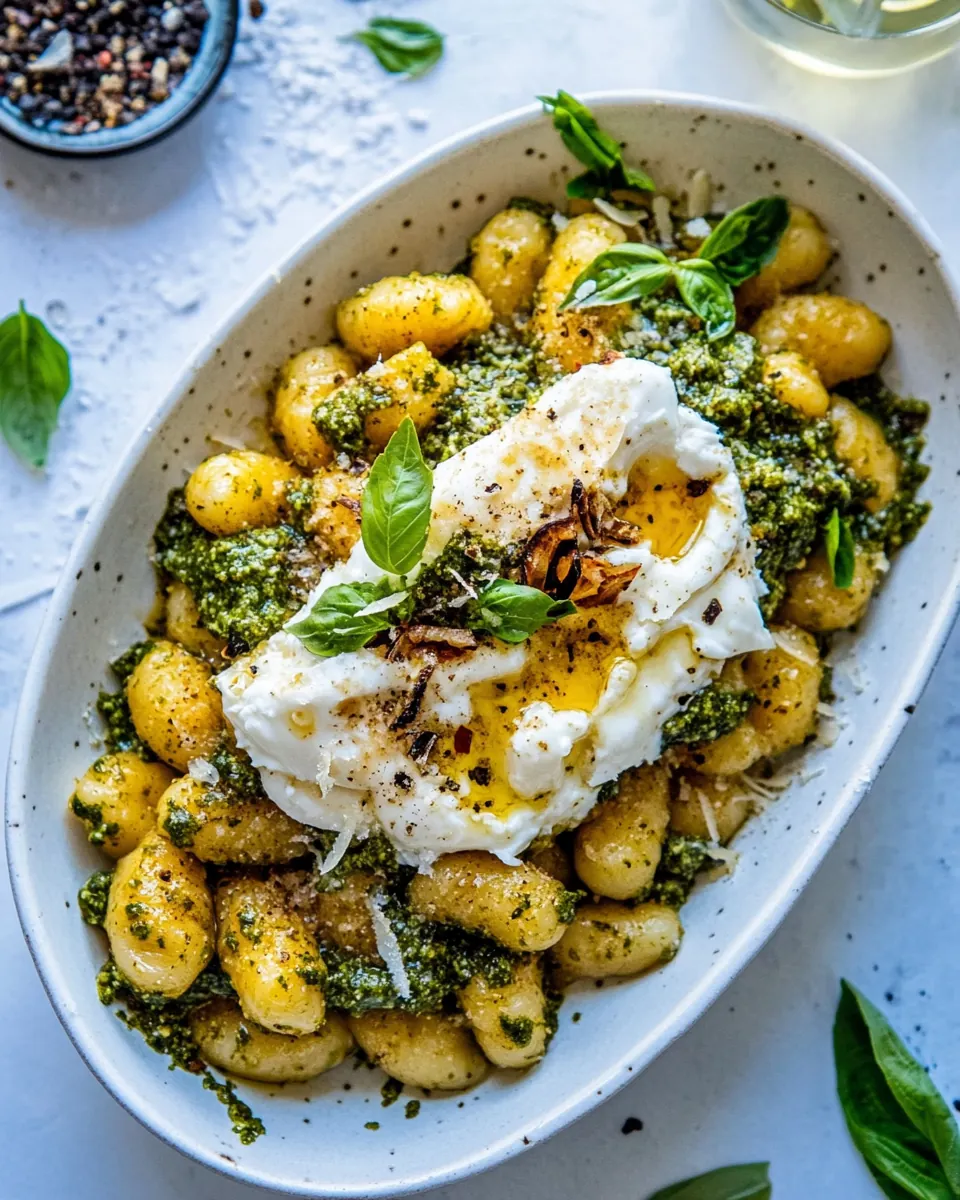
These ingredients are straightforward, but together they create a layered dish that balances richness, brightness, and herbaceous depth. The key players are the starchy gnocchi that soak up flavor, the toasted butter that adds nuttiness, and the fresh burrata and pesto that provide cream and brightness. Each item contributes texture, aroma, or contrast so the finished plate feels complete.
- 2 tablespoons extra virgin olive oil: Drizzle over finished dish or use to sauté vegetables; adds fruity richness and carries aromatics, enhancing mouthfeel in both pesto and gnocchi preparations.
- 1 bunch asparagus, ends trimmed: Trim and blanch or roast until tender-crisp; provides bright, slightly bitter green notes and a crisp textural contrast to soft gnocchi and creamy burrata.
- kosher salt and black pepper: Season generously to taste during cooking and at service; balances flavors, enhances natural sweetness of asparagus and gnocchi, and sharpens the overall profile with peppery heat.
- 6 tablespoons salted butter: Melt slowly to develop nutty, toasty flavors for brown butter sauce; offers a rich, savory foundation that coats gnocchi and complements burrata’s creaminess.
- 4 cloves garlic, chopped: Sauté gently to build aromatic base in sauces; delivers pungent, savory depth and integrates into brown butter for a fragrant, layered flavor.
- chili flakes: Sprinkle sparingly to introduce heat and complexity; provides a warm, lingering spice that lifts the buttery sauce without overwhelming delicate burrata.
- 2 teaspoons lemon zest: Grate finely and fold into pesto or finish dishes; contributes bright citrus aroma and acidity that cuts through fat and refreshes the palate.
- 1 pound fresh potato gnocchi: Cook until tender and lightly golden in brown butter; supplies pillowy texture and neutral potato base that soaks up pesto and buttery sauce flavors.
- 1/3 cup basil pesto: Stir through gnocchi or dollop into sauce to distribute herbaceous, garlicky richness; concentrates basil, nuts, and cheese to unify the dish’s savory elements.
- 8 ounces burrata cheese, at room temperature: Bring to room temperature and tear gently over plated gnocchi; offers a luscious, creamy center that contrasts with crispy brown butter and bright pesto.
- fresh parmesan, for serving: Grate over the final dish to add salty, umami complexity; sharp, nutty parmesan heightens savory notes and provides a finishing savory lift to the ensemble.
The Process for Making Lemon Pesto Burrata and Brown Butter Gnocchi
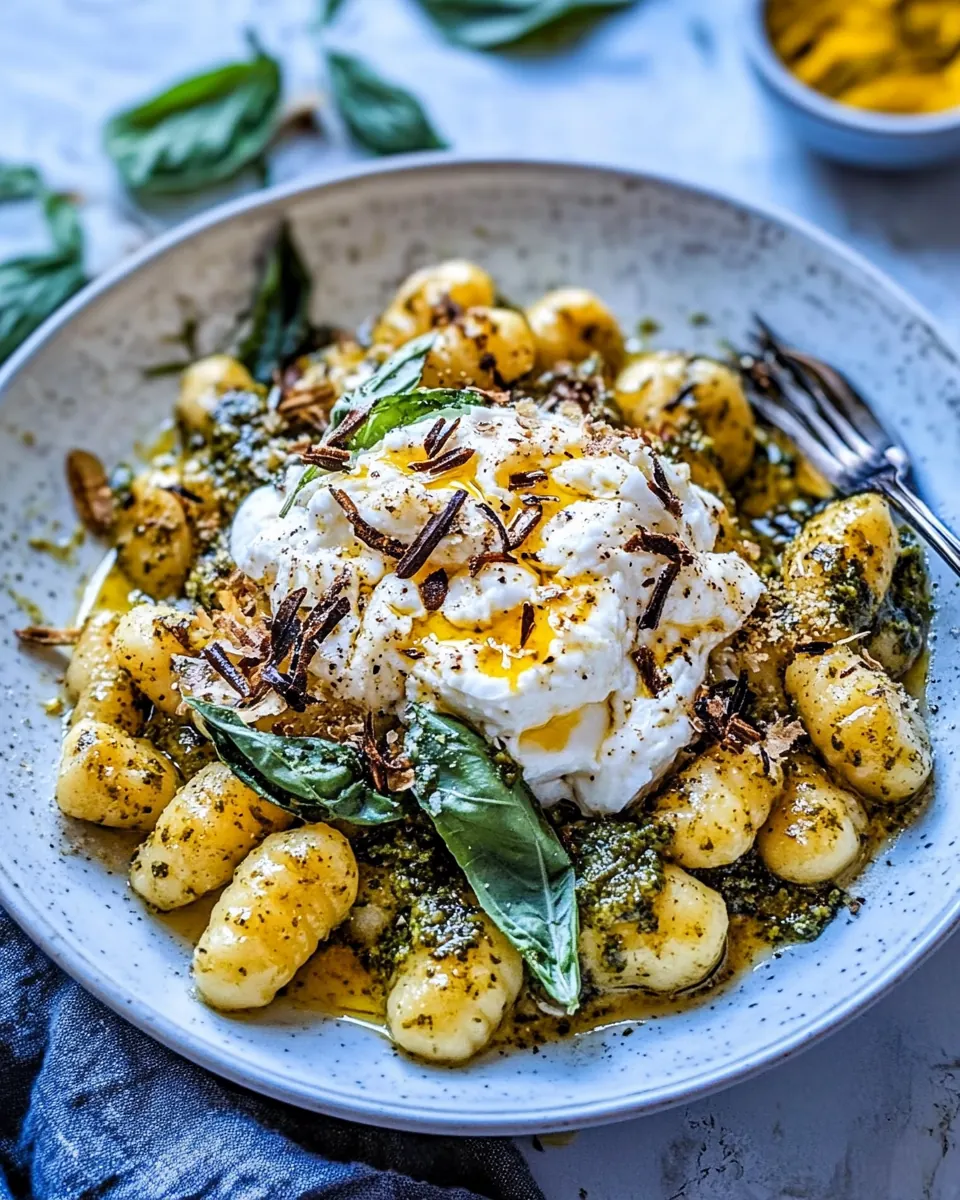
I like to think of this cooking time as a focused, sensory practice where small moments matter. The steps below expand the original directions into detailed, personal guidance so you know what to listen and look for at each stage.
- In a large skillet, heat the olive oil over medium heat. Add the asparagus and cook until tender, 3-5 minutes. Season with salt and pepper. Add 1 tablespoon butter, 1 clove garlic, lemon zest, and chili flakes. Cook until the butter browns, 1-2 minutes. Remove from the skillet. To the same skillet, add the gnocchi and 5 tablespoons butter. Allow the gnocchi to get crispy, about 4-5 minutes, then toss with the butter and add the garlic. Cook another 2 minutes, then stir in the pesto and remove from the heat. Season with salt and pepper. Break the burrata into serving bowls. Add the asparagus, then spoon over the gnocchi. Top with parmesan and extra pesto.: As the extra virgin olive oil warms, you will notice it loosen and shimmer, a cue that the pan is ready. The oil should gently ripple but not smoke; if it begins to smoke, lower the heat immediately. This moderate heat helps the asparagus cook through without burning. A common misstep is rushing with too high heat, which charred outsides while leaving centers underdone. Keep an eye on the pan and sweep the oil around so the surface is evenly coated.
- Add the asparagus and cook until tender, 3 to 5 minutes: As you add the trimmed asparagus , you should hear a quiet sizzle. Turn the stalks occasionally so they get light browning on several sides, and test a stalk by piercing near the center to confirm tenderness. The color will deepen to a vivid green, and the aroma will become vegetal and slightly sweet. Avoid overcrowding the pan, which causes steaming rather than searing, leaving them limp.
- Season with salt and pepper: When the asparagus has softened, sprinkle kosher salt and fresh ground black pepper to boost natural flavors. You will feel the seasoning open the aroma of the vegetables. Season lightly, taste, and adjust; remember you will also add salty components later like parmesan . Over seasoning early can make the finished dish too salty, so err on the mild side.
- Add 1 tablespoon butter, 1 clove garlic, lemon zest, and chili flakes: Adding a tablespoon of the salted butter will melt and mingle with the oil, creating glossy flavor on the asparagus . The chopped garlic sizzles briefly, releasing savory perfume, while the lemon zest brightens and chili flakes add a warm note. Watch the garlic closely; when it just becomes fragrant and turns paler, it is time to act. Burned garlic tastes bitter and will alter the whole dish.
- Cook until the butter browns, 1 to 2 minutes: Keep the pan moving as the butter foams and then shifts from pale to a golden brown, smelling nutty and toasty. Those browned milk solids are essential for adding complexity. You will see tiny brown flecks and catch the nutty aroma; that signals readiness. If the butter darkens too far and smells scorched, discard and restart this step to avoid bitterness.
- Remove from the skillet: Once the butter has browned, transfer the asparagus and aromatics to a plate so they do not continue to cook. This step preserves their texture and prevents overcooking while you prepare the gnocchi. Leaving them in the pan risks turning the asparagus limp and losing the bright, fresh flavor you worked to build.
- To the same skillet, add the gnocchi and 5 tablespoons butter: Using the same skillet captures all the fond and browned butter notes. Add the fresh potato gnocchi in a single layer and the remaining salted butter . The contrast between the cold gnocchi and warm pan creates immediate sizzling. Give the pan a moment before stirring so edges can form. Overcrowding will reduce browning, so work in batches if necessary.
- Allow the gnocchi to get crispy, about 4 to 5 minutes: As the gnocchi rests, you will hear increased crisping sounds and see golden edges appear. Use a spatula to gently turn pieces so several sides get color. The goal is a balance of crisp exterior and tender interior. If you stir too frequently, they will not develop that desirable crust and will remain uniformly soft.
- Then toss with the butter and add the garlic: After initial browning, toss the gnocchi so they pick up the melted, browned butter . Add the chopped garlic now so it warms and perfumes without burning. The aroma should be rich, slightly sweet, and garlicky. If the garlic begins to darken rapidly, lower the heat; burnt garlic will add unpleasant bitterness.
- Cook another 2 minutes, then stir in the pesto and remove from the heat: Those extra minutes allow flavors to meld and the gnocchi to reach the correct interior doneness. Stir in the pesto off the direct heat so the herbs stay bright and the oil in the pesto does not separate. The pan will glisten, and the gnocchi will be coated in a vibrant green sauce. Overheating the pesto dulls its color and fresh flavor, so act promptly.
- Season with salt and pepper: After combining, taste a piece and add more kosher salt or freshly ground black pepper to balance the dish. Seasoning at this late stage lets you account for the salted butter and parmesan you will add later. Be cautious with salt; you can always add more at the table.
- Break the burrata into serving bowls: Pull apart the burrata into rustic pieces and arrange them in warmed bowls. The interior should look creamy and glossy; room temperature burrata yields the most luxurious texture. If it is too cold, it will stay compact and will not release its creamy center.
- Add the asparagus, then spoon over the gnocchi: Nestle the browned asparagus around and atop the burrata , then spoon the heated gnocchi and pesto over everything. The warm gnocchi will gently soften the cheese creating ribbons of cream that marry with browned butter. Arrange to create contrast so each bite includes at least two textures.
- Top with parmesan and extra pesto: Finish with freshly grated parmesan and a drizzle of reserved pesto if you have any left. The cheese adds savory depth and a little grainy texture while the extra pesto lifts the herb notes. Serve immediately so the contrast between warm gnocchi and cool, creamy burrata remains intact.
Recipe Notes about Lemon Pesto Burrata and Brown Butter Gnocchi
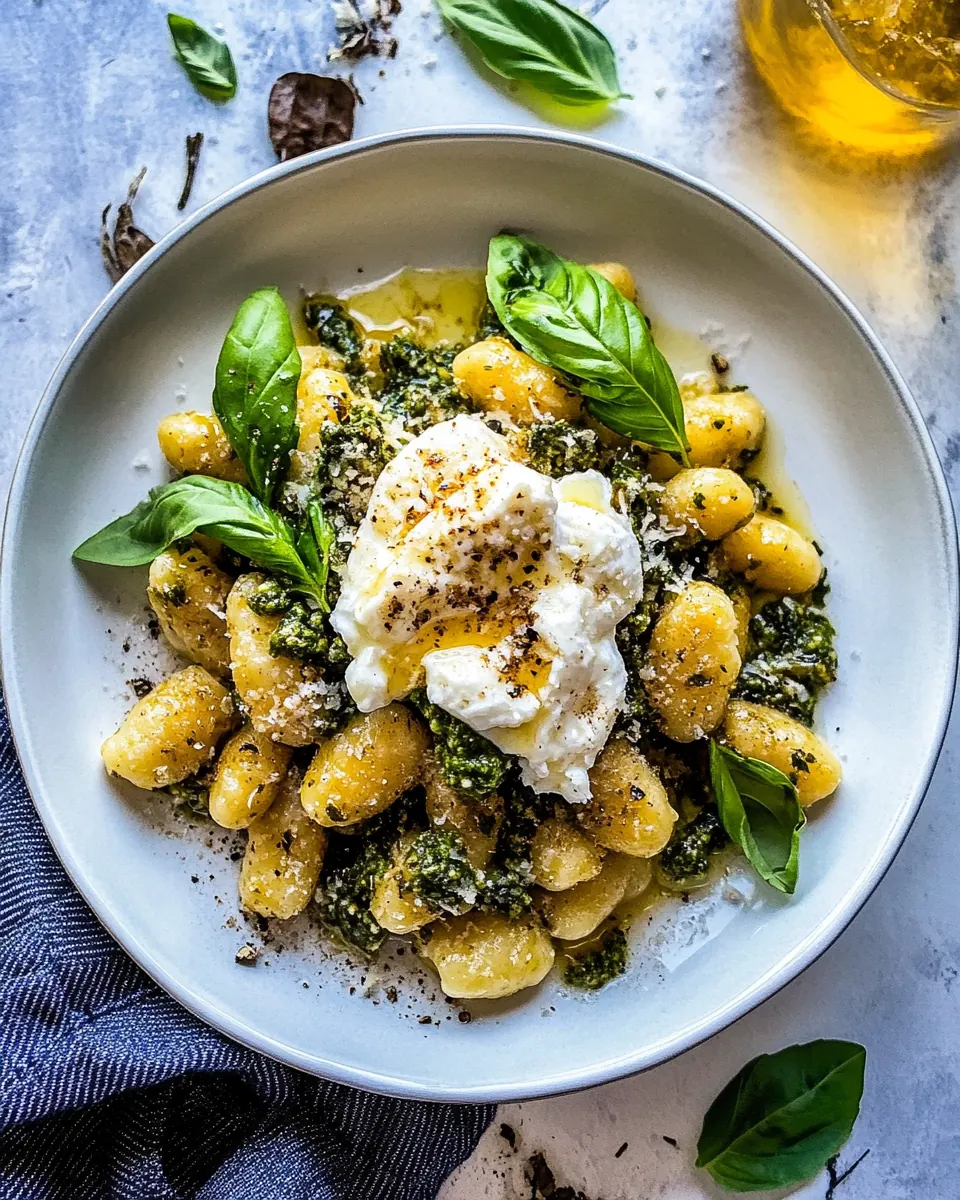
These notes expand on practical do not miss tips that will keep the dish tasting fresh and balanced. Each list item highlights one step or choice that reliably improves results.
- Room temperature burrata: Let the burrata sit out for at least 20 to 30 minutes before serving. This allows the creamy interior to soften and spread luxuriously when the warm gnocchi is added. Cold cheese can feel dense and will not meld into the dish. When left at room temperature, the burrata releases a silky core that enriches each bite.
- Brown the butter carefully: Use medium heat and a light colored pan if possible so you can watch the butter transition from foamy to golden to nutty brown. Swirl the pan and remove from heat when you see tiny brown flecks and smell a toasted scent. If it gets too dark, it will taste burnt, so act quickly when it reaches the right color.
- Get gnocchi crispy: Allow the gnocchi to sit without stirring for a few minutes so they develop a golden crust. That crust adds a satisfying texture next to the creamy burrata. If you stir too often you will lose that contrast, so be patient and let the surface do its work.
- Use fresh lemon zest: Grate only the yellow part of the lemon to avoid any bitter pith. The zest brightens and balances the richness of butter and cheese and should be added early with the asparagus aromatics to infuse the dish subtly.
- Finish with fresh parmesan: Grate parmesan at the end to preserve its texture and aroma. A quick grate over the plated dish adds salty umami and a little granular bite that complements the silky burrata.
Perfect Matches for Lemon Pesto Burrata and Brown Butter Gnocchi
This dish pairs well with simple, fresh sides and occasions that favor spring produce and light menus. Below are serving ideas, suitable occasions, storage notes, and seasonal pairings to help you plan the full experience.
- Side salad for balance: Serve with a crisp green salad dressed simply with lemon and olive oil to echo the dish s bright citrus notes and add a refreshing contrast to the rich gnocchi and burrata.
- Light roasted vegetables: Roast seasonal vegetables lightly seasoned so they offer texture and earthy notes without competing with the herbaceous pesto.
- Occasions: This recipe is perfect for a cozy spring dinner, a small celebratory meal, or a weekend lunch when you want something special but not fussy. It works well for gatherings where you prefer to spend time with guests instead of tending a complex menu.
- Serving style: Present in shallow bowls, placing chunks of burrata first, then arranging asparagus and spooning warm gnocchi over top. Finish with parmesan so each portion has a pretty balance of color and texture.
- Storage tips: Leftovers keep for one to two days refrigerated. Store components separately if possible; the gnocchi will firm up, and the burrata is best consumed fresh. Reheat gently in a skillet to revive crisped edges without breaking down the cheese too much.
- Seasonal pairings: The recipe shines in spring with fresh asparagus and bright lemon. In other seasons, look for tender green vegetables that complement the creamy cheese and brown butter.
- Portioning: For a dinner party, plan on the stated servings and consider offering an extra bowl of pesto to let guests add more herbal brightness to taste.
FAQ
Conclusion
This recipe shines because it balances nutty brown butter, bright lemon, herbaceous pesto, and creamy burrata into one comforting plate. Give it a try the next time you want something that feels special without being complicated. Share it with friends or savor a quiet dinner at home, and enjoy how small techniques produce big flavor.
Lemon Pesto Burrata and Brown Butter Gnocchi
Equipment
- Large Skillet
- Spatula
Ingredients
- 2 tablespoons extra virgin olive oil Drizzle over finished dish or use to sauté vegetables; adds fruity richness and carries aromatics, enhancing mouthfeel in both pesto and gnocchi preparations.
- 1 bunch asparagus, ends trimmed Trim and blanch or roast until tender-crisp; provides bright, slightly bitter green notes and a crisp textural contrast to soft gnocchi and creamy burrata.
- kosher salt and black pepper Season generously to taste during cooking and at service; balances flavors, enhances natural sweetness of asparagus and gnocchi, and sharpens the overall profile with peppery heat.
- 6 tablespoons salted butter Melt slowly to develop nutty, toasty flavors for brown butter sauce; offers a rich, savory foundation that coats gnocchi and complements burrata’s creaminess.
- 4 cloves garlic, chopped Sauté gently to build aromatic base in sauces; delivers pungent, savory depth and integrates into brown butter for a fragrant, layered flavor.
- chili flakes Sprinkle sparingly to introduce heat and complexity; provides a warm, lingering spice that lifts the buttery sauce without overwhelming delicate burrata.
- 2 teaspoons lemon zest Grate finely and fold into pesto or finish dishes; contributes bright citrus aroma and acidity that cuts through fat and refreshes the palate.
- 1 pound fresh potato gnocchi Cook until tender and lightly golden in brown butter; supplies pillowy texture and neutral potato base that soaks up pesto and buttery sauce flavors.
- 1/3 cup basil pesto Stir through gnocchi or dollop into sauce to distribute herbaceous, garlicky richness; concentrates basil, nuts, and cheese to unify the dish’s savory elements.
- 8 ounces burrata cheese, at room temperature Bring to room temperature and tear gently over plated gnocchi; offers a luscious, creamy center that contrasts with crispy brown butter and bright pesto.
- fresh parmesan, for serving Grate over the final dish to add salty, umami complexity; sharp, nutty parmesan heightens savory notes and provides a finishing savory lift to the ensemble.
Instructions
- In a large skillet, heat the olive oil over medium heat. Add the asparagus and cook until tender, 3-5 minutes. Season with salt and pepper. Add 1 tablespoon butter, 1 clove garlic, lemon zest, and chili flakes. Cook until the butter browns, 1-2 minutes. Remove from the skillet. To the same skillet, add the gnocchi and 5 tablespoons butter. Allow the gnocchi to get crispy, about 4-5 minutes, then toss with the butter and add the garlic. Cook another 2 minutes, then stir in the pesto and remove from the heat. Season with salt and pepper. Break the burrata into serving bowls. Add the asparagus, then spoon over the gnocchi. Top with parmesan and extra pesto.: As the extra virgin olive oil warms, you will notice it loosen and shimmer, a cue that the pan is ready. The oil should gently ripple but not smoke; if it begins to smoke, lower the heat immediately. This moderate heat helps the asparagus cook through without burning. A common misstep is rushing with too high heat, which charred outsides while leaving centers underdone. Keep an eye on the pan and sweep the oil around so the surface is evenly coated.
- Add the asparagus and cook until tender, 3 to 5 minutes: As you add the trimmed asparagus , you should hear a quiet sizzle. Turn the stalks occasionally so they get light browning on several sides, and test a stalk by piercing near the center to confirm tenderness. The color will deepen to a vivid green, and the aroma will become vegetal and slightly sweet. Avoid overcrowding the pan, which causes steaming rather than searing, leaving them limp.
- Season with salt and pepper: When the asparagus has softened, sprinkle kosher salt and fresh ground black pepper to boost natural flavors. You will feel the seasoning open the aroma of the vegetables. Season lightly, taste, and adjust; remember you will also add salty components later like parmesan . Over seasoning early can make the finished dish too salty, so err on the mild side.
- Add 1 tablespoon butter, 1 clove garlic, lemon zest, and chili flakes: Adding a tablespoon of the salted butter will melt and mingle with the oil, creating glossy flavor on the asparagus . The chopped garlic sizzles briefly, releasing savory perfume, while the lemon zest brightens and chili flakes add a warm note. Watch the garlic closely; when it just becomes fragrant and turns paler, it is time to act. Burned garlic tastes bitter and will alter the whole dish.
- Cook until the butter browns, 1 to 2 minutes: Keep the pan moving as the butter foams and then shifts from pale to a golden brown, smelling nutty and toasty. Those browned milk solids are essential for adding complexity. You will see tiny brown flecks and catch the nutty aroma; that signals readiness. If the butter darkens too far and smells scorched, discard and restart this step to avoid bitterness.
- Remove from the skillet: Once the butter has browned, transfer the asparagus and aromatics to a plate so they do not continue to cook. This step preserves their texture and prevents overcooking while you prepare the gnocchi. Leaving them in the pan risks turning the asparagus limp and losing the bright, fresh flavor you worked to build.
- To the same skillet, add the gnocchi and 5 tablespoons butter: Using the same skillet captures all the fond and browned butter notes. Add the fresh potato gnocchi in a single layer and the remaining salted butter . The contrast between the cold gnocchi and warm pan creates immediate sizzling. Give the pan a moment before stirring so edges can form. Overcrowding will reduce browning, so work in batches if necessary.
- Allow the gnocchi to get crispy, about 4 to 5 minutes: As the gnocchi rests, you will hear increased crisping sounds and see golden edges appear. Use a spatula to gently turn pieces so several sides get color. The goal is a balance of crisp exterior and tender interior. If you stir too frequently, they will not develop that desirable crust and will remain uniformly soft.
- Then toss with the butter and add the garlic: After initial browning, toss the gnocchi so they pick up the melted, browned butter . Add the chopped garlic now so it warms and perfumes without burning. The aroma should be rich, slightly sweet, and garlicky. If the garlic begins to darken rapidly, lower the heat; burnt garlic will add unpleasant bitterness.
- Cook another 2 minutes, then stir in the pesto and remove from the heat: Those extra minutes allow flavors to meld and the gnocchi to reach the correct interior doneness. Stir in the pesto off the direct heat so the herbs stay bright and the oil in the pesto does not separate. The pan will glisten, and the gnocchi will be coated in a vibrant green sauce. Overheating the pesto dulls its color and fresh flavor, so act promptly.
- Season with salt and pepper: After combining, taste a piece and add more kosher salt or freshly ground black pepper to balance the dish. Seasoning at this late stage lets you account for the salted butter and parmesan you will add later. Be cautious with salt; you can always add more at the table.
- Break the burrata into serving bowls: Pull apart the burrata into rustic pieces and arrange them in warmed bowls. The interior should look creamy and glossy; room temperature burrata yields the most luxurious texture. If it is too cold, it will stay compact and will not release its creamy center.
- Add the asparagus, then spoon over the gnocchi: Nestle the browned asparagus around and atop the burrata , then spoon the heated gnocchi and pesto over everything. The warm gnocchi will gently soften the cheese creating ribbons of cream that marry with browned butter. Arrange to create contrast so each bite includes at least two textures.
- Top with parmesan and extra pesto: Finish with freshly grated parmesan and a drizzle of reserved pesto if you have any left. The cheese adds savory depth and a little grainy texture while the extra pesto lifts the herb notes. Serve immediately so the contrast between warm gnocchi and cool, creamy burrata remains intact.
Notes
- Room temperature burrata: Let the burrata sit out for at least 20 to 30 minutes before serving. This allows the creamy interior to soften and spread luxuriously when the warm gnocchi is added. Cold cheese can feel dense and will not meld into the dish. When left at room temperature, the burrata releases a silky core that enriches each bite.
- Brown the butter carefully: Use medium heat and a light colored pan if possible so you can watch the butter transition from foamy to golden to nutty brown. Swirl the pan and remove from heat when you see tiny brown flecks and smell a toasted scent. If it gets too dark, it will taste burnt, so act quickly when it reaches the right color.
- Get gnocchi crispy: Allow the gnocchi to sit without stirring for a few minutes so they develop a golden crust. That crust adds a satisfying texture next to the creamy burrata. If you stir too often you will lose that contrast, so be patient and let the surface do its work.
- Use fresh lemon zest: Grate only the yellow part of the lemon to avoid any bitter pith. The zest brightens and balances the richness of butter and cheese and should be added early with the asparagus aromatics to infuse the dish subtly.
- Finish with fresh parmesan: Grate parmesan at the end to preserve its texture and aroma. A quick grate over the plated dish adds salty umami and a little granular bite that complements the silky burrata.
