
Grilled Cheese in Oven
Grilled Cheese in Oven was my go to when I wanted something warm, fast, and utterly nostalgic on a weeknight. The very first time I baked these instead of pan frying, I remember the kitchen filling with that toasty, buttery aroma while I rummaged for a tomato to slice. It felt cozy, simple, and a little bit clever to get perfectly even melting without hovering at the stove.
I still make Grilled Cheese in Oven when guests drop by unexpectedly, because it scales effortlessly and keeps my hands free to pour drinks and tell stories. My trick is to brush the bread liberally so the crust crisps golden while the cheese inside becomes satisfyingly gooey. Over the years I have learned tiny things, like which bread holds up best and how long to let the sandwiches rest so the cheese settles a touch before you bite in.
There is something wonderfully democratic about Grilled Cheese in Oven. Kids, grown ups, picky eaters, and midnight snackers all agree that a warm sandwich with melty cheese heals a bad day. I love that you can tweak textures by choosing different breads and still end up with that same comfort factor. Every time I pull the tray from the oven, I get that small, domestic thrill that a simple food done well can provide.
Recipe Snapshot
20 mins
5 mins
15 mins
Easy
300 kcal
American
Gluten-Free, Low FODMAP
Dinner
Rimmed Baking Sheet
What’s Great About This Grilled Cheese in Oven
Consistent Melting Every Time
I adore how baking guarantees even heat, which means each sandwich comes out with uniformly melted American cheese and no cold pockets. I can walk away and trust the oven to do the heavy lifting, and that reliability makes weeknight dinners feel manageable.
Hands Free, Crowd Friendly
I often host informal gatherings, and the fact that you can bake several sandwiches at once on a Rimmed Baking Sheet is a game changer. It saves me from standing at the stove flipping, and lets me mingle without sacrificing quality.
Buttery, Golden Crunch
Brushing the bread with melted butter creates a crisp, golden exterior that contrasts wonderfully with the gooey interior. That crunch is essential to the experience, and I always recommend not skimping on the butter, because it is the texture star.
Simple Ingredients, Big Comfort
With only a few items, this recipe delivers maximum satisfaction. Using straightforward pantry staples like white bread and cheese keeps the process stress free, and that honesty in ingredients is part of the beloved charm.
Flexible and Forgiving
This method is tolerant of different breads and cheeses, so you can experiment without fear. I love to suggest small swaps to friends, knowing the oven method will accommodate those variations without derailing the result.
Shopping List for Grilled Cheese in Oven
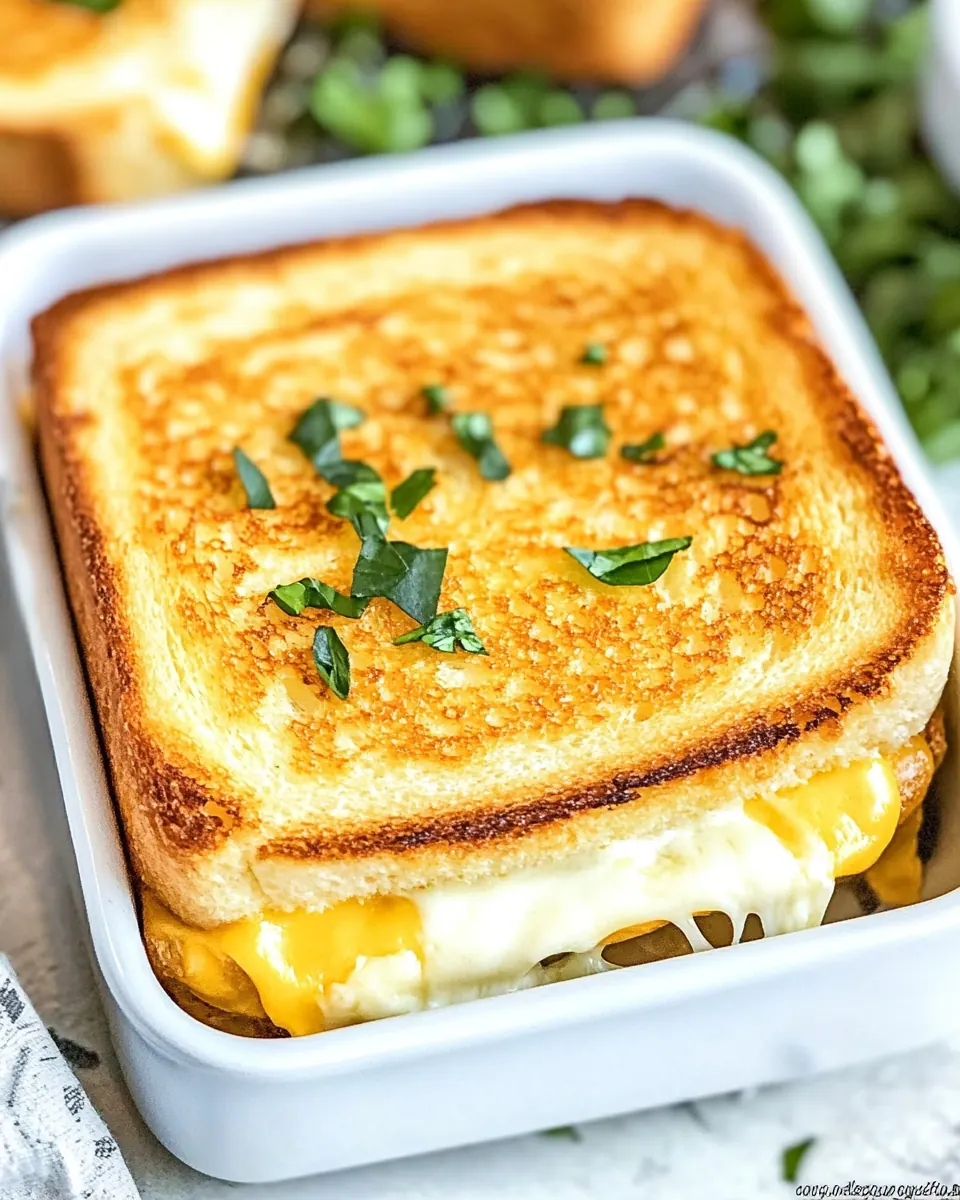
These few ingredients form a tight, well matched ensemble. The key players are the bread, the butter, and the cheese. Each has a clear role: the white bread provides structure, the butter brings crisping and richness, and the American cheese melts into that beloved, creamy center. Together they create a sandwich that is more than the sum of its parts.
- 12 slices Sunbeam white bread: Provide structure and absorb butter to create crisp, golden surfaces; perfect for layering fillings and creating a sturdy sandwich that holds together when baked. Tear- and soak-resistant slices help ensure even browning and uniform texture across the batch. Offer neutral flavor that highlights the melted cheese and buttery crust, making them an ideal canvas for grilled cheese.
- 4 tbsp butter, melted: Coat bread surfaces evenly to promote deep browning and prevent dryness; when melted, it forms a rich, flavorful barrier that crisps in the oven. Contribute buttery aroma and mouthfeel that complement the toasted exterior while preventing cheese from escaping during baking. Facilitate even heat distribution and help achieve a tender interior beneath the crisp crust.
- 12 slices American cheese: Melt smoothly between slices to provide creamy, cohesive filling that binds the sandwich and delivers classic cheesy flavor. Offer consistent meltability and mild saltiness that enhance the overall savory profile while creating appealing stretch and creaminess. Create a uniform, gooey center that contrasts with the toasted, buttery exterior for a satisfying texture combination.
Preparation Steps for Grilled Cheese in Oven
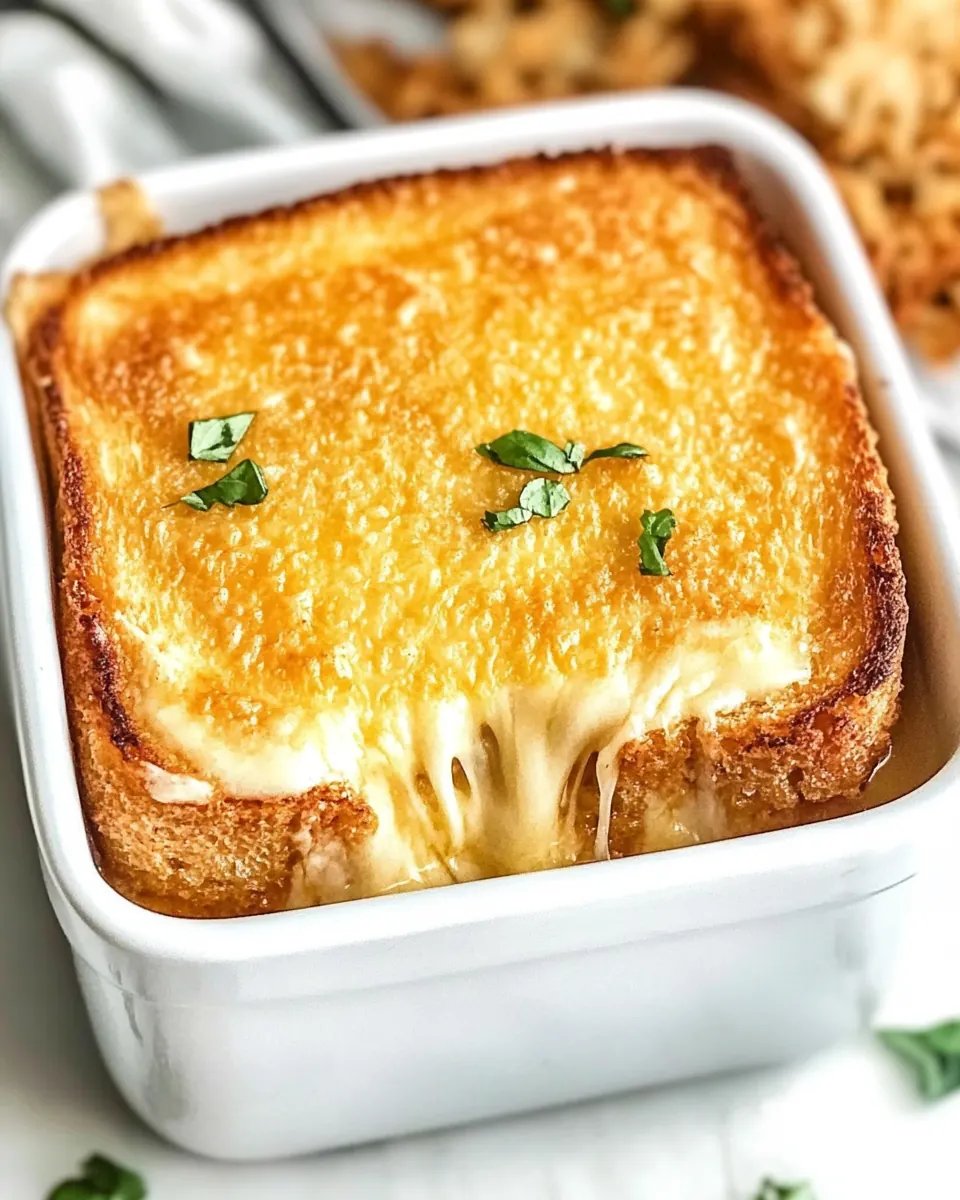
This is a relaxed method that requires minimal hands on time. I like to lay everything out first, brush the bread, assemble the sandwiches, and pop them into the oven. The process rewards attention to small details like how thoroughly the butter is spread and the visual cues of golden browning.
- Preheat oven to 400ºF.: As the oven warms, you will notice a faint, anticipatory warmth in the kitchen. The correct heat ensures the bread toasts quickly while giving the cheese enough time to melt into a smooth, creamy layer. A common mistake is placing sandwiches into an oven that is not fully heated, which can lead to uneven browning and under melted cheese. If your oven runs hot or cold, use an oven thermometer to confirm it reaches the true 400ºF .
- Brush 6 slices of bread with melted butter on one side. Place butter side down on a rimmed baking sheet.: You should feel the warmth of the melted butter as you work, and watch how it soaks into the surface of the white bread , darkening it slightly. The buttered side facing down creates immediate contact with the baking sheet, promoting an even, golden crust. Avoid leaving large pools of butter on the sheet, which can cause uneven frying rather than toasting. If you see soggy spots forming, blot lightly with a paper towel before assembling.
- Top each slice of bread with 2 slices of cheese. Cover with remaining bread slices.: When you place the cheese onto the bread, you might hear a light tacky sound as it touches the warm surface. Stacking two slices ensures a gooey interior without thin spots. Make sure the cheese reaches close to the edges but avoid overhang that can melt onto the pan and burn. A frequent oversight is using too much filling, which prevents the top bread from making full contact and can slow even melting.
- Brush tops of sandwiches with remaining butter.: Brushing the exposed tops with the remaining melted butter creates a matching golden finish and enhances the aroma as they bake. You should see a light sheen and smell a rich, toasty scent developing as they go into the oven. Too much butter will drip and cause smoking, so use a thin, even layer. If the butter pools, tilt the baking sheet briefly to redistribute.
- Bake for 12 to 15 minutes, until golden brown.: As they bake, listen for a faint sizzle and keep an eye on the color shifting from pale to warm gold. The cheese will go from solid to molten; you may notice steam escaping near the edges when it is fully melted. Open the oven briefly toward the end to check color, but avoid long interruptions which can drop the oven temperature. A common pitfall is removing them too early, leaving the interior under melted, so wait until the bread is deeply golden.
Making Adjustments
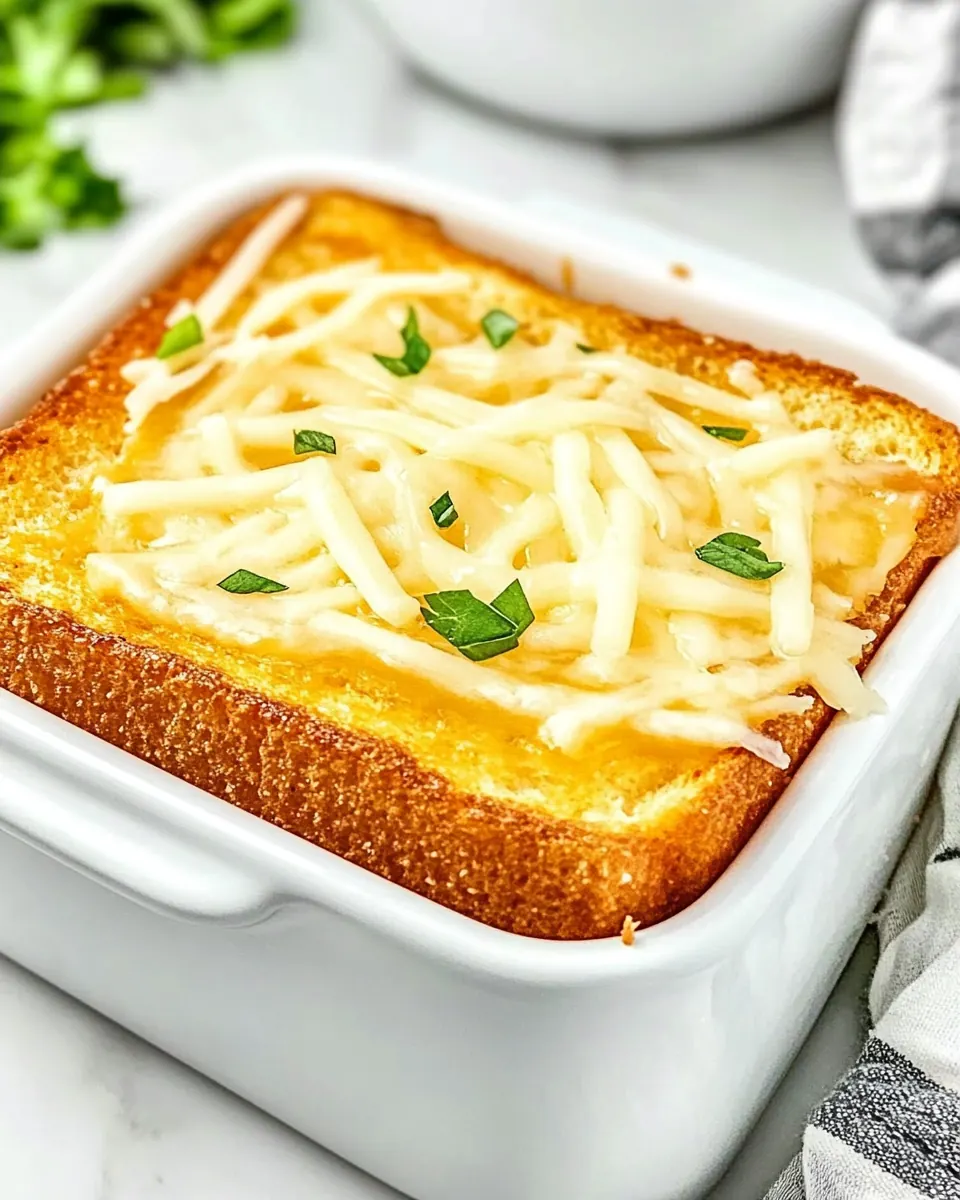
This section explores small changes that can shift texture and flavor while staying true to the straightforward oven method. Below are practical, tested tips to help you customize without losing the essence of the recipe.
- Swap bread carefully, choose a bread with a firm crumb if you want more chew, or a soft sandwich loaf for a more delicate bite; avoid overly porous breads that can become soggy when buttered.
- Cheese variety matters, while American cheese melts reliably, mixing in a more flavorful option in small amounts adds depth without sacrificing meltability.
- Butter technique, melt the butter just enough to spread easily and brush in thin layers to avoid excess dripping and uneven browning.
- Timing tweaks, if your oven browns quickly but melts slowly, reduce rack height or cover loosely with foil to prevent overbrowning while allowing the cheese to soften.
- Make ahead strategy, assemble the sandwiches and refrigerate them on the baking sheet for up to a day, then brush with butter and bake, which saves time and keeps textures intact.
Perfect Pairings for Grilled Cheese in Oven
These serving ideas will elevate a simple baked sandwich into a satisfying meal for many occasions. Think about temperature contrasts, complementary textures, and the times when this sandwich shines best.
- Classic tomato soup pairing, a warm bowl of tomato soup makes for a timeless match, offering a tangy, smooth contrast to the buttery, cheesy sandwich.
- Simple green salad, serve a crisp salad with a light vinaigrette to cut through the richness and add freshness to the plate.
- Kid friendly lunchbox, individually wrapped sandwiches travel well and are ideal for packed lunches or school days when you want convenience and comfort.
- Casual dinner for busy nights, pair with raw carrot sticks or fruit for a balanced, quick evening meal that feels complete without fuss.
- Leftover storage, refrigerate in an airtight container and reheat gently in an oven or wrapped in foil to preserve texture and prevent sogginess.
- Seasonal tweaks, in cooler months serve with a warm side like soup, and in warm months opt for a light, chilled salad to keep the meal bright.
FAQ
Conclusion
This recipe shines because it turns three simple ingredients into a reliably crisp and melty sandwich with minimal fuss. Try baking the sandwiches when you want hands free convenience without sacrificing that golden crunch and creamy interior. I hope this method becomes your go to for quick comfort food, a family friendly dinner, or an easy way to please a crowd. Enjoy the small daily pleasure of a well made grilled cheese.

Grilled Cheese in Oven
Equipment
- Rimmed Baking Sheet
Ingredients
- 12 slices Sunbeam white bread Provide structure and absorb butter to create crisp, golden surfaces; perfect for layering fillings and creating a sturdy sandwich that holds together when baked. Tear- and soak-resistant slices help ensure even browning and uniform texture across the batch. Offer neutral flavor that highlights the melted cheese and buttery crust, making them an ideal canvas for grilled cheese.
- 4 tbsp butter, melted Coat bread surfaces evenly to promote deep browning and prevent dryness; when melted, it forms a rich, flavorful barrier that crisps in the oven. Contribute buttery aroma and mouthfeel that complement the toasted exterior while preventing cheese from escaping during baking. Facilitate even heat distribution and help achieve a tender interior beneath the crisp crust.
- 12 slices American cheese Melt smoothly between slices to provide creamy, cohesive filling that binds the sandwich and delivers classic cheesy flavor. Offer consistent meltability and mild saltiness that enhance the overall savory profile while creating appealing stretch and creaminess. Create a uniform, gooey center that contrasts with the toasted, buttery exterior for a satisfying texture combination.
Instructions
- Preheat oven to 400ºF.: As the oven warms, you will notice a faint, anticipatory warmth in the kitchen. The correct heat ensures the bread toasts quickly while giving the cheese enough time to melt into a smooth, creamy layer. A common mistake is placing sandwiches into an oven that is not fully heated, which can lead to uneven browning and under melted cheese. If your oven runs hot or cold, use an oven thermometer to confirm it reaches the true 400ºF .
- Brush 6 slices of bread with melted butter on one side. Place butter side down on a rimmed baking sheet.: You should feel the warmth of the melted butter as you work, and watch how it soaks into the surface of the white bread , darkening it slightly. The buttered side facing down creates immediate contact with the baking sheet, promoting an even, golden crust. Avoid leaving large pools of butter on the sheet, which can cause uneven frying rather than toasting. If you see soggy spots forming, blot lightly with a paper towel before assembling.
- Top each slice of bread with 2 slices of cheese. Cover with remaining bread slices.: When you place the cheese onto the bread, you might hear a light tacky sound as it touches the warm surface. Stacking two slices ensures a gooey interior without thin spots. Make sure the cheese reaches close to the edges but avoid overhang that can melt onto the pan and burn. A frequent oversight is using too much filling, which prevents the top bread from making full contact and can slow even melting.
- Brush tops of sandwiches with remaining butter.: Brushing the exposed tops with the remaining melted butter creates a matching golden finish and enhances the aroma as they bake. You should see a light sheen and smell a rich, toasty scent developing as they go into the oven. Too much butter will drip and cause smoking, so use a thin, even layer. If the butter pools, tilt the baking sheet briefly to redistribute.
- Bake for 12 to 15 minutes, until golden brown.: As they bake, listen for a faint sizzle and keep an eye on the color shifting from pale to warm gold. The cheese will go from solid to molten; you may notice steam escaping near the edges when it is fully melted. Open the oven briefly toward the end to check color, but avoid long interruptions which can drop the oven temperature. A common pitfall is removing them too early, leaving the interior under melted, so wait until the bread is deeply golden.
Notes
- Swap bread carefully, choose a bread with a firm crumb if you want more chew, or a soft sandwich loaf for a more delicate bite; avoid overly porous breads that can become soggy when buttered.
- Cheese variety matters, while American cheese melts reliably, mixing in a more flavorful option in small amounts adds depth without sacrificing meltability.
- Butter technique, melt the butter just enough to spread easily and brush in thin layers to avoid excess dripping and uneven browning.
- Timing tweaks, if your oven browns quickly but melts slowly, reduce rack height or cover loosely with foil to prevent overbrowning while allowing the cheese to soften.
- Make ahead strategy, assemble the sandwiches and refrigerate them on the baking sheet for up to a day, then brush with butter and bake, which saves time and keeps textures intact.
