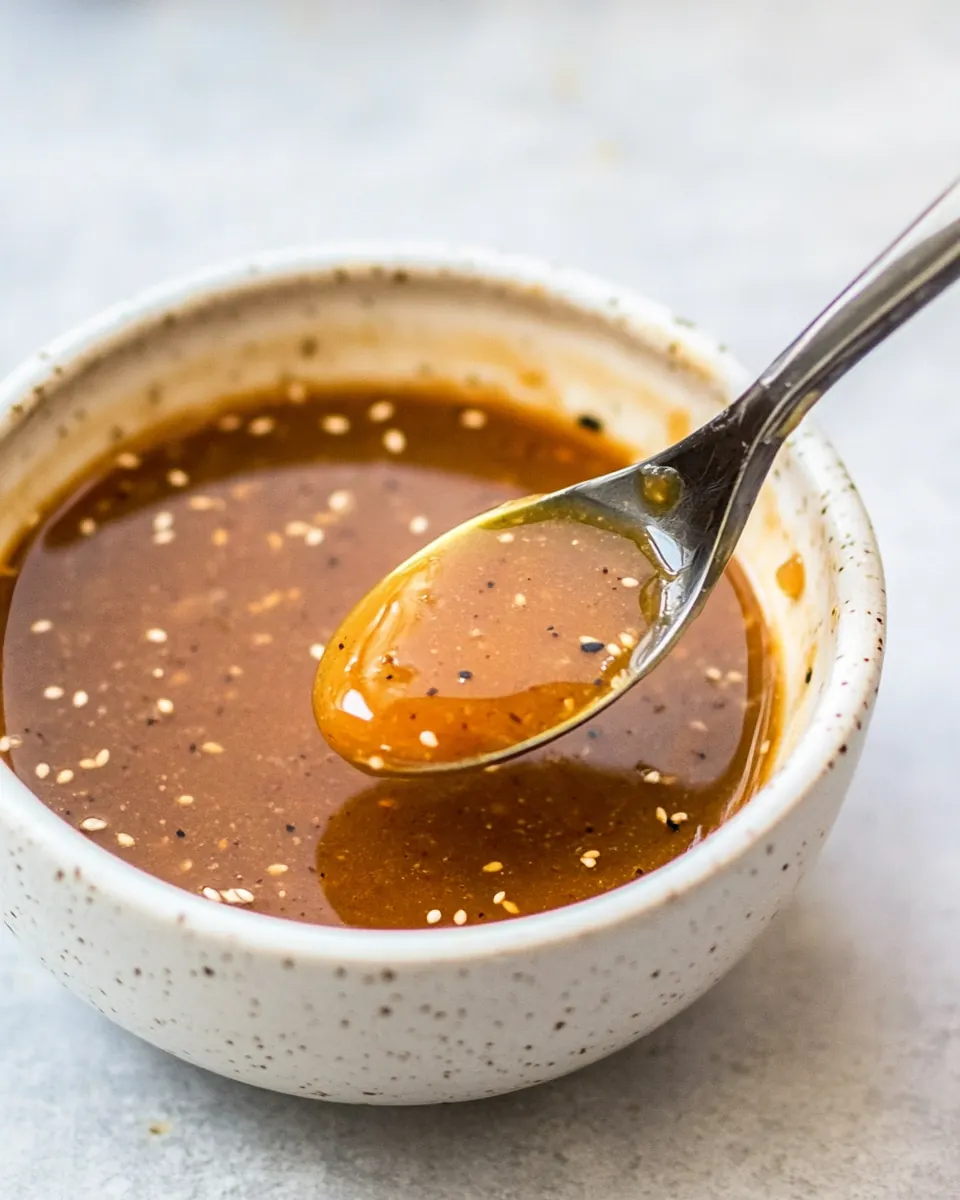
Sesame Ginger Dressing
Sesame Ginger Dressing is one of those simple sauces I keep on hand for busy evenings when I want a burst of flavor with almost no fuss.
I first fell for this combination years ago at a tiny noodle shop where the dressing was spooned over chilled soba, the surface shimmering with oil and the air thick with fresh ginger and toasted sesame. Ever since, I make a small batch most weeks to brighten salads, drizzle over steamed vegetables, or toss with a quick cold noodle bowl. I love how a few pantry staples transform a plain bowl into something lively, and I often tweak the balance depending on whether I want more tang, salt, or sweetness.
There are nights when I stay up late prepping meals for the week, and a jar of Sesame Ginger Dressing becomes my secret helper. It keeps in the fridge, so I can pull it out to lift leftovers, dress slaws, or add zip to a grain bowl. The aroma of grated ginger and minced garlic always signals comfort to me, while the toasted note from sesame oil adds a cozy, nutty warmth. I’m fond of the way the dressing clings to leafy greens and glossy noodles, and it’s become a small ritual: shake, taste, adjust, enjoy.
Recipe Snapshot
5 mins
5 mins
Easy
90 kcal
Asian
Vegan, Gluten-Free
Salads
Jar with tight fitting lid
Why This Sesame Ginger Dressing Hits Different
Bright and Fast
I adore how Sesame Ginger Dressing wakes up any dish in minutes. The mix of acidic rice vinegar and savory soy sauce gives an immediate lift, making weeknight meals feel intentional and fresh. I often reach for this when I need maximum flavor with minimal effort.
Versatile Finisher
One jar of this dressing covers a lot of ground. I use it as a salad dressing, a marinade for firm tofu, and a finishing drizzle on warm grain bowls. Its texture is silky but light, so it melds with ingredients instead of overpowering them, which is why I keep the ratios balanced but flexible.
Fresh Aromatics
The grated ginger and minced garlic give the dressing personality, not just heat. I love how the ginger provides a sharp, fragrant note, while the garlic adds depth. Together they create a complex aroma that smells like care in the kitchen.
Pantry Friendly
Most of these components are pantry staples for me, meaning I can whip this up without a special trip to the store. The ingredients are forgiving, so if you want it saltier or sweeter, small tweaks make a big difference. I also appreciate that a little goes a long way.
Kid Friendly and Crowd Approved
Even picky eaters often warm to this dressing when it is balanced well. I sometimes dilute it slightly for children, and it still adds a wonderful layer of flavor. For gatherings, I mix a larger batch and label it, so guests can splash as much as they like.
Key Ingredients for Sesame Ginger Dressing
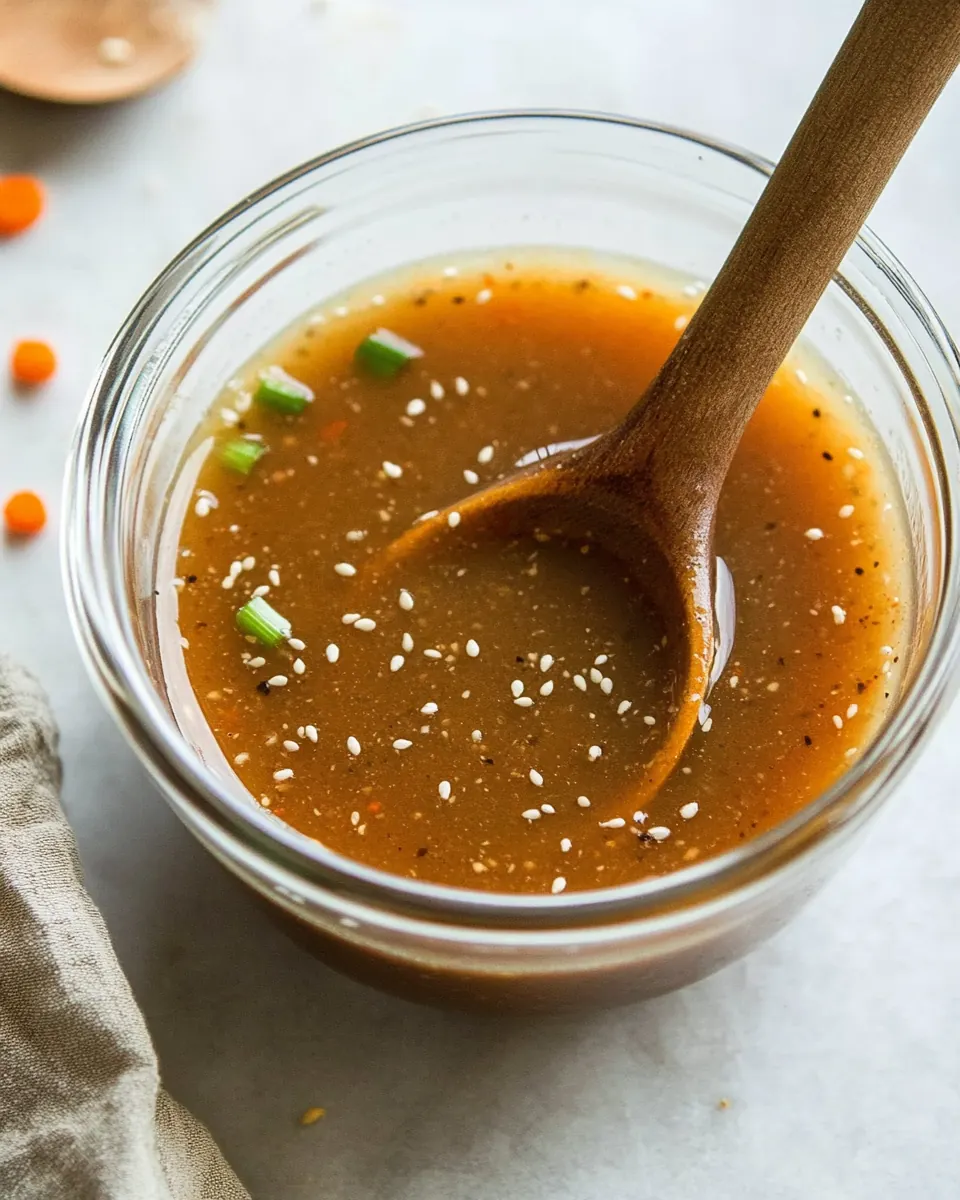
These ingredients work together to create a dressing that is bright, nutty, and balanced. The acid from the rice vinegar cuts through richness, the soy sauce brings umami and salt, while the toasted aroma of sesame oil ties everything together. Sweetness and aromatics round out the profile so the dressing clings to salads and noodles without being cloying.
- 1/4 cup rice vinegar: Adds bright acidity to balance rich and savory flavors; helps tenderize and meld other ingredients when whisked into the dressing. Provides a clean, tangy backbone that lifts sesame and soy notes without overpowering the mix.
- 2 tablespoons soy sauce: Contributes deep savory umami and saltiness to season the dressing; enhances overall flavor complexity and pairs naturally with sesame and ginger. Helps create a cohesive, rounded taste and can be adjusted for salt preference.
- 2 tablespoons sesame oil: Imparts nutty, aromatic richness and a distinct toasted flavor that defines the dressing profile; carries and intensifies sesame notes throughout. Provides mouthfeel and oiliness that helps the dressing coat salads and vegetables evenly.
- 1 tablespoon honey: Adds gentle sweetness to balance acidity and savory elements; helps mellow stronger flavors like vinegar and soy. Acts as a subtle binder that smooths the dressing’s texture and rounds out the overall flavor.
- 1 tablespoon grated ginger: Provides fresh, spicy warmth and bright aromatic depth; releases fragrant oils when grated that complement sesame and soy. Contributes a zesty bite that enlivens the dressing and balances sweetness and acidity.
- 1 clove minced garlic: Offers pungent savory heat and aromatic sharpness when minced; enhances depth and layers of flavor in the dressing. Works synergistically with ginger to add complexity and a subtle bite without overwhelming other components.
How to Prepare Sesame Ginger Dressing
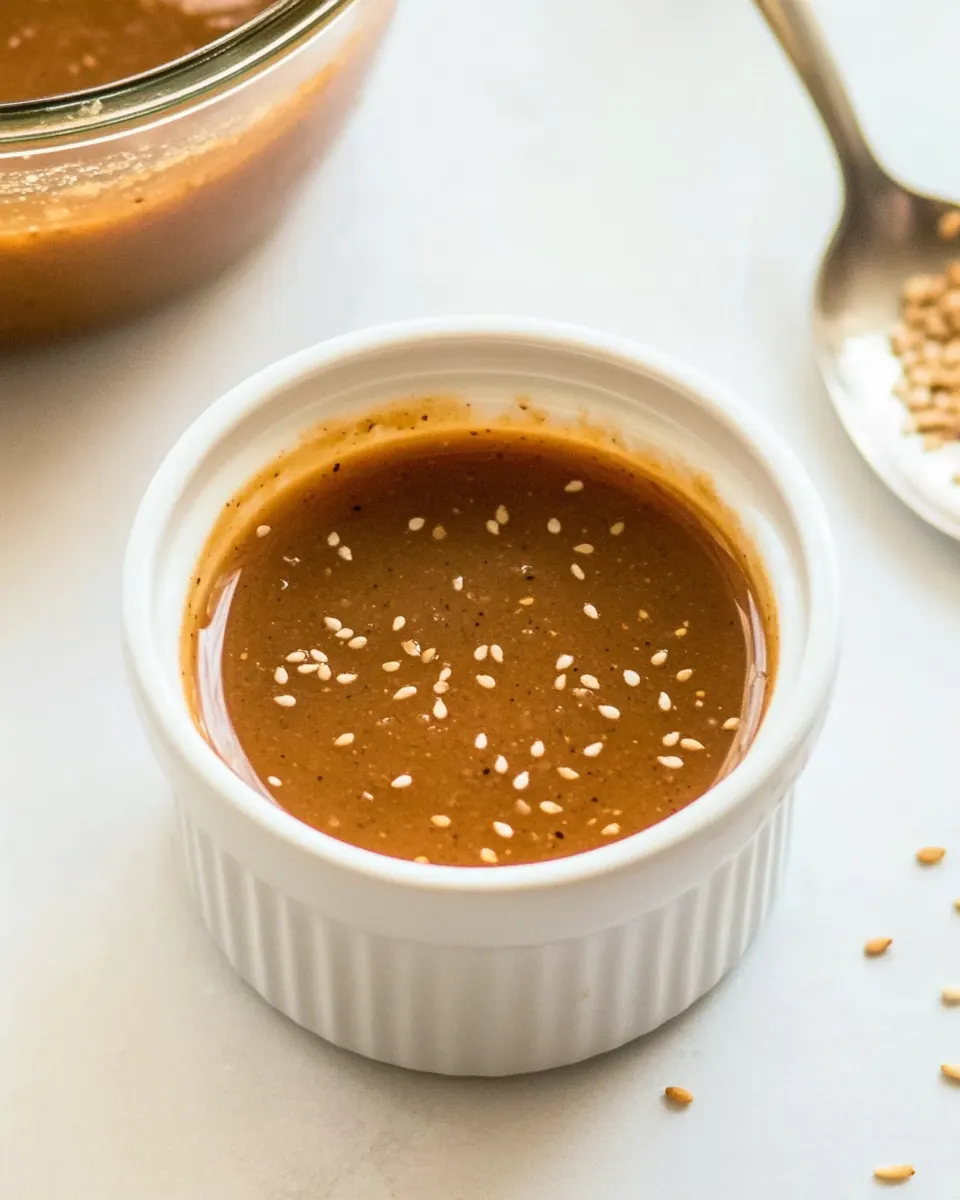
This dressing is quick to make and highly rewarding. In a few simple motions you’ll build layers of flavor that transform ordinary ingredients. Keep a jar with a tight-fitting lid handy, and be ready to shake and taste as you go.
- Combine rice vinegar, soy sauce, sesame oil, honey, grated ginger, and minced garlic in a jar with a tight-fitting lid.: The moment these ingredients meet, you will notice the bright scent of rice vinegar mingling with the nutty perfume of sesame oil . The surface may look separated at first, with oil floating above the darker soy sauce . Use a clear jar if you can, so you can observe how the textures sit before emulsifying. Why this matters, the initial separation is normal and shows the different densities you're about to marry; properly blending them creates a smooth, cohesive dressing. A common mistake is skimping on fresh ginger , which reduces the punchy aroma; always grate finely to release those essential oils. If the honey is viscous, warm it briefly or dissolve it in the vinegar so it mixes evenly.
- Secure the lid and shake vigorously until all ingredients are combined and the dressing is smooth.: As you shake, listen for the consistent, lively rattle that signals full integration. Visually, watch the oil and vinegar turn into a unified, slightly glossy emulsion. The action of shaking breaks oil into tiny droplets that suspend in the vinegar and soy base, which is why vigorous motion matters for texture and mouthfeel. If it separates after resting, simply shake again before use, as no permanent emulsifier is present. A typical pitfall is under-shaking, leaving a greasy top layer; take an extra 10 to 20 seconds to make sure it looks homogeneous. Temperature affects emulsification too, colder liquids are harder to combine, so room temperature ingredients will blend more readily.
- Use immediately or store in the refrigerator.: Right after shaking, the aroma will be at its brightest, with the spicy ginger and pungent garlic front and center. If you store the dressing, keep it sealed in the refrigerator where it will keep for about a week; as it chills, flavors meld and the dressing often tastes more rounded. When ready to use, remove it from the fridge and give it a vigorous shake to re-emulsify, then taste and adjust if needed. A frequent error is leaving it at room temperature for too long, which can dull the vibrancy and risk freshness. Label the jar with the date so you know when you made it, and smell it before use to ensure it remains bright and clean.
Make It Your Own
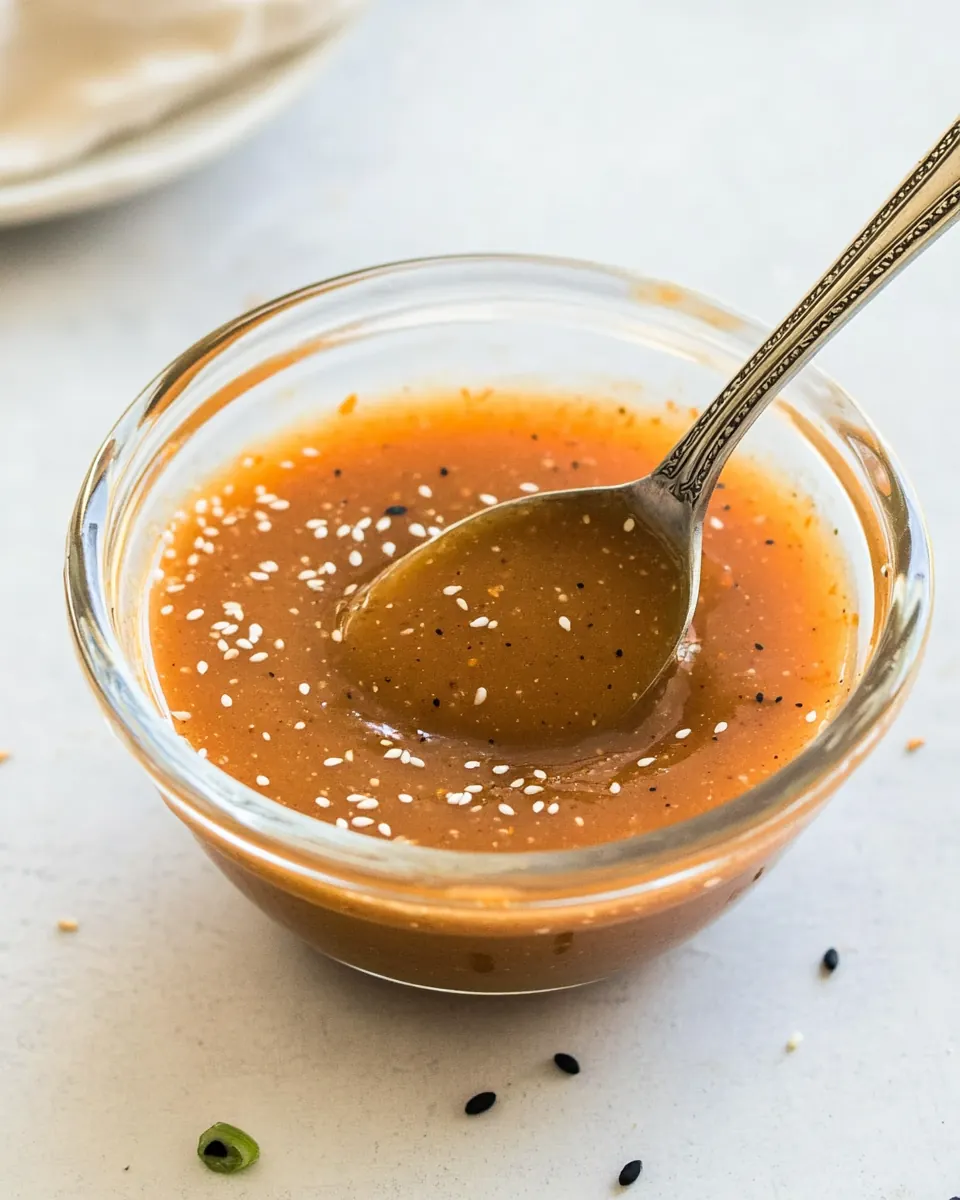
I love customizing this dressing to match what I have on hand and the meal I’m serving. Small swaps or tweaks can subtly change the profile, making the dressing fit different cuisines and ingredients.
- Alternate sweeteners: If you need a different sweetness level, a little maple syrup or agave can replace honey, giving a unique flavor twist while maintaining balance.
- Adjust saltiness: Use low sodium soy sauce and add more gradually, tasting to avoid over-salting, especially if you plan to use it on already salty dishes.
- Control heat: If fresh ginger seems too assertive, grate it sparingly or let the dressing rest to mellow the sharpness before serving.
- Make it creamier: For a richer texture, whisk in a small spoon of tahini or neutral oil, but do so sparingly to preserve the classic light finish.
- Batch prepping: Multiply the recipe and store in glass jars for quick access during the week, labeling each jar with the date for freshness tracking.
Pairing Suggestions for Sesame Ginger Dressing
This dressing pairs beautifully across many meals and occasions. It feels at home on casual weeknight salads, elegant chilled noodle bowls, and simple steamed vegetables. I often bring a jar to potlucks because it plays well with many dishes.
- Salad booster: Drizzle over mixed greens or a crunchy cabbage slaw to add brightness and nuttiness to the salad without weighing it down.
- Grain bowls: Toss with warm or cold grains like rice or quinoa, then top with roasted vegetables for an easy weeknight dinner that feels composed.
- Noodle bowls: Use as a dressing for soba or wheat noodles, adding sliced scallions or crisp cucumbers for texture contrast and freshness.
- Vegetable accompaniment: Pour over steamed or roasted vegetables such as broccoli, green beans, or carrots to amplify their natural flavors with a savory glaze.
- Occasions: Ideal for busy weekdays, packed lunches, casual dinners, and during Ramadan for light iftar options, because it is quick to prepare and versatile.
- Storage tips: Keep refrigerated in a sealed jar, shake before use, and use within a week for the best flavor and freshness.
- Seasonal pairings: In spring and summer, use it on chilled salads and noodle dishes; in cooler months, mix it into warm grain bowls for comforting contrast.
FAQ
Conclusion
This Sesame Ginger Dressing stands out for its simplicity and ability to elevate ordinary meals with bold, balanced flavors. Try making a small jar and using it across salads, noodle bowls, and roasted vegetables to see how one simple sauce can change weeknight cooking. I hope you enjoy the bright zing from the vinegar, the nutty warmth of sesame, and the fresh punch of ginger and garlic as much as I do.
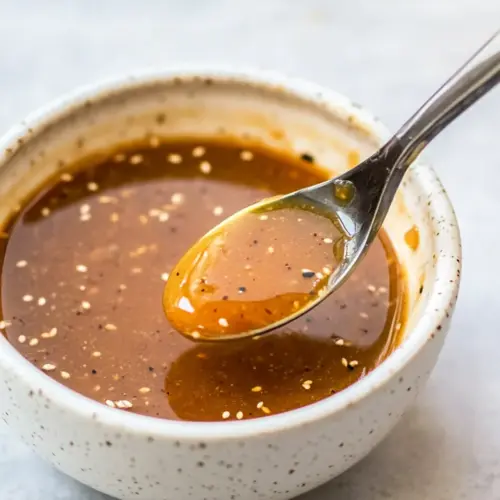
Sesame Ginger Dressing
Equipment
- Jar with tight fitting lid
Ingredients
- 1/4 cup rice vinegar Adds bright acidity to balance rich and savory flavors; helps tenderize and meld other ingredients when whisked into the dressing. Provides a clean, tangy backbone that lifts sesame and soy notes without overpowering the mix.
- 2 tablespoons soy sauce Contributes deep savory umami and saltiness to season the dressing; enhances overall flavor complexity and pairs naturally with sesame and ginger. Helps create a cohesive, rounded taste and can be adjusted for salt preference.
- 2 tablespoons sesame oil Imparts nutty, aromatic richness and a distinct toasted flavor that defines the dressing profile; carries and intensifies sesame notes throughout. Provides mouthfeel and oiliness that helps the dressing coat salads and vegetables evenly.
- 1 tablespoon honey Adds gentle sweetness to balance acidity and savory elements; helps mellow stronger flavors like vinegar and soy. Acts as a subtle binder that smooths the dressing’s texture and rounds out the overall flavor.
- 1 tablespoon grated ginger Provides fresh, spicy warmth and bright aromatic depth; releases fragrant oils when grated that complement sesame and soy. Contributes a zesty bite that enlivens the dressing and balances sweetness and acidity.
- 1 clove minced garlic Offers pungent savory heat and aromatic sharpness when minced; enhances depth and layers of flavor in the dressing. Works synergistically with ginger to add complexity and a subtle bite without overwhelming other components.
Instructions
- Combine rice vinegar, soy sauce, sesame oil, honey, grated ginger, and minced garlic in a jar with a tight-fitting lid.: The moment these ingredients meet, you will notice the bright scent of rice vinegar mingling with the nutty perfume of sesame oil . The surface may look separated at first, with oil floating above the darker soy sauce . Use a clear jar if you can, so you can observe how the textures sit before emulsifying. Why this matters, the initial separation is normal and shows the different densities you're about to marry; properly blending them creates a smooth, cohesive dressing. A common mistake is skimping on fresh ginger , which reduces the punchy aroma; always grate finely to release those essential oils. If the honey is viscous, warm it briefly or dissolve it in the vinegar so it mixes evenly.
- Secure the lid and shake vigorously until all ingredients are combined and the dressing is smooth.: As you shake, listen for the consistent, lively rattle that signals full integration. Visually, watch the oil and vinegar turn into a unified, slightly glossy emulsion. The action of shaking breaks oil into tiny droplets that suspend in the vinegar and soy base, which is why vigorous motion matters for texture and mouthfeel. If it separates after resting, simply shake again before use, as no permanent emulsifier is present. A typical pitfall is under-shaking, leaving a greasy top layer; take an extra 10 to 20 seconds to make sure it looks homogeneous. Temperature affects emulsification too, colder liquids are harder to combine, so room temperature ingredients will blend more readily.
- Use immediately or store in the refrigerator.: Right after shaking, the aroma will be at its brightest, with the spicy ginger and pungent garlic front and center. If you store the dressing, keep it sealed in the refrigerator where it will keep for about a week; as it chills, flavors meld and the dressing often tastes more rounded. When ready to use, remove it from the fridge and give it a vigorous shake to re-emulsify, then taste and adjust if needed. A frequent error is leaving it at room temperature for too long, which can dull the vibrancy and risk freshness. Label the jar with the date so you know when you made it, and smell it before use to ensure it remains bright and clean.
Notes
- Alternate sweeteners: If you need a different sweetness level, a little maple syrup or agave can replace honey, giving a unique flavor twist while maintaining balance.
- Adjust saltiness: Use low sodium soy sauce and add more gradually, tasting to avoid over-salting, especially if you plan to use it on already salty dishes.
- Control heat: If fresh ginger seems too assertive, grate it sparingly or let the dressing rest to mellow the sharpness before serving.
- Make it creamier: For a richer texture, whisk in a small spoon of tahini or neutral oil, but do so sparingly to preserve the classic light finish.
- Batch prepping: Multiply the recipe and store in glass jars for quick access during the week, labeling each jar with the date for freshness tracking.
