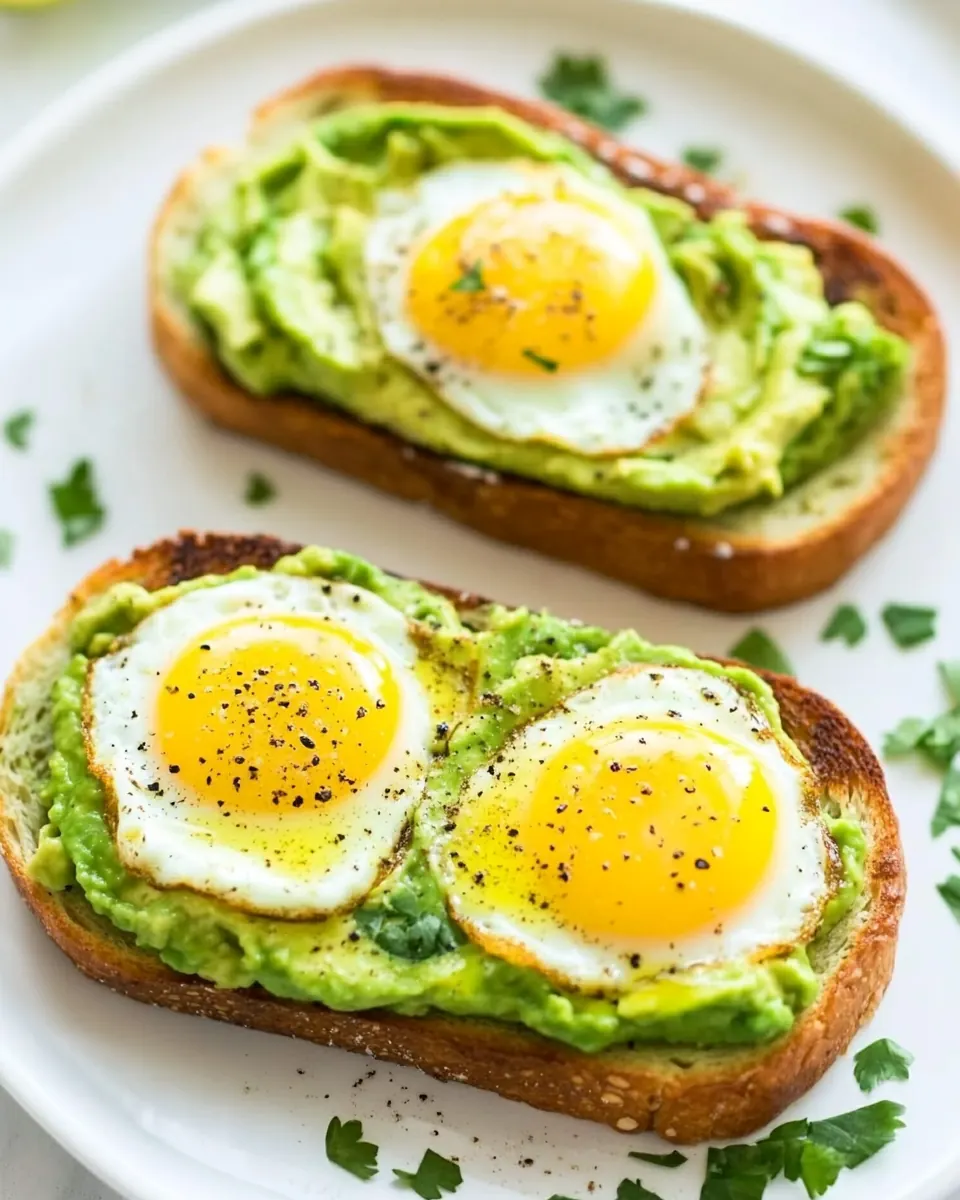
Egg In A Hole Avocado Toast
Egg In A Hole Avocado Toast began for me as a lazy weekend morning solution that felt like a treat, not a shortcut. I remember the first time I mashed a ripe avocado and spooned it over a warm slice of toast with an egg snug in its center, the contrast of creamy and runny making the kitchen smell like uncomplicated comfort. The combination stuck, and ever since this version has been my go to when I want something quick, bright, and satisfying.
There are mornings when I am slow to wake and mornings when friends are dropping by unexpectedly, and this recipe fits both. I like that it feels thoughtful without being fussy. The trick is balancing the citrus in the avocado with a gently cooked egg, and selecting sturdy slices of bread that hold everything without collapsing. Over time I developed habits that make the result reliably great, like keeping the avocado a bit chunky, and watching the skillet like a hawk so the egg whites set while the yolks stay luscious.
Recipe Snapshot
10 mins
5 mins
5 mins
Medium
350 kcal
American
Gluten-Free, Low FODMAP
Breakfast
Non stick skillet, Cookie cutter or glass, Fork, Medium bowl
Why You Need This Egg In A Hole Avocado Toast
Bright, fresh flavor that wakes the plate
I adore how a simple squeeze of lime transforms the avocado into something zesty and alive. The lift from acid makes each bite taste fresher, and because I use just enough lime, the texture of the avocado remains creamy, not mushy. You can tell when it works because the aroma changes, leaning citrusy rather than flat.
Textural contrast that feels gourmet
When the bread is toasted until golden and the egg is cooked to your preference, the highs and lows of texture make this feel like a restaurant dish. I love the way a crisp edge of toast gives way to a silky yolk, then a herb studded avocado finish. It makes a simple breakfast feel deliberate and comforting.
Speed without sacrifice
This recipe is fast, but it does not cut corners. The steps are short, and most of the time is passive, yet the result is vibrant. I often make this on busy mornings because I can keep an eye on the skillet and still chat or check messages, and the dish is ready almost as soon as I am.
Flexible, forgiving technique
I appreciate that this recipe welcomes small changes. If you like runny yolks, cook less under the lid. If you prefer firmer whites, give them a few extra minutes. The method is forgiving, so you can adapt without worrying the dish will fail. I recommend small adjustments rather than radical swaps so the balance of flavor and texture remains intact.
Simple ingredients, big payoff
There is no lengthy shopping list here. A ripe avocado, good bread, a couple of eggs, and a few seasonings make something greater than the sum of its parts. That economy of ingredients makes it ideal for weeknights and weekend mornings alike, and it is one of those recipes I return to again and again.
Ingredients Overview for Egg In A Hole Avocado Toast
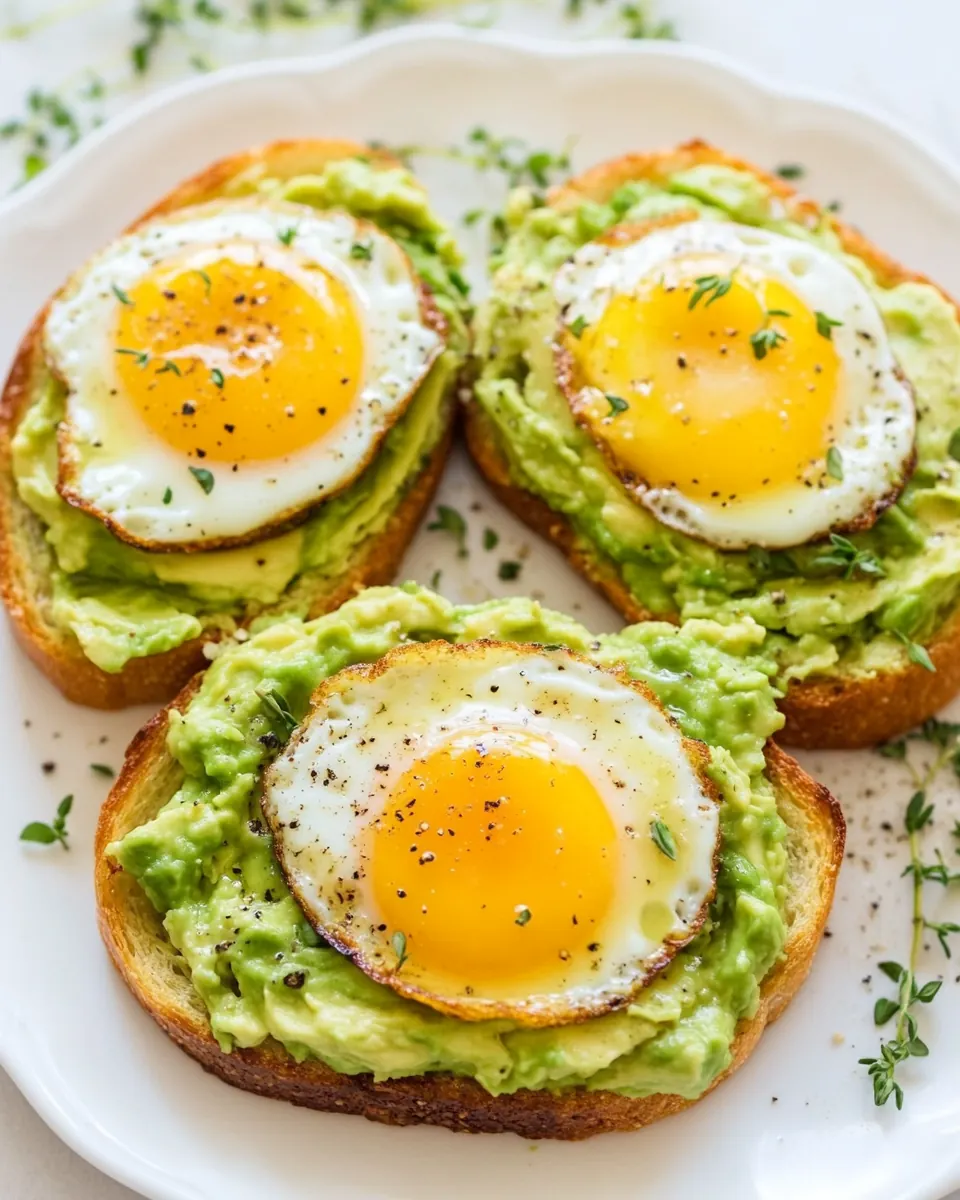
This ingredient list keeps things simple and purposeful. I choose components that each play a clear role: the avocado brings cream and richness, lime juice wakes the flavors, chopped chives add a mild onion note, and sturdy bread acts as the vehicle that holds everything. The butter and eggs provide savory comfort and a golden finish. Together these ingredients balance texture, acidity, and salt so every bite is interesting.
- 1 medium ripe avocado, peeled and seeded: Mashed to a creamy consistency and spreadable texture, provides rich, buttery flavor and healthy fats that form the base of the toast and bind other flavors together.
- 2 tablespoons lime juice, or to taste: Squeezed for bright acidity and freshness, balances richness and helps prevent avocado from browning while lifting overall flavor to prevent heaviness.
- 1 to 2 tablespoons fresh chives, finely minced: Finely minced and sprinkled for a mild onion-like aroma and delicate herbal note that adds freshness and subtle savory contrast without overpowering the avocado.
- 3/4 teaspoon kosher salt, or to taste: Measured and added to season and enhance all flavors, supplying a clean saline note that elevates the avocado and egg while helping to balance acidity from the lime.
- 3/4 teaspoon freshly ground black pepper, to taste: Freshly ground to introduce warm, pungent heat and complexity; used to season at multiple stages for layered peppery brightness that complements richness.
- 2 slices artisan-style bread, thicker bread works best and is sometimes called ‘Texas toast’ or ‘French toast’ toast: Toasted for structure and crunch, chosen for its sturdy crumb to support the egg-in-a-hole and toppings while contributing a slightly yeasty, toasty backdrop.
- 2 tablespoons unsalted butter: Melted in the pan to brown the bread and cook the egg, contributing a rich mouthfeel and helping create crisp edges and a golden, flavorful surface.
- 2 large eggs: Cooked in the buttered bread hole to provide protein, a creamy yolk, and textural contrast; eggs add satiety and a silky element when broken over the toast.
- salt and freshly ground black pepper, to taste: Added at the end to taste, provides final seasoning control with salt and pepper for adjusting balance and enhancing all assembled flavors.
Directions for Egg In A Hole Avocado Toast
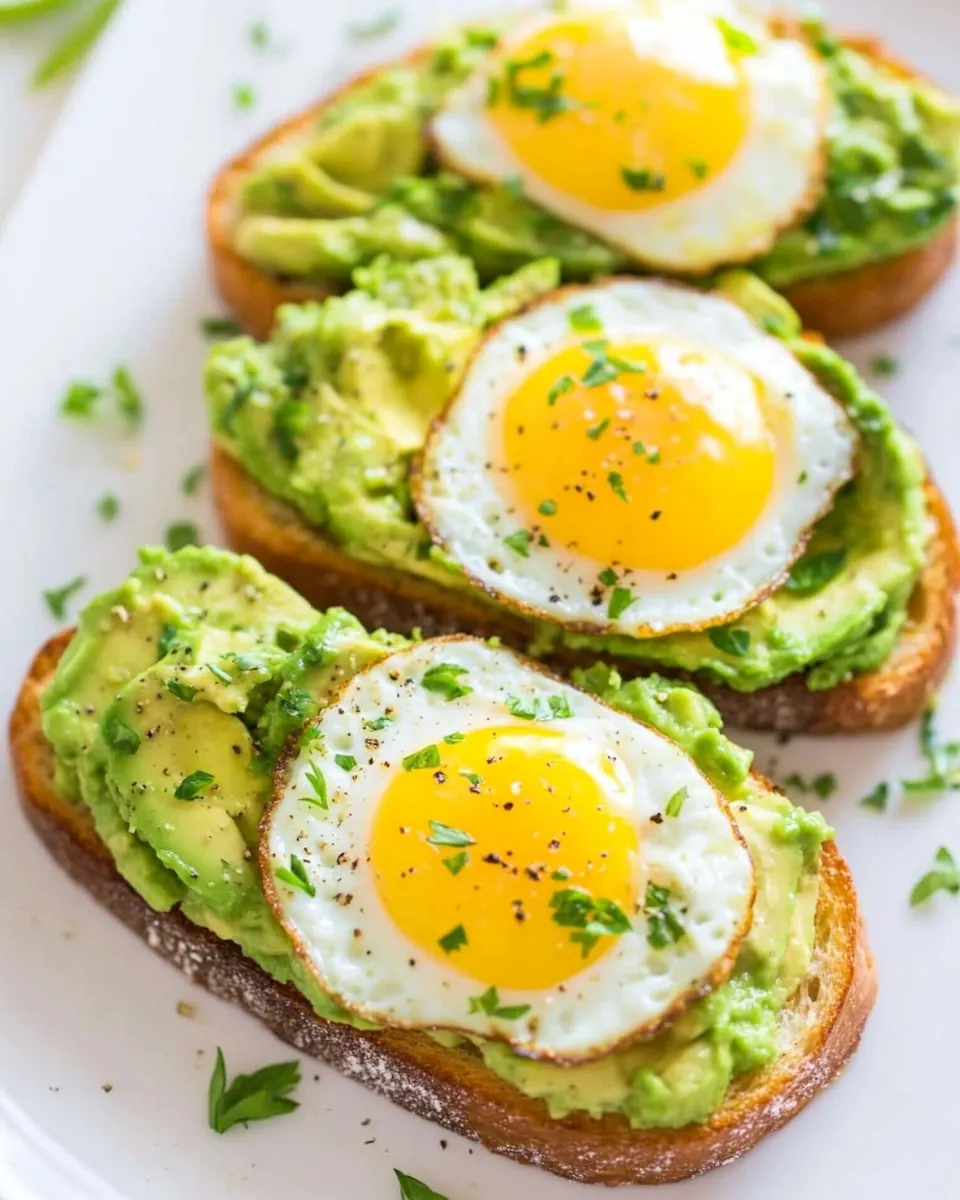
I like to approach the cooking like a short ritual, not a race. Keep things organized, have your avocado mashed and the butter ready before you cut the holes in the bread. The skillet will move quickly once it is hot, so I set my station and pay close attention to timing.
- To a medium bowl, add the avocado, lime juice, chives, kosher salt, freshly ground black pepper, coarsely mash the avocado with a fork and toss with a fork to combine (I prefer to keep mine on the chunkier side); set aside.: The aroma of citrus and chives will hit first, lively and fresh, while the texture of the avocado becomes a mix of creamy pockets and small chunks that hold up on toast; this approach preserves pleasant mouthfeel and prevents a gluey consistency. While mashing, taste for seasoning and adjust the lime juice and salt slowly so the acidity brightens rather than overwhelms. A common mistake is overmashing and ending up with a paste, so stop when you still see small lumps. Use a fork because it gives you control; a food processor can make it too smooth, losing that rustic texture.
- Cut a 2.5 to 3-inch circle from the center of each bread slice with a cookie cutter or glass.: You will notice the scent of warm bread and the clean cut edge that creates a perfect nest for the egg , which helps the yolk sit snugly. The visual cue to look for is a neat, circular opening without tearing the crumb, ensuring the toast remains structurally sound while cooking. Avoid cutting too close to the edge because that can weaken the slice and cause tearing when you flip it. If the cutter sticks, a gentle twist frees the round without crushing the slice.
- To a large non-stick skillet, add the butter, and heat over medium-low heat to melt.: As the butter warms it will liquefy and smell rich and nutty, signaling the pan is approaching the right temperature. Medium low heat is key so the butter does not brown quickly, which would impart a bitter note. You want a gentle sizzle when the bread touches the pan. A common error is heating too high, which scorches the butter , so reduce heat if it starts to smoke.
- Add the bread, bread rounds, and cook until golden brown on the first side, about 1 to 2 minutes.: The first side gives off a comforting toasted aroma and should take on a warm golden hue with slightly crisped edges; press lightly to ensure even contact with the pan. The sound will be a soft sizzle rather than a loud crackle if the temperature is correct. Flip too soon and you risk tearing, flip too late and it can overbrown; the right cue is even coloring and a firmer texture when you lift the corner. Keep an eye on the bread rounds because they are thinner and will brown faster than the full slice.
- Flip everything, crack one egg into the hole of each piece of bread, and season eggs with salt and pepper.: The visual of a pristine white surrounding a bright yolk is satisfying, and the gentle hiss when the egg hits the hot pan is reassuring. Seasoning the egg now helps build flavor right where it matters. The egg white will begin to set at the edges and become glossy; if the heat is too high the edges will bubble and become rubbery, so keep the pan at medium low. A frequent mistake is cracking the egg from too high above the pan, which risks splattering or breaking the yolk prematurely; crack close to the surface for control.
- Cover pan and cook until eggs are as set as desired, about 3 to 6 minutes. The bread rounds will cook faster than the eggs (in about 1 to 2 minutes); remove them from the skillet as soon as they’re golden browned and place on a plate. Remove egg-in-a-holes and place on the plate.: Under the lid the steam gently cooks the tops of the eggs , and the aroma of warm butter and cooking egg fills the kitchen. Watch the white transition from glossy to matte for doneness; a yolk that jiggles slightly is a great sign for runny texture. Overcooking leads to chalky whites and firm yolks, so check early and often. The bread rounds will toast quickly, so pull them when they reach a deep golden tone, ensuring the small circles become crunchy little scoops to enjoy alongside the toast.
- Evenly spread the avocado mixture over the bread and bread rounds and serve immediately. Recipe is best warm and fresh.: When you spread the mashed avocado , notice the contrast between the warm, slightly crisp bread and the cool creaminess of the mash; the aroma of lime and chives becomes more pronounced. Use the bread rounds as little vehicles for extra topping, or sprinkle them with a pinch more salt and black pepper for brightness. Serving right away preserves the textural contrast; a common slip is letting it sit too long, which makes the toast soggy and diminishes the vibrant flavors. Plate with care, and enjoy while warm for the best experience.
Helpful Hints
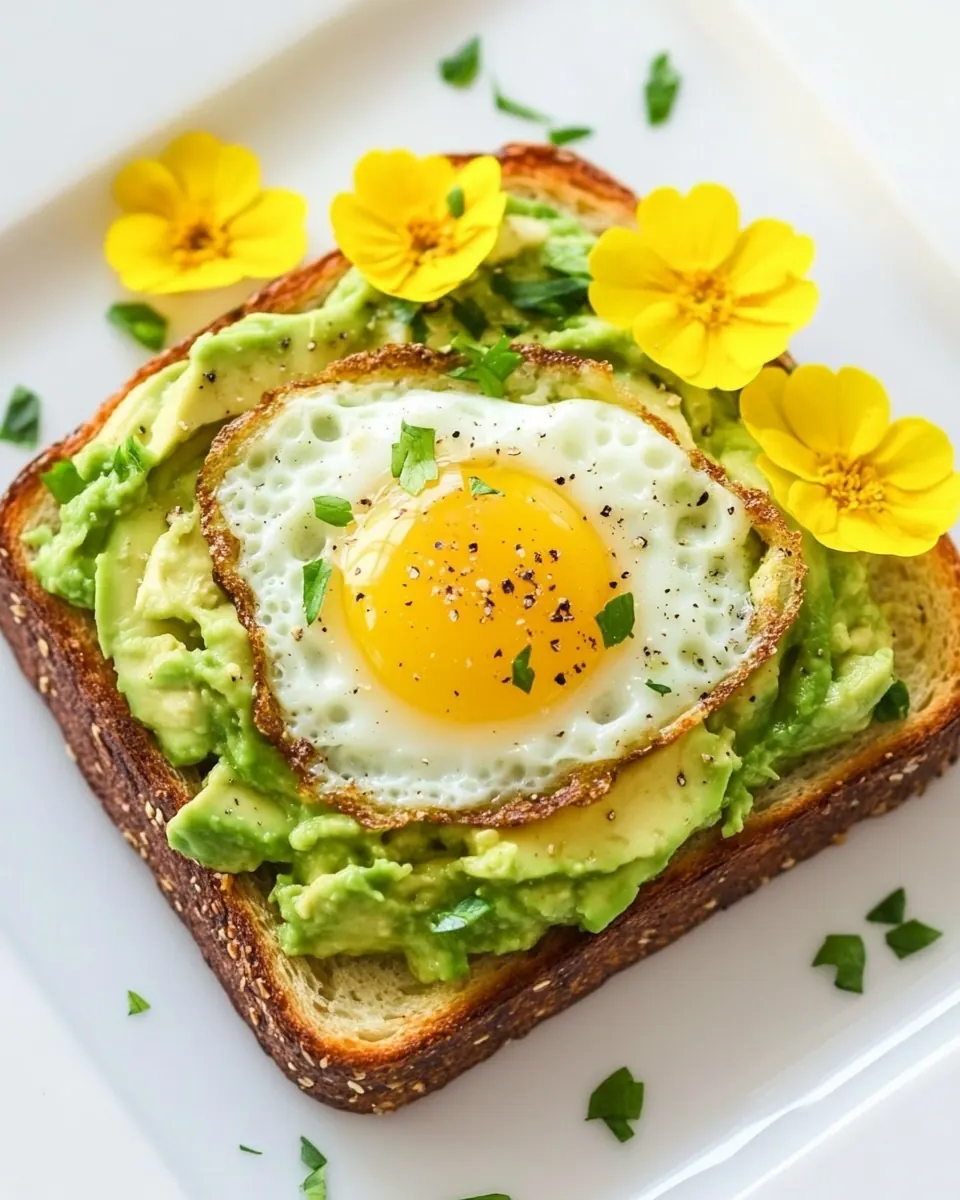
I keep these tips close by whenever I make Egg In A Hole Avocado Toast. They clarify technique, prevent common mistakes, and help you serve the dish at its best. Read them before starting so the process feels calm and confident.
- Choose ripe but firm avocado so you get creamy texture with a little chunk left; overly soft fruit will become watery and lose structure when mashed.
- Start with unsalted butter to control seasoning; salted butter can make the dish too salty once you add kosher salt to the avocado.
- Use a heavy skillet for even heat distribution; thin pans can create hot spots that brown the bread unevenly.
- Cut the hole gently using a cookie cutter or glass and avoid tearing the crumb so the slice supports the egg without collapsing.
- Adjust lime to taste adding a little at a time; too much acid can make the mash seem slimy rather than fresh.
- Watch the eggs while covered and check early to catch the doneness you prefer, because residual heat will continue to cook them after you remove the pan.
Serving This Egg In A Hole Avocado Toast
This dish is naturally communal and adaptable, perfect for casual mornings or small gatherings. It works well as a quick lunch or a relaxed brunch centerpiece. Below I outline serving ideas, pairings, and storage suggestions so you can present it confidently.
- Serve warm and fresh to preserve the contrast between crispy bread and creamy avocado, plating immediately after assembly yields the best texture.
- Offer the toasted bread rounds as bites alongside the main slices, they act as crunchy scoops for extra avocado and make a pretty presentation.
- Pair with a simple salad of mixed greens tossed in a light vinaigrette for a balanced meal if serving at lunch or a light dinner.
- Present for brunch on a wooden board with lemon wedges and a small bowl of extra chopped chives to let guests tailor flavors to their liking.
- Store components separately if prepping ahead, keep mashed avocado airtight with plastic pressed to the surface to minimize browning, and toast the bread just before assembling.
- Use hearty occasions like casual weekends or everyday mornings, the dish is comfortable for family breakfasts and also easy to scale up for company.
- Season at the end with a final pinch of salt and a crack of black pepper after plating so flavors remain bright and fresh.
- When storing leftovers keep components separate in the fridge and consume within one day, the avocado may brown slightly but stirring in a bit of fresh lime juice will revive brightness.
- Consider textures when serving larger groups, offer extra crisp elements like toasted seeds on the side to maintain crunch across bites.
- Choose occasion tags like lunch, brunch, and casual dinners where a quick but composed dish is welcome, it bridges simple and special well.
FAQ
Conclusion
This Egg In A Hole Avocado Toast stands out for its beautiful balance of texture and flavor, where creamy mashed avocado and a perfectly cooked egg transform humble toast into something memorable. I hope you give it a try the next time you want a quick, impressive breakfast or light lunch, because it rewards a little attention with big satisfaction. Make it your own by adjusting lime and chives to taste, and enjoy how simple ingredients can create a comforting, elevated moment in the middle of any morning.
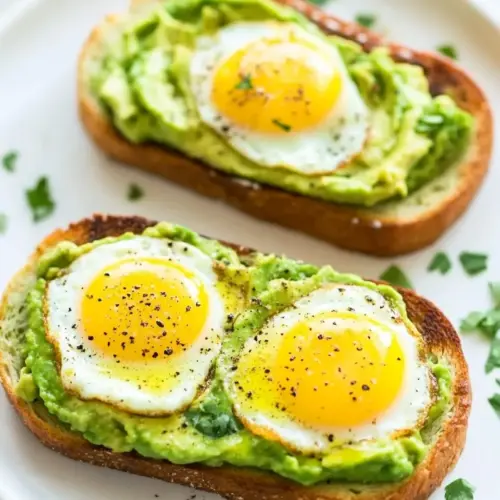
Egg In A Hole Avocado Toast
Equipment
- Non-Stick Skillet
- Cookie cutter or glass
- Fork
- Medium Bowl
Ingredients
- 1 medium ripe avocado, peeled and seeded Mashed to a creamy consistency and spreadable texture, provides rich, buttery flavor and healthy fats that form the base of the toast and bind other flavors together.
- 2 tablespoons lime juice, or to taste Squeezed for bright acidity and freshness, balances richness and helps prevent avocado from browning while lifting overall flavor to prevent heaviness.
- 1 to 2 tablespoons fresh chives, finely minced Finely minced and sprinkled for a mild onion-like aroma and delicate herbal note that adds freshness and subtle savory contrast without overpowering the avocado.
- 3/4 teaspoon kosher salt, or to taste Measured and added to season and enhance all flavors, supplying a clean saline note that elevates the avocado and egg while helping to balance acidity from the lime.
- 3/4 teaspoon freshly ground black pepper, to taste Freshly ground to introduce warm, pungent heat and complexity; used to season at multiple stages for layered peppery brightness that complements richness.
- 2 slices artisan-style bread, thicker bread works best and is sometimes called ‘Texas toast’ or ‘French toast’ toast Toasted for structure and crunch, chosen for its sturdy crumb to support the egg-in-a-hole and toppings while contributing a slightly yeasty, toasty backdrop.
- 2 tablespoons unsalted butter Melted in the pan to brown the bread and cook the egg, contributing a rich mouthfeel and helping create crisp edges and a golden, flavorful surface.
- 2 large eggs Cooked in the buttered bread hole to provide protein, a creamy yolk, and textural contrast; eggs add satiety and a silky element when broken over the toast.
- salt and freshly ground black pepper, to taste Added at the end to taste, provides final seasoning control with salt and pepper for adjusting balance and enhancing all assembled flavors.
Instructions
- To a medium bowl, add the avocado, lime juice, chives, kosher salt, freshly ground black pepper, coarsely mash the avocado with a fork and toss with a fork to combine (I prefer to keep mine on the chunkier side); set aside.: The aroma of citrus and chives will hit first, lively and fresh, while the texture of the avocado becomes a mix of creamy pockets and small chunks that hold up on toast; this approach preserves pleasant mouthfeel and prevents a gluey consistency. While mashing, taste for seasoning and adjust the lime juice and salt slowly so the acidity brightens rather than overwhelms. A common mistake is overmashing and ending up with a paste, so stop when you still see small lumps. Use a fork because it gives you control; a food processor can make it too smooth, losing that rustic texture.
- Cut a 2.5 to 3-inch circle from the center of each bread slice with a cookie cutter or glass.: You will notice the scent of warm bread and the clean cut edge that creates a perfect nest for the egg , which helps the yolk sit snugly. The visual cue to look for is a neat, circular opening without tearing the crumb, ensuring the toast remains structurally sound while cooking. Avoid cutting too close to the edge because that can weaken the slice and cause tearing when you flip it. If the cutter sticks, a gentle twist frees the round without crushing the slice.
- To a large non-stick skillet, add the butter, and heat over medium-low heat to melt.: As the butter warms it will liquefy and smell rich and nutty, signaling the pan is approaching the right temperature. Medium low heat is key so the butter does not brown quickly, which would impart a bitter note. You want a gentle sizzle when the bread touches the pan. A common error is heating too high, which scorches the butter , so reduce heat if it starts to smoke.
- Add the bread, bread rounds, and cook until golden brown on the first side, about 1 to 2 minutes.: The first side gives off a comforting toasted aroma and should take on a warm golden hue with slightly crisped edges; press lightly to ensure even contact with the pan. The sound will be a soft sizzle rather than a loud crackle if the temperature is correct. Flip too soon and you risk tearing, flip too late and it can overbrown; the right cue is even coloring and a firmer texture when you lift the corner. Keep an eye on the bread rounds because they are thinner and will brown faster than the full slice.
- Flip everything, crack one egg into the hole of each piece of bread, and season eggs with salt and pepper.: The visual of a pristine white surrounding a bright yolk is satisfying, and the gentle hiss when the egg hits the hot pan is reassuring. Seasoning the egg now helps build flavor right where it matters. The egg white will begin to set at the edges and become glossy; if the heat is too high the edges will bubble and become rubbery, so keep the pan at medium low. A frequent mistake is cracking the egg from too high above the pan, which risks splattering or breaking the yolk prematurely; crack close to the surface for control.
- Cover pan and cook until eggs are as set as desired, about 3 to 6 minutes. The bread rounds will cook faster than the eggs (in about 1 to 2 minutes); remove them from the skillet as soon as they’re golden browned and place on a plate. Remove egg-in-a-holes and place on the plate.: Under the lid the steam gently cooks the tops of the eggs , and the aroma of warm butter and cooking egg fills the kitchen. Watch the white transition from glossy to matte for doneness; a yolk that jiggles slightly is a great sign for runny texture. Overcooking leads to chalky whites and firm yolks, so check early and often. The bread rounds will toast quickly, so pull them when they reach a deep golden tone, ensuring the small circles become crunchy little scoops to enjoy alongside the toast.
- Evenly spread the avocado mixture over the bread and bread rounds and serve immediately. Recipe is best warm and fresh.: When you spread the mashed avocado , notice the contrast between the warm, slightly crisp bread and the cool creaminess of the mash; the aroma of lime and chives becomes more pronounced. Use the bread rounds as little vehicles for extra topping, or sprinkle them with a pinch more salt and black pepper for brightness. Serving right away preserves the textural contrast; a common slip is letting it sit too long, which makes the toast soggy and diminishes the vibrant flavors. Plate with care, and enjoy while warm for the best experience.
Notes
- Choose ripe but firm avocado so you get creamy texture with a little chunk left; overly soft fruit will become watery and lose structure when mashed.
- Start with unsalted butter to control seasoning; salted butter can make the dish too salty once you add kosher salt to the avocado.
- Use a heavy skillet for even heat distribution; thin pans can create hot spots that brown the bread unevenly.
- Cut the hole gently using a cookie cutter or glass and avoid tearing the crumb so the slice supports the egg without collapsing.
- Adjust lime to taste adding a little at a time; too much acid can make the mash seem slimy rather than fresh.
- Watch the eggs while covered and check early to catch the doneness you prefer, because residual heat will continue to cook them after you remove the pan.