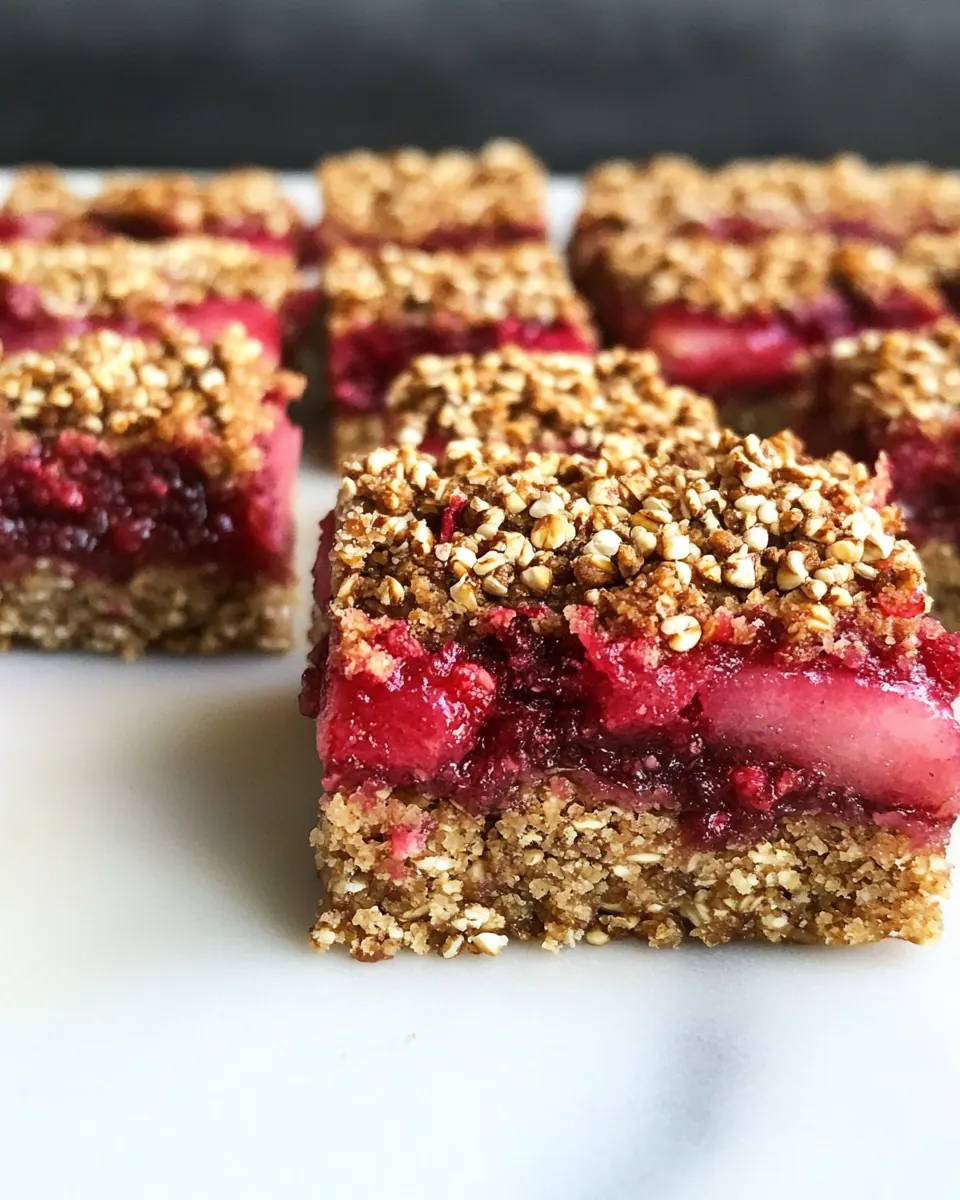
Strawberry Rhubarb Buckwheat Bars
Strawberry Rhubarb Buckwheat Bars came into my life on a rainy spring afternoon when I wanted something that felt both rustic and comforting, yet bright enough to chase away the gray. I remember pawing through the fridge and finding a jar of preserves, a stubborn bunch of rhubarb, and a bag of buckwheat flour that I had meant to experiment with. I decided to combine them into a bar that would be sturdy enough to pack for picnics, but tender enough to share over coffee with a friend.
That first batch taught me a lot about balance. The tartness of the rhubarb cut through the sweetness of the strawberry preserves, while the nutty personality of the buckwheat flour gave the crust a backbone that typical white flour could not. I love how the texture shifts between the crumbly, buttery base and the glossy, bubbling fruit filling. It felt like a small celebration of spring produce, and I kept dreaming up variations every time I served them.
What I enjoy most about these bars is how hands on yet forgiving they are. You can pulse almost everything in a food processor, press the crust, and let the oven do the work while you tidy up or catch up with someone over tea. The recipe has become my go to when I want to bring something that looks polished without fuss. Whenever guests ask for the recipe, they say the bars taste like a cross between a fruit tart and a coffee cake, and I always smile because that blend is exactly what I was aiming for.
Recipe Snapshot
50 mins
20 mins
30 mins
Medium
180 kcal
American
Gluten-Free, Vegan
Desserts
Oven, 9 x 13 inch baking pan, Food processor, Small saucepan
Why Try This Strawberry Rhubarb Buckwheat Bars
1. A Perfect Spring Flavor Pairing
I adore how Strawberry Rhubarb Buckwheat Bars celebrate seasonal produce. The sharpness of the rhubarb and the juicy sweetness of the strawberries create an ideal contrast, and that contrast is the backbone of the bar’s appeal. When I taste the filling, my palate wakes up, which is exactly what I want in a spring dessert.
2. Nutty, Rustic Texture
The inclusion of buckwheat flour gives the crust a slightly earthy, nutty note that lifts this beyond a typical shortbread style base. I value that texture because it adds complexity, and it holds up to the moist filling without getting soggy. The mouthfeel is satisfying, it has bite, and it still manages to be tender.
3. Simple, Approachable Technique
This recipe is unbelievably approachable. I usually pulse everything in a food processor and press the dough into the pan. For busy afternoons when I do not want to fuss, being able to rely on a forgiving process is priceless. You get professional results without the intimidation.
4. Crowd Friendly and Portable
I often make a pan for gatherings because the bars travel well and slice into neat squares. They are sturdy enough to pack into a picnic basket, and yet still feel special on a dessert plate. The yield makes it ideal when you need to feed a group while keeping things simple.
5. Balanced Sweetness
I love that the recipe uses preserves plus a touch of honey and molasses for depth rather than relying on excessive refined sugar. The result is sweet, but it never pins you back in the chair. It is a sweet that invites another bite.
Everything You Need for Strawberry Rhubarb Buckwheat Bars
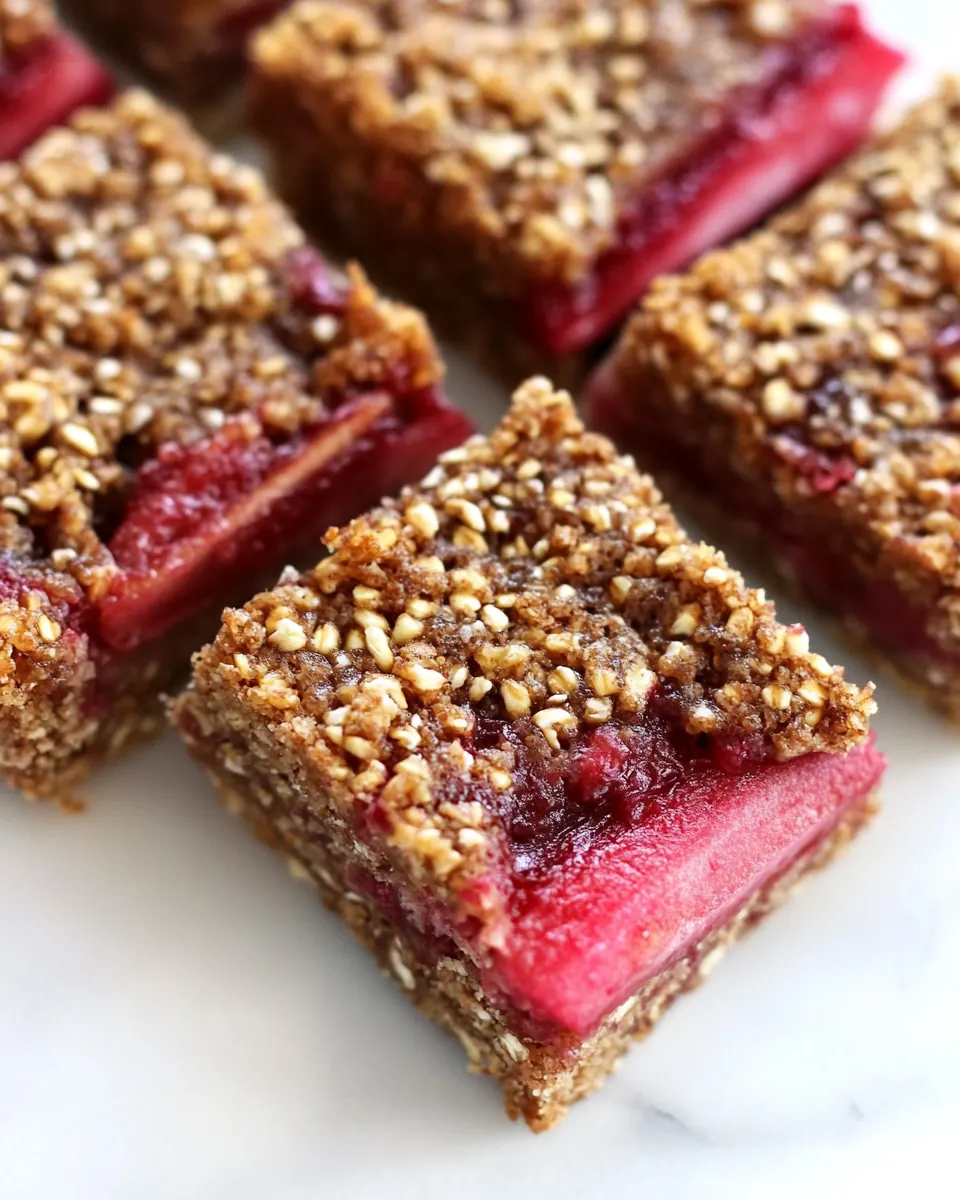
The philosophy here is simple, I build a sturdy, nutty crust that can stand up to a juicy, slightly tart filling. The key players are the flours for structure, the unsalted butter and sweeteners for tenderness and flavor, and the strawberries and rhubarb for the vibrant filling. Each ingredient plays a supporting role that keeps the bar balanced, sliceable, and full of character.
- 2 1/4 cups whole-wheat flour: Provide structure and whole-grain nuttiness to the bars while contributing fiber and a denser crumb; combine with wet ingredients to form the dough and balance sweetness.
- 3/4 cup buckwheat flour: Add an earthy, slightly bitter flavor and tender crumb while boosting protein and gluten-free characteristics; blend with whole–wheat flour for depth and texture.
- 1/2 cup coconut sugar: Sweeten naturally while adding a hint of caramel flavor and contribute to a firmer, slightly chewy crumb when mixed into the dough.
- 1 teaspoon kosher salt: Enhance overall flavor by balancing sweetness and strengthening gluten formation slightly; help control fermentation and improve dough handling.
- 1 teaspoon baking powder: Leaven the dough subtly to give a light lift and prevent the bars from becoming overly dense, ensuring a tender bite without large air pockets.
- 1 cup unsalted butter cold, cut into cubes: Provide rich fat for a flaky, tender texture and carry flavor; cutting cold butter into the dry mix creates pockets that yield a short, crumbly crust.
- 1 egg: Bind ingredients together and add moisture; contribute a bit of richness and color while helping the dough set during baking.
- 2 tablespoons honey: Add gentle sweetness and moisture while enhancing flavor complexity; help keep the filling slightly glossy and improve mouthfeel.
- 3 tablespoons molasses: Contribute deep, robust sweetness and a touch of molasses flavor that intensifies the baked aroma and balances fruit tartness.
- 2 cups strawberries tops removed: Bring fresh sweet-tart berry flavor and juicy texture when cooked; contribute natural pectin and vibrant color to the fruit layer.
- 2 cups rhubarb chopped: Introduce bright tartness and firm texture that contrasts the strawberries; soften when cooked and release moisture for the filling.
- 12 ounces strawberry preserves jar, no sugar added: Provide concentrated strawberry flavor and additional sweetness to create a jammy, spreadable layer that boosts fruit intensity.
- 1 tablespoon cornstarch: Thicken the fruit mixture by absorbing excess liquid and creating a cohesive, jam-like filling that prevents sogginess in the bars.
- 2 teaspoons lemon juice: Brighten flavors and activate pectin slightly while balancing sweetness; preserve fresh fruit brightness and enhance overall tartness.
Instructions for Strawberry Rhubarb Buckwheat Bars
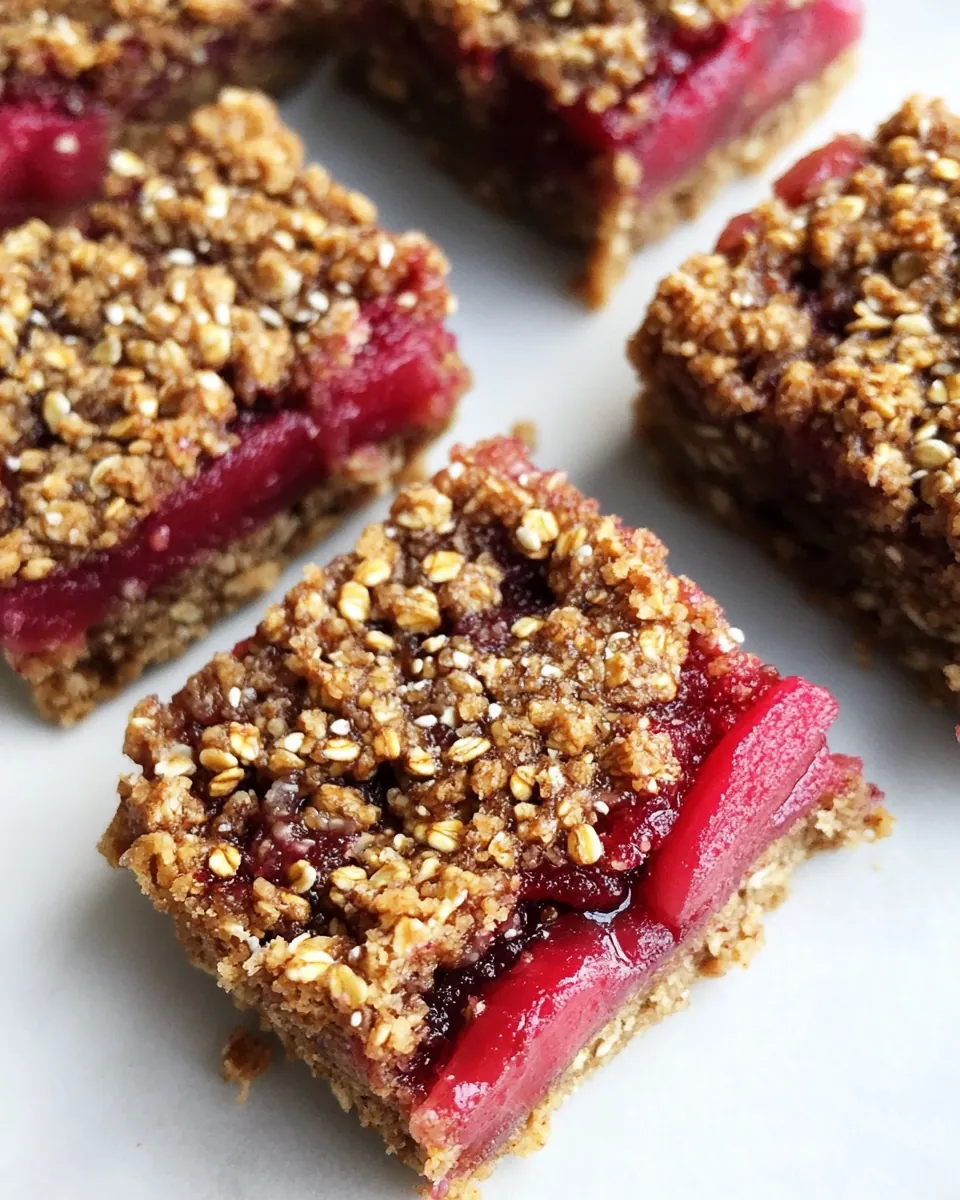
I like to think of this process as three phases, prepare the crust, pre cook and assemble the filling, then finish everything in the oven. The directions are forgiving, but paying attention to texture and temperature will give you the best results. Keep your butter cold, pulse rather than overwork the dough, and watch the filling as it warms so it thickens nicely.
- Preheat oven to 375°F. Lightly spray a 9 X 13-inch baking pan.: When you first turn on the oven you feel that faint whoosh of heat and the faint smell of warming metal, which signals the start of transformation. This step ensures the oven environment is stable when the dough goes in, helping the crust set properly and bake evenly. Make sure the oven racks are positioned so the pan will sit in the center, it prevents over browning on the top or bottom. A common mistake is preheating too briefly, which can cause the crust to spread rather than set. If you use a baking spray or line the pan with parchment, it will release cleanly after baking.
- In a food processor, pulse whole wheat flour, buckwheat flour, coconut sugar, salt, and baking powder in a food processor until well combined. Add butter cubes and pulse until the mixture is crumbly. Add egg, honey, and molasses and pulse until well combined and large clumps form. Reserve 1/2 cup of the mixture and pour the remainder into a prepared baking pan and press into the bottom and slightly up the sides to form a crust.: As you pulse the dry ingredients you will notice the flour and sugar marry into a uniform texture, it smells faintly of nutty grain from the buckwheat flour . Adding the cold butter creates pea size bits that are key for a tender, crumbly crust, and the sound in the processor changes from a steady hum to a broken rattle. Once you add the egg , honey , and molasses , larger cohesive clumps will form which are perfect for pressing; these clumps give the crust structure and moisture. Press the dough evenly into the pan using your fingertips or the bottom of a measuring cup, creating a uniform base and a slight rim to contain the filling. A common misstep is over processing, which melts the butter and yields a greasy, dense crust. If your workstation gets warm, chill the bowl for a few minutes before pressing.
- Bake for 10 minutes, remove from oven and cool.: During this short bake the crust will begin to set and emit a warm, toasty aroma. You will notice the color shift from pale to faintly golden at the edges, and the surface will feel set to the touch. Cooling briefly stabilizes the base so it does not sink when the filling is added. Avoid skipping the cool down, because a hot crust can cause the filling to soak in and the texture to become too soft. If the crust seems unevenly browned, rotate the pan midway through the bake next time to encourage even color.
- Combine all ingredients in a food processor and lightly pulse together just to combine ingredients. Pour into a small saucepan and heat on medium heat until preserves had melted and a sauce begins to form. Pour over cooled crust and crumble reserved 1/2 cup of crust mixture on top.: When you pulse the strawberries , rhubarb , strawberry preserves , cornstarch , and lemon juice , the mixture will take on a chunky jam like texture that smells bright and slightly sweet. Transferring to the saucepan, you will hear a gentle simmer and watch the preserves melt into the fruit, releasing steam and a fragrant fruity perfume. The sauce will thicken noticeably as the cornstarch activates, forming a glossy coating that clings to the fruit and signals readiness. Pour carefully over the cooled crust to avoid splashing, and sprinkle the reserved crumb mixture evenly so you get crunchy pockets on top. A typical error is overheating the filling which can break down the fruit too much, so maintain a gentle simmer and stir frequently.
- Bake for about 20 minutes until filling is bubbly and top begins to lightly brown. Cool completely before cutting and serving. If desired, sprinkle with powdered sugar.: As the pan returns to the oven you will see the filling begin to bubble at the edges, and the top crumbs will turn a light golden brown releasing a toasty aroma that promises texture. The bubbling is a visual cue that the filling is cooked through and the cornstarch has done its job. Cooling fully is essential, the filling will set and firm up, making clean slices possible. A common mistake is slicing the bars too soon which yields a runny center; patience rewards you with perfectly shaped squares. If you choose to dust with powdered sugar, do so just before serving to keep the sugar from dissolving into moisture.
Helpful Notes about Strawberry Rhubarb Buckwheat Bars
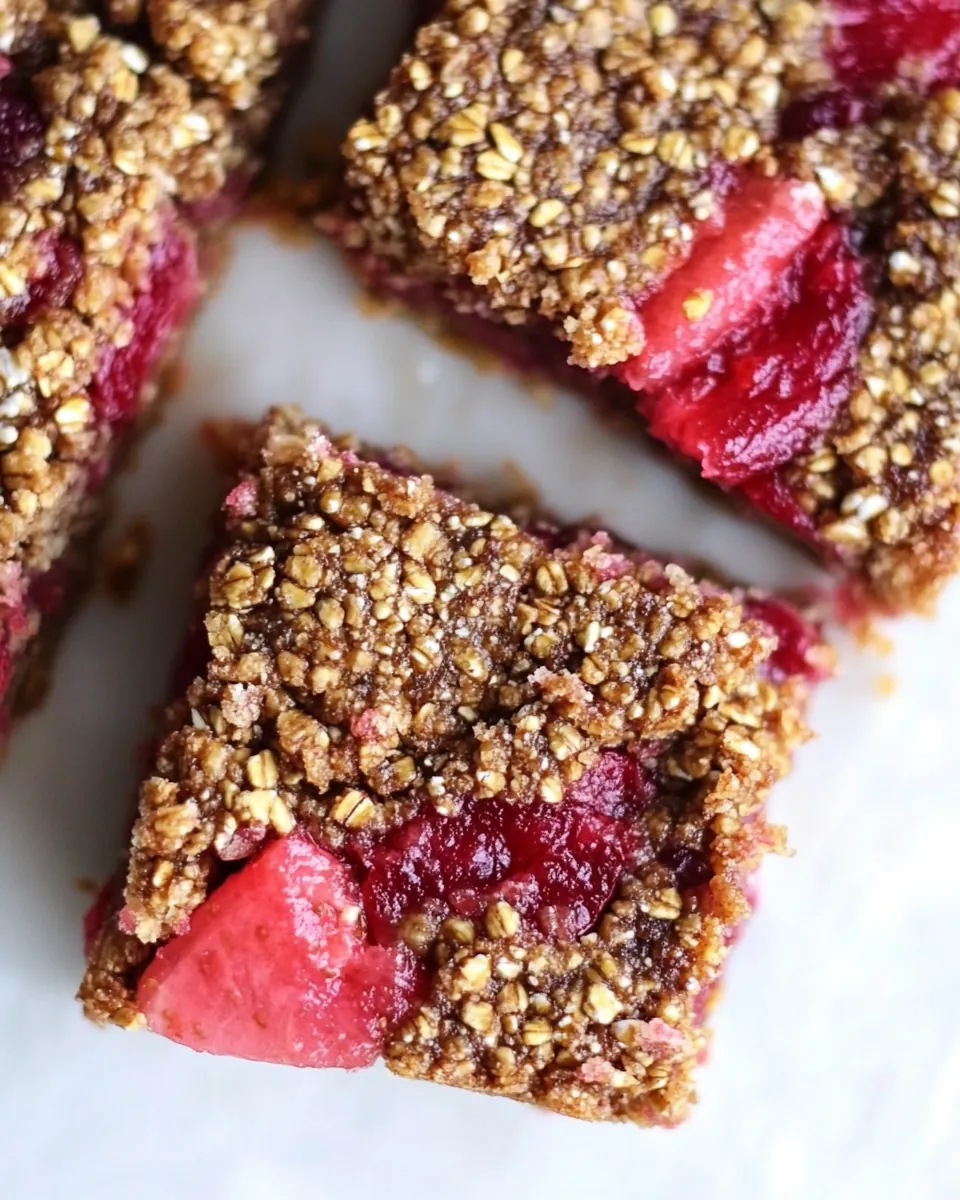
These notes collect practical tips I have learned from testing this recipe multiple times. They aim to help you get consistent results and make the baking experience smoother, whether you are an experienced baker or trying this for the first time.
- Measure flour accurately: Spoon the whole wheat flour and buckwheat flour into the cup and level it off rather than scooping to avoid a dense crust.
- Pulse rather than over mix: Using short pulses in the food processor keeps the butter in pea sized pieces, which creates a tender crumb when baked.
- Evenly chop rhubarb: Chop the rhubarb into uniform pieces so it cooks evenly and the filling has consistent texture.
- Watch the filling as it heats: Simmer on medium and stir frequently so the preserves melt smoothly and the mixture thickens without scorching.
- Use a parchment sling: Line the pan with parchment for easier removal, especially if you want neat squares for serving or gifting.
What to Serve Alongside Strawberry Rhubarb Buckwheat Bars
These bars work beautifully in many settings, from casual brunches to afternoon tea. Think about balancing textures and temperatures when you serve them, and consider seasonal pairings to highlight the spring flavors.
- Serve with a cup of coffee or tea: The robust, nutty crust pairs well with black coffee or a fragrant tea, creating an inviting contrast of bitter and sweet.
- Offer fresh fruit on the side: A small bowl of sliced berries or citrus segments brightens the plate and echoes the fruit flavors inside the bars.
- Bring to picnics and potlucks: Because they slice neatly, these bars are ideal for outdoor gatherings and are easy to transport.
- Occasion ideas: They are perfect for spring brunch, a light dessert after a family meal, or a treat during Ramadan Iftar where a fruity, not overly sugary option is appreciated.
- Storage tips: Store uncut bars at room temperature for a day, refrigerate up to five days, and freeze slices wrapped tightly for up to three months.
- Seasonal pairing: Highlight them in spring when rhubarb is plentiful, or make them in early summer using extra ripe strawberries for maximum flavor.
FAQ
Conclusion
These Strawberry Rhubarb Buckwheat Bars shine because they balance rustic texture with bright, vibrant fruit flavor. They are approachable to make, travel well, and deliver a satisfying contrast between a nutty crust and glossy, tart filling. Give them a try when spring fruit is at its best, and you will likely find they become a repeat treat for brunches, picnics, and casual get togethers. I hope you enjoy the simple charm and the little textural surprises in every bite.
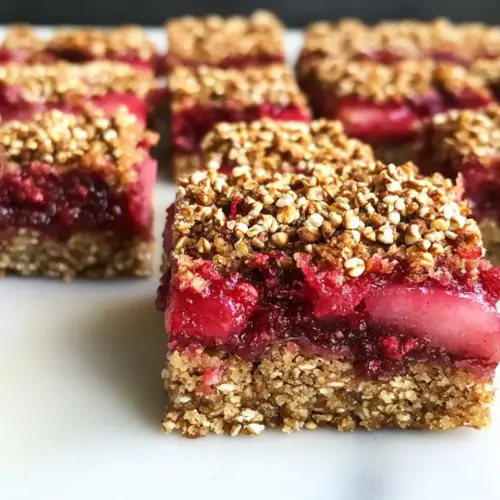
Strawberry Rhubarb Buckwheat Bars
Equipment
- Oven
- 9 x 13-inch baking pan
- Food Processor
- Small Saucepan
Ingredients
- 2 1/4 cups whole-wheat flour Provide structure and whole-grain nuttiness to the bars while contributing fiber and a denser crumb; combine with wet ingredients to form the dough and balance sweetness.
- 3/4 cup buckwheat flour Add an earthy, slightly bitter flavor and tender crumb while boosting protein and gluten-free characteristics; blend with whole-wheat flour for depth and texture.
- 1/2 cup coconut sugar Sweeten naturally while adding a hint of caramel flavor and contribute to a firmer, slightly chewy crumb when mixed into the dough.
- 1 teaspoon kosher salt Enhance overall flavor by balancing sweetness and strengthening gluten formation slightly; help control fermentation and improve dough handling.
- 1 teaspoon baking powder Leaven the dough subtly to give a light lift and prevent the bars from becoming overly dense, ensuring a tender bite without large air pockets.
- 1 cup unsalted butter cold, cut into cubes Provide rich fat for a flaky, tender texture and carry flavor; cutting cold butter into the dry mix creates pockets that yield a short, crumbly crust.
- 1 egg Bind ingredients together and add moisture; contribute a bit of richness and color while helping the dough set during baking.
- 2 tablespoons honey Add gentle sweetness and moisture while enhancing flavor complexity; help keep the filling slightly glossy and improve mouthfeel.
- 3 tablespoons molasses Contribute deep, robust sweetness and a touch of molasses flavor that intensifies the baked aroma and balances fruit tartness.
- 2 cups strawberries tops removed Bring fresh sweet-tart berry flavor and juicy texture when cooked; contribute natural pectin and vibrant color to the fruit layer.
- 2 cups rhubarb chopped Introduce bright tartness and firm texture that contrasts the strawberries; soften when cooked and release moisture for the filling.
- 12 ounces strawberry preserves jar, no sugar added Provide concentrated strawberry flavor and additional sweetness to create a jammy, spreadable layer that boosts fruit intensity.
- 1 tablespoon cornstarch Thicken the fruit mixture by absorbing excess liquid and creating a cohesive, jam-like filling that prevents sogginess in the bars.
- 2 teaspoons lemon juice Brighten flavors and activate pectin slightly while balancing sweetness; preserve fresh fruit brightness and enhance overall tartness.
Instructions
- Preheat oven to 375°F. Lightly spray a 9 X 13-inch baking pan.: When you first turn on the oven you feel that faint whoosh of heat and the faint smell of warming metal, which signals the start of transformation. This step ensures the oven environment is stable when the dough goes in, helping the crust set properly and bake evenly. Make sure the oven racks are positioned so the pan will sit in the center, it prevents over browning on the top or bottom. A common mistake is preheating too briefly, which can cause the crust to spread rather than set. If you use a baking spray or line the pan with parchment, it will release cleanly after baking.
- In a food processor, pulse whole wheat flour, buckwheat flour, coconut sugar, salt, and baking powder in a food processor until well combined. Add butter cubes and pulse until the mixture is crumbly. Add egg, honey, and molasses and pulse until well combined and large clumps form. Reserve 1/2 cup of the mixture and pour the remainder into a prepared baking pan and press into the bottom and slightly up the sides to form a crust.: As you pulse the dry ingredients you will notice the flour and sugar marry into a uniform texture, it smells faintly of nutty grain from the buckwheat flour . Adding the cold butter creates pea size bits that are key for a tender, crumbly crust, and the sound in the processor changes from a steady hum to a broken rattle. Once you add the egg , honey , and molasses , larger cohesive clumps will form which are perfect for pressing; these clumps give the crust structure and moisture. Press the dough evenly into the pan using your fingertips or the bottom of a measuring cup, creating a uniform base and a slight rim to contain the filling. A common misstep is over processing, which melts the butter and yields a greasy, dense crust. If your workstation gets warm, chill the bowl for a few minutes before pressing.
- Bake for 10 minutes, remove from oven and cool.: During this short bake the crust will begin to set and emit a warm, toasty aroma. You will notice the color shift from pale to faintly golden at the edges, and the surface will feel set to the touch. Cooling briefly stabilizes the base so it does not sink when the filling is added. Avoid skipping the cool down, because a hot crust can cause the filling to soak in and the texture to become too soft. If the crust seems unevenly browned, rotate the pan midway through the bake next time to encourage even color.
- Combine all ingredients in a food processor and lightly pulse together just to combine ingredients. Pour into a small saucepan and heat on medium heat until preserves had melted and a sauce begins to form. Pour over cooled crust and crumble reserved 1/2 cup of crust mixture on top.: When you pulse the strawberries , rhubarb , strawberry preserves , cornstarch , and lemon juice , the mixture will take on a chunky jam like texture that smells bright and slightly sweet. Transferring to the saucepan, you will hear a gentle simmer and watch the preserves melt into the fruit, releasing steam and a fragrant fruity perfume. The sauce will thicken noticeably as the cornstarch activates, forming a glossy coating that clings to the fruit and signals readiness. Pour carefully over the cooled crust to avoid splashing, and sprinkle the reserved crumb mixture evenly so you get crunchy pockets on top. A typical error is overheating the filling which can break down the fruit too much, so maintain a gentle simmer and stir frequently.
- Bake for about 20 minutes until filling is bubbly and top begins to lightly brown. Cool completely before cutting and serving. If desired, sprinkle with powdered sugar.: As the pan returns to the oven you will see the filling begin to bubble at the edges, and the top crumbs will turn a light golden brown releasing a toasty aroma that promises texture. The bubbling is a visual cue that the filling is cooked through and the cornstarch has done its job. Cooling fully is essential, the filling will set and firm up, making clean slices possible. A common mistake is slicing the bars too soon which yields a runny center; patience rewards you with perfectly shaped squares. If you choose to dust with powdered sugar, do so just before serving to keep the sugar from dissolving into moisture.
Notes
- Measure flour accurately: Spoon the whole wheat flour and buckwheat flour into the cup and level it off rather than scooping to avoid a dense crust.
- Pulse rather than over mix: Using short pulses in the food processor keeps the butter in pea sized pieces, which creates a tender crumb when baked.
- Evenly chop rhubarb: Chop the rhubarb into uniform pieces so it cooks evenly and the filling has consistent texture.
- Watch the filling as it heats: Simmer on medium and stir frequently so the preserves melt smoothly and the mixture thickens without scorching.
- Use a parchment sling: Line the pan with parchment for easier removal, especially if you want neat squares for serving or gifting.
