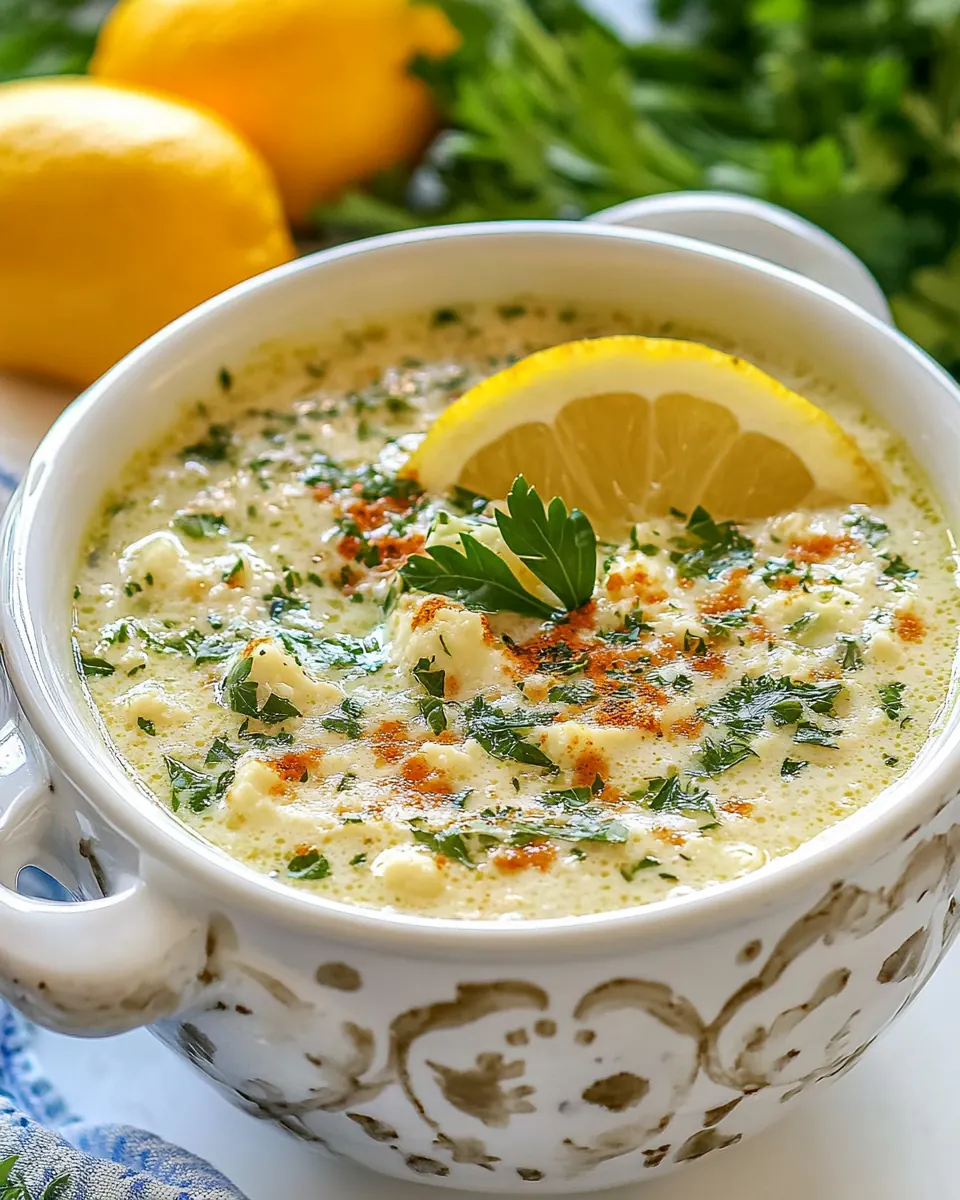
Avgolemono Soup
Avgolemono Soup is the kind of bowl I reach for when I want something that feels like a warm kitchen hug from an old friend. The first time I made this, I was chasing a memory of a meal my neighbor used to bring over after a long week, and the bright tang of lemon mixed with the silky, eggened broth transported me right back to her small, sunlit kitchen. I loved how simple ingredients could produce such comforting complexity, and I kept tinkering until the flavors matched that memory.
Over the years I have made Avgolemono Soup for quiet weeknight dinners and for guests who needed something soothing after a busy day. I always enjoy the little ritual of tempering the eggs, it feels almost ceremonial, and the scent of lemon while the soup simmers is a smell I associate with calm evenings. I like to serve it in deep bowls with a scattering of fresh herbs, and I often remember small stories from family meals as we spoon the warm broth.
When friends ask why I keep this recipe in regular rotation I tell them it is deceptively simple, it sings with bright and savory notes, and it is a true one pot comfort that still tastes elegant. The texture is creamy without cream, thanks to the rice and the egg emulsion, and the shredded chicken gives it substance while keeping the bowl light. If you want a soul warming meal that is quick to pull together, this soup always delivers.
Recipe Snapshot
30 mins
5 mins
25 mins
Easy
320 kcal
Mediterranean
Gluten-Free, Low FODMAP
Soups
6 Quart Dutch Oven
The Best Thing About This Avgolemono Soup
Bright and balanced flavor
I love how Avgolemono Soup offers a perfect contrast between the tartness of fresh lemon juice and the silky, rich mouthfeel that comes from whisking eggs into the broth. When I taste that citrus lift against the savory chicken and rice, I feel like every spoonful has a built in palate cleanser, which keeps the soup from feeling heavy even when it is deeply comforting.
One pot ease with impressive results
There is a pragmatic joy to making this in a single Dutch oven. I can brown the aromatics, simmer the rice, and finish with the tempered egg mixture all in one vessel, which saves time and cleanup. I often have guests who ask how it tastes so luxurious with so little fuss, and I tell them the technique of tempering and slowly incorporating hot broth is the secret that makes it feel gourmet.
Textural harmony
The combination of tender rice, shredded chicken, and the egg-lemon emulsion produces a silky, almost velvety texture without adding cream. I appreciate that the body of the soup comes from ingredients rather than dairy, which keeps the bowl bright and approachable. When you spoon it, you should notice the broth cling slightly to the rice grains, signaling that it has reached the right creamy stage.
Comfort with room for personalization
I frequently tweak small things like the amount of freshly chopped dill or a touch more lemon juice to suit the mood of the meal. The recipe is forgiving, so if I have leftover cooked chicken it finds a perfect purpose here. That flexibility is why I recommend it to busy cooks who want a dependable, adaptable soup.
Seasonal and nostalgic appeal
This soup always feels right during cooler months, but its bright citrus note keeps it from becoming too heavy. I often make it for family gatherings or restful evenings when I want food that comforts without weighing people down. The aromas and textures bring back memories for many, and that nostalgia is part of its charm.
What to Buy for Avgolemono Soup
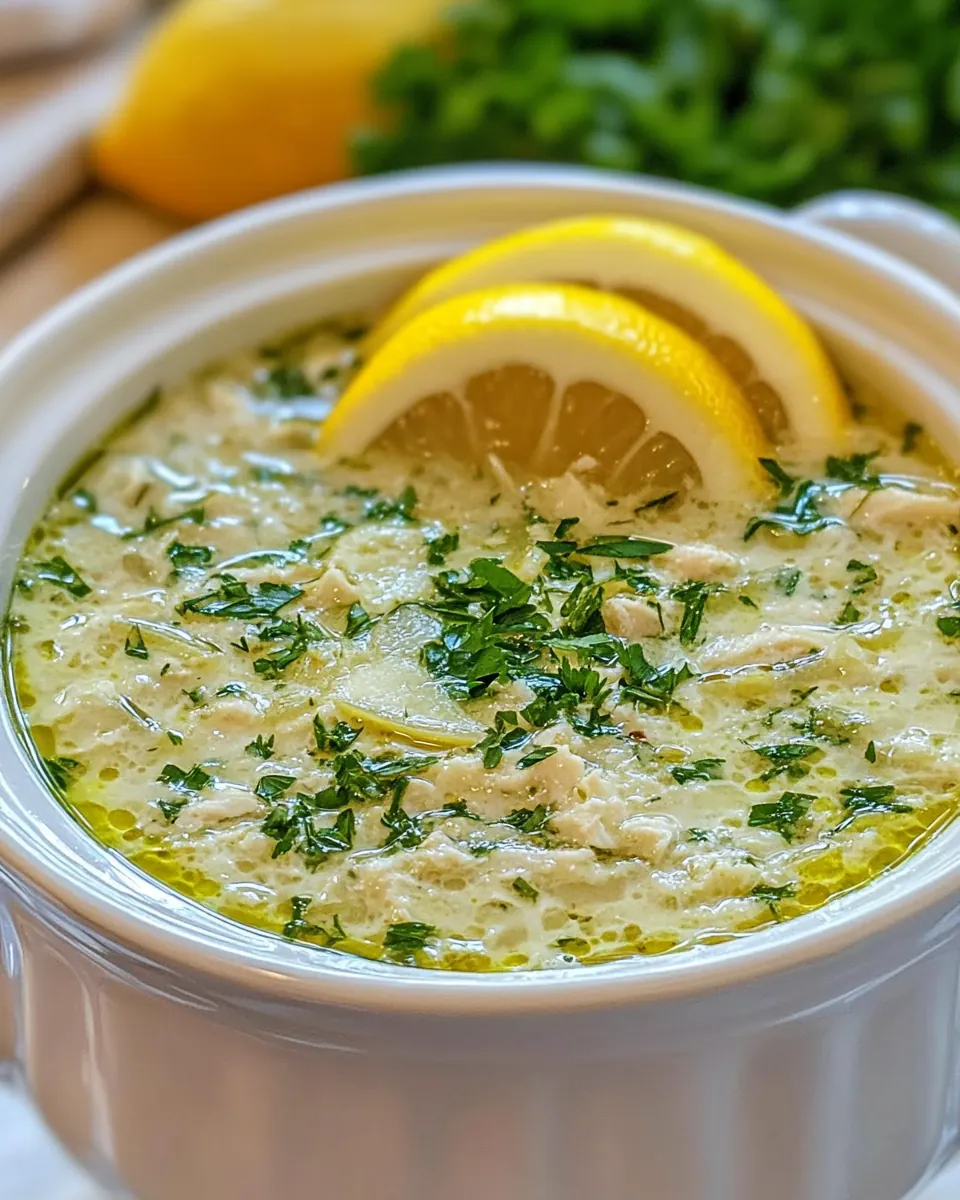
For Avgolemono Soup the ingredient list is purposeful and cooperative. Each item plays a clear role: aromatics build the base, rice gives body, eggs and lemon juice create the silky emulsion, and shredded chicken adds satisfying protein. I think of these items as a small ensemble that, when combined with gentle technique, produces an elegant, homey soup.
- 1 tablespoon olive oil: Adds a fruity, slightly bitter base fat for sautéing aromatics and helps carry flavors throughout the soup; use to gently soften the onion and carrot without browning to preserve a clean broth.
- 1 small onion (chopped): Provides a mild, sweet aromatic foundation when chopped and softened; cook until translucent to release sugars that balance the soup's bright lemon notes.
- 1 medium carrot (chopped): Contributes natural sweetness and body when chopped and sweated with the onion; soft carrots add texture and subtle sweetness that complements the lemon and chicken.
- 1/2 cup Arborio rice: Thickens the broth and creates a creamy mouthfeel as it releases starch during simmering; rinse briefly if desired, then simmer until tender for a comforting risotto-like texture.
- 4 cups chicken broth (low sodium): Forms the savory liquid base and supplies depth and seasoning to the soup; use low-sodium to control salt levels and simmer with rice and chicken to meld flavors.
- 3 tablespoons lemon juice (freshly squeezed): Brightens and acidifies the broth, cutting through richness and enhancing savory flavors; freshly squeezed lemon juice gives the soup its characteristic tang and freshness.
- 3 large eggs: Emulsifies with lemon and broth to create a silky, custardy finish when tempered properly; beat thoroughly and temper with hot soup to avoid curdling for a glossy texture.
- 2 chicken breasts (cooked and shredded with 2 forks, skinless and boneless): Adds tender, protein-rich meat that makes the soup hearty and satisfying; shred cooked, skinless, boneless breasts to distribute chicken evenly through the bowl.
- 1/2 teaspoon salt (or to taste): Enhances overall seasoning and balances flavors; add to taste while simmering and adjust after combining eggs and lemon to avoid over-salting.
- 1 teaspoon pepper (or to taste): Provides warm, slightly sharp seasoning to complement the lemon and chicken; grind fresh for best aroma and adjust to taste to enhance the soup's balance.
- 1/4 cup dill (chopped): Imparts a fresh, herbaceous finish and light anise-like notes when chopped; stir in near the end to preserve bright color and delicate flavor.
Avgolemono Soup Instructions
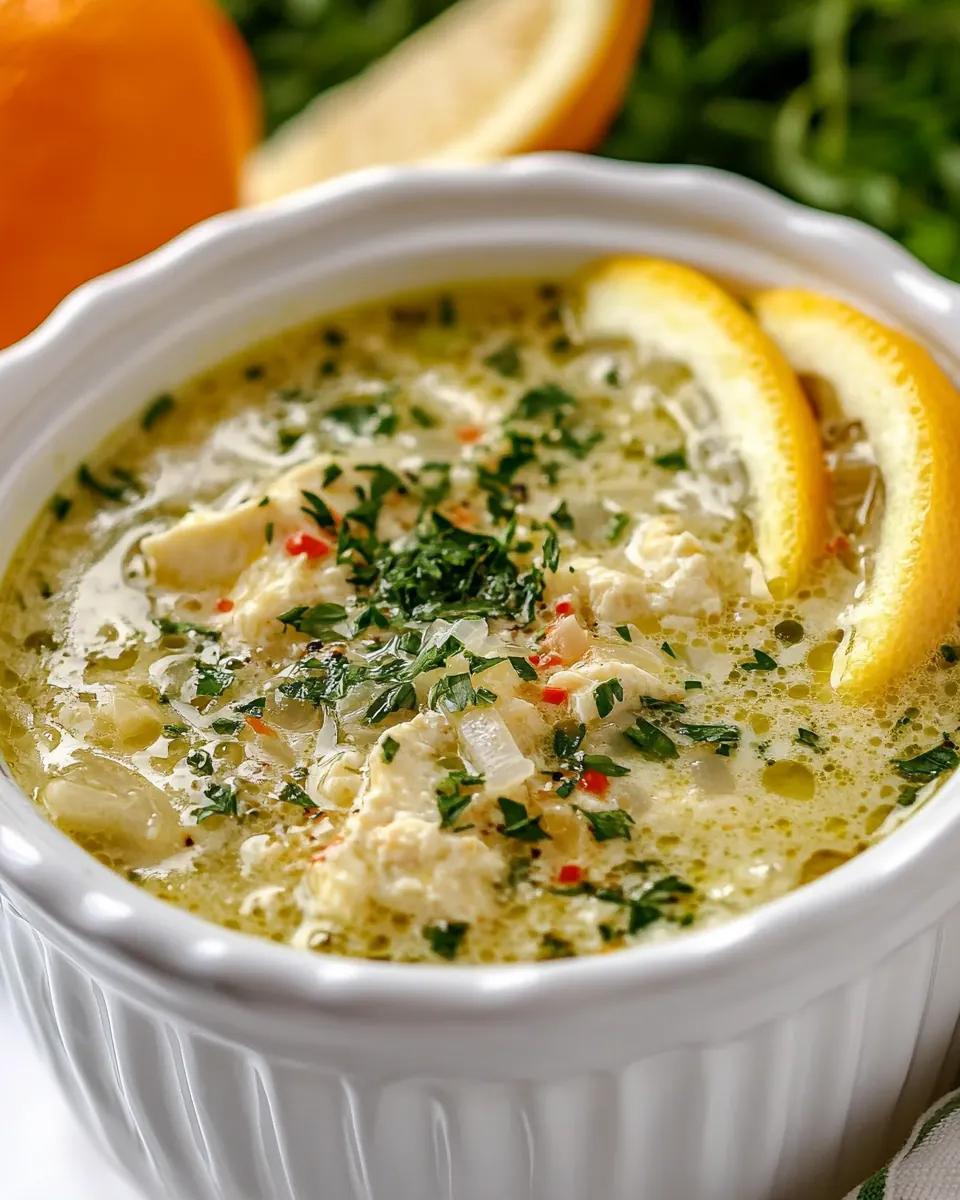
These instructions will walk you through gentle stovetop cooking and the delicate technique of tempering the eggs. Read each step slowly and notice the sensory cues so you know when the soup is ready. With a little attention the result is a luxuriously creamy bowl without cream.
- Heat the oil in a soup pot or Dutch oven over medium-high heat then add the chopped onion and carrot and cook for about 5 minutes or just until the carrot is tender and the onion is translucent.: Warmth from the olive oil will start to coax sweet aromas from the onion and carrot , and you should hear a gentle sizzle as the vegetables soften, releasing a faint, toasty scent. The visual cue is that the onion turns from opaque to translucent and the carrot yields easily to a fork, which signals readiness for the next step. Doing this slowly preserves sweetness, while rushing with too high heat can brown or burn the vegetables, introducing bitterness. If your oil smokes, lower the heat immediately and stir; it means the pan is too hot. Keep the pot covered loosely if you want to soften faster without color change, but uncover to let moisture escape if the vegetables steam instead of gently sauté.
- Add the rice and chicken broth to the pot and bring to a boil. Reduce the heat to a simmer and cook for about 15 minutes or until the rice is cooked through.: You will feel a change as the pot goes from a gentle simmer to lively bubbles, and the aroma shifts toward the savory depth of the chicken broth . The grains of Arborio rice will swell and release starch as they cook, gradually thickening the liquid into a velvety body. Watch the transition from rolling boil to a steady simmer, because too vigorous a boil can break down the rice unevenly and make it gluey. A common mistake is adding too much liquid too quickly; instead maintain a controlled simmer so the rice cooks through evenly. Stir occasionally to prevent rice from sticking to the bottom of the pot.
- Meanwhile in a small bowl beat the egg together with lemon juice.: During this simmer you will notice the broth turn more opaque as the Arborio rice releases starch, and the surface will show tiny shimmering bubbles. Test the rice by tasting a grain for tenderness; it should be creamy yet have a slight tooth, not mushy. If the rice feels firm at 15 minutes, continue simmering, adding small splashes of extra broth if necessary. Avoid covering the pot fully, because trapped steam can over soften the rice. Stir gently now and then to keep an even texture and to prevent clumping at the bottom.
- Add the shredded chicken to the pot, then add about a ladle of the soup broth to the egg mixture and stir. Pour the egg mixture into the soup. You will notice the soup thickening up. Season with salt and pepper as needed and if you feel the soup needs more lemon, add more lemon juice as desired.: As you whisk the eggs and fresh lemon juice , the mixture will become pale and slightly frothy, and the citrus scent will brighten the kitchen. This beaten combo is the emulsion base that will give the soup its silky body, so whisk until the eggs are smooth and well combined. A typical pitfall is under whisking, which can lead to uneven incorporation and tiny curds later. Keep the bowl close at hand because you will temper the eggs with hot broth next, and make sure your bowl is at room temperature to reduce shocking the mixture.
- Garnish with lots of dill, with some feta cheese and lemon slices if you prefer, then serve.: When you add shredded chicken to the simmering pot, you will hear a softer, more hush like sound compared to earlier bubbles, and the chicken will warm through quickly, releasing meaty, savory notes. The tempering step where you whisk a ladle of hot broth into the egg and lemon mixture is crucial because it raises the temperature of the eggs slowly so they do not scramble when returned to the pot. As you add the hot broth into the eggs, keep whisking so the mixture becomes warm and glossy. A common error is pouring the eggs back into the pot too quickly, which causes curdling; temper slowly and stop if the eggs begin to thicken prematurely, letting the ladle cool slightly.
- Pour the egg mixture into the soup: Once tempered, the egg and lemon mixture will blend with the broth and create a smooth thickening effect rather than forming curds, and you may notice the soup become silkier and slightly more opaque. Pay attention to the texture; the broth should cling to the rice and form a cohesive body without becoming gelatinous. Stir gently in a slow, steady motion to integrate the emulsion uniformly. If the soup seems to separate or look grainy, lower the heat and stir continuously until the texture smooths; overheating is often the cause, so maintain a gentle warmth. Taste and adjust seasoning now to get the balance of salt and citrus right.
- Season with salt and pepper as needed and if you feel the soup needs more lemon, add more lemon juice as desired: After the egg mixture is incorporated the flavors will open up, and you can start adjusting seasoning. The scent will be bright from the lemon juice and savory from the chicken broth , and a small pinch of salt or a twist of freshly cracked pepper can sharpen the profile. Add salt slowly because the broth may already carry sodium. A frequent mistake is over acidifying the soup; add extra lemon juice sparingly and taste between additions to keep the brightness balanced with the creamy body.
- Garnish with lots of dill, with some feta cheese and lemon slices if you prefer, then serve: The final touch of chopped dill releases an herbaceous perfume that sits beautifully on top of the warm bowl, and the contrast of green against the pale broth is visually inviting. If you choose to add small crumbles of feta or a thin lemon slice, they provide a salty pop or an extra citrus note, but keep additions modest so they do not overpower the delicate emulsion. Serve immediately while the soup is warm and silky; reheating gently later will preserve texture, but avoid boiling which can separate the emulsion. A common serving mistake is letting the soup sit too long before garnishing, which dulls the fresh herb aroma.
How to Switch It Up
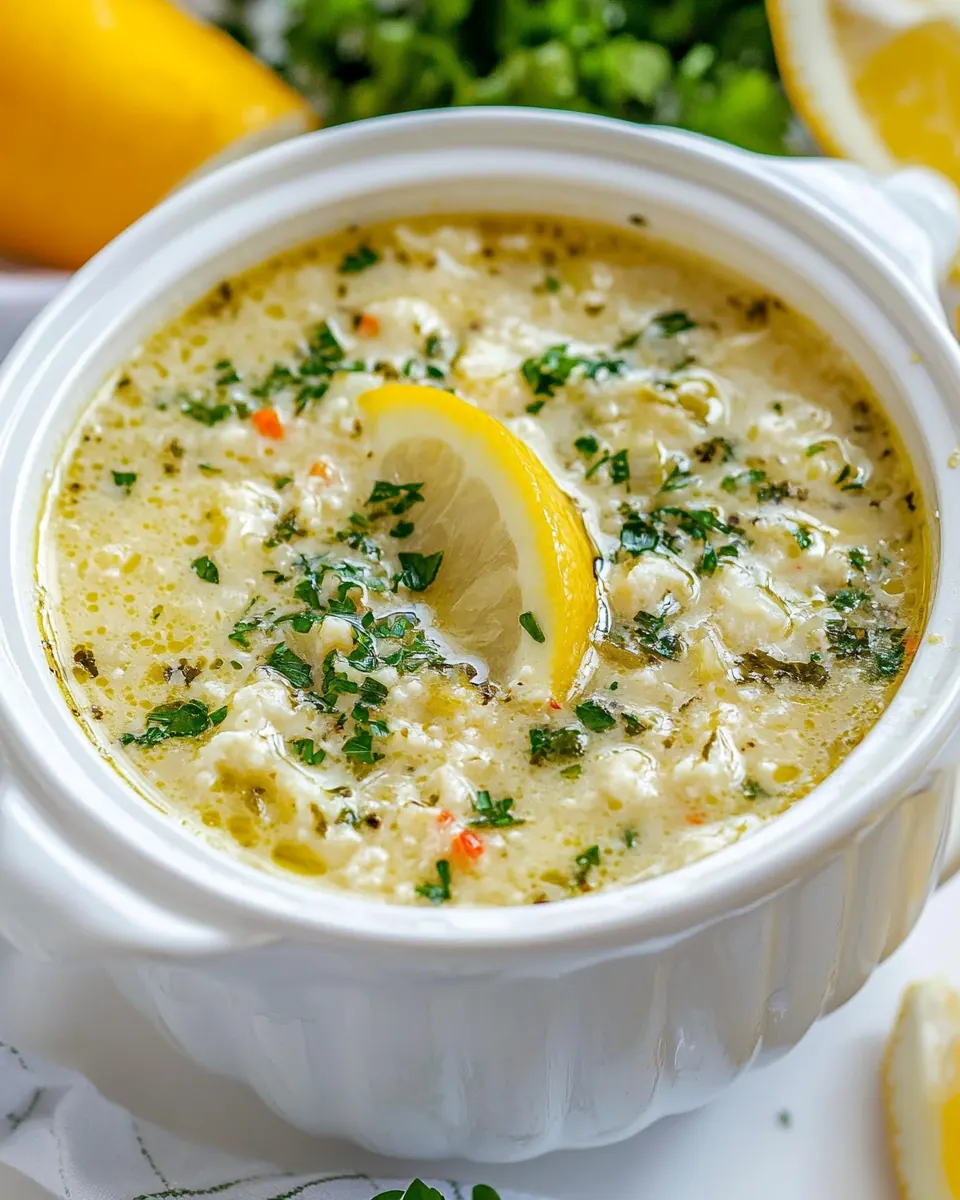
This section shares practical ways to vary Avgolemono Soup while keeping its soul intact. Small changes can shift texture, brightness, or herb profile without losing the dish’s character. Below are focused tips you can apply depending on pantry staples and preferences.
- Lighten the broth Try using a mix of low sodium chicken broth and water for a subtler base, which lets the lemon juice shine more distinctly.
- Increase creaminess Cook the Arborio rice a touch longer until grains are very tender for a richer, thicker mouthfeel without adding dairy.
- Adjust lemon intensity Add lemon juice in half increments and taste after each addition so you reach a brightness that complements rather than overwhelms the soup.
- Swap herbs If you want a different herbal note, substitute the fresh dill for parsley or chives, added just before serving for a fresh finish.
- Use leftover chicken This soup is ideal for using cooked, shredded chicken, which makes it an efficient weeknight option and reduces overall prep time.
- Make it ahead carefully Prepare broth, rice, and chicken in advance, but finish with the egg and lemon juice mixture when reheating to preserve the silky texture.
What Complements This Avgolemono Soup
Avgolemono Soup sits beautifully at the center of a modest, comforting meal. It pairs well with simple sides and suits a range of occasions from a quiet weeknight dinner to a restorative lunch during cold weather. Below are serving suggestions, storage ideas, and occasion notes presented as a practical list to help you plan the whole meal.
- Simple green salad A crisp salad with a light vinaigrette provides a refreshing contrast to the soup’s silky texture and bright lemon notes, making the meal balanced and satisfying.
- Crusty bread A warm, crusty loaf is ideal for dipping and soaking up the savory broth, and it adds a pleasing textural counterpoint to the soft rice and shredded chicken.
- Light appetizers Small plates like marinated olives or a modest cheese board can precede the soup without overwhelming its delicate flavors, perfect for a casual dinner with friends.
- Family gatherings Serve as a starter or main for cool weather gatherings, where the bright citrus can act as a palate refresher between richer dishes.
- Storage tips Refrigerate leftovers in an airtight container for up to three days; when reheating, add a splash of broth and warm gently over low heat to maintain the emulsion.
- Seasonal pairing Though lovely year round, this soup is especially suited to winter evenings when its warmth and brightness feel particularly restorative.
FAQ
Conclusion
Avgolemono Soup stands out because it manages to be both comforting and bright, delivering a velvety texture from simple ingredients. Give it a try when you need a nourishing, quick meal that still feels special. I hope you enjoy the playful balance of lemon and silk, and that this bowl becomes one of those easy favorites you return to again and again.

Avgolemono Soup
Equipment
- 6-quart Dutch Oven
Ingredients
- 1 tablespoon olive oil Adds a fruity, slightly bitter base fat for sautéing aromatics and helps carry flavors throughout the soup; use to gently soften the onion and carrot without browning to preserve a clean broth.
- 1 small onion (chopped) Provides a mild, sweet aromatic foundation when chopped and softened; cook until translucent to release sugars that balance the soup's bright lemon notes.
- 1 medium carrot (chopped) Contributes natural sweetness and body when chopped and sweated with the onion; soft carrots add texture and subtle sweetness that complements the lemon and chicken.
- 1/2 cup Arborio rice Thickens the broth and creates a creamy mouthfeel as it releases starch during simmering; rinse briefly if desired, then simmer until tender for a comforting risotto-like texture.
- 4 cups chicken broth (low sodium) Forms the savory liquid base and supplies depth and seasoning to the soup; use low-sodium to control salt levels and simmer with rice and chicken to meld flavors.
- 3 tablespoons lemon juice (freshly squeezed) Brightens and acidifies the broth, cutting through richness and enhancing savory flavors; freshly squeezed lemon juice gives the soup its characteristic tang and freshness.
- 3 large eggs Emulsifies with lemon and broth to create a silky, custardy finish when tempered properly; beat thoroughly and temper with hot soup to avoid curdling for a glossy texture.
- 2 chicken breasts (cooked and shredded with 2 forks, skinless and boneless) Adds tender, protein-rich meat that makes the soup hearty and satisfying; shred cooked, skinless, boneless breasts to distribute chicken evenly through the bowl.
- 1/2 teaspoon salt (or to taste) Enhances overall seasoning and balances flavors; add to taste while simmering and adjust after combining eggs and lemon to avoid over-salting.
- 1 teaspoon pepper (or to taste) Provides warm, slightly sharp seasoning to complement the lemon and chicken; grind fresh for best aroma and adjust to taste to enhance the soup's balance.
- 1/4 cup dill (chopped) Imparts a fresh, herbaceous finish and light anise-like notes when chopped; stir in near the end to preserve bright color and delicate flavor.
Instructions
- Heat the oil in a soup pot or Dutch oven over medium-high heat then add the chopped onion and carrot and cook for about 5 minutes or just until the carrot is tender and the onion is translucent.: Warmth from the olive oil will start to coax sweet aromas from the onion and carrot , and you should hear a gentle sizzle as the vegetables soften, releasing a faint, toasty scent. The visual cue is that the onion turns from opaque to translucent and the carrot yields easily to a fork, which signals readiness for the next step. Doing this slowly preserves sweetness, while rushing with too high heat can brown or burn the vegetables, introducing bitterness. If your oil smokes, lower the heat immediately and stir; it means the pan is too hot. Keep the pot covered loosely if you want to soften faster without color change, but uncover to let moisture escape if the vegetables steam instead of gently sauté.
- Add the rice and chicken broth to the pot and bring to a boil. Reduce the heat to a simmer and cook for about 15 minutes or until the rice is cooked through.: You will feel a change as the pot goes from a gentle simmer to lively bubbles, and the aroma shifts toward the savory depth of the chicken broth . The grains of Arborio rice will swell and release starch as they cook, gradually thickening the liquid into a velvety body. Watch the transition from rolling boil to a steady simmer, because too vigorous a boil can break down the rice unevenly and make it gluey. A common mistake is adding too much liquid too quickly; instead maintain a controlled simmer so the rice cooks through evenly. Stir occasionally to prevent rice from sticking to the bottom of the pot.
- Meanwhile in a small bowl beat the egg together with lemon juice.: During this simmer you will notice the broth turn more opaque as the Arborio rice releases starch, and the surface will show tiny shimmering bubbles. Test the rice by tasting a grain for tenderness; it should be creamy yet have a slight tooth, not mushy. If the rice feels firm at 15 minutes, continue simmering, adding small splashes of extra broth if necessary. Avoid covering the pot fully, because trapped steam can over soften the rice. Stir gently now and then to keep an even texture and to prevent clumping at the bottom.
- Add the shredded chicken to the pot, then add about a ladle of the soup broth to the egg mixture and stir. Pour the egg mixture into the soup. You will notice the soup thickening up. Season with salt and pepper as needed and if you feel the soup needs more lemon, add more lemon juice as desired.: As you whisk the eggs and fresh lemon juice , the mixture will become pale and slightly frothy, and the citrus scent will brighten the kitchen. This beaten combo is the emulsion base that will give the soup its silky body, so whisk until the eggs are smooth and well combined. A typical pitfall is under whisking, which can lead to uneven incorporation and tiny curds later. Keep the bowl close at hand because you will temper the eggs with hot broth next, and make sure your bowl is at room temperature to reduce shocking the mixture.
- Garnish with lots of dill, with some feta cheese and lemon slices if you prefer, then serve.: When you add shredded chicken to the simmering pot, you will hear a softer, more hush like sound compared to earlier bubbles, and the chicken will warm through quickly, releasing meaty, savory notes. The tempering step where you whisk a ladle of hot broth into the egg and lemon mixture is crucial because it raises the temperature of the eggs slowly so they do not scramble when returned to the pot. As you add the hot broth into the eggs, keep whisking so the mixture becomes warm and glossy. A common error is pouring the eggs back into the pot too quickly, which causes curdling; temper slowly and stop if the eggs begin to thicken prematurely, letting the ladle cool slightly.
- Pour the egg mixture into the soup: Once tempered, the egg and lemon mixture will blend with the broth and create a smooth thickening effect rather than forming curds, and you may notice the soup become silkier and slightly more opaque. Pay attention to the texture; the broth should cling to the rice and form a cohesive body without becoming gelatinous. Stir gently in a slow, steady motion to integrate the emulsion uniformly. If the soup seems to separate or look grainy, lower the heat and stir continuously until the texture smooths; overheating is often the cause, so maintain a gentle warmth. Taste and adjust seasoning now to get the balance of salt and citrus right.
- Season with salt and pepper as needed and if you feel the soup needs more lemon, add more lemon juice as desired: After the egg mixture is incorporated the flavors will open up, and you can start adjusting seasoning. The scent will be bright from the lemon juice and savory from the chicken broth , and a small pinch of salt or a twist of freshly cracked pepper can sharpen the profile. Add salt slowly because the broth may already carry sodium. A frequent mistake is over acidifying the soup; add extra lemon juice sparingly and taste between additions to keep the brightness balanced with the creamy body.
- Garnish with lots of dill, with some feta cheese and lemon slices if you prefer, then serve: The final touch of chopped dill releases an herbaceous perfume that sits beautifully on top of the warm bowl, and the contrast of green against the pale broth is visually inviting. If you choose to add small crumbles of feta or a thin lemon slice, they provide a salty pop or an extra citrus note, but keep additions modest so they do not overpower the delicate emulsion. Serve immediately while the soup is warm and silky; reheating gently later will preserve texture, but avoid boiling which can separate the emulsion. A common serving mistake is letting the soup sit too long before garnishing, which dulls the fresh herb aroma.
Notes
- Lighten the broth Try using a mix of low sodium chicken broth and water for a subtler base, which lets the lemon juice shine more distinctly.
- Increase creaminess Cook the Arborio rice a touch longer until grains are very tender for a richer, thicker mouthfeel without adding dairy.
- Adjust lemon intensity Add lemon juice in half increments and taste after each addition so you reach a brightness that complements rather than overwhelms the soup.
- Swap herbs If you want a different herbal note, substitute the fresh dill for parsley or chives, added just before serving for a fresh finish.
- Use leftover chicken This soup is ideal for using cooked, shredded chicken, which makes it an efficient weeknight option and reduces overall prep time.
- Make it ahead carefully Prepare broth, rice, and chicken in advance, but finish with the egg and lemon juice mixture when reheating to preserve the silky texture.
