Koprová Omáčka
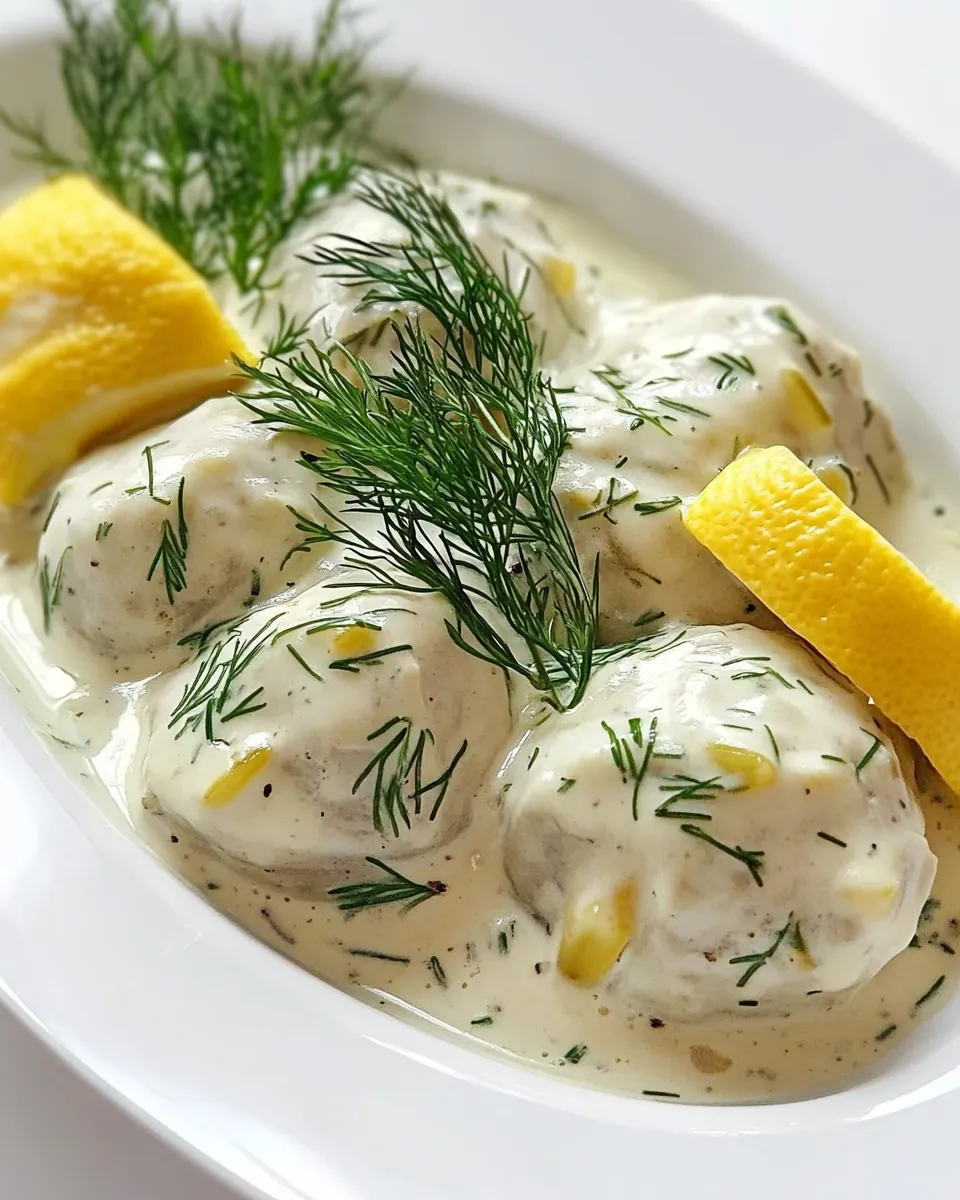
Koprová Omáčka has been one of those comforting sauces I kept returning to during chilly evenings when I wanted something bright yet soothing on the plate. The very first time I made it I remember the way the kitchen filled with a warm, herbaceous scent as the fresh dill met the creamy base, and how that contrast between tang and richness made every bite memorable.
I learned this version from a friend who insisted that the secret was patience while simmering the roux into the broth. Over time I adapted it, balancing granulated sugar and vinegar to hit that gentle sweet and sharp note, and now it’s my go to when I want a sauce that dresses simple components like hard boiled eggs or meat into something special. There’s a rhythm to making it, the slow swirl of ladles, and the satisfying way the sauce thickens and glistens.
When I serve Koprová Omáčka, I like to let it rest briefly so the flavors calm and become cohesive, and then spoon it over dumpling slices or boiled potatoes. It always sparks conversation, because the profile is familiar yet distinct, and people ask for seconds more often than not. If you enjoy sauces that are both creamy and aromatically green, this one will become a quiet favorite.
Recipe Snapshot
35 mins
15 mins
20 mins
Medium
250 kcal
Czech
Gluten-Free, Low FODMAP
Dinner
Thick bottomed saucepan, Whisk, Ladle
Why This Koprová Omáčka Is So Good
Bright herbal lift from fresh dill
I adore how fresh dill cuts through the richness of the sauce. It gives Koprová Omáčka a lively, slightly floral note that keeps the mouth feeling refreshed, which is why I always recommend using fresh herbs rather than dried when possible.
Comforting creamy texture
The combination of a well made roux and heavy cream produces a velvety body that clings to dumplings or slices. I find this texture makes simple ingredients feel indulgent without being heavy, and it also helps the sauce carry other flavors evenly across the plate.
Balanced sweet and tangy backbone
The small measures of granulated sugar and vinegar are purposeful. They create a gentle sweet and acidic interplay, which I like because it rounds the sauce and prevents it from tasting one dimensional. In my experience that tiny contrast makes folks return for more.
Deep savory base from beef broth
Using beef broth instead of water adds a savory backbone that anchors the dill and cream. It’s subtle, but it gives Koprová Omáčka a satisfying depth, and I often notice guests remarking on the rich, layered flavor even if they can’t name why it tastes so complete.
Versatile and forgiving
This sauce is wonderfully adaptable. Whether you serve it warm over hard boiled eggs, dumplings, or roast slices, it holds up. I appreciate recipes that are flexible, because they let you use what’s on hand and still produce an impressive result.
What’s In This Koprová Omáčka
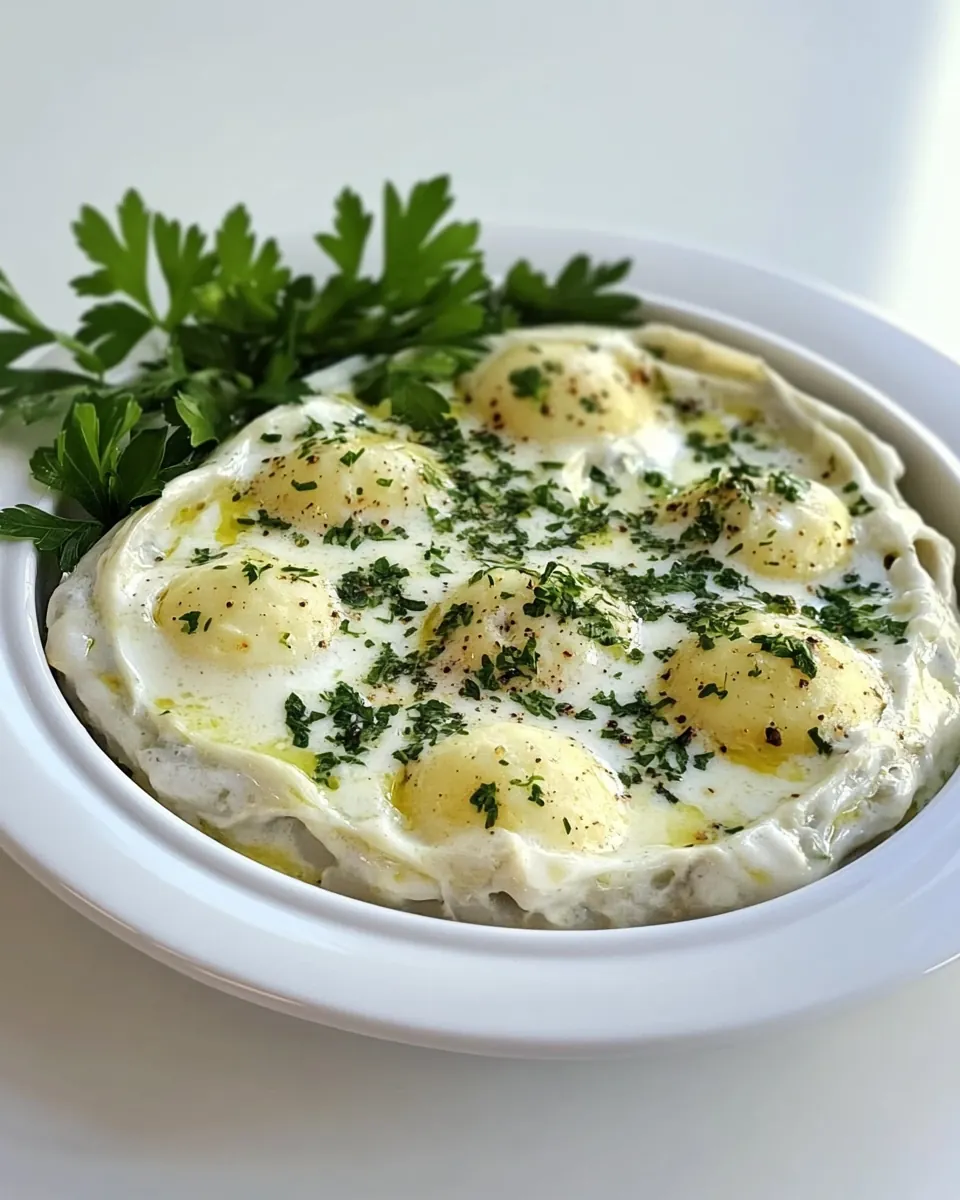
These ingredients are intentionally simple and harmonious. The team effort between a buttery roux, savory beef broth, fresh dill and a touch of cream creates a sauce that is rich, aromatic and balanced. Each component plays a clear role: the roux thickens and provides a toasty base, the broth brings depth, the cream smooths and enriches, and the sugar and vinegar nudge the flavor towards a rounded finish.
- 3 cups beef broth: Provides a savory, liquid base that carries the sauce’s flavor and thins the consistency; use a rich beef broth to deepen the umami and complement the dill. Simmer gently to concentrate flavors and meld with the roux for a balanced texture.
- 3 tbsp fresh dill chopped: Adds a bright, herbaceous lift and distinctive anise-like aroma that defines koprová omáčka; chop fresh dill finely to release essential oils. Stir in near the end of cooking to preserve freshness and visual appeal.
- 1/2 stick 55 g unsalted butter: Supplies a creamy richness and silky mouthfeel while helping to brown the roux; use unsalted butter to control seasoning during sauce preparation. Melt gently and combine with flour to form a smooth, lump-free base for thickening.
- 3 tbsp all purpose flour: Acts as the thickening agent when cooked with butter to form a roux, giving the sauce body and stability; whisk thoroughly to avoid clumps. Cook briefly to remove raw flour taste while maintaining a pale color for a delicate sauce.
- 3/4 cup heavy cream: Contributes creamy texture and mellow fat that softens the sauce’s acidity and enriches flavor; add gradually to prevent curdling and to achieve the desired consistency. Gently heat without boiling to maintain a smooth, velvety finish.
- 3 tbsp granulated sugar: Balances the tang of vinegar with mild sweetness and rounds out the overall flavor profile; dissolve into the sauce to avoid graininess. Use sparingly and adjust to taste to prevent overpowering the dill’s freshness.
- 2 tbsp vinegar: Introduces acidity to brighten the sauce and cut through the richness of cream and butter; add a controlled amount and taste as you go. Vinegar also helps lift the herb flavors and creates a pleasant counterpoint to sweetness.
- 1 tsp salt: Season mildly to enhance and harmonize all flavors without overwhelming the delicate dill; sprinkle and adjust at the end of cooking. Use measured amounts since salt level can concentrate as the sauce reduces.
Step by Step Instructions for Koprová Omáčka

These steps guide you through building flavor deliberately and tending to texture with care. I like to work patiently, paying attention to the way the sauce changes as you stir and simmer so the final result feels cohesive and well balanced.
- Start with preparing a roux. To do this, melt the butter in a thick-bottomed saucepan (or Dutch oven) and add the flour. Stir well for a minute until it starts to turn just a little golden.: The kitchen will smell gently nutty as the unsalted butter foams and the all purpose flour cooks off, creating a fragrant base that prevents a raw flour taste. The visual cue is a subtle, light golden shade rather than deep brown, and you should hear a faint soft sizzling when you stir. This step matters because a properly cooked roux thickens smoothly and imparts a toasted backbone to the sauce. A common mistake is rushing this step and adding liquid while the roux is still pale, which can cause an unpleasant floury flavor, so take time to cook it for about a minute while stirring constantly to ensure even color.
- Gradually start stirring in the beef broth. It's best to incorporate it 1/2 cup at a time to avoid any flour clumps from forming.: As you add the first ladle of beef broth , the mixture will loosen and you will need to whisk or stir briskly to keep the texture smooth, paying attention to any globby spots. You will notice the sauce transitioning from paste like to more pourable, and gentle bubbling will begin as the heat is maintained. The why here is that gradual incorporation prevents lumps and allows the starches to hydrate correctly, giving a glossy, even consistency. A troubleshooting tip is that if you see lumps forming, lower the heat and whisk vigorously or strain later; avoiding high heat while adding liquid reduces clumping risk.
- When the roux starts to bubble, turn the heat down to the lowest setting, cover the pan with a lid and simmer the sauce for 20 minutes or so until thickened.: You'll hear a soft simmer and see the surface occasionally ripple, while the aroma deepens as the sauce reduces slightly. This gentle simmer mellows raw flour notes and concentrates flavors, giving the sauce body and depth. Stir occasionally to prevent a skin from forming and to check thickness, aiming for a coat the back of a spoon texture. A common error is keeping the heat too high, which can cause separation or scorching, so keep it low and patient during this long simmer.
- Take the sauce off the heat and add in the sugar and heavy cream until homogenous then stir in the vinegar and chopped dill as well.: Removing from heat prevents the heavy cream from splitting, while the granulated sugar dissolves into the warm base and the vinegar and dill bloom into the sauce. Sensory signs include a smoother, silkier texture and a brightening aroma from the herbs. This technique matters because adding cream off heat keeps the emulsion stable and lets the delicate herb oils remain fresh. A mistake to avoid is adding acidic vinegar while on high heat, which can curdle the cream; tempering and stirring gently ensures a unified sauce.
- Taste the sauce and adjust with more salt or sugar according to your preference.: Now is the moment to tune balance, sampling for saltiness and the sweet acidic interplay you want. Use small additions and stir well, noticing how the flavor evolves after each adjustment; the sauce should feel rounded and lively without any single element overpowering. The why is straightforward, small calibrations make the difference between a flat and a nuanced sauce. A typical pitfall is over seasoning at once, so add increments and taste between each change to avoid overshooting the ideal.
- Let the sauce sit for 5 minutes to steep in all the flavors.: As the sauce rests, the temperature evens out and the flavors integrate, smoothing sharp edges and allowing the dill to infuse more thoroughly. You'll notice the aroma becomes more cohesive and the texture settles into a glossy nap. This short rest improves mouthfeel and flavor unity, and prevents serving the sauce too hot or aggressively seasoned. Avoid skipping this pause, because immediate serving can present a disjointed flavor profile where the vinegar or sugar might stand out too strongly.
- Serve warm, drizzled over dumpling slices and hard boiled eggs or meat!: The finished sauce should coat items without sliding off, presenting a creamy sheen and herb flecks from the dill . When you spoon it over dumplings or hard boiled eggs , note the way the heat slightly softens the herbs and the aroma lifts. Serving warm helps meld textures and encourages those comforting mouthfeel contrasts. A common mistake is heating the sauce to a boil before serving, which can alter the texture; maintain a gentle warmth and reheat slowly if needed.
Substitutions and Tips
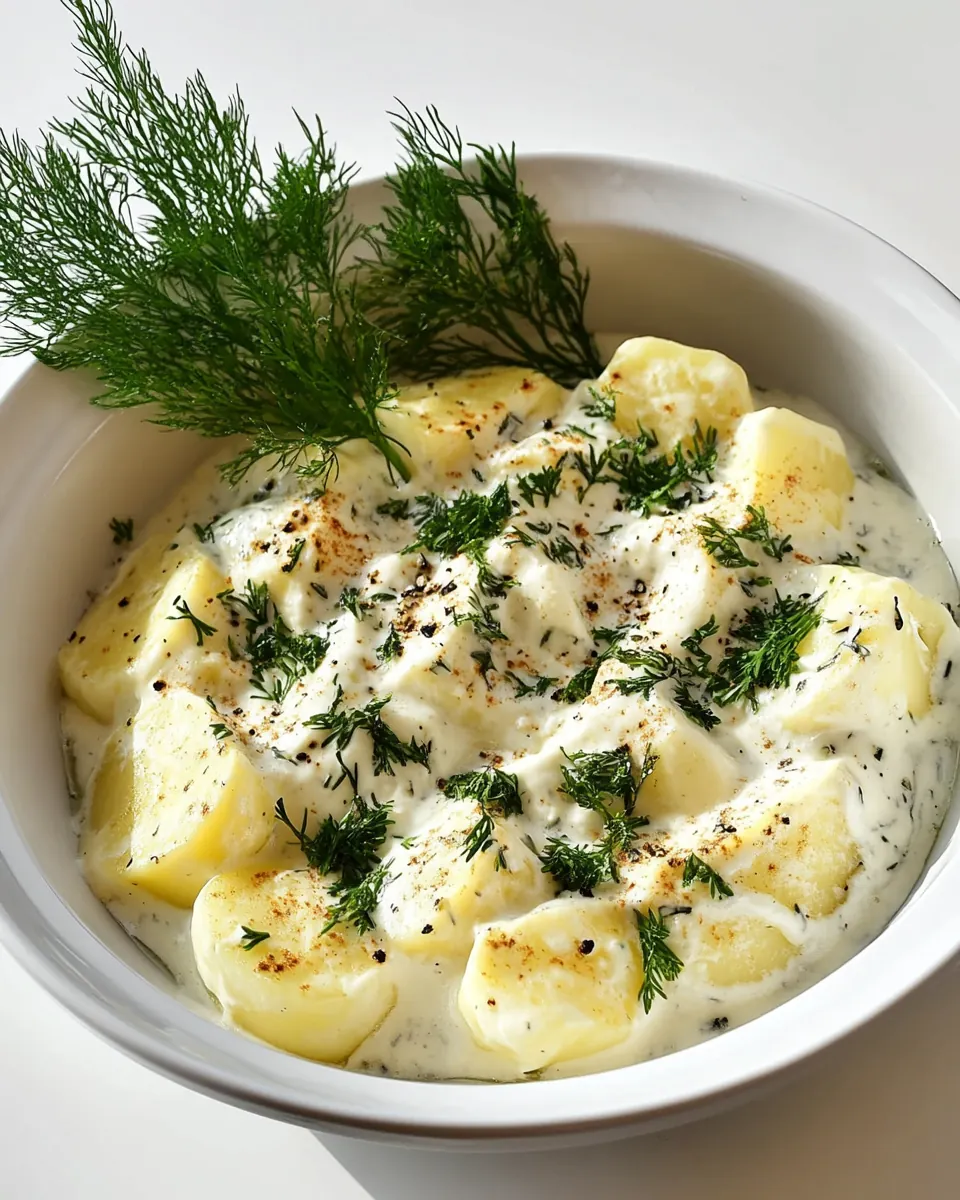
This set of tips helps you refine texture, balance, and flexibility while making Koprová Omáčka. I pulled notes from my own trials to help you avoid common pitfalls and make confident adjustments.
- Control the roux Start by cooking the unsalted butter and all purpose flour together until they smell toasted and take on a pale golden hue, which prevents a raw flour taste and yields a smooth thickener.
- Gradual liquid addition Add the beef broth in small increments, whisking thoroughly between additions, to ensure a lump free, glossy sauce without overworking the roux.
- Keep simmer gentle Maintain a very low simmer during the 20 minute cook so the sauce thickens evenly and the flavors develop without reducing too aggressively or scorching.
- Finish off heat Stir in the heavy cream, granulated sugar, vinegar, and chopped dill after removing from heat to protect the cream from breaking and to preserve the herb aroma.
- Taste carefully Make small seasoning adjustments with salt and granulated sugar at the end, because flavors will meld and change slightly during the five minute rest.
- Reheat gently If you need to rewarm the sauce, do so slowly over very low heat while stirring, to avoid separation or scorching.
Pairing Suggestions for Koprová Omáčka
Koprová Omáčka works beautifully as a versatile sauce that lifts simple mains and sides. It is ideal for weeknight dinners or for more festive occasions where you want a comforting, herb forward accompaniment.
- Serve over dumplings or potato slices The creamy sauce clings to starchy surfaces, creating a comforting, hearty plate that is perfect for colder months and family dinners.
- Pair with hard boiled eggs The acidity and herb freshness complement the richness of yolks, making it a classic combination for brunch or a light supper.
- Accompany roast or sliced meat Drizzle over roasted beef slices to add moisture and herbaceous brightness, turning simple protein into a cohesive, flavorful entrée.
- Occasions This sauce is suitable for casual weeknight meals, seasonal fall gatherings, or holidays where you want familiar, comforting flavors that still feel a bit special.
- Storage tips Refrigerate leftover sauce in an airtight container for up to three days, and rewarm slowly to maintain texture. If it thickens too much, whisk in a splash of beef broth to loosen it.
- Seasonal pairing In fall, serve alongside roasted root vegetables and warm dumplings for an autumnal plate that balances richness with fresh herb notes.
FAQ
Conclusion
Koprová Omáčka stands out for its elegant balance of creamy richness and fresh herb brightness, held together by a sturdy, buttery roux. It’s a forgiving sauce that elevates simple plates like dumplings, hard boiled eggs, or sliced meat into something memorable. Give it a try on a cool evening when you want comfort with a lift, and take time to enjoy the gentle transformation as the flavors meld while it rests. Once you taste that melded cream and dill harmony, you may find yourself returning to this sauce whenever you need a reliably delicious, approachable accompaniment.

Koprová Omáčka
Equipment
- Thick bottomed saucepan
- Whisk
- Ladle
Ingredients
- 3 cups beef broth Provides a savory, liquid base that carries the sauce’s flavor and thins the consistency; use a rich beef broth to deepen the umami and complement the dill. Simmer gently to concentrate flavors and meld with the roux for a balanced texture.
- 3 tbsp fresh dill chopped Adds a bright, herbaceous lift and distinctive anise-like aroma that defines koprová omáčka; chop fresh dill finely to release essential oils. Stir in near the end of cooking to preserve freshness and visual appeal.
- 1/2 stick 55 g unsalted butter Supplies a creamy richness and silky mouthfeel while helping to brown the roux; use unsalted butter to control seasoning during sauce preparation. Melt gently and combine with flour to form a smooth, lump-free base for thickening.
- 3 tbsp all purpose flour Acts as the thickening agent when cooked with butter to form a roux, giving the sauce body and stability; whisk thoroughly to avoid clumps. Cook briefly to remove raw flour taste while maintaining a pale color for a delicate sauce.
- 3/4 cup heavy cream Contributes creamy texture and mellow fat that softens the sauce’s acidity and enriches flavor; add gradually to prevent curdling and to achieve the desired consistency. Gently heat without boiling to maintain a smooth, velvety finish.
- 3 tbsp granulated sugar Balances the tang of vinegar with mild sweetness and rounds out the overall flavor profile; dissolve into the sauce to avoid graininess. Use sparingly and adjust to taste to prevent overpowering the dill’s freshness.
- 2 tbsp vinegar Introduces acidity to brighten the sauce and cut through the richness of cream and butter; add a controlled amount and taste as you go. Vinegar also helps lift the herb flavors and creates a pleasant counterpoint to sweetness.
- 1 tsp salt Season mildly to enhance and harmonize all flavors without overwhelming the delicate dill; sprinkle and adjust at the end of cooking. Use measured amounts since salt level can concentrate as the sauce reduces.
Instructions
- Start with preparing a roux. To do this, melt the butter in a thick-bottomed saucepan (or Dutch oven) and add the flour. Stir well for a minute until it starts to turn just a little golden.: The kitchen will smell gently nutty as the unsalted butter foams and the all purpose flour cooks off, creating a fragrant base that prevents a raw flour taste. The visual cue is a subtle, light golden shade rather than deep brown, and you should hear a faint soft sizzling when you stir. This step matters because a properly cooked roux thickens smoothly and imparts a toasted backbone to the sauce. A common mistake is rushing this step and adding liquid while the roux is still pale, which can cause an unpleasant floury flavor, so take time to cook it for about a minute while stirring constantly to ensure even color.
- Gradually start stirring in the beef broth. It's best to incorporate it 1/2 cup at a time to avoid any flour clumps from forming.: As you add the first ladle of beef broth , the mixture will loosen and you will need to whisk or stir briskly to keep the texture smooth, paying attention to any globby spots. You will notice the sauce transitioning from paste like to more pourable, and gentle bubbling will begin as the heat is maintained. The why here is that gradual incorporation prevents lumps and allows the starches to hydrate correctly, giving a glossy, even consistency. A troubleshooting tip is that if you see lumps forming, lower the heat and whisk vigorously or strain later; avoiding high heat while adding liquid reduces clumping risk.
- When the roux starts to bubble, turn the heat down to the lowest setting, cover the pan with a lid and simmer the sauce for 20 minutes or so until thickened.: You'll hear a soft simmer and see the surface occasionally ripple, while the aroma deepens as the sauce reduces slightly. This gentle simmer mellows raw flour notes and concentrates flavors, giving the sauce body and depth. Stir occasionally to prevent a skin from forming and to check thickness, aiming for a coat the back of a spoon texture. A common error is keeping the heat too high, which can cause separation or scorching, so keep it low and patient during this long simmer.
- Take the sauce off the heat and add in the sugar and heavy cream until homogenous then stir in the vinegar and chopped dill as well.: Removing from heat prevents the heavy cream from splitting, while the granulated sugar dissolves into the warm base and the vinegar and dill bloom into the sauce. Sensory signs include a smoother, silkier texture and a brightening aroma from the herbs. This technique matters because adding cream off heat keeps the emulsion stable and lets the delicate herb oils remain fresh. A mistake to avoid is adding acidic vinegar while on high heat, which can curdle the cream; tempering and stirring gently ensures a unified sauce.
- Taste the sauce and adjust with more salt or sugar according to your preference.: Now is the moment to tune balance, sampling for saltiness and the sweet acidic interplay you want. Use small additions and stir well, noticing how the flavor evolves after each adjustment; the sauce should feel rounded and lively without any single element overpowering. The why is straightforward, small calibrations make the difference between a flat and a nuanced sauce. A typical pitfall is over seasoning at once, so add increments and taste between each change to avoid overshooting the ideal.
- Let the sauce sit for 5 minutes to steep in all the flavors.: As the sauce rests, the temperature evens out and the flavors integrate, smoothing sharp edges and allowing the dill to infuse more thoroughly. You'll notice the aroma becomes more cohesive and the texture settles into a glossy nap. This short rest improves mouthfeel and flavor unity, and prevents serving the sauce too hot or aggressively seasoned. Avoid skipping this pause, because immediate serving can present a disjointed flavor profile where the vinegar or sugar might stand out too strongly.
- Serve warm, drizzled over dumpling slices and hard boiled eggs or meat!: The finished sauce should coat items without sliding off, presenting a creamy sheen and herb flecks from the dill . When you spoon it over dumplings or hard boiled eggs , note the way the heat slightly softens the herbs and the aroma lifts. Serving warm helps meld textures and encourages those comforting mouthfeel contrasts. A common mistake is heating the sauce to a boil before serving, which can alter the texture; maintain a gentle warmth and reheat slowly if needed.
Notes
- Control the roux Start by cooking the unsalted butter and all purpose flour together until they smell toasted and take on a pale golden hue, which prevents a raw flour taste and yields a smooth thickener.
- Gradual liquid addition Add the beef broth in small increments, whisking thoroughly between additions, to ensure a lump free, glossy sauce without overworking the roux.
- Keep simmer gentle Maintain a very low simmer during the 20 minute cook so the sauce thickens evenly and the flavors develop without reducing too aggressively or scorching.
- Finish off heat Stir in the heavy cream, granulated sugar, vinegar, and chopped dill after removing from heat to protect the cream from breaking and to preserve the herb aroma.
- Taste carefully Make small seasoning adjustments with salt and granulated sugar at the end, because flavors will meld and change slightly during the five minute rest.
- Reheat gently If you need to rewarm the sauce, do so slowly over very low heat while stirring, to avoid separation or scorching.