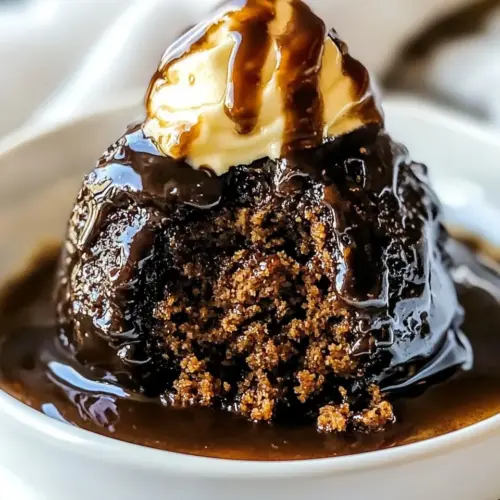
Sticky Toffee Pudding
Sticky Toffee Pudding is a luxuriously moist, date studded cake drenched in warm toffee sauce, offering rich caramel notes and tender texture. This easy winter dessert feels special enough for guests yet simple for weeknight baking, delivering cozy flavors and irresistible sticky edges. Make it to enjoy comforting warmth and a crowd pleasing finish.
Equipment
- Mixing Bowl
- Immersion Blender
- Jumbo muffin pan
- Wire Rack
Ingredients
- 6 ounces pitted dried dates, roughly chopped (for best flavor we recommend medjool dates) Soak and soften to rehydrate dried fruit, adding deep caramel-like sweetness and chewy texture when folded into the batter.
- 1 cup boiling water Pour over chopped dates to bloom their sugars and create a warm liquid base that blends into the batter for moisture.
- 1 teaspoon baking soda Neutralize acidity and react with baking powder to provide lift, ensuring a tender, aerated crumb in the pudding.
- 3/4 cup dark brown sugar (this is a very sweet cake, I prefer to reduce it to 1/2 cup) Sweeten and enrich the cake with molasses notes and color, contributing to the characteristic dark flavor while balancing batter moisture.
- 1/4 cup unsalted butter, softened at room temperature Cream with sugar to incorporate air and fat, lending richness, tenderness, and a smooth mouthfeel to the finished cake.
- 2 large eggs, at room temperature Beat in for structure, leavening assistance, and emulsification, helping to bind ingredients and provide lift and stability.
- 1 tablespoon neutral tasting oil (eg, avocado or canola) Add a light fat to improve tenderness and mouthfeel while helping create a moist crumb without overpowering flavors.
- 1 tablespoon black treacle (can substitute dark molasses) Introduce robust, smoky-sweet depth and traditional toffee-like complexity that complements the dates and dark sugar.
- 1 teaspoon quality pure vanilla extract Enhance and round out flavors with warm, sweet aromatics, emphasizing the dessert’s caramel and date notes.
- 1 1/2 cups all-purpose flour Provide bulk and structure via gluten formation, creating the cake’s body while absorbing liquids for proper texture.
- 1 1/4 teaspoons baking powder Work with baking soda to produce carbon dioxide for rising, contributing to a soft, airy crumb and gentle lift.
- 1/2 teaspoons salt Season and balance sweetness, sharpening flavors and preventing the cake from tasting flat or overly cloying.
- Homemade English Toffee Sauce, for serving Pour over the warm pudding for serving to add glossy, buttery sweetness and create the classic sticky toffee finish.
Instructions
- Preheat the oven to 350 degrees F. Coarsely chop the dates and place them in a bowl. Pour the boiling water over them and stir in the baking soda. Let the dates soak until cooled down. Using an immersion blender or placing them in a regular blender, puree the dates to make a chunky-smooth mixture (don't puree it completely smooth).: You will notice a faint warmth swirl through the kitchen as the oven comes up to 350 degrees F, and setting it early ensures an even bake. The oven reaching the correct temperature is crucial because it controls how the cakes rise and caramelize, producing that golden exterior you want. A common mistake is preheating too late, which can make the cakes dense and underbaked, so set a timer and allow the oven to fully stabilize.
- In a large mixing bowl cream the brown sugar and butter until smooth and pale. Beat in the eggs and oil. Add the black treacle and vanilla extract and beat until combined. In a small bowl, stir together the flour, baking powder and salt. Gradually beat in the flour mixture into the wet mixture just until combined. Add the chunky date puree and beat just until combined.: The sound of knives chopping through soft dates is almost satisfying, and rough chopping keeps small bits for chew in the final cake. Placing them in a bowl prepares them to absorb the hot liquid evenly. If you chop them too fine the texture will be uniform and lose the pleasant bursts of fruit, so aim for uneven, bite sized pieces.
- Generously butter a jumbo/king-sized muffin pan (holds roughly 1 cup). Spoon the batter in until about 2/3 full. Bake the cakes on the middle rack for about 25 minutes (about 40 minutes if using the 8×8 inch cake pan – SEE NOTE) or until a toothpick inserted into the center comes out clean. Let the cakes cool for a few minutes in the tins and then remove and place them on wire rack. Optional: For a more caramelized and moist cake, add about 2 teaspoons of brown sugar and 1/4 tablespoon butter in the bottom of each muffin mold before spooning in the batter (see blog post pictures). We highly recommend it! Additionally, for an extra moist cake you can brush the cake with a little toffee sauce while the cake is still warm to allow it to absorb some of the sauce. Serve drizzled with the warm English Toffee Sauce and if desired some vanilla ice cream, vanilla custard, or some whipped cream.: When you pour the boiling water, steam will rise and the dates begin to soften immediately, releasing sweet aromas. Adding the baking soda helps break down the fruit slightly and creates a tender crumb. Stir gently until everything is combined. A common pitfall is adding cold water, which slows softening; use truly boiling water for best results.
- Let the dates soak until cooled down: As the dates soak, the mixture will steam and smell richly caramelized, and the fruit will swell and become plump. Letting them cool slightly is important to avoid cooking the eggs later when combined with the batter. Rushing this can yield a denser texture, so give it time for the liquid to be absorbed and for the temperature to drop a bit.
- Using an immersion blender or placing them in a regular blender, puree the dates to make a chunky-smooth mixture (don't puree it completely smooth): The puree should be textured, with visible small pieces of dates for chew, and the sound of the blender will turn into a soft hum as the mixture comes together. This chunky texture is why the pudding has delightful mouthfeel. Overblending makes the puree too uniform, losing the contrast that defines a great pudding.
- In a large mixing bowl cream the brown sugar and butter until smooth and pale: Creaming brown sugar with softened butter produces a fluffy base that traps tiny air bubbles, helping the cakes rise gently. The mixture will lighten in color and feel airy to the touch. If the butter is too cold it will not cream properly, so ensure it is pliable at room temperature.
- Beat in the eggs and oil: As you add the eggs one at a time and the neutral tasting oil , the batter will smooth out and shine, with the mixer changing pitch as it becomes more fluid. These ingredients help emulsify the batter and maintain moistness. Adding cold eggs straight from the fridge can cause the batter to seize, so use room temperature eggs .
- Add the black treacle and vanilla extract and beat until combined: Once you stir in the robust note of black treacle and the warm hug of vanilla extract , the batter will darken and the aroma will deepen noticeably. This stage layers the complex caramel flavors that define the pudding. Avoid overmixing at this point, which can introduce excess air and change the crumb.
- In a small bowl, stir together the flour, baking powder and salt: Whisking these dry ingredients creates a uniform leavening distribution, and the faint scent of flour will be neutral and comforting. Properly combining them prevents pockets of baking powder in the batter. Sifting is optional but helpful to avoid lumps; measuring errors here can alter the cake's texture.
- Gradually beat in the flour mixture into the wet mixture just until combined: Add the dry mix slowly so the batter remains smooth, and you will see it thicken and change texture to a spoonable consistency. The batter should be free of streaks but not overworked. Overbeating will develop gluten and make the cake tough, so stop as soon as it looks homogenous.
- Add the chunky date puree and beat just until combined: Folding in the date puree yields a mottled batter studded with fruit, and the scent will turn richer and more caramel forward. This step integrates moisture and flavor, so mix only until the puree is distributed. Mixing too long will break down the texture of the dates , losing the pleasant chew.
- Generously butter a jumbo/king-sized muffin pan (holds roughly 1 cup): Greasing the molds ensures cakes release easily and the butter will sizzle slightly when you spoon in batter, which helps create a caramelized edge. If you skip greasing or use too little the puddings may stick. Apply a generous layer for a clean release.
- Spoon the batter in until about 2/3 full: Filling each mold to two thirds gives the cakes room to rise and form a domed top, and the batter will spread slowly as it bakes. Overfilling can cause spillover and uneven baking, while underfilling yields small, flat cakes. Aim for consistency so all puddings bake evenly.
- Bake the cakes on the middle rack for about 25 minutes (about 40 minutes if using the 8×8 inch cake pan – SEE NOTE) or until a toothpick inserted into the center comes out clean: As the puddings bake you will see the tops turn golden brown and smell a deep caramel aroma, and the kitchen will fill with warm sweetness. Use the toothpick test to confirm doneness; remove when it comes out clean. A common issue is pulling them out too early, which leaves a gummy center, so allow the full bake time.
- Let the cakes cool for a few minutes in the tins and then remove and place them on wire rack: Cooling briefly in the tins allows the structure to set, and transferring to a wire rack keeps air circulating so the bottoms do not steam. You will feel the warmth dissipate from the cakes as they firm slightly. Removing them too soon can cause them to crumble.
- Optional: For a more caramelized and moist cake, add about 2 teaspoons of brown sugar and 1/4 tablespoon butter in the bottom of each muffin mold before spooning in the batter (see blog post pictures) : This little extra layer will bubble and caramelize beneath the cake, producing a sticky base that enhances both texture and flavor. The sizzling sugar and butter create a toffee like layer that is irresistible. Be cautious as this can bubble strongly and may stick to the pan if not well greased.
- Optional: For an extra moist cake you can brush the cake with a little toffee sauce while the cake is still warm to allow it to absorb some of the sauce : Brushing warm puddings with toffee sauce lets the syrup sink into the crumb, making each bite luxuriously moist and sticky. The smell of warm toffee will intensify and the cake will gleam. Avoid pouring cold sauce on hot cakes, which can cool the sauce and limit absorption.
- Serve drizzled with the warm English Toffee Sauce and if desired some vanilla ice cream, vanilla custard, or some whipped cream: The final presentation is all about temperature contrast, with hot sauce meeting cool accompaniments, and that first spoonful of contrast is what makes the dessert sing. Spoon sauce generously so the puddings soak up the flavor. A common serving mistake is skimping on sauce; be generous, your guests will thank you.
Notes
- Reduce the sugar for less sweetness - If 3/4 cup dark brown sugar feels like too much, try 1/2 cup instead; you will retain the molasses depth while making the pudding easier to balance with the toffee sauce.
- Swap treacle sparingly - If you do not have black treacle, use dark molasses in equal measure; the flavor will be slightly different but still rich and caramel forward.
- Prepare the toffee sauce ahead - The toffee sauce can be made days in advance and reheated gently, which makes assembly stress free when hosting.
- Freeze baked puddings for convenience - Wrap cooled puddings tightly and freeze for up to two months, then thaw and warm with extra toffee sauce to refresh their texture.
- Use an 8 by 8 inch pan for a shareable dessert - If you prefer one cake instead of individual puddings, the batter works well in an 8 by 8 inch pan, just extend baking time and test with a toothpick.
- Brush with sauce for extra moisture - Brushing warm cakes with a little toffee sauce lets them absorb more flavor and stay moist when reheated.