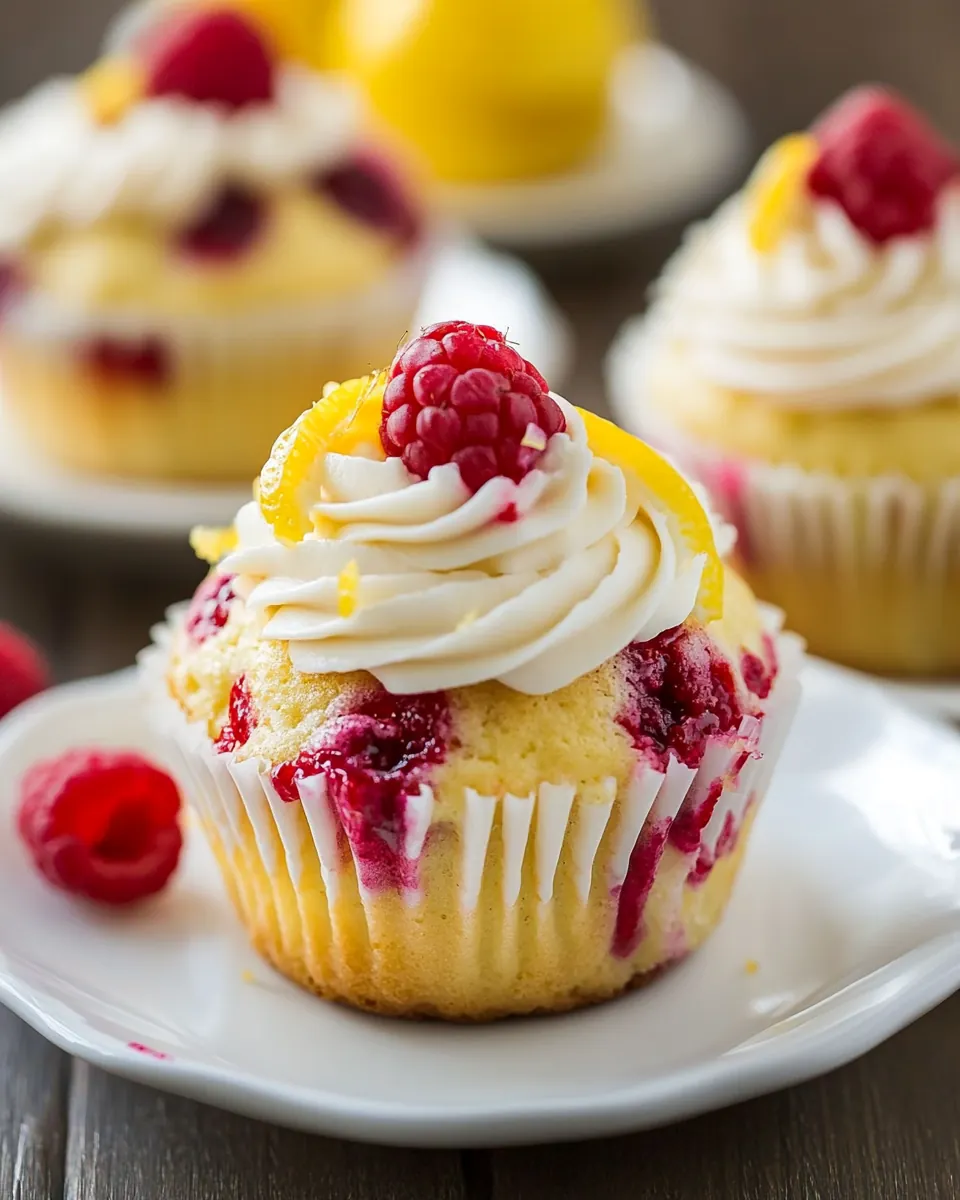
Lemon Raspberry Cupcakes
Lemon Raspberry Cupcakes came into my life on a rainy spring afternoon when I needed something bright and a little festive to lift everyone’s spirits at a family tea.
I remember pulling out a battered recipe card and thinking I wanted cupcakes that tasted like sunshine, yet felt comforting. I swapped a few familiar moves for small tweaks that made the crumb tender and the flavor clear, and the first batch vanished in under an hour. Ever since then I pull this recipe whenever I want the simplicity of a classic cupcake with a citrusy twist and a soft pop of fruit.
When I bake these I think about texture more than showmanship. The batter is silky, the raspberries add little pockets of juiciness, and the frosting balances tang with creaminess, so every bite feels intentional. You can tell when they are done by the scent that fills the kitchen, the way the tops spring back, and the way the raspberries hold their shape. I usually make them for weekend brunches or small parties, and people always ask for the recipe, which is the best compliment.
Recipe Snapshot
42 mins
20 mins
22 mins
Easy
350 kcal
American
Gluten-Free, Low FODMAP
Desserts
Stand mixer or handheld electric mixer, Cupcake tins, Mixing bowls, Rubber spatula, Cooling rack
What Makes This Lemon Raspberry Cupcakes Special
Bright, balanced flavor
I love how Lemon Raspberry Cupcakes deliver a clear citrus note without overpowering the berries. The lemon zest and a touch of lemon extract lift the batter, while the raspberries give fresh fruit brightness. This balance means every bite feels lively, not cloying, which keeps people coming back for more.
Perfect texture every time
What keeps me reaching for this recipe is the plush crumb, thanks to a mix of cake flour, butter, and sour cream. I find that the combination creates cupcakes that are tender yet sturdy enough to hold frosting, so you get both softness and structure on the same forkful.
Foolproof frosting that sings
The cream cheese frosting is tangy and silky, and it pairs with the lemon juice and zest for a bright finish. I appreciate that it holds shape when piped, but still feels delicate in the mouth. It is a reliable crowd pleaser for gatherings where you want something that looks polished but tastes homemade.
Flexible and forgiving
One reason I keep this in my repertoire is how forgiving the recipe is. You can use fresh or frozen raspberries, and minor lapses in mixing rarely ruin the end result. That makes it ideal for bakers who are comfortable experimenting or those who want consistent results on busy days.
Great for celebrations and weeknight baking
These cupcakes work for special occasions and casual treats alike. They dress up beautifully with a raspberry and lemon slice, yet they are simple enough to make any afternoon feel special. I often double the batch because they disappear quickly, which is a testament to their wide appeal.
Recipe Ingredients for Lemon Raspberry Cupcakes
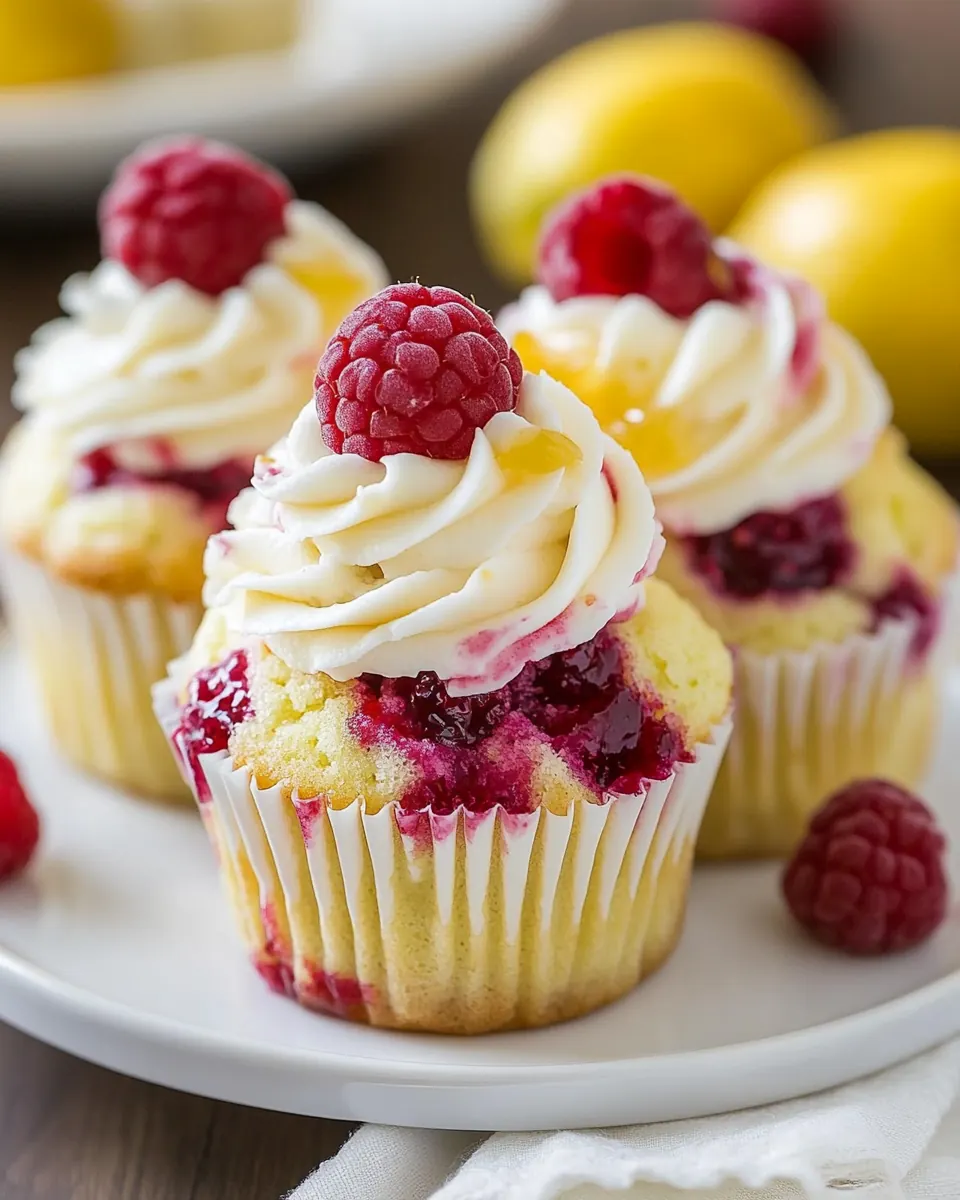
The ingredients here are carefully chosen to create a delicate crumb and a bright, balanced flavor profile. Think of the butter and cake flour as the structural base, the sugar and lemon zest as the flavor engine, and the raspberries as the burst of freshness. The frosting ingredients bring tang and creaminess to finish each cupcake with a glossy crown.
- 2 sticks (8 ounces) unsalted butter, at room temperature: Soften to room temperature and cream with sugar to create a light, airy base that provides richness and structure to the cupcake batter; contributes moisture and a tender crumb while helping leavening agents work effectively.
- 1 teaspoon vanilla extract: Enhance flavor with a warm, familiar aroma that rounds out the sweetness and complements the vanilla notes in the frosting and cake; use sparingly to avoid overpowering delicate citrus and berry flavors.
- 1/2 teaspoon lemon extract: Brighten the batter and frosting with concentrated lemon flavor that intensifies the citrus profile without adding additional liquid; pair carefully with fresh lemon elements to avoid bitterness.
- 2 cups granulated sugar: Sweeten and stabilize the batter when creamed with butter, aiding in aeration for lighter cupcakes; also balances tartness from lemon and raspberries while contributing bulk and structure.
- 2 teaspoons lemon zest: Infuse intense citrus oils into the batter by finely grating zest, adding vibrant lemon aroma and flavor that complements both cake and frosting without extra acidity.
- 4 large eggs, at room temperature: Incorporate as whole eggs at room temperature to emulsify fats and liquids, adding structure, richness, and moisture while helping to trap air for leavening and tender crumb.
- 1 cup full-fat sour cream: Provide tanginess and moisture while enriching batter with acidity that reacts with baking soda for lift; contributes to a tender, slightly tangy crumb that balances sweet components.
- 1/2 cup whole milk: Adjust batter consistency while adding richness and milk fat; use to thin heavy batter if needed and help dissolve sugar and dry ingredients for uniform texture.
- 3 and 1/4 cups plus 3 tablespoons cake flour, divided: Supply the primary flour component for structure and lightness; cake flour’s lower protein content results in a finer, softer crumb ideal for delicate cupcakes, with the split measurement allowing for staged incorporation.
- 1 and 1/2 teaspoons baking powder: Leaven the batter by producing carbon dioxide during mixing and baking, contributing to lift and tender crumb; works with baking soda and acidic ingredients for optimal rise.
- 1/2 teaspoon baking soda: React with acidic ingredients to produce additional lift and tenderize the crumb; also helps neutralize tang from sour cream for balanced flavor and proper texture.
- 3/4 teaspoons salt: Season the batter by enhancing and balancing sweetness and acidity; a small amount helps to round flavors and make the citrus and raspberry notes pop without tasting salty.
- 1 and 1/2 cups raspberries, fresh or frozen, if using frozen don't thaw first: Introduce bright fruity pockets and natural tartness that contrast the sweet cake and frosting; can be folded in gently to preserve shape and prevent color bleed into batter.
- 12 ounces cream cheese, VERY soft: Soften until very smooth to create a creamy, stable frosting base that adds tang and richness; cream cheese contributes moisture and characteristic tang which pairs well with lemon and raspberries.
- 1/2 cup unsalted butter, VERY soft: Soften to very soft consistency and beat with cream cheese to add richness and structure to the frosting; butter helps achieve a silky mouthfeel and stabilizes texture.
- 1/2 teaspoon lemon extract: Complement the cream cheese with an extra dose of lemon flavor in the frosting, enhancing citrus brightness and tying the frosting flavor to the lemon in the cake without altering texture.
- 4 and 1/2 cups confectioners' sugar, sifted, more if needed: Sweeten and thicken the frosting while providing a smooth, pipeable consistency once sifted; confectioners’ sugar balances tang and bulk, enabling stable peaks and glossy finish.
- 2 tablespoons fresh lemon juice: Add fresh acidity to the frosting to balance sweetness and amplify lemon flavor; juice also helps thin frosting slightly for spreading while contributing natural citrus brightness.
- 1 teaspoon fresh lemon zest: Provide a final aromatic boost and concentrated citrus flavor for garnish or incorporation into frosting; fresh zest adds texture and intense lemon oils that elevate overall aroma.
Instructions for Lemon Raspberry Cupcakes
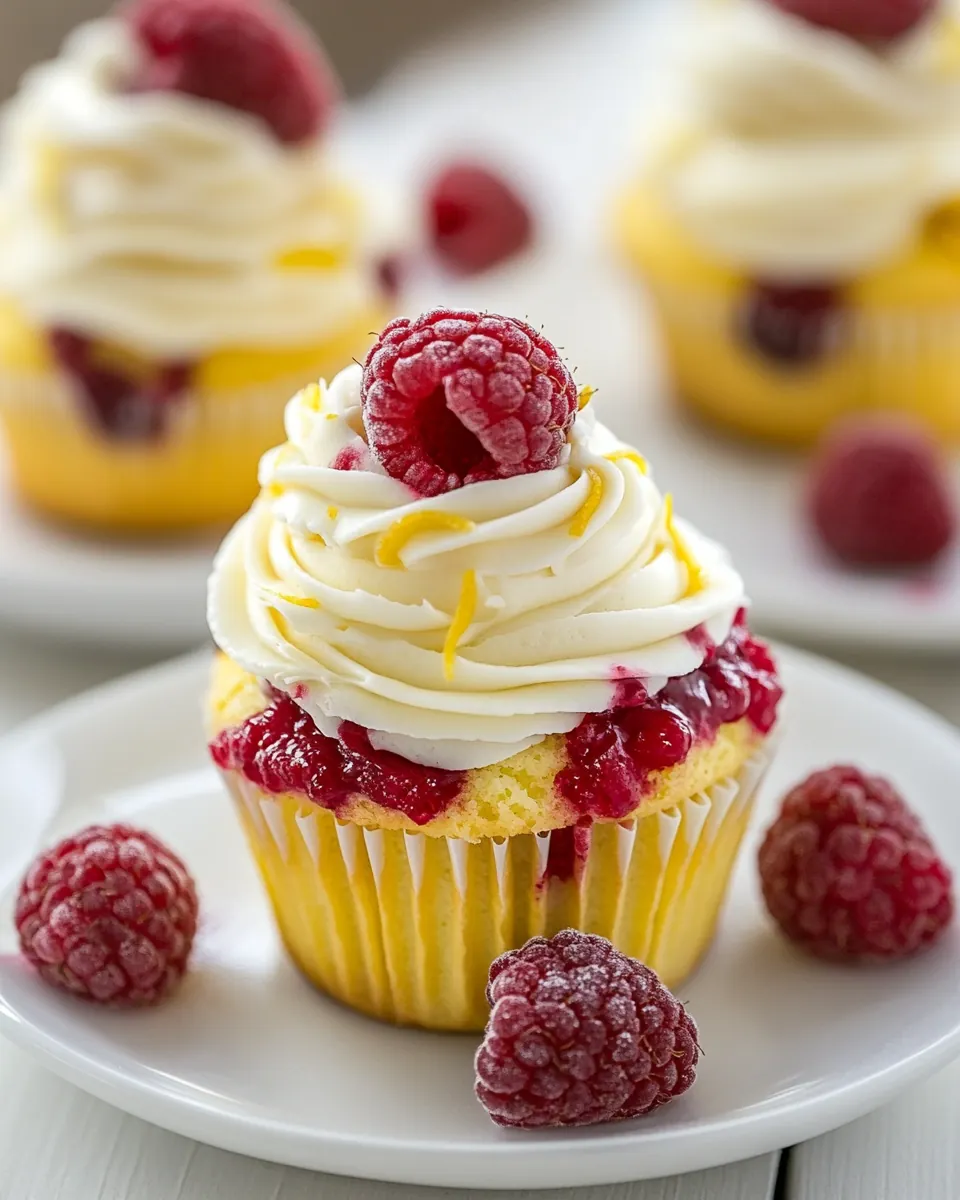
These instructions are conversational and meant to guide you through each stage with confidence. I like to move deliberately but without fuss, and I describe the sensory cues so you know how the batter and cupcakes should look and feel at every turn.
- Preheat oven to 350 degrees (F).: When your oven reaches 350 degrees F you will smell a faint warmth and the rack should feel evenly heated when you briefly place a hand near the open door, the heat should be steady not blasting. This temperature ensures even rising and a tender crumb without overbrowning, which matters because too hot an oven sets the exterior before the interior has a chance to rise properly. A common mistake is not letting the oven fully preheat, which can cause uneven texture and undercooked centers; always give it time to stabilize and use an oven thermometer if yours runs hot or cool.
- Line 2 cupcake tins with paper liners; set aside. In the bowl of a stand mixer fitted with the paddle attachment, or in a large bowl using a handheld electric mixer, beat the butter, vanilla extract, lemon extract, sugar, and lemon zest on medium-speed until light and fluffy, about 2 minutes. Add in the eggs, one at a time, beating well after each addition. On low speed, beat in the sour cream, then the milk. Turn mixer off. Add in 3 and 1/4 cups of the cake flour, baking powder, baking soda, and salt. Use a fork to lightly toss the dry ingredients together. Using a rubber spatula, gently fold the dry ingredients into the batter, mixing just until combined. Be sure not to over mix here or your cupcakes will be dense! Set aside. In a small bowl combine the remaining 3 tablespoons of flour with the raspberries; toss to coat. Using a rubber spatula, gently fold the raspberries and any excess flour into the batter, stirring just until combined. Spoon batter into prepared cupcake tins (filling each mold 3/4 of the way). Bake one pan at a time, for about 22 minutes, or until a cupcake tester inserted in the center of a cupcake comes out clean, or with just a few moist crumbs attached. Cool in the pan for 10 minutes then transfer cupcakes to a cooling rack. Cool completely before frosting.: The liners should sit snugly in each mold with no air pockets, which prevents batter from leaking and gives the cupcakes a clean edge as they bake. You will notice the liners soften slightly as they fill with batter, and they make removing cupcakes simple. If you skip liners you risk sticking and tearing when you try to extract cupcakes, so use them for best presentation and easy cleanup.
- In the bowl of a stand-mixer fitted with the paddle attachment, or in a large bowl using an electric handheld mixer, beat the cream cheese, butter, and lemon extract on medium-high speed until completely smooth; about 2 minutes. Reduce the speed to low and gradually add the sifted confectioners' sugar. Add in the lemon juice and zest. Once incorporated, increase speed to medium-high and beat for 1-2 minutes. Once the cupcakes have completely cooled, spread or pipe the frosting on top of the cupcakes. Decorate with fresh raspberries and a lemon slice, if desired.: As you cream the butter and sugar , the mixture should lighten in color and increase in volume; you will hear a gentle whir from the mixer and see tiny air pockets appear, which create lift. The lemon zest will release fragrant oils that make the kitchen smell bright and citrusy. Overbeating at high speed can cause the mixture to become greasy, while underbeating leaves a dense batter, so aim for a pale, airy texture about two minutes on medium speed.
- Cupcakes are best the day they are made, but will keep, covered and stored in the fridge, for 3 days. Bring to room temperature before serving.: As you incorporate each egg , the batter will become smoother and more cohesive, with a glossy sheen that indicates proper emulsification. Adding eggs slowly prevents curdling and ensures an even structure. A common error is dumping eggs in all at once, which can separate the mixture; if that happens, reduce speed and mix gently until the batter comes back together.
- Beat in the sour cream on low speed, then the milk: The sour cream adds silkiness and tang, and mixing it in on low keeps the batter from splattering while preserving trapped air. Once the sour cream is incorporated, the batter will feel slightly thicker, and the addition of milk brings it to a spoonable consistency. Mixing too vigorously can deflate your batter, so fold or beat on low for a smooth, unified texture.
- Add 3 and 1/4 cups cake flour, baking powder, baking soda, and salt: The dry ingredients should be combined so you have a uniform powder; when you fold them in gently the batter will change from glossy to slightly thicker and soft. The cake flour keeps the crumb fine, while baking powder and baking soda provide lift. Overmixing here will develop gluten and make cupcakes tough, so stop as soon as the streaks disappear.
- Fold dry ingredients into the batter just until combined: The batter will show no visible streaks of flour but will still be light and aerated, and you should use wide folding motions to preserve air. You will see the batter move like thick ribbon when you lift the spatula, which is a good indicator to stop. A typical mistake is vigorous stirring that knocks out air and results in dense cupcakes, so fold gently and steadily.
- Toss remaining 3 tablespoons of flour with raspberries: Coating the raspberries in a bit of flour helps prevent them from sinking and bleeding into the batter, and the raspberries will look slightly dusted after tossing. This step keeps the berries suspended and helps maintain pretty pockets of fruit. If you skip this the berries may sink to the bottom or release juice that discolors the cupcake interior.
- Fold raspberries and excess flour into the batter until combined: You should see specks of red throughout the batter without large clumps, and the raspberries should be distributed evenly. Folding gently protects the berries from breaking apart, so you still have intact fruit when baked. Overmixing at this stage will mash the raspberries and create streaks, so be gentle and stop when distribution looks even.
- Spoon batter into prepared cupcake tins filling each mold 3/4 of the way: Filling to about 3/4 capacity gives room for the cupcakes to rise and develop domed tops without spilling over. The batter should be smooth and thick, holding its shape slightly when spooned. If you underfill you get small cupcakes, and if you overfill they can overflow and bake unevenly, so be measured and consistent with each cup.
- Bake one pan at a time for about 22 minutes or until a tester comes out clean: As they bake you will notice a sweet, citrus aroma filling the kitchen and the tops will turn a pale golden shade. The cupcakes are done when a tester inserted into the center comes out clean or with a few moist crumbs attached. Baking multiple pans at once can change heat circulation and cause uneven results; for consistent texture bake single pans unless you know your oven handles multiple pans well.
- Cool in the pan for 10 minutes then transfer to a cooling rack: Letting them rest in the pan allows the structure to set so they do not collapse when moved, and after 10 minutes the cupcakes should slide out easily onto a cooling rack. You will see steam dissipate and the tops stop feeling warm when they are ready to move. Moving them too soon can cause them to tear or sink, so wait the full ten minutes before transferring.
- Cool completely before frosting: The cupcakes must be fully cooled, not warm to the touch, so the frosting does not melt or slide off; this can take up to an hour depending on room temperature. Cooling also helps flavors settle and avoids a runny frosting finish. Frosting warm cupcakes is a common mistake that results in collapsed swirls and messy presentation.
- Beat cream cheese, butter, and lemon extract until completely smooth: The frosting base should be silky and lump free, and mixing at medium high speed for about two minutes achieves a uniform texture and glossy finish. You will smell bright lemon and tangy cream cheese as you blend. If the cream cheese is not very soft you will get lumps, so ensure proper softness before starting.
- Reduce speed and gradually add sifted confectioners' sugar, then lemon juice and zest: Adding the confectioners' sugar slowly prevents a powdered sugar cloud and helps you control sweetness. Once the sugar is incorporated, the lemon juice and zest brighten the mix and balance the sweetness. If the frosting becomes too thin add more sifted sugar; if too stiff add a teaspoon of milk or lemon juice to adjust consistency.
- Increase speed and beat for 1 to 2 minutes until fluffy: Whipping the frosting at a higher speed aerates it so it becomes light and pipeable, and you will notice a change to a loftier texture. This step gives the frosting body for neat piping and appearance. Be careful not to overbeat for too long, which can make it too airy and unstable for piping detailed decorations.
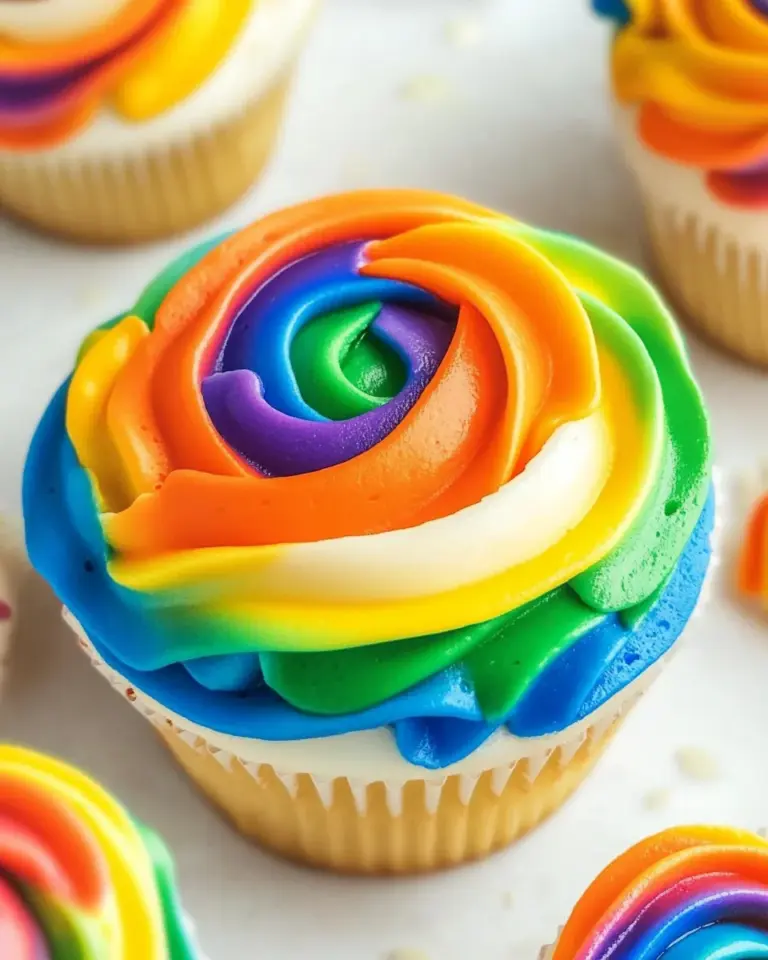
- Spread or pipe frosting onto completely cooled cupcakes and decorate: The frosting should hold peaks when piped and feel smooth on the tongue, and adding a fresh raspberry or lemon slice makes each cupcake visually appealing. Work with a steady hand and keep designs simple for the best results. Decorating too early or on warm cupcakes will cause the frosting to slide and lose shape.
- Store covered in the fridge for up to 3 days and bring to room temperature before serving: Chilling helps the frosting set and keeps the cupcakes fresh, but serve them at room temperature for optimal texture and flavor, about 20 to 30 minutes out of the fridge. If left out too long they may dry, so refrigerate if storing beyond a day. A common oversight is leaving them uncovered which leads to a dry surface and loss of freshness.
Helpful Notes about Lemon Raspberry Cupcakes
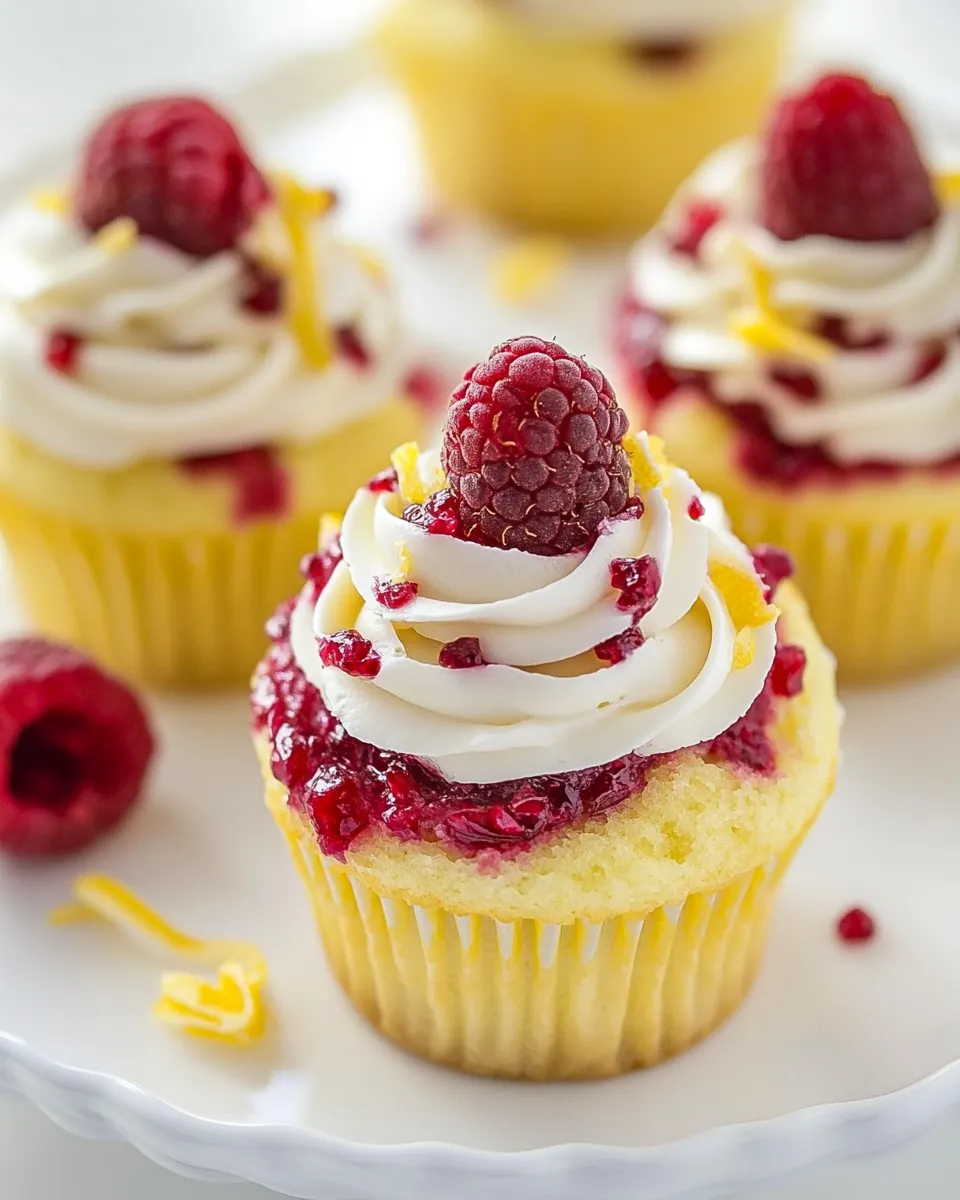
These notes expand on small techniques that make a big difference. I include practical tweaks that I rely on whether I am baking for a crowd or a quiet afternoon treat.
- Softening dairy — Make sure both the cream cheese and butter for the frosting are very soft to avoid lumps; if your cream cheese is too cold beat it with a spoon in a warm bowl for a minute before mixing.
- Even filling — Use an ice cream scoop to fill cupcake liners uniformly, this helps all cupcakes bake at the same rate and produce consistent domes.
- Oven calibration — If you bake often, keep an oven thermometer handy; many ovens run hot or cool, and consistent temperature prevents underbaked centers or overbrowned tops.
- Frozen raspberries — Use frozen raspberries straight from the freezer for minimal color bleed; tossing them in flour is essential to keep them suspended in the batter.
- Frosting adjustments — If the frosting is too sweet or thick, add a teaspoon of lemon juice at a time to thin and brighten until you reach the desired balance.
What to Serve With Lemon Raspberry Cupcakes
These cupcakes are versatile and pair well with light beverages and seasonal sides. I often serve them at brunch or celebrations, and they work well with both casual and slightly formal spreads.
- Tea or coffee — A mild black tea or a light roast coffee complements the citrus without overpowering the delicate raspberry notes, making it perfect for an afternoon tea.
- Fresh fruit platter — Serve alongside sliced seasonal fruits like strawberries or kiwi to echo the fresh fruit element and provide a colorful contrast on the table.
- Brunch buffet — These cupcakes pair nicely with egg dishes, yogurt parfaits, and pastries when included on a brunch spread, adding a sweet citrus option among savory items.
- Party dessert table — Arrange them with other small desserts like lemon bars or shortbread for a varied dessert selection that keeps guests sampling different flavors.
- Storage and transport — Keep frosted cupcakes in a covered container in the fridge for up to three days and bring them to room temperature before serving for best texture. For travel, chill briefly to firm the frosting and use a cupcake carrier to protect decorations.
- Seasonal pairing — In spring, pair with light salads and floral arrangements; in summer, set them out with chilled beverages and fresh berry salads for outdoor gatherings.
FAQ
Conclusion
Lemon Raspberry Cupcakes combine bright citrus, fresh berry bursts, and a silky cream cheese frosting to create a dessert that feels both celebratory and comforting. I encourage you to try this recipe because its straightforward techniques yield consistent, crowd pleasing results that work for brunches, parties, or a special treat any day. Bake a batch, taste how the lemon and raspberry play together, and enjoy how quickly these little cakes can brighten a table and a mood.
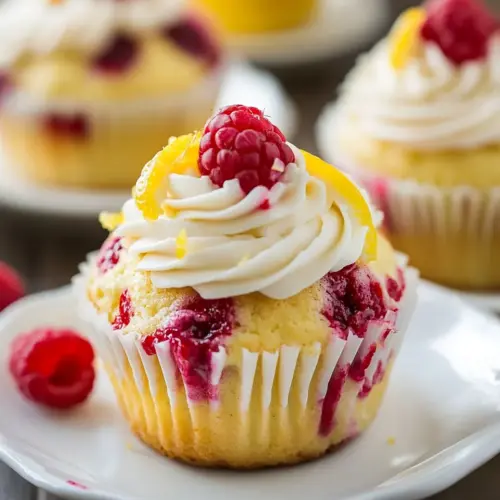
Lemon Raspberry Cupcakes
Equipment
- Stand mixer or handheld electric mixer
- Cupcake tins
- Mixing Bowls
- Rubber spatula
- Cooling rack
Ingredients
- 2 sticks (8 ounces) unsalted butter, at room temperature Soften to room temperature and cream with sugar to create a light, airy base that provides richness and structure to the cupcake batter; contributes moisture and a tender crumb while helping leavening agents work effectively.
- 1 teaspoon vanilla extract Enhance flavor with a warm, familiar aroma that rounds out the sweetness and complements the vanilla notes in the frosting and cake; use sparingly to avoid overpowering delicate citrus and berry flavors.
- 1/2 teaspoon lemon extract Brighten the batter and frosting with concentrated lemon flavor that intensifies the citrus profile without adding additional liquid; pair carefully with fresh lemon elements to avoid bitterness.
- 2 cups granulated sugar Sweeten and stabilize the batter when creamed with butter, aiding in aeration for lighter cupcakes; also balances tartness from lemon and raspberries while contributing bulk and structure.
- 2 teaspoons lemon zest Infuse intense citrus oils into the batter by finely grating zest, adding vibrant lemon aroma and flavor that complements both cake and frosting without extra acidity.
- 4 large eggs, at room temperature Incorporate as whole eggs at room temperature to emulsify fats and liquids, adding structure, richness, and moisture while helping to trap air for leavening and tender crumb.
- 1 cup full-fat sour cream Provide tanginess and moisture while enriching batter with acidity that reacts with baking soda for lift; contributes to a tender, slightly tangy crumb that balances sweet components.
- 1/2 cup whole milk Adjust batter consistency while adding richness and milk fat; use to thin heavy batter if needed and help dissolve sugar and dry ingredients for uniform texture.
- 3 and 1/4 cups plus 3 tablespoons cake flour, divided Supply the primary flour component for structure and lightness; cake flour’s lower protein content results in a finer, softer crumb ideal for delicate cupcakes, with the split measurement allowing for staged incorporation.
- 1 and 1/2 teaspoons baking powder Leaven the batter by producing carbon dioxide during mixing and baking, contributing to lift and tender crumb; works with baking soda and acidic ingredients for optimal rise.
- 1/2 teaspoon baking soda React with acidic ingredients to produce additional lift and tenderize the crumb; also helps neutralize tang from sour cream for balanced flavor and proper texture.
- 3/4 teaspoons salt Season the batter by enhancing and balancing sweetness and acidity; a small amount helps to round flavors and make the citrus and raspberry notes pop without tasting salty.
- 1 and 1/2 cups raspberries, fresh or frozen, if using frozen don't thaw first Introduce bright fruity pockets and natural tartness that contrast the sweet cake and frosting; can be folded in gently to preserve shape and prevent color bleed into batter.
- 12 ounces cream cheese, VERY soft Soften until very smooth to create a creamy, stable frosting base that adds tang and richness; cream cheese contributes moisture and characteristic tang which pairs well with lemon and raspberries.
- 1/2 cup unsalted butter, VERY soft Soften to very soft consistency and beat with cream cheese to add richness and structure to the frosting; butter helps achieve a silky mouthfeel and stabilizes texture.
- 1/2 teaspoon lemon extract Complement the cream cheese with an extra dose of lemon flavor in the frosting, enhancing citrus brightness and tying the frosting flavor to the lemon in the cake without altering texture.
- 4 and 1/2 cups confectioners' sugar, sifted, more if needed Sweeten and thicken the frosting while providing a smooth, pipeable consistency once sifted; confectioners’ sugar balances tang and bulk, enabling stable peaks and glossy finish.
- 2 tablespoons fresh lemon juice Add fresh acidity to the frosting to balance sweetness and amplify lemon flavor; juice also helps thin frosting slightly for spreading while contributing natural citrus brightness.
- 1 teaspoon fresh lemon zest Provide a final aromatic boost and concentrated citrus flavor for garnish or incorporation into frosting; fresh zest adds texture and intense lemon oils that elevate overall aroma.
Instructions
- Preheat oven to 350 degrees (F).: When your oven reaches 350 degrees F you will smell a faint warmth and the rack should feel evenly heated when you briefly place a hand near the open door, the heat should be steady not blasting. This temperature ensures even rising and a tender crumb without overbrowning, which matters because too hot an oven sets the exterior before the interior has a chance to rise properly. A common mistake is not letting the oven fully preheat, which can cause uneven texture and undercooked centers; always give it time to stabilize and use an oven thermometer if yours runs hot or cool.
- Line 2 cupcake tins with paper liners; set aside. In the bowl of a stand mixer fitted with the paddle attachment, or in a large bowl using a handheld electric mixer, beat the butter, vanilla extract, lemon extract, sugar, and lemon zest on medium-speed until light and fluffy, about 2 minutes. Add in the eggs, one at a time, beating well after each addition. On low speed, beat in the sour cream, then the milk. Turn mixer off. Add in 3 and 1/4 cups of the cake flour, baking powder, baking soda, and salt. Use a fork to lightly toss the dry ingredients together. Using a rubber spatula, gently fold the dry ingredients into the batter, mixing just until combined. Be sure not to over mix here or your cupcakes will be dense! Set aside. In a small bowl combine the remaining 3 tablespoons of flour with the raspberries; toss to coat. Using a rubber spatula, gently fold the raspberries and any excess flour into the batter, stirring just until combined. Spoon batter into prepared cupcake tins (filling each mold 3/4 of the way). Bake one pan at a time, for about 22 minutes, or until a cupcake tester inserted in the center of a cupcake comes out clean, or with just a few moist crumbs attached. Cool in the pan for 10 minutes then transfer cupcakes to a cooling rack. Cool completely before frosting.: The liners should sit snugly in each mold with no air pockets, which prevents batter from leaking and gives the cupcakes a clean edge as they bake. You will notice the liners soften slightly as they fill with batter, and they make removing cupcakes simple. If you skip liners you risk sticking and tearing when you try to extract cupcakes, so use them for best presentation and easy cleanup.
- In the bowl of a stand-mixer fitted with the paddle attachment, or in a large bowl using an electric handheld mixer, beat the cream cheese, butter, and lemon extract on medium-high speed until completely smooth; about 2 minutes. Reduce the speed to low and gradually add the sifted confectioners' sugar. Add in the lemon juice and zest. Once incorporated, increase speed to medium-high and beat for 1-2 minutes. Once the cupcakes have completely cooled, spread or pipe the frosting on top of the cupcakes. Decorate with fresh raspberries and a lemon slice, if desired.: As you cream the butter and sugar , the mixture should lighten in color and increase in volume; you will hear a gentle whir from the mixer and see tiny air pockets appear, which create lift. The lemon zest will release fragrant oils that make the kitchen smell bright and citrusy. Overbeating at high speed can cause the mixture to become greasy, while underbeating leaves a dense batter, so aim for a pale, airy texture about two minutes on medium speed.
- Cupcakes are best the day they are made, but will keep, covered and stored in the fridge, for 3 days. Bring to room temperature before serving.: As you incorporate each egg , the batter will become smoother and more cohesive, with a glossy sheen that indicates proper emulsification. Adding eggs slowly prevents curdling and ensures an even structure. A common error is dumping eggs in all at once, which can separate the mixture; if that happens, reduce speed and mix gently until the batter comes back together.
- Beat in the sour cream on low speed, then the milk: The sour cream adds silkiness and tang, and mixing it in on low keeps the batter from splattering while preserving trapped air. Once the sour cream is incorporated, the batter will feel slightly thicker, and the addition of milk brings it to a spoonable consistency. Mixing too vigorously can deflate your batter, so fold or beat on low for a smooth, unified texture.
- Add 3 and 1/4 cups cake flour, baking powder, baking soda, and salt: The dry ingredients should be combined so you have a uniform powder; when you fold them in gently the batter will change from glossy to slightly thicker and soft. The cake flour keeps the crumb fine, while baking powder and baking soda provide lift. Overmixing here will develop gluten and make cupcakes tough, so stop as soon as the streaks disappear.
- Fold dry ingredients into the batter just until combined: The batter will show no visible streaks of flour but will still be light and aerated, and you should use wide folding motions to preserve air. You will see the batter move like thick ribbon when you lift the spatula, which is a good indicator to stop. A typical mistake is vigorous stirring that knocks out air and results in dense cupcakes, so fold gently and steadily.
- Toss remaining 3 tablespoons of flour with raspberries: Coating the raspberries in a bit of flour helps prevent them from sinking and bleeding into the batter, and the raspberries will look slightly dusted after tossing. This step keeps the berries suspended and helps maintain pretty pockets of fruit. If you skip this the berries may sink to the bottom or release juice that discolors the cupcake interior.
- Fold raspberries and excess flour into the batter until combined: You should see specks of red throughout the batter without large clumps, and the raspberries should be distributed evenly. Folding gently protects the berries from breaking apart, so you still have intact fruit when baked. Overmixing at this stage will mash the raspberries and create streaks, so be gentle and stop when distribution looks even.
- Spoon batter into prepared cupcake tins filling each mold 3/4 of the way: Filling to about 3/4 capacity gives room for the cupcakes to rise and develop domed tops without spilling over. The batter should be smooth and thick, holding its shape slightly when spooned. If you underfill you get small cupcakes, and if you overfill they can overflow and bake unevenly, so be measured and consistent with each cup.
- Bake one pan at a time for about 22 minutes or until a tester comes out clean: As they bake you will notice a sweet, citrus aroma filling the kitchen and the tops will turn a pale golden shade. The cupcakes are done when a tester inserted into the center comes out clean or with a few moist crumbs attached. Baking multiple pans at once can change heat circulation and cause uneven results; for consistent texture bake single pans unless you know your oven handles multiple pans well.
- Cool in the pan for 10 minutes then transfer to a cooling rack: Letting them rest in the pan allows the structure to set so they do not collapse when moved, and after 10 minutes the cupcakes should slide out easily onto a cooling rack. You will see steam dissipate and the tops stop feeling warm when they are ready to move. Moving them too soon can cause them to tear or sink, so wait the full ten minutes before transferring.
- Cool completely before frosting: The cupcakes must be fully cooled, not warm to the touch, so the frosting does not melt or slide off; this can take up to an hour depending on room temperature. Cooling also helps flavors settle and avoids a runny frosting finish. Frosting warm cupcakes is a common mistake that results in collapsed swirls and messy presentation.
- Beat cream cheese, butter, and lemon extract until completely smooth: The frosting base should be silky and lump free, and mixing at medium high speed for about two minutes achieves a uniform texture and glossy finish. You will smell bright lemon and tangy cream cheese as you blend. If the cream cheese is not very soft you will get lumps, so ensure proper softness before starting.
- Reduce speed and gradually add sifted confectioners' sugar, then lemon juice and zest: Adding the confectioners' sugar slowly prevents a powdered sugar cloud and helps you control sweetness. Once the sugar is incorporated, the lemon juice and zest brighten the mix and balance the sweetness. If the frosting becomes too thin add more sifted sugar; if too stiff add a teaspoon of milk or lemon juice to adjust consistency.
- Increase speed and beat for 1 to 2 minutes until fluffy: Whipping the frosting at a higher speed aerates it so it becomes light and pipeable, and you will notice a change to a loftier texture. This step gives the frosting body for neat piping and appearance. Be careful not to overbeat for too long, which can make it too airy and unstable for piping detailed decorations.
- Spread or pipe frosting onto completely cooled cupcakes and decorate: The frosting should hold peaks when piped and feel smooth on the tongue, and adding a fresh raspberry or lemon slice makes each cupcake visually appealing. Work with a steady hand and keep designs simple for the best results. Decorating too early or on warm cupcakes will cause the frosting to slide and lose shape.
- Store covered in the fridge for up to 3 days and bring to room temperature before serving: Chilling helps the frosting set and keeps the cupcakes fresh, but serve them at room temperature for optimal texture and flavor, about 20 to 30 minutes out of the fridge. If left out too long they may dry, so refrigerate if storing beyond a day. A common oversight is leaving them uncovered which leads to a dry surface and loss of freshness.
Notes
- Softening dairy — Make sure both the cream cheese and butter for the frosting are very soft to avoid lumps; if your cream cheese is too cold beat it with a spoon in a warm bowl for a minute before mixing.
- Even filling — Use an ice cream scoop to fill cupcake liners uniformly, this helps all cupcakes bake at the same rate and produce consistent domes.
- Oven calibration — If you bake often, keep an oven thermometer handy; many ovens run hot or cool, and consistent temperature prevents underbaked centers or overbrowned tops.
- Frozen raspberries — Use frozen raspberries straight from the freezer for minimal color bleed; tossing them in flour is essential to keep them suspended in the batter.
- Frosting adjustments — If the frosting is too sweet or thick, add a teaspoon of lemon juice at a time to thin and brighten until you reach the desired balance.