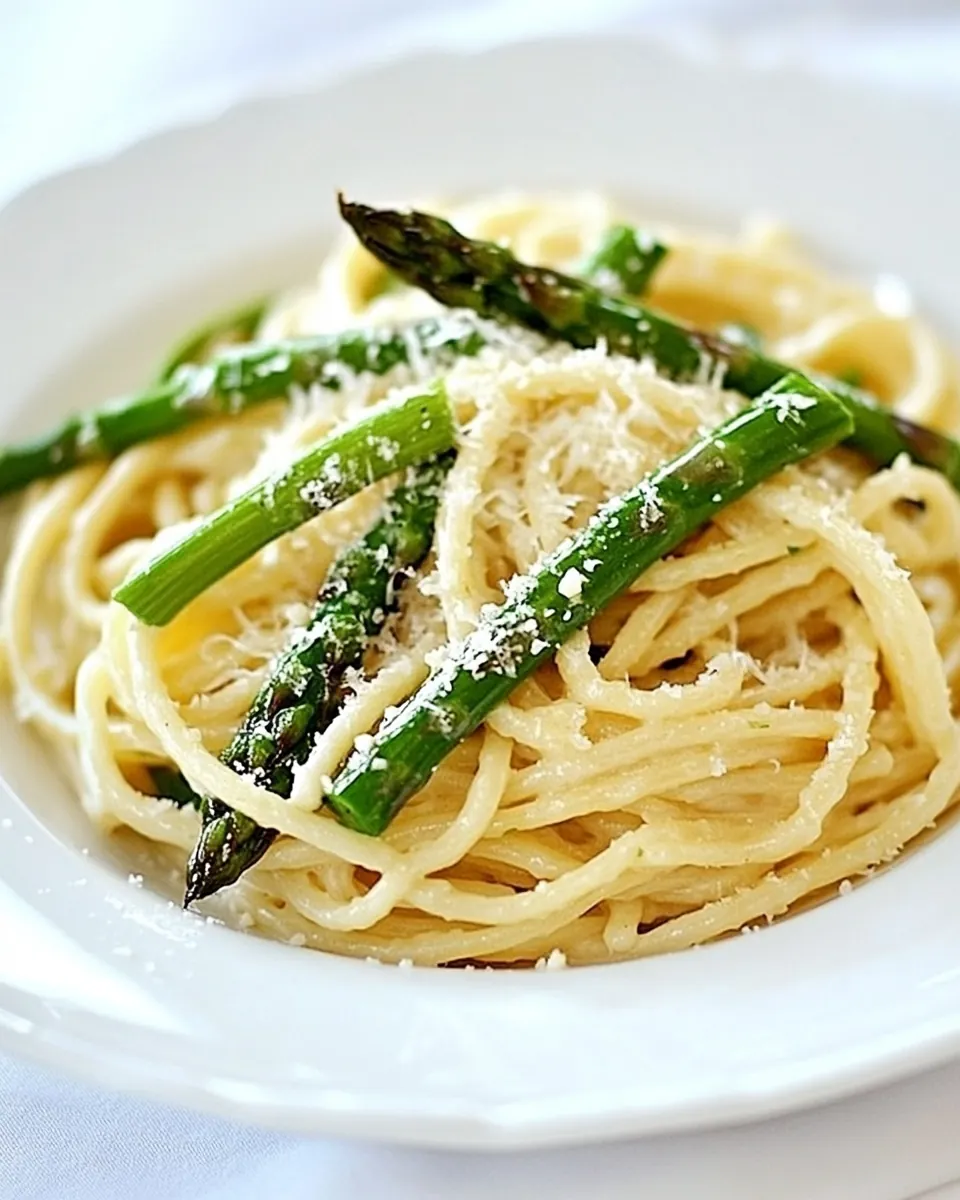
Pasta with Asparagus
Pasta with Asparagus is one of those weekday meals I reach for when I want something quick that still tastes thoughtful and comforting.
I first made Pasta with Asparagus on a sudden spring afternoon when my fridge held just a few bright green stalks and a forgotten packet of pasta. I remember standing at the stove, listening to the water come to a boil, while the scent of crushed garlic hit the pan and filled the kitchen. The combination of the earthy, slightly grassy asparagus and the creamy, savory bite of grated Parmigiano-Reggiano cheese felt like a revelation, especially when the yolk-based sauce clung to each strand of pasta.
Since then I’ve adapted the recipe many times, sometimes swapping pasta shapes, sometimes using a little more reserved cooking liquid to loosen the sauce, but the heart of the dish stays the same: simple ingredients that sing together. I like that this recipe asks you to pay attention for a few minutes, to taste and adjust, and that it rewards you with a meal that feels both homey and a little elegant.
When I serve Pasta with Asparagus, I often think about balancing textures, making sure the asparagus is tender but still crisp, and that the sauce is silky rather than scrambled. It’s a great way to showcase spring produce, and it comes together fast enough to make weeknights feel a bit special.
Recipe Snapshot
25 mins
5 mins
20 mins
Medium
450 kcal
Italian
Gluten-Free, Low FODMAP
Dinner
Large pot, Colander, Sauté pan, Small bowl
Why This Pasta with Asparagus Stands Out
Bright seasonal flavor
I love how asparagus brings a fresh, green brightness to Pasta with Asparagus. The vegetable’s grassy notes cut through the richness of the cheese and egg yolk, creating a lively contrast. When the spears are cooked just until tender crisp, their natural sweetness and slight snap make each bite interesting and satisfying.
Speed without sacrificing care
This dish feels like it took more time than it did. I value recipes that let me move quickly but still require a little attention, and Pasta with Asparagus does just that. Boiling the asparagus first and saving some of the cooking liquid gives you a shortcut to a glossy sauce without fuss.
Minimal ingredients, maximum impact
I always appreciate recipes that rely on a few quality items rather than a long shopping list. With pasta, asparagus, garlic, egg yolk, and Parmigiano-Reggiano cheese, you get a range of textures and flavors that feel complete. Each component plays a clear role, so you learn how simple swaps or small adjustments affect the final result.
Technique that teaches
Making the silky sauce for Pasta with Asparagus is a small lesson in temperature and timing. I like guiding home cooks through the moment when egg and cheese bind with starchy water to create cohesion, because it builds confidence and it demystifies an elegant texture that often seems fancy.
Versatility at the table
Finally, this recipe adapts well for different occasions. I’ve made it for quick family dinners, for quiet lunches, and for inviting friends over when I want to serve something unfussy but memorable. It’s easy to scale up, and with a few tweaks you can make it feel more rustic or more refined depending on the mood.
Ingredients to Make Pasta with Asparagus
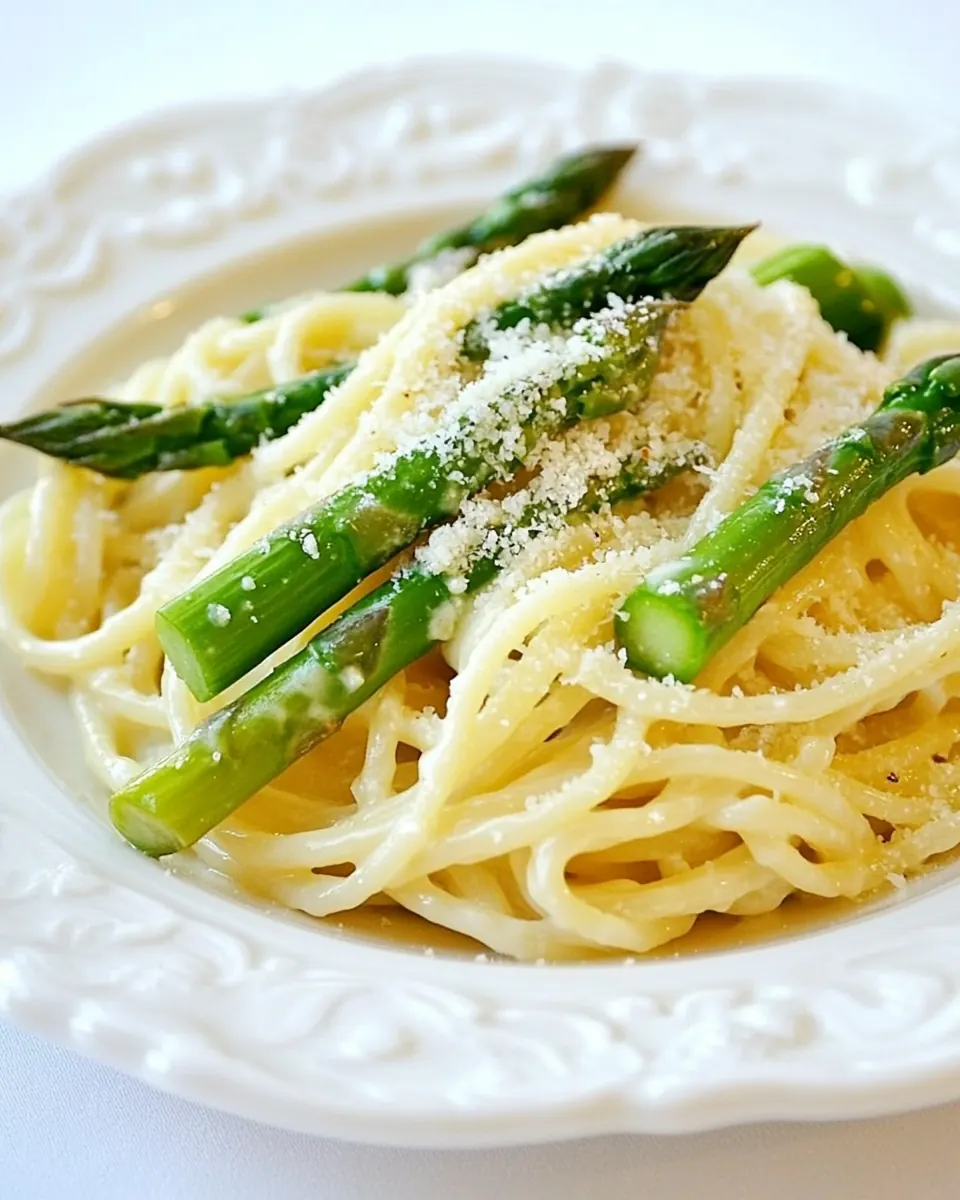
These ingredients are purposely simple, each contributing a clear purpose. The pasta provides the chewy base that carries the sauce, the asparagus brings seasonal brightness and texture, and the egg yolk and Parmigiano-Reggiano cheese combine to form a silky coating. The reserved cooking liquid acts as a natural emulsifier, turning starchy water into a glossy, clingy sauce.
- 1 lb thin asparagus, cut into 2" pieces (tough ends trimmed): Trimmed and sliced into 2-inch pieces to provide tender, bright vegetable bites that cook quickly; adds fresh green flavor and slight crunch to balance the pasta's texture. Releases vegetal juices when sautéed or blanched, contributing subtle sweetness and color to the dish that complements the cheese and egg yolk. Choosing thin asparagus ensures even cooking and avoids fibrous, tough ends that can detract from the finished mouthfeel.
- 6 oz uncooked pasta such as Ronzoni Smart Taste or Dreamfields: Cut to specified amount to deliver the primary starch and body of the dish; provides a neutral backdrop that soaks up flavors from olive oil, garlic, and the yolk–cheese emulsion. Cooks in salted boiling water until al dente, offering structure and chew that pairs well with the tender asparagus and creamy sauce. Using the recommended brands maintains consistent texture and cooking performance.
- 1 tbsp extra virgin olive oil: Used as the cooking fat to sauté garlic and lightly coat pasta; imparts fruity, aromatic richness without overpowering other flavors. Helps carry the fat-soluble flavors from garlic and cheese, creating a cohesive mouthfeel when emulsified with the egg yolk. Choosing extra virgin quality adds nuanced peppery and grassy notes that elevate the finished pasta.
- 3 cloves garlic, crushed: Crushed and lightly cooked to infuse the oil with pungent, savory aromatics; provides depth and savory bite that complements the cheese and asparagus. Gently sweated or briefly sautéed to release aroma without burning, then combined with pasta to distribute flavor evenly. Crushing increases surface area to maximize oil infusion and flavor release during cooking.
- salt and fresh cracked pepper: Added to season and balance flavors through salting pasta water and adjusting finishing taste; enhances the natural sweetness of asparagus and the savory umami of cheese. Fresh cracked pepper contributes bright, mildly spicy top notes and a contrasting pop of heat to the creamy sauce. Seasoning at multiple stages ensures well-balanced final dish without flat or oversalted elements.
- 1 large egg yolk: Used to create a rich, silky emulsion when tempered into hot pasta, providing creaminess without heavy cream; binds with grated cheese to form a glossy sauce that clings to noodles and asparagus. Tempering the yolk with hot pasta water prevents scrambling and yields a smooth, custardy texture. Adds concentrated richness and subtle eggy depth that enhances overall mouthfeel.
- 1/4 cup freshly grated Parmigiano-Reggiano cheese: Freshly grated and folded into the yolk-emulsion to contribute savory, nutty umami and a slightly granular texture that helps thicken the sauce. Melts into the warm pasta, boosting saltiness and aromatic complexity while lending the characteristic Parmesan tang. Using freshly grated Parmigiano–Reggiano ensures superior flavor integration and a cleaner, less processed taste.
Cooking Method for Pasta with Asparagus
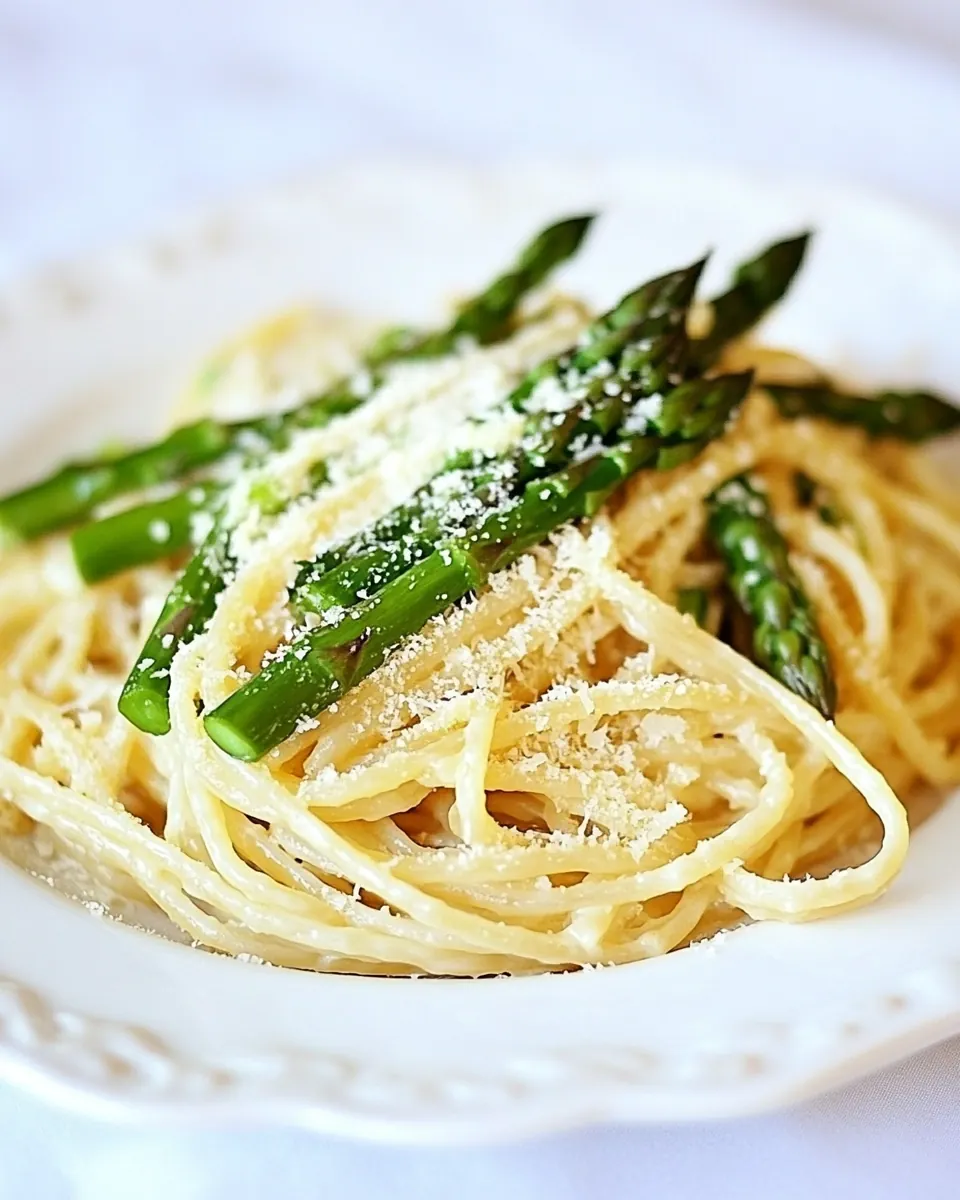
This method moves you through a few quick stages: blanching the asparagus, cooking the pasta, building flavor in the pan, and marrying everything with a yolk and cheese liaison. Keep your tools and reserved cooking liquid handy so you can adjust the sauce quickly.
- In a large pot boil 4 cups water with salt.: The pot should be large enough to allow movement, and the water should reach a steady rolling boil. You will hear a steady, lively bubbling and see steam rising; this intensity helps the asparagus cook swiftly and evenly. Salting the water seasons the vegetable as it cooks, which is more effective than salting later. A common mistake is under-salting, which leaves the asparagus and pasta bland; taste a piece to check seasoning.
- When boiling, add asparagus and cook 3-5 minutes, until tender crisp.: As the asparagus hits the water you may see the bubbles briefly subside, then return. The exterior will brighten in color within a minute or two. Tender crisp means the stalk yields under pressure but still snaps when bent. Overcooking turns it dull and mushy, so test early and often to stop at the right moment.
- Drain asparagus in colander reserving 1 cup liquid before draining.: Drain promptly to stop the cooking process and maintain texture. Before you pour away the water, scoop out and reserve about 1 cup of the cooking liquid; it will be starchy and invaluable for loosening the sauce and helping the egg and cheese emulsify. A typical error is discarding this liquid, which makes it harder to form a cohesive, glossy sauce later.
- Fill pot with salted water, cover and boil for pasta.: Refill the pot and bring it back to a boil for the pasta . Bringing water back to a full boil ensures even cooking and helps the pasta reach al dente texture. Covering the pot traps heat and speeds the process, but remove the lid as needed to prevent boil overs. Skimping on salt in the pasta water will produce underflavored noodles.
- When water boils cook pasta according to package directions for al dente.: Add the pasta and stir immediately to prevent sticking. You should expect a slight chew when biting into al dente pasta, not a soft, gummy feel. Keep an eye on the clock provided on the package, and taste two minutes before the minimum suggested time to avoid overcooking. Overcooked pasta will not hold the sauce well and becomes mushy.
- Meanwhile, in a sauté pan heat olive oil.: Heat the pan over medium heat until the olive oil shimmers and thins slightly, indicating it is ready. The oil will give off a gentle aroma and may ripple. This step builds the flavorful base for the garlic and asparagus . If the oil smokes, reduce the heat, because burned oil imparts an unpleasant bitterness.
- Add garlic and cook until golden, add asparagus, salt and pepper and sauté about 1-2 minutes, tossing with oil and garlic.: When the garlic hits the warmed oil it will sizzle quietly and release fragrant aromatics; watch until it turns a pale golden color. Then add the blanched asparagus , season with salt and fresh cracked pepper, and toss so each piece is coated. The quick sauté develops flavor and warms the vegetable through. Avoid letting the garlic darken too much, which makes it bitter.
- In a small bowl combine egg yolk, Parmigiano-Reggiano cheese, 1/4 cup reserved asparagus liquid, salt and pepper.: The mixture should become smooth when you whisk it together; the reserved starchy liquid helps dilute the cheese and brings everything to a sauce-ready consistency. Using warm but not hot liquid tempers the yolk so it blends instead of scrambling. If the liquid is too hot, the egg will cook into curds, so let it cool slightly before mixing.
- Mix well.: The combined mixture will feel slightly thick and creamy. Whisk until the Parmigiano–Reggiano cheese is fully integrated and the color is uniform. This step readies the liaison to coat the pasta . Not whisking fully can leave lumps of cheese that will not incorporate smoothly into the final sauce.
- After pasta is drained return to pot and mix with egg mixture.: Immediately after draining, return the hot pasta to the pot off the direct heat and add the egg and cheese mixture. The residual heat and the starchy surface of the pasta help the sauce cling. Stir vigorously so the sauce embraces each strand or piece. A common mistake is leaving the pot on high heat here, which risks turning the yolk into scrambled bits rather than a glossy coating.
- Cook on medium-low about 2 minutes, until sauce thickens and sticks to pasta.: Keep the pot on a gentle warmth, stirring constantly, as the sauce comes together. You will notice a sheen develop and the sauce begin to thicken, coating the pasta instead of pooling. This controlled heat is crucial; too hot and the egg sets into curds, too cool and the sauce will remain loose. If it tightens too quickly, add reserved liquid sparingly to adjust texture.
- Toss in asparagus and mix well.: Add the sautéed asparagus and fold gently so the vegetable distributes evenly. The contrast of warm pasta and slightly crisp vegetable is part of the pleasure here. Taste and ensure each bite has a balance of sauce and asparagus . Overhandling can bruise the asparagus , so toss with measured care.
- Adjust salt and pepper to taste.: Now is the moment to fine tune seasoning. The Parmigiano–Reggiano cheese adds saltiness, so taste before adding too much extra salt. Fresh cracked pepper brightens the dish. A typical error is over-salting earlier in the process; always taste at the end and adjust slowly.
- If pasta seems too dry add more reserved liquid a tablespoon at a time.: Use the saved cooking liquid to loosen the sauce gradually. The starchy water will restore silkiness without diluting flavor. Add a tablespoon at a time, stirring and assessing between additions, until the sauce reaches a glossy, clingy texture. Pouring too much at once can make the sauce runny.
- Serve with additional grated cheese.: Finish with a dusting of freshly grated Parmigiano–Reggiano cheese right before serving for visual appeal and a boost of savory depth. The extra cheese melts slightly on contact, enhancing creaminess. Avoid pregrated powder for this final touch, as it lacks the aromatic freshness of freshly grated cheese.
Change It Up
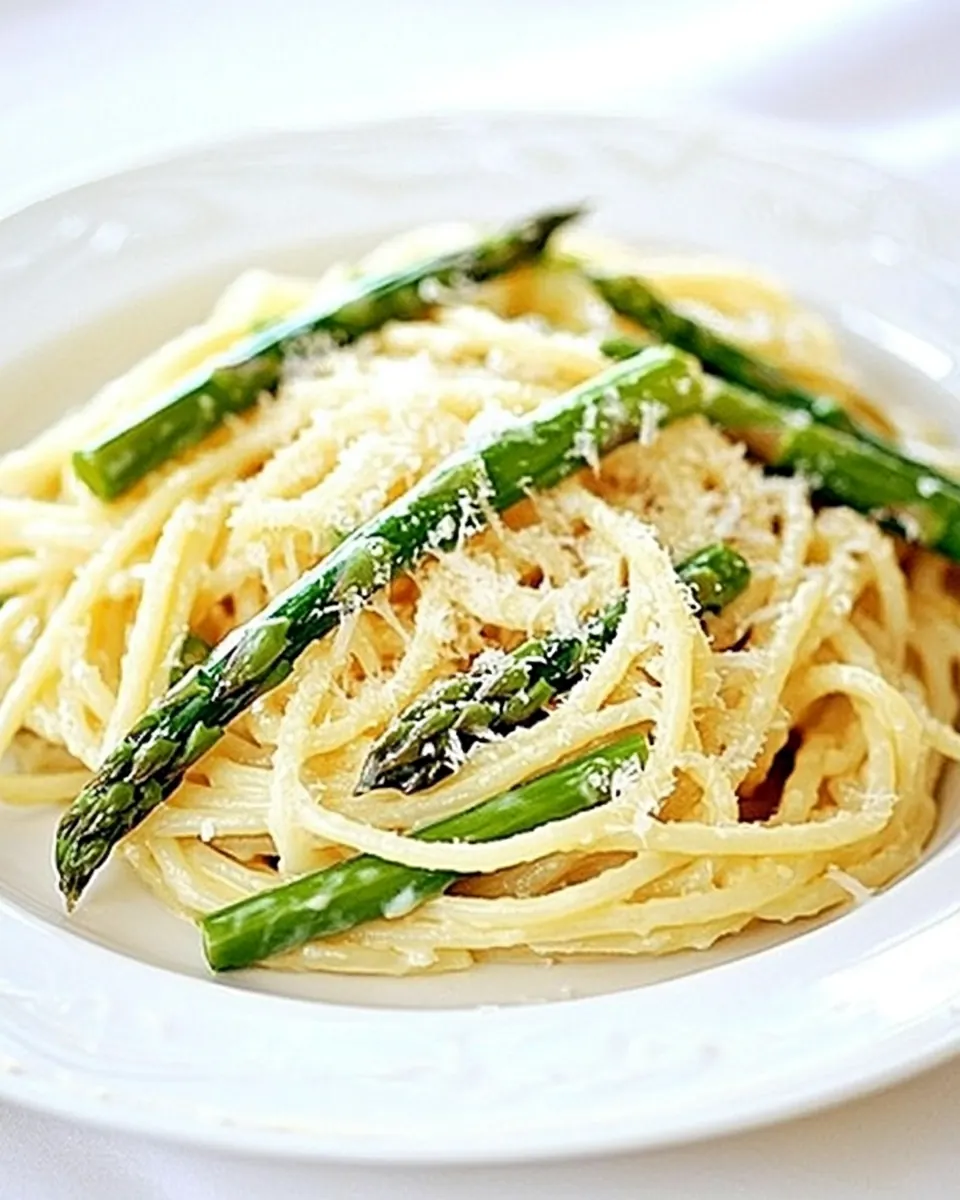
I like to offer a few ways to vary Pasta with Asparagus depending on what you have on hand or the mood you want. These suggestions keep the core technique intact while introducing small shifts in texture and flavor.
- Swap the pasta shape Try shells or short tubes if you want pockets for the sauce to nestle into, making every bite more saucy and textured.
- Adjust the reserved liquid If you prefer a looser sauce, add extra reserved cooking water a tablespoon at a time until you reach the desired silkiness without diluting flavor.
- Make it more garlicky Increase to four cloves of crushed garlic for a bolder aromatic profile, but cook gently so the garlic browns lightly rather than burning.
- Try different hard cheeses Substitute part of the Parmigiano-Reggiano cheese with Pecorino Romano for a slightly tangier finish, keeping the total cheese amount the same.
- Use tender asparagus tips only For a more refined presentation, use only the top tender portions of the asparagus, slicing the thicker stalks thinly and cooking accordingly.
Side Dish Ideas for Pasta with Asparagus
This recipe pairs beautifully with simple, fresh accompaniments that do not overpower the delicate flavors. Think light salads, crusty bread, and seasonal sides that complement the creamy sauce and bright vegetable notes. For occasions, Pasta with Asparagus suits lunch, weeknight dinner, or a springtime gathering where you want something unfussy yet elegant.
- Simple green salad A crisp mixed greens salad dressed lightly with lemon and olive oil offers a refreshing contrast to the creamy pasta.
- Crusty bread Warm slices of crusty bread are perfect for mopping up any remaining silky sauce and make the meal feel more substantial.
- Light protein on the side Consider a simply seasoned grilled fish or roasted chicken breast if you want to add protein without overwhelming the flavors.
- Occasions Serve this dish for a casual weeknight dinner, a spring lunch with friends, or during Ramadan Iftar as a lighter pasta option to break the fast, paired with small dates and soup.
- Storage tips Store leftovers in an airtight container in the refrigerator for up to two days. Reheat gently, adding a splash of the reserved cooking liquid or water to restore creaminess.
- Seasonal pairings Embrace spring produce by serving alongside peas, young spinach, or a lemony asparagus side to amplify the fresh, green notes.
FAQ
Conclusion
This Pasta with Asparagus shines because it balances bright spring vegetables with a silky, cheese enriched yolk sauce that feels both simple and sophisticated. I encourage you to try it the next time you have fresh asparagus on hand, because it comes together quickly and rewards just a little attention with deeply satisfying results. It’s one of those meals that teaches technique while staying approachable, and I hope it becomes a reliable favorite in your weeknight rotation.
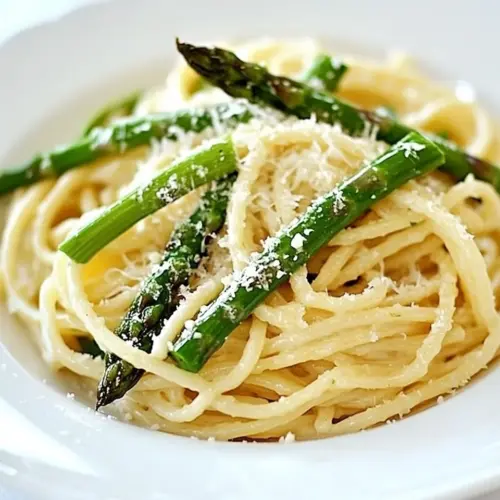
Pasta with Asparagus
Equipment
- Large Pot
- Colander
- Sauté Pan
- Small Bowl
Ingredients
- 1 lb thin asparagus, cut into 2" pieces (tough ends trimmed) Trimmed and sliced into 2-inch pieces to provide tender, bright vegetable bites that cook quickly; adds fresh green flavor and slight crunch to balance the pasta's texture. Releases vegetal juices when sautéed or blanched, contributing subtle sweetness and color to the dish that complements the cheese and egg yolk. Choosing thin asparagus ensures even cooking and avoids fibrous, tough ends that can detract from the finished mouthfeel.
- 6 oz uncooked pasta such as Ronzoni Smart Taste or Dreamfields Cut to specified amount to deliver the primary starch and body of the dish; provides a neutral backdrop that soaks up flavors from olive oil, garlic, and the yolk-cheese emulsion. Cooks in salted boiling water until al dente, offering structure and chew that pairs well with the tender asparagus and creamy sauce. Using the recommended brands maintains consistent texture and cooking performance.
- 1 tbsp extra virgin olive oil Used as the cooking fat to sauté garlic and lightly coat pasta; imparts fruity, aromatic richness without overpowering other flavors. Helps carry the fat-soluble flavors from garlic and cheese, creating a cohesive mouthfeel when emulsified with the egg yolk. Choosing extra virgin quality adds nuanced peppery and grassy notes that elevate the finished pasta.
- 3 cloves garlic, crushed Crushed and lightly cooked to infuse the oil with pungent, savory aromatics; provides depth and savory bite that complements the cheese and asparagus. Gently sweated or briefly sautéed to release aroma without burning, then combined with pasta to distribute flavor evenly. Crushing increases surface area to maximize oil infusion and flavor release during cooking.
- salt and fresh cracked pepper Added to season and balance flavors through salting pasta water and adjusting finishing taste; enhances the natural sweetness of asparagus and the savory umami of cheese. Fresh cracked pepper contributes bright, mildly spicy top notes and a contrasting pop of heat to the creamy sauce. Seasoning at multiple stages ensures well-balanced final dish without flat or oversalted elements.
- 1 large egg yolk Used to create a rich, silky emulsion when tempered into hot pasta, providing creaminess without heavy cream; binds with grated cheese to form a glossy sauce that clings to noodles and asparagus. Tempering the yolk with hot pasta water prevents scrambling and yields a smooth, custardy texture. Adds concentrated richness and subtle eggy depth that enhances overall mouthfeel.
- 1/4 cup freshly grated Parmigiano-Reggiano cheese Freshly grated and folded into the yolk-emulsion to contribute savory, nutty umami and a slightly granular texture that helps thicken the sauce. Melts into the warm pasta, boosting saltiness and aromatic complexity while lending the characteristic Parmesan tang. Using freshly grated Parmigiano-Reggiano ensures superior flavor integration and a cleaner, less processed taste.
Instructions
- In a large pot boil 4 cups water with salt.: The pot should be large enough to allow movement, and the water should reach a steady rolling boil. You will hear a steady, lively bubbling and see steam rising; this intensity helps the asparagus cook swiftly and evenly. Salting the water seasons the vegetable as it cooks, which is more effective than salting later. A common mistake is under-salting, which leaves the asparagus and pasta bland; taste a piece to check seasoning.
- When boiling, add asparagus and cook 3-5 minutes, until tender crisp.: As the asparagus hits the water you may see the bubbles briefly subside, then return. The exterior will brighten in color within a minute or two. Tender crisp means the stalk yields under pressure but still snaps when bent. Overcooking turns it dull and mushy, so test early and often to stop at the right moment.
- Drain asparagus in colander reserving 1 cup liquid before draining.: Drain promptly to stop the cooking process and maintain texture. Before you pour away the water, scoop out and reserve about 1 cup of the cooking liquid; it will be starchy and invaluable for loosening the sauce and helping the egg and cheese emulsify. A typical error is discarding this liquid, which makes it harder to form a cohesive, glossy sauce later.
- Fill pot with salted water, cover and boil for pasta.: Refill the pot and bring it back to a boil for the pasta . Bringing water back to a full boil ensures even cooking and helps the pasta reach al dente texture. Covering the pot traps heat and speeds the process, but remove the lid as needed to prevent boil overs. Skimping on salt in the pasta water will produce underflavored noodles.
- When water boils cook pasta according to package directions for al dente.: Add the pasta and stir immediately to prevent sticking. You should expect a slight chew when biting into al dente pasta, not a soft, gummy feel. Keep an eye on the clock provided on the package, and taste two minutes before the minimum suggested time to avoid overcooking. Overcooked pasta will not hold the sauce well and becomes mushy.
- Meanwhile, in a sauté pan heat olive oil.: Heat the pan over medium heat until the olive oil shimmers and thins slightly, indicating it is ready. The oil will give off a gentle aroma and may ripple. This step builds the flavorful base for the garlic and asparagus . If the oil smokes, reduce the heat, because burned oil imparts an unpleasant bitterness.
- Add garlic and cook until golden, add asparagus, salt and pepper and sauté about 1-2 minutes, tossing with oil and garlic.: When the garlic hits the warmed oil it will sizzle quietly and release fragrant aromatics; watch until it turns a pale golden color. Then add the blanched asparagus , season with salt and fresh cracked pepper, and toss so each piece is coated. The quick sauté develops flavor and warms the vegetable through. Avoid letting the garlic darken too much, which makes it bitter.
- In a small bowl combine egg yolk, Parmigiano-Reggiano cheese, 1/4 cup reserved asparagus liquid, salt and pepper.: The mixture should become smooth when you whisk it together; the reserved starchy liquid helps dilute the cheese and brings everything to a sauce-ready consistency. Using warm but not hot liquid tempers the yolk so it blends instead of scrambling. If the liquid is too hot, the egg will cook into curds, so let it cool slightly before mixing.
- Mix well.: The combined mixture will feel slightly thick and creamy. Whisk until the Parmigiano-Reggiano cheese is fully integrated and the color is uniform. This step readies the liaison to coat the pasta . Not whisking fully can leave lumps of cheese that will not incorporate smoothly into the final sauce.
- After pasta is drained return to pot and mix with egg mixture.: Immediately after draining, return the hot pasta to the pot off the direct heat and add the egg and cheese mixture. The residual heat and the starchy surface of the pasta help the sauce cling. Stir vigorously so the sauce embraces each strand or piece. A common mistake is leaving the pot on high heat here, which risks turning the yolk into scrambled bits rather than a glossy coating.
- Cook on medium-low about 2 minutes, until sauce thickens and sticks to pasta.: Keep the pot on a gentle warmth, stirring constantly, as the sauce comes together. You will notice a sheen develop and the sauce begin to thicken, coating the pasta instead of pooling. This controlled heat is crucial; too hot and the egg sets into curds, too cool and the sauce will remain loose. If it tightens too quickly, add reserved liquid sparingly to adjust texture.
- Toss in asparagus and mix well.: Add the sautéed asparagus and fold gently so the vegetable distributes evenly. The contrast of warm pasta and slightly crisp vegetable is part of the pleasure here. Taste and ensure each bite has a balance of sauce and asparagus . Overhandling can bruise the asparagus , so toss with measured care.
- Adjust salt and pepper to taste.: Now is the moment to fine tune seasoning. The Parmigiano-Reggiano cheese adds saltiness, so taste before adding too much extra salt. Fresh cracked pepper brightens the dish. A typical error is over-salting earlier in the process; always taste at the end and adjust slowly.
- If pasta seems too dry add more reserved liquid a tablespoon at a time.: Use the saved cooking liquid to loosen the sauce gradually. The starchy water will restore silkiness without diluting flavor. Add a tablespoon at a time, stirring and assessing between additions, until the sauce reaches a glossy, clingy texture. Pouring too much at once can make the sauce runny.
- Serve with additional grated cheese.: Finish with a dusting of freshly grated Parmigiano-Reggiano cheese right before serving for visual appeal and a boost of savory depth. The extra cheese melts slightly on contact, enhancing creaminess. Avoid pregrated powder for this final touch, as it lacks the aromatic freshness of freshly grated cheese.
Notes
- Swap the pasta shape Try shells or short tubes if you want pockets for the sauce to nestle into, making every bite more saucy and textured.
- Adjust the reserved liquid If you prefer a looser sauce, add extra reserved cooking water a tablespoon at a time until you reach the desired silkiness without diluting flavor.
- Make it more garlicky Increase to four cloves of crushed garlic for a bolder aromatic profile, but cook gently so the garlic browns lightly rather than burning.
- Try different hard cheeses Substitute part of the Parmigiano-Reggiano cheese with Pecorino Romano for a slightly tangier finish, keeping the total cheese amount the same.
- Use tender asparagus tips only For a more refined presentation, use only the top tender portions of the asparagus, slicing the thicker stalks thinly and cooking accordingly.
