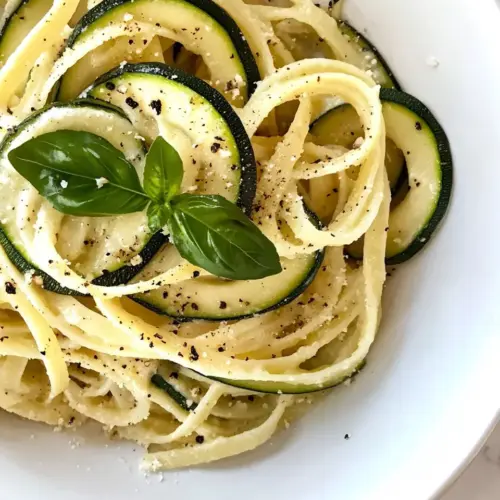
Stanley Tucci’s Zucchini Pasta Recipe
Stanley Tucci’s Zucchini Pasta Recipe is a simple, elegant pasta that pairs blistered zucchini with silky spaghetti and creamy Parmesan for a light, comforting summer meal. The contrast of crisped zucchini and glossy sauce gives this an easy weeknight dinner appeal while feeling special enough for guests. Make it for its bright herb finish and satisfying textures.
Equipment
- Heavy bottom pot
- Candy thermometer
- Spider or slotted spoon
- Large Frying Pan
- Large pot for pasta
Ingredients
- sunflower oil for frying Used for frying to achieve a crisp, golden exterior when cooking zucchini slices; adds a neutral, high-heat-friendly fat that won’t overpower delicate flavors. Keeps oil absorption minimal so the zucchini attains a light, slightly caramelized texture perfect for pasta toppings.
- 6 medium zucchini Sliced or ribbons provide the primary vegetable component, offering tender, subtly sweet flesh and a mild earthy flavor. Cooked until just softened, they contribute body and freshness to the pasta while absorbing surrounding seasonings.
- kosher salt Added to season and enhance natural flavors, imparting a clean saline balance that brings out sweetness in zucchini and brightness in the sauce. Used sparingly and tasted as you go to avoid over-salting the delicate components of the dish.
- 2 tablespoons olive oil Drizzled to finish or used in cooking for a fruity, peppery undertone that rounds out the dish; helps carry flavors and enrich mouthfeel. Complements the sunflower oil and butter, providing a classic Mediterranean note to the pasta.
- 16 ounces spaghetti (or linguine) Provides the starchy base and structure of the dish; yields a familiar, comforting texture that pairs well with delicate zucchini ribbons. Cooked al dente, it captures sauces and shreds of cheese, integrating all components into a cohesive plate.
- freshly ground black pepper Ground over the finished dish to add sharp, aromatic spice and subtle heat, enhancing savory depth and balancing richness. Used freshly ground to maximize aroma and lift the overall flavor profile of the pasta.
- 1 cup grated Parmesan cheese Sprinkled into the pasta to contribute umami, salty-sweet complexity and a creamy mouthfeel when melted slightly into hot noodles. Works as a primary finishing element that binds the sauce and zucchini with savory richness.
- 2 tablespoons butter Melted to introduce a silky, buttery richness that helps form a light sauce and gloss on the pasta; contributes comforting, rounded flavor. Used in combination with oils and cheese to create a cohesive, silky coating for the noodles.
- 1 bunch fresh basil leaves Torn and scattered over the finished pasta to add bright, aromatic herbaceousness and a fresh contrast to the rich cheese and butter. Provides a burst of color and a fragrant finish that lifts the entire dish.
Instructions
- In a heavy bottom pot, bring 1/2 to 1 quart of sunflower oil to 350°F.: The moment the oil reaches the correct temperature, you will notice a slight shimmer across the surface and small wisps of vapor, but it should not be smoking. This precise heat is essential so the zucchini blisters and browns quickly without becoming greasy. If the oil is too cool, the rounds will absorb oil and feel soggy, while too hot will blacken the edges before the centers are tender. Keep a candy thermometer handy, and adjust the heat gradually to maintain the 350°F target. When adding the first round, you should hear a steady, lively sizzle that indicates the Maillard reactions are underway.
- Slice the zucchini into thin rounds. In batches, fry the zucchini in the hot oil until they turn blistered and golden, about 5-7 minutes per batch. Use a spider or slotted spoon to transfer the zucchini to a bowl or plate lined with paper towels. Repeat until all of the zucchini is fried. Refrigerate the zucchini for at least 30 minutes up to overnight.: Uniform thin slices ensure even frying and quick cooking so the centers soften while the edges caramelize. You should feel a slight resistance when slicing, and the rounds will glisten with fresh moisture. If slices are uneven, the thinner pieces will turn brittle and the thicker ones may remain underdone. A mandoline or a sharp knife will help keep thickness consistent. After slicing, pat the rounds lightly to remove excess surface moisture, which reduces violent splattering when they hit the hot oil.
- When ready to prepare the dish, bring a large pot of salted water to a boil and cook the spaghetti according to package instructions until al dente. Reserve 1 cup of the pasta cooking water to make the sauce.: As each batch cooks, watch for bubbles to rise rapidly around the slices and the color to shift from pale to honeyed gold, with small blistered pockets forming on the surface. The aroma becomes nutty and slightly sweet, and you will hear a steady crackle. Frying in batches prevents overcrowding, which would drop the oil temperature and yield limp, greasy pieces. Use a slotted spoon to gently stir so edges brown evenly. A common pitfall is rushing and overcrowding the pot, so give each piece space to sizzle properly.
- In a large frying pan over medium-high, add the olive oil and heat the rested zucchini with 2 ladles of the warm spaghetti cooking water, stirring well until saucy. Season with a few pinches of kosher salt and freshly ground black pepper.: After removing the zucchini , the surface will gleam with hot oil and steam will rise in soft plumes. Laying them on paper towels helps absorb excess oil and preserves crispness. Let them rest undisturbed so steam does not condensate back onto the slices, which would make them soggy. If you pile them too high while hot, the trapped steam will soften the bottoms, so spread them in a single layer when possible.
- Drain the spaghetti and add to the pan with the zucchini, tossing well to combine. Remove the pan from the heat and add a couple of handfuls of grated Parmesan cheese then toss everything together well. Stir in the butter and more water as needed to enrich the sauce.: Each subsequent batch should sound and look similar to the first, producing consistent browning and texture. Between batches, watch the oil temperature and bring it back to 350°F as needed, because adding cooler rounds lowers the heat temporarily. Maintaining steady temperature means every slice will have the same caramelized flavor. If you notice later batches turning darker much faster, lower the heat slightly to keep the color even across all batches.
- Add more Parmesan and top with fresh basil leaves before serving.: Chilling allows the fried slices to firm up and the flavors to meld, and you will notice the surface take on a slightly chewier texture that holds up when mixed with the pasta. Cold resting also reduces oiliness, as the fat settles. If you plan to refrigerate overnight, spread the slices on a tray in a single layer to avoid sticking. A mistake is storing while still hot in a sealed container, which will trap steam and soften them; cool first on a rack.
- When ready to prepare the dish, bring a large pot of salted water to a boil and cook the spaghetti according to package instructions until al dente: The water should be vigorously boiling with rolling bubbles that move freely across the surface. Salting the water seasons the pasta internally, and you will sense a fuller flavor in the finished dish. Taste a strand at the lower end of the recommended time to check for a slight chew, not mushiness. Reserve 1 cup of the pasta cooking water before draining, and you will notice it has a slightly cloudy texture from released starch, which is crucial for forming a cohesive sauce. Overcooking the pasta will leave it limp and unable to hold the glossy sauce.
- Reserve 1 cup of the pasta cooking water to make the sauce: This starchy liquid is the secret binder that transforms separate ingredients into a silky emulsion. When mixed with Parmesan cheese and butter , it helps the sauce cling to each strand of spaghetti . The water will feel slightly viscous between your fingers, and that is exactly what you want. Skip this and the sauce risks being dry or clumpy; if your reserved water seems thin, you can reduce a little of it over low heat to concentrate the starch.
- In a large frying pan over medium-high, add the olive oil and heat the rested zucchini with 2 ladles of the warm spaghetti cooking water, stirring well until saucy: As the zucchini warms, it releases gentle steam and the oil and pasta water begin to form a glossy coating, softening the edges without losing their blistered character. Stirring helps the starch suspend in the oil, creating a light, silky sauce that clings to the vegetables. The aroma will be a nuanced blend of toasted zucchini and warm starch. If the pan seems dry, add a bit more reserved water slowly to reach the right saucy consistency; too much water will dilute flavor, so add cautiously.
- Season with a few pinches of kosher salt and freshly ground black pepper: Taste as you go, because the amount of salt needed depends on how much salty Parmesan cheese you plan to add. The freshly ground black pepper should contribute a sharp, aromatic edge that brightens the richness. Season lightly, then adjust after you combine the pasta and cheese. Over-salting is hard to fix, so err on the conservative side and refine at the end.
- Drain the spaghetti and add to the pan with the zucchini, tossing well to combine: As the hot spaghetti hits the pan, you will see the strands pick up glossy sauce and cling to the blistered zucchini . The motion of tossing warms the cheese evenly and integrates the reserved water into the emulsion. Work quickly so the heat from the pasta helps the cheese melt without congealing. If the mixture seems dry, add a tablespoon of the reserved water at a time until it looks silky.
- Remove the pan from the heat and add a couple of handfuls of grated Parmesan cheese then toss everything together well: Off the heat, the residual warmth is perfect for melting the Parmesan cheese into a creamy coating without separating. The texture will become glossy and slightly thickened, clinging to both pasta and zucchini . Let this rest for a moment so the cheese integrates. A common issue is adding cheese on too high heat which causes it to become stringy or clump, so removing from direct heat is important.
- Stir in the butter and more water as needed to enrich the sauce: The butter brings a rounded richness and sheen, smoothing the mouthfeel. As you stir, the sauce should feel velvety and coat the back of a spoon. If it tightens or looks grainy, add a small splash of reserved water and whisk gently to bring it together. Avoid adding too much liquid at once which will thin the sauce excessively, instead add gradually until you reach a luxurious consistency.
- Add more Parmesan and top with fresh basil leaves before serving: Finishing with extra Parmesan cheese heightens the savory notes, and scattering fresh basil leaves gives aromatic lift and color contrast. The basil will perfume the dish and the last grating of cheese provides a final creamy hit. Serve immediately so the basil remains vibrant and the textures hold; letting it sit too long will soften the fried edges and wilt the herb.
Notes
- Toast the Parmesan: Try grating freshly and warming it slightly before adding, it will melt more smoothly and add a toasted aroma that deepens the savory profile.
- Adjust frying time: For crisper rounds, fry a little longer until edges snap; for softer centers, shorten the frying by a minute or two.
- Control oil absorption: Pat the zucchini dry before frying and do not overcrowd the pot; this minimizes oil uptake and keeps pieces light.
- Reserve extra pasta water: Keep an additional half cup on hand if you prefer a looser sauce; add gradually to avoid thinning too much.
- Finish with butter: Swirl in at the end off heat for silkiness, and taste before salting since Parmesan cheese adds salt.
- Keep basil fresh: Add the leaves right before serving to preserve aroma and visual brightness.