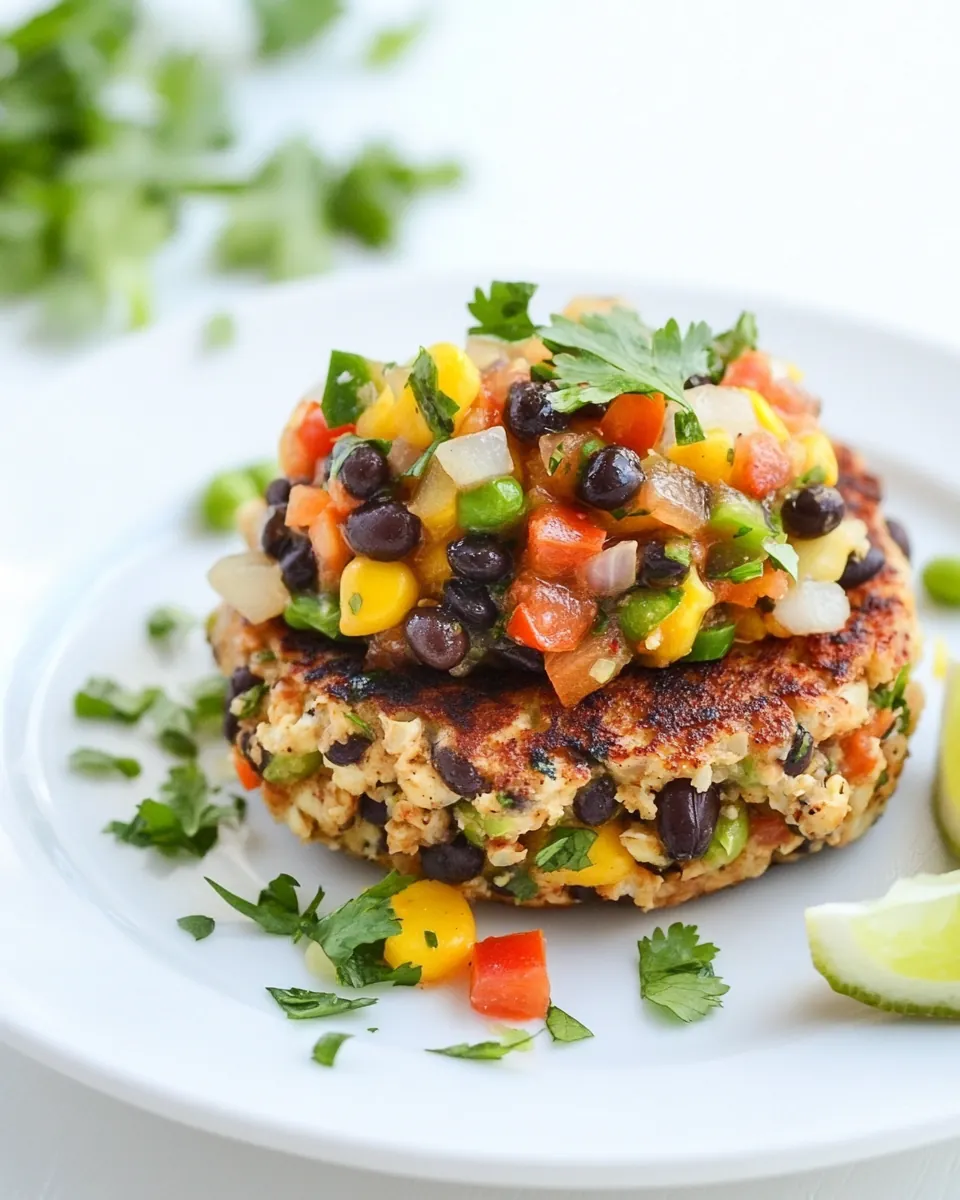
Southwest White Bean Veggie Burgers
Southwest White Bean Veggie Burgers came into my rotation on a sun soaked weekend when I wanted something comforting, bright, and veggie forward for a backyard lunch. I remember pulling a few pantry cans from the shelf, spotting a lone bag of cooked brown rice in the fridge, and thinking I could turn those humble bits into something satisfying. I like food that feels honest, and these patties proved that you do not need complicated techniques to get big flavor.
That afternoon I put on a playlist, chopped a jalapeño while the kids played in the yard, and improvised a quick black bean and corn salsa that made every bite pop. The texture of the patties, a little tender and a little crisp where they browned, surprised me in the best way. We stacked them on toasted buns, spooned on the salsa, and it felt like a small celebration of simple ingredients coming together.
Recipe Snapshot
35 mins
15 mins
20 mins
Medium
200 kcal
American
Vegan, Gluten-Free
Dinner
Food processor, Mixing bowl, Cast iron skillet, Spatula
What Makes This Southwest White Bean Veggie Burgers Special
Bold Southwest Flavor Without Fuss
I adore how Southwest White Bean Veggie Burgers capture smoky, bright, and fresh notes with minimal effort. The mix of cumin, jalapeño, and red bell pepper creates that unmistakable southwest profile that wakes up the palate. I often reach for this recipe when I want something flavorful but not heavy handed.
Texture That Eats Like a Real Burger
These patties are firm enough to hold together, yet tender inside. The combination of white beans and cooked brown rice gives structure without being dense. When seared properly, the exterior develops a satisfying crust that contrasts the creamy interior, and I love that contrast at every bite.
Fast and Pantry Friendly
I value recipes that are kind to a busy week, and this one fits. Most of the ingredients are canned or leftover staples, so you can pull it together quickly. That convenience makes it my go to for impromptu lunches or casual dinners when I do not want to plan a grocery run.
Customizable and Crowd Ready
What I really appreciate is how flexible these burgers are. You can scale the batch, swap the heat level, or pair them with different salsas and buns. I have served them at small gatherings and larger barbecues, and they always disappear first. They are approachable for varying tastes, which I find invaluable when hosting.
Vegetarian Comfort That Still Feels Indulgent
Even though these are plant based, they deliver on satisfaction. The egg and rice help bind without making them heavy, while the fresh veggies keep the profile lively. I often tell friends this is proof that vegetarian cooking can be both wholesome and celebratory.
Main Ingredients for Southwest White Bean Veggie Burgers
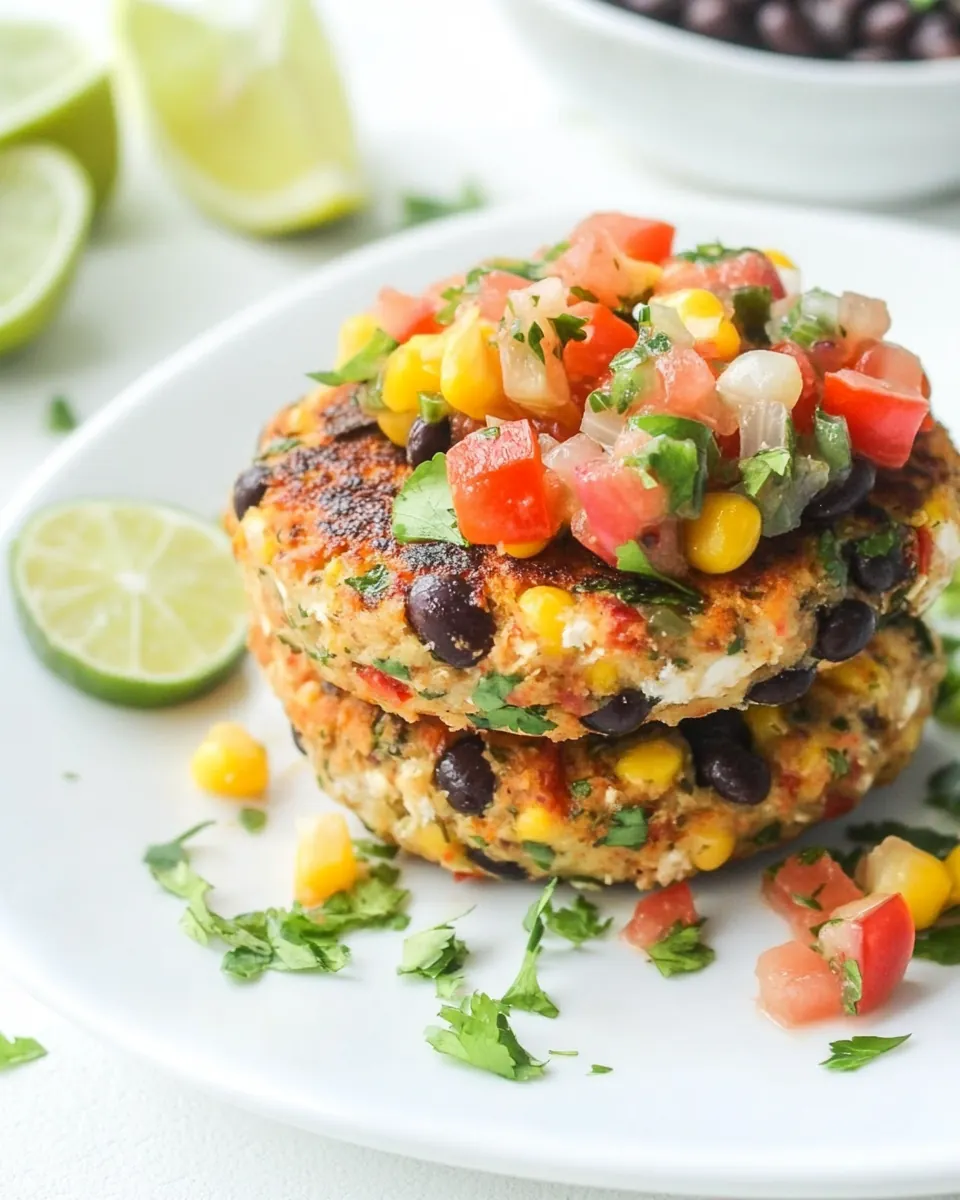
These ingredients form the backbone of the burgers, balancing creaminess, texture, and bright accents. The beans and rice provide body, the egg binds, and the aromatics and vegetables add lift and heat. Together they create a patty that is sturdy enough to fry, but tender enough to enjoy without feeling heavy.
- 1 14-ounce can cannelini beans (or white beans), drained and rinsed: Drain and rinse thoroughly to remove packing liquid and excess sodium; mash or pulse to provide a creamy, binding base for the burgers while keeping moisture and protein.
- 1 cup cooked brown rice: Cook until tender and fluffy to add chewy texture and absorb flavors; stir into the bean mixture to help bind and give body to the patties.
- 1 egg lightly beaten: Lightly beat and add to incorporate air and help bind the mixture; provides structure so the patties hold together during cooking.
- 2 tablespoons finely chopped white onion: Finely chop and sauté or fold in raw to add subtle sharpness and aromatic depth; balances richness and enhances overall savory flavor.
- 2 cloves garlic minced: Mince and mix in to contribute pungent, savory aroma and taste; helps brighten and deepen the flavor profile of the patties.
- 1 small jalapeño seeded and chopped: Seed and chop finely to add mild heat and brightness; provides a fresh, peppery kick that complements the Southwest spices.
- 1/3 cup red bell pepper finely chopped (about 1/4 of a bell pepper): Finely chop to add sweet, crisp flavor and colorful contrast; helps provide small bursts of texture and balances the savory elements.
- 1/3 cup corn kernels about 1/2 an ear of corn: Remove kernels and measure to add sweet, juicy pops and a bit of crunch; contributes color and a Southwest-style sweetness to the burgers.
- 1/3 cup black beans: Drain and add for extra fiber, texture, and a hint of earthiness; complements the cannellini beans and reinforces the bean-forward character.
- 1/2 teaspoon kosher salt: Measure precisely to season and enhance all flavors without overpowering; helps bring out the savory and aromatic notes in the mixture.
- 1/2 teaspoon ground cumin: Add ground and mix in to impart warm, earthy, and slightly smoky notes; anchors the Southwest flavor profile and pairs well with jalapeño.
- Southwest Black Bean and Corn Salsa for serving: Serve alongside to provide a zesty, chunky accompaniment that complements the patties; adds fresh acidity, heat, and additional corn and bean textures.
Cooking Instructions for Southwest White Bean Veggie Burgers

These directions will guide you through building flavor, binding the patties, and getting a golden sear. I like to stay present during cooking, paying attention to texture and aroma as each step unfolds. Follow the sequence to achieve patties that hold together and have a nicely browned crust.
- Prepare the Black Bean and Corn Salsa and refrigerate until ready to use.: The cool, tangy salsa will provide a bright counterpoint to the warm, savory patties, and chilling it lets flavors meld so it tastes more integrated. When you spoon it over a hot burger, you will notice a pleasing contrast between warm and cool, and that interplay lifts the entire bite. Common mistakes here include making the salsa too watery, which dilutes flavor, so drain or finely dice ingredients to keep it chunky.
- Rinse the white beans well and pat them dry.: Removing the canning liquid prevents excess moisture from making the mixture soggy, and drying helps the beans mash into a thicker paste. As you pat them, you will hear a slight rustle and feel the beans firm up, which signals they are ready. A typical misstep is skipping the rinse, which can leave a metallic aftertaste and overly wet texture.
- Add the beans and the cooked rice to a food processor and pulse until well combined. It’s okay if the mixture is slightly chunky.: Processing creates a cohesive base while retaining some small chunks for pleasant texture, and the aroma will become nutty as the rice mixes with the beans. Pulsing rather than pureeing preserves bits that add structure, so aim for a coarse, slightly chunky blend. Avoid over processing, which yields a paste that is too smooth and makes patties gummy.
- Add the white bean/rice mixture to a mixing bowl and mix in the lightly beaten egg.: Folding in the egg binds the components and creates a glossy, unified batter that holds shape. You will notice the mixture become slightly glossier and tacky, which is a good sign for forming patties. A common error is adding the egg cold directly from the fridge without mixing, which can chill the batter and affect binding, so let the egg sit a minute at room temperature if possible.
- Add the remaining ingredients and stir together until combined.: Incorporating the onion, garlic, jalapeño, red bell pepper, corn, black beans, salt, and cumin disperses flavor pockets throughout each patty, offering a layered taste profile. As you stir, inhale the interplay of warm cumin and bright pepper, and you will see flecks of color distributed evenly. Avoid over mixing, which can crush vegetables and produce a dense result.
- Note: If you’re using canned black beans and corn, be sure to rinse them and pat them dry before adding them to the mixture.: If you’re using canned black beans and corn, be sure to rinse them and pat them dry before adding them to the mixture : Drying these ingredients prevents extra moisture from loosening the batter and reduces splatter during frying. You will observe the mixture maintain its firmness better when the vegetables are not waterlogged. The typical mistake is neglecting this step, leading to fragile patties that fall apart in the skillet.
- In a cast iron skillet, heat 3 tablespoons of grapeseed or canola oil over medium (or enough oil to coat the surface well).: The oil should shimmer but not smoke, creating a slick surface that encourages even browning. When you place a small pinch of the mixture into the oil, it should sizzle gently, indicating the pan is hot enough. Using too high heat can burn the exterior before the center cooks through, so adjust to maintain a steady golden sear.
- Measure 1/3 cup of the burger mixture and form a patty using your hands (the mixture will be sticky, and that’s okay!). Carefully place the burger on the hot cast iron skillet and allow it to cook for 5 minutes. Carefully flip to the other side and cook an additional 5 minutes.: Shaping by hand allows you to feel the density and make consistent sizes for even cooking; the stickiness helps the patty hold together. Press gently to compact without compressing into a brick, which keeps interior tenderness. One mistake is over packing, which yields a tough interior, so keep the pressure light.
- Repeat for remaining burger mixture.: During this time the heat will create a savory, caramelized crust and release a toasty, nutty aroma from the rice and cumin. You should see edges firm up and the bottom turn a deep golden color, a visual cue that it is ready to flip. Flipping too early will make the patty fall apart, so wait for visual firmness before turning.
- Carefully flip to the other side and cook an additional 5 minutes: The second side needs equal attention to develop balance in texture, and you will notice a deeper, roasted scent as sugars in the vegetables caramelize. Press gently with a spatula to confirm resistance and even browning. Avoid pressing hard or flattening the patty, which squeezes out moisture and dries it.
- Repeat for remaining burger mixture: Cooking the remainder in batches ensures each patty has enough space to brown properly and maintain consistent heat in the skillet. The pan should not be crowded, because overcrowding lowers the temperature and yields steamed rather than crisp exteriors. A frequent error is trying to fry too many at once, which results in pale, soft patties instead of browned ones.
Tips for Success

These tips will help you get consistent results and elevate the final dish. Small adjustments during forming and frying make a big difference in texture and flavor. Read through them before you start cooking so you know what to watch for.
- Use cooled rice: Allowing the cooked brown rice to cool prevents the mixture from becoming gummy and improves binding when you pulse it with the beans.
- Rinse and dry canned beans: Rinsing the white beans and black beans removes excess sodium and can flavors; patting them dry reduces moisture that can make patties fall apart.
- Pulse for texture: When you process the beans and rice, pulse to a coarse consistency to retain some chunks, which gives a pleasing contrast between creamy and chewy in every bite.
- Watch your oil temperature: Heat the skillet until the oil shimmers but does not smoke, that ensures a golden crust without burning the exterior before the center cooks.
- Form evenly sized patties: Use a 1 3 cup scoop to make uniform patties so they cook at the same rate, avoiding underdone or overdone burgers when cooking in batches.
- Let patties rest briefly: After cooking, rest the patties a minute off the heat to help them set, reducing the chance they will crumble when placed on buns.
Best Served With
These burgers are versatile and pair well with bright, crunchy sides. Think about occasions from casual weeknight dinners to outdoor summer gatherings when planning your accompaniments. Below are ideas that bring contrast in texture, temperature, and flavor.
- Toasted buns and crisp lettuce: Serve the patties on toasted bread with a handful of crisp greens to add structure and freshness to each bite.
- Extra Southwest Black Bean and Corn Salsa: Spoon chilled salsa on top for acidity and brightness that balances the savory patty.
- Pickled red onions: A little tang from quick pickles cuts the richness and adds a crunchy, zesty note.
- Roasted sweet potato wedges: Offer warm, caramelized wedges for a sweet contrast and sturdy side that complements the burgers at a barbecue or weeknight meal.
- Simple green salad: A lightly dressed salad introduces a fresh counterpoint, keeping the meal from feeling heavy while adding seasonal produce.
- Serve for lunch or casual dinner: These fit both relaxed lunches and casual dinners, and they scale easily for outdoor gatherings or small parties.
- Storage tips: Refrigerate cooked patties up to three days, or freeze for up to two months, then reheat gently to maintain texture.
FAQ
Conclusion
These Southwest White Bean Veggie Burgers shine because they balance creamy beans, nutty brown rice, and vibrant vegetables into a satisfying, hand held meal. Try them the next time you want a plant forward option that still feels indulgent and full of flavor. They are simple to assemble, forgiving in technique, and endlessly adaptable for family meals or casual gatherings, which is why I return to this recipe again and again.

Southwest White Bean Veggie Burgers
Equipment
- Food Processor
- Mixing Bowl
- Cast-Iron Skillet
- Spatula
Ingredients
- 1 14-ounce can cannelini beans (or white beans), drained and rinsed Drain and rinse thoroughly to remove packing liquid and excess sodium; mash or pulse to provide a creamy, binding base for the burgers while keeping moisture and protein.
- 1 cup cooked brown rice Cook until tender and fluffy to add chewy texture and absorb flavors; stir into the bean mixture to help bind and give body to the patties.
- 1 egg lightly beaten Lightly beat and add to incorporate air and help bind the mixture; provides structure so the patties hold together during cooking.
- 2 tablespoons finely chopped white onion Finely chop and sauté or fold in raw to add subtle sharpness and aromatic depth; balances richness and enhances overall savory flavor.
- 2 cloves garlic minced Mince and mix in to contribute pungent, savory aroma and taste; helps brighten and deepen the flavor profile of the patties.
- 1 small jalapeño seeded and chopped Seed and chop finely to add mild heat and brightness; provides a fresh, peppery kick that complements the Southwest spices.
- 1/3 cup red bell pepper finely chopped (about 1/4 of a bell pepper) Finely chop to add sweet, crisp flavor and colorful contrast; helps provide small bursts of texture and balances the savory elements.
- 1/3 cup corn kernels about 1/2 an ear of corn Remove kernels and measure to add sweet, juicy pops and a bit of crunch; contributes color and a Southwest-style sweetness to the burgers.
- 1/3 cup black beans Drain and add for extra fiber, texture, and a hint of earthiness; complements the cannellini beans and reinforces the bean-forward character.
- 1/2 teaspoon kosher salt Measure precisely to season and enhance all flavors without overpowering; helps bring out the savory and aromatic notes in the mixture.
- 1/2 teaspoon ground cumin Add ground and mix in to impart warm, earthy, and slightly smoky notes; anchors the Southwest flavor profile and pairs well with jalapeño.
- Southwest Black Bean and Corn Salsa for serving Serve alongside to provide a zesty, chunky accompaniment that complements the patties; adds fresh acidity, heat, and additional corn and bean textures.
Instructions
- Prepare the Black Bean and Corn Salsa and refrigerate until ready to use.: The cool, tangy salsa will provide a bright counterpoint to the warm, savory patties, and chilling it lets flavors meld so it tastes more integrated. When you spoon it over a hot burger, you will notice a pleasing contrast between warm and cool, and that interplay lifts the entire bite. Common mistakes here include making the salsa too watery, which dilutes flavor, so drain or finely dice ingredients to keep it chunky.
- Rinse the white beans well and pat them dry.: Removing the canning liquid prevents excess moisture from making the mixture soggy, and drying helps the beans mash into a thicker paste. As you pat them, you will hear a slight rustle and feel the beans firm up, which signals they are ready. A typical misstep is skipping the rinse, which can leave a metallic aftertaste and overly wet texture.
- Add the beans and the cooked rice to a food processor and pulse until well combined. It’s okay if the mixture is slightly chunky.: Processing creates a cohesive base while retaining some small chunks for pleasant texture, and the aroma will become nutty as the rice mixes with the beans. Pulsing rather than pureeing preserves bits that add structure, so aim for a coarse, slightly chunky blend. Avoid over processing, which yields a paste that is too smooth and makes patties gummy.
- Add the white bean/rice mixture to a mixing bowl and mix in the lightly beaten egg.: Folding in the egg binds the components and creates a glossy, unified batter that holds shape. You will notice the mixture become slightly glossier and tacky, which is a good sign for forming patties. A common error is adding the egg cold directly from the fridge without mixing, which can chill the batter and affect binding, so let the egg sit a minute at room temperature if possible.
- Add the remaining ingredients and stir together until combined.: Incorporating the onion, garlic, jalapeño, red bell pepper, corn, black beans, salt, and cumin disperses flavor pockets throughout each patty, offering a layered taste profile. As you stir, inhale the interplay of warm cumin and bright pepper, and you will see flecks of color distributed evenly. Avoid over mixing, which can crush vegetables and produce a dense result.
- Note: If you’re using canned black beans and corn, be sure to rinse them and pat them dry before adding them to the mixture.: If you’re using canned black beans and corn, be sure to rinse them and pat them dry before adding them to the mixture : Drying these ingredients prevents extra moisture from loosening the batter and reduces splatter during frying. You will observe the mixture maintain its firmness better when the vegetables are not waterlogged. The typical mistake is neglecting this step, leading to fragile patties that fall apart in the skillet.
- In a cast iron skillet, heat 3 tablespoons of grapeseed or canola oil over medium (or enough oil to coat the surface well).: The oil should shimmer but not smoke, creating a slick surface that encourages even browning. When you place a small pinch of the mixture into the oil, it should sizzle gently, indicating the pan is hot enough. Using too high heat can burn the exterior before the center cooks through, so adjust to maintain a steady golden sear.
- Measure 1/3 cup of the burger mixture and form a patty using your hands (the mixture will be sticky, and that’s okay!). Carefully place the burger on the hot cast iron skillet and allow it to cook for 5 minutes. Carefully flip to the other side and cook an additional 5 minutes.: Shaping by hand allows you to feel the density and make consistent sizes for even cooking; the stickiness helps the patty hold together. Press gently to compact without compressing into a brick, which keeps interior tenderness. One mistake is over packing, which yields a tough interior, so keep the pressure light.
- Repeat for remaining burger mixture.: During this time the heat will create a savory, caramelized crust and release a toasty, nutty aroma from the rice and cumin. You should see edges firm up and the bottom turn a deep golden color, a visual cue that it is ready to flip. Flipping too early will make the patty fall apart, so wait for visual firmness before turning.
- Carefully flip to the other side and cook an additional 5 minutes: The second side needs equal attention to develop balance in texture, and you will notice a deeper, roasted scent as sugars in the vegetables caramelize. Press gently with a spatula to confirm resistance and even browning. Avoid pressing hard or flattening the patty, which squeezes out moisture and dries it.
- Repeat for remaining burger mixture: Cooking the remainder in batches ensures each patty has enough space to brown properly and maintain consistent heat in the skillet. The pan should not be crowded, because overcrowding lowers the temperature and yields steamed rather than crisp exteriors. A frequent error is trying to fry too many at once, which results in pale, soft patties instead of browned ones.
Notes
- Use cooled rice: Allowing the cooked brown rice to cool prevents the mixture from becoming gummy and improves binding when you pulse it with the beans.
- Rinse and dry canned beans: Rinsing the white beans and black beans removes excess sodium and can flavors; patting them dry reduces moisture that can make patties fall apart.
- Pulse for texture: When you process the beans and rice, pulse to a coarse consistency to retain some chunks, which gives a pleasing contrast between creamy and chewy in every bite.
- Watch your oil temperature: Heat the skillet until the oil shimmers but does not smoke, that ensures a golden crust without burning the exterior before the center cooks.
- Form evenly sized patties: Use a 1 3 cup scoop to make uniform patties so they cook at the same rate, avoiding underdone or overdone burgers when cooking in batches.
- Let patties rest briefly: After cooking, rest the patties a minute off the heat to help them set, reducing the chance they will crumble when placed on buns.