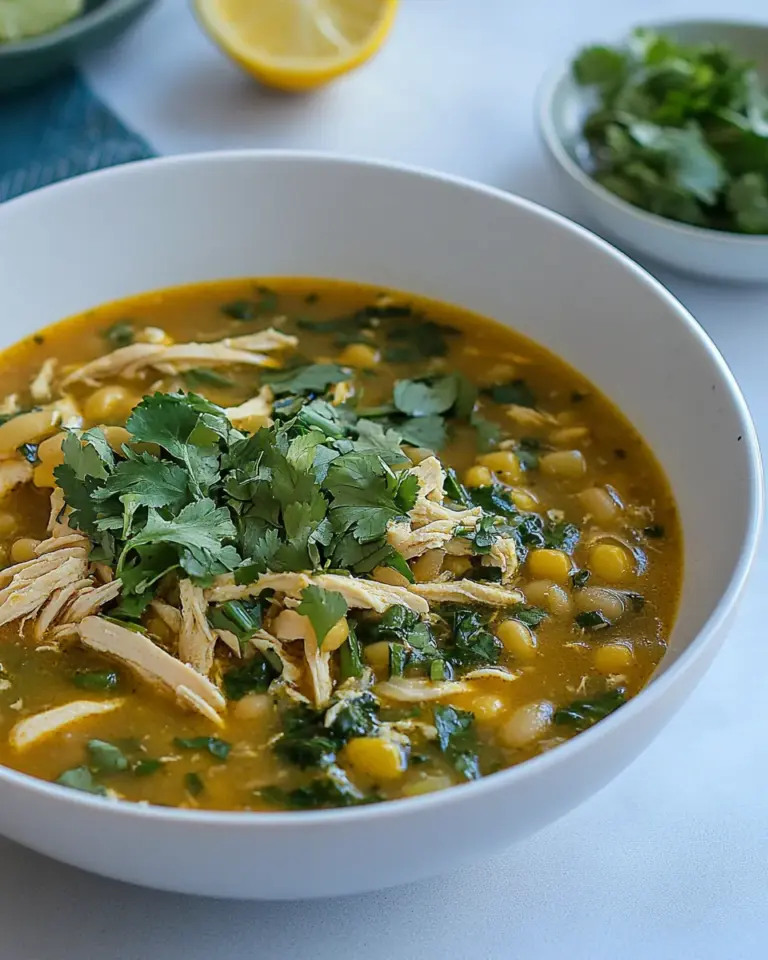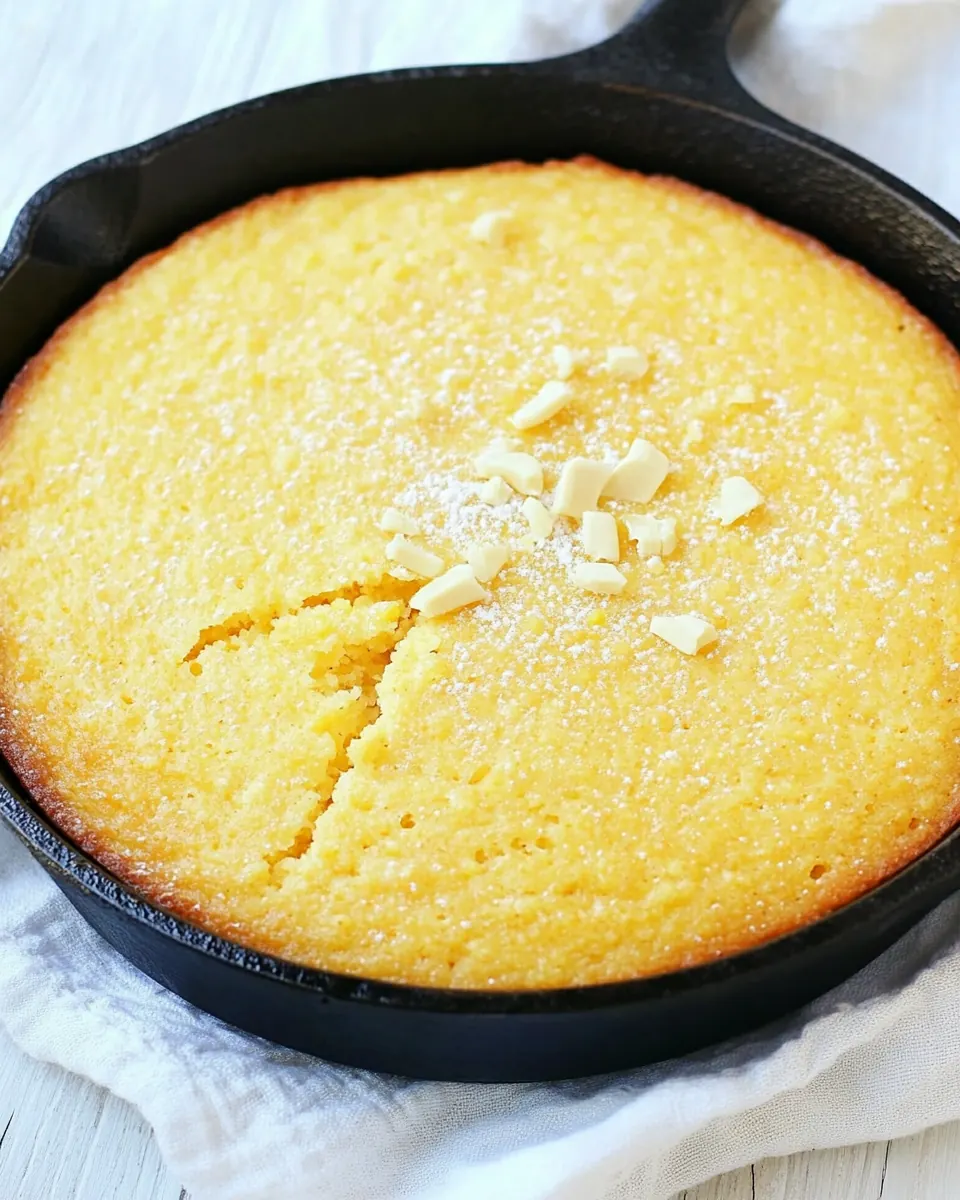
Southern Skillet Cornbread
Southern Skillet Cornbread has always been the loaf I reach for when I want something honest, warm, and a little nostalgic on the table. I remember the first time I pulled a skillet from the oven and the kitchen filled with the cozy smell of toasted cornmeal and butter. That moment when a crisp, golden crust met a tender, crumbly interior felt like a small celebration at home.
Over the years I’ve played with heat and timing until the edges were reliably crunchy and the center stayed tender, and that became my dependable formula for Southern Skillet Cornbread. I love serving it straight from the pan with a pat of softened butter, watching people break off pieces with their hands and close their eyes at the texture. Each bite is a balance of grainy cornmeal texture and the gentle lift of baking powder, a combination that keeps this bread from feeling heavy.
Recipe Snapshot
35 mins
15 mins
20 mins
Medium
200 kcal
American
Gluten-Free, Low FODMAP
Side Dishes
Cast Iron Skillet, Mixing Bowl, Whisk
Why This Southern Skillet Cornbread Works
Comfort that feels homemade
I adore how Southern Skillet Cornbread delivers that warm, homey feeling without fuss. The contrast between the crisp skillet edges and the tender crumb makes every bite comforting, and the aroma draws people to the table instantly.
Speed and simplicity
We can get this on the table quickly, and I especially appreciate that the recipe is forgiving. With just a few pantry staples like flour, cornmeal, and milk, it comes together fast. That makes it a reliable go to for weeknight dinners.
Textural delight
The hot cast iron produces a caramelized crust that I find impossible to resist. The center stays moist because the batter rests briefly, letting the cornmeal hydrate, which produces a pleasant grainy tenderness that contrasts with the exterior crunch.
Versatile side or star
I often treat this as a side, yet it stands up as the star of a simple meal. It pairs with soups, greens, and stews, and because the ingredient list is short, it complements many flavors without competing.
Reliable technique
Once you learn the small tricks like preheating the skillet and letting the batter rest, this recipe performs consistently. The method rewards attention to heat and timing, and the result is a dependable loaf you can count on for gatherings.
Key Ingredients for Southern Skillet Cornbread
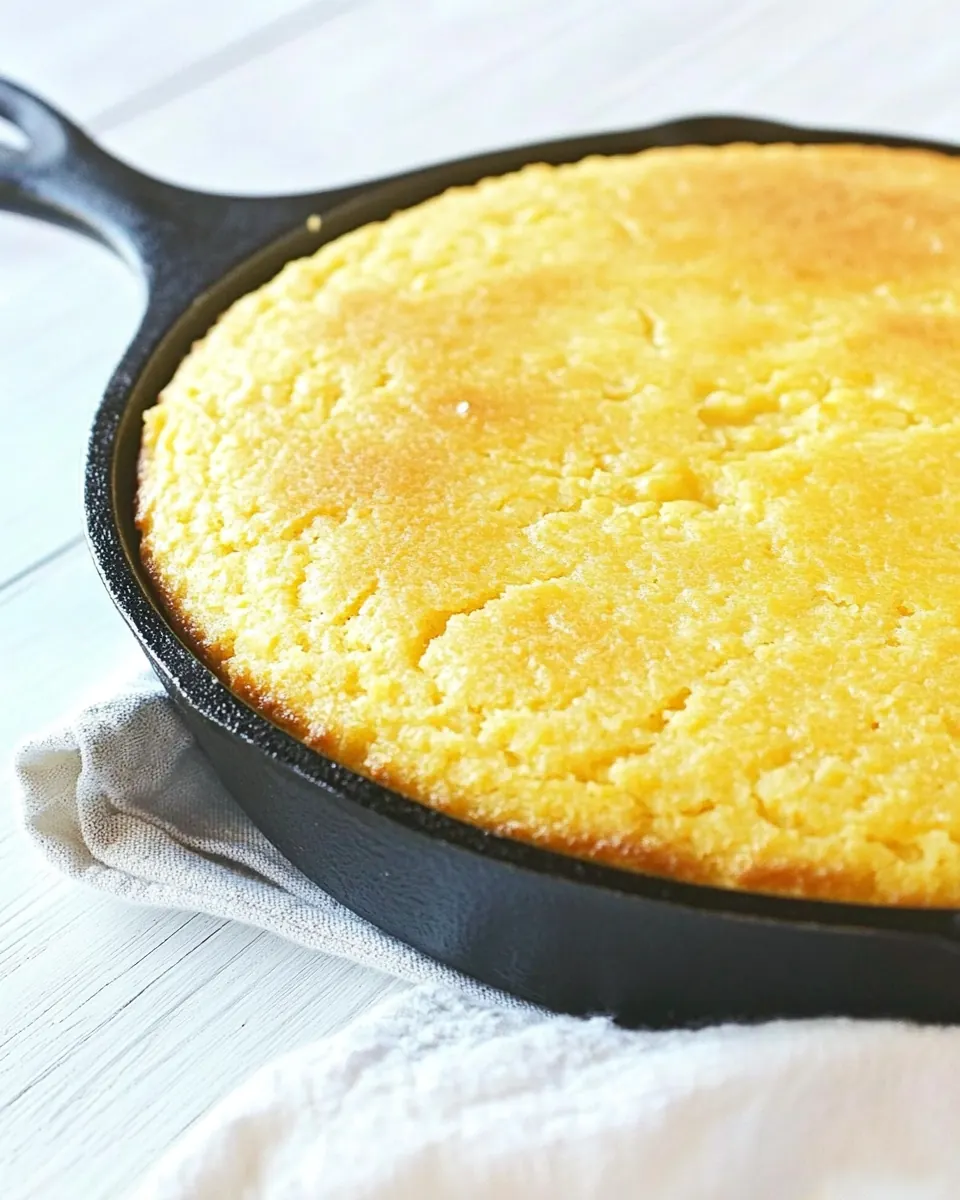
This ingredient group is simple and purposeful. Each component plays a clear role in texture and flavor. The cornmeal provides grainy, toasty flavor, the flour gives structure, and the baking powder adds lift. Supporting players like milk, eggs, and butter contribute moisture, richness, and a tender crumb. Together they create a balance of crunchy exterior and soft interior that makes this skillet loaf sing.
- 1 cup cornmeal: Bring texture and a classic cornbread flavor by providing the gritty, toasted base; combine with wet ingredients to create structure and body for the batter. Adjust coarseness to influence crumb and mouthfeel, and toast lightly for a nuttier note if desired.
- 1 1/4 cup milk: Add moisture and aid in dissolving dry components while contributing a mild, slightly sweet dairy flavor; warm or room-temperature milk helps batter blend smoothly. Serve as the liquid medium that activates leavening agents and yields tenderness in the finished cornbread.
- 1 cup flour: Contribute gluten-forming proteins that give the batter some elasticity and help hold the cornbread together while softening the crumb. Balance with cornmeal to prevent toughness, and sift if needed to remove lumps for a smoother batter.
- 2 tablespoons sugar: Provide subtle sweetness that balances cornmeal’s savory notes and enhances browning during baking; sugar also feeds yeastless leavening reactions. Adjust quantity to taste for a more neutral or sweeter cornbread without overwhelming corn flavor.
- 1 tablespoon plus 1 teaspoon baking powder: Deliver chemical leavening power to make the batter rise and produce a light, tender texture; the combination of tablespoon plus teaspoon ensures reliable lift. Distribute evenly through dry ingredients to avoid pockets of metallic or uneven rising.
- 1 teaspoon salt: Impart seasoning that enhances and balances the cornmeal and overall flavors while controlling sweetness perception; salt also strengthens gluten slightly. Measure precisely to avoid a bland or overly salty result in the finished skillet cornbread.
- 2 eggs: Introduce moisture, richness, and structure while contributing to leavening through trapped steam during baking; eggs also help bind ingredients and promote a golden crust. Beat or whisk before adding to ensure even incorporation and a uniform crumb.
- 1/4 cup melted butter: Add fat for richness, tender crumb, and a buttery flavor while aiding in browning and creating a moist texture; melted form blends easily into the batter. Pour warm melted butter to incorporate smoothly and brush some in the skillet for a crisp edge.
Cooking Instructions for Southern Skillet Cornbread
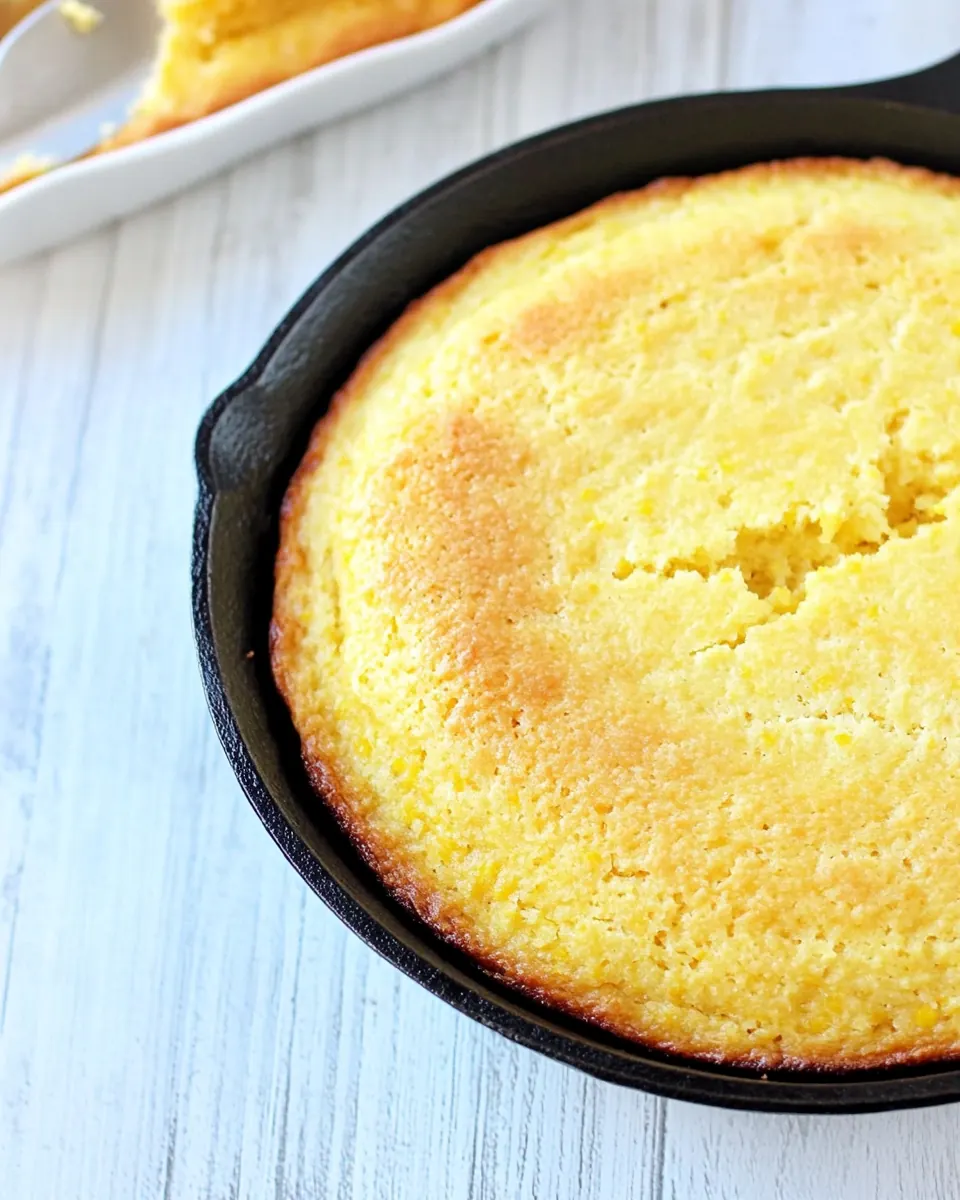
These steps are straightforward, but the magic is in the small details of heat and timing. Keep your skillet hot and follow the sensory cues so you get a crisp edge and a tender center. Below you’ll find the converted directions from the recipe, expanded into detailed, sensory driven steps to guide you through each stage.
- Place a 10" cast iron skillet in oven. Preheat to 420.: The air in your oven should feel dry and the heat aggressive enough to create a blistering contact with the batter. When the skillet is hot you will often hear a faint sizzle if any residual moisture remains, and the metal will radiate heat when you open the oven door. This very high preseasoning of the pan is what yields the deep brown, slightly crunchy edges that define great skillet cornbread. Avoid the mistake of skipping this step, because adding batter to a cool pan will prevent crust formation and make the loaf dense. If you use a thinner pan instead of cast iron the crust will be less pronounced, so cast iron is preferred for that smoky caramelization.
- While oven and pan is warming, prepare batter.: Work quickly but methodically as you assemble the batter so that the skillet stays piping hot. You should feel slightly rushed, yet controlled, as ingredients come together. A well prepared batter has a smooth sheen and pourable consistency. One common error is letting the batter sit too long after adding the leavening, which can reduce rise, so mix and move efficiently to maintain lift.
- In a mixing bowl combine cornmeal and milk.: When you stir the cornmeal into the milk , you will see the grain absorb liquid and plump up, forming a thick, rustic paste. The texture shifts from powdery to slightly textured, and a faint sweet corn aroma becomes apparent. This rest hydrates the cornmeal , preventing a gritty center. Skipping this step can result in dry pockets of cornmeal , so give it time to soften for a cohesive crumb.
- Let set for 10 minutes.: During this pause the cornmeal swells and mellows, and you will notice the batter becoming more homogeneous. This resting period allows starches to absorb moisture which helps the crumb set properly while baking. A typical pitfall is under resting, which leaves the interior dry; over resting longer than 20 minutes is usually harmless but can slightly thicken the batter and change baking time, so stick close to the suggested window.
- In a separate bowl, add flour, sugar, baking powder and salt and mix well.: As you whisk these dry elements, the mixture should look evenly pale and free of lumps, with the sugar grains dispersed. This distribution ensures the baking powder is evenly spread, which is key for uniform rise. If the baking powder clusters you might get uneven pockets of lift, so break up any clumps and whisk thoroughly. Measuring errors, especially for the baking powder , can cause under rise or a metallic taste, so level your teaspoons carefully.
- Pour into cornmeal mixture and mix well. Stir in eggs and melted butter and mix until smooth.: At this stage the bowl takes on a warm, glossy sheen, and the batter should flow slowly from the spoon, thick but pourable. As you fold in the eggs and melted butter , you will see tiny bubbles appear, promising lift in the oven. The aroma will deepen, with buttery notes blooming. Over mixing after the flour is added can develop gluten and yield toughness, so combine until just smooth. If your batter seems too stiff add a splash more milk , but be cautious because thinning it too much will flatten the loaf.
- Pour into preheated pan and bake for 18-20 minutes or until toothpick inserted in center comes out clean.: When you pour the batter into the screaming hot skillet you should hear an immediate light hiss, a sign that the exterior is beginning to crisp. The oven will coax the top to a light golden brown while the base forms a deeper crust. Look for a deeply bronzed edge and a center that springs back slightly. A clean toothpick indicates doneness, but if it comes out with wet batter return to the oven in two minute increments. A common mistake is opening the oven too often, which cools the environment and lengthens baking time, so check sparingly.
- Cut into slices before serving.: After a brief rest of a couple of minutes so the crumb firms slightly, run a knife through the loaf and portion into wedges. The sound should be a soft, confident cut, and the interior will reveal a warm, tender texture flecked with the cornmeal grain. Serving too hot can cause the crumb to fall apart when cut, while waiting too long cools the crust. Aim to serve warm for the best mouthfeel, and avoid using a serrated saw motion which can tear the crumb, instead use a steady downward pressure.
- Serves 8-10.: This guideline helps plan portions; the wedges will be generous and ideal for sharing. If you need larger slices for a heartier meal, plan accordingly. Undersizing portions can leave guests wanting more, while oversized wedges may overwhelm a lighter entrée. Keep this serving suggestion in mind when pairing and timing the rest of your meal.
Change It Up
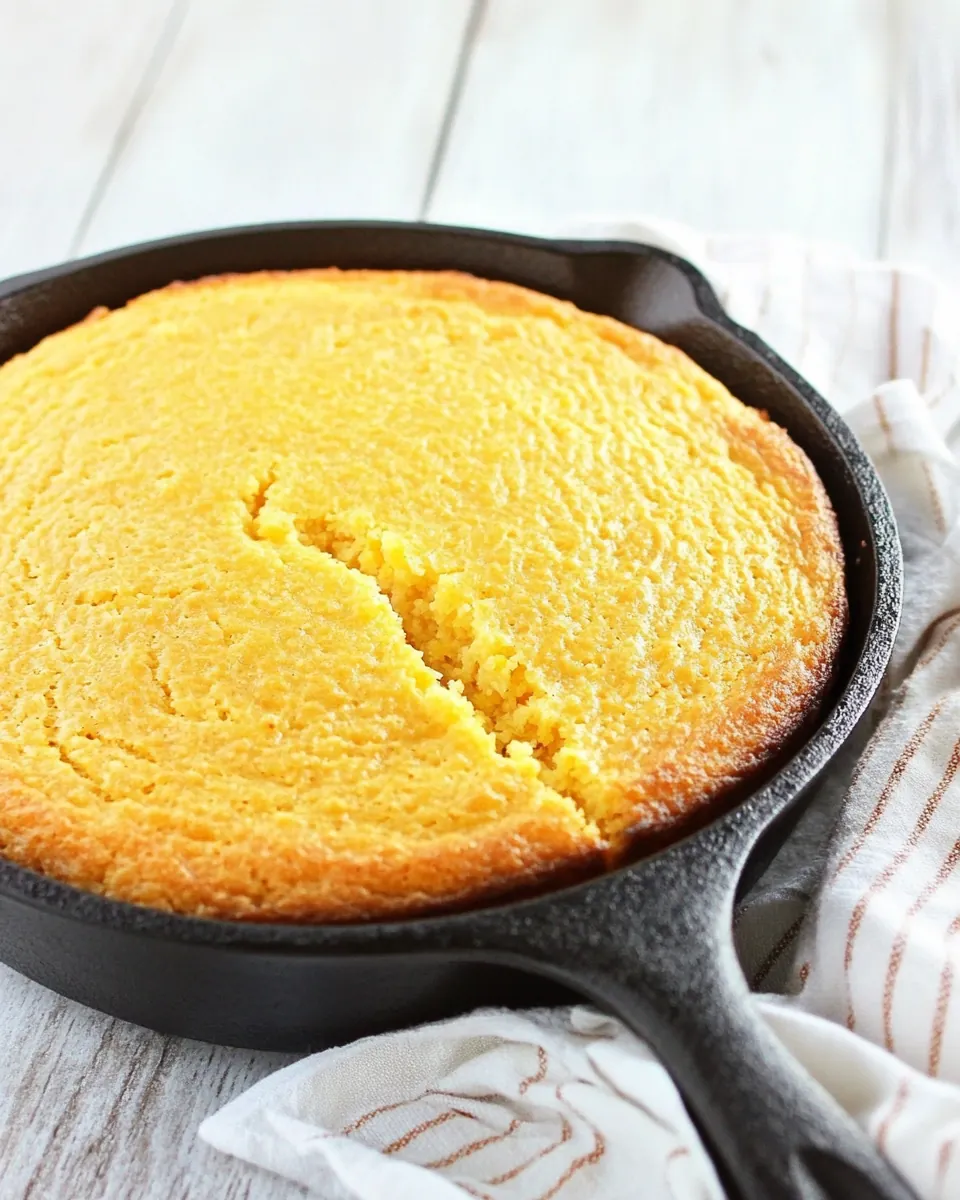
Once you have the basic rhythm of this skillet loaf, small tweaks can elevate it. The list below offers practical variations and serving ideas to adapt the loaf to different meals and moods. Each tip highlights a starting phrase to make the suggestion easy to scan.
- Use whole milk for creamier results, it adds richness and helps the crumb stay moist and slightly tender.
- Swap butter timing by browning the butter first, it creates a nutty depth that pairs beautifully with the corn flavor.
- Adjust sugar by adding a little more for a sweeter cornbread suited to breakfasts or desserts.
- Try medium grind cornmeal for the best balance of texture and tenderness, coarse can be too gritty and fine may be pasty.
- Make ahead by baking and storing at room temperature wrapped tightly for a day, then reheat gently to refresh the crust.
Pairing Suggestions for Southern Skillet Cornbread
This loaf is friendly and adaptable. Below I outline how to serve it across meals, occasions, and seasons, and practical storage advice so it stays fresh. Each suggestion focuses on the sensory pairing so you know why the combination works.
- Classic dinner side: Serve warm wedges alongside stews or braises, the crisp edge and tender center soak up savory juices and balance rich, saucy mains.
- Comfort lunch: Pair with a bowl of thick soup for a midday comfort meal, the cornmeal texture adds chew and the buttery notes harmonize with broth.
- Casual gatherings: Present slices on a shared board with spreads, allowing guests to tear pieces and combine them with savory toppings.
- Seasonal occasions: In fall, pair with roasted vegetables and greens to echo seasonal produce and deepen the warm, toasty flavors.
- Storage tips: Keep wrapped at room temperature for one day or refrigerate up to three days. Reheat in a warm oven to revive crisp edges and restore that freshly baked texture.
- Serving style: Offer softened butter and optional honey on the side so guests can personalize sweetness and richness to taste.
FAQ
Conclusion
Southern Skillet Cornbread stands out for its satisfying contrast of a crunchy, caramelized edge and a tender, slightly grainy interior. Its simplicity and dependable technique make it a recipe you will return to often, whether for weeknight dinners or fall gatherings. I encourage you to give it a go, paying attention to the hot skillet and the brief cornmeal rest, and enjoy the warmth it brings to your table. It’s a modest loaf with a big personality, ready to complement many meals.
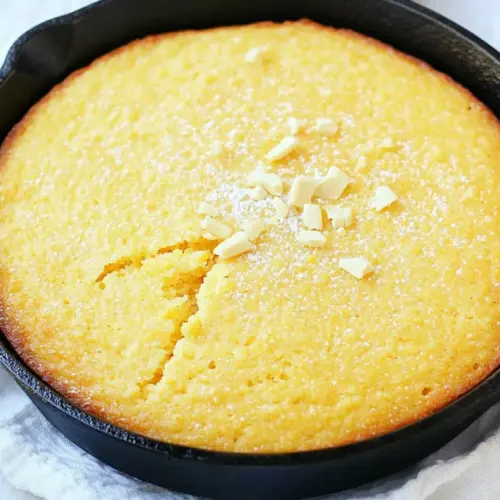
Southern Skillet Cornbread
Equipment
- Cast-Iron Skillet
- Mixing Bowl
- Whisk
Ingredients
- 1 cup cornmeal Bring texture and a classic cornbread flavor by providing the gritty, toasted base; combine with wet ingredients to create structure and body for the batter. Adjust coarseness to influence crumb and mouthfeel, and toast lightly for a nuttier note if desired.
- 1 -1/4 cup milk Add moisture and aid in dissolving dry components while contributing a mild, slightly sweet dairy flavor; warm or room-temperature milk helps batter blend smoothly. Serve as the liquid medium that activates leavening agents and yields tenderness in the finished cornbread.
- 1 cup flour Contribute gluten-forming proteins that give the batter some elasticity and help hold the cornbread together while softening the crumb. Balance with cornmeal to prevent toughness, and sift if needed to remove lumps for a smoother batter.
- 2 tablespoons sugar Provide subtle sweetness that balances cornmeal’s savory notes and enhances browning during baking; sugar also feeds yeastless leavening reactions. Adjust quantity to taste for a more neutral or sweeter cornbread without overwhelming corn flavor.
- 1 tablespoon plus 1 teaspoon baking powder Deliver chemical leavening power to make the batter rise and produce a light, tender texture; the combination of tablespoon plus teaspoon ensures reliable lift. Distribute evenly through dry ingredients to avoid pockets of metallic or uneven rising.
- 1 teaspoon salt Impart seasoning that enhances and balances the cornmeal and overall flavors while controlling sweetness perception; salt also strengthens gluten slightly. Measure precisely to avoid a bland or overly salty result in the finished skillet cornbread.
- 2 eggs Introduce moisture, richness, and structure while contributing to leavening through trapped steam during baking; eggs also help bind ingredients and promote a golden crust. Beat or whisk before adding to ensure even incorporation and a uniform crumb.
- 1/4 cup melted butter Add fat for richness, tender crumb, and a buttery flavor while aiding in browning and creating a moist texture; melted form blends easily into the batter. Pour warm melted butter to incorporate smoothly and brush some in the skillet for a crisp edge.
Instructions
- Place a 10" cast iron skillet in oven. Preheat to 420.: The air in your oven should feel dry and the heat aggressive enough to create a blistering contact with the batter. When the skillet is hot you will often hear a faint sizzle if any residual moisture remains, and the metal will radiate heat when you open the oven door. This very high preseasoning of the pan is what yields the deep brown, slightly crunchy edges that define great skillet cornbread. Avoid the mistake of skipping this step, because adding batter to a cool pan will prevent crust formation and make the loaf dense. If you use a thinner pan instead of cast iron the crust will be less pronounced, so cast iron is preferred for that smoky caramelization.
- While oven and pan is warming, prepare batter.: Work quickly but methodically as you assemble the batter so that the skillet stays piping hot. You should feel slightly rushed, yet controlled, as ingredients come together. A well prepared batter has a smooth sheen and pourable consistency. One common error is letting the batter sit too long after adding the leavening, which can reduce rise, so mix and move efficiently to maintain lift.
- In a mixing bowl combine cornmeal and milk.: When you stir the cornmeal into the milk , you will see the grain absorb liquid and plump up, forming a thick, rustic paste. The texture shifts from powdery to slightly textured, and a faint sweet corn aroma becomes apparent. This rest hydrates the cornmeal , preventing a gritty center. Skipping this step can result in dry pockets of cornmeal , so give it time to soften for a cohesive crumb.
- Let set for 10 minutes.: During this pause the cornmeal swells and mellows, and you will notice the batter becoming more homogeneous. This resting period allows starches to absorb moisture which helps the crumb set properly while baking. A typical pitfall is under resting, which leaves the interior dry; over resting longer than 20 minutes is usually harmless but can slightly thicken the batter and change baking time, so stick close to the suggested window.
- In a separate bowl, add flour, sugar, baking powder and salt and mix well.: As you whisk these dry elements, the mixture should look evenly pale and free of lumps, with the sugar grains dispersed. This distribution ensures the baking powder is evenly spread, which is key for uniform rise. If the baking powder clusters you might get uneven pockets of lift, so break up any clumps and whisk thoroughly. Measuring errors, especially for the baking powder , can cause under rise or a metallic taste, so level your teaspoons carefully.
- Pour into cornmeal mixture and mix well. Stir in eggs and melted butter and mix until smooth.: At this stage the bowl takes on a warm, glossy sheen, and the batter should flow slowly from the spoon, thick but pourable. As you fold in the eggs and melted butter , you will see tiny bubbles appear, promising lift in the oven. The aroma will deepen, with buttery notes blooming. Over mixing after the flour is added can develop gluten and yield toughness, so combine until just smooth. If your batter seems too stiff add a splash more milk , but be cautious because thinning it too much will flatten the loaf.
- Pour into preheated pan and bake for 18-20 minutes or until toothpick inserted in center comes out clean.: When you pour the batter into the screaming hot skillet you should hear an immediate light hiss, a sign that the exterior is beginning to crisp. The oven will coax the top to a light golden brown while the base forms a deeper crust. Look for a deeply bronzed edge and a center that springs back slightly. A clean toothpick indicates doneness, but if it comes out with wet batter return to the oven in two minute increments. A common mistake is opening the oven too often, which cools the environment and lengthens baking time, so check sparingly.
- Cut into slices before serving.: After a brief rest of a couple of minutes so the crumb firms slightly, run a knife through the loaf and portion into wedges. The sound should be a soft, confident cut, and the interior will reveal a warm, tender texture flecked with the cornmeal grain. Serving too hot can cause the crumb to fall apart when cut, while waiting too long cools the crust. Aim to serve warm for the best mouthfeel, and avoid using a serrated saw motion which can tear the crumb, instead use a steady downward pressure.
- Serves 8-10.: This guideline helps plan portions; the wedges will be generous and ideal for sharing. If you need larger slices for a heartier meal, plan accordingly. Undersizing portions can leave guests wanting more, while oversized wedges may overwhelm a lighter entrée. Keep this serving suggestion in mind when pairing and timing the rest of your meal.
Notes
- Use whole milk for creamier results, it adds richness and helps the crumb stay moist and slightly tender.
- Swap butter timing by browning the butter first, it creates a nutty depth that pairs beautifully with the corn flavor.
- Adjust sugar by adding a little more for a sweeter cornbread suited to breakfasts or desserts.
- Try medium grind cornmeal for the best balance of texture and tenderness, coarse can be too gritty and fine may be pasty.
- Make ahead by baking and storing at room temperature wrapped tightly for a day, then reheat gently to refresh the crust.