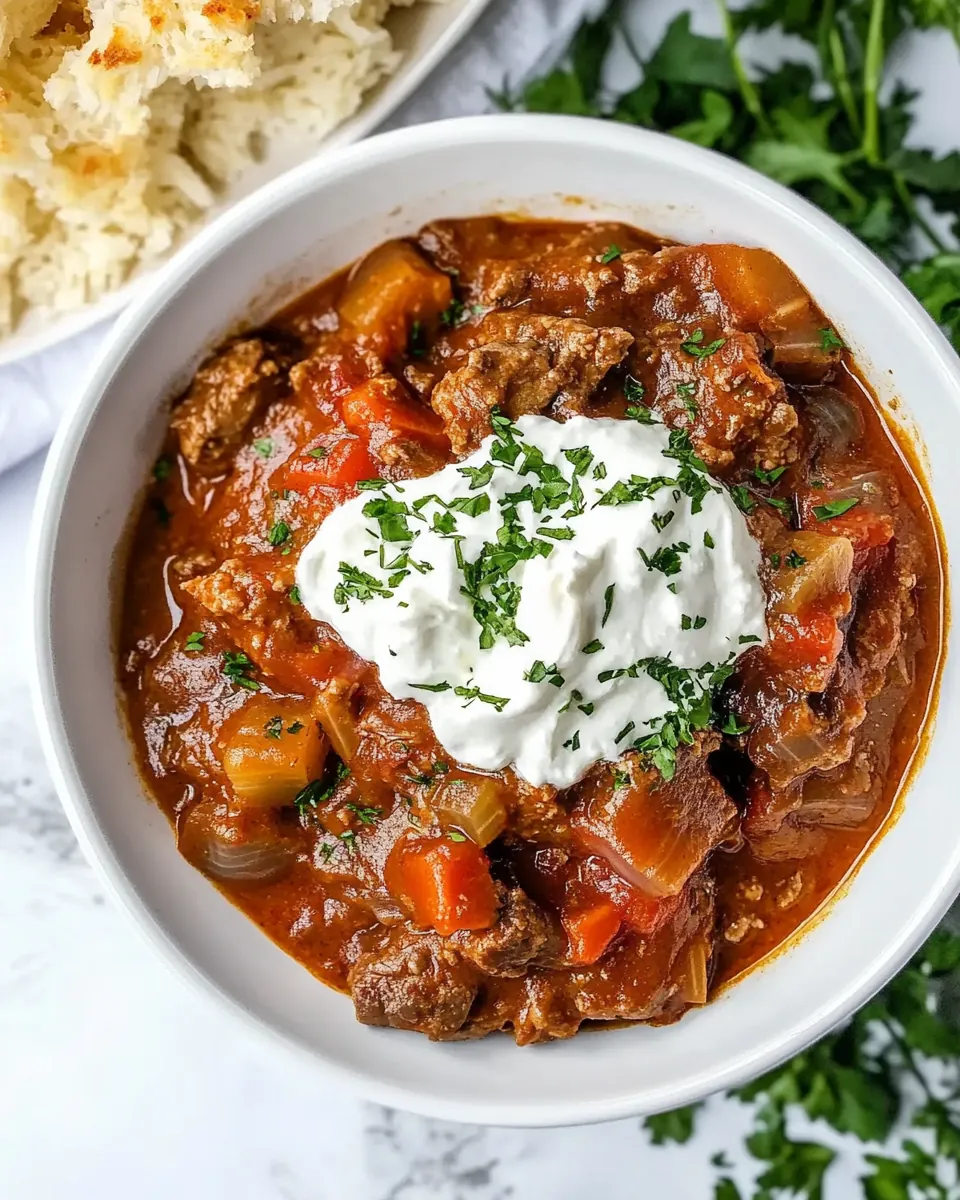
Slow Cooker Hungarian Goulash
Slow Cooker Hungarian Goulash is one of those recipes I turn to when the air outside feels sharp and I want the house to smell like comfort. The first time I made it, a neighbor popped by with a thermos of tea and we sat at my tiny kitchen table, trading stories while the rich aromas of paprika and caramelized onion filled the room. I remember thinking how simple ingredients could feel so luxurious when given time.
Over the years I’ve tweaked this version until it felt like the goulash my grandmother might have made if she had a slow cooker and a lazy Saturday. I love that the textures change as it cooks, the beef softening into tender strands while the sauce thickens into something glossy and spoonable. When friends come over on cold nights, I often ladle big bowls into mismatched bowls and insist they take seconds.
Recipe Snapshot
7 hr
20 mins
400 mins
Hard
450 kcal
Hungarian
Gluten-Free, Low FODMAP
Dinner
Slow Cooker
Why You Need This Slow Cooker Hungarian Goulash
Aromas that Anchor the Memory
When I walk into the kitchen and the scent of sweet and hot paprika drifts from the crock, I’m immediately transported. The balance of smoky sweet paprika and a touch of heat gives this dish a distinct personality, and that scent alone sells the meal before a spoon hits the bowl.
Hands Off, Big Reward
I appreciate recipes that let me step away without losing control. The slow cooker method lets flavors develop gradually, so you get deep, cohesive taste without babysitting. I can run errands, read a book, or prep a salad, and when I come back the goulash has transformed into something richly layered.
Textural Contrast That Comforts
The way the beef breaks down while the red bell pepper and onion keep some structure creates bite and depth. That interplay makes every spoonful interesting, not monotonous, and it’s why I prefer this over a homogenized stew.
Simple Staples, Exceptional Results
This dish leans on pantry heroes like paprika, flour, and canned crushed tomato. They pull together to make a sauce that feels indulgent, yet the technique is approachable. I often rave that good food doesn’t have to be complicated, and this goulash proves it.
Flexible and Crowd Friendly
I love how forgiving this recipe is. You can add root vegetables if you like, or keep it classic. It scales well, so whether I’m cooking for two or company, it behaves. That reliability makes it a go to for chilly nights and casual gatherings.
Ingredients You’ll Need for Slow Cooker Hungarian Goulash
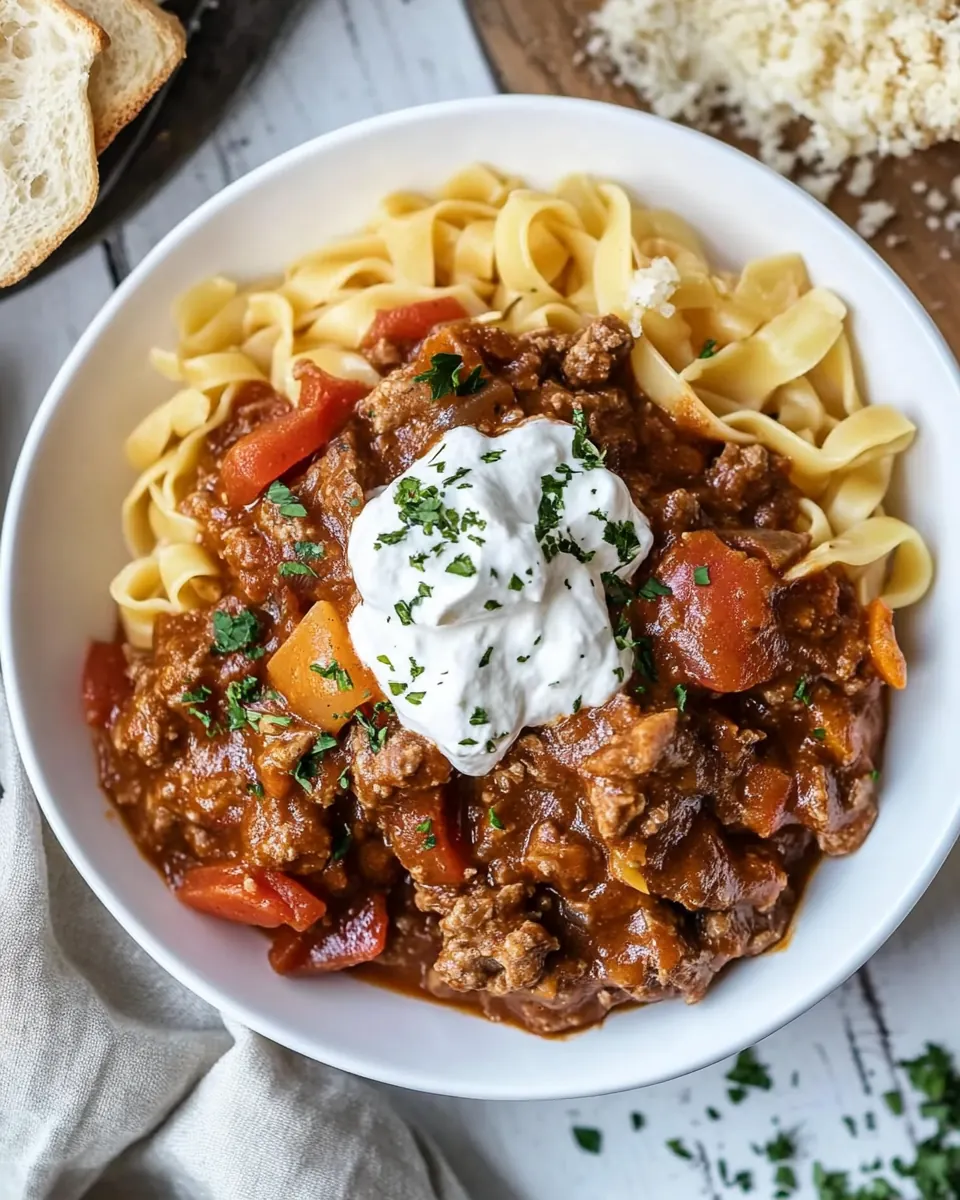
These ingredients read like a short, efficient shopping list. The heart of the dish is the beef and paprika, but the supporting cast of onion, garlic, and crushed tomato enrich the stock into a full bodied sauce. I think of the spice mix as the personality, the aromatics as the heart, and the liquid components as the glue that lets everything slow cook into comfort.
- 2 pounds beef chuck roast, cut into 1 1/2-inch pieces: Provide hearty, well-marbled beef pieces that become fork-tender during long, slow cooking; supply rich collagen that melts into the sauce, creating body and depth; serve as the primary protein and flavor base that carries paprika and other aromatics.
- 2 teaspoons sweet Hungarian paprika: Add warm, sweet paprika flavor and vibrant red color that defines the dish; balance smokiness and sweetness while infusing the cooking liquid with classic Hungarian character; contribute mild earthiness that harmonizes with beef and peppers.
- 1 teaspoon hot paprika: Deliver bright, sharp heat to contrast the sweetness of the other paprika and vegetables; intensify overall flavor complexity without overwhelming when used sparingly; enhance the traditional layered paprika profile.
- 1 teaspoon onion powder: Provide a concentrated onion flavor that seasons the meat and sauce evenly without adding moisture; help replicate the savory backbone of fresh onions when fresh is limited; offer umami and aromatic support throughout the braise.
- 1/2 teaspoon garlic powder: Impart mellow garlic aroma and savory depth in a convenient, concentrated form; reinforce fresh garlic cloves while helping maintain consistent garlicky notes during long cooking; prevent flavor loss from extended simmering.
- 1 1/4 teaspoon kosher salt: Season the stew to bring out natural flavors and help balance sweetness and acidity; aid in protein extraction and tenderization during slow cooking; ensure the overall dish tastes well-rounded and savory.
- 2 cups sweet onion, chopped: Contribute soft, sweet onion texture and pronounced savory-sweet flavor that melts into the sauce; provide aromatics and liquid as they break down, thickening and enriching the braise; pair seamlessly with paprika and beef for authentic goulash taste.
- 4 cloves garlic, smashed: Offer pungent, fresh garlic aroma and sharp savory bite that brightens the slow-cooked flavors; crush to release oils that infuse the cooking liquid; complement powdered seasonings and deepen the overall aroma.
- 2 tablespoons flour, all purpose or gluten-free: Thicken the sauce slightly and help create a silky mouthfeel while absorbing flavors; add a bit of body to the braising liquid so it clings to beef and vegetables; provide structure that prevents an overly thin gravy.
- 2 cups red bell pepper, chopped: Introduce sweet, roasted pepper flavor and tender texture that complement the onions and beef; contribute natural sugars and color while adding a mild vegetal brightness; break down during cooking to integrate into the sauce.
- 1 cup low sodium beef broth: Supply a savory, beefy liquid base that augments meat flavors and forms the stew's cooking medium; contribute umami and dilute seasonings to a balanced consistency; dissolve aromatics and help extract gelatin from the beef.
- 1 cup crushed tomato: Add concentrated tomato sweetness and acidity to balance richness and paprika; create color and a slightly thickened tomato-forward component in the sauce; meld with spices to produce classic goulash tang.
- 1 teaspoon caraway seed, plus more for garnish: Lend warm, slightly bitter anise-like notes that echo traditional caraway flavors in Eastern European dishes; add subtle aromatic complexity and a seed texture when toasted or crushed; serve as a distinctive finishing and cooking spice.
- 2 teaspoons brown sugar (optional): Provide a hint of caramelized sweetness that offsets acidity and savory elements; help round tight flavors and enhance overall balance when included; remain optional for controlling sweetness level to taste.
- 1 dry bay leaf: Contribute herbal, bay-like depth and a subtle resinous aroma that melds into the braise over long cooking; infuse background savory notes without dominating; remove before serving to avoid unexpected bites.
- Sour cream, for serving (optional): Offer cool, creamy acidity to finish and lighten rich, hearty portions when desired; balance the paprika's heat and the beef's richness while adding silky texture; serve dolloped on top for contrast and garnish.
How to Cook Slow Cooker Hungarian Goulash
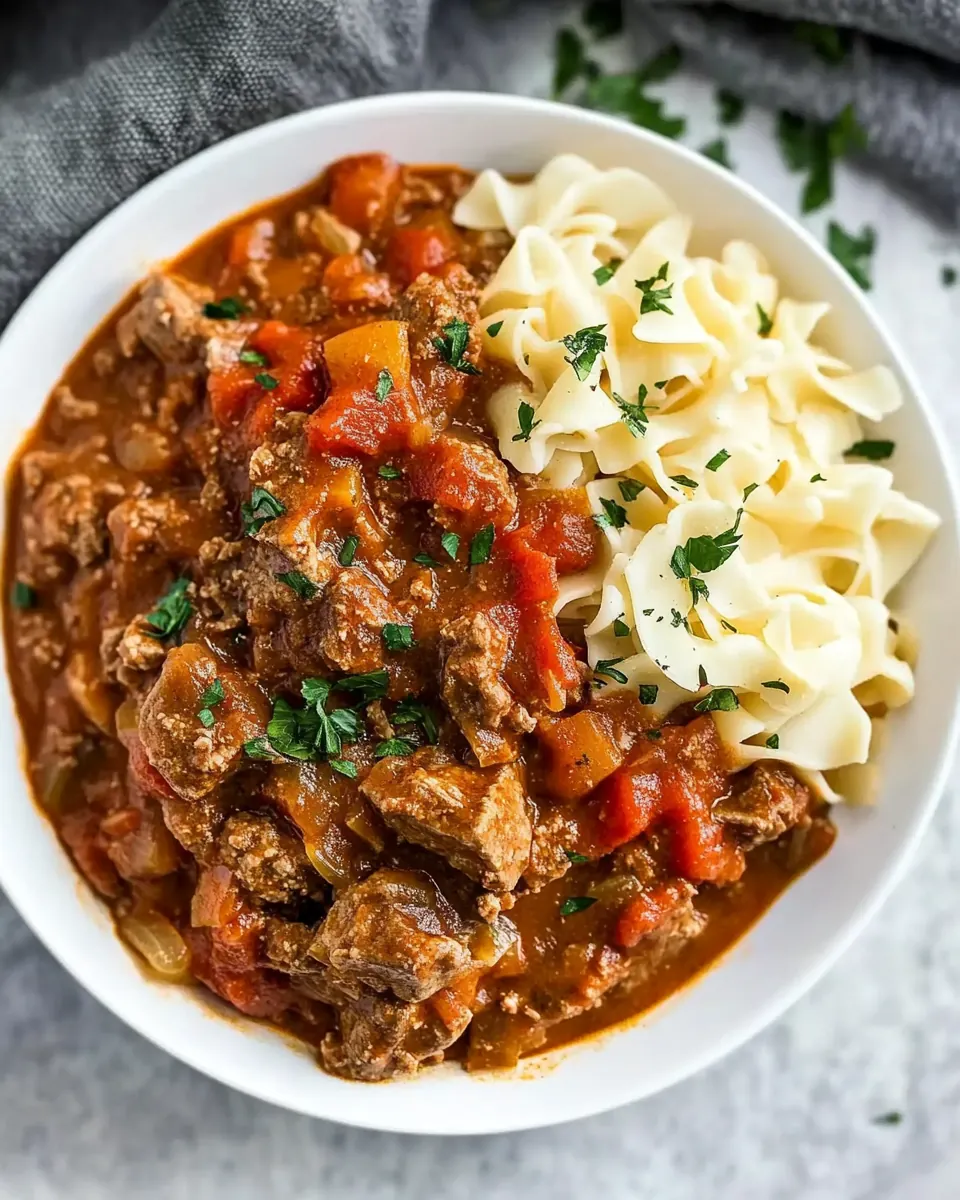
Getting into the slow cooker is rewarding because the active work is brief, and the long cooking does the heavy lifting. Below I expand each original direction with sensory cues, reasons behind the technique, and common pitfalls so you feel confident at every turn.
- Toss beef with sweet paprika, hot paprika, onion powder, garlic powder and salt.: The smell of powdered paprika coating raw beef is bright and fragrant, and tossing allows the spice to adhere so every piece develops flavor as it browns. This initial seasoning builds the flavor base that will slowly infuse into the sauce, which is why it is crucial to be thorough but not heavy handed. A frequent mistake is uneven coating, which causes some bites to be under seasoned; take an extra moment to rub the spices onto each piece so the color looks even and vibrant.
- Heat a large skillet over medium heat and spray with cooking spray. Brown the beef on all sides in two batches. Transfer the beef to the slow cooker.: You will hear a pronounced sizzle when the beef hits the pan, and that sizzling backs away into gentle crackles as a crust forms, releasing nutty, caramel aromas. Browning develops Maillard flavors that deepen the final sauce and create complexity you cannot get without this step. Brown in two batches to avoid crowding, otherwise the meat will steam rather than sear and you lose that savory crust. If the pan smokes too much, reduce the heat slightly and wipe any burnt bits to prevent bitterness.
- Add onion, garlic and flour to the pan the beef was cooked in; cook until aromatic, 2-3 minutes. Transfer to the slow cooker.: The chopped onion will soften and begin to take on color, and the smashed garlic will release a warm, toasty perfume when added. Sprinkling in the flour at this stage lets it toast slightly in the pan juices, which prevents raw flour taste and helps the sauce thicken later. Stir constantly so the flour absorbs the drippings and the mixture turns glossy, then scrape everything into the slow cooker. A common slip is letting the garlic burn, which gives a harsh bitterness, so keep the heat moderate and stir frequently.
- Add bell pepper, beef broth, crushed tomato, caraway seed & brown sugar, if using to the slow cooker. Stir. Add bay leaf, cover and cook low 8 hours or high for 4 to 6 hours.: When you add the red bell pepper , the mixture will brighten visually, and the liquids will begin to steam as the lid goes on. The long, gentle heat allows the collagen in the beef to melt into gelatin, producing a silky mouthfeel that coats the spoon. The caraway seed contributes a faint licorice like aroma that unfolds slowly, while optional brown sugar tempers the acidity of the crushed tomato . Stir to combine so flavors distribute evenly, then nestle the bay leaf in the center. If you rush the timing or lift the lid constantly, you interfere with steady temperature, which can extend cooking time and prevent proper tenderizing.
- Serve with sour cream and a sprinkling of caraway seeds, if desired.: The final touch of cool, tangy sour cream against warm goulash creates a pleasant temperature contrast and smoothness that brightens the paprika flavors. A light scatter of whole caraway seed adds texture and a fragrance lift. Taste before adding extras, because the slow cooking concentrates flavors and you may not need as much seasoning as expected. The most common error is over garnishing, which can obscure the balanced sauce you worked to build.
Customization Ideas
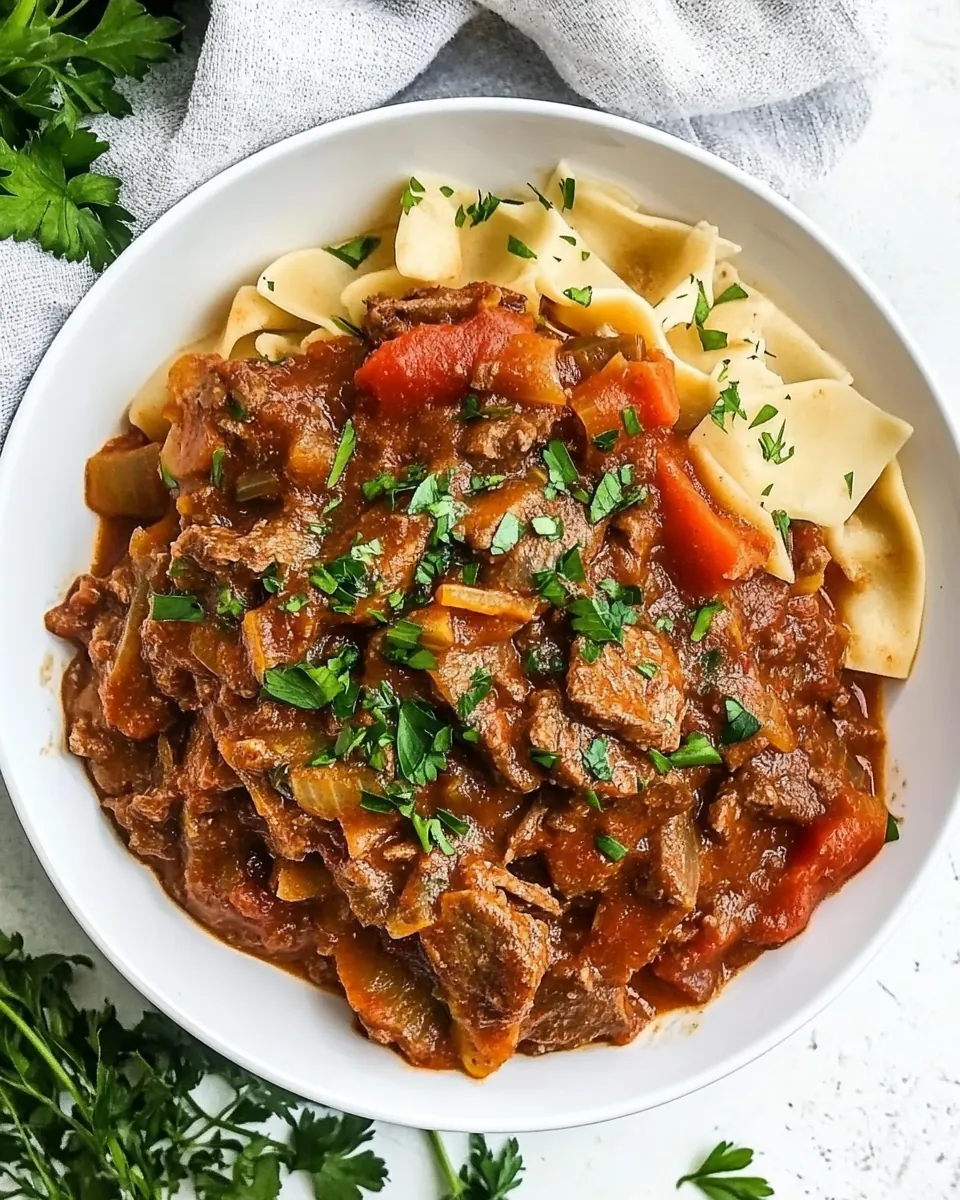
I like to offer a few adjustments so you can make this recipe your own. Below are practical, tested ways to modify texture, temperature, and flavor while staying true to the spirit of the dish.
- Boost the smokiness by using a smoked paprika in place of part of the sweet paprika, but use sparingly so the balance does not shift to an overwhelmingly smoky profile.
- Mild to hot adjustment swap the hot paprika amount to taste or omit it for a gentler version; the dish will still have depth from the sweet paprika and caramelized aromatics.
- Thickening tip if the sauce is too thin after cooking, remove the lid and cook on high for an hour to concentrate, or stir in a slurry of extra flour and a little broth then simmer until glossy.
- Make it heartier by adding diced carrot and potato at the start; they will melt into the stew and add natural starch for body.
- Serving variation offer sour cream on the side so guests can finish their bowls to taste, which keeps the dish fresh and customizable.
Serve This Slow Cooker Hungarian Goulash With
Consider how you plate and pair this goulash to enhance its warm, homey character. Below are serving ideas that suit weeknight dinners, cozy gatherings, and seasonal menus.
- Over buttered noodles the goulash spooned over egg noodles creates a classic, soak up every drop experience that families love for weeknight dinners.
- With crusty bread a thick slice of crusty bread is perfect for sopping, and it turns the meal into a casual, comfort forward feast ideal for winter evenings.
- For special occasions serve in warmed bowls with a dollop of sour cream and a sprinkle of caraway seeds to make guests feel indulgent without fuss.
- Make ahead and store the flavor deepens after a day, so refrigerate leftovers for easy meals later in the week; reheat gently on low to preserve texture.
- Seasonal pairing this hits hardest in cold months, making it great for winter suppers and family gatherings where warmth and ease matter most.
FAQ
Conclusion
What makes this Slow Cooker Hungarian Goulash special is how a handful of pantry spices and a good cut of beef transform into a deeply flavored, comforting stew with minimal hands on time. It is forgiving, soul warming, and perfect for cold nights when you want something hearty without fuss. Try it on a weekend when you can let it slow simmer and fill the house with its signature paprika aroma; serve with buttered noodles or thick bread and enjoy the easy satisfaction of a dish that gets better with time.
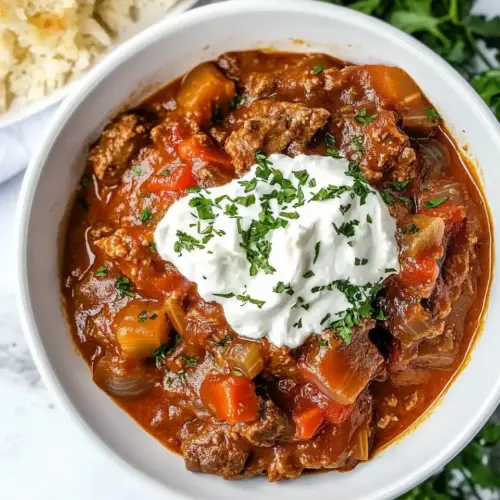
Slow Cooker Hungarian Goulash
Equipment
- Slow Cooker
Ingredients
- 2 pounds beef chuck roast, cut into 1 1/2-inch pieces Provide hearty, well-marbled beef pieces that become fork-tender during long, slow cooking; supply rich collagen that melts into the sauce, creating body and depth; serve as the primary protein and flavor base that carries paprika and other aromatics.
- 2 teaspoons sweet Hungarian paprika Add warm, sweet paprika flavor and vibrant red color that defines the dish; balance smokiness and sweetness while infusing the cooking liquid with classic Hungarian character; contribute mild earthiness that harmonizes with beef and peppers.
- 1 teaspoon hot paprika Deliver bright, sharp heat to contrast the sweetness of the other paprika and vegetables; intensify overall flavor complexity without overwhelming when used sparingly; enhance the traditional layered paprika profile.
- 1 teaspoon onion powder Provide a concentrated onion flavor that seasons the meat and sauce evenly without adding moisture; help replicate the savory backbone of fresh onions when fresh is limited; offer umami and aromatic support throughout the braise.
- 1/2 teaspoon garlic powder Impart mellow garlic aroma and savory depth in a convenient, concentrated form; reinforce fresh garlic cloves while helping maintain consistent garlicky notes during long cooking; prevent flavor loss from extended simmering.
- 1 1/4 teaspoon kosher salt Season the stew to bring out natural flavors and help balance sweetness and acidity; aid in protein extraction and tenderization during slow cooking; ensure the overall dish tastes well-rounded and savory.
- 2 cups sweet onion, chopped Contribute soft, sweet onion texture and pronounced savory-sweet flavor that melts into the sauce; provide aromatics and liquid as they break down, thickening and enriching the braise; pair seamlessly with paprika and beef for authentic goulash taste.
- 4 cloves garlic, smashed Offer pungent, fresh garlic aroma and sharp savory bite that brightens the slow-cooked flavors; crush to release oils that infuse the cooking liquid; complement powdered seasonings and deepen the overall aroma.
- 2 tablespoons flour, all purpose or gluten-free Thicken the sauce slightly and help create a silky mouthfeel while absorbing flavors; add a bit of body to the braising liquid so it clings to beef and vegetables; provide structure that prevents an overly thin gravy.
- 2 cups red bell pepper, chopped Introduce sweet, roasted pepper flavor and tender texture that complement the onions and beef; contribute natural sugars and color while adding a mild vegetal brightness; break down during cooking to integrate into the sauce.
- 1 cup low sodium beef broth Supply a savory, beefy liquid base that augments meat flavors and forms the stew's cooking medium; contribute umami and dilute seasonings to a balanced consistency; dissolve aromatics and help extract gelatin from the beef.
- 1 cup crushed tomato Add concentrated tomato sweetness and acidity to balance richness and paprika; create color and a slightly thickened tomato-forward component in the sauce; meld with spices to produce classic goulash tang.
- 1 teaspoon caraway seed, plus more for garnish Lend warm, slightly bitter anise-like notes that echo traditional caraway flavors in Eastern European dishes; add subtle aromatic complexity and a seed texture when toasted or crushed; serve as a distinctive finishing and cooking spice.
- 2 teaspoons brown sugar, optional Provide a hint of caramelized sweetness that offsets acidity and savory elements; help round tight flavors and enhance overall balance when included; remain optional for controlling sweetness level to taste.
- 1 dry bay leaf Contribute herbal, bay-like depth and a subtle resinous aroma that melds into the braise over long cooking; infuse background savory notes without dominating; remove before serving to avoid unexpected bites.
- Sour cream, optional for serving Offer cool, creamy acidity to finish and lighten rich, hearty portions when desired; balance the paprika's heat and the beef's richness while adding silky texture; serve dolloped on top for contrast and garnish.
Instructions
- Toss beef with sweet paprika, hot paprika, onion powder, garlic powder and salt.: The smell of powdered paprika coating raw beef is bright and fragrant, and tossing allows the spice to adhere so every piece develops flavor as it browns. This initial seasoning builds the flavor base that will slowly infuse into the sauce, which is why it is crucial to be thorough but not heavy handed. A frequent mistake is uneven coating, which causes some bites to be under seasoned; take an extra moment to rub the spices onto each piece so the color looks even and vibrant.
- Heat a large skillet over medium heat and spray with cooking spray. Brown the beef on all sides in two batches. Transfer the beef to the slow cooker.: You will hear a pronounced sizzle when the beef hits the pan, and that sizzling backs away into gentle crackles as a crust forms, releasing nutty, caramel aromas. Browning develops Maillard flavors that deepen the final sauce and create complexity you cannot get without this step. Brown in two batches to avoid crowding, otherwise the meat will steam rather than sear and you lose that savory crust. If the pan smokes too much, reduce the heat slightly and wipe any burnt bits to prevent bitterness.
- Add onion, garlic and flour to the pan the beef was cooked in; cook until aromatic, 2-3 minutes. Transfer to the slow cooker.: The chopped onion will soften and begin to take on color, and the smashed garlic will release a warm, toasty perfume when added. Sprinkling in the flour at this stage lets it toast slightly in the pan juices, which prevents raw flour taste and helps the sauce thicken later. Stir constantly so the flour absorbs the drippings and the mixture turns glossy, then scrape everything into the slow cooker. A common slip is letting the garlic burn, which gives a harsh bitterness, so keep the heat moderate and stir frequently.
- Add bell pepper, beef broth, crushed tomato, caraway seed & brown sugar, if using to the slow cooker. Stir. Add bay leaf, cover and cook low 8 hours or high for 4 to 6 hours.: When you add the red bell pepper , the mixture will brighten visually, and the liquids will begin to steam as the lid goes on. The long, gentle heat allows the collagen in the beef to melt into gelatin, producing a silky mouthfeel that coats the spoon. The caraway seed contributes a faint licorice like aroma that unfolds slowly, while optional brown sugar tempers the acidity of the crushed tomato . Stir to combine so flavors distribute evenly, then nestle the bay leaf in the center. If you rush the timing or lift the lid constantly, you interfere with steady temperature, which can extend cooking time and prevent proper tenderizing.
- Serve with sour cream and a sprinkling of caraway seeds, if desired.: The final touch of cool, tangy sour cream against warm goulash creates a pleasant temperature contrast and smoothness that brightens the paprika flavors. A light scatter of whole caraway seed adds texture and a fragrance lift. Taste before adding extras, because the slow cooking concentrates flavors and you may not need as much seasoning as expected. The most common error is over garnishing, which can obscure the balanced sauce you worked to build.
Notes
- Boost the smokiness by using a smoked paprika in place of part of the sweet paprika, but use sparingly so the balance does not shift to an overwhelmingly smoky profile.
- Mild to hot adjustment swap the hot paprika amount to taste or omit it for a gentler version; the dish will still have depth from the sweet paprika and caramelized aromatics.
- Thickening tip if the sauce is too thin after cooking, remove the lid and cook on high for an hour to concentrate, or stir in a slurry of extra flour and a little broth then simmer until glossy.
- Make it heartier by adding diced carrot and potato at the start; they will melt into the stew and add natural starch for body.
- Serving variation offer sour cream on the side so guests can finish their bowls to taste, which keeps the dish fresh and customizable.