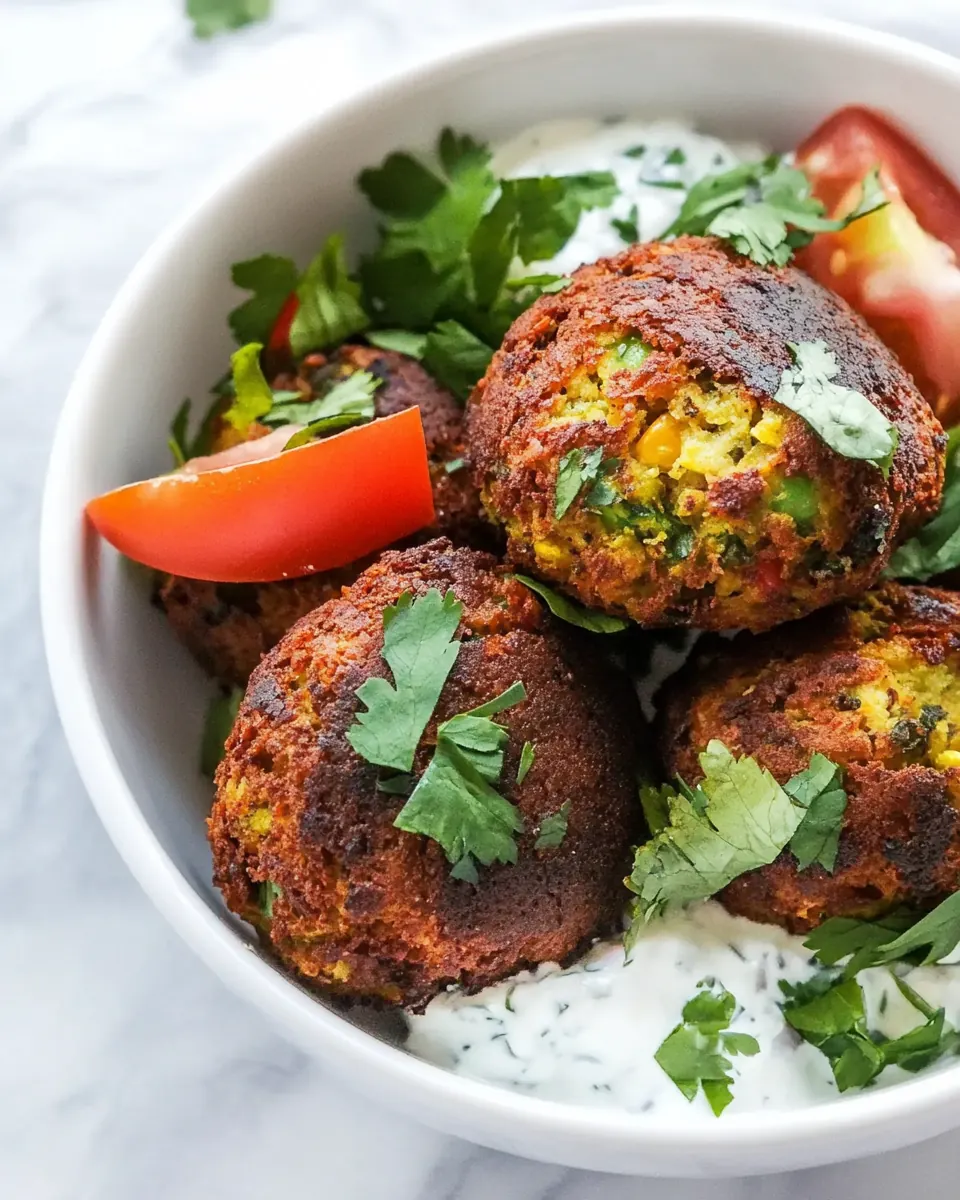
No Bean Falafel
No Bean Falafel has been one of my favorite weeknight discoveries, a crunchy, herb bright twist on a classic that skips the usual chickpea base in favor of veggies and seeds. I first made this when I wanted something light after a long spring market day, and the result felt like comfort and crunch rolled into one, perfect tucked into crisp lettuce with a cooling sauce.
My kitchen memory of the first batch includes the sound of a busy skillet, the warm scent of cumin and coriander blooming in extra virgin olive oil, and the satisfying snap when the falafel met my teeth. I like how the vegetables give a fresh lift, while the flax and chia keep everything together with a nutty background note. Every bite felt layered and thoughtful, and I kept going back for one more lettuce wrap.
Since then I have tweaked the seasoning, learned to press the patties gently while frying for better browning, and made a dairy free tzatziki using coconut cream that plays beautifully against the herbs. If you are craving texture without relying on beans, this is the recipe I reach for when I want something lively, quick, and shareable for spring gatherings or casual dinners with friends.
Recipe Snapshot
60 mins
15 mins
45 mins
Medium
300 kcal
Mediterranean
Gluten-Free, Low FODMAP
Dinner
Food Processor, Large Skillet, Baking Sheet, High Speed Blender
The Appeal of This No Bean Falafel
Vibrant Texture Without Beans
I love that No Bean Falafel replaces the heavy, starchy base with crisp vegetables like cauliflower and carrot, which keeps each bite light while still delivering satisfying crunch. The result is a falafel that feels spring fresh, and I appreciate how it holds together thanks to ground flaxseeds and chia seeds.
Herb Forward and Aromatic
We lean into lots of fresh cilantro and parsley, plus warming ground cumin and coriander, and that combination creates an immediate aroma that pulls everyone to the kitchen. I often pause while mixing to inhale the mixture, because it signals the flavor balance is spot on.
Versatile Serving Options
You can make these into wraps with butter lettuce, plate them as a composed salad, or serve them as handheld bites for a snack platter. I like the flexibility when hosting, because they travel well from the pan to the platter without losing texture.
Simple, Mostly Pantry Ingredients
Aside from fresh herbs and vegetables, much of the binding comes from pantry items like ground flaxseeds, chia seeds, and a single egg. That makes the recipe approachable on short notice, and I rarely need a special trip to the store.
A Creamy, Dairy Free Sauce That Elevates
The coconut based tzatziki brings a silky, tangy contrast to the seared falafel. I find that pairing the warm, spiced fritters with a cool, herb filled sauce creates a balance that keeps the dish interesting at every bite.
What You Need for No Bean Falafel
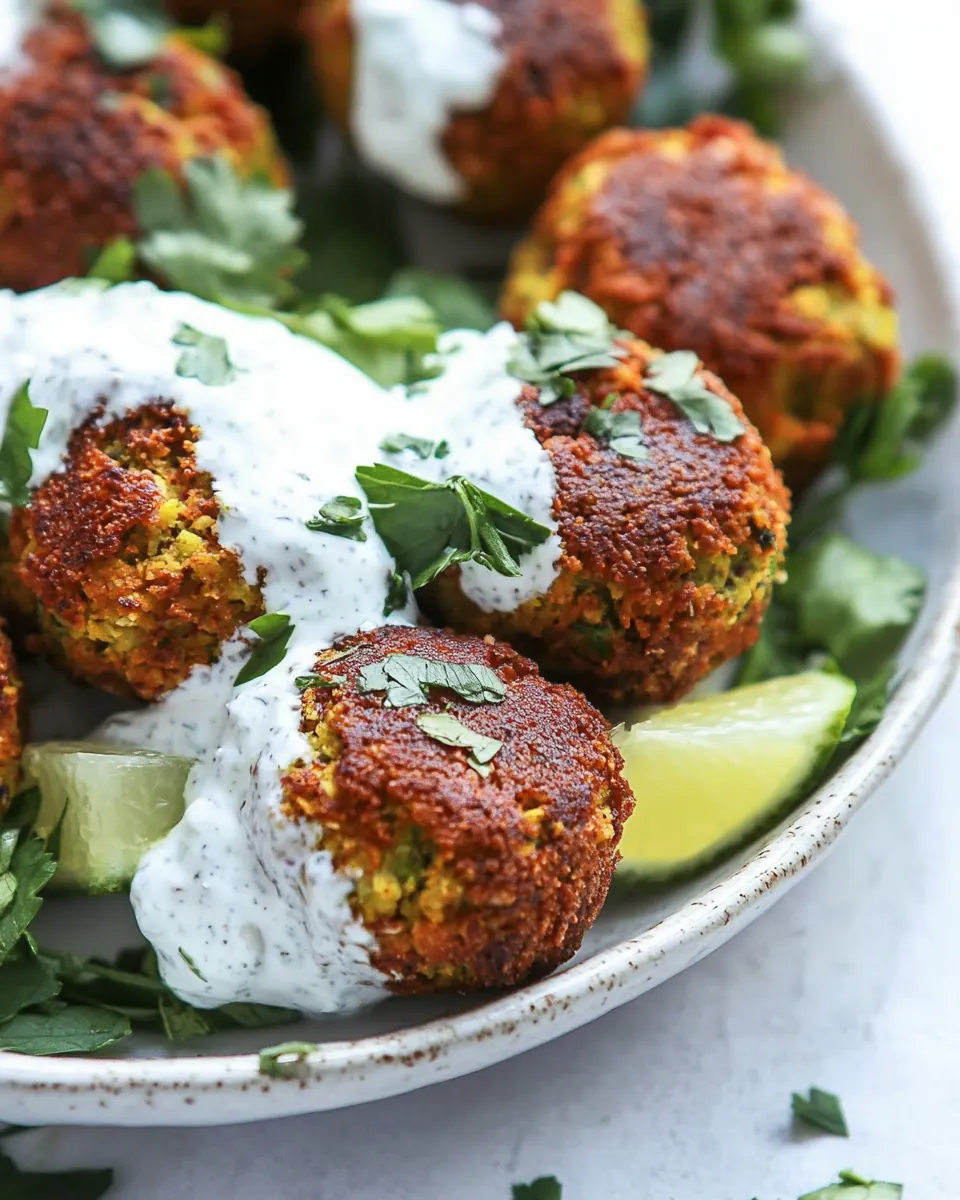
These ingredients are chosen to produce contrasting textures and bright flavors. The vegetables provide moisture and bite, the seeds act as binding agents with a toasty note, and the herbs and spices lift the whole mixture into classic falafel territory. When combined, they create a mix that browns beautifully while staying tender inside.
- 2 cups cauliflower cut into bite-sized florets: Cut into bite–sized florets to provide a tender, slightly sweet base that browns nicely when roasted or pan-fried and serves as the primary vegetable body for the falafel.
- 1 carrot grated: Grate finely to add natural sweetness, color, and moisture while helping bind the mixture and create small textured pieces that mimic traditional chickpea bits.
- 1 onion roughly chopped: Roughly chop to lend savory depth and aromatic sweetness when cooked down; helps build flavor complexity and contributes moisture to the mixture.
- 1/4 cup ground flaxseeds more as needed: Use ground to absorb excess moisture and help bind the mixture into scoopable patties while offering a nutty flavor and added fiber; add more as needed to firm mixture.
- 1 tablespoon chia seeds: Include to contribute mucilaginous binding properties and a subtle nutty flavor while boosting omega-3 content and helping hold the falafel together.
- 1 teaspoon fresh ginger grated, more to taste: Grate fresh to introduce a bright, peppery warmth that lifts the overall flavor; adjust amount to taste for desired vibrancy without overpowering other herbs.
- 1/4 cup cilantro: Chop or finely mince to inject fresh, citrusy-green brightness and herbaceous complexity; helps balance richer flavors and complements the parsley.
- 1/4 cup parsley: Chop or finely mince to provide a slightly peppery, clean herbal base that pairs with cilantro and spices for classic falafel flavor notes.
- 1 egg: Whisk or beat lightly to act as a cohesive binder that helps the mixture set during cooking, contributing structure without altering flavors significantly.
- 1 clove garlic minced: Mince finely to deliver sharp savory pungency and aromatic depth; mixes into the batter to ensure even garlicky flavor distribution throughout the falafel.
- 1/2 teaspoon garlic powder: Add as a dried seasoning to reinforce roasted garlic notes and deepen savory layers without adding moisture, complementing fresh garlic for consistent flavor.
- 1 teaspoon sea salt more to taste: Season to taste to enhance overall flavors and amplify other spice notes; start with the listed amount and adjust based on personal preference.
- 1 teaspoon black pepper more to taste: Grind or freshly crack to provide warm heat and aromatic bite that brightens the dish; season to taste for desired pepperiness.
- 1 teaspoon coriander: Sprinkle to add warm, citrusy, slightly sweet aromatic notes that pair well with cumin and cilantro, reinforcing traditional Middle Eastern flavor profiles.
- 2 teaspoons cumin: Measure to contribute earthy warmth and a slightly smoky aroma essential to falafel seasoning; helps create authentic, layered savory flavor.
- 1 teaspoon fresh lemon juice: Squeeze fresh to add bright acidity that balances richness and herbs, lifting the overall profile and preventing the mixture from tasting flat.
- 1/2 English cucumber: Slice or dice as a crisp, cooling element for serving; offers refreshing crunch and mild flavor when used in wraps or as a fresh side.
- 1 cup coconut cream: Spoon from the can to create a creamy, rich sauce base that adds body and tropical sweetness; can be thinned for dressings or used as a dip component.
- 1 clove garlic: Crush or mince to release sharp garlicky aroma for the sauce or dressing; pairs with coconut cream to create a garlicky, creamy condiment.
- 1 lemon: Juice or zest to supply bright acidity and fragrance for the sauce and garnishes; balances richness and enhances herb flavors.
- 2 teaspoons fresh dill: Chop finely to infuse the sauce with delicate, feathery herbal brightness and a slightly anise-like flavor that complements cucumber and lemon.
- 1/4 teaspoon black pepper: Add ground to adjust seasoning in the sauce; provides mild heat and depth while balancing creaminess with subtle spice.
- 1 teaspoon extra-virgin olive oil: Drizzle to contribute fruity, slightly bitter richness that enhances the sauce and helps marry oil-soluble flavors like herbs and spices.
- 1/2 teaspoon sea salt more to taste: Season sparingly to balance the sauce and finished dish; helps bring out other flavors while allowing the herbs and garlic to shine.
- 1 teaspoon paprika more for garnish: Sprinkle to add a smoky-sweet accent and vibrant color as a final garnish, enhancing appearance and adding a subtle flavor contrast.
- For Assembly: Designate as the assembly section header to indicate the following ingredients are meant for building wraps or plated servings and coordinating presentation.
- 1 head butter lettuce leaves removed: Separate leaves to provide crisp, tender vessels for wrapping falafel or to serve as a fresh, crunchy bed for plated servings.
- 1 red onion sliced: Slice thinly to incorporate sharp, slightly sweet bite that contrasts with creamy sauces and warm falafel, adding textural and flavor contrast.
- cherry tomatoes sliced: Slice or halve to add juicy, bright pops of flavor and color that enhance freshness and balance the savory falafel components.
How to Prepare No Bean Falafel
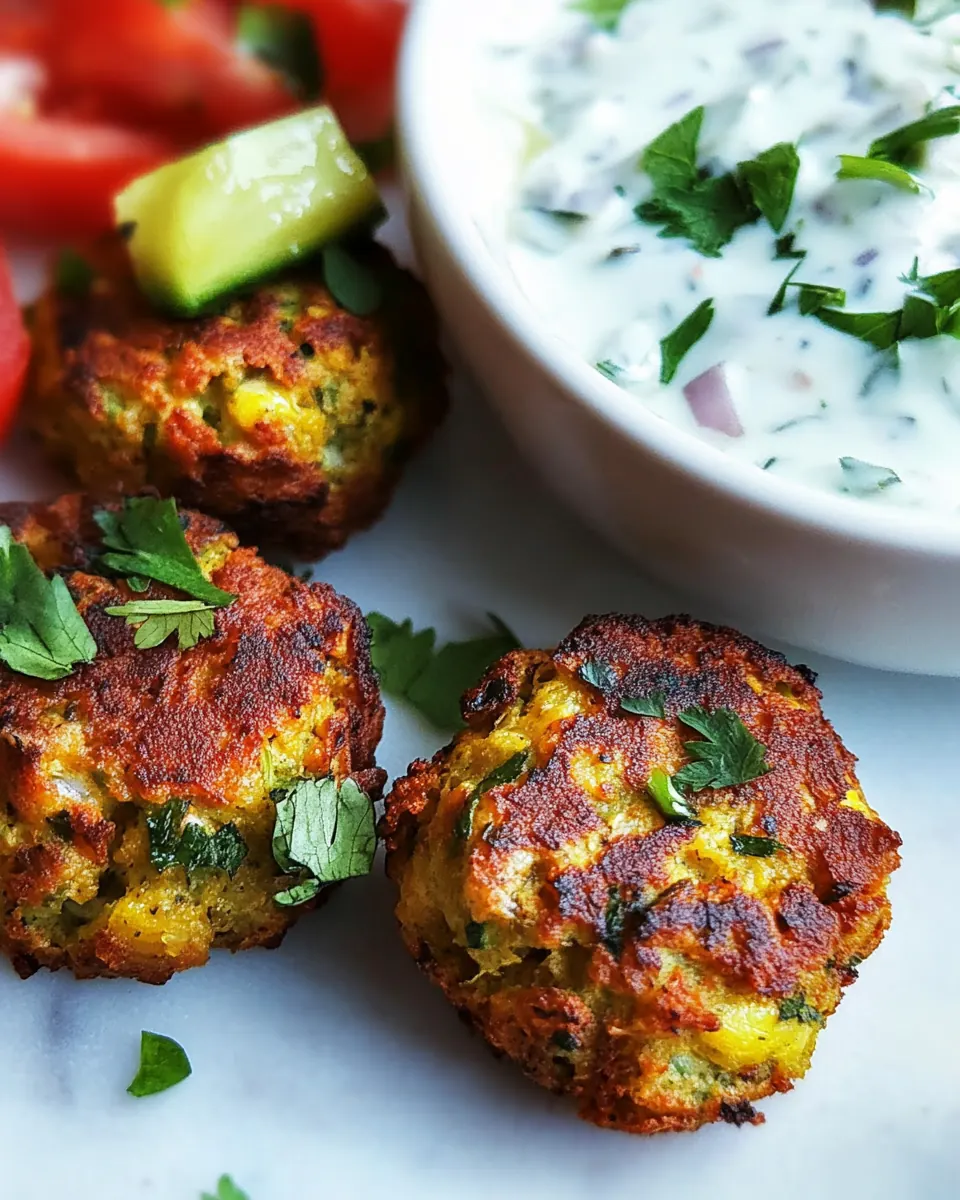
These instructions guide you through building flavor, achieving beautiful browning, and assembling the wraps. I like to keep a rhythm while cooking so everything moves from pan to plate warm and perfectly textured.
- Pre-heat the oven to 350.: The air will feel still and warm as the oven comes up to temperature, which ensures the falafel finish cooking gently and evenly after pan frying. This step matters because finishing in a moderate oven helps set the interior without burning the exterior, giving a tender center. A common mistake is skipping oven finishing which can leave the centers undercooked, so always preheat ahead of frying.
- Add all falafel ingredients to a food processor. Pulse until just combined and until the vegetables are pea sized. Taste and adjust seasoning as needed. Roll dough into small balls and place on a baking sheet lined with parchment paper.: Expect a coarse, slightly moist mixture with flecks of green herbs and bright orange from the carrot . The pulse technique preserves bite and prevents a mushy paste, which keeps the finished texture light and slightly coarse. Smell the cumin and coriander blooming as the blades chop, and taste a pinch to check the balance of salt, acid, and spice. If the mix seems too wet, add a touch more ground flaxseeds ; if too dry, a splash of water or an extra egg can help. A frequent error is overprocessing into a smooth paste, which causes dense falafel, so stop when you still see small vegetable granules.
- Heat a large skillet with extra-virgin olive oil. Once hot, work in batches to pan-fry the falafel just until both sides are browned, about 2-3 minutes on each side. Use a spatula to press down on each falafel while cooking. Once done, place pan-fried falafel on a plate lined with parchment paper and place back on the parchment lined baking tray.: When the oil shimmers and gives a faint sizzle on contact, the pan is ready. As the patties hit the surface you'll hear a crisp hiss and see edges turn golden to deep amber. Pressing gently helps achieve uniform contact and encourages even browning. Transfer to parchment so excess oil drains and the bottoms stay crisp. Avoid overcrowding the skillet, which causes steaming instead of browning and yields soggy falafel.
- Bake for 35-40 minutes, or until firm to touch.: As they bake, the oven air will dry the outer crust further and firm the interior, creating a balanced texture across each piece. Check by gently pressing; they should resist and spring back slightly. This gentle finish also ensures the seeds and vegetables meld without collapsing. A common mistake is removing them too early, which leaves a soft, unstable center that falls apart when handled, so bake until firm.
- Meanwhile, make the Tzatziki sauce: Place shredded cucumber in a medium mixing bowl. Add 1/4 teaspoon sea salt and let sit for 5 minutes.: Place shredded cucumber in a medium mixing bowl. Add 1/4 teaspoon sea salt and let sit for 5 minutes. : The cucumber will begin to exude moisture, and you should see small beads of water form. Salting draws out excess liquid so the sauce does not become watery, preserving the coconut cream's silky texture. After resting, press or squeeze out the water gently; failing to do so will dilute the sauce and mute the flavors.
- Place coconut cream, lemon juice, dill, extra-virgin olive oil, sea salt and black pepper into a high-speed blender.: The aroma of lemon and dill becomes pronounced as the ingredients whirl together, and the coconut cream will become glossy when fully emulsified. This is important because a stable, blended sauce clings to the falafel and lettuce rather than sliding off. If your blender is not powerful, pulse slowly to avoid aeration that can make the sauce foamy.
- Blend until smooth. Pour into a small mixing bowl.: You will notice a silky, homogenous texture with tiny flecks of herb floating through. Transfer to a bowl for easy folding and final adjustments. Overblending can warm the sauce slightly and thin it, so blend just until smooth and stop to taste.
- Strain the water out of the cucumber. Add the cucumber to the small mixing bowl with the coconut milk mixture. Stir well.: After straining, the cucumber should be cool and slightly crisp. Folding it into the coconut mixture adds refreshing crunch and cool contrast to the warm falafel. Stir gently to avoid breaking up the cucumber too much; the contrast in textures is part of the charm. A mistake here is to skip straining, which leaves a runny sauce.
- Taste and adjust seasoning as desire. Place in serving bowl and sprinkle with paprika.: Now is the time to balance acidity, salt, and herb intensity. The sauce should taste lively, with the lemon cutting through the richness of the coconut cream . Sprinkle paprika for color and a mild smoky hint. Resist over salting; flavors concentrate slightly as the sauce rests.
- Place falafel in a lettuce wrap with cherry tomatoes and red onion. Drizzle with tzatziki sauce and devour!: The final assembly should combine warm, crisp falafel with cool, herbaceous sauce and crunchy vegetables. Bite into the wrap and enjoy the interplay of textures and temperatures. If the falafel has cooled too much, briefly rewarm in a hot skillet to regain surface crunch. Serving them cold straight from the tray risks losing the satisfying contrast.
Tips and Tricks about No Bean Falafel
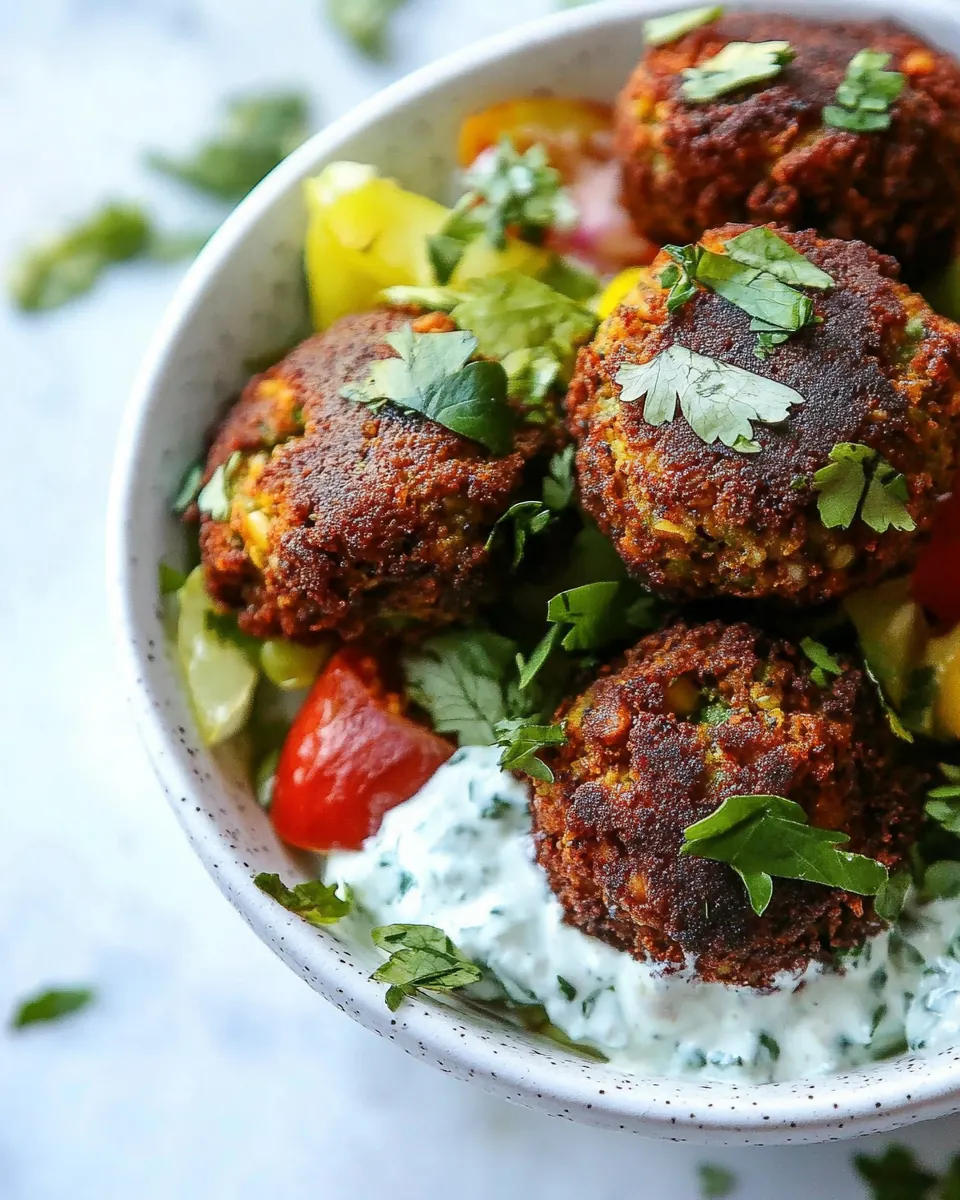
I like to think of these tips as ways to ensure consistently crisp, flavorful falafel and a bright, creamy sauce every time. Read through them before you start, and adjust based on your kitchen tools and taste.
- Pulse intentionally, stop pulsing when you still see pea sized bits of cauliflower and carrot so the texture remains light rather than pasty.
- Salt the cucumber early, this draws out water and concentrates flavor so the tzatziki is creamy instead of diluted.
- Work in batches when frying to keep oil temperature steady and achieve even browning across each falafel.
- Use parchment for the tray, it keeps the formed balls from sticking and makes transferring from pan to oven effortless.
- Taste as you go, especially before baking, because seasoning can concentrate or mellow during cooking and you may want to adjust salt or lemon.
- Serve warm, the contrast between warm falafel and cool sauce is essential for the ideal mouthfeel and flavor interplay.
What Goes Well With This No Bean Falafel
This section covers serving style, side pairings, and occasions where these falafel shine. The goal is to give you ideas for plating, storage, and seasonal pairing so your meal feels complete.
- Light lunch wraps, arrange butter lettuce leaves on a platter with falafel, sliced red onion, and cherry tomatoes for a casual, hand held meal ideal for spring offerings.
- Meze style platter, serve alongside small bowls of extra tzatziki, olives, and raw vegetables to create a shareable appetizer board for guests.
- Picnic friendly, pack the falafel and sauce separately so you can enjoy warm or room temperature bites outdoors without sogginess; the lettuce holds up well for short transport.
- Weeknight dinner, pair with a crisp green salad and whole grain bread for a satisfying home cooked meal that still feels light and vibrant.
- Ramadan iftar, these falafel are gentle on the stomach when breaking fast, offering gentle spices and fresh herbs that are easy to enjoy after a day of fasting.
- Storage tips, keep the falafel in an airtight container in the refrigerator for up to three days, and store the tzatziki separately to preserve creaminess; reheat falafel briefly in a hot skillet to refresh the crust.
- Seasonal pairing, spring herbs and a citrus forward salad complement the falafel, while summer tomatoes and cucumbers enhance the fresh character of the dish.
FAQ
Conclusion
What makes this recipe special is its ability to deliver all the familiar falafel contrasts, crisp exterior and herbaceous interior, without relying on beans. It is approachable, bright, and flexible enough for wraps, platters, or quick dinners. Try it to enjoy a new spin on a classic, and share it at your next spring gathering for something unexpectedly light and satisfying.
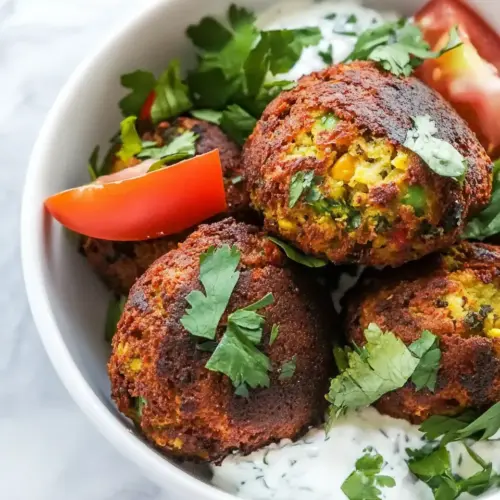
No Bean Falafel
Equipment
- Food Processor
- Large Skillet
- Baking Sheet
- High Speed Blender
Ingredients
- 2 cups cauliflower cut into bite-sized florets Cut into bite-sized florets to provide a tender, slightly sweet base that browns nicely when roasted or pan-fried and serves as the primary vegetable body for the falafel.
- 1 carrot grated Grate finely to add natural sweetness, color, and moisture while helping bind the mixture and create small textured pieces that mimic traditional chickpea bits.
- 1 onion roughly chopped Roughly chop to lend savory depth and aromatic sweetness when cooked down; helps build flavor complexity and contributes moisture to the mixture.
- 1/4 cup ground flaxseeds more as needed Use ground to absorb excess moisture and help bind the mixture into scoopable patties while offering a nutty flavor and added fiber; add more as needed to firm mixture.
- 1 tablespoon chia seeds Include to contribute mucilaginous binding properties and a subtle nutty flavor while boosting omega-3 content and helping hold the falafel together.
- 1 teaspoon fresh ginger grated, more to taste Grate fresh to introduce a bright, peppery warmth that lifts the overall flavor; adjust amount to taste for desired vibrancy without overpowering other herbs.
- 1/4 cup cilantro Chop or finely mince to inject fresh, citrusy-green brightness and herbaceous complexity; helps balance richer flavors and complements the parsley.
- 1/4 cup parsley Chop or finely mince to provide a slightly peppery, clean herbal base that pairs with cilantro and spices for classic falafel flavor notes.
- 1 egg Whisk or beat lightly to act as a cohesive binder that helps the mixture set during cooking, contributing structure without altering flavors significantly.
- 1 clove garlic minced Mince finely to deliver sharp savory pungency and aromatic depth; mixes into the batter to ensure even garlicky flavor distribution throughout the falafel.
- 1/2 teaspoon garlic powder Add as a dried seasoning to reinforce roasted garlic notes and deepen savory layers without adding moisture, complementing fresh garlic for consistent flavor.
- 1 teaspoon sea salt more to taste Season to taste to enhance overall flavors and amplify other spice notes; start with the listed amount and adjust based on personal preference.
- 1 teaspoon black pepper more to taste Grind or freshly crack to provide warm heat and aromatic bite that brightens the dish; season to taste for desired pepperiness.
- 1 teaspoon coriander Sprinkle to add warm, citrusy, slightly sweet aromatic notes that pair well with cumin and cilantro, reinforcing traditional Middle Eastern flavor profiles.
- 2 teaspoons cumin Measure to contribute earthy warmth and a slightly smoky aroma essential to falafel seasoning; helps create authentic, layered savory flavor.
- 1 teaspoon fresh lemon juice Squeeze fresh to add bright acidity that balances richness and herbs, lifting the overall profile and preventing the mixture from tasting flat.
- 1/2 English cucumber Slice or dice as a crisp, cooling element for serving; offers refreshing crunch and mild flavor when used in wraps or as a fresh side.
- 1 cup coconut cream Spoon from the can to create a creamy, rich sauce base that adds body and tropical sweetness; can be thinned for dressings or used as a dip component.
- 1 clove garlic Crush or mince to release sharp garlicky aroma for the sauce or dressing; pairs with coconut cream to create a garlicky, creamy condiment.
- 1 lemon Juice or zest to supply bright acidity and fragrance for the sauce and garnishes; balances richness and enhances herb flavors.
- 2 teaspoons fresh dill Chop finely to infuse the sauce with delicate, feathery herbal brightness and a slightly anise-like flavor that complements cucumber and lemon.
- 1/4 teaspoon black pepper Add ground to adjust seasoning in the sauce; provides mild heat and depth while balancing creaminess with subtle spice.
- 1 teaspoon extra-virgin olive oil Drizzle to contribute fruity, slightly bitter richness that enhances the sauce and helps marry oil-soluble flavors like herbs and spices.
- 1/2 teaspoon sea salt more to taste Season sparingly to balance the sauce and finished dish; helps bring out other flavors while allowing the herbs and garlic to shine.
- 1 teaspoon paprika more for garnish Sprinkle to add a smoky-sweet accent and vibrant color as a final garnish, enhancing appearance and adding a subtle flavor contrast.
- For Assembly Designate as the assembly section header to indicate the following ingredients are meant for building wraps or plated servings and coordinating presentation.
- 1 head butter lettuce leaves removed Separate leaves to provide crisp, tender vessels for wrapping falafel or to serve as a fresh, crunchy bed for plated servings.
- 1 red onion sliced Slice thinly to incorporate sharp, slightly sweet bite that contrasts with creamy sauces and warm falafel, adding textural and flavor contrast.
- cherry tomatoes sliced Slice or halve to add juicy, bright pops of flavor and color that enhance freshness and balance the savory falafel components.
Instructions
- Pre-heat the oven to 350.: The air will feel still and warm as the oven comes up to temperature, which ensures the falafel finish cooking gently and evenly after pan frying. This step matters because finishing in a moderate oven helps set the interior without burning the exterior, giving a tender center. A common mistake is skipping oven finishing which can leave the centers undercooked, so always preheat ahead of frying.
- Add all falafel ingredients to a food processor. Pulse until just combined and until the vegetables are pea sized. Taste and adjust seasoning as needed. Roll dough into small balls and place on a baking sheet lined with parchment paper.: Expect a coarse, slightly moist mixture with flecks of green herbs and bright orange from the carrot . The pulse technique preserves bite and prevents a mushy paste, which keeps the finished texture light and slightly coarse. Smell the cumin and coriander blooming as the blades chop, and taste a pinch to check the balance of salt, acid, and spice. If the mix seems too wet, add a touch more ground flaxseeds ; if too dry, a splash of water or an extra egg can help. A frequent error is overprocessing into a smooth paste, which causes dense falafel, so stop when you still see small vegetable granules.
- Heat a large skillet with extra-virgin olive oil. Once hot, work in batches to pan-fry the falafel just until both sides are browned, about 2-3 minutes on each side. Use a spatula to press down on each falafel while cooking. Once done, place pan-fried falafel on a plate lined with parchment paper and place back on the parchment lined baking tray.: When the oil shimmers and gives a faint sizzle on contact, the pan is ready. As the patties hit the surface you'll hear a crisp hiss and see edges turn golden to deep amber. Pressing gently helps achieve uniform contact and encourages even browning. Transfer to parchment so excess oil drains and the bottoms stay crisp. Avoid overcrowding the skillet, which causes steaming instead of browning and yields soggy falafel.
- Bake for 35-40 minutes, or until firm to touch.: As they bake, the oven air will dry the outer crust further and firm the interior, creating a balanced texture across each piece. Check by gently pressing; they should resist and spring back slightly. This gentle finish also ensures the seeds and vegetables meld without collapsing. A common mistake is removing them too early, which leaves a soft, unstable center that falls apart when handled, so bake until firm.
- Meanwhile, make the Tzatziki sauce: Place shredded cucumber in a medium mixing bowl. Add 1/4 teaspoon sea salt and let sit for 5 minutes.: Place shredded cucumber in a medium mixing bowl. Add 1/4 teaspoon sea salt and let sit for 5 minutes. : The cucumber will begin to exude moisture, and you should see small beads of water form. Salting draws out excess liquid so the sauce does not become watery, preserving the coconut cream's silky texture. After resting, press or squeeze out the water gently; failing to do so will dilute the sauce and mute the flavors.
- Place coconut cream, lemon juice, dill, extra-virgin olive oil, sea salt and black pepper into a high-speed blender.: The aroma of lemon and dill becomes pronounced as the ingredients whirl together, and the coconut cream will become glossy when fully emulsified. This is important because a stable, blended sauce clings to the falafel and lettuce rather than sliding off. If your blender is not powerful, pulse slowly to avoid aeration that can make the sauce foamy.
- Blend until smooth. Pour into a small mixing bowl.: You will notice a silky, homogenous texture with tiny flecks of herb floating through. Transfer to a bowl for easy folding and final adjustments. Overblending can warm the sauce slightly and thin it, so blend just until smooth and stop to taste.
- Strain the water out of the cucumber. Add the cucumber to the small mixing bowl with the coconut milk mixture. Stir well.: After straining, the cucumber should be cool and slightly crisp. Folding it into the coconut mixture adds refreshing crunch and cool contrast to the warm falafel. Stir gently to avoid breaking up the cucumber too much; the contrast in textures is part of the charm. A mistake here is to skip straining, which leaves a runny sauce.
- Taste and adjust seasoning as desire. Place in serving bowl and sprinkle with paprika.: Now is the time to balance acidity, salt, and herb intensity. The sauce should taste lively, with the lemon cutting through the richness of the coconut cream . Sprinkle paprika for color and a mild smoky hint. Resist over salting; flavors concentrate slightly as the sauce rests.
- Place falafel in a lettuce wrap with cherry tomatoes and red onion. Drizzle with tzatziki sauce and devour!: The final assembly should combine warm, crisp falafel with cool, herbaceous sauce and crunchy vegetables. Bite into the wrap and enjoy the interplay of textures and temperatures. If the falafel has cooled too much, briefly rewarm in a hot skillet to regain surface crunch. Serving them cold straight from the tray risks losing the satisfying contrast.
Notes
- Pulse intentionally, stop pulsing when you still see pea sized bits of cauliflower and carrot so the texture remains light rather than pasty.
- Salt the cucumber early, this draws out water and concentrates flavor so the tzatziki is creamy instead of diluted.
- Work in batches when frying to keep oil temperature steady and achieve even browning across each falafel.
- Use parchment for the tray, it keeps the formed balls from sticking and makes transferring from pan to oven effortless.
- Taste as you go, especially before baking, because seasoning can concentrate or mellow during cooking and you may want to adjust salt or lemon.
- Serve warm, the contrast between warm falafel and cool sauce is essential for the ideal mouthfeel and flavor interplay.