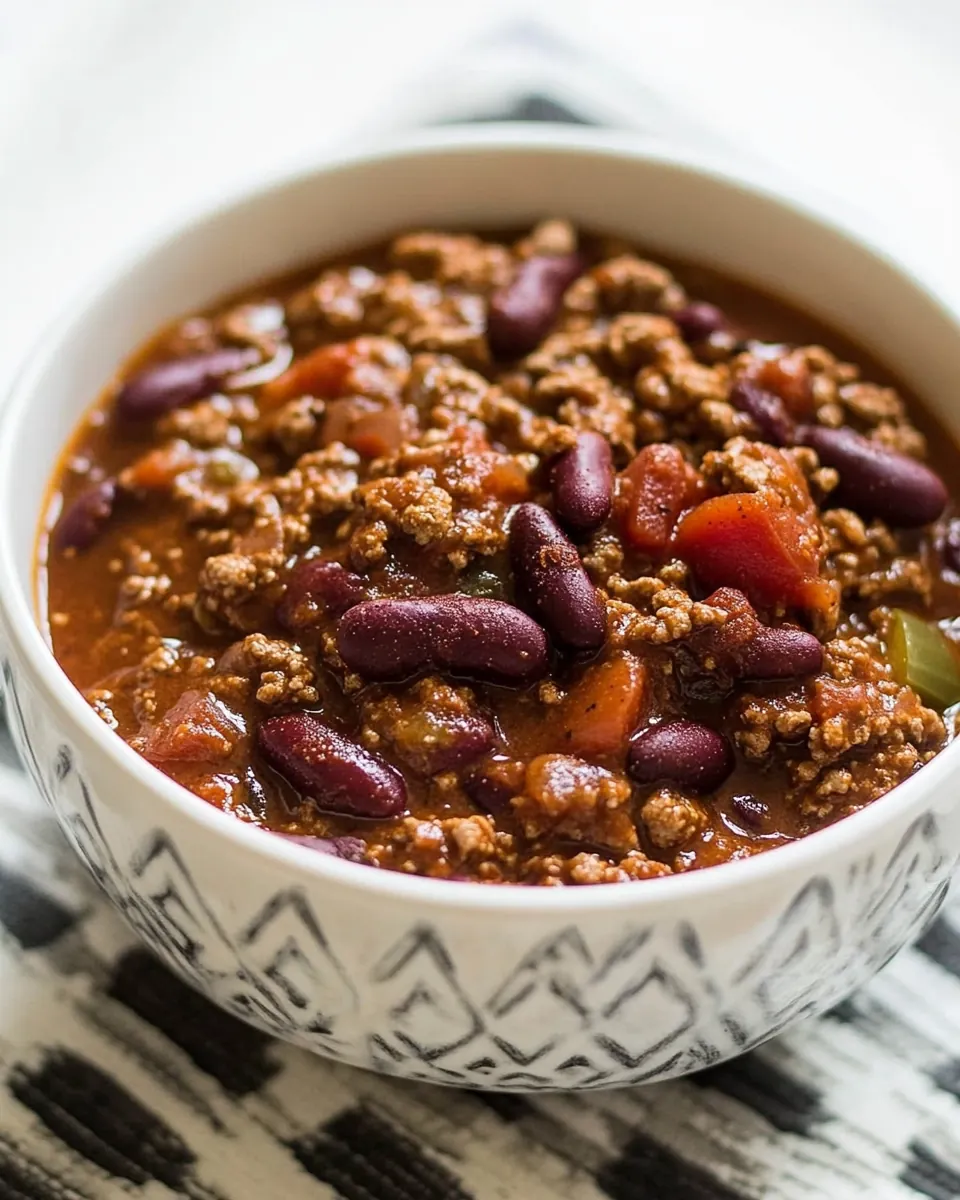
Slow Cooker Chili
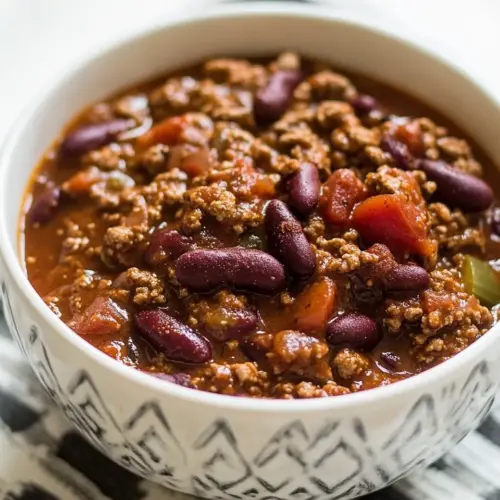
Slow Cooker Chili is the kind of meal I turn to when the calendar is packed and I want something warm, hearty, and honest to come home to.
One late winter afternoon years ago I layered a jar of spices, a pound of browned meat, and a handful of beans into my slow cooker and walked away to a stack of errands. When I returned, the kitchen smelled like a neighborhood of cozy memories, and the first spoonful convinced me that patience had paid off. That memory has kept me returning to this pot of comfort, sharing it at potlucks, and tweaking little things so it always feels familiar yet never boring.
Recipe Snapshot
3 hr 40 mins
10 mins
210 mins
Hard
350 kcal
Mexican
Gluten-Free, Low FODMAP
Dinner
Large Skillet, Spatula, 6 Qt Slow Cooker
What Makes This Slow Cooker Chili Special
Hearty comfort food that feeds a crowd
I’ve served Slow Cooker Chili at weeknight dinners and at big family gatherings, and it reliably stretches to feed a crowd without losing flavor. Because everything simmers together slowly, the flavors meld deeply, which makes each bite feel rich and satisfying. I love how a single pot can become the centerpiece for an evening, and you can easily scale the recipe up or down based on how many people are coming.
Savory layers of well rounded spice
What makes this pot stand out is the spice blend. The use of cumin, chili powder, garlic powder, and dried oregano gives the chili an earthy backbone and a gentle warmth, not aggressive heat. I appreciate how the spices play off the tang of canned diced tomatoes and the deep mouthfeel from the tomato sauce, creating a balanced bowl you can savor spoon after spoon.
Hands off cooking, full flavor reward
Because this is a slow cooker recipe, the hands on time is short, but the payoff is huge. I often prep ingredients in the morning or the night before, then let the slow cooker do the heavy lifting. That convenience means I can focus on other parts of the day while knowing dinner is developing complexity quietly in the background.
Textural contrast from beans and beef
The mix of black beans, kidney beans, and browned ground beef gives the chili both creaminess and chew. Beans soak up the sauce yet hold their shape, while the meat provides satisfying body. I adore that textural play, it keeps each spoonful interesting, and it makes the chili feel like a complete, balanced meal.
Flexible and forgiving
One of the reasons I keep this recipe in heavy rotation is how forgiving it is. If you need to stretch it, a little extra tomato sauce or another can of beans is all it takes. If you want it thicker, a short simmer after the slow cooker finishes will tighten the sauce. That adaptability makes the dish ideal for busy weeks, gatherings, and moments when you want maximal comfort with minimal fuss.
What to Gather for Slow Cooker Chili
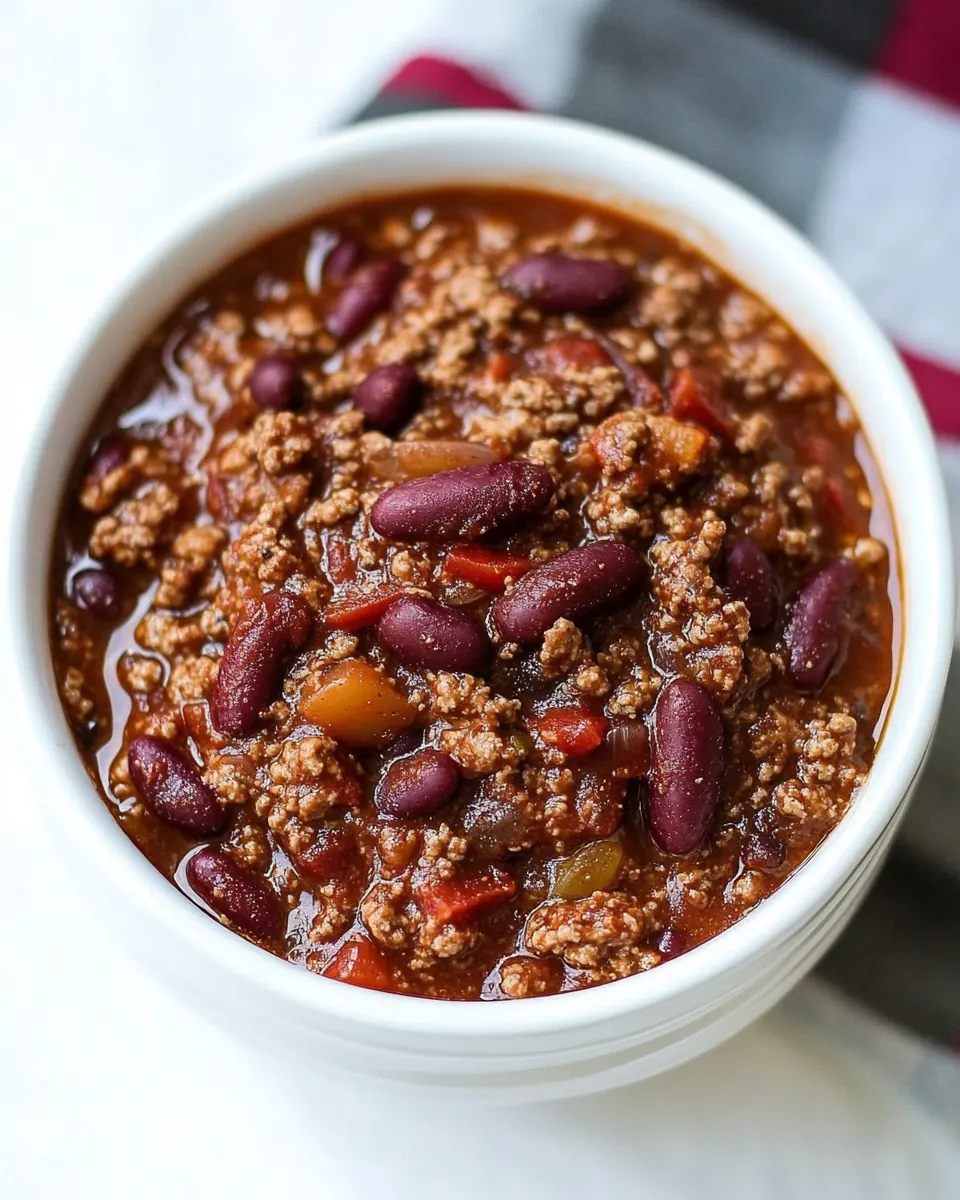
I believe a great bowl starts with straightforward, dependable ingredients that work in tandem. This list leans on pantry staples like canned diced tomatoes and tomato sauce, aromatic support from onion and garlic, and hearty protein and legumes to round out the texture. These players create a balanced flavor profile, where acid, savory, and spice come together without any one note overpowering the rest.
- 2 lb lean Ground Beef, (90/10 or 93/7): Brown and crumble to develop rich savory flavor and provide the meat base for the chili; drain excess fat if desired to keep the dish lean. Season while cooking to build depth and allow the beef to absorb spices evenly. Use a clean sweep of high heat initially to promote browning without stewing.
- 1 large onion, diced: Dice finely and sauté until translucent to add natural sweetness and aromatic depth that balances the tomato and spice elements. Cook sufficiently to soften and meld into the chili, releasing moisture and flavor. Add early so onion flavors diffuse through the slow-cooked mixture.
- 3 garlic cloves, minced: Mince and add to release pungent, aromatic oils that complement the savory profile of the chili; incorporate after the onion to prevent burning. Use fresh garlic for a brighter, more complex taste that intensifies during slow cooking. Adjust quantity to taste for subtle heat and fragrance.
- 2 tsp cumin powder: Measure and sprinkle to lend warm, earthy notes and a subtle smoky nuance that anchor the chili's flavor profile. Add with other dried spices to bloom and infuse evenly throughout long cooking. Adjust slightly depending on preferred cumin prominence.
- 2 tbsp chili powder: Spoon in to provide the primary chili flavor and depth, combining heat and smoky sweetness; use the amount to control overall spiciness. Mix well with meat and tomatoes early so the powder rehydrates and flavors distribute evenly. Consider adjusting for milder or hotter preferences.
- 1 tsp garlic powder: Dust in as an extra layer of concentrated garlic flavor that supports fresh garlic and enhances umami perception. Use sparingly to avoid overpowering other spices, especially during a long simmer. Add alongside other dried seasonings for consistent seasoning distribution.
- 1 tsp dried oregano: Stir in to contribute subtle herbal, slightly peppery notes and Mediterranean aromatics that complement the chili spices. Add during the cooking process so the dried leaves rehydrate and release flavor slowly. Use the measured amount to avoid overpowering with herbal tones.
- 1 1/2 tsp salt, or to taste: Measure and add to season the chili and enhance all other flavors; adjust to personal taste as salt levels in canned ingredients vary. Distribute evenly during cooking to ensure consistent seasoning throughout. Taste near the end and correct if necessary.
- 1/2 tsp black pepper: Sprinkle to provide background heat and a slight bite that sharpens the overall flavor profile without overwhelming the dish. Add cautiously and taste as the chili simmers, increasing only if more peppery notes are desired. Balances saltiness and acidity from tomatoes.
- 15 oz can black beans, drained and rinsed: Drain, rinse, and add to contribute creamy texture, added fiber, and earthy bean flavor while reducing sodium from the canning liquid. Incorporate near the end of cooking to preserve shape and prevent over-softening, or earlier for more melded texture. Beans boost heartiness and protein content.
- 30 oz kidney beans, two 15oz cans, drained and rinsed: Drain, rinse, and combine to supply bulk, contrasting texture, and additional protein and fiber; two cans offer a generous bean component for a hearty chili. Add during the simmering phase to allow flavors to meld without turning beans mushy. Rinsing reduces excess sodium and can remove canning liquids.
- 30 oz diced tomatoes, with their juice: Pour in with its juice to provide acidic brightness, fresh tomato flavor, and liquid for the chili base that helps meld spices and other ingredients. Use diced tomatoes for texture and bite; the juices balance thickness when combined with tomato sauce. Adjust simmer time to integrate flavors.
- 10 oz diced tomatoes and green chilis, with their juice: Add with its juice to impart a mildly spicy, savory tomato component with bits of green chiles that contribute subtle heat and complexity. Combine with other tomato products to layer flavors and add variety in texture. Keep juice to maintain desired chili consistency.
- 30 oz tomato sauce: Pour in to create a smooth, concentrated tomato base that thickens the chili and carries seasonings throughout the dish. Use measured amount to achieve desired viscosity and tomato intensity; simmer to blend fully with other ingredients. Tomato sauce provides consistent color and mouthfeel.
Step by Step Instructions for Slow Cooker Chili
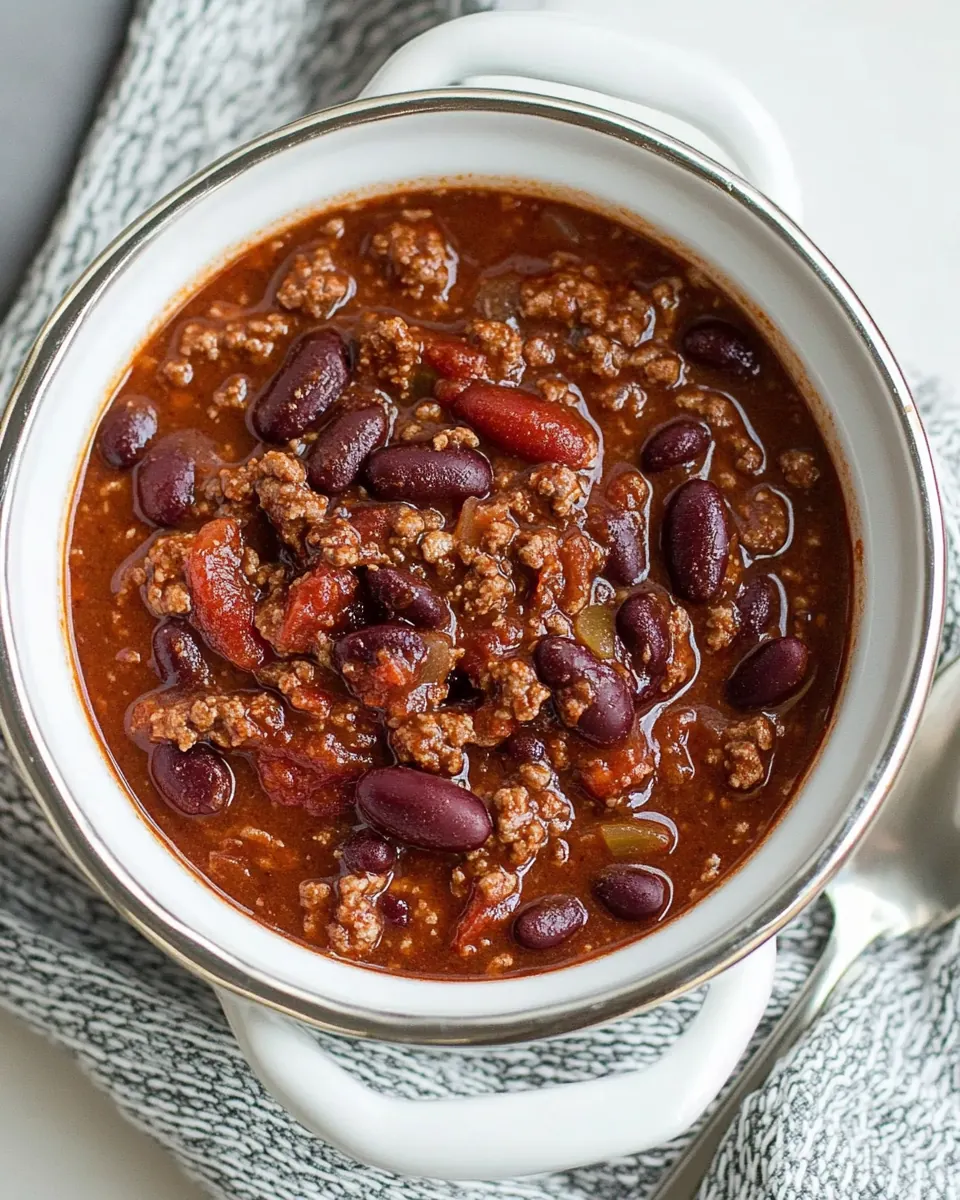
These steps guide you through transforming separate pantry items into a cohesive, simmered pot of chili. Take your time with sensory cues and small adjustments, because the slow cooker stage is where flavors deepen and harmonize.
- Place a large skillet over medium-high heat and sauté beef until it releases fat (4-5 minutes), breaking it up with a spatula.: You will hear a steady, confident sizzle as the Ground Beef hits the hot pan, and the aroma will turn from raw to nutty as browning occurs. As you break the meat into pieces, look for those browned edges and little fond bits clinging to the skillet, these are flavor gold. The visual cue is a mix of browned and slightly pink pieces as moisture renders away, and the smell should shift from metallic to savory and roasted. Why this matters is simple, browning builds umami and depth that a slow cooker alone cannot fully create. A common mistake is crowding the pan which causes steaming, not browning, so work in batches or use a sufficiently large skillet to maintain contact with the heat.
- Add onion to the skillet and sauté until tender (4-5 minutes). Add minced garlic and seasonings: cumin, chili powder, garlic powder, dried oregano, salt and pepper. Cook another 30 seconds stirring constantly. Transfer to a 6 Qt slow cooker.: cumin, chili powder, garlic powder, dried oregano, salt and pepper. Cook another 30 seconds stirring constantly. Transfer to a 6 Qt slow cooker : As you add the onion , listen for the sputter settling into a gentle bubble, and watch the edges turn translucent and show a hint of gold, which signals they are tender and sweet. When you fold in the minced garlic and dried spices, inhale the immediate lift as aromatic oils release, perfume the pan, and begin to coat the meat and onions. That 30 seconds of constant stirring is about blooming the spices so they become fragrant rather than raw; burnt spices will taste bitter, so keep them moving. Transferring this mixture to the slow cooker is transferring all those concentrated flavors, which is why I do the browning first rather than skipping straight to raw assembly. Avoid letting the garlic sit too long on high heat, which can scorch it and introduce bitterness.
- Add remaining ingredients into the slow cooker: rinsed and drained beans, diced tomatoes with their juice, diced tomatoes and green chilis with juice and tomato sauce. Stir to combine and cook on high for 3-4 hours or on low for 6-8 hours. Season to taste if desired and serve warm.: rinsed and drained beans, diced tomatoes with their juice, diced tomatoes and green chilis with juice and tomato sauce : When you add the canned black beans and kidney beans , notice their matte, dense texture before they soften further in the slow cooker. The bright, wet consistency of the diced tomatoes and the silky sheen of the tomato sauce will marry together into a unified liquid that carries the spices. Stir gently so everything combines and the spices distribute evenly, taking care not to smash the beans. This step shapes the structural body of the chili, since the liquids determine final thickness and the beans contribute toothiness. A frequent error is over stirring canned tomatoes so they disintegrate too early; a few gentle folds preserve pleasant tomato chunks.
- Stir to combine and cook on high for 3-4 hours or on low for 6-8 hours: As the chili simmers, you will notice layers of scent evolving from the initial spice bloom to a deep, rounded aroma where tomato, meat, and beans sing together. On high setting the surface will bubble gently and steam will carry most of the scent away; on low the kitchen fills slowly with a mellow, richer perfume. The long, low heat allows connective flavors to meld and the beans to soften without falling apart. This slow integration is why the dish tastes deeper than when all ingredients are cooked quickly. A common mistake is lifting the lid too often to check, which lets heat escape and lengthens the cook time, so trust the timer and peek only when necessary.
- Stir and season to taste if desired and serve warm: At the finish, the chili should look cohesive with a glossy sauce and tender, intact beans. When you stir, listen for a thicker, more viscous sound compared to early simmering, and observe how the sauce clings to the spoon. Taste for final seasoning, adjusting salt or pepper sparingly, since canned components add sodium already. Serving warm helps the aromas bloom and the texture settle, creating a comforting mouthfeel. One mistake to watch for is adding salt all at once without tasting, which can push the flavor out of balance; instead, add in small increments and taste after each adjustment.
Helpful Notes about Slow Cooker Chili
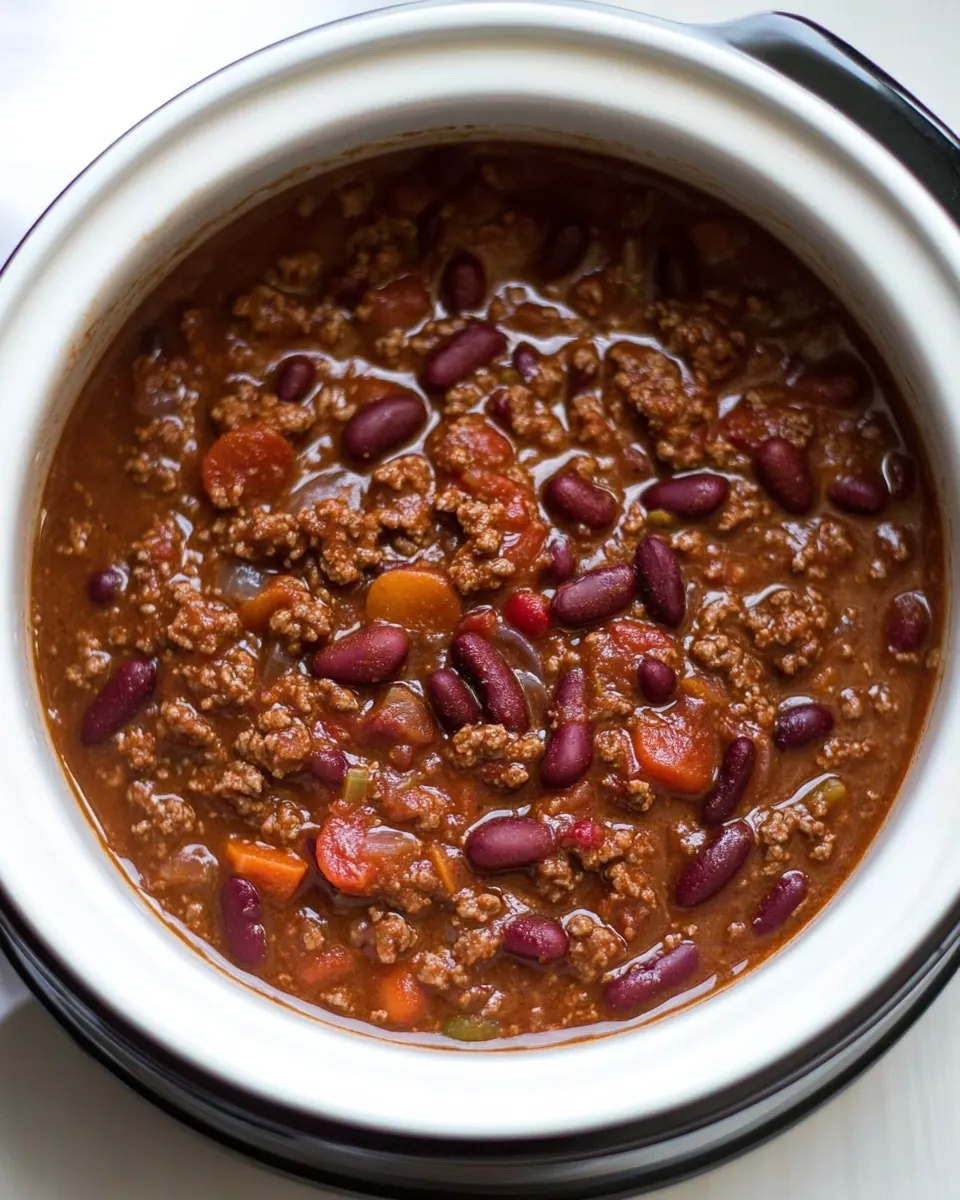
This recipe thrives on patience and small adjustments. The notes below expand practical ideas and variations to help you get reliable results every time you cook Slow Cooker Chili. Use them as quick reminders while you’re prepping or to adapt the dish to your household’s tastes.
- Brown the beef well: Achieve deep flavor by letting the meat develop brown edges rather than crowding the pan. If the skillet is overcrowded, the beef will steam and not produce the fond that enriches the chili.
- Bloom your spices: Toast cumin and chili powder briefly with the onion and garlic to release their essential oils, which makes the overall flavor more vibrant and layered.
- Control salt late: Add most salt toward the end of cooking because canned ingredients can contain variable sodium, and slow cooking concentrates flavors over time.
- Keep beans intact: Stir gently after adding canned beans to preserve their texture; over stirring can turn them mushy and change the mouthfeel of the chili.
- Make ahead friendly: Chili often tastes better the next day after flavors have had time to settle, so consider making it a day ahead for deeper complexity.
Serving Options for Slow Cooker Chili
Serving Slow Cooker Chili is about pairing it with simple companions that complement its rich, tomato forward profile. Think about textures and contrast, and offer a few finishing touches so each guest can make their bowl personal.
- Over rice: Spoon warm chili over a bed of steamed white or brown rice for a comforting, filling meal that stretches the pot for more servings.
- With crusty bread: Serve bowls alongside thick slices of crusty bread or dinner rolls to soak up the sauce and add a chewy contrast to the tender beans and meat.
- At casual gatherings: Set up a chili bar with toppings like shredded cheese, chopped onion, and sour cream for guests to customize their bowls and make the meal festive.
- Meal prep and storage: Cool the chili to room temperature before refrigerating in airtight containers for up to four days, or freeze in portions for up to three months for easy future meals.
- Seasonal pairing: This chili is ideal for winter nights and colder months, offering cozy satisfaction; pair it with a simple green salad to add freshness and balance.
FAQ
Conclusion
What makes this Slow Cooker Chili special is how simple ingredients transform into a deeply flavorful, comforting bowl with minimal hands on time. The combination of browned meat, layered spices, and mixed beans yields a satisfying texture and a warm, familiar taste that works for weeknights and gatherings alike. I encourage you to give it a try on a chilly evening, let it simmer slowly, and savor how the flavors develop while you go about your day. It’s an easy, dependable recipe that rewards patience and becomes even better with a little time to rest.
Slow Cooker Chili
Equipment
- Large Skillet
- Spatula
- 6-qt Slow Cooker
Ingredients
- 2 lb lean Ground Beef, (90/10 or 93/7) Brown and crumble to develop rich savory flavor and provide the meat base for the chili; drain excess fat if desired to keep the dish lean. Season while cooking to build depth and allow the beef to absorb spices evenly. Use a clean sweep of high heat initially to promote browning without stewing.
- 1 large onion, diced Dice finely and sauté until translucent to add natural sweetness and aromatic depth that balances the tomato and spice elements. Cook sufficiently to soften and meld into the chili, releasing moisture and flavor. Add early so onion flavors diffuse through the slow-cooked mixture.
- 3 garlic cloves, minced Mince and add to release pungent, aromatic oils that complement the savory profile of the chili; incorporate after the onion to prevent burning. Use fresh garlic for a brighter, more complex taste that intensifies during slow cooking. Adjust quantity to taste for subtle heat and fragrance.
- 2 tsp cumin powder Measure and sprinkle to lend warm, earthy notes and a subtle smoky nuance that anchor the chili's flavor profile. Add with other dried spices to bloom and infuse evenly throughout long cooking. Adjust slightly depending on preferred cumin prominence.
- 2 tbsp chili powder Spoon in to provide the primary chili flavor and depth, combining heat and smoky sweetness; use the amount to control overall spiciness. Mix well with meat and tomatoes early so the powder rehydrates and flavors distribute evenly. Consider adjusting for milder or hotter preferences.
- 1 tsp garlic powder Dust in as an extra layer of concentrated garlic flavor that supports fresh garlic and enhances umami perception. Use sparingly to avoid overpowering other spices, especially during a long simmer. Add alongside other dried seasonings for consistent seasoning distribution.
- 1 tsp dried oregano Stir in to contribute subtle herbal, slightly peppery notes and Mediterranean aromatics that complement the chili spices. Add during the cooking process so the dried leaves rehydrate and release flavor slowly. Use the measured amount to avoid overpowering with herbal tones.
- 1 1/2 tsp salt, or to taste Measure and add to season the chili and enhance all other flavors; adjust to personal taste as salt levels in canned ingredients vary. Distribute evenly during cooking to ensure consistent seasoning throughout. Taste near the end and correct if necessary.
- 1/2 tsp black pepper Sprinkle to provide background heat and a slight bite that sharpens the overall flavor profile without overwhelming the dish. Add cautiously and taste as the chili simmers, increasing only if more peppery notes are desired. Balances saltiness and acidity from tomatoes.
- 15 oz can black beans, drained and rinsed Drain, rinse, and add to contribute creamy texture, added fiber, and earthy bean flavor while reducing sodium from the canning liquid. Incorporate near the end of cooking to preserve shape and prevent over-softening, or earlier for more melded texture. Beans boost heartiness and protein content.
- 30 oz kidney beans, two 15oz cans, drained and rinsed Drain, rinse, and combine to supply bulk, contrasting texture, and additional protein and fiber; two cans offer a generous bean component for a hearty chili. Add during the simmering phase to allow flavors to meld without turning beans mushy. Rinsing reduces excess sodium and can remove canning liquids.
- 30 oz diced tomatoes, with their juice Pour in with its juice to provide acidic brightness, fresh tomato flavor, and liquid for the chili base that helps meld spices and other ingredients. Use diced tomatoes for texture and bite; the juices balance thickness when combined with tomato sauce. Adjust simmer time to integrate flavors.
- 10 oz diced tomatoes and green chilis, with their juice Add with its juice to impart a mildly spicy, savory tomato component with bits of green chiles that contribute subtle heat and complexity. Combine with other tomato products to layer flavors and add variety in texture. Keep juice to maintain desired chili consistency.
- 30 oz tomato sauce Pour in to create a smooth, concentrated tomato base that thickens the chili and carries seasonings throughout the dish. Use measured amount to achieve desired viscosity and tomato intensity; simmer to blend fully with other ingredients. Tomato sauce provides consistent color and mouthfeel.
Instructions
- Place a large skillet over medium-high heat and sauté beef until it releases fat (4-5 minutes), breaking it up with a spatula.: You will hear a steady, confident sizzle as the Ground Beef hits the hot pan, and the aroma will turn from raw to nutty as browning occurs. As you break the meat into pieces, look for those browned edges and little fond bits clinging to the skillet, these are flavor gold. The visual cue is a mix of browned and slightly pink pieces as moisture renders away, and the smell should shift from metallic to savory and roasted. Why this matters is simple, browning builds umami and depth that a slow cooker alone cannot fully create. A common mistake is crowding the pan which causes steaming, not browning, so work in batches or use a sufficiently large skillet to maintain contact with the heat.
- Add onion to the skillet and sauté until tender (4-5 minutes). Add minced garlic and seasonings: cumin, chili powder, garlic powder, dried oregano, salt and pepper. Cook another 30 seconds stirring constantly. Transfer to a 6 Qt slow cooker.: cumin, chili powder, garlic powder, dried oregano, salt and pepper. Cook another 30 seconds stirring constantly. Transfer to a 6 Qt slow cooker : As you add the onion , listen for the sputter settling into a gentle bubble, and watch the edges turn translucent and show a hint of gold, which signals they are tender and sweet. When you fold in the minced garlic and dried spices, inhale the immediate lift as aromatic oils release, perfume the pan, and begin to coat the meat and onions. That 30 seconds of constant stirring is about blooming the spices so they become fragrant rather than raw; burnt spices will taste bitter, so keep them moving. Transferring this mixture to the slow cooker is transferring all those concentrated flavors, which is why I do the browning first rather than skipping straight to raw assembly. Avoid letting the garlic sit too long on high heat, which can scorch it and introduce bitterness.
- Add remaining ingredients into the slow cooker: rinsed and drained beans, diced tomatoes with their juice, diced tomatoes and green chilis with juice and tomato sauce. Stir to combine and cook on high for 3-4 hours or on low for 6-8 hours. Season to taste if desired and serve warm.: rinsed and drained beans, diced tomatoes with their juice, diced tomatoes and green chilis with juice and tomato sauce : When you add the canned black beans and kidney beans , notice their matte, dense texture before they soften further in the slow cooker. The bright, wet consistency of the diced tomatoes and the silky sheen of the tomato sauce will marry together into a unified liquid that carries the spices. Stir gently so everything combines and the spices distribute evenly, taking care not to smash the beans. This step shapes the structural body of the chili, since the liquids determine final thickness and the beans contribute toothiness. A frequent error is over stirring canned tomatoes so they disintegrate too early; a few gentle folds preserve pleasant tomato chunks.
- Stir to combine and cook on high for 3-4 hours or on low for 6-8 hours: As the chili simmers, you will notice layers of scent evolving from the initial spice bloom to a deep, rounded aroma where tomato, meat, and beans sing together. On high setting the surface will bubble gently and steam will carry most of the scent away; on low the kitchen fills slowly with a mellow, richer perfume. The long, low heat allows connective flavors to meld and the beans to soften without falling apart. This slow integration is why the dish tastes deeper than when all ingredients are cooked quickly. A common mistake is lifting the lid too often to check, which lets heat escape and lengthens the cook time, so trust the timer and peek only when necessary.
- Stir and season to taste if desired and serve warm: At the finish, the chili should look cohesive with a glossy sauce and tender, intact beans. When you stir, listen for a thicker, more viscous sound compared to early simmering, and observe how the sauce clings to the spoon. Taste for final seasoning, adjusting salt or pepper sparingly, since canned components add sodium already. Serving warm helps the aromas bloom and the texture settle, creating a comforting mouthfeel. One mistake to watch for is adding salt all at once without tasting, which can push the flavor out of balance; instead, add in small increments and taste after each adjustment.
Notes
- Brown the beef well: Achieve deep flavor by letting the meat develop brown edges rather than crowding the pan. If the skillet is overcrowded, the beef will steam and not produce the fond that enriches the chili.
- Bloom your spices: Toast cumin and chili powder briefly with the onion and garlic to release their essential oils, which makes the overall flavor more vibrant and layered.
- Control salt late: Add most salt toward the end of cooking because canned ingredients can contain variable sodium, and slow cooking concentrates flavors over time.
- Keep beans intact: Stir gently after adding canned beans to preserve their texture; over stirring can turn them mushy and change the mouthfeel of the chili.
- Make ahead friendly: Chili often tastes better the next day after flavors have had time to settle, so consider making it a day ahead for deeper complexity.
