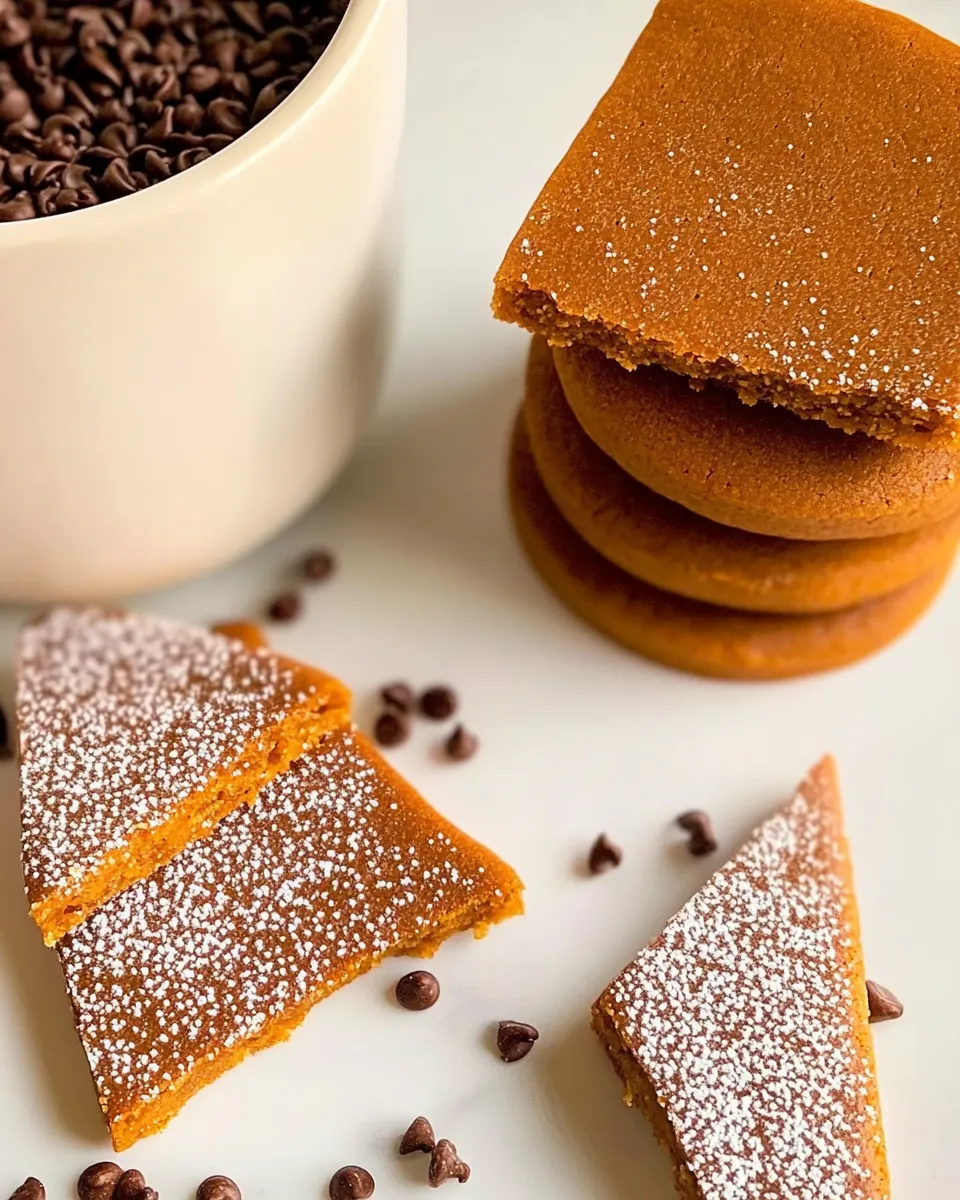
Chocolate Chai Shortbread Cookies
Chocolate Chai Shortbread Cookies came into my kitchen the way most comforting rituals do, slowly and with a little insistence. The first time I made these I was chasing a craving for something buttery and tender, but with the warming lift of spices that remind me of cool evenings and cozy sweaters. Right away I felt the dough between my fingers, cold and pliable, and knew these would be the kind of cookie I reach for when I want to wrap a small celebration into a single bite.
There is a memory attached to every spice in this recipe. I kept a little tin of ground cardamom from a market trip, and when I added it to the mixing bowl alongside all purpose flour and cocoa powder, the scent felt like a promise. Making Chocolate Chai Shortbread Cookies is a quiet ceremony for me, the kind where I allow the kitchen to become an instrument: the whisking hum of the mixer, the whisper of powdered sugar folding into softened unsalted butter, and the brief hush when the dough chills in the fridge.
I love how simple techniques create such refined results. These cookies are delicate but not fragile, spiced but not overpowering. As the chocolate sets, the surface gains a glossy sheen and the chai spices peek through, warming the back of the throat with cinnamon and ginger. When I hand them to friends, they always pause, then smile. That small, satisfied silence is exactly why I keep this recipe in rotation.
Recipe Snapshot
30 mins
20 mins
10 mins
Medium
150 kcal
American
Gluten-Free, Vegan
Desserts
Hand mixer, Stand mixer, Mixing bowl, Rolling pin, Cookie cutter, Baking sheet, Parchment paper, Wire rack, Microwave or double boiler
Why This Chocolate Chai Shortbread Cookies Works
1. A perfect balance of comfort and spice
I adore how Chocolate Chai Shortbread Cookies marry the rich, slightly bitter notes of cocoa powder with the floral, warming spices like cardamom and cinnamon. Each bite offers creamy butteriness followed by a gentle spice finish, which keeps them approachable yet interesting. I find this contrast makes them memorable at tea time or as a thoughtful homemade gift.
2. Simple technique, reliably elegant results
These cookies rely on basic, accessible methods such as creaming and chilling, which means you do not need advanced pastry skills to succeed. I value recipes that reward gentle attention rather than technical precision. When you cream the unsalted butter properly and chill the dough, the texture becomes tender and crumbly, and the cookies hold their shape beautifully.
3. Flexible for dietary preferences
Because the recipe works with dairy free butter, I often use that option for vegan friends or when I want a lighter finish. In my experience, swapping in a reliable vegan butter maintains the buttery flavor, though brand choice can subtly affect spread and texture. That adaptability makes these cookies a dependable choice for gatherings with varied diets.
4. Small batch perfection
I love that this makes a modest number of cookies, ideal when I want fresh treats without committing to dozens. It invites careful presentation, whether I drizzle melted chocolate atop each piece or dust them with turbinado sugar for a festive sparkle. The recipe scales well, but the heartbreak of fewer cookies forces me to savor each one.
5. Great make ahead cookie
Chilling the dough overnight deepens the flavors, and the cookies keep well for several days, which means you can bake a batch in advance for an event or to have on hand for tea. I often prepare dough the night before, and it transforms the next day into a calmer baking session, when the spices have more time to meld into the batter.
Chocolate Chai Shortbread Cookies Ingredients
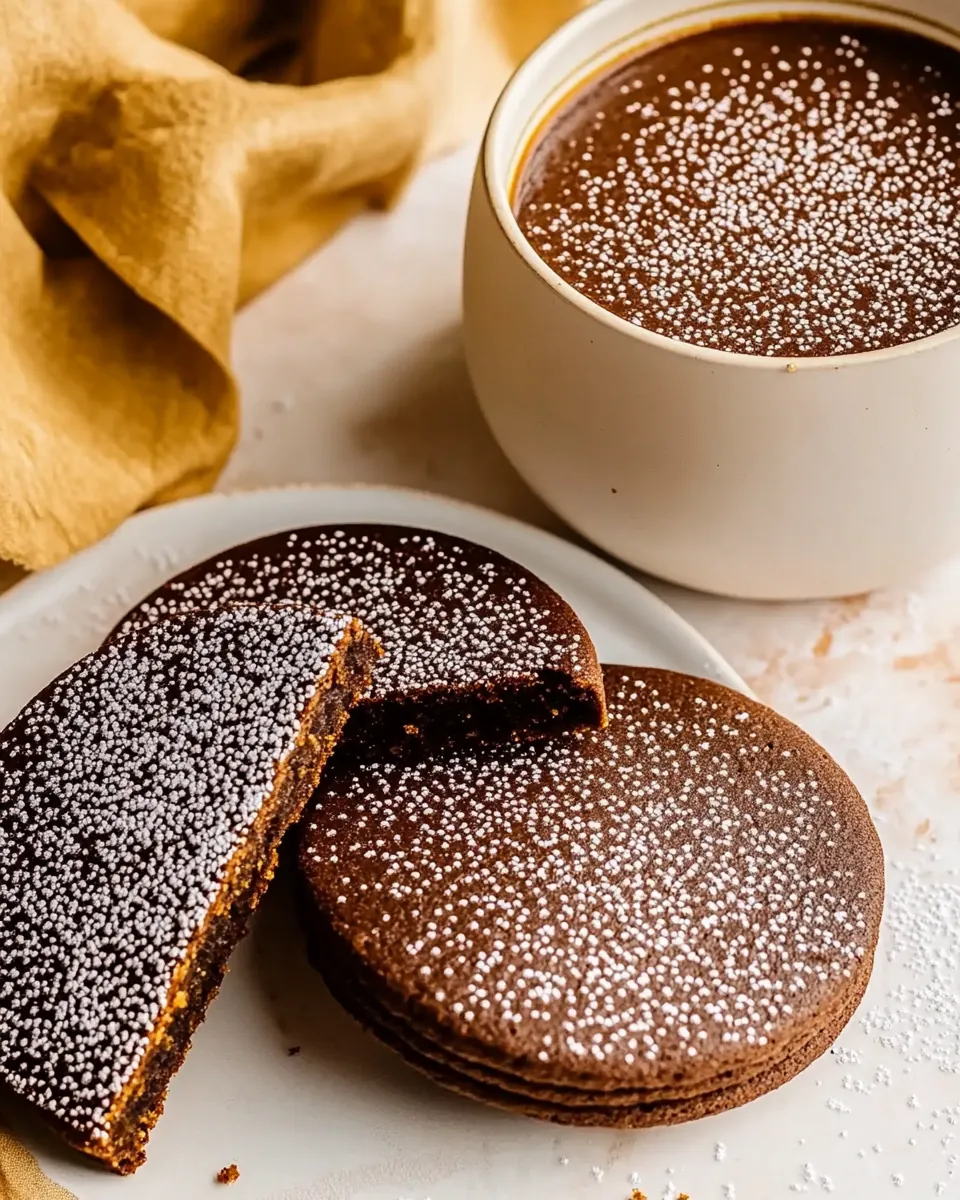
These components work together to create a tender, spiced shortbread. The fat from the unsalted butter gives the cookies that signature melt in your mouth texture, while the all purpose flour provides structure. Cocoa powder brings chocolate depth without adding liquid, and the chai spices layer in warmth. Powdered sugar keeps the crumb fine and delicate, and the finishing touches of turbinado sugar and melted chocolate add texture and shine.
- 10 tablespoons unsalted butter I used dairy-free: Softened and creamed to provide richness and tender texture while acting as the primary fat that binds the dough together and contributes to a melt-in-the-mouth shortbread crumb; dairy–free butter works as a direct substitute to keep the same fat content and structure.
- 2/3 cup powdered sugar: Finely sifted into the creamed butter to add delicate sweetness without grittiness while helping create a light, tender shortbread by interfering with gluten formation and aiding in spread control.
- 1/2 teaspoon vanilla extract: Added for a sweet, floral note that brightens flavors and balances the warm spices, while also enhancing the overall aroma of the cookies during baking.
- 1/2 teaspoon kosher salt use 1/4 tsp for salted butter: Sprinkled in to enhance flavor complexity and control the sweetness; when using salted butter, reduced to avoid over-salting and preserve the delicate balance of the chai spices.
- 1 1/4 cups all purpose flour: Combined with the cocoa to form the dry base of the cookie, supplying structure through gluten and starch while creating the necessary ratio for classic shortbread density and chew.
- 1/2 cup cocoa powder: Folded into the dry mixture to deliver deep chocolate flavor and tenderize the dough by absorbing fat and liquid, intensifying the cookie’s color and cocoa profile.
- 2 teaspoons ground cinnamon: Whisked into the dry spices to impart warm, sweet, and slightly woody cinnamon notes that define the chai character and complement the cocoa.
- 2 teaspoons ground ginger: Stirred with the other spices to add bright, sharp heat and zesty warmth, providing a clean, spicy counterpoint that livens the overall chai spice blend.
- 1/2 teaspoon cardamom: Measured carefully to provide a floral, slightly citrusy warmth that lifts the spice blend without overpowering, contributing subtle complexity to the shortbread.
- 1/2 teaspoon allspice: Blended with the spice mix to introduce deep, slightly sweet and peppery nuances that enrich the chai profile and support the cocoa’s richness.
- 1/2 teaspoon cloves: Ground sparingly to contribute warm, sweet-bitter notes with a hint of resinous depth that enhances the overall spice complexity in every bite.
- 1/2 teaspoon black pepper (optional): Added optionally to introduce a bright, subtle heat and peppery depth that contrasts the sweet chocolate, useful for those who enjoy an extra spicy kick.
- 2 ounces chocolate for dipping the cookies in: Melted for dipping the cooled cookies to create a glossy chocolate coating that adds texture contrast, extra chocolate intensity, and a professional finish to each bite.
- 2 tablespoons turbinado sugar for topping () (optional): Sprinkled atop freshly dipped or uncoated cookies to provide a coarse, crunchy sweetness that enhances mouthfeel and offers a pretty, sparkly presentation when served.
Step by Step Instructions for Chocolate Chai Shortbread Cookies
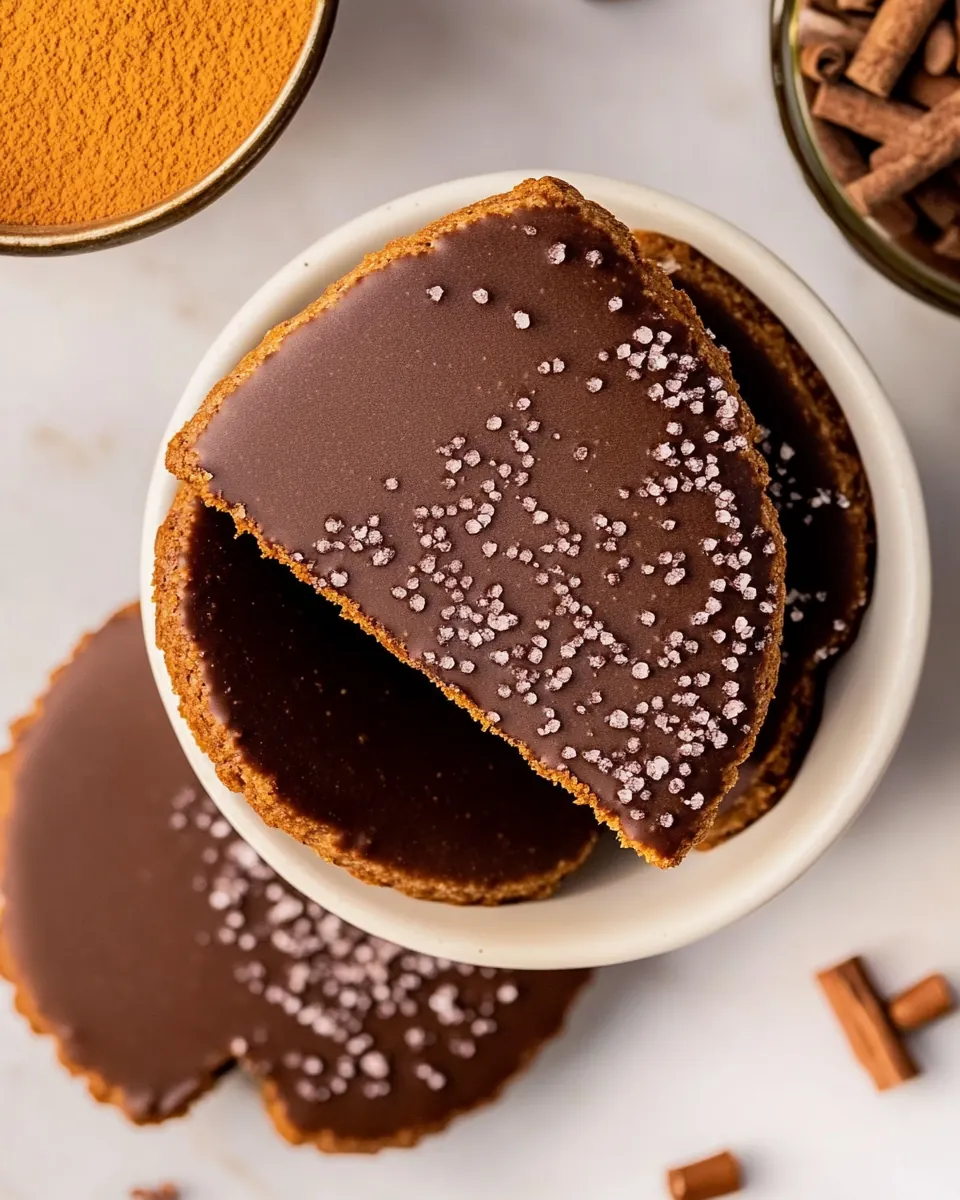
These instructions walk you through each stage with detail and sensory notes so you can bake with confidence. Keep your tools ready and a timer close, and expect the kitchen to fill with enticing spices as you go.
- Cream the Butter: Add the softened butter to a large bowl and beat with a hand mixer on low speed until light and smooth, 2 to 3 minutes. You can also use a stand mixer.: When you start, notice the butter s change as it softens and turns pale and airy. The sound of the mixer will shift from a sticky thud to a smoother hum once air is incorporated, which traps tiny pockets that make the cookies tender. This step matters because proper aeration contributes to the shortbread s delicate texture. A common mistake is using butter that is too cold, resulting in clumps and poor integration; if your butter resists, let it sit at room temperature for 10 to 15 minutes before trying again.
- Form the Dough: Add the powdered sugar, vanilla, and salt to the bowl. Beat again until smooth, about 1 minute. Sift the flour, cocoa powder, cinnamon, ginger, cardamom, allspice, cloves, and black pepper over the wet ingredients (important to remove clumps!) Beat one final time on low speed, until there is no more dry flour and the spices are evenly incorporated. The dough should look crumbly, but will stick together when pinched.: As you add powdered sugar , vanilla extract , and kosher salt , the mixture will become satiny and smell subtly sweet. Sifting the dry mix of all purpose flour , cocoa powder , and spices removes lumps and ensures even distribution, which affects both texture and flavor consistency across cookies. This technique prevents pockets of unmixed flour or intensely spiced bites. Watch for overmixing; once the dough holds together, stop to avoid developing gluten that makes cookies tough.
- Knead & Chill: Use your hands to press the dough together, then knead it a few times to form a ball. Flatten the ball into a disc, cover in plastic wrap, and chill in the fridge for at least an hour, or up to overnight.: When you press the crumbly dough into a ball, the warmth of your hands helps hydrate the flour and bring the dough together. Flattening into a disc and chilling firms the fats and relaxes any gluten, which helps maintain shape during baking. It also allows the spices to meld into the dough for a more harmonious taste. Skipping the chill is a frequent error that leads to spreading and loss of shortbread s signature texture.
- Oven Prep: Preheat the oven to 350 F. Line a large baking sheet with a silicone mat or parchment paper and set aside.: Preheating to 350 F ensures even oven spring and predictable baking times. Lining your tray with parchment or a silicone mat prevents sticking and promotes uniform browning on the bottom. An oven that is not properly preheated can yield unevenly baked cookies, with edges overdone while centers remain pale.
- Form the Cookies: Generously dust a cutting board and rolling pin with flour. Unwrap the dough and place on the cutting board; if the dough does not look completely smooth, knead it a few times to help the gluten develop some. Roll the dough out until it is around 1/2” thick, then use a cookie cutter to form cookies. Transfer each cookie to the baking sheet (a bench knife makes this easy!), leaving about 1/2” of space between each cookie.: As you roll the dough, the texture will go from slightly tacky to smooth. Rolling to roughly 1/2” thickness lets you achieve a delicate bite; too thin and the cookies become brittle, too thick and they lose the crisp shortbread snap. When cutting shapes, press straight down rather than twisting to keep edges neat. Overworking the dough at this stage causes toughness and uneven bake.
- Repeat: Knead the remaining dough back together and repeat step 5 until there is no remaining cookie dough. Dust your cutting board with more flour if things start to stick.: Reworking scraps is where patience pays off. Gently bring trimmings together and roll again, using extra dusting of flour to prevent sticking. The visual cue to stop kneading is when the dough looks uniform without streaks of flour. A common pitfall is repeatedly overhandling the dough, which warms the butter and increases spread during baking.
- Bake: Bake in the middle rack of the oven for 5 minutes, then rotate the baking tray (to help the cookies cook more evenly) and bake for an additional 5 minutes.: When the cookies go into the oven they will release a warm, spiced aroma as the butter begins to melt and the cocoa develops. Baking for 5 minutes, rotating the tray, then another 5 minutes encourages even color and cook through. Look for edges that are set and a matte top that no longer looks wet; overbaking will dry them out, while underbaking leaves them fragile and prone to break when moved.
- Cool: Remove from the oven and let sit on the baking tray for 10 minutes to set. Use a spatula to transfer the cookies to a wire rack and let them cool completely.: Letting the cookies rest on the baking tray for 10 minutes helps them firm up as the fats solidify, reducing breakage when transferring to a wire rack. The surface will transition from tender to slightly more resilient, and the aroma will deepen as they release steam. A frequent mistake is moving them too soon, which often causes them to break or crumble.
- Melt the Chocolate: Melt the chocolate in the microwave or double boiler, until smooth.: Melt the chocolate gently, either in short bursts in the microwave or over a double boiler, stirring until glossy and smooth. The sound is a quiet softening and the sheen is the cue that you ve reached the right texture for dipping or drizzling. Overheating will scorch the chocolate, making it grainy and dull, so keep heat low and stir frequently to distribute warmth evenly.
- Decorate: Drizzle or spoon the chocolate over the cookies; I would not recommend dunking them, as they are delicate and may break. Sprinkle the turbinado sugar over the chocolate and return to the wire rack.: As you drizzle or spoon the melted chocolate onto the cookies, watch it spread and set into a glossy finish. Adding turbinado sugar immediately creates a crunchy contrast as the chocolate firms. Because these shortbreads are delicate, avoid dunking to prevent breakage. A typical error is applying chocolate while it is too hot, which can melt the cookie surface or cause the chocolate to run off.
- Serve & Store: Let the cookies rest until the chocolate sets and is firm, which can take up to 1 hour. Once firm, store the cookies in an airtight container at room temperature for up to 5 days.: Let the decorated cookies rest until the chocolate is completely firm, which can take up to 1 hour at room temperature, then store in an airtight container at room temperature for up to 5 days. The smell will mellow but the texture stays tender for several days when stored correctly. Storing while the chocolate is tacky can cause sticking and loss of decoration, so always wait until fully set before stacking.
Recipe Tips about Chocolate Chai Shortbread Cookies
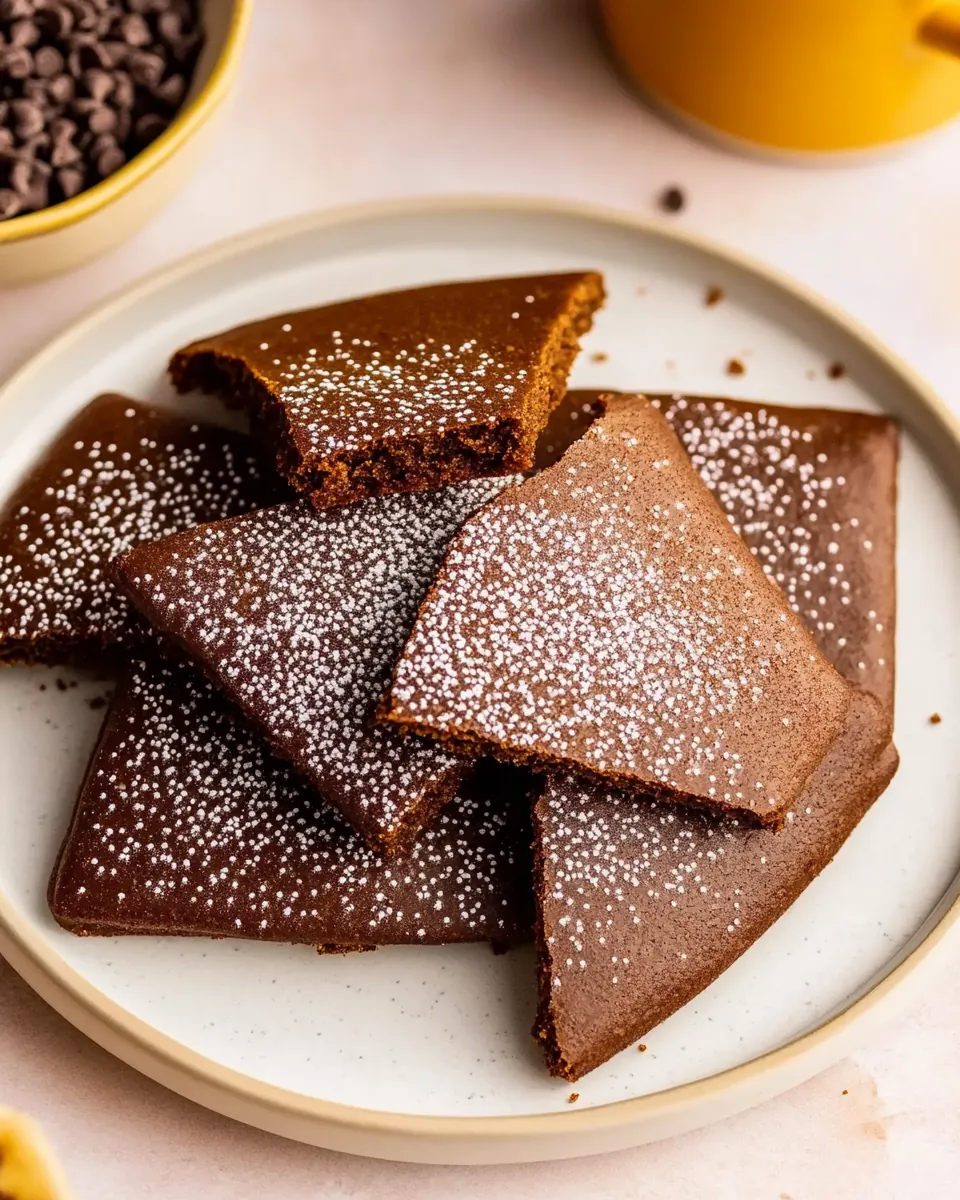
Here are focused, practical tips I use every time I make these cookies. They help with texture, flavor balance, and presentation so your batch comes out like mine.
- Choose the right butter: If using a dairy free option, prefer brands you have tested because spread and flavor vary and affect the final texture.
- Measure flour correctly: Spoon and level all purpose flour to avoid dense dough, which leads to heavier cookies.
- Sift cocoa and spices: Sifting prevents dark streaks and clumps, ensuring every cookie tastes consistent.
- Chill sufficiently: At least 1 hour in the fridge firms the dough and improves handling and shape retention while baking.
- Work quickly when rolling: Warm hands will soften the butter, so re chill briefly if dough becomes sticky while you cut shapes.
- Melt chocolate gently: Use low heat and stir often; if its too thick, a teaspoon of neutral oil helps smooth it, but use sparingly.
Serving Options for Chocolate Chai Shortbread Cookies
These cookies adapt to many serving styles and occasions. Below are ideas for pairing, gifting, and storing so you can present them beautifully and keep them fresh.
- Afternoon tea: Arrange with small bowls of jam and lemon curd for a cozy spread, letting the chai spice complement fruity accompaniments.
- Holiday platter: Pair with spiced nuts and dried fruit for an attractive seasonal board showcasing rich chocolate and warming spices.
- Gift boxes: Layer cookies between parchment in a decorative box, adding a ribbon and a note that highlights the chai spice blend.
- Ramadan or iftar treat: Serve in small batches with dates and tea to offer a balanced sweet finish that is not overly heavy.
- Storage tips: Keep cookies in an airtight container at room temperature for up to 5 days, separating layers with parchment to protect the chocolate finish.
- Seasonal pairing: These are especially lovely in fall when spices feel at home, but their balance of chocolate and warming notes works year round.
FAQ
Conclusion
These Chocolate Chai Shortbread Cookies stand out because they pair tender, buttery shortbread with a carefully balanced chai spice blend and a touch of chocolate elegance. The result is a cookie that feels both comforting and refined, perfect for sharing or savoring slowly. Try making them when you want something simple yet impressive, and let the warm spices fill your kitchen as you bake. I hope they become a repeat favorite in your baking rotation.
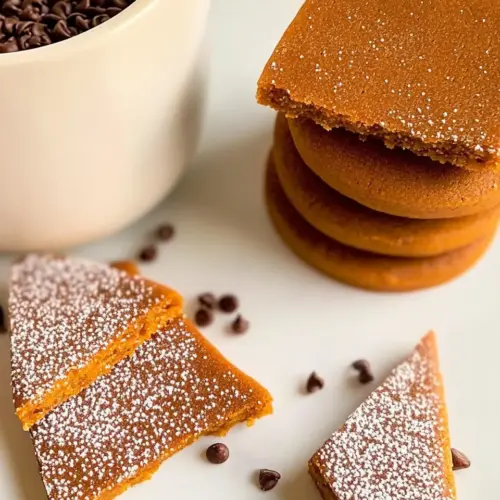
Chocolate Chai Shortbread Cookies
Equipment
- Hand Mixer
- Stand mixer
- Mixing Bowl
- Rolling Pin
- Cookie Cutter
- Baking Sheet
- Parchment Paper
- Wire Rack
- Microwave or double boiler
Ingredients
- 10 tablespoons unsalted butter I used dairy-free Softened and creamed to provide richness and tender texture while acting as the primary fat that binds the dough together and contributes to a melt-in-the-mouth shortbread crumb; dairy-free butter works as a direct substitute to keep the same fat content and structure.
- 2/3 cup powdered sugar Finely sifted into the creamed butter to add delicate sweetness without grittiness while helping create a light, tender shortbread by interfering with gluten formation and aiding in spread control.
- 1/2 teaspoon vanilla extract Added for a sweet, floral note that brightens flavors and balances the warm spices, while also enhancing the overall aroma of the cookies during baking.
- 1/2 teaspoon kosher salt use 1/4 tsp for salted butter Sprinkled in to enhance flavor complexity and control the sweetness; when using salted butter, reduced to avoid over-salting and preserve the delicate balance of the chai spices.
- 1 1/4 cups all purpose flour Combined with the cocoa to form the dry base of the cookie, supplying structure through gluten and starch while creating the necessary ratio for classic shortbread density and chew.
- 1/2 cup cocoa powder Folded into the dry mixture to deliver deep chocolate flavor and tenderize the dough by absorbing fat and liquid, intensifying the cookie’s color and cocoa profile.
- 2 teaspoons ground cinnamon Whisked into the dry spices to impart warm, sweet, and slightly woody cinnamon notes that define the chai character and complement the cocoa.
- 2 teaspoons ground ginger Stirred with the other spices to add bright, sharp heat and zesty warmth, providing a clean, spicy counterpoint that livens the overall chai spice blend.
- 1/2 teaspoon cardamom Measured carefully to provide a floral, slightly citrusy warmth that lifts the spice blend without overpowering, contributing subtle complexity to the shortbread.
- 1/2 teaspoon allspice Blended with the spice mix to introduce deep, slightly sweet and peppery nuances that enrich the chai profile and support the cocoa’s richness.
- 1/2 teaspoon cloves Ground sparingly to contribute warm, sweet-bitter notes with a hint of resinous depth that enhances the overall spice complexity in every bite.
- 1/2 teaspoon black pepper optional Added optionally to introduce a bright, subtle heat and peppery depth that contrasts the sweet chocolate, useful for those who enjoy an extra spicy kick.
- 2 ounces chocolate for dipping the cookies in Melted for dipping the cooled cookies to create a glossy chocolate coating that adds texture contrast, extra chocolate intensity, and a professional finish to each bite.
- 2 tablespoons turbinado sugar for topping (optional) Sprinkled atop freshly dipped or uncoated cookies to provide a coarse, crunchy sweetness that enhances mouthfeel and offers a pretty, sparkly presentation when served.
Instructions
- Cream the Butter: Add the softened butter to a large bowl and beat with a hand mixer on low speed until light and smooth, 2 to 3 minutes. You can also use a stand mixer.: When you start, notice the butter s change as it softens and turns pale and airy. The sound of the mixer will shift from a sticky thud to a smoother hum once air is incorporated, which traps tiny pockets that make the cookies tender. This step matters because proper aeration contributes to the shortbread s delicate texture. A common mistake is using butter that is too cold, resulting in clumps and poor integration; if your butter resists, let it sit at room temperature for 10 to 15 minutes before trying again.
- Form the Dough: Add the powdered sugar, vanilla, and salt to the bowl. Beat again until smooth, about 1 minute. Sift the flour, cocoa powder, cinnamon, ginger, cardamom, allspice, cloves, and black pepper over the wet ingredients (important to remove clumps!) Beat one final time on low speed, until there is no more dry flour and the spices are evenly incorporated. The dough should look crumbly, but will stick together when pinched.: As you add powdered sugar , vanilla extract , and kosher salt , the mixture will become satiny and smell subtly sweet. Sifting the dry mix of all purpose flour , cocoa powder , and spices removes lumps and ensures even distribution, which affects both texture and flavor consistency across cookies. This technique prevents pockets of unmixed flour or intensely spiced bites. Watch for overmixing; once the dough holds together, stop to avoid developing gluten that makes cookies tough.
- Knead & Chill: Use your hands to press the dough together, then knead it a few times to form a ball. Flatten the ball into a disc, cover in plastic wrap, and chill in the fridge for at least an hour, or up to overnight.: When you press the crumbly dough into a ball, the warmth of your hands helps hydrate the flour and bring the dough together. Flattening into a disc and chilling firms the fats and relaxes any gluten, which helps maintain shape during baking. It also allows the spices to meld into the dough for a more harmonious taste. Skipping the chill is a frequent error that leads to spreading and loss of shortbread s signature texture.
- Oven Prep: Preheat the oven to 350 F. Line a large baking sheet with a silicone mat or parchment paper and set aside.: Preheating to 350 F ensures even oven spring and predictable baking times. Lining your tray with parchment or a silicone mat prevents sticking and promotes uniform browning on the bottom. An oven that is not properly preheated can yield unevenly baked cookies, with edges overdone while centers remain pale.
- Form the Cookies: Generously dust a cutting board and rolling pin with flour. Unwrap the dough and place on the cutting board; if the dough does not look completely smooth, knead it a few times to help the gluten develop some. Roll the dough out until it is around 1/2” thick, then use a cookie cutter to form cookies. Transfer each cookie to the baking sheet (a bench knife makes this easy!), leaving about 1/2” of space between each cookie.: As you roll the dough, the texture will go from slightly tacky to smooth. Rolling to roughly 1/2” thickness lets you achieve a delicate bite; too thin and the cookies become brittle, too thick and they lose the crisp shortbread snap. When cutting shapes, press straight down rather than twisting to keep edges neat. Overworking the dough at this stage causes toughness and uneven bake.
- Repeat: Knead the remaining dough back together and repeat step 5 until there is no remaining cookie dough. Dust your cutting board with more flour if things start to stick.: Reworking scraps is where patience pays off. Gently bring trimmings together and roll again, using extra dusting of flour to prevent sticking. The visual cue to stop kneading is when the dough looks uniform without streaks of flour. A common pitfall is repeatedly overhandling the dough, which warms the butter and increases spread during baking.
- Bake: Bake in the middle rack of the oven for 5 minutes, then rotate the baking tray (to help the cookies cook more evenly) and bake for an additional 5 minutes.: When the cookies go into the oven they will release a warm, spiced aroma as the butter begins to melt and the cocoa develops. Baking for 5 minutes, rotating the tray, then another 5 minutes encourages even color and cook through. Look for edges that are set and a matte top that no longer looks wet; overbaking will dry them out, while underbaking leaves them fragile and prone to break when moved.
- Cool: Remove from the oven and let sit on the baking tray for 10 minutes to set. Use a spatula to transfer the cookies to a wire rack and let them cool completely.: Letting the cookies rest on the baking tray for 10 minutes helps them firm up as the fats solidify, reducing breakage when transferring to a wire rack. The surface will transition from tender to slightly more resilient, and the aroma will deepen as they release steam. A frequent mistake is moving them too soon, which often causes them to break or crumble.
- Melt the Chocolate: Melt the chocolate in the microwave or double boiler, until smooth.: Melt the chocolate gently, either in short bursts in the microwave or over a double boiler, stirring until glossy and smooth. The sound is a quiet softening and the sheen is the cue that you ve reached the right texture for dipping or drizzling. Overheating will scorch the chocolate, making it grainy and dull, so keep heat low and stir frequently to distribute warmth evenly.
- Decorate: Drizzle or spoon the chocolate over the cookies; I would not recommend dunking them, as they are delicate and may break. Sprinkle the turbinado sugar over the chocolate and return to the wire rack.: As you drizzle or spoon the melted chocolate onto the cookies, watch it spread and set into a glossy finish. Adding turbinado sugar immediately creates a crunchy contrast as the chocolate firms. Because these shortbreads are delicate, avoid dunking to prevent breakage. A typical error is applying chocolate while it is too hot, which can melt the cookie surface or cause the chocolate to run off.
- Serve & Store: Let the cookies rest until the chocolate sets and is firm, which can take up to 1 hour. Once firm, store the cookies in an airtight container at room temperature for up to 5 days.: Let the decorated cookies rest until the chocolate is completely firm, which can take up to 1 hour at room temperature, then store in an airtight container at room temperature for up to 5 days. The smell will mellow but the texture stays tender for several days when stored correctly. Storing while the chocolate is tacky can cause sticking and loss of decoration, so always wait until fully set before stacking.
Notes
- Choose the right butter: If using a dairy free option, prefer brands you have tested because spread and flavor vary and affect the final texture.
- Measure flour correctly: Spoon and level all purpose flour to avoid dense dough, which leads to heavier cookies.
- Sift cocoa and spices: Sifting prevents dark streaks and clumps, ensuring every cookie tastes consistent.
- Chill sufficiently: At least 1 hour in the fridge firms the dough and improves handling and shape retention while baking.
- Work quickly when rolling: Warm hands will soften the butter, so re chill briefly if dough becomes sticky while you cut shapes.
- Melt chocolate gently: Use low heat and stir often; if its too thick, a teaspoon of neutral oil helps smooth it, but use sparingly.
