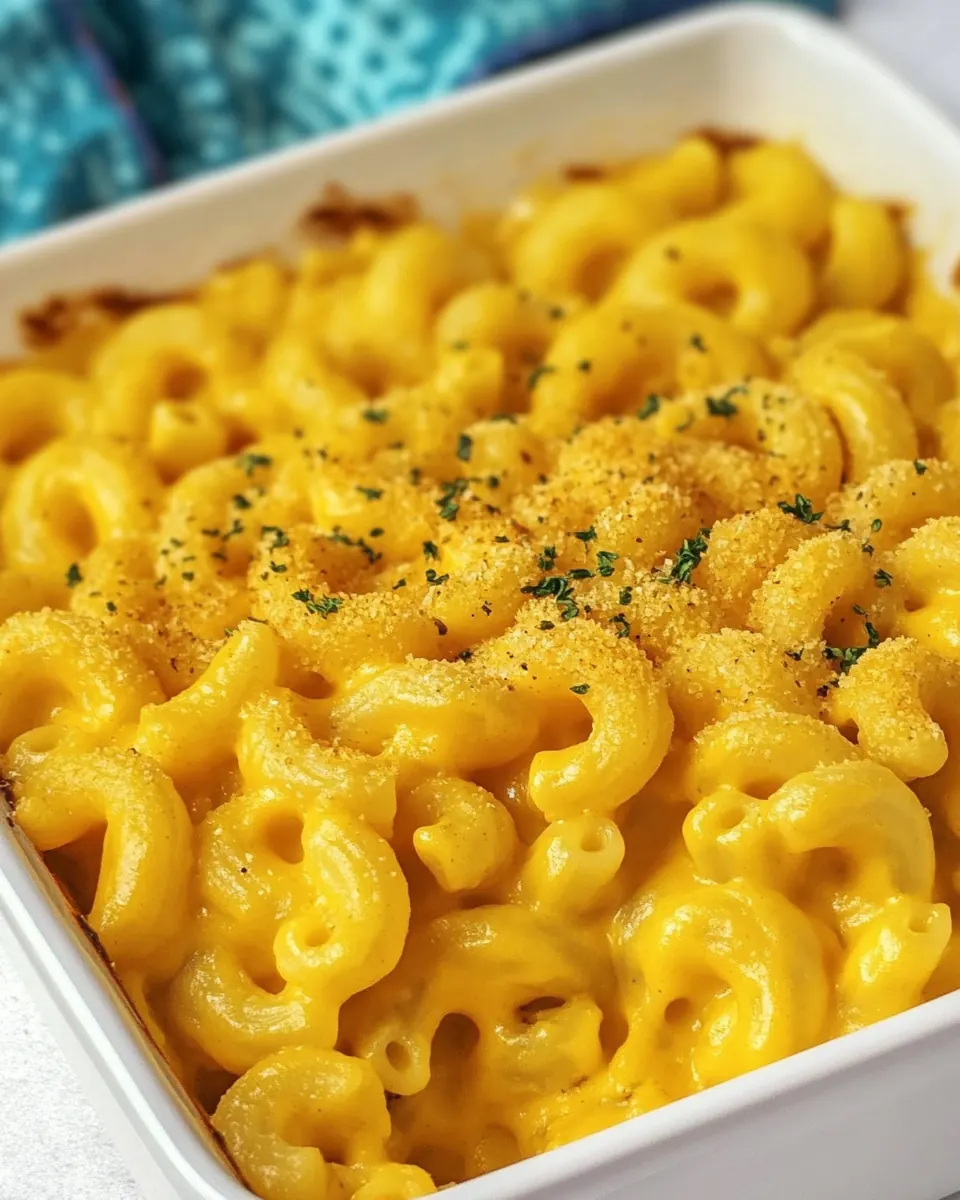
Butternut Squash Mac and Cheese
Butternut Squash Mac and Cheese has been one of my favorite comforts since the first chilly afternoon I tried blending roasted squash into a cheesy sauce, and that warm, creamy bowl felt like a hug from the inside out.
That first time, I was tired from a long day and wanted something that would come together fast but still feel thoughtful. I swapped in frozen cubed butternut squash from the freezer for speed, and the result surprised me with a gentle sweetness that balanced the tang of sharp cheddar cheese. From then on, this dish became my go to for weeknight crowds, potlucks, and nights when I want something nostalgic without fuss.
I love how the texture turns silky when you blend the squash with the broth, it gives the sauce body without relying only on heavy cream. The scent in the kitchen, that warm squash and garlic meeting melted butter, always makes me slow down and enjoy the moment. I often catch myself tasting the sauce straight from the blender, then I remind myself to save some for the pasta.
Over time I learned small tricks that keep the pasta tender and the sauce velvety, like finishing on low heat and folding in the pasta gently so it doesn’t break. Friends who usually skip veggie forward dishes often ask for seconds. If you want a cozy, slightly sweet and cheesy dinner that feels like fall in a bowl, Butternut Squash Mac and Cheese is a recipe you will return to again and again.
Recipe Snapshot
25 mins
5 mins
20 mins
Easy
350 kcal
American
Keto, Gluten-Free
Dinner
Immersion Blender
Why We Love This Butternut Squash Mac and Cheese
Comfort with a Twist
I adore how Butternut Squash Mac and Cheese takes the familiarity of mac and cheese and gives it an autumnal turn. The creamy squash base makes the sauce rich without being cloying, and it adds a subtle sweetness that plays beautifully with the sharpness of the cheddar cheese. I find that this contrast makes every bite more interesting than a standard cheese sauce.
Speed and Simplicity
We can have this on the table quickly, because the recipe leans on easy techniques and a few smart shortcuts. Using frozen cubed butternut squash and an immersion blender keeps the process straightforward, and you don’t have to babysit a complicated roux. That practicality means I reach for this recipe on busy evenings.
Texture That Feels Luxurious
Because the squash is blended into the broth, the sauce becomes silky and coats the elbow macaroni perfectly. I love the way each bite holds a ribbon of sauce, not just a clump of cheese. The mouthfeel is creamy without heavy thickness, so it never feels gloopy.
Flexible for the Table
This dish transitions from weeknight dinner to potluck showstopper easily. I often serve it straight from the stove for a cozy family meal, or scoop it into a casserole dish, top with breadcrumbs, and bake for a shallow crust. It adapts well to what I have on hand, but it never loses that comforting identity.
Friendly to Home Cooks
I like that this recipe rewards attention to small details, like melting butter gently and warming the milk slightly before adding it. Those little steps aren’t hard, they simply elevate the flavor. For someone learning to balance textures, this is a forgiving and satisfying recipe.
Butternut Squash Mac and Cheese Shopping List
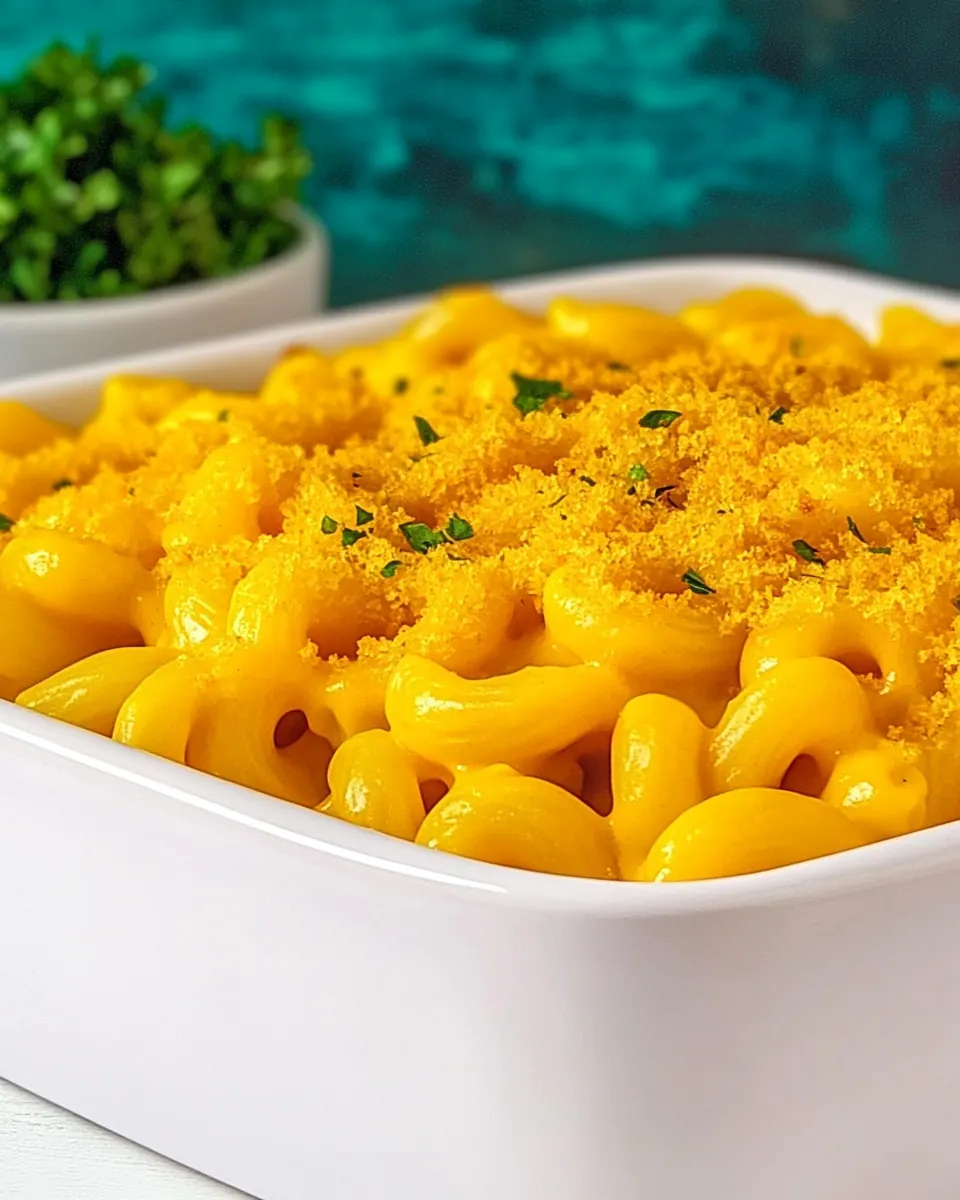
These ingredients are chosen to build a creamy, balanced sauce that clings to pasta. The stars are the blended butternut squash and the sharp cheddar cheese, while the vegetable broth and milk create the right looseness. The butter and garlic provide savory depth, and the seasonings finish the dish.
- 1 pound elbow macaroni: Cooked until al dente to provide the classic mac and cheese base; holds sauce without becoming mushy and offers a comforting texture contrast to the creamy butternut squash sauce. Boiling in salted water also seasons the pasta through and ensures even cooking throughout the dish.
- 4 tablespoons salted butter divided: Melted in stages to create a silky roux and enrich the sauce; contributes mouthfeel and a glossy finish while helping bind the cheese and squash mixture to the pasta. Using divided amounts allows for sautéing aromatics first and finishing the sauce with additional butter for richness.
- 1 tablespoon minced garlic: Sautéed briefly to release aromatic oils and deepen flavor; adds a gentle garlic note that complements the sweetness of the squash and sharpness of the cheddar. Minced form disperses evenly through the sauce so every bite has a subtle savory lift.
- 10 ounces frozen butternut squash cubed: Simmered and pureed into the sauce to impart natural sweetness, body, and a creamy orange color; frozen cubes cook quickly and concentrate flavor when reduced with broth and milk. Using butternut squash keeps the dish lighter than heavy cream while still providing a velvety texture.
- 1 1/2 cup vegetable broth: Simmered as the liquid base to cook and soften the squash while adding savory depth; vegetable broth balances the sweetness of the squash and seasons the sauce without overpowering the cheese. Watching the amount ensures the sauce reaches the right consistency for coating the pasta.
- 1 cup whole milk: Added as a dairy liquid to thin and enrich the squash–cheese sauce; whole milk contributes creaminess and helps create a smooth emulsified texture when combined with butter and cheese. Gentle heating prevents scorching and encourages a cohesive, velvety sauce.
- 2 cups sharp cheddar cheese freshly grated: Shredded and stirred in until melted to provide the primary cheesy flavor and a sharp, tangy profile; cheddar contributes both taste and a stretchy, creamy texture that defines mac and cheese. Fresh grating ensures better melting and a brighter flavor than pre-shredded alternatives.
- 1 teaspoon salt: Sprinkled to season and balance flavors throughout the dish; salt enhances the sweetness of the squash and the sharpness of the cheese while bringing out the overall savory profile. Tasting during cooking helps achieve the right seasoning level without over-salting.
- 1/4 teaspoon garlic powder: Dusting added for a concentrated garlic flavor that complements the minced garlic; garlic powder delivers background savory notes and depth without altering texture. Using a small amount ensures the garlic presence is noticeable but not overpowering.
- 1/2 teaspoon pepper: Ground into the sauce to provide mild heat and a rounded finish; black pepper lifts the flavors and prevents the dish from tasting flat. Adjusting the amount allows control over spice level while maintaining harmony with the cheese and squash.
Directions for Butternut Squash Mac and Cheese
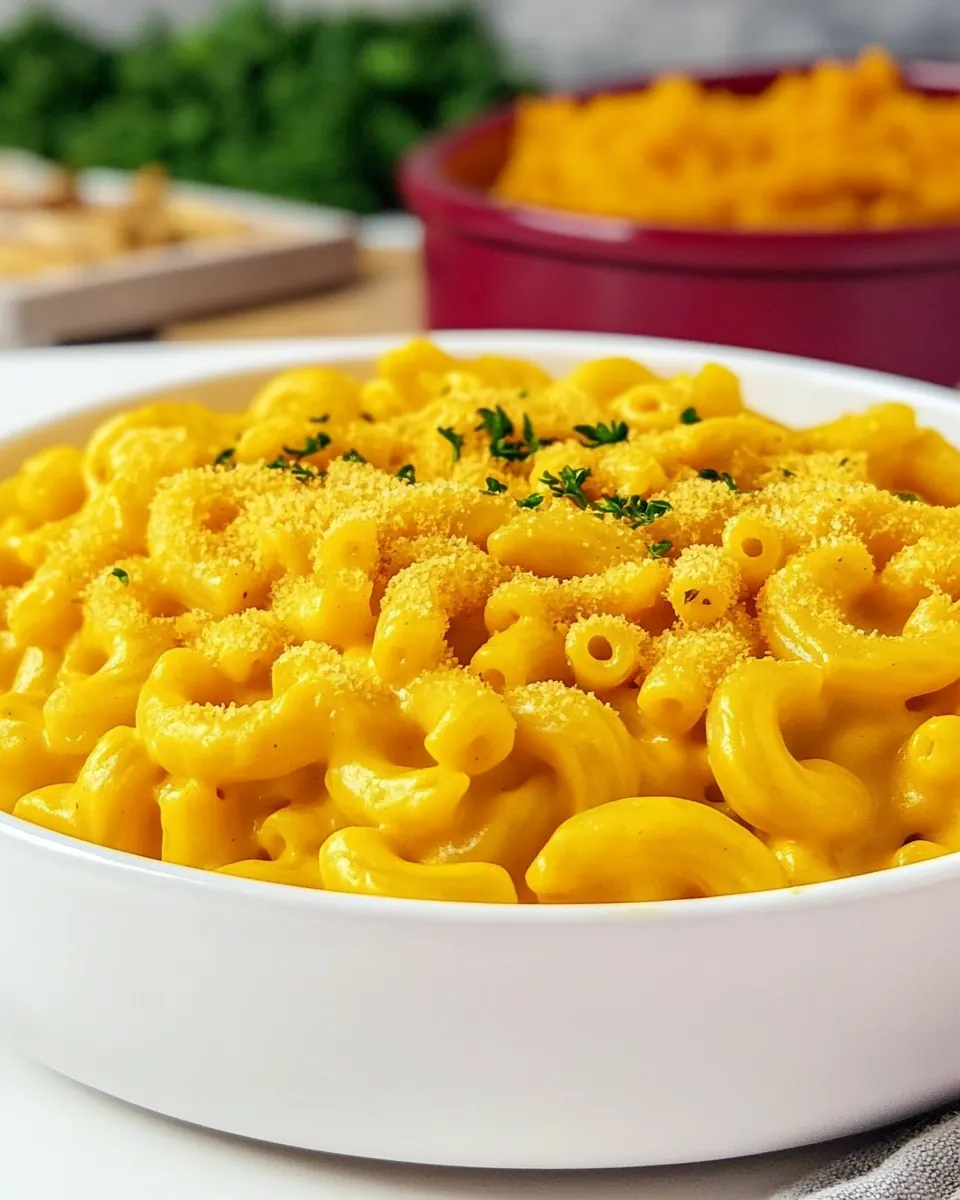
I like to approach the cooking rhythm in a relaxed way, starting the pasta and building the sauce while the pot is busy. Keep your tools close, and listen for subtle cues like a soft simmer or a gentle bubbling; those tell you the dish is moving along correctly.
- Start by bringing a large pot of water to a boil, and cook your macaroni according to the package directions, or until the pasta is al dente. Drain the pasta and set it aside.: You will notice a lively rolling boil and the pasta will slide easily when stirred, signaling it is cooking through. The goal is an al dente texture that still has a slight chew, so the elbow macaroni holds its shape when mixed with the sauce, creating pleasant mouthfeel contrasts. A common mistake is overcooking the pasta until it becomes soft and gummy; to avoid that, taste a piece about two minutes before the package time ends. Drain promptly and give it a brief shake to remove excess water, but avoid rinsing because the sauce needs the pasta surface to cling to. If you must hold the pasta for a few minutes, toss with a teaspoon of butter to prevent sticking and preserve the texture.
- In a separate large pot or dutch oven, add 2 tablespoons of butter and let that melt over medium heat. Next, add the minced garlic. Let that cook in the butter for 1 minute, then add the frozen butternut squash and vegetable broth.: As the butter melts you will smell a warm, nutty aroma that signals fat readiness, then the fresh garlic will release a fragrant, savory perfume as it sautés. Adding the frozen butternut squash directly to the pot with vegetable broth creates steam and begins to thaw the cubes while they absorb savory notes from the broth. The sound is a gentle simmer with occasional pops from the cold cubes hitting the hot liquid. One pitfall is letting the garlic brown; it should soften and turn translucent in about 30 to 60 seconds, not darken, because burned garlic tastes bitter. Adjust heat to maintain a steady medium that encourages even thawing and gentle cooking of the squash.
- Stir occasionally and bring the broth to a boil. Once boiling, reduce to a simmer, and let it simmer for 5 minutes.: When the pot reaches a lively boil, you will see bubbles across the surface and steam rising; that heat jump helps quickly heat the squash through. Reducing to a simmer produces a more gentle bubble and softens the texture of the cubes, allowing them to break down without becoming waterlogged. The aroma will shift from sharp steam to a sweeter, roasted squash fragrance as the pieces release their sugars. A frequent error is leaving the heat too high so the liquid reduces excessively, concentrating saltiness, so lower to a mild simmer and monitor the volume. Five minutes is enough for the cubes to cook tender but still hold their shape for blending into a smooth sauce.
- Using an immersion blender, blend the squash in the broth until it becomes a smooth and creamy sauce.: As you blend, you will see the chunky cubes transform into a glossy, velvety liquid, and a sweet, savory scent will fill the kitchen. The sound shifts to a steady hum of the immersion blender , and the sauce should appear uniform with no visible lumps. This texture is critical because it becomes the base that clings to the pasta; a silky emulsion ensures even coating and a luxurious mouthfeel. A common misstep is blending too aggressively while the liquid is boiling, which can splash; turn off the heat briefly or lower the temperature, and hold the blender steady at the bottom then lift slowly for an even result. If the sauce seems too thick, add a splash of vegetable broth or milk to loosen it.
- To the sauce, add the milk, remaining butter, grated cheddar cheese, garlic powder, salt and pepper. Stir until everything is combined, and the cheese melts down.: Once you add the warmed milk and the remaining butter , the sauce will take on a creamier sheen and a warmer scent profile. The grated cheddar cheese will melt into strings then a smooth ribbon as you stir, releasing a tangy, savory fragrance that complements the squash. The sound will be a soft bubbling and the sauce should appear glossy and homogeneous. This step matters because the gentle heat and gradual incorporation prevent the cheese from seizing or turning grainy; keep the pot off high direct heat and stir steadily. A usual problem is adding cold milk or cheese abruptly, which cools the sauce and prevents proper melting, so warm the milk slightly and add cheese in small batches.
- Once combined, add the drained pasta and fold everything together until combined. Serve immediately, and enjoy!: As you fold in the warm elbow macaroni , each piece will pick up a glossy coat of sauce and steam will rise with a comforting, cheesy aroma. Visually you want even coverage with no large pools of sauce or dry pasta; the texture should be cohesive, with the pasta retaining a tender bite under the creamy coating. Folding gently preserves the pasta shape and prevents it from breaking apart, which helps the final presentation and mouthfeel. One common mistake is stirring too vigorously, which can mash the pasta, or letting the pasta sit too long off heat, which causes the sauce to thicken and cling unevenly; serve promptly for the best texture and flavor balance.
Ways to Adapt This Recipe
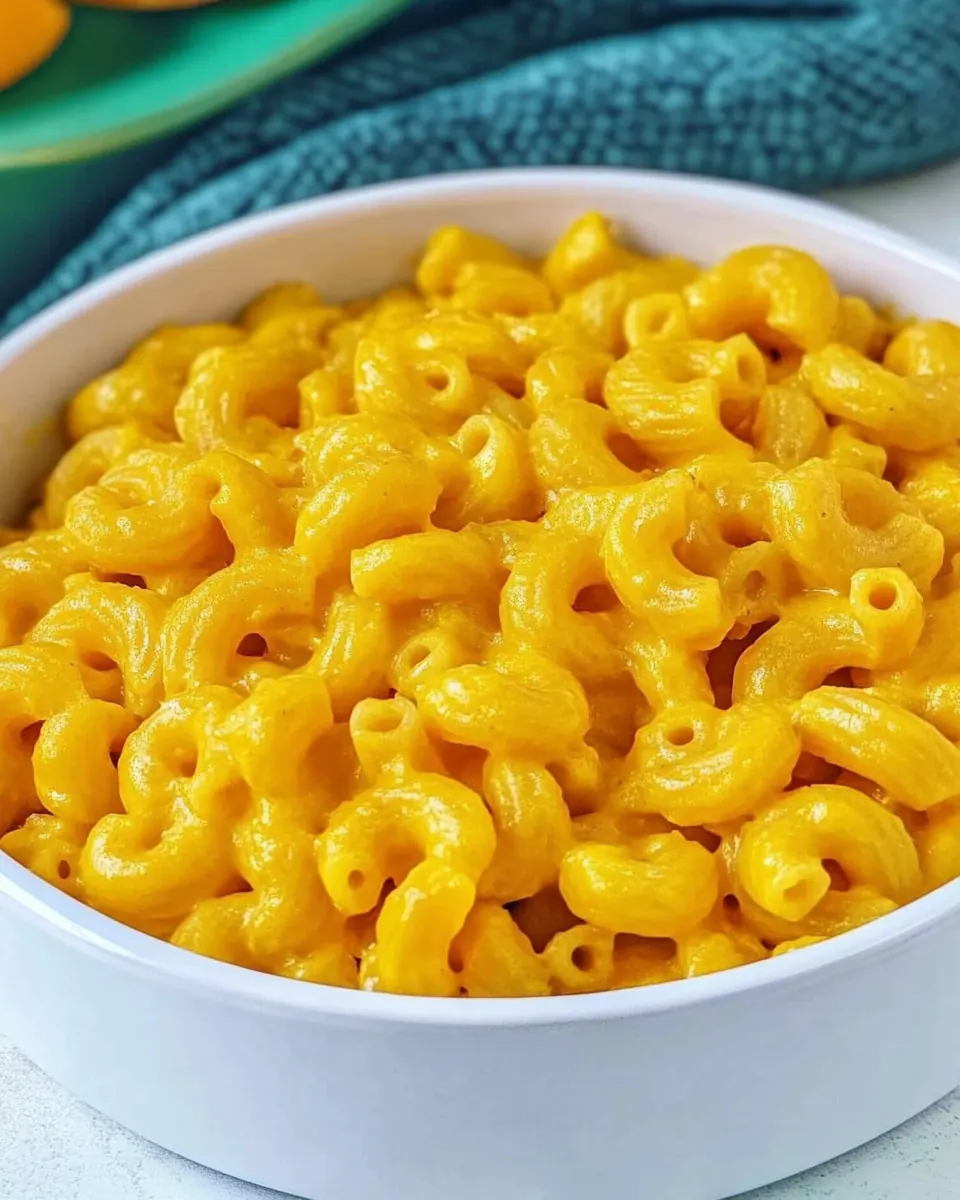
There are many small adjustments that keep the soul of Butternut Squash Mac and Cheese while tuning it to your pantry and preferences. Below are practical adaptations and storage tips I rely on.
- Make it ahead: Prepare the sauce and pasta separately, then combine and reheat gently with a splash of milk to revive creaminess when serving.
- Swap cheese technique: Grate the cheddar cheese fresh and add it gradually off direct heat to ensure a smooth, glossy finish instead of a grainy texture.
- Adjust consistency: If the sauce thickens too much while standing, loosen it with a tablespoon of vegetable broth or milk at a time until you reach the desired silky texture.
- Texture variation: For a shallow baked crust, transfer the mixed pasta to a casserole dish and bake briefly under high heat to crisp the top, watching closely so the sauce does not dry out.
- Storage method: Cool leftovers quickly, store in an airtight container in the fridge for up to 3 to 4 days, and reheat gently on the stove with a splash of milk for best results.
Pairing Suggestions for Butternut Squash Mac and Cheese
This dish works for casual weeknights and seasonal gatherings alike. Here are thoughtful ways I like to present and pair it depending on the occasion and time of year.
- Weeknight comfort: Serve a generous scoop of Butternut Squash Mac and Cheese as the main course with a simple green salad on the side to cut through the richness.
- Holiday side: Offer this as a hearty side for fall dinners, pairing it with roasted vegetables and a bright herb garnish to balance the creamy texture.
- Potluck friendly: Keep it warm in a low oven or portable slow cooker and offer spoons for self serving; it holds up well and is universally approachable.
- Storage and reheating: Refrigerate leftovers in an airtight container for up to 3 to 4 days. Reheat on the stove with a splash of milk and a pat of butter to restore creaminess, or microwave in short bursts stirring between cycles.
- Seasonal pairing: In fall I pair this with roasted root vegetables and a tart fruit chutney to introduce acidity, while in cooler months I serve it alongside braised greens for contrast.
FAQ
Conclusion
This recipe stands out because it transforms familiar mac and cheese into a creamy, slightly sweet, fall worthy dish without complexity. It’s quick enough for busy evenings yet layered enough for guests, combining blended butternut squash and sharp cheddar cheese into a silky sauce that clings to pasta. Give it a try the next time you want something both comforting and a little different, and let the simple techniques make the flavors shine. I hope this becomes a regular in your rotation for cozy dinners and seasonal gatherings.

Butternut Squash Mac and Cheese
Equipment
- Immersion Blender
Ingredients
- 1 pound elbow macaroni Cooked until al dente to provide the classic mac and cheese base; holds sauce without becoming mushy and offers a comforting texture contrast to the creamy butternut squash sauce. Boiling in salted water also seasons the pasta through and ensures even cooking throughout the dish.
- 4 tablespoons salted butter divided Melted in stages to create a silky roux and enrich the sauce; contributes mouthfeel and a glossy finish while helping bind the cheese and squash mixture to the pasta. Using divided amounts allows for sautéing aromatics first and finishing the sauce with additional butter for richness.
- 1 tablespoon minced garlic Sautéed briefly to release aromatic oils and deepen flavor; adds a gentle garlic note that complements the sweetness of the squash and sharpness of the cheddar. Minced form disperses evenly through the sauce so every bite has a subtle savory lift.
- 10 ounces frozen butternut squash cubed Simmered and pureed into the sauce to impart natural sweetness, body, and a creamy orange color; frozen cubes cook quickly and concentrate flavor when reduced with broth and milk. Using butternut squash keeps the dish lighter than heavy cream while still providing a velvety texture.
- 1 1/2 cup vegetable broth Simmered as the liquid base to cook and soften the squash while adding savory depth; vegetable broth balances the sweetness of the squash and seasons the sauce without overpowering the cheese. Watching the amount ensures the sauce reaches the right consistency for coating the pasta.
- 1 cup whole milk Added as a dairy liquid to thin and enrich the squash-cheese sauce; whole milk contributes creaminess and helps create a smooth emulsified texture when combined with butter and cheese. Gentle heating prevents scorching and encourages a cohesive, velvety sauce.
- 2 cups sharp cheddar cheese freshly grated Shredded and stirred in until melted to provide the primary cheesy flavor and a sharp, tangy profile; cheddar contributes both taste and a stretchy, creamy texture that defines mac and cheese. Fresh grating ensures better melting and a brighter flavor than pre-shredded alternatives.
- 1 teaspoon salt Sprinkled to season and balance flavors throughout the dish; salt enhances the sweetness of the squash and the sharpness of the cheese while bringing out the overall savory profile. Tasting during cooking helps achieve the right seasoning level without over-salting.
- 1/4 teaspoon garlic powder Dusting added for a concentrated garlic flavor that complements the minced garlic; garlic powder delivers background savory notes and depth without altering texture. Using a small amount ensures the garlic presence is noticeable but not overpowering.
- 1/2 teaspoon pepper Ground into the sauce to provide mild heat and a rounded finish; black pepper lifts the flavors and prevents the dish from tasting flat. Adjusting the amount allows control over spice level while maintaining harmony with the cheese and squash.
Instructions
- Start by bringing a large pot of water to a boil, and cook your macaroni according to the package directions, or until the pasta is al dente. Drain the pasta and set it aside.: You will notice a lively rolling boil and the pasta will slide easily when stirred, signaling it is cooking through. The goal is an al dente texture that still has a slight chew, so the elbow macaroni holds its shape when mixed with the sauce, creating pleasant mouthfeel contrasts. A common mistake is overcooking the pasta until it becomes soft and gummy; to avoid that, taste a piece about two minutes before the package time ends. Drain promptly and give it a brief shake to remove excess water, but avoid rinsing because the sauce needs the pasta surface to cling to. If you must hold the pasta for a few minutes, toss with a teaspoon of butter to prevent sticking and preserve the texture.
- In a separate large pot or dutch oven, add 2 tablespoons of butter and let that melt over medium heat. Next, add the minced garlic. Let that cook in the butter for 1 minute, then add the frozen butternut squash and vegetable broth.: As the butter melts you will smell a warm, nutty aroma that signals fat readiness, then the fresh garlic will release a fragrant, savory perfume as it sautés. Adding the frozen butternut squash directly to the pot with vegetable broth creates steam and begins to thaw the cubes while they absorb savory notes from the broth. The sound is a gentle simmer with occasional pops from the cold cubes hitting the hot liquid. One pitfall is letting the garlic brown; it should soften and turn translucent in about 30 to 60 seconds, not darken, because burned garlic tastes bitter. Adjust heat to maintain a steady medium that encourages even thawing and gentle cooking of the squash.
- Stir occasionally and bring the broth to a boil. Once boiling, reduce to a simmer, and let it simmer for 5 minutes.: When the pot reaches a lively boil, you will see bubbles across the surface and steam rising; that heat jump helps quickly heat the squash through. Reducing to a simmer produces a more gentle bubble and softens the texture of the cubes, allowing them to break down without becoming waterlogged. The aroma will shift from sharp steam to a sweeter, roasted squash fragrance as the pieces release their sugars. A frequent error is leaving the heat too high so the liquid reduces excessively, concentrating saltiness, so lower to a mild simmer and monitor the volume. Five minutes is enough for the cubes to cook tender but still hold their shape for blending into a smooth sauce.
- Using an immersion blender, blend the squash in the broth until it becomes a smooth and creamy sauce.: As you blend, you will see the chunky cubes transform into a glossy, velvety liquid, and a sweet, savory scent will fill the kitchen. The sound shifts to a steady hum of the immersion blender , and the sauce should appear uniform with no visible lumps. This texture is critical because it becomes the base that clings to the pasta; a silky emulsion ensures even coating and a luxurious mouthfeel. A common misstep is blending too aggressively while the liquid is boiling, which can splash; turn off the heat briefly or lower the temperature, and hold the blender steady at the bottom then lift slowly for an even result. If the sauce seems too thick, add a splash of vegetable broth or milk to loosen it.
- To the sauce, add the milk, remaining butter, grated cheddar cheese, garlic powder, salt and pepper. Stir until everything is combined, and the cheese melts down.: Once you add the warmed milk and the remaining butter , the sauce will take on a creamier sheen and a warmer scent profile. The grated cheddar cheese will melt into strings then a smooth ribbon as you stir, releasing a tangy, savory fragrance that complements the squash. The sound will be a soft bubbling and the sauce should appear glossy and homogeneous. This step matters because the gentle heat and gradual incorporation prevent the cheese from seizing or turning grainy; keep the pot off high direct heat and stir steadily. A usual problem is adding cold milk or cheese abruptly, which cools the sauce and prevents proper melting, so warm the milk slightly and add cheese in small batches.
- Once combined, add the drained pasta and fold everything together until combined. Serve immediately, and enjoy!: As you fold in the warm elbow macaroni , each piece will pick up a glossy coat of sauce and steam will rise with a comforting, cheesy aroma. Visually you want even coverage with no large pools of sauce or dry pasta; the texture should be cohesive, with the pasta retaining a tender bite under the creamy coating. Folding gently preserves the pasta shape and prevents it from breaking apart, which helps the final presentation and mouthfeel. One common mistake is stirring too vigorously, which can mash the pasta, or letting the pasta sit too long off heat, which causes the sauce to thicken and cling unevenly; serve promptly for the best texture and flavor balance.
Notes
- Make it ahead: Prepare the sauce and pasta separately, then combine and reheat gently with a splash of milk to revive creaminess when serving.
- Swap cheese technique: Grate the cheddar cheese fresh and add it gradually off direct heat to ensure a smooth, glossy finish instead of a grainy texture.
- Adjust consistency: If the sauce thickens too much while standing, loosen it with a tablespoon of vegetable broth or milk at a time until you reach the desired silky texture.
- Texture variation: For a shallow baked crust, transfer the mixed pasta to a casserole dish and bake briefly under high heat to crisp the top, watching closely so the sauce does not dry out.
- Storage method: Cool leftovers quickly, store in an airtight container in the fridge for up to 3 to 4 days, and reheat gently on the stove with a splash of milk for best results.
