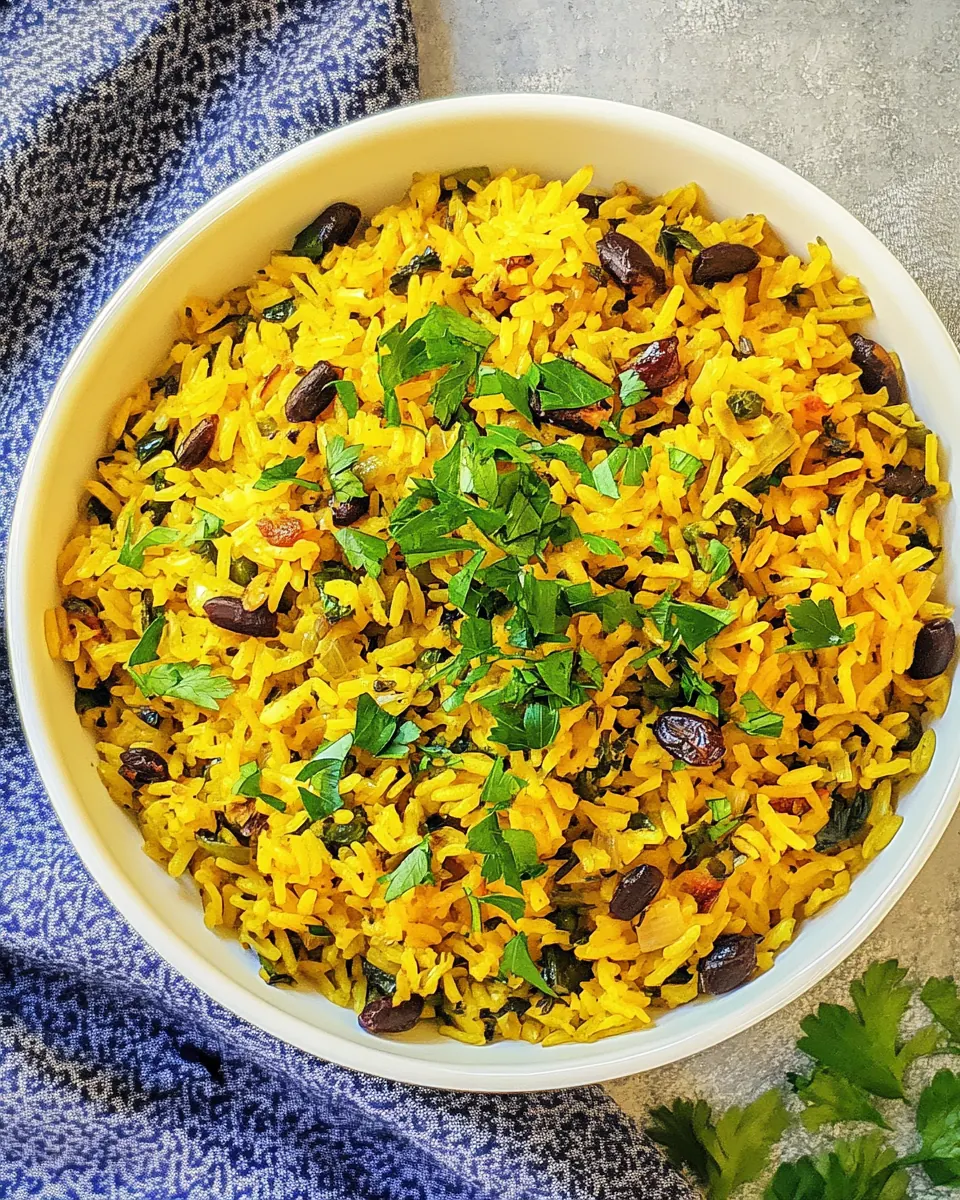
Mediterranean Rice Pilaf
Mediterranean Rice Pilaf is one of those recipes I turn to when I want comfort with a bright, savory twist.
I first learned this dish at a community kitchen where each volunteer brought a tiny piece of their heritage. The pot bubbled away on a low flame while we traded stories, and that gentle steam carried scents of turmeric, cumin, and warm cinnamon across the room. Over time I made the recipe my own, swapping in crunchy pistachio nuts for texture and adding a scattering of fresh cilantro at the end for an herbaceous lift. It became the dish I bring to potlucks when I want something that feels both homey and a little festive.
There are nights when I crave something simple and soulful, and other nights when I need a flexible side that partners well with roasted vegetables or a crisp salad. This Mediterranean Rice Pilaf fills that gap beautifully. The rice soaks up the seasoned broth, the raisins give bright pops against the savory base, and the olives add an umami note that ties it all together. I love the contrast between tender grains and crunchy nuts, and each spoonful seems to tell a small story of balance and restraint.
Recipe Snapshot
15 mins
5 mins
10 mins
Easy
200 kcal
Mediterranean
Gluten-Free, Vegan
Dinner
Medium pot, Knife, Cutting board, Spoon
What Makes This Mediterranean Rice Pilaf Special
Versatile and approachable
I adore how this Mediterranean Rice Pilaf works as both a stand alone dish and as a supporting player. You can plate it as the main alongside a simple salad, or serve it as a side when you want something that complements stronger mains. Its mild spice profile means it plays well with many flavors, so I often rely on it for easy weeknight dinners.
Layered flavors that build in the pot
The technique of browning the onion in olive oil and toasting the spices releases essential oils and deepens the aroma. I love how the moment you add the vegetable broth the kitchen fills with a warm, peppery scent, a clear signal that flavors are coming together. The raisins add a sweet counterpoint to the savory spices, creating contrast in each bite.
Texture is the star
I’m obsessed with texture in simple grain dishes. The softness of cooked basmati rice paired with the crunch of chopped pistachio nuts elevates every spoonful. The little chew from the olives and the occasional burst of herbaceous cilantro keep the palate interested, so it never feels one note.
Quick and reliable
This recipe is one of those trustworthy staples I turn to when time is short. With a short active cooking time, it delivers big taste with minimal fuss. That reliability helps me feed friends on busy evenings without stress, and it’s an ideal recipe to teach someone who is new to the kitchen.
Easy to adapt and celebrate
Finally, I love that this pilaf invites small changes. Want it nuttier Add more pistachio nuts. Want it brighter Add extra chopped cilantro. The core method holds, so you can tweak it and still get a lovely result. That flexibility is why I often make it for gatherings where people bring a dish or two, it always finds its place on the table.
Ingredients to Make Mediterranean Rice Pilaf
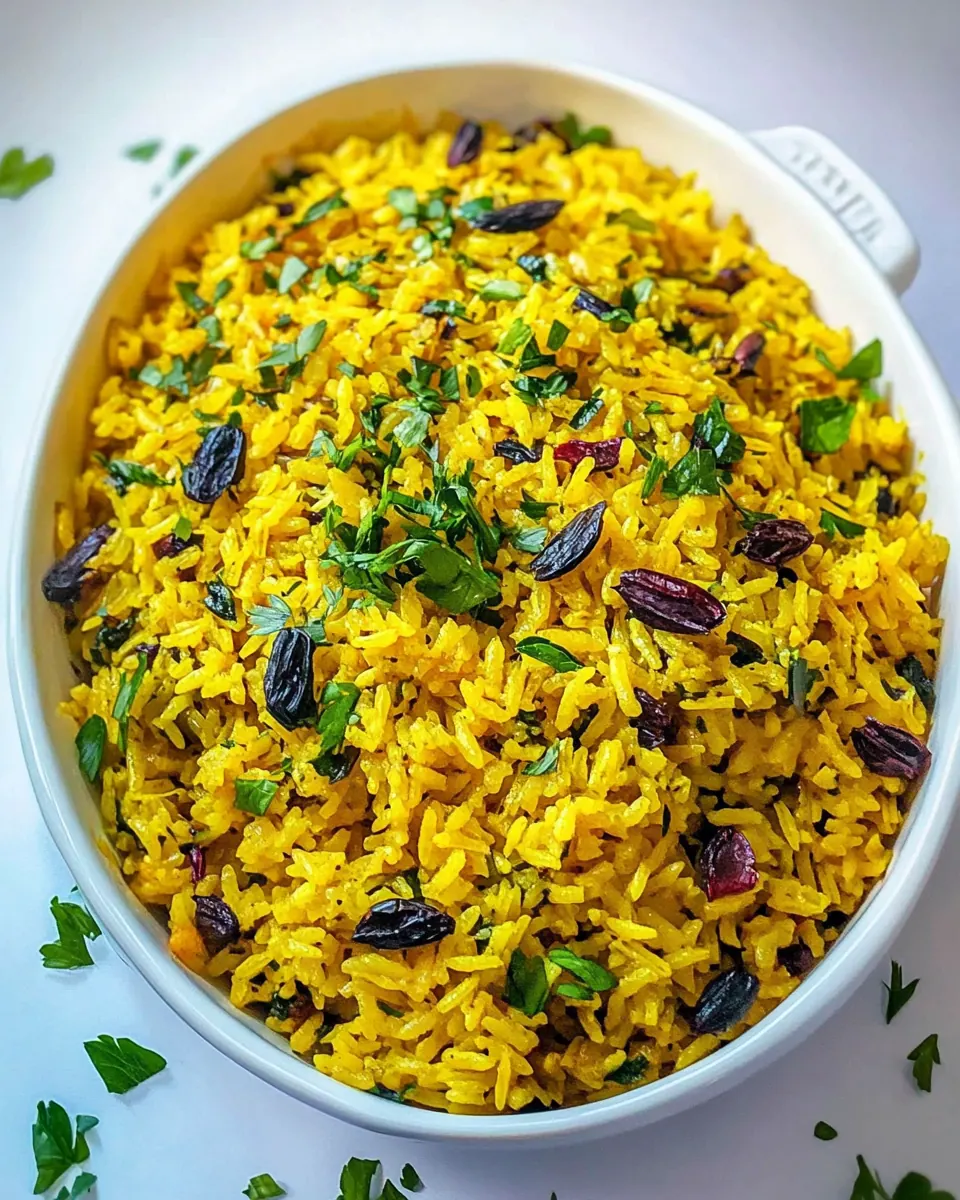
These ingredients are chosen to create a balanced pilaf where spices, sweetness, and texture each play a role. The basmati rice provides fragrant, separate grains that soak up the veggie broth. Aromatics like onion and garlic build a savory foundation while spices such as turmeric, cumin, and cinnamon add warmth and color. Small touches like raisins, olives, and pistachio nuts bring contrast, and finishing herbaceous cilantro lifts the whole dish.
- 6 oz Basmati rice: Fragrant and long-grained, provides the fluffy base absorbing flavors and liquids during cooking; rinsing removes excess starch for separate grains and better texture; toasting briefly in oil enhances nutty aroma before simmering.
- 1 Onion (medium): Sweet and aromatic, softens when sautéed to build a savory foundation and release natural sugars that balance spices; finely diced pieces render and mingle with garlic and spices for even distribution.
- 2 clove Garlic: Pungent and aromatic, adds depth and savory umami when minced and sautéed briefly to bloom essential oils; pairs with onion to create a classic flavor base that infuses the rice.
- 2 tbsp Olive oil: Smooth and fruity, used for sautéing to carry and bloom spices while preventing sticking; adds a subtle Mediterranean flavor and helps coat rice for even toasting.
- 1 tsp Turmeric: Warm and earthy, contributes golden color and gentle aromatic warmth that complements rice and other spices; used sparingly to avoid overpowering the dish while enhancing visual appeal.
- 1 tsp Cumin: Smoky and slightly bitter, provides depth and a fragrant backbone that pairs well with turmeric and cinnamon; releases its aroma when toasted briefly in oil to infuse the pilaf.
- 1/2 tsp Cinnamon: Sweet and woody, offers a subtle warmth and complexity that balances the savory spices and sweet components like raisins; added in small quantity to avoid dominating the flavor profile.
- 1 oz Raisins: Sweet and chewy, introduces bursts of natural sweetness and pleasant texture contrast against savory elements; soaks briefly or is added during simmering to plump and meld with the rice.
- 1 1/2 oz Olives: Briny and tangy, contributes savory contrast and a Mediterranean character while adding texture and bursts of flavor; sliced or chopped pieces distribute salty notes throughout the pilaf.
- 1 1/2 cup Veggie broth: Savory and aromatic, provides the liquid medium to cook the rice and dissolve spices, enhancing overall seasoning and mouthfeel; vegetable-based broth keeps the dish vegetarian while adding depth.
- 1 oz Pistachio nuts: Crunchy and rich, offers a buttery texture and nutty flavor as a garnish or stirred in for contrast; lightly chopped pistachios add color and a satisfying bite to the finished pilaf.
- 2 tbsp Freshly chopped cilantro: Bright and herbaceous, finishes the dish with fresh aroma and a lively flavor that lifts rich spices and nuts; chopped cilantro sprinkled at the end preserves its color and freshness.
- 1/2 tsp Salt: Essential for seasoning, enhances and balances the natural flavors of rice, spices, and other ingredients; measured to bring out flavors without overwhelming the delicate components.
- 1/4 tsp Black pepper: Warm and sharp, supplies a subtle heat and aromatic depth that rounds out the seasoning; freshly ground black pepper added during or after cooking sharpens the final taste.
Cooking Method for Mediterranean Rice Pilaf
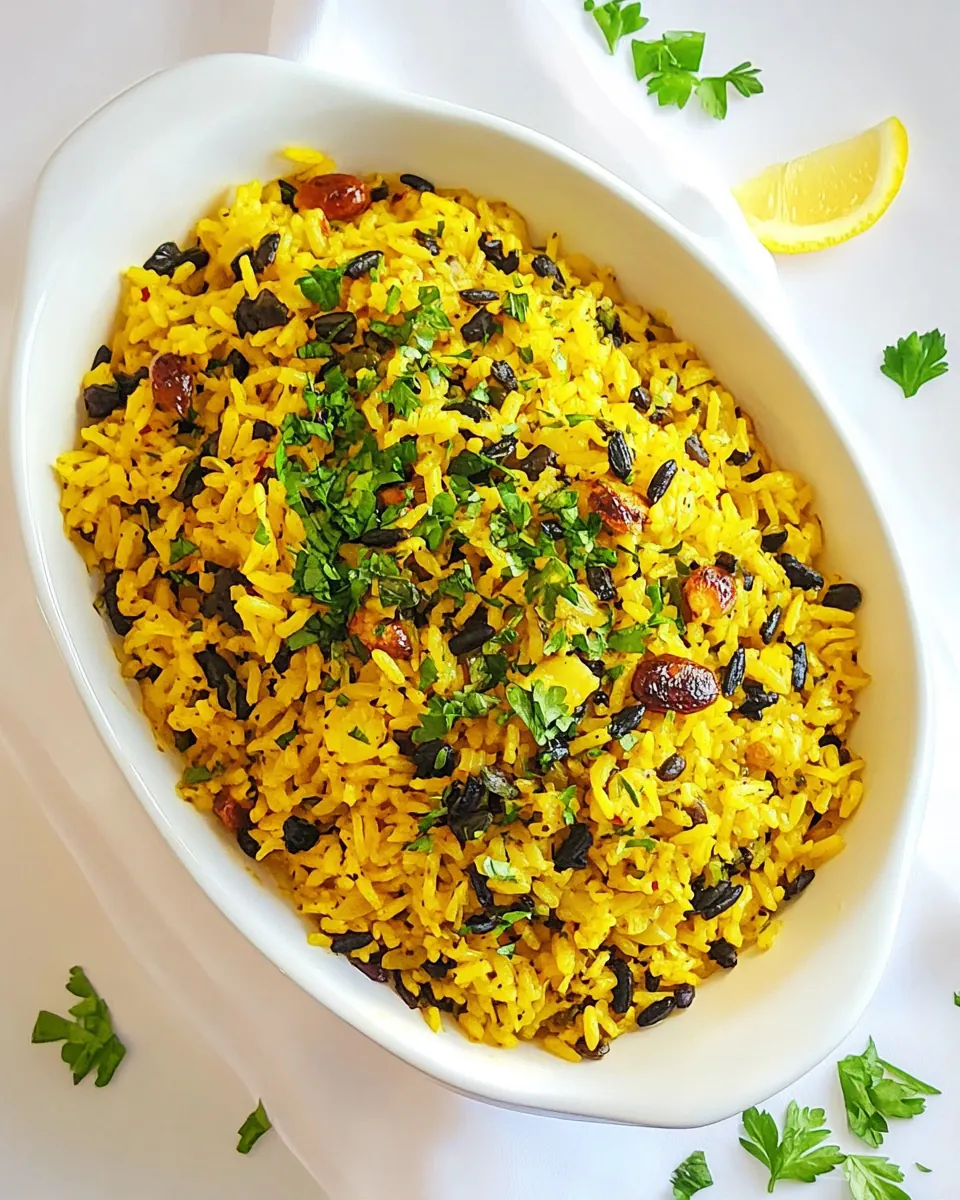
This cooking method is straightforward but rewards attention to timing and sensory cues. The order of actions builds depth, from gentle sautéing of aromatics to simmering the rice until tender. I find the most satisfying results come when I pay attention to smell, color, and small textural cues rather than strictly watching the clock.
- Peel and finely chop the onion and garlic. Wash and chop fresh cilantro.: The scent of freshly chopped onion and garlic is immediate and bright, a clear sign the aromatics are ready to start flavoring the oil. As you chop the cilantro , you should notice a green, citrusy aroma, which indicates freshness. One common misstep is chopping everything too far in advance and leaving it exposed, which dulls the aromas. Keep the chopped items covered briefly if you prep them early, and use a sharp knife for clean cuts that preserve juices and scent.
- In a medium-sized pot, heat up olive oil to medium heat. Add chopped onions and cook for 3-4 minutes.: You should hear a gentle sizzle when the olive oil meets the onion , and the pieces will soften and turn translucent, then begin to take on a faint golden edge. That color change is a visual cue that natural sugars are releasing, which sweetens the base. If the oil smokes or the edges brown too quickly, reduce the heat, because burnt onion will add bitterness and ruin the subtle balance.
- Add garlic and cook for another 1-2 minutes.: When you introduce the minced garlic , the aroma will intensify almost immediately, releasing a warm, savory note. Stir constantly so the garlic warms without burning; it should become fragrant and slightly glossy. A frequent mistake is letting it sit and char, which produces a harsh, acrid flavor. Keep the heat moderate and move the garlic around the pan.
- Add turmeric, cumin, cinnamon and raisins. Stir well and cook for 1 minute.: As you stir in the spices, the oil will take on a richer color, and you will smell a layered, warm spice profile emerge. The raisins will plump slightly as they meet the warmed oil and spices, sweetening the pan. This brief toasting releases the essential oils from the ground spices, enhancing aroma and depth. Too much time here can darken spices and make them bitter, so one minute is sufficient to bloom them.
- Add basmati rice. Stir well and cook for 1-2 minutes. Now add veggie broth. Season with salt and black pepper. Bring it to boil and then reduce to the heat to low. Cover the pot with a lid and continue to cook for 10 minutes. Occasionally give it a stir so it does not burn.: Adding the basmati rice to the spiced oil coats each grain, and you may hear a faint dry crackle as it toasts slightly; that helps keep the grains separate. When you pour in the hot or warm veggie broth , steam will rise and the scent of the spices will deepen. A simmer that turns into a rolling boil means the heat is too high, so lower it to maintain a gentle simmer. Resist the urge to lift the lid frequently because the trapped steam cooks the rice evenly, but an occasional gentle stir prevents sticking. Over stirring can make the grains break and become mushy, so be delicate.
- When rice is cooked add olives, crushed pistachios and chopped cilantro. Stir well.: At the end you will notice the grains are tender and separate, and the pot gives off a warm, spiced fragrance balanced by the broth. Folding in chopped olives and crushed pistachio nuts introduces salty and crunchy contrast, while the chopped cilantro adds a fresh, herbaceous finish. Spoon the pilaf gently to combine so the textures remain distinct. A typical error is adding nuts too early which makes them soggy, so always add them at the finish to preserve crunch.
Variations to Try
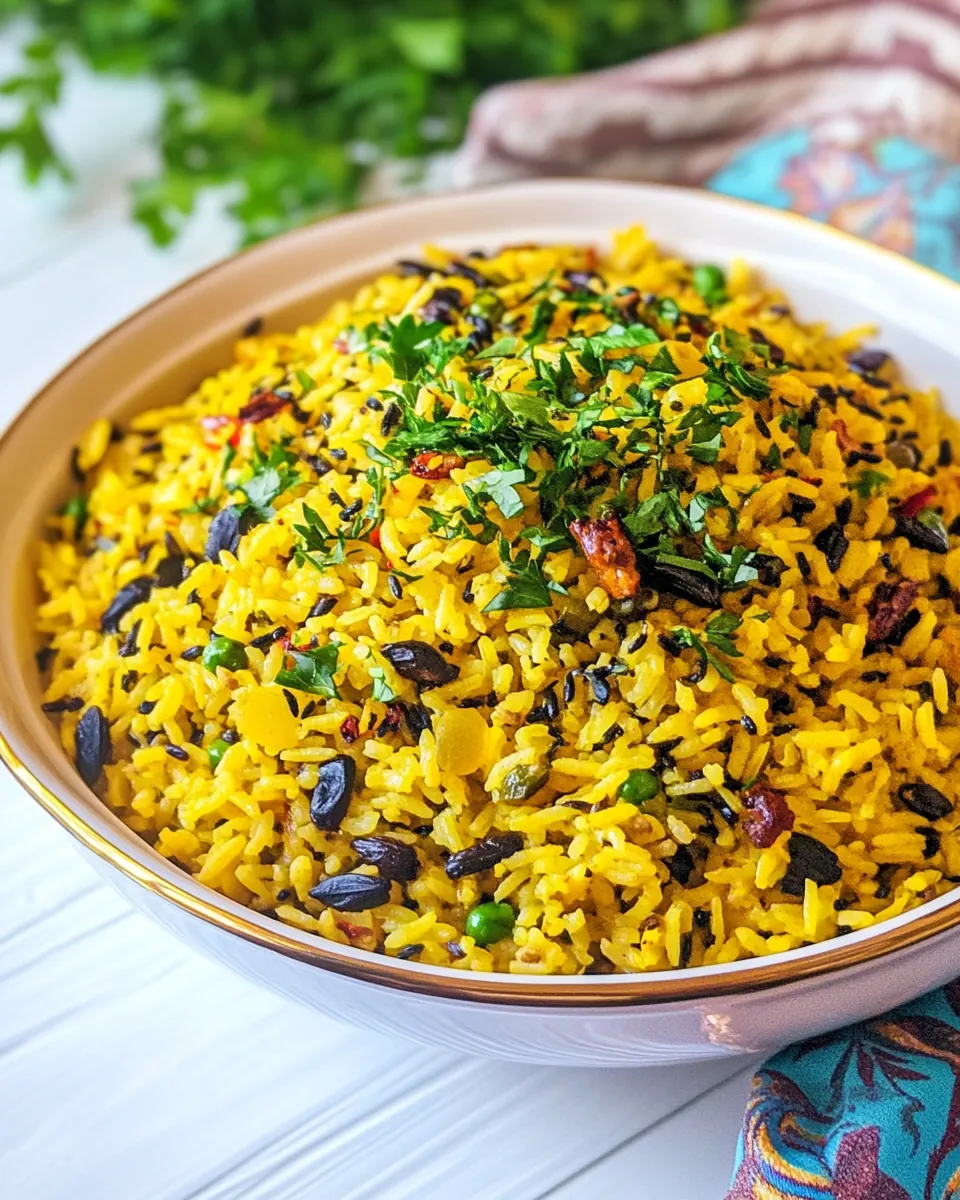
I like to experiment with small swaps to suit the season or the company I have over. Below are thoughtful variations that keep the heart of the recipe intact while letting you play with texture and flavor.
- More crunch Add extra chopped pistachio nuts at the end for a bolder crunch and buttery taste that contrasts with the tender basmati rice.
- Milder brine Choose milder olives or rinse very salty ones briefly to reduce overall saltiness while keeping their savory character.
- Sweeter notes Increase the amount of raisins slightly if you prefer more sweet bursts that play against the warm spices.
- Herb forward Fold in extra chopped cilantro just before serving to amplify freshness and herbal brightness.
- Spice tweak If you want a smokier angle, lightly toast the cumin before adding liquid, but keep the cinnamon amount modest to avoid overpowering the dish.
What to Serve With Mediterranean Rice Pilaf
This pilaf is a flexible partner for many meals, and the right accompaniments can elevate it for different occasions. I often serve it at casual dinners and during festive family meals, and it fits well into seasonal spreads when paired with roasted vegetables or a simple protein. Below are ideas for pairings, serving styles, and storage guidance laid out so you can choose what suits your table.
- Simple salad A crisp leafy salad with a lemony dressing cuts through the warmth of the pilaf, offering a refreshing contrast that works well for lunch or a light dinner.
- Roasted vegetables Seasonal roasted vegetables, like eggplant or zucchini, complement the warm spice notes and make the meal feel abundant for a weeknight dinner.
- Vegetarian mains Pair with grilled or baked vegetable mains to keep the meal meatless yet satisfying, ideal for communal dinners or when hosting friends with varied diets.
- Occasion serving For gatherings such as Ramadan iftar or festive lunches, serve the pilaf family style in a large bowl so guests can help themselves, it’s a warm, inclusive presentation.
- Make ahead and store The pilaf keeps well in the refrigerator for up to three days, store in an airtight container, and reheat gently with a splash of water to restore moisture.
- Freezing tip You can freeze cooled portions in airtight containers for up to one month, thaw overnight in the fridge and reheat slowly to preserve texture.
- Serving temperature Serve warm rather than piping hot to let the flavors settle and the textures remain pleasant on the plate.
FAQ
Conclusion
This Mediterranean Rice Pilaf stands out because it balances warm spices, bright herbs, and contrasting textures in a single comforting dish. Give it a try when you want an easy yet memorable side that complements many meals. I hope you enjoy how simple ingredients combine into something layered and satisfying, and that it becomes a reliable favorite in your rotation.
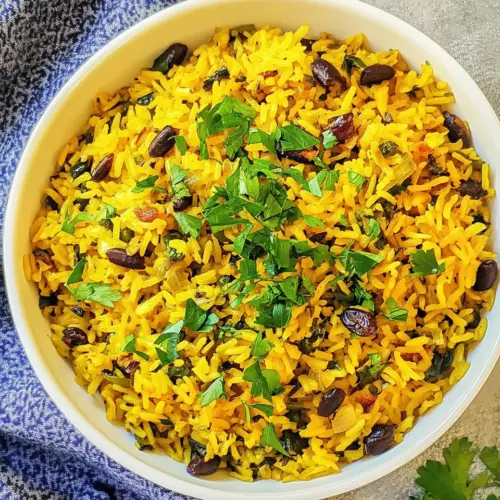
Mediterranean Rice Pilaf
Equipment
- Medium Pot
- Knife
- Cutting Board
- Spoon
Ingredients
- 6 oz Basmati rice Fragrant and long-grained, provides the fluffy base absorbing flavors and liquids during cooking; rinsing removes excess starch for separate grains and better texture; toasting briefly in oil enhances nutty aroma before simmering.
- 1 Onion (medium) Sweet and aromatic, softens when sautéed to build a savory foundation and release natural sugars that balance spices; finely diced pieces render and mingle with garlic and spices for even distribution.
- 2 clove Garlic Pungent and aromatic, adds depth and savory umami when minced and sautéed briefly to bloom essential oils; pairs with onion to create a classic flavor base that infuses the rice.
- 2 tbsp Olive oil Smooth and fruity, used for sautéing to carry and bloom spices while preventing sticking; adds a subtle Mediterranean flavor and helps coat rice for even toasting.
- 1 tsp Turmeric Warm and earthy, contributes golden color and gentle aromatic warmth that complements rice and other spices; used sparingly to avoid overpowering the dish while enhancing visual appeal.
- 1 tsp Cumin Smoky and slightly bitter, provides depth and a fragrant backbone that pairs well with turmeric and cinnamon; releases its aroma when toasted briefly in oil to infuse the pilaf.
- 1/2 tsp Cinnamon Sweet and woody, offers a subtle warmth and complexity that balances the savory spices and sweet components like raisins; added in small quantity to avoid dominating the flavor profile.
- 1 oz Raisins Sweet and chewy, introduces bursts of natural sweetness and pleasant texture contrast against savory elements; soaks briefly or is added during simmering to plump and meld with the rice.
- 1 1/2 oz Olives Briny and tangy, contributes savory contrast and a Mediterranean character while adding texture and bursts of flavor; sliced or chopped pieces distribute salty notes throughout the pilaf.
- 1 1/2 cup Veggie broth Savory and aromatic, provides the liquid medium to cook the rice and dissolve spices, enhancing overall seasoning and mouthfeel; vegetable-based broth keeps the dish vegetarian while adding depth.
- 1 oz Pistachio nuts Crunchy and rich, offers a buttery texture and nutty flavor as a garnish or stirred in for contrast; lightly chopped pistachios add color and a satisfying bite to the finished pilaf.
- 2 tbsp Freshly chopped cilantro Bright and herbaceous, finishes the dish with fresh aroma and a lively flavor that lifts rich spices and nuts; chopped cilantro sprinkled at the end preserves its color and freshness.
- 1/2 tsp Salt Essential for seasoning, enhances and balances the natural flavors of rice, spices, and other ingredients; measured to bring out flavors without overwhelming the delicate components.
- 1/4 tsp Black pepper Warm and sharp, supplies a subtle heat and aromatic depth that rounds out the seasoning; freshly ground black pepper added during or after cooking sharpens the final taste.
Instructions
- Peel and finely chop the onion and garlic. Wash and chop fresh cilantro.: The scent of freshly chopped onion and garlic is immediate and bright, a clear sign the aromatics are ready to start flavoring the oil. As you chop the cilantro , you should notice a green, citrusy aroma, which indicates freshness. One common misstep is chopping everything too far in advance and leaving it exposed, which dulls the aromas. Keep the chopped items covered briefly if you prep them early, and use a sharp knife for clean cuts that preserve juices and scent.
- In a medium-sized pot, heat up olive oil to medium heat. Add chopped onions and cook for 3-4 minutes.: You should hear a gentle sizzle when the olive oil meets the onion , and the pieces will soften and turn translucent, then begin to take on a faint golden edge. That color change is a visual cue that natural sugars are releasing, which sweetens the base. If the oil smokes or the edges brown too quickly, reduce the heat, because burnt onion will add bitterness and ruin the subtle balance.
- Add garlic and cook for another 1-2 minutes.: When you introduce the minced garlic , the aroma will intensify almost immediately, releasing a warm, savory note. Stir constantly so the garlic warms without burning; it should become fragrant and slightly glossy. A frequent mistake is letting it sit and char, which produces a harsh, acrid flavor. Keep the heat moderate and move the garlic around the pan.
- Add turmeric, cumin, cinnamon and raisins. Stir well and cook for 1 minute.: As you stir in the spices, the oil will take on a richer color, and you will smell a layered, warm spice profile emerge. The raisins will plump slightly as they meet the warmed oil and spices, sweetening the pan. This brief toasting releases the essential oils from the ground spices, enhancing aroma and depth. Too much time here can darken spices and make them bitter, so one minute is sufficient to bloom them.
- Add basmati rice. Stir well and cook for 1-2 minutes. Now add veggie broth. Season with salt and black pepper. Bring it to boil and then reduce to the heat to low. Cover the pot with a lid and continue to cook for 10 minutes. Occasionally give it a stir so it does not burn.: Adding the basmati rice to the spiced oil coats each grain, and you may hear a faint dry crackle as it toasts slightly; that helps keep the grains separate. When you pour in the hot or warm veggie broth , steam will rise and the scent of the spices will deepen. A simmer that turns into a rolling boil means the heat is too high, so lower it to maintain a gentle simmer. Resist the urge to lift the lid frequently because the trapped steam cooks the rice evenly, but an occasional gentle stir prevents sticking. Over stirring can make the grains break and become mushy, so be delicate.
- When rice is cooked add olives, crushed pistachios and chopped cilantro. Stir well.: At the end you will notice the grains are tender and separate, and the pot gives off a warm, spiced fragrance balanced by the broth. Folding in chopped olives and crushed pistachio nuts introduces salty and crunchy contrast, while the chopped cilantro adds a fresh, herbaceous finish. Spoon the pilaf gently to combine so the textures remain distinct. A typical error is adding nuts too early which makes them soggy, so always add them at the finish to preserve crunch.
Notes
- More crunch Add extra chopped pistachio nuts at the end for a bolder crunch and buttery taste that contrasts with the tender basmati rice.
- Milder brine Choose milder olives or rinse very salty ones briefly to reduce overall saltiness while keeping their savory character.
- Sweeter notes Increase the amount of raisins slightly if you prefer more sweet bursts that play against the warm spices.
- Herb forward Fold in extra chopped cilantro just before serving to amplify freshness and herbal brightness.
- Spice tweak If you want a smokier angle, lightly toast the cumin before adding liquid, but keep the cinnamon amount modest to avoid overpowering the dish.
