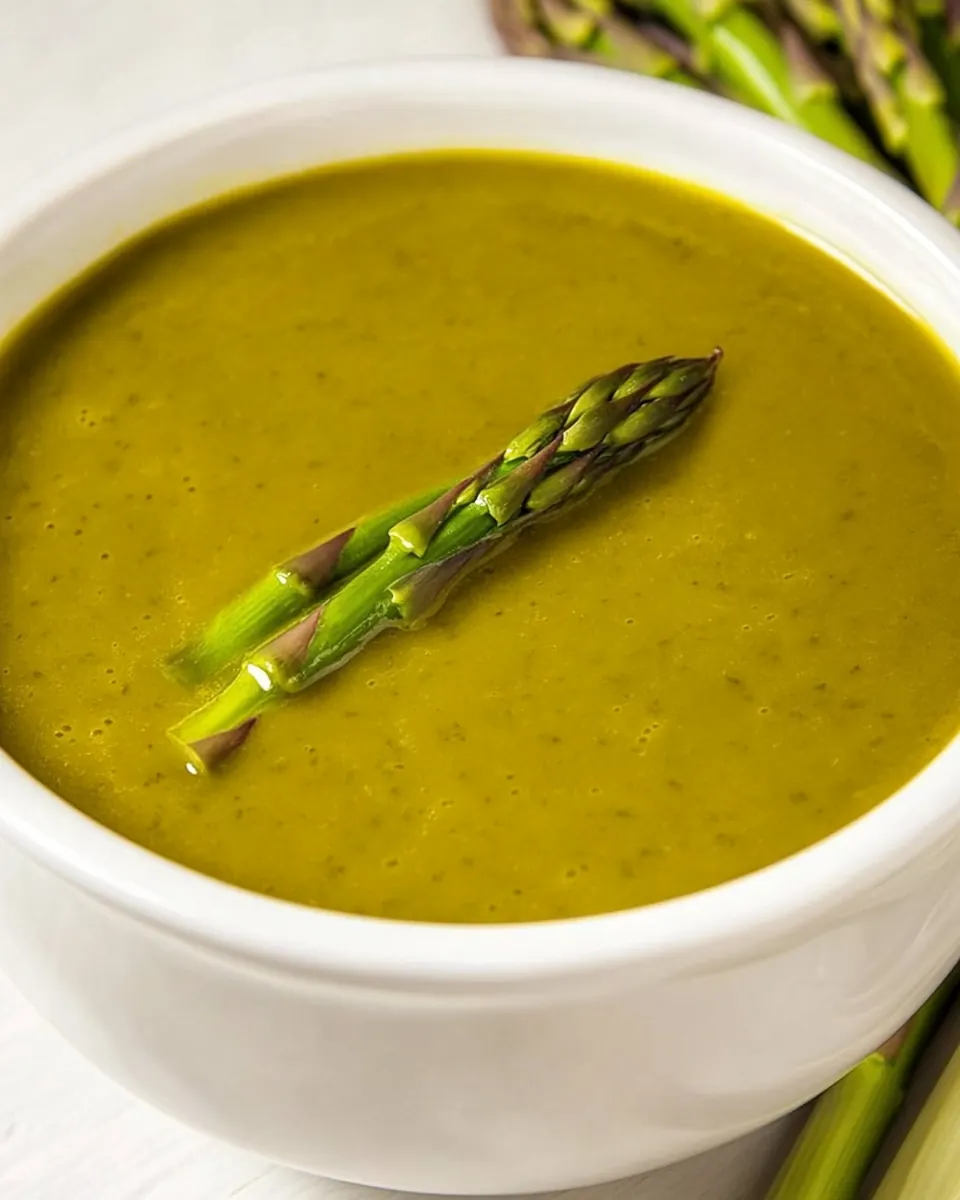
Skinny Cream of Asparagus Soup
Skinny Cream of Asparagus Soup arrived on my table on a rainy spring afternoon when I was craving something light yet comforting, and it instantly felt like a warm, green hug. I remember walking back from the farmer’s market with a bundle of bright stalks and thinking how their grassy aroma would brighten a simple broth. The first spoonful was silky and bright, and I knew I would return to this bowl whenever I wanted a cozy, healthful lift.
That first batch taught me how powerful minimal ingredients can be when they work together. Tender asparagus pureed with sweet onion and a touch of garlic yields a soup that feels indulgent but stays light. I learned to balance the vegetal notes with a whisper of black pepper and a pinch of cayenne pepper for warmth, and the result was a bowl I could serve to guests without fuss, yet it still felt special. Over the years, I have kept tweaking the rhythm of steaming, sautéing, and simmering until the texture and aroma hit that sweet spot.
Recipe Snapshot
55 mins
10 mins
45 mins
Medium
150 kcal
American
Keto, Gluten-Free
Soups
Steamer or double boiler, Small skillet, Food processor or immersion blender, Large pot
What Makes This Skinny Cream of Asparagus Soup Special
Bright, fresh flavor from simple produce
I love how Skinny Cream of Asparagus Soup celebrates the pure taste of asparagus. When the asparagus is steamed just until tender, it keeps a lively, green note that makes the soup taste springlike and clean. There is no heavy cream overpowering the vegetable, so the flavor remains focused and natural.
Light but satisfying texture
Because this recipe uses a small amount of milk and a rich vegetable puree, the mouthfeel is creamy without feeling heavy. That balance means you can enjoy a generous bowl for lunch or serve it as a starter without filling up your guests. I find this especially useful when I am cooking a multi course meal and need something elegant yet modest.
Quick and approachable technique
Steam, sauté, puree, simmer, and you are done. The steps are straightforward, and you do not need fancy skills to get great results. I often make this on a weeknight when I want comfort food that does not demand a lot of hands on time. It is forgiving, and little variations still produce a pleasing bowl.
Flexible for pantry preferences
I appreciate that this soup adapts to diet choices. You can use either chicken or vegetable broth and choose a low fat milk to keep it lean. That flexibility means I can make it for different guests and it still reads the same on the plate. The seasoning is simple, so you can stretch or dial back heat according to taste.
Great for seasonal cooking
When asparagus is in peak season, this recipe shines. It makes the vegetable the star while keeping preparation minimal. I often serve it at spring gatherings because guests instantly recognize the freshness and charm of that green flavor.
Shopping List for Skinny Cream of Asparagus Soup
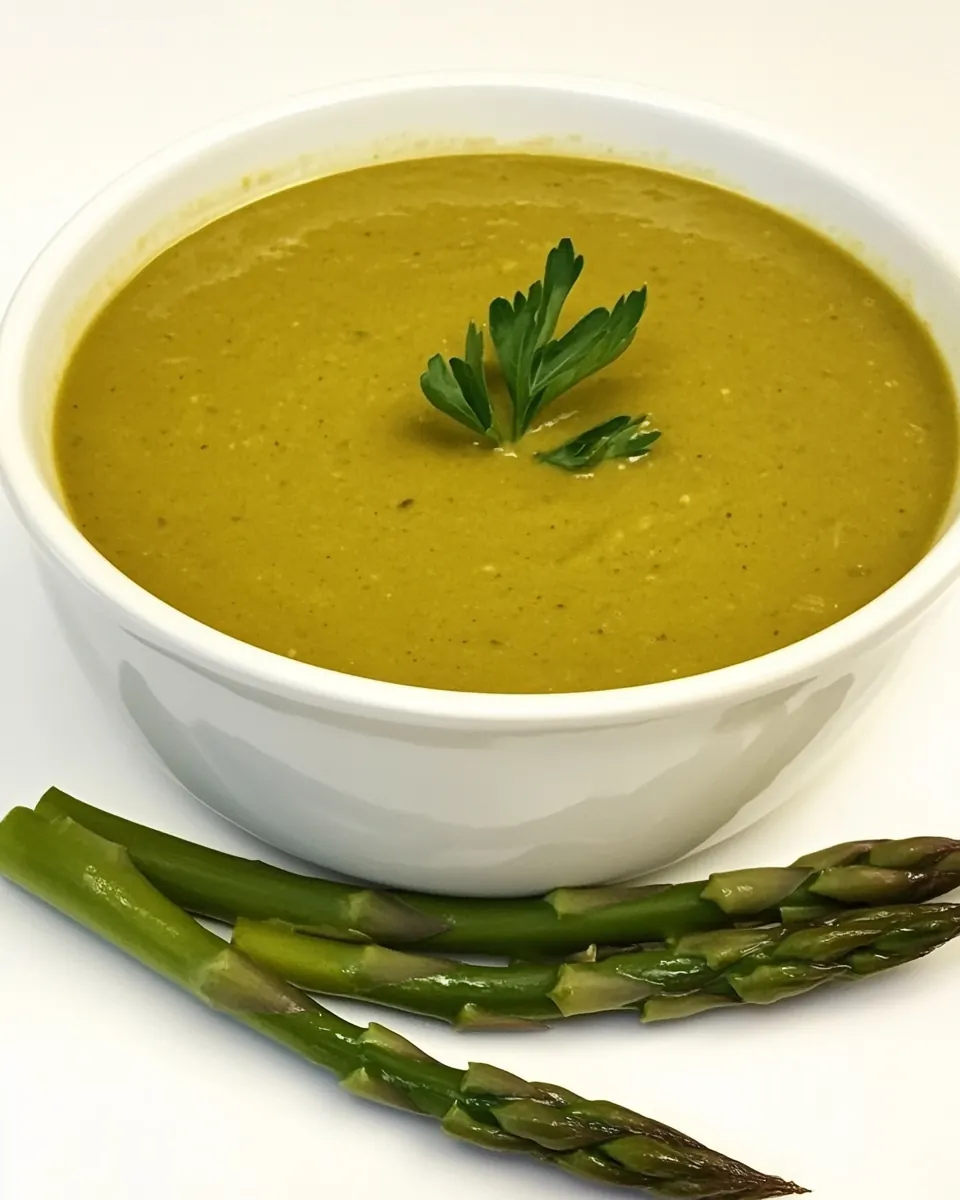
These ingredients are chosen to highlight the bright, vegetal essence of the asparagus while keeping the soup light. The list is short and purposeful: a key vegetable, aromatics for depth, broth for body, and just a touch of milk to smooth the texture. Together they create a clean, balanced bowl that leans on technique to deliver a luxurious mouthfeel without heavy dairy.
- 1 pound green asparagus: Trim and chop into bite-sized pieces to provide the fresh, vegetal backbone and natural sweetness of the soup; simmer until tender to release bright asparagus flavor and a subtle green color.
- 1 sweet onion diced: Dice finely to build a sweet, aromatic base that softens and caramelizes slightly when sautéed; sweat until translucent to add savory depth without overpowering the delicate asparagus.
- 1 garlic clove minced: Mince finely to contribute a pungent, aromatic lift; sauté briefly to mellow sharpness and infuse the base with savory complexity that complements the asparagus.
- 3 cups chicken or vegetable broth, fat-free, low-sodium: Pour in as the primary liquid to create a light, savory broth that carries and amplifies the vegetable flavors; choose low-sodium, fat-free options to keep the soup lean while maintaining body.
- 1/2 cup kim milk: Stir in to add creaminess and a subtle richness while keeping the soup lower in fat; whisk smoothly to integrate and create a velvety texture without overpowering the fresh flavors.
- 1 tablespoon basil freshly chopped: Chop fresh and sprinkle in to introduce a sweet, slightly peppery herbal note that brightens and balances the soup; add near the end to preserve fresh aromatic quality.
- 1/2 teaspoon black pepper: Season with to ground and enhance flavors throughout the soup; add gradually and adjust to maintain a gentle, warming finish without masking the asparagus.
- dash of cayenne pepper: Pinch in sparingly to introduce a warm, spicy kick that elevates the overall flavor profile; use judiciously to complement rather than dominate the soup.
- sea salt to taste: Add to taste to fine-tune overall seasoning and bring out the natural flavors; sprinkle at the end if needed to enhance balance while keeping the dish light.
The Method for Skinny Cream of Asparagus Soup
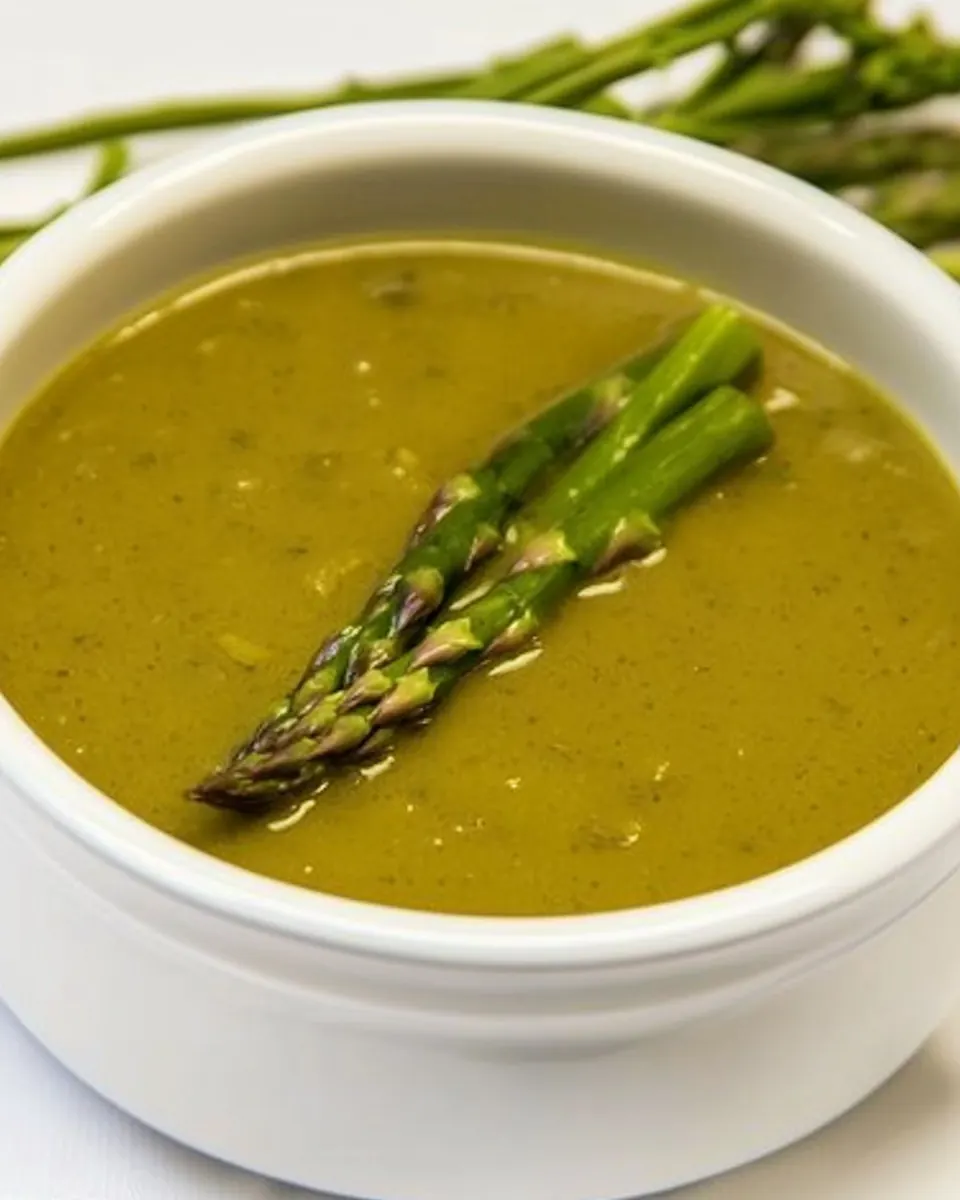
This soup flows in a few clear phases: steaming the asparagus, sautéing the aromatics, pureeing, and gently simmering to marry flavors. I like to move through them with attention to texture and aroma, since those cues tell you when each stage is right.
- If using a double boiler with a steamer insert, add 2” to 3” of water to the bottom pot, add asparagus to the insert, cover. Heat water to boiling, reduce heat to low and steam until tender, about 20 minutes. Cool 15 minutes before pureeing.: The steaming process produces a delicate, grassy aroma and keeps the asparagus vibrantly green. As the water heats, you will hear a gentle hiss and the stalks will soften; aim for a tender texture that yields easily to a fork. This gentle method helps avoid the waterlogged flavor boiling can create, preserving the vegetable's brightness. A common misstep is over steaming, which leads to mushy, dull colored asparagus. Keep the lid on to trap steam, and check the stalks at about 15 minutes to avoid going too far.
- While asparagus is steaming, add oil to a small skillet, heat to medium-low, add onions, sauté until tender, approximately 5 minutes. Add garlic and sauté one additional minute. Remove from heat, add onion, garlic, and cooled asparagus to a food processor or use an immersion blender, pulse until pureed.: You will notice the steam intensify and the asparagus becoming pliable, with a deeper green sheen as it cooks. The tender stalks should bend rather than snap, signaling they are ready to cool. This timing keeps the texture just right for pureeing smooth without fibers. Avoid prolonged steaming which can break down the fibers too much and release bitter notes, instead test frequently near the end of the suggested time.
- Add puree to a large pot along with cayenne, salt and pepper. And broth and stir. Bring to a boil on medium heat, reduce to a simmer and cook 15 minutes. Add milk and continue to cook until hot, approximately 5 minutes. Garnish with a sprinkle of parmesan cheese and a dash of cayenne pepper.: Cooling allows the internal temperature to drop so you can safely handle and puree the asparagus, and it helps preserve a fresh green color. The aroma will settle into a softer, sweeter profile while cooling, making the puree taste more refined. Rushing into hot pureeing can create a watery texture and hotter fumes, so give it a calm pause. A typical error is blending piping hot vegetables which can create steam pressure in the blender; always respect the cooling time.
- While asparagus is steaming, add oil to a small skillet, heat to medium-low, add onions, sauté until tender, approximately 5 minutes: As the onion softens, it will release a sweet, savory aroma and translucent appearance, signaling the sugars have developed. A low to medium-low heat encourages gentle sweating rather than browning, which keeps the flavor mellow and integrates smoothly into the soup. If the pan gets too hot the onions will brown and add a caramelized note that can overshadow the asparagus's freshness, so monitor the heat and stir occasionally.
- Add garlic and sauté one additional minute: The moment you add the garlic , you will catch a brief burst of pungent scent which mellows quickly during that one minute. The goal is to take the raw edge off the garlic without letting it brown, since browned garlic can taste bitter. Stir constantly and remove from heat promptly after the minute to prevent overcooking. A common mistake is leaving the garlic in a hot pan where it will burn and introduce an unpleasant charred flavor.
- Remove from heat, add onion, garlic, and cooled asparagus to a food processor or use an immersion blender, pulse until pureed: Blending these components creates a silky, unified base with a verdant aroma and smooth texture. The sound of the motor will change as the pieces break down and the puree becomes homogeneous. Pulse gently to control the texture; overblending can introduce heat and a slightly gummy mouthfeel. If using a blender, work in batches and hold the lid slightly ajar to let steam escape, avoiding pressure buildup which can be hazardous.
- Add puree to a large pot along with cayenne, salt and pepper: Transferring the puree to a pot lets you build the seasoning profile while warming it through. The spices will lift the vegetal notes, and you should notice the aroma brighten as the cayenne releases a faint warmth. Stir to incorporate thoroughly and taste before adding liquid to ensure the seasoning is balanced. A frequent oversight is under seasoning at this stage, which can leave the final soup tasting flat even after cooking.
- And broth and stir: Adding the broth introduces body and depth, thinning the puree to a silky, spoonable consistency while contributing savory undertones. As you stir, steam will rise and the kitchen will fill with a comforting, savory scent. Use a gentle simmer to meld flavors, and be mindful that vigorous boiling can break down the texture and cause evaporation that concentrates saltiness. If the soup seems too thick, add broth gradually until you reach the desired mouthfeel.
- Bring to a boil on medium heat, reduce to a simmer and cook 15 minutes: Bringing the soup briefly to a boil helps the flavors marry quickly, and reducing to a simmer lets them deepen gently. You will see small bubbles at the surface and a subtle steaming aroma as the ingredients integrate. The simmer time allows any raw edge from the aromatics to mellow and the eucalyptus like green notes to round out. Avoid a rolling boil which can cause separation or overly rapid evaporation; a calm simmer is best for texture consistency.
- Add milk and continue to cook until hot, approximately 5 minutes: Adding the milk at the end softens the soup and imparts a silky finish without making it heavy. The smell will become creamier and the surface will glisten slightly, a cue that it is nearing readiness. Heat gently, do not boil vigorously after adding milk to prevent curdling or a scorched flavor. A common error is adding cold milk to a wildly boiling pot which can lead to an uneven temperature and altered texture, so warm the milk slightly or reduce the heat first.
- Garnish with a sprinkle of parmesan cheese and a dash of cayenne pepper: The final garnish adds a savory, salty thread and a hint of heat that elevates the green flavors. A light grating of cheese will melt into the hot surface and release an inviting aroma, while the cayenne provides a last lift to the palate. Use sparingly so the garnishes complement rather than dominate the soup. Over garnishing can mask the delicate asparagus notes, so taste as you go and add small amounts.
Recipe Notes about Skinny Cream of Asparagus Soup
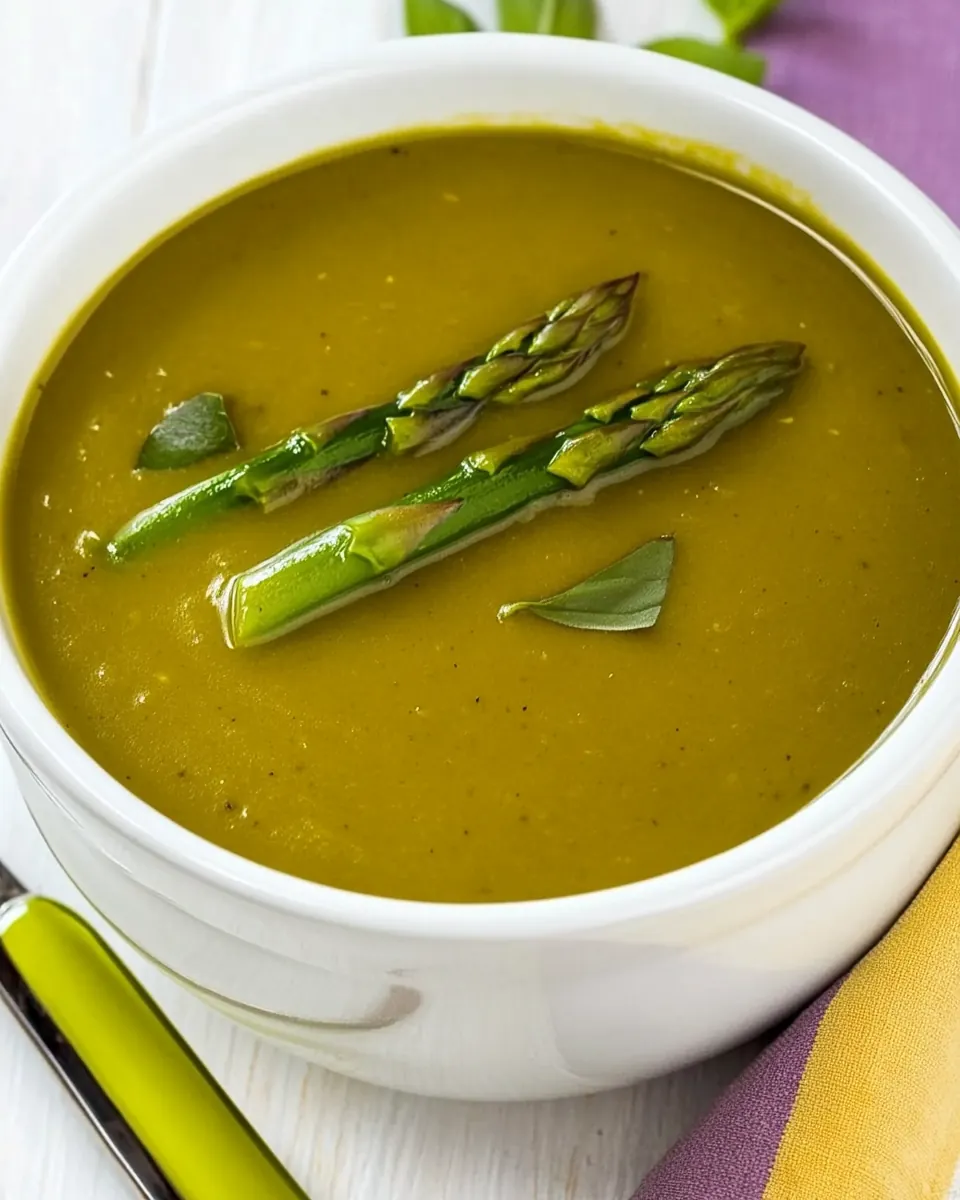
I keep notes practical and focused, especially when a recipe is this simple. These tips expand on technique choices and tiny adjustments that reliably improve texture and flavor. Read them before you cook so you can plan timing and tools.
- Steaming tip Instead of boiling, steam the asparagus until just tender to maintain a vivid green color and a fresh, grassy aroma. Check for tenderness by piercing the stalks with a fork, they should yield without falling apart.
- Sauté control Keep the skillet at medium low when cooking the onion and add the garlic at the end for one minute, this prevents bitter burnt garlic and preserves a sweet aromatic base.
- Blending safety Let the asparagus cool before pureeing and vent your blender lid slightly if working with hot ingredients, this avoids pressure buildup and yields a smooth, safe puree.
- Broth choice Use low sodium broth and season incrementally, you can always add more salt at the end but cannot take it away if it becomes too salty.
- Gentle finish Add the milk near the end and warm it through rather than boiling, this keeps the mouthfeel silky without separation or curdling.
Serving Suggestions
Skinny, springlike, and versatile, this soup can be a starter or a light main. Consider the mood of the meal and the company when choosing accompaniments, and keep the presentation simple to highlight the green color and delicate aroma.
- Light lunch Serve a generous bowl with a slice of crusty bread and a small green salad to keep the meal balanced and refreshing.
- Elegant starter Offer small cups as a first course at a dinner party, garnished with a few torn basil leaves for a fragrant finish.
- Seasonal pairing This works beautifully in spring when asparagus is fresh, pair it with simple roasted vegetables or a lemony chicken for a seasonal menu.
- Storage Cool the soup fully before refrigerating in a sealed container, it will keep for up to three days. Reheat gently on the stove to preserve texture and color.
- Occasions Great for lunches, light dinners, and spring gatherings when you want something that feels special but remains light on the palate.
FAQ
Conclusion
What makes this soup special is its ability to highlight the fresh, grassy flavor of asparagus while remaining light and silky. The technique of steaming, gentle sautéing, and careful blending produces a bright green bowl that feels elegant without heavy dairy. Give it a try the next time you find fresh asparagus at the market, and you might find it becomes one of your favorite simple, seasonal recipes. It is forgiving, quick to assemble, and consistently satisfying, making it a reliable choice for lunches, light dinners, or as a pretty starter for spring meals.
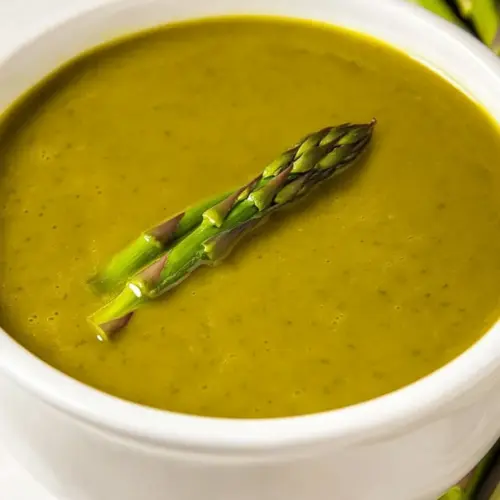
Skinny Cream of Asparagus Soup
Equipment
- Steamer or double boiler
- Small skillet
- Food processor or immersion blender
- Large Pot
Ingredients
- 1 pound green asparagus Trim and chop into bite-sized pieces to provide the fresh, vegetal backbone and natural sweetness of the soup; simmer until tender to release bright asparagus flavor and a subtle green color.
- 1 sweet onion diced Dice finely to build a sweet, aromatic base that softens and caramelizes slightly when sautéed; sweat until translucent to add savory depth without overpowering the delicate asparagus.
- 1 garlic clove minced Mince finely to contribute a pungent, aromatic lift; sauté briefly to mellow sharpness and infuse the base with savory complexity that complements the asparagus.
- 3 cups chicken or vegetable broth, fat-free, low-sodium Pour in as the primary liquid to create a light, savory broth that carries and amplifies the vegetable flavors; choose low-sodium, fat-free options to keep the soup lean while maintaining body.
- 1/2 cup kim milk Stir in to add creaminess and a subtle richness while keeping the soup lower in fat; whisk smoothly to integrate and create a velvety texture without overpowering the fresh flavors.
- 1 tablespoon basil freshly chopped Chop fresh and sprinkle in to introduce a sweet, slightly peppery herbal note that brightens and balances the soup; add near the end to preserve fresh aromatic quality.
- 1/2 teaspoon black pepper Season with to ground and enhance flavors throughout the soup; add gradually and adjust to maintain a gentle, warming finish without masking the asparagus.
- dash of cayenne pepper Pinch in sparingly to introduce a warm, spicy kick that elevates the overall flavor profile; use judiciously to complement rather than dominate the soup.
- sea salt to taste Add to taste to fine-tune overall seasoning and bring out the natural flavors; sprinkle at the end if needed to enhance balance while keeping the dish light.
Instructions
- If using a double boiler with a steamer insert, add 2” to 3” of water to the bottom pot, add asparagus to the insert, cover. Heat water to boiling, reduce heat to low and steam until tender, about 20 minutes. Cool 15 minutes before pureeing.: The steaming process produces a delicate, grassy aroma and keeps the asparagus vibrantly green. As the water heats, you will hear a gentle hiss and the stalks will soften; aim for a tender texture that yields easily to a fork. This gentle method helps avoid the waterlogged flavor boiling can create, preserving the vegetable's brightness. A common misstep is over steaming, which leads to mushy, dull colored asparagus. Keep the lid on to trap steam, and check the stalks at about 15 minutes to avoid going too far.
- While asparagus is steaming, add oil to a small skillet, heat to medium-low, add onions, sauté until tender, approximately 5 minutes. Add garlic and sauté one additional minute. Remove from heat, add onion, garlic, and cooled asparagus to a food processor or use an immersion blender, pulse until pureed.: You will notice the steam intensify and the asparagus becoming pliable, with a deeper green sheen as it cooks. The tender stalks should bend rather than snap, signaling they are ready to cool. This timing keeps the texture just right for pureeing smooth without fibers. Avoid prolonged steaming which can break down the fibers too much and release bitter notes, instead test frequently near the end of the suggested time.
- Add puree to a large pot along with cayenne, salt and pepper. And broth and stir. Bring to a boil on medium heat, reduce to a simmer and cook 15 minutes. Add milk and continue to cook until hot, approximately 5 minutes. Garnish with a sprinkle of parmesan cheese and a dash of cayenne pepper.: Cooling allows the internal temperature to drop so you can safely handle and puree the asparagus, and it helps preserve a fresh green color. The aroma will settle into a softer, sweeter profile while cooling, making the puree taste more refined. Rushing into hot pureeing can create a watery texture and hotter fumes, so give it a calm pause. A typical error is blending piping hot vegetables which can create steam pressure in the blender; always respect the cooling time.
- While asparagus is steaming, add oil to a small skillet, heat to medium-low, add onions, sauté until tender, approximately 5 minutes: As the onion softens, it will release a sweet, savory aroma and translucent appearance, signaling the sugars have developed. A low to medium-low heat encourages gentle sweating rather than browning, which keeps the flavor mellow and integrates smoothly into the soup. If the pan gets too hot the onions will brown and add a caramelized note that can overshadow the asparagus's freshness, so monitor the heat and stir occasionally.
- Add garlic and sauté one additional minute: The moment you add the garlic , you will catch a brief burst of pungent scent which mellows quickly during that one minute. The goal is to take the raw edge off the garlic without letting it brown, since browned garlic can taste bitter. Stir constantly and remove from heat promptly after the minute to prevent overcooking. A common mistake is leaving the garlic in a hot pan where it will burn and introduce an unpleasant charred flavor.
- Remove from heat, add onion, garlic, and cooled asparagus to a food processor or use an immersion blender, pulse until pureed: Blending these components creates a silky, unified base with a verdant aroma and smooth texture. The sound of the motor will change as the pieces break down and the puree becomes homogeneous. Pulse gently to control the texture; overblending can introduce heat and a slightly gummy mouthfeel. If using a blender, work in batches and hold the lid slightly ajar to let steam escape, avoiding pressure buildup which can be hazardous.
- Add puree to a large pot along with cayenne, salt and pepper: Transferring the puree to a pot lets you build the seasoning profile while warming it through. The spices will lift the vegetal notes, and you should notice the aroma brighten as the cayenne releases a faint warmth. Stir to incorporate thoroughly and taste before adding liquid to ensure the seasoning is balanced. A frequent oversight is under seasoning at this stage, which can leave the final soup tasting flat even after cooking.
- And broth and stir: Adding the broth introduces body and depth, thinning the puree to a silky, spoonable consistency while contributing savory undertones. As you stir, steam will rise and the kitchen will fill with a comforting, savory scent. Use a gentle simmer to meld flavors, and be mindful that vigorous boiling can break down the texture and cause evaporation that concentrates saltiness. If the soup seems too thick, add broth gradually until you reach the desired mouthfeel.
- Bring to a boil on medium heat, reduce to a simmer and cook 15 minutes: Bringing the soup briefly to a boil helps the flavors marry quickly, and reducing to a simmer lets them deepen gently. You will see small bubbles at the surface and a subtle steaming aroma as the ingredients integrate. The simmer time allows any raw edge from the aromatics to mellow and the eucalyptus like green notes to round out. Avoid a rolling boil which can cause separation or overly rapid evaporation; a calm simmer is best for texture consistency.
- Add milk and continue to cook until hot, approximately 5 minutes: Adding the milk at the end softens the soup and imparts a silky finish without making it heavy. The smell will become creamier and the surface will glisten slightly, a cue that it is nearing readiness. Heat gently, do not boil vigorously after adding milk to prevent curdling or a scorched flavor. A common error is adding cold milk to a wildly boiling pot which can lead to an uneven temperature and altered texture, so warm the milk slightly or reduce the heat first.
- Garnish with a sprinkle of parmesan cheese and a dash of cayenne pepper: The final garnish adds a savory, salty thread and a hint of heat that elevates the green flavors. A light grating of cheese will melt into the hot surface and release an inviting aroma, while the cayenne provides a last lift to the palate. Use sparingly so the garnishes complement rather than dominate the soup. Over garnishing can mask the delicate asparagus notes, so taste as you go and add small amounts.
Notes
- Steaming tip Instead of boiling, steam the asparagus until just tender to maintain a vivid green color and a fresh, grassy aroma. Check for tenderness by piercing the stalks with a fork, they should yield without falling apart.
- Sauté control Keep the skillet at medium low when cooking the onion and add the garlic at the end for one minute, this prevents bitter burnt garlic and preserves a sweet aromatic base.
- Blending safety Let the asparagus cool before pureeing and vent your blender lid slightly if working with hot ingredients, this avoids pressure buildup and yields a smooth, safe puree.
- Broth choice Use low sodium broth and season incrementally, you can always add more salt at the end but cannot take it away if it becomes too salty.
- Gentle finish Add the milk near the end and warm it through rather than boiling, this keeps the mouthfeel silky without separation or curdling.