Skinny Chicken Pot Pies
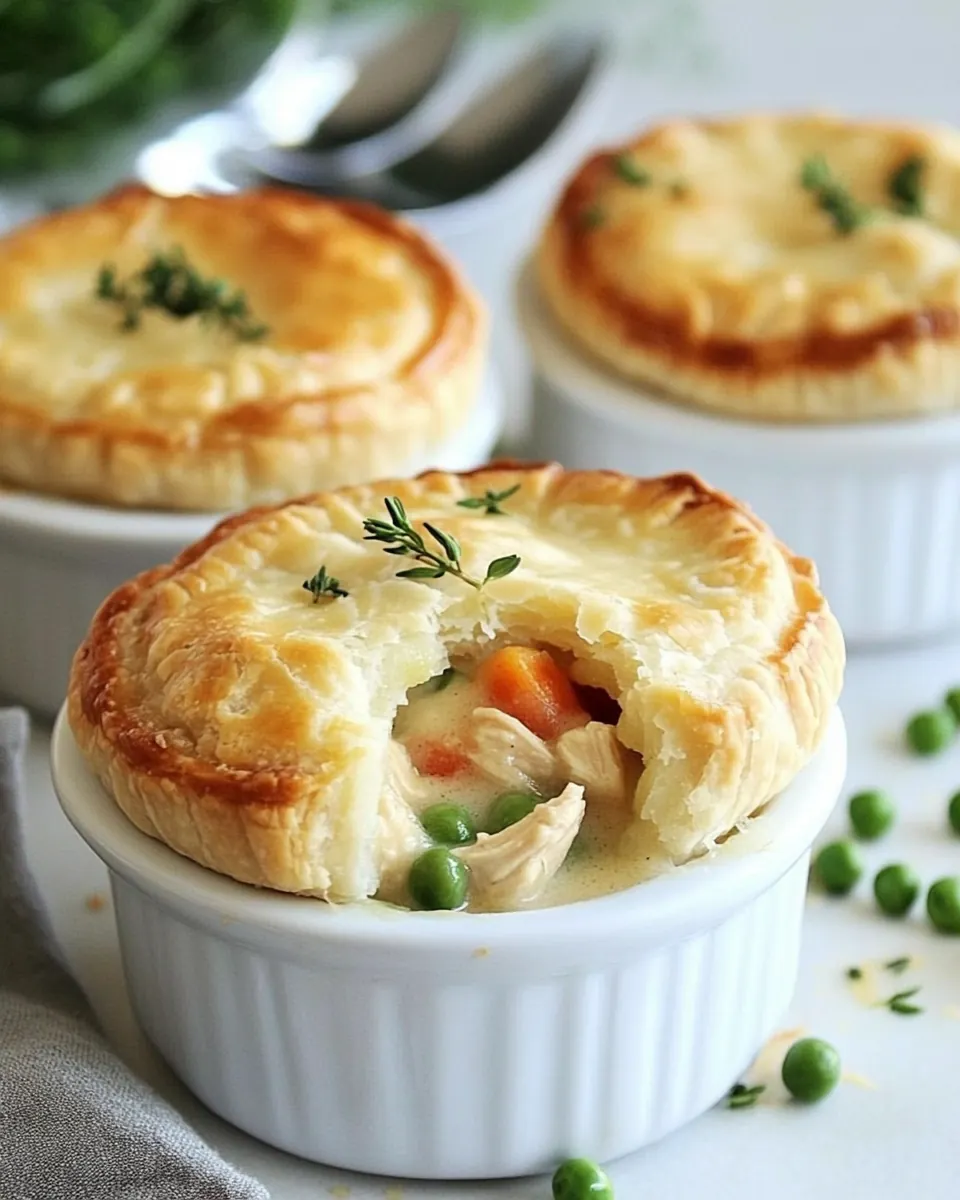
Skinny Chicken Pot Pies came into my weeknight rotation the night I needed comfort without the heavy guilt, and it stuck because it tastes like home while keeping things light. I remember rushing in from work with a grocery bag full of intentions and not much time, so I leaned on simple pantry staples and a shortcut that felt clever rather than cheating. That first batch taught me how satisfying a golden biscuit top and a savory, creamy filling can be when the balance is right.
Since then I’ve tweaked the filling so it stays silky without excess fat, and I love how the flavors deepen if you let the mixture rest while the oven preheats. The kids ask for it when they want something cozy, my partner reaches for seconds, and I keep the recipe in my mental go to list for nights when I want comfort food that does not derail the week. You will find yourself smiling at the first forkful, that mix of warm chicken, tender vegetables, and a biscuit that browns just enough to be crisp on top and soft beneath.
Recipe Snapshot
25 mins
5 mins
20 mins
Easy
320 kcal
American
Paleo, Gluten-Free
Dinner
Medium saucepan, Whisk, Ramekins, Rolling pin, Oven
The Best Thing About This Skinny Chicken Pot Pies
Comfort without the heaviness
I adore how Skinny Chicken Pot Pies give you all the cozy elements of a classic pot pie while skipping the overly buttery, greasy finish. The use of fat free half and half and reduced fat biscuits keeps the mouthfeel creamy and satisfying, yet much lighter on calories. I appreciate a recipe that hugs you, not one that weighs you down, and this one nails that balance.
Speed for busy nights
We often need meals that arrive quickly, and this recipe answers that call. From stovetop simmering to a short bake, you get a full dinner on the table in under 30 minutes. I love recipes that respect my time and still let me sit down to a proper meal with minimal fuss.
Smart shortcuts that do not sacrifice flavor
Using ready made reduced fat biscuits and frozen mixed vegetables might sound like cutting corners, but they actually help maintain texture and consistency. The biscuits brown beautifully and the frozen vegetables retain firmness after baking. I use these shortcuts to preserve flavor, not to hide from technique.
Versatile and family friendly
This dish plays well with picky eaters and adventurous diners alike. The filling is familiar and comforting, while little touches like chopped green onions brighten each spoonful. I find it easy to scale for guests or make individual portions for a fancy weeknight presentation.
Healthy enough to feel good about
Between the lean chicken breast and fat conscious dairy choices, this meal satisfies protein needs and keeps saturated fat in check. I recommend it when you want something nourishing that still tastes like an indulgence. It feels intentional and balanced, which is why it often lands on our table.
What’s In This Skinny Chicken Pot Pies
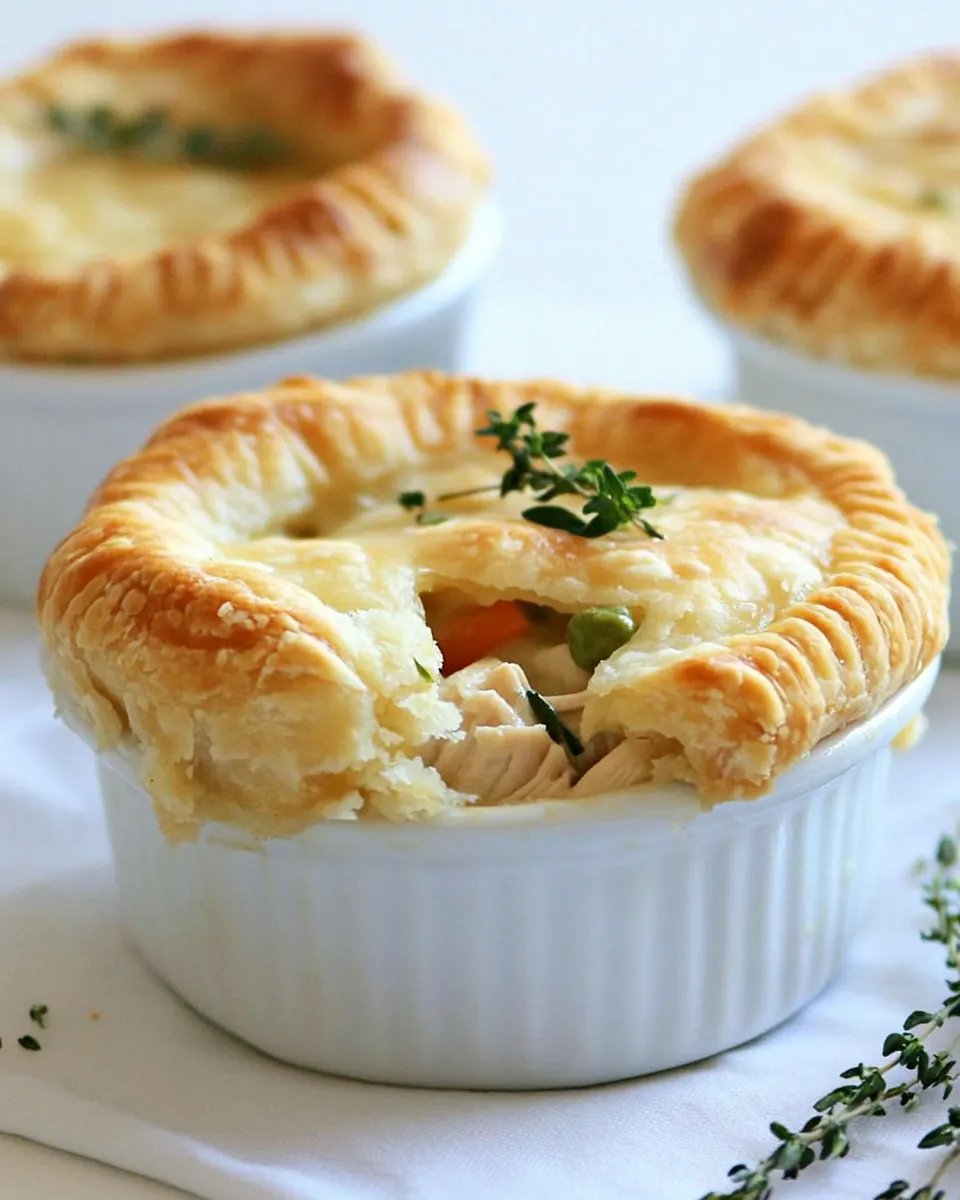
These ingredients were chosen to create a soulful, creamy filling with a light finish. The key players are the lean chicken for protein, the fat free half and half for creaminess without weight, and the reduced fat biscuits for a quick, golden cover. Together they make a pot pie that comforts while staying mindful.
- 1 cup fat-free half and half: Provide creaminess and a lighter-rich mouthfeel while reducing calories compared to whole cream; dissolves smoothly into the sauce and helps create a velvety base for the filling. Adds subtle dairy flavor and contributes to a cohesive, slightly thickened gravy when combined with flour and broth.
- 1 cup fat-free chicken broth: Supply savory liquid and depth of chicken flavor to the filling while keeping fat content low; works with half and half to balance consistency. Enhances umami and helps deglaze the pan so seasonings distribute evenly throughout the pot pie.
- 3 tbsp . all-purpose flour: Act as a thickening agent to turn liquids into a cohesive gravy by absorbing moisture and swelling when cooked; must be cooked briefly to remove raw flour taste. Binds the half and half and broth into a smooth sauce that clings to vegetables and chicken.
- 1 tsp . poultry seasoning: Impart warm, mildly savory herbaceous notes with a blend of thyme, sage, and other spices typical of poultry blends; elevates overall roast-chicken flavor profile. Helps season the gravy and pairs well with thyme and chicken for familiar comfort-food seasoning.
- 1 tsp . thyme: Add earthy, floral, and slightly minty aromatics that complement poultry and vegetables; supports layering of herb flavors without overpowering the dish. Releases essential oils when heated, enhancing the savory sauce and providing bright background notes.
- 2 cups roasted skinless chicken breast, cubed: Provide lean protein and hearty texture from pre-roasted chicken breast cubes; contributes substance and authentic chicken flavor to the filling. Offers convenience and cooks quickly in the gravy, preventing dryness while absorbing seasonings.
- 110 oz package frozen mixed veggies: Deliver a convenient mix of frozen carrots, peas, corn, and green beans to contribute color, nutrients, and varied textures; frozen state preserves freshness and speeds preparation. Release starches and moisture into the sauce, helping to thicken it slightly while providing vegetable bite.
- 4 green onions, chopped: Introduce a sharp, mild onion flavor and fresh green color while adding a tender crunch when undercooked or soft bite when steamed; complements the creamy sauce and poultry seasoning. Provides aromatic brightness that lifts the richness of the filling.
- 1 tsp . salt: Season the filling with essential salinity to enhance and balance flavors; helps draw out tastes from vegetables and chicken while preventing the dish from tasting flat. Use judiciously to avoid over-salting, especially if broth is already salted.
- 1/4 tsp . pepper: Contribute subtle heat and flavor contrast that rounds out savory notes without overpowering; balances saltiness and herbs to create a more nuanced profile. Small quantity ensures gentle background pepperiness across the filling.
- 1 can, 7.5 oz refrigerated reduced-fat biscuits: Supply a convenient buttery biscuit topping that browns and bakes into individual pot pie crusts; reduced-fat variety lowers overall calories while maintaining soft, flaky texture. Pressed over the filling before baking, they create a golden, tender top that completes the dish.
How to Cook Skinny Chicken Pot Pies
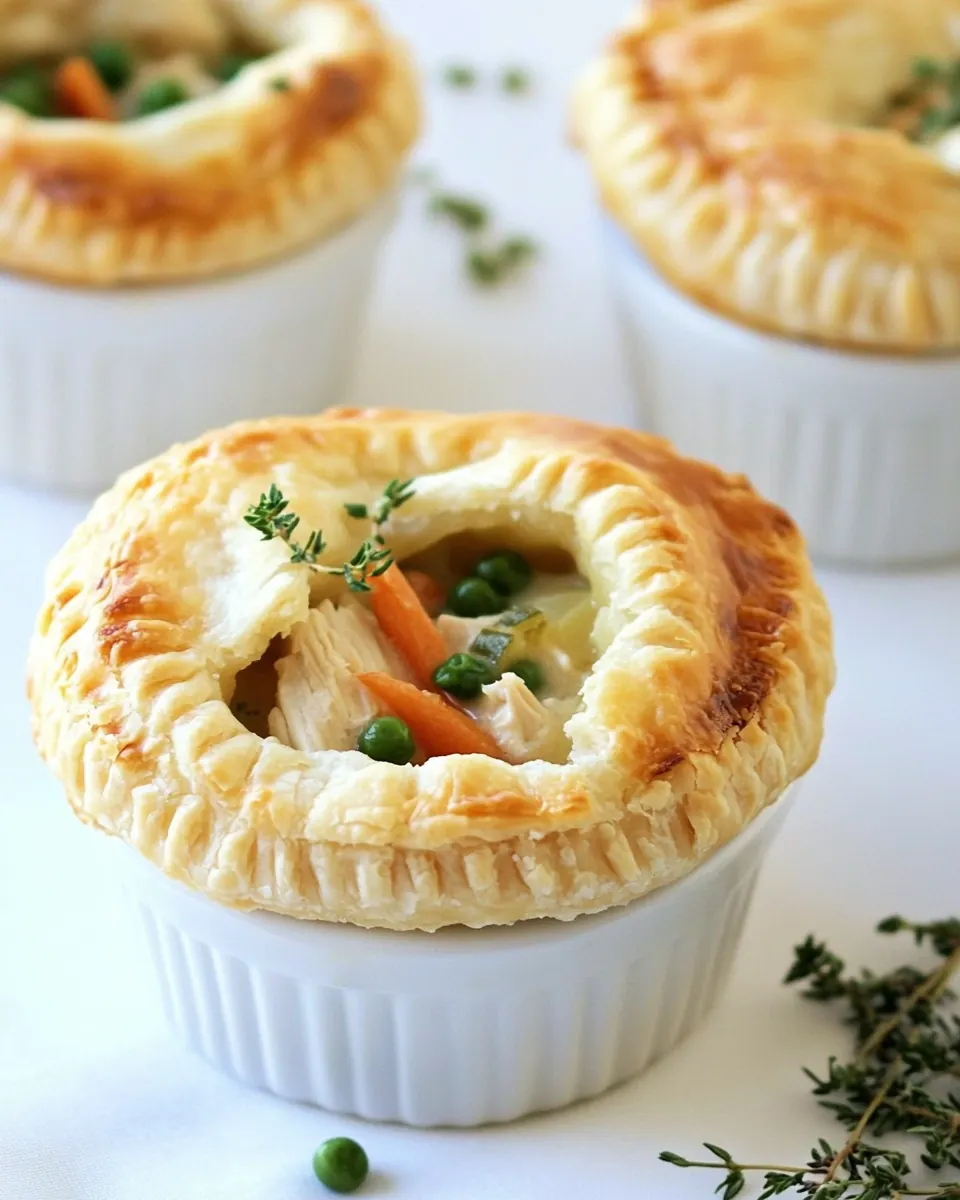
This dish moves quickly from stovetop to oven, so have your tools ready and your ramekins or baking dishes prepped. The steps below expand each direction into sensory cues, the reasoning behind techniques, and common pitfalls to avoid so your pot pies come out perfect.
- Preheat oven to 425 degrees F.: Your oven should smell warm and neutral as it reaches temperature, and you may hear a quiet fan or ambient hum. Setting the oven to 425 degrees F ensures the biscuit tops brown quickly while the filling bubbles, creating contrast between a crisp top and a silky interior. If you skip preheating the oven, the biscuits will take longer to brown and may absorb more moisture, becoming doughy instead of golden. A common mistake is not allowing the oven to fully reach temperature before baking, which changes baking time and texture. Give it the full preheat time to stabilize before the pies go in.
- In a medium saucepan, whisk together half and half, chicken broth, flour, poultry seasoning and thyme. Bring to a boil then reduce heat to a simmer, continuing to whisk for about 4 minutes. Once mixture has thickened, remove from heat and stir in chicken, mixed veggies, green onions, salt and pepper. Cover to keep warm and set aside.: As you whisk, the mixture should start smooth and pale, then become thicker and slightly glossy as the flour hydrates. The whisking action prevents any lumps and distributes the poultry seasoning and thyme evenly, producing steam that blends flavors. You want to hear a gentle simmer, not a violent boil, so adjust heat accordingly. Overlooking the whisking leads to a lumpy sauce, while under seasoning makes the filling flat. If your sauce sticks, lower the heat and add a splash of broth to loosen it.
- Coat 5 (6 oz) ramekins with nonstick cooking spray.: When the liquid reaches a boil you will see steady bubbling and smell a toasty, faintly browned aroma as the flour cooks. Reducing to a simmer and whisking for about 4 minutes finishes cooking the flour so the sauce loses any raw taste and gains a velvety texture. This step is critical for achieving the right body, so do not rush it. A common error is stopping the whisking too soon, leaving a pasty texture or starchy taste. If it thickens too much, stir in a tablespoon of broth at a time to reach the desired consistency.
- On a lightly floured surface, roll out 5 biscuits into 4-inch rounds. Evenly fill ramekins with chicken mixture and top each with a rolled out biscuit, pressing firmly around the sides of the ramekin to adhere. Pierce 4 holes in the top of the biscuits to vent and place in oven.: The pan will let off a savory steam that smells of herbs and broth. When you fold in the cubed chicken and vegetables, the filling will cool slightly and become glossy, with flecks of green from the onions. Stir gently to coat each piece so every bite is saucy. The reason you remove from heat now is to avoid overcooking the vegetables or drying the chicken . A frequent mistake is leaving it on heat too long, which can make the chicken tough and the vegetables mushy. If the filling seems thin after mixing, a brief return to low heat while stirring will help it tighten up.
- Bake pies for about 12 minutes, until filling is bubbly and biscuits are golden. Enjoy!: The filling will continue to hold heat and meld flavors while it rests, and you may smell the parsley like notes from the poultry seasoning intensify. Keeping it covered prevents a skin from forming and keeps moisture even. This resting time helps the filling stabilize so it fills the ramekins cleanly. A common misstep is letting it cool uncovered, which can dry out the surface and create an uneven texture. Keep it tented or covered until you are ready to assemble.
- Coat 5 (6 oz) ramekins with nonstick cooking spray: The ramekins should feel slick to the touch after spraying, which ensures the pies release cleanly and the biscuit edges do not stick. Using the right sized dish creates individual portions that bake evenly. If you skip spraying, the biscuits or filling may cling, making serving messy. Be thorough but brief when spraying, and wipe excess if pooling occurs, because pooled oil can lead to uneven browning.
- On a lightly floured surface, roll out 5 biscuits into 4-inch rounds: As you roll, you will feel the dough soften and spread beneath the pin, its surface becoming smoother and slightly tacky from the flour. Rolling the biscuits to a uniform size ensures even coverage and consistent browning across pies. This technique matters because thicker centers take longer to bake and thinner edges can overbrown. A common error is overflouring, which dries the dough; use just enough to prevent sticking and let the dough relax if it resists stretching.
- Evenly fill ramekins with chicken mixture and top each with a rolled out biscuit, pressing firmly around the sides of the ramekin to adhere: When you spoon in the filling, listen for a soft plop and see the glossy sauce nestle around the chicken and vegetables. Press the biscuit gently to form a seal so steam does not escape from the sides during baking. This seal helps the top brown and the filling to steam properly, creating that bubbling interior. If the biscuit is not pressed firmly, the edge may lift and the filling could bubble over. Avoid overfilling the ramekins to prevent spills during baking.
- Pierce 4 holes in the top of the biscuits to vent and place in oven: The small vents let steam escape and produce a crisper biscuit top while preventing the center from becoming soggy. You will see faint wisps of steam rising from these vents as the pies bake, and the scent will shift toward toasted biscuit and warmed herbs. Not venting can trap steam, leading to a soggy top and uneven bake. Use a knife or fork to make clean vents and avoid tearing the biscuit surface.
- Bake pies for about 12 minutes, until filling is bubbly and biscuits are golden: During baking you will hear a soft bubbling from the filling and see the biscuit tops change color, moving from pale to a warm golden brown. The bubbling is your cue that the filling is hot throughout and safe to eat. Baking for about 12 minutes at 425 degrees F crisps the tops without drying the interior. A common mistake is leaving them too long, which dries the biscuits, or not long enough, leaving uncooked dough. Rotate the tray halfway if your oven browns unevenly, and rely on the bubbling and color as your primary indicators of doneness.
- Enjoy!: The first bite should offer contrast between the crisp, golden biscuit and the warm, creamy filling studded with tender chicken and vegetables. Allow the pies to rest a few minutes so the filling settles and you avoid burning your mouth on hot gravy. Rushing to eat them right away can lead to scalding, and cutting into them too aggressively may cause the filling to spill. Let them sit briefly to set, then serve confidently and savor the layered textures.
Expert Tips about Skinny Chicken Pot Pies
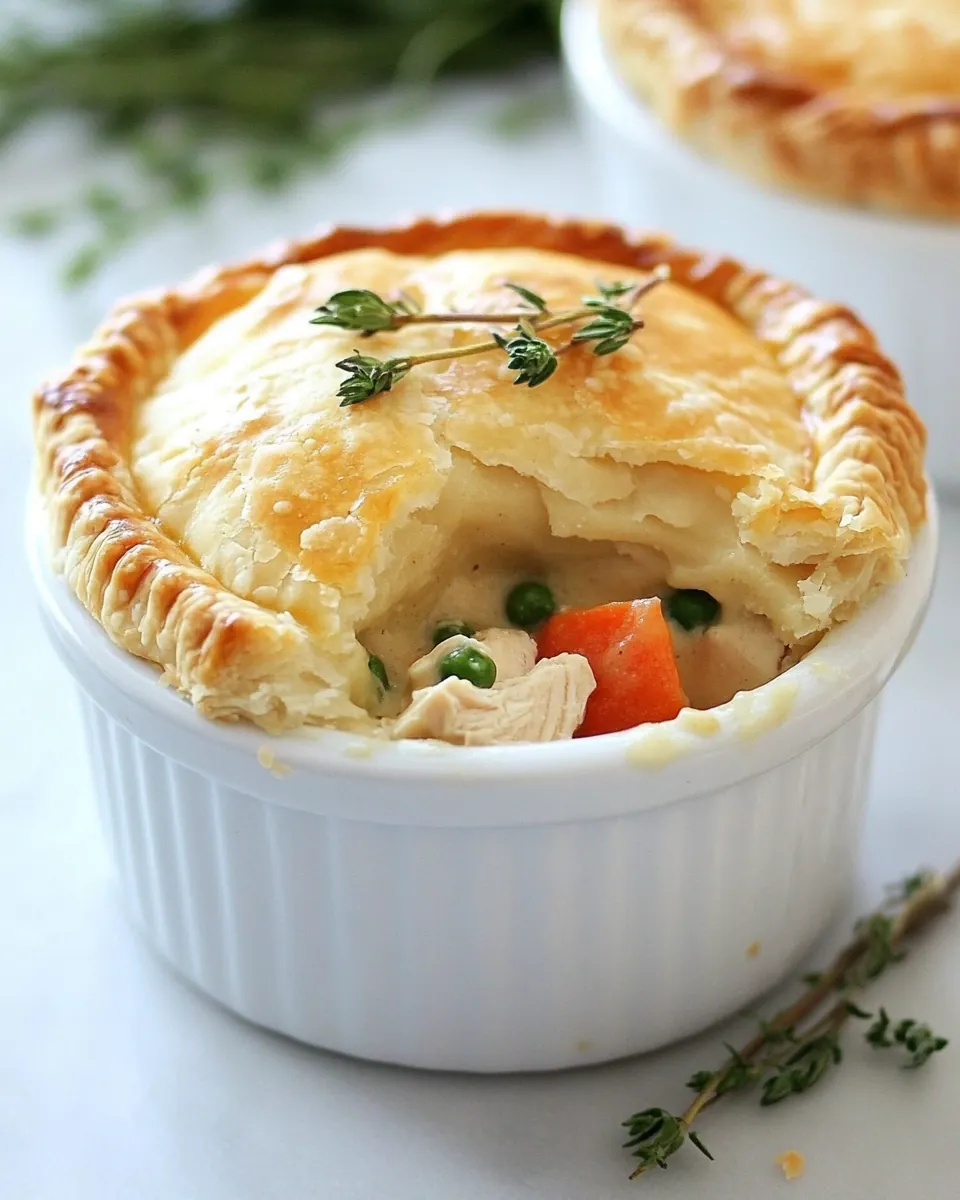
These tips will help you get the best texture and flavor from your pies while keeping the process fast and practical. Each suggestion zeroes in on one technique or substitution to improve results in real kitchens.
- Heat control matters Start with medium heat to bring the sauce to a gentle boil, then immediately reduce to a simmer. This prevents scorching and gives you a glossy, smooth sauce. If the pan gets too hot, the flour can brown and impart a toasty but slightly bitter note, so watch closely.
- Whisking prevents lumps Continuous whisking while the sauce thickens yields a silky finish. If you stop whisking, streaks of flour can coagulate, making the sauce grainy. Use a balloon whisk and keep the motion steady for best results.
- Season gradually Add a portion of the salt and pepper early, then adjust at the end after combining the chicken and vegetables. Stocks vary in sodium, so taste at the end to avoid oversalting. It is easier to add than remove.
- Size matters for serving Use uniform ramekins so all pies bake evenly. Smaller dishes will cook faster and may need less time, while larger ones require a longer bake. Stick to the recommended 6 ounce size for consistent results.
- Texture from frozen vegetables Use frozen mixed vegetables straight from the bag, as they are blanched and freeze stable. Thawing can lead to water release and a thinner sauce, so keep them frozen until stirred into the warm sauce.
- Check biscuit color Visual cues trump strict timing, so remove the pies when the biscuits are a warm golden brown and the filling bubbles. Ovens vary, and relying on color and bubbling ensures perfect doneness rather than a timer alone.
Perfect Matches for Skinny Chicken Pot Pies
Serve these pies with simple, bright sides that complement the creamy filling and make the meal feel complete. Think fresh textures, light acidity, and easy accompaniments that fit weeknight and weekend occasions alike.
- Side salad with crisp greens A simple salad of mixed lettuce and a light vinaigrette brings acidity to cut through the creaminess. The crisp texture contrasts with the soft filling, and a squeeze of lemon or a tangy dressing refreshes the palate between bites.
- Steamed green beans or roasted asparagus Lightly seasoned green vegetables add fiber and a vegetal lift. Their bright color dresses up the plate and they can be prepared in minutes while the pies bake, making them ideal for a quick dinner.
- Weeknight family dinner These single serve pies are perfect for a casual family meal where everyone gets their own portion. They work well for school night dinners, and cleaning up is straightforward since each pie is contained in its own dish.
- Meal prep and leftovers Make a double batch of the filling, store it in an airtight container, and top with biscuits right before baking for a fast reheat. The filling keeps well in the fridge for two to three days and reheats beautifully in the oven.
- Seasonal occasions This recipe fits cozy winter evenings and casual holiday gatherings where you want comfort with lighter choices. Serve with simple roasted root vegetables for a heartier spread or pair with a tangy cranberry relish for festive contrast.
- Storage tips Cool the pies to room temperature before refrigerating. Store covered for up to three days, and reheat in a 350 degree F oven until warmed through to revive the biscuit texture. Avoid microwaving for best crispness.
- Portion-friendly presentation Serve individual pies in ramekins for a charming table display. For a family style option, assemble in a shallow baking dish and bake until bubbly, then spoon onto plates for casual serving.
FAQ
Conclusion
These Skinny Chicken Pot Pies are special because they capture classic pot pie comfort while staying light and accessible. I encourage you to try them on a busy weeknight when you want something cozy without the heavy finish, because they come together fast and please both kids and adults. Serve them with a crisp salad or simple steamed greens, and enjoy a meal that feels indulgent yet sensible, perfect for warming evenings and family dinners.
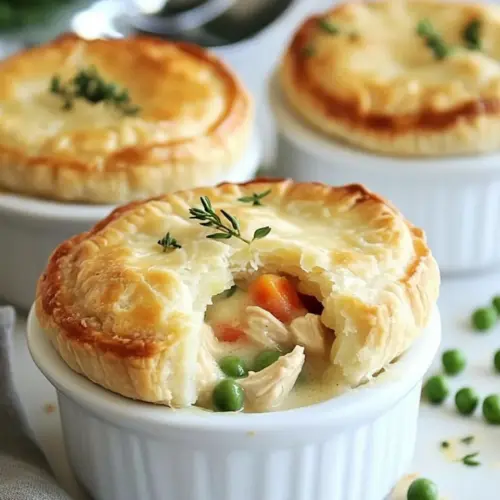
Skinny Chicken Pot Pies
Equipment
- Medium Saucepan
- Whisk
- Ramekins
- Rolling Pin
- Oven
Ingredients
- 1 cup fat-free half and half Provide creaminess and a lighter-rich mouthfeel while reducing calories compared to whole cream; dissolves smoothly into the sauce and helps create a velvety base for the filling. Adds subtle dairy flavor and contributes to a cohesive, slightly thickened gravy when combined with flour and broth.
- 1 cup fat-free chicken broth Supply savory liquid and depth of chicken flavor to the filling while keeping fat content low; works with half and half to balance consistency. Enhances umami and helps deglaze the pan so seasonings distribute evenly throughout the pot pie.
- 3 tbsp . all-purpose flour Act as a thickening agent to turn liquids into a cohesive gravy by absorbing moisture and swelling when cooked; must be cooked briefly to remove raw flour taste. Binds the half and half and broth into a smooth sauce that clings to vegetables and chicken.
- 1 tsp . poultry seasoning Impart warm, mildly savory herbaceous notes with a blend of thyme, sage, and other spices typical of poultry blends; elevates overall roast-chicken flavor profile. Helps season the gravy and pairs well with thyme and chicken for familiar comfort-food seasoning.
- 1 tsp . thyme Add earthy, floral, and slightly minty aromatics that complement poultry and vegetables; supports layering of herb flavors without overpowering the dish. Releases essential oils when heated, enhancing the savory sauce and providing bright background notes.
- 2 cups roasted skinless chicken breast, cubed Provide lean protein and hearty texture from pre-roasted chicken breast cubes; contributes substance and authentic chicken flavor to the filling. Offers convenience and cooks quickly in the gravy, preventing dryness while absorbing seasonings.
- 110 oz package frozen mixed veggies Deliver a convenient mix of frozen carrots, peas, corn, and green beans to contribute color, nutrients, and varied textures; frozen state preserves freshness and speeds preparation. Release starches and moisture into the sauce, helping to thicken it slightly while providing vegetable bite.
- 4 green onions, chopped Introduce a sharp, mild onion flavor and fresh green color while adding a tender crunch when undercooked or soft bite when steamed; complements the creamy sauce and poultry seasoning. Provides aromatic brightness that lifts the richness of the filling.
- 1 tsp . salt Season the filling with essential salinity to enhance and balance flavors; helps draw out tastes from vegetables and chicken while preventing the dish from tasting flat. Use judiciously to avoid over-salting, especially if broth is already salted.
- 1/4 tsp . pepper Contribute subtle heat and flavor contrast that rounds out savory notes without overpowering; balances saltiness and herbs to create a more nuanced profile. Small quantity ensures gentle background pepperiness across the filling.
- 1 can, 7.5 oz refrigerated reduced-fat biscuits Supply a convenient buttery biscuit topping that browns and bakes into individual pot pie crusts; reduced-fat variety lowers overall calories while maintaining soft, flaky texture. Pressed over the filling before baking, they create a golden, tender top that completes the dish.
Instructions
- Preheat oven to 425 degrees F.: Your oven should smell warm and neutral as it reaches temperature, and you may hear a quiet fan or ambient hum. Setting the oven to 425 degrees F ensures the biscuit tops brown quickly while the filling bubbles, creating contrast between a crisp top and a silky interior. If you skip preheating the oven, the biscuits will take longer to brown and may absorb more moisture, becoming doughy instead of golden. A common mistake is not allowing the oven to fully reach temperature before baking, which changes baking time and texture. Give it the full preheat time to stabilize before the pies go in.
- In a medium saucepan, whisk together half and half, chicken broth, flour, poultry seasoning and thyme. Bring to a boil then reduce heat to a simmer, continuing to whisk for about 4 minutes. Once mixture has thickened, remove from heat and stir in chicken, mixed veggies, green onions, salt and pepper. Cover to keep warm and set aside.: As you whisk, the mixture should start smooth and pale, then become thicker and slightly glossy as the flour hydrates. The whisking action prevents any lumps and distributes the poultry seasoning and thyme evenly, producing steam that blends flavors. You want to hear a gentle simmer, not a violent boil, so adjust heat accordingly. Overlooking the whisking leads to a lumpy sauce, while under seasoning makes the filling flat. If your sauce sticks, lower the heat and add a splash of broth to loosen it.
- Coat 5 (6 oz) ramekins with nonstick cooking spray.: When the liquid reaches a boil you will see steady bubbling and smell a toasty, faintly browned aroma as the flour cooks. Reducing to a simmer and whisking for about 4 minutes finishes cooking the flour so the sauce loses any raw taste and gains a velvety texture. This step is critical for achieving the right body, so do not rush it. A common error is stopping the whisking too soon, leaving a pasty texture or starchy taste. If it thickens too much, stir in a tablespoon of broth at a time to reach the desired consistency.
- On a lightly floured surface, roll out 5 biscuits into 4-inch rounds. Evenly fill ramekins with chicken mixture and top each with a rolled out biscuit, pressing firmly around the sides of the ramekin to adhere. Pierce 4 holes in the top of the biscuits to vent and place in oven.: The pan will let off a savory steam that smells of herbs and broth. When you fold in the cubed chicken and vegetables, the filling will cool slightly and become glossy, with flecks of green from the onions. Stir gently to coat each piece so every bite is saucy. The reason you remove from heat now is to avoid overcooking the vegetables or drying the chicken . A frequent mistake is leaving it on heat too long, which can make the chicken tough and the vegetables mushy. If the filling seems thin after mixing, a brief return to low heat while stirring will help it tighten up.
- Bake pies for about 12 minutes, until filling is bubbly and biscuits are golden. Enjoy!: The filling will continue to hold heat and meld flavors while it rests, and you may smell the parsley like notes from the poultry seasoning intensify. Keeping it covered prevents a skin from forming and keeps moisture even. This resting time helps the filling stabilize so it fills the ramekins cleanly. A common misstep is letting it cool uncovered, which can dry out the surface and create an uneven texture. Keep it tented or covered until you are ready to assemble.
- Coat 5 (6 oz) ramekins with nonstick cooking spray: The ramekins should feel slick to the touch after spraying, which ensures the pies release cleanly and the biscuit edges do not stick. Using the right sized dish creates individual portions that bake evenly. If you skip spraying, the biscuits or filling may cling, making serving messy. Be thorough but brief when spraying, and wipe excess if pooling occurs, because pooled oil can lead to uneven browning.
- On a lightly floured surface, roll out 5 biscuits into 4-inch rounds: As you roll, you will feel the dough soften and spread beneath the pin, its surface becoming smoother and slightly tacky from the flour. Rolling the biscuits to a uniform size ensures even coverage and consistent browning across pies. This technique matters because thicker centers take longer to bake and thinner edges can overbrown. A common error is overflouring, which dries the dough; use just enough to prevent sticking and let the dough relax if it resists stretching.
- Evenly fill ramekins with chicken mixture and top each with a rolled out biscuit, pressing firmly around the sides of the ramekin to adhere: When you spoon in the filling, listen for a soft plop and see the glossy sauce nestle around the chicken and vegetables. Press the biscuit gently to form a seal so steam does not escape from the sides during baking. This seal helps the top brown and the filling to steam properly, creating that bubbling interior. If the biscuit is not pressed firmly, the edge may lift and the filling could bubble over. Avoid overfilling the ramekins to prevent spills during baking.
- Pierce 4 holes in the top of the biscuits to vent and place in oven: The small vents let steam escape and produce a crisper biscuit top while preventing the center from becoming soggy. You will see faint wisps of steam rising from these vents as the pies bake, and the scent will shift toward toasted biscuit and warmed herbs. Not venting can trap steam, leading to a soggy top and uneven bake. Use a knife or fork to make clean vents and avoid tearing the biscuit surface.
- Bake pies for about 12 minutes, until filling is bubbly and biscuits are golden: During baking you will hear a soft bubbling from the filling and see the biscuit tops change color, moving from pale to a warm golden brown. The bubbling is your cue that the filling is hot throughout and safe to eat. Baking for about 12 minutes at 425 degrees F crisps the tops without drying the interior. A common mistake is leaving them too long, which dries the biscuits, or not long enough, leaving uncooked dough. Rotate the tray halfway if your oven browns unevenly, and rely on the bubbling and color as your primary indicators of doneness.
- Enjoy!: The first bite should offer contrast between the crisp, golden biscuit and the warm, creamy filling studded with tender chicken and vegetables. Allow the pies to rest a few minutes so the filling settles and you avoid burning your mouth on hot gravy. Rushing to eat them right away can lead to scalding, and cutting into them too aggressively may cause the filling to spill. Let them sit briefly to set, then serve confidently and savor the layered textures.
Notes
- Heat control matters Start with medium heat to bring the sauce to a gentle boil, then immediately reduce to a simmer. This prevents scorching and gives you a glossy, smooth sauce. If the pan gets too hot, the flour can brown and impart a toasty but slightly bitter note, so watch closely.
- Whisking prevents lumps Continuous whisking while the sauce thickens yields a silky finish. If you stop whisking, streaks of flour can coagulate, making the sauce grainy. Use a balloon whisk and keep the motion steady for best results.
- Season gradually Add a portion of the salt and pepper early, then adjust at the end after combining the chicken and vegetables. Stocks vary in sodium, so taste at the end to avoid oversalting. It is easier to add than remove.
- Size matters for serving Use uniform ramekins so all pies bake evenly. Smaller dishes will cook faster and may need less time, while larger ones require a longer bake. Stick to the recommended 6 ounce size for consistent results.
- Texture from frozen vegetables Use frozen mixed vegetables straight from the bag, as they are blanched and freeze stable. Thawing can lead to water release and a thinner sauce, so keep them frozen until stirred into the warm sauce.
- Check biscuit color Visual cues trump strict timing, so remove the pies when the biscuits are a warm golden brown and the filling bubbles. Ovens vary, and relying on color and bubbling ensures perfect doneness rather than a timer alone.