Tom Kha Soup
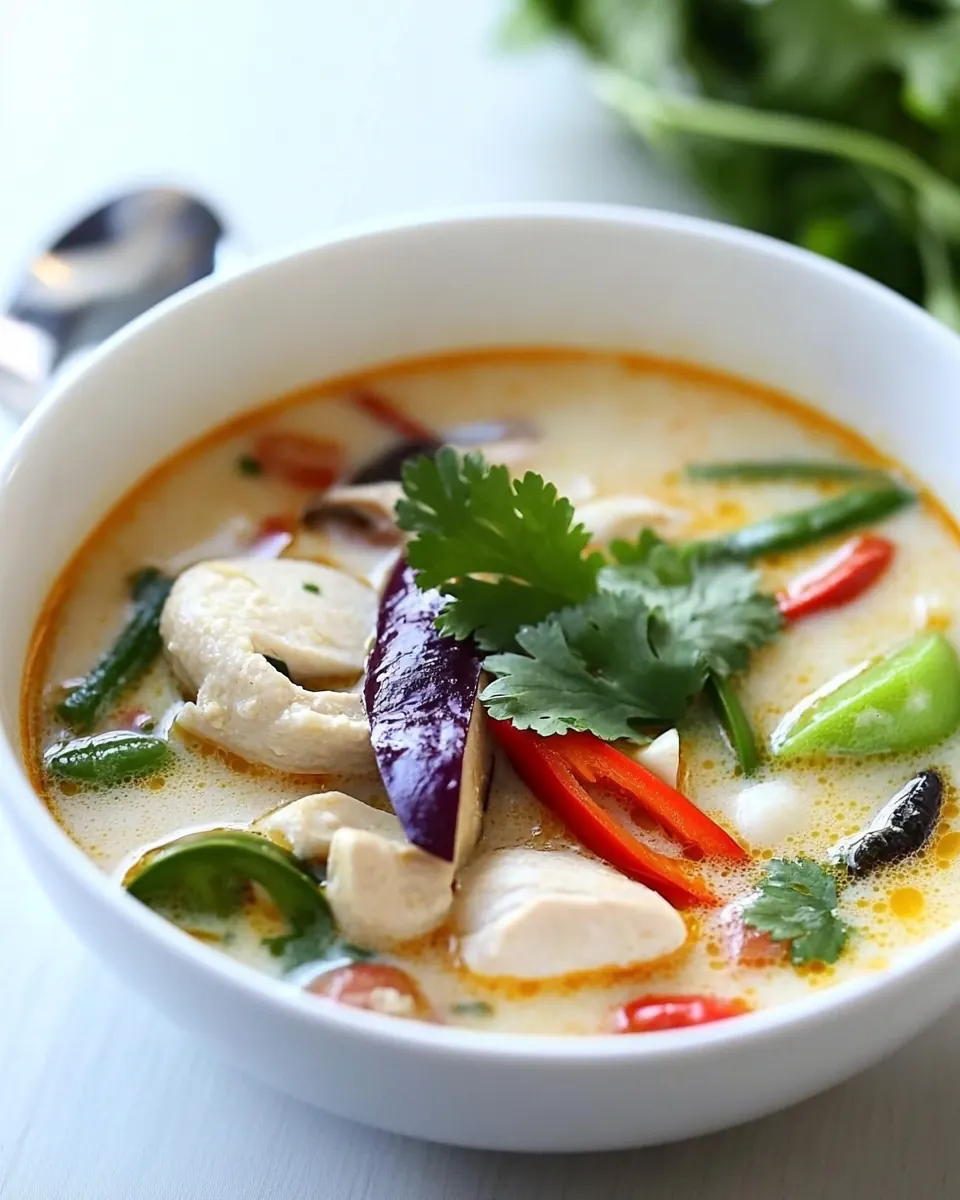
Tom Kha Soup has been the warm anchor of many of my chilly evenings, a bowl that feels like a tight, fragrant hug when the air turns sharp. I first met this soup at a small market stall where the vendor ladled steaming bowls with practiced grace, the aroma of galangal and kaffir lime leaves cutting through the cold and making me slow down. That first spoonful hooked me on the gentle balance of creamy coconut and bright lime, and since then I have chased that exact harmony in my own kitchen, changing nothing essential but learning how each tiny choice matters.
The memory that stays with me is not just the taste, but the way the kitchen filled with sound and scent as I cooked it at home. The pot bubbling, the soft crackle when the chilies met hot water, and the citrusy perfume of bruised kaffir leaves transported me back to that market. I started making Tom Kha Soup whenever winter nights felt long, because it warms you from the inside out while tasting light and refined. Over time I learned to respect the main players and to treat each ingredient as a collaborator. Turning to friends who needed comfort, I often serve them this bowl and watch how quickly conversation slows, because everyone is leaning into the spoonful.
Recipe Snapshot
20 mins
10 mins
10 mins
Easy
350 kcal
Thai
Keto, Gluten-Free
Soups
Pot, Knife, Cutting board
Why Try This Tom Kha Soup
Creamy yet bright contrast
I love how Tom Kha Soup manages to be both rich and refreshing. The coconut milk brings a silken mouthfeel, while the lime juice cuts through with a lively acidity. When I taste that blend, it feels like the soup is doing the heavy lifting, comforting you while keeping the palate lively.
Aromatic complexity from minimal effort
There is a beautiful efficiency here. A few well chosen aromatics like galangal, bruised kaffir lime leaves, and a stalk of lemongrass create layers of fragrance that evolve as the soup cools. I appreciate recipes that reward patience, and this one rewards a little pounding and bruising with an outsized perfume.
Fast weeknight comfort
I often pull this together on busy nights because it is genuinely quick to make without sacrificing flavor. With just a short simmer, the chicken cooks through and the mushrooms soak up the broth. It feels elegant without needing special technique, which is why I reach for it when I want a satisfying, easy weeknight dinner.
Customizable heat and tang
I like that you can steer the character of the soup with two small moves. Add or reduce the bird’s eye chilies to nudge the heat, and adjust the lime juice to dial the brightness. I find this flexibility comforting, because guests can make their bowl exactly how they like it.
A gentle invitation to Thai flavors
For anyone new to Thai cuisine, this soup is a gentle introduction that showcases authentic ingredients without being intimidating. It demonstrates how a handful of components can produce an elegant result, and it always makes me smile when friends tell me it tastes like a small trip abroad.
Key Ingredients for Tom Kha Soup
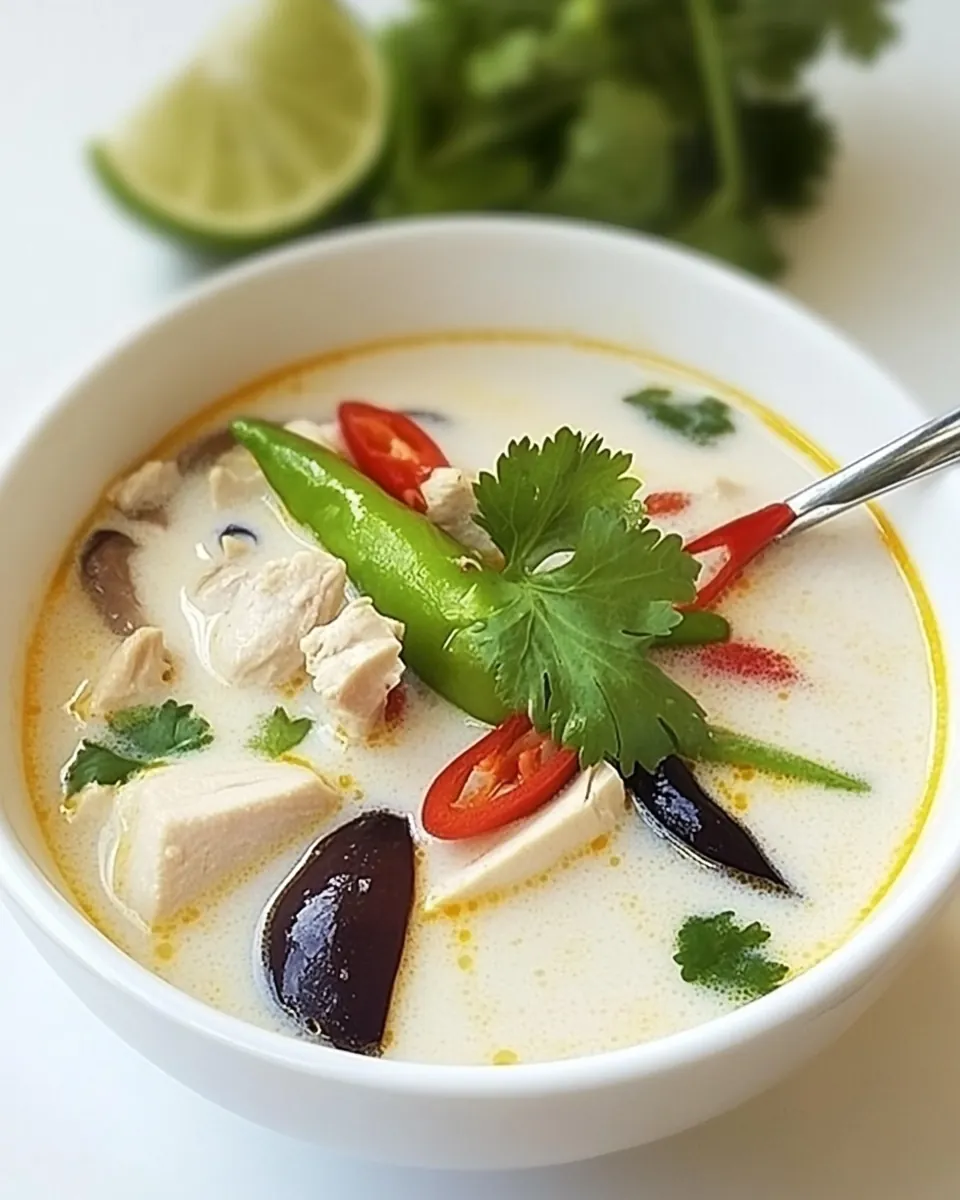
These ingredients are the backbone of a classic Thai coconut soup, each playing a clear role. I treat the aromatics as the soul, the liquids as the foundation, and the proteins and mushrooms as texture and comfort. When they work together, you get a broth that is simultaneously creamy, citrusy, and fragrant, with gentle heat layered in.
- 8 oz (230 g) boneless and skinless chicken, breast or thighs, cut into strips or thin pieces: Provide tender lean protein and body to the soup, offering a savory, satisfying texture when simmered; slices absorb the aromatic broth while remaining juicy if cooked briefly.
- 20 canned straw mushrooms: Add mild, slightly earthy mushroom texture and authenticity to the soup; canned version contributes convenience and subtle umami without overpowering the balance.
- 1 1/2 cups coconut milk: Contribute rich, creamy coconut flavor and silky mouthfeel that forms the soup’s savory-sweet base; helps mellow heat and carry aromatic oils of herbs and spices.
- 1 cup water: Dilute and balance the coconut milk, creating the proper broth consistency while allowing other aromatics to shine; helps control richness for a lighter soup.
- 1 stalk lemongrass, cut into 3-inch (7 cm) lengths and pounded: Impart bright, citrusy, and lemongrass fragrance infused into the broth when bruised and simmered; chunky pieces allow extraction of flavor without shredding.
- 6 kaffir lime leaves, lightly bruised to release the flavor: Release intense citrusy, floral aroma and a fragrant backbone to the broth when bruised; whole leaves steeped and removed add depth without fibrous texture.
- 6 slices galangal: Provide sharp, peppery, and slightly piney ginger-like heat that defines the soup’s signature flavor; sliced galangal steeps to infuse warm aromatic tones.
- 8 bird’s eye chilies, lightly pounded: Introduce vibrant heat and fresh chili aroma that livens the broth; lightly pounding releases capsaicin and essential oils for balanced spiciness.
- 3 tablespoons fish sauce: Deliver savory salty umami complexity and authentic Southeast Asian seasoning; liquid fish sauce brightens flavors and deepens the broth’s profile.
- 2 1/2 tablespoons lime juice, or to taste: Impart bright, tangy acidity to balance richness and saltiness; freshly squeezed lime juice elevates flavors and adds refreshing citrus lift to taste.
- 1 tablespoon cilantro, chopped: Finish with fresh herbal aroma and mild citrusy green flavor; chopped cilantro sprinkled at the end adds brightness and visual contrast to the soup.
Tom Kha Soup Instructions
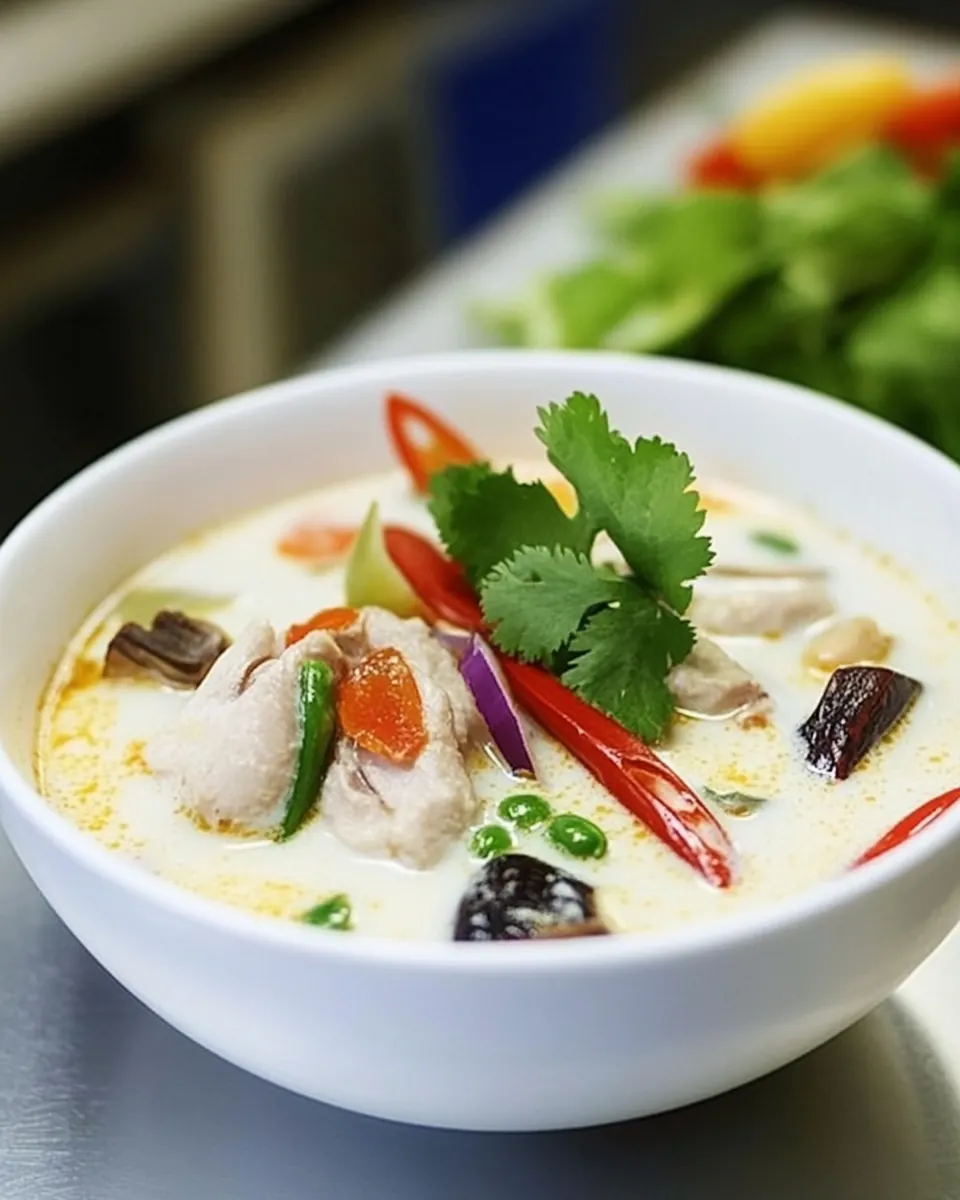
I like to approach cooking this soup like a calm ritual, paying attention to aroma and timing. The directions are short but each step benefits from gentle handling and sensory awareness, so move with intention. Here are the steps, expanded with what to listen, smell, and watch for as you go.
- Add water, lemongrass, galangal, chilies, and kaffir lime leaves to a pot and bring to a boil. Add the straw mushrooms and chicken, then boil on medium heat for a few minutes, or until the chicken is cooked through.: The moment the pot warms you will notice a rising citrus perfume, a clean floral top note from the lemongrass and kaffir lime leaves , and a faint sharpness from the galangal . As it approaches a boil you will hear small rolling bubbles and see the surface shimmer, which is the cue that essential oils are infusing into the liquid. This infusion creates the soup's aromatic foundation and extracts volatile flavors without needing long simmering. A common mistake is leaving the heat too high and aggressively boiling, which can make the aromatics taste harsh; instead aim for a steady boil to encourage gentle extraction while preserving the delicate citrus notes.
- Add coconut milk and boil for a couple more minutes. Turn off the heat and stir in lime juice and fish sauce to taste. Garnish with chopped cilantro before serving.: As you add the canned straw mushrooms and strips of chicken , the pot’s mood changes; the broth will take on a slightly opaque sheen and you may hear a softer, fuller simmer. The chicken will firm up and the mushrooms will begin to swell slightly as they absorb flavor. This step ensures the proteins cook quickly and the mushrooms pick up the broth’s aromatics. Watch the chicken for color change from translucent to opaque, and peek at the center to confirm doneness. Avoid overcooking, which will make the chicken dry and stringy; remove from heat as soon as the meat is cooked through.
- Add coconut milk and boil for a couple more minutes: When you pour in the coconut milk you will notice the broth turning silkier and its aroma smoothing out, the sharp edges softened by fat. The surface may produce a gentle bubbling and a faint coconut scent that rounds the earlier citrus top notes. Briefly boiling helps integrate the coconut with the infused water without causing the milk to separate. If you let it boil vigorously, the coconut can split and the texture will suffer, so keep the simmer moderated and stir gently to combine the liquids into an even, glossy broth.
- Turn off the heat and stir in lime juice and fish sauce to taste: Once the pot is off the stove, the aromas feel more layered and distinct. Adding lime juice now produces a bright lift that wakes up the richness, while the fish sauce introduces umami depth. Stir gently so the acid and salt disperse evenly, and taste repeatedly, adjusting to your preference. The sequence matters because adding the acid on high heat can mute its brightness. A typical misstep is oversalting with fish sauce ; add slowly, tasting as you go, because its savory power concentrates quickly.
- Garnish with chopped cilantro before serving: The final act is simple but transformative. Scattering chopped cilantro adds an herbaceous freshness that contrasts the warm broth. You will notice a crisp, green perfume and a cool flavor that balances the acidic and spicy notes. Serve immediately while the soup is warm and the aroma is at its peak. A mistake to avoid is adding the cilantro too early, which causes it to wilt and lose brightness; add it at the end for the best sensory contrast.
Ways to Customize
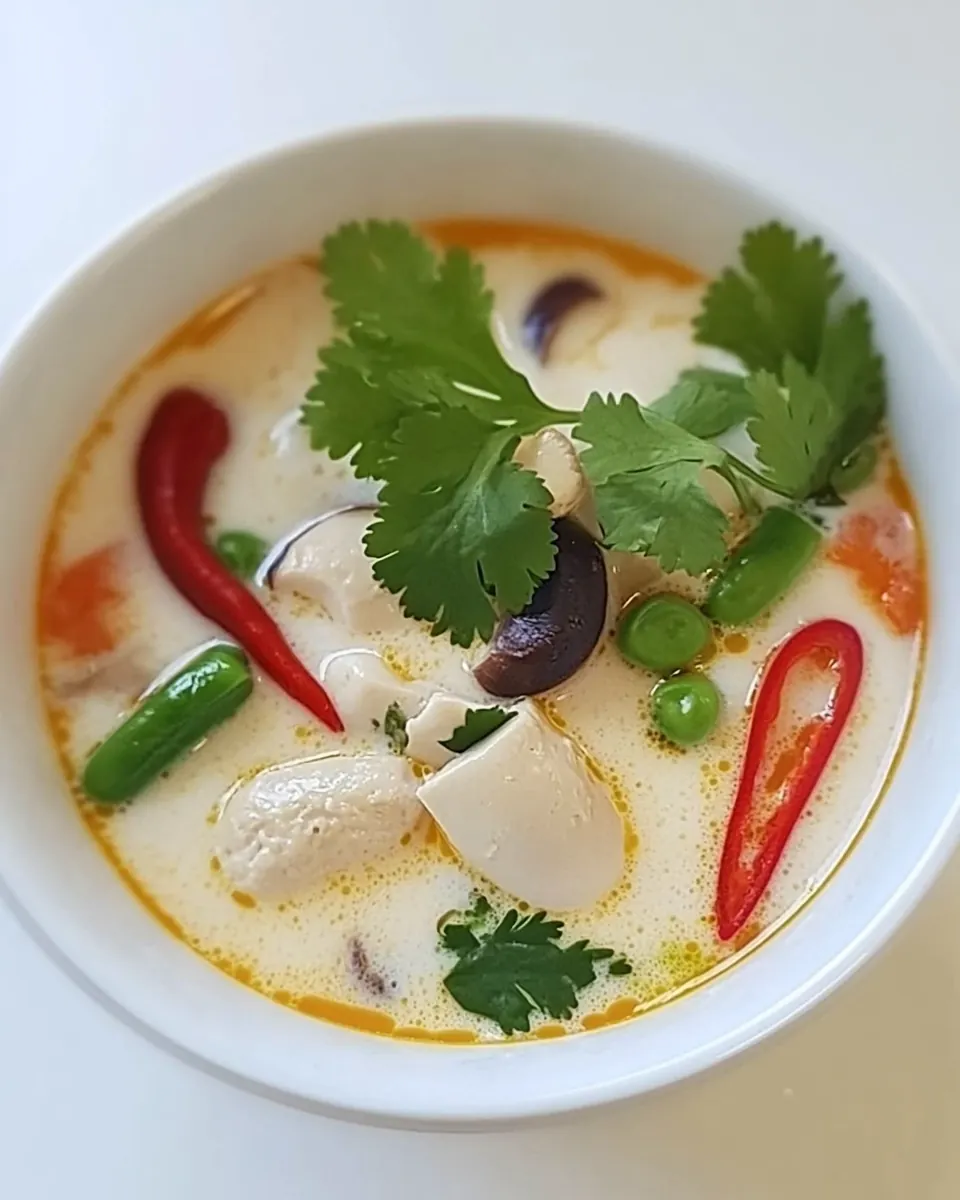
I like to offer small, focused ways to personalize this soup without changing its essence. Below are practical tips that preserve the classic balance while letting you adjust texture, heat, and aromatics. Each tip starts with a clear action so you can scan quickly and decide what fits your mood.
- Swap chicken cuts thoughtfully Use boneless skinless chicken thighs for a richer mouthfeel, or breast for a leaner bowl, cutting thin strips so meat cooks quickly and remains tender.
- Control the heat Adjust the number of bird’s eye chilies to taste, pounding lightly for more aroma with moderated heat, or removing seeds for a milder result that still offers complexity.
- Balance richness and lightness Alter the coconut to water ratio, adding a bit more water if you prefer a lighter, broth like finish, or using the full 1 1/2 cups of coconut milk for a creamier texture.
- Make it herb forward Increase the chopped cilantro at the end for a fresh, green lift that complements the citrus and offsets the coconut’s sweetness.
- Infuse more aromatics Let the pot simmer a touch longer with the lemongrass and kaffir lime leaves if you want a more pronounced citrus perfume, but avoid boiling hard to prevent bitterness.
- Adjust acidity precisely Add lime juice gradually off the heat, tasting frequently to hit the sweet spot between creamy and bright without overpowering the broth.
Pairing Suggestions for Tom Kha Soup
This soup pairs beautifully with simple, delicate sides that let the bowl remain the star. Below are serving ideas, occasions, storage guidance, and seasonal suggestions to help you present and enjoy this dish across different moments. Each list item highlights practical choices and occasions where the soup shines.
- Light steamed rice Serve with a small bowl of plain steamed rice to soak up the coconut broth, making the meal heartier without masking the soup’s aromatics.
- Simple vegetable side Pair with lightly steamed greens such as bok choy or spinach for a fresh, textural contrast that keeps the meal balanced and nourishing.
- Casual dinner occasions This is ideal for a relaxed weeknight dinner when you want something quick, comforting, and a touch elegant; it also works well for an intimate dinner with friends who appreciate aromatic soups.
- Ramadan and special meals Serve during a cozy Iftar when you want a warm yet not overly heavy starter; the soup’s gentle spices are soothing after a day of fasting.
- Make ahead and storage Refrigerate the soup in an airtight container for up to 2 days; reheat gently on low so the coconut milk does not separate, and add a fresh squeeze of lime juice just before serving.
- Seasonal pairing I find this soup particularly comforting in winter when its warming broth and bright aromatics cut through cold air, but it is light enough to enjoy any time of year.
FAQ
Conclusion
Tom Kha Soup stands out for its perfect balance of creamy coconut, bright lime, and aromatic galangal, making it a comforting yet refined bowl. I encourage you to give it a try when you want something quick that still feels special, especially on cooler evenings or when you want a flavorful, easy weeknight dinner. Cook it slowly, taste as you go, and enjoy the way each ingredient contributes to a warm, layered bowl that invites sharing.
Tom Kha Soup
Equipment
- Pot
- Knife
- Cutting Board
Ingredients
- 8 oz (230 g) boneless and skinless chicken, breast or thighs, cut into strips or thin pieces Provide tender lean protein and body to the soup, offering a savory, satisfying texture when simmered; slices absorb the aromatic broth while remaining juicy if cooked briefly.
- 20 canned straw mushrooms Add mild, slightly earthy mushroom texture and authenticity to the soup; canned version contributes convenience and subtle umami without overpowering the balance.
- 1 1/2 cups coconut milk Contribute rich, creamy coconut flavor and silky mouthfeel that forms the soup’s savory-sweet base; helps mellow heat and carry aromatic oils of herbs and spices.
- 1 cup water Dilute and balance the coconut milk, creating the proper broth consistency while allowing other aromatics to shine; helps control richness for a lighter soup.
- 1 stalk lemongrass, cut into 3-inch (7 cm) lengths and pounded Impart bright, citrusy, and lemongrass fragrance infused into the broth when bruised and simmered; chunky pieces allow extraction of flavor without shredding.
- 6 kaffir lime leaves, lightly bruised to release the flavor Release intense citrusy, floral aroma and a fragrant backbone to the broth when bruised; whole leaves steeped and removed add depth without fibrous texture.
- 6 slices galangal Provide sharp, peppery, and slightly piney ginger-like heat that defines the soup’s signature flavor; sliced galangal steeps to infuse warm aromatic tones.
- 8 bird’s eye chilies, lightly pounded Introduce vibrant heat and fresh chili aroma that livens the broth; lightly pounding releases capsaicin and essential oils for balanced spiciness.
- 3 tablespoons fish sauce Deliver savory salty umami complexity and authentic Southeast Asian seasoning; liquid fish sauce brightens flavors and deepens the broth’s profile.
- 2 1/2 tablespoons lime juice, or to taste Impart bright, tangy acidity to balance richness and saltiness; freshly squeezed lime juice elevates flavors and adds refreshing citrus lift to taste.
- 1 tablespoon cilantro, chopped Finish with fresh herbal aroma and mild citrusy green flavor; chopped cilantro sprinkled at the end adds brightness and visual contrast to the soup.
Instructions
- Add water, lemongrass, galangal, chilies, and kaffir lime leaves to a pot and bring to a boil. Add the straw mushrooms and chicken, then boil on medium heat for a few minutes, or until the chicken is cooked through.: The moment the pot warms you will notice a rising citrus perfume, a clean floral top note from the lemongrass and kaffir lime leaves , and a faint sharpness from the galangal . As it approaches a boil you will hear small rolling bubbles and see the surface shimmer, which is the cue that essential oils are infusing into the liquid. This infusion creates the soup's aromatic foundation and extracts volatile flavors without needing long simmering. A common mistake is leaving the heat too high and aggressively boiling, which can make the aromatics taste harsh; instead aim for a steady boil to encourage gentle extraction while preserving the delicate citrus notes.
- Add coconut milk and boil for a couple more minutes. Turn off the heat and stir in lime juice and fish sauce to taste. Garnish with chopped cilantro before serving.: As you add the canned straw mushrooms and strips of chicken , the pot’s mood changes; the broth will take on a slightly opaque sheen and you may hear a softer, fuller simmer. The chicken will firm up and the mushrooms will begin to swell slightly as they absorb flavor. This step ensures the proteins cook quickly and the mushrooms pick up the broth’s aromatics. Watch the chicken for color change from translucent to opaque, and peek at the center to confirm doneness. Avoid overcooking, which will make the chicken dry and stringy; remove from heat as soon as the meat is cooked through.
- Add coconut milk and boil for a couple more minutes: When you pour in the coconut milk you will notice the broth turning silkier and its aroma smoothing out, the sharp edges softened by fat. The surface may produce a gentle bubbling and a faint coconut scent that rounds the earlier citrus top notes. Briefly boiling helps integrate the coconut with the infused water without causing the milk to separate. If you let it boil vigorously, the coconut can split and the texture will suffer, so keep the simmer moderated and stir gently to combine the liquids into an even, glossy broth.
- Turn off the heat and stir in lime juice and fish sauce to taste: Once the pot is off the stove, the aromas feel more layered and distinct. Adding lime juice now produces a bright lift that wakes up the richness, while the fish sauce introduces umami depth. Stir gently so the acid and salt disperse evenly, and taste repeatedly, adjusting to your preference. The sequence matters because adding the acid on high heat can mute its brightness. A typical misstep is oversalting with fish sauce ; add slowly, tasting as you go, because its savory power concentrates quickly.
- Garnish with chopped cilantro before serving: The final act is simple but transformative. Scattering chopped cilantro adds an herbaceous freshness that contrasts the warm broth. You will notice a crisp, green perfume and a cool flavor that balances the acidic and spicy notes. Serve immediately while the soup is warm and the aroma is at its peak. A mistake to avoid is adding the cilantro too early, which causes it to wilt and lose brightness; add it at the end for the best sensory contrast.
Notes
- Swap chicken cuts thoughtfully Use boneless skinless chicken thighs for a richer mouthfeel, or breast for a leaner bowl, cutting thin strips so meat cooks quickly and remains tender.
- Control the heat Adjust the number of bird’s eye chilies to taste, pounding lightly for more aroma with moderated heat, or removing seeds for a milder result that still offers complexity.
- Balance richness and lightness Alter the coconut to water ratio, adding a bit more water if you prefer a lighter, broth like finish, or using the full 1 1/2 cups of coconut milk for a creamier texture.
- Make it herb forward Increase the chopped cilantro at the end for a fresh, green lift that complements the citrus and offsets the coconut’s sweetness.
- Infuse more aromatics Let the pot simmer a touch longer with the lemongrass and kaffir lime leaves if you want a more pronounced citrus perfume, but avoid boiling hard to prevent bitterness.
- Adjust acidity precisely Add lime juice gradually off the heat, tasting frequently to hit the sweet spot between creamy and bright without overpowering the broth.