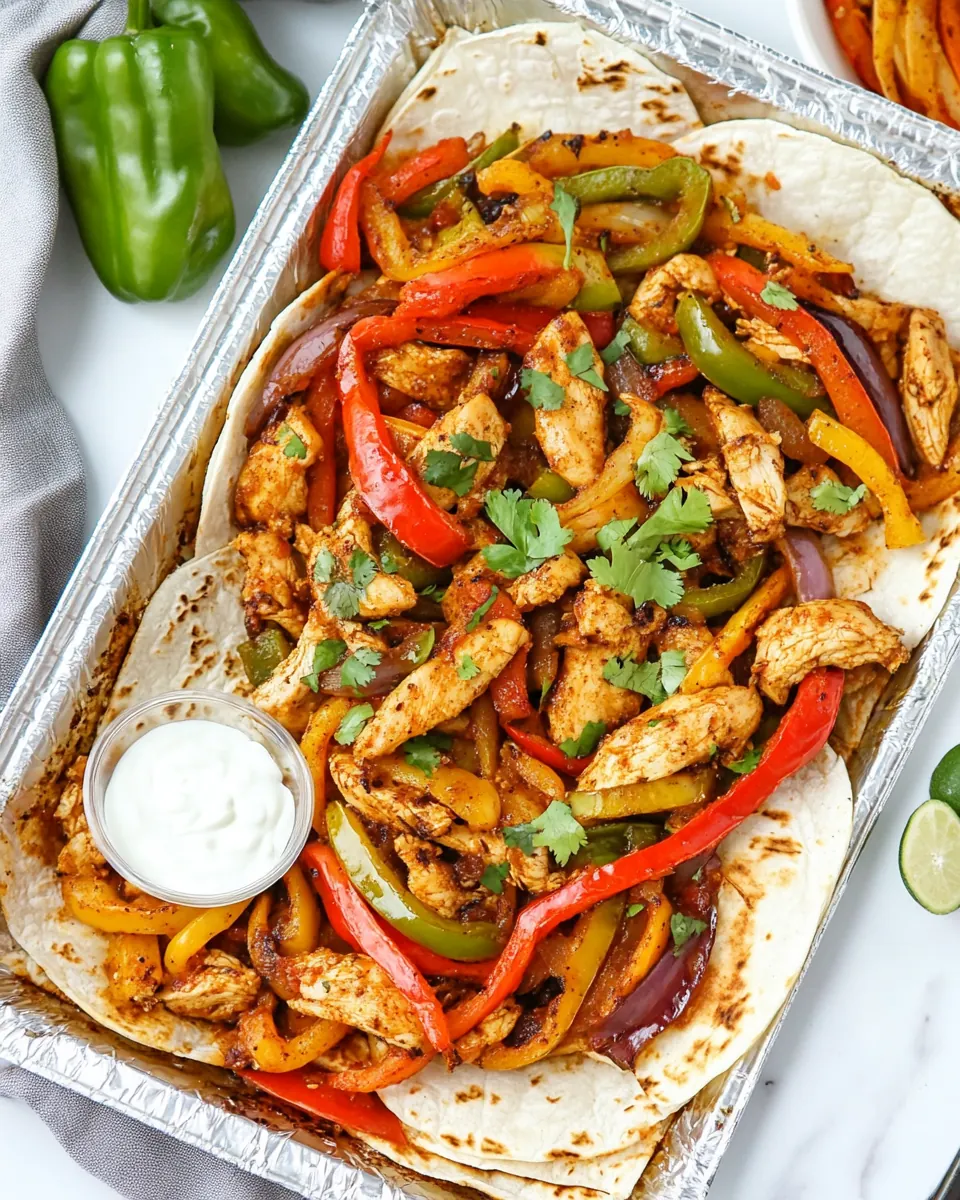
Sheet Pan Chicken Fajitas
Sheet Pan Chicken Fajitas started showing up in my weeknight rotation the moment I realized that dinner did not have to be complicated to be memorable. The first time I roasted everything together on one tray I was skeptical, but the sizzling, spiced aroma that filled the kitchen convinced me immediately. I loved how the edges of the chicken and peppers caramelized right beside each other, trading flavors like old friends catching up. Over time I tuned the spice mix and timing so the chicken stays juicy and the onion softens but still sings with texture.
One summer evening I hosted friends and served these straight from the oven with warm flour tortillas, bright lime wedges, and a scattering of fresh cilantro. Guests assembled their own, piling on guacamole and pico de gallo, and it felt relaxed, interactive, and fun. I like that this recipe scales easily, and that it leaves room for improvisation without demanding expert technique. When life is busy, this becomes my dependable, vibrant meal that still tastes like I cared.
Recipe Snapshot
33 mins
15 mins
18 mins
Easy
400 kcal
Mexican
Whole30, Gluten-Free
Dinner
sheet pan
What We Adore About This Sheet Pan Chicken Fajitas
Speed and simplicity
I adore how Sheet Pan Chicken Fajitas turn a typically hands on meal into a set it and almost forget it dinner. With one tray to wash and most of the work being slicing and tossing, you reclaim time without sacrificing flavor. I often get supper on the table in under an hour, and that ease keeps this recipe in heavy rotation.
Layered flavor
The spice mix is the unsung hero here. Combining chili powder, ground cumin, garlic powder, and smoked paprika gives the chicken a smoky warm backbone, while a touch of cayenne adds lift. Roasting everything together lets the juices mingle, so the vegetables pick up savory notes from the chicken, creating depth without fuss.
Texture contrast
I love the contrast between tender, juicy slices of chicken and the slightly charred, crisp-tender peppers. That quick broil at the end is a trick I always use to coax little bits of char for chew and smokiness. It makes each bite interesting, and keeps the mouthfeel lively across the entire meal.
Customizable for the crowd
Whether I am feeding four or doubling for a gathering, this dish adapts easily. You can keep toppings simple with lime and cilantro, or go all in with creamy guacamole and zesty pico de gallo. I appreciate that everyone can assemble their own, so picky eaters and adventurous friends are both happy.
Minimal equipment, maximum payoff
All you need is a roomy sheet pan and an oven, and the result feels elevated. I often tell friends this is the recipe to learn when you want a showstopping dinner with negligible drama. It delivers punchy flavor, easy cleanup, and crowd pleasing results every time.
Ingredient List for Sheet Pan Chicken Fajitas
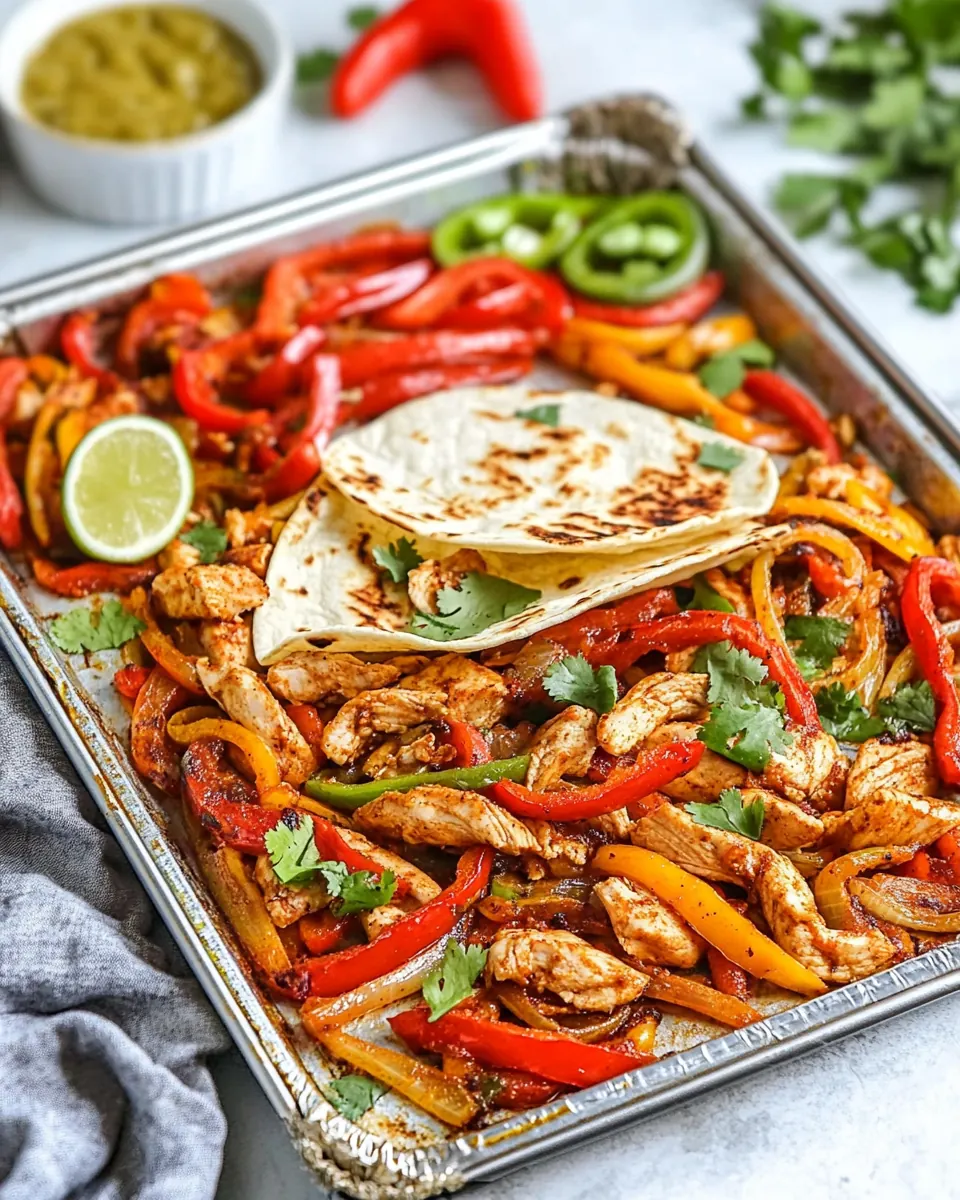
These ingredients are chosen to create big, bold fajita flavor while keeping things approachable. The spice trio and aromatics season the chicken, while the oil helps promote caramelization on the pan. The vegetables offer sweetness, color, and texture, making them essential partners to the protein. Together they form a harmonious balance of savory, smoky, and bright notes that finish beautifully in a warm tortilla.
- 1 tablespoon chili powder: Add to the spice blend to impart warm, earthy heat and a classic Mexican flavor profile; mixes well with other spices to season the chicken evenly. Use as the primary seasoning for the fajita mixture to create robust, savory layers. Adjust quantity slightly if a milder or stronger flavor is desired.
- 1 teaspoon ground cumin: Provide a nutty, slightly citrusy undertone that enhances the smokiness of other spices and rounds out the seasoning blend. Sprinkle into the marinade so the chicken takes on a deeper, aromatic complexity. Works well with chili powder for a balanced fajita spice.
- 1 teaspoon garlic powder: Contribute a savory, aromatic backbone with gentle pungency that complements the dried spices and boosts overall umami. Stir into the seasoning mix to ensure the chicken and vegetables develop a well-rounded garlic flavor. Granulated form distributes evenly during tossing.
- 1 teaspoon onion powder: Offer a sweet, savory depth that helps balance hotter spices and enhances caramelization of the onions and peppers when roasted. Incorporate into the spice rub to build layers of flavor for the sheet pan roast. Powder form ensures even coating and easy blending.
- 1 teaspoon smoked paprika: Impart a smoky, slightly sweet note that mimics grilled flavor when roasted on a sheet pan, enriching the fajita profile. Add to the seasoning mix so the chicken and vegetables develop a complex, charred-like taste. A small amount goes a long way toward smokiness.
- 1 teaspoon cayenne: Deliver concentrated heat and bright spice that elevates the overall kick of the fajitas; adjust amount to control spiciness level. Blend into the rub so the chicken and peppers have consistent warmth. Use sparingly if serving to heat-sensitive eaters.
- 1 teaspoon dried oregano: Bring a subtle herbal, slightly bitter complexity that complements chili and cumin while adding traditional Mexican seasoning character. Mix into the spice blend to enhance savory notes and provide aromatic depth. Works particularly well with dried oregano’s Mediterranean warmth.
- 1/2 teaspoon ground black pepper: Add sharp, pungent warmth that sharpens the overall seasoning without overpowering other spices; balances salt and heat. Stir into the rub to introduce a mild peppery finish on the chicken and vegetables. Use measured amounts to avoid excessive spiciness.
- 1 1/2 pounds (680 g) boneless and skinless chicken breasts sliced into strips: Slice into strips and act as the primary protein and focal point of the dish, absorbing the spice rub and roasting juices for juicy fajita fillings. Marinate briefly with the spices and oil to ensure even coating and cook thoroughly on the sheet pan until done. Choose even slices for consistent cooking.
- 3 bell peppers mixed colors, sliced: Slice into strips to provide sweet, crisp texture and vibrant color contrast while roasting alongside the chicken; they soften and caramelize. Toss with the seasoned chicken so the peppers pick up flavor and contribute fresh, juicy bites. Use a mix of colors for visual appeal.
- 1 medium yellow onion or white, sliced: Slice to add a sweet, slightly pungent base that caramelizes and melds flavors with the peppers and chicken during roasting. Layer with the other vegetables to create tender, flavorful bites that complement the seasoned protein. Choose yellow or white for mild sweetness.
- 3 tablespoons vegetable oil or avocado oil: Coat the chicken and vegetables to help spices adhere and promote even roasting and browning on the sheet pan; contributes neutral richness. Whisk with the spice blend before tossing everything together to ensure thorough coverage. Select a high-heat oil like avocado or vegetable for roasting.
- Flour tortillas: Warm briefly and serve as soft, foldable vessels to hold the chicken and vegetables, making them easy to eat and customize. Heat before serving so they are pliable and slightly toasted, enhancing texture and flavor. Provide alongside toppings for assembled fajitas.
- Lime: Squeeze over the finished fajitas to brighten flavors with acidic citrus notes that cut through richness and add freshness. Offer wedges so diners can adjust tartness to taste, enhancing overall balance. Zest can also be used sparingly for extra aroma.
- Cilantro: Garnish with chopped leaves to lend a fresh, herbaceous finish that complements the spices and adds color. Sprinkle over the assembled fajitas to introduce bright, grassy notes and a pleasant aroma. Use chopped cilantro sparingly for an authentic touch.
- Guacamole: Serve as a creamy, rich topping that brings cool, buttery texture and healthy fats to balance the spicy, smoky filling. Offer dollops alongside the sheet pan so diners can add creaminess and mellow heat. Use store-bought or homemade guacamole for best flavor.
- Pico de gallo: Top with fresh, vibrant salsa to add juicy, tangy, and slightly spicy flavors that brighten each bite and add texture. Spoon over assembled fajitas or serve on the side so guests can customize heat and freshness. Combines tomatoes, onions, cilantro, and lime for classic flavor.
Directions for Sheet Pan Chicken Fajitas
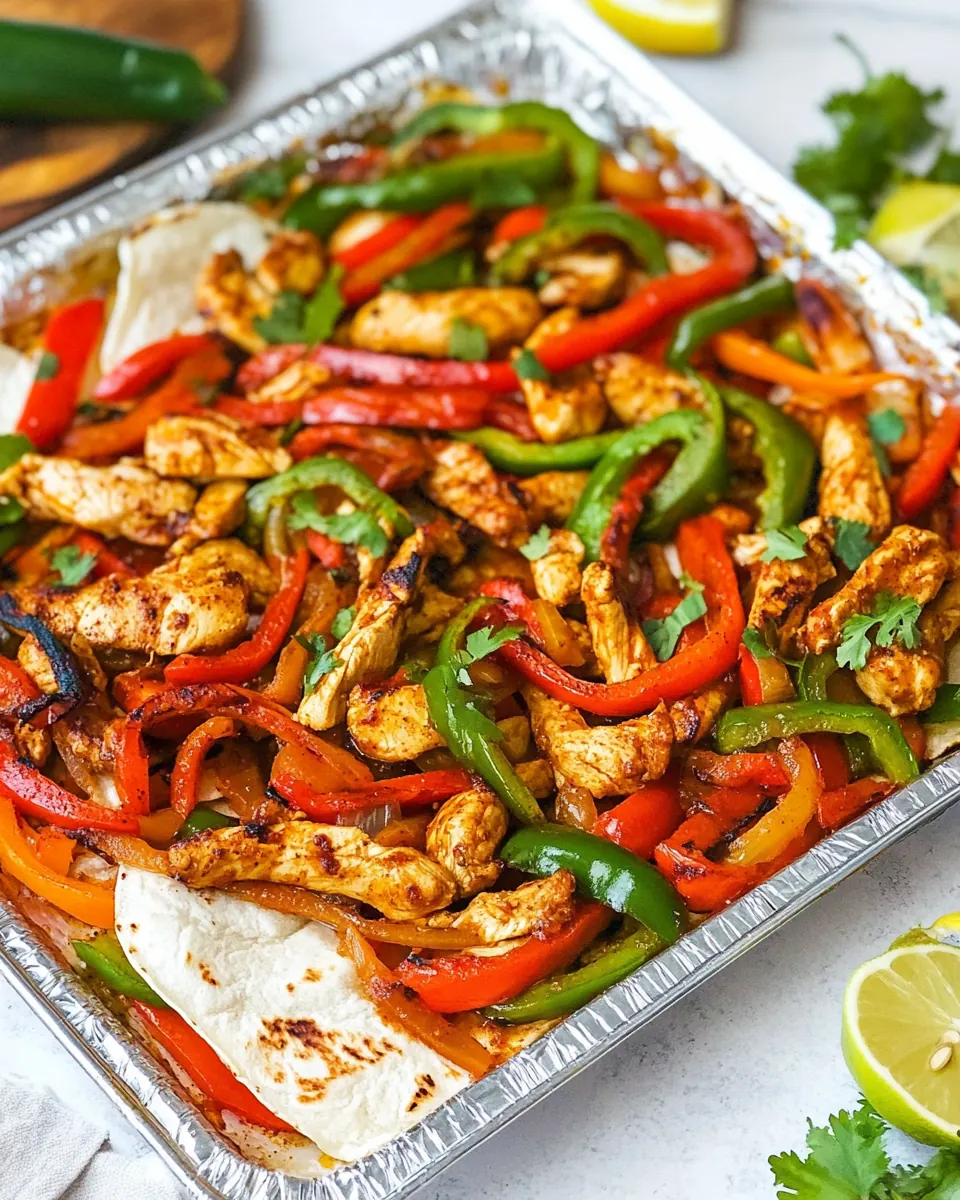
These directions will walk you through from oven preheat to plating, with sensory cues and troubleshooting notes so you feel confident at each turn. I like to stay close during the final minutes of roasting and broiling so nothing over-charred. Have your toppings ready, because this comes together fast once the pan hits the heat.
- Preheat the oven to 425°F (220°C), or 200°C if using a fan oven.: The moment the oven begins to warm you will notice a subtle dryness in the air, which is perfect for roasting as it helps promote evaporation and browning. Preheating ensures the sheet pan hits consistent heat so the chicken sears rather than steams, which matters for achieving golden edges and concentrated flavor. A common mistake is placing the pan in a cold oven, which leads to pale, soggy results, so always wait until the oven reads the temperature. If you have a convection setting, using 200°C helps avoid overbrowning while keeping the same roast effect. Touch the oven handle briefly to confirm its hot, and make sure your sheet pan is roomy enough to let the food breathe.
- In a small bowl, combine the seasoning ingredients and mix (chili powder, ground cumin, garlic powder, onion powder, smoked paprika, cayenne, oregano, black pepper). That’s your fajita seasoning ready. Set aside.: As you blend chili powder , ground cumin , garlic powder , onion powder , smoked paprika , cayenne , oregano , and black pepper , inhale the layered aromas, which should smell warm, smoky, and fragrant. This dry rub delivers concentrated seasoning so each bite is well balanced; mixing it thoroughly ensures even distribution on the chicken and veggies. One trick I use is rubbing a small amount between fingers to check consistency, ensuring no clumps remain. Avoid adding salt at this stage if you plan to adjust later, because over-salting is a frequent error. Set the bowl aside where it is stable and won’t be knocked over while you prep the other elements.
- To a large rimmed sheet pan (I use a half sheet size 18" x 13", 46 x 33 cm), add oil, sliced chicken, sliced bell peppers, and sliced onion. Season with the fajita seasoning, salt, and toss with kitchen tongs or your hands until everything is well coated.: When you spread the oil on the pan then nestle in the sliced ingredients, you should hear faint glints of oil movement and see a light sheen coating the pieces. Tossing everything together with the spice mix allows the flavors to latch on and the oil to promote even browning, which gives visual clues like glossy surfaces turning matte as they begin to roast. Use tongs or clean hands to ensure that every piece is lightly coated, and arrange ingredients in a single layer for direct contact with the hot metal. A common pitfall is overcrowding the pan, which traps steam and prevents caramelization, so leave space if necessary or use a second sheet pan.
- Roast in the oven for 10 minutes, flip, and then roast for 5 more minutes (the internal temperature of the chicken must be 165°F/74°C). Place under the broiler for 2-3 minutes to slightly char the chicken and vegetables. If desired, wrap the tortillas in foil, and add them to the oven in the last 3 minutes so they are warmed up.: You will feel the texture change as the rub adheres, and the peppers and onion will pick up flecks of color from the spices. Tossing helps the seasoning reach hidden surfaces and encourages uniform roasting, which translates to consistent flavor in every bite. If some pieces appear dry, add a drizzle more oil , but avoid pooling, which leads to frying rather than roasting. One mistake people make here is under-seasoning; taste a tiny cooked scrap if uncertain, and correct before roasting. Arrange the chicken so thicker pieces are spaced evenly to allow them to cook at the same rate.
- Remove from the oven, allow to cool for a few minutes then serve in flour tortillas, with a squeeze of fresh lime juice, and your favorite toppings.: As the pan roasts you will hear soft crackling and notice the edges beginning to brown, while the vegetables will soften and the chicken releases juices that mingle with the spices. This staged roast allows the exterior to brown and the interior to cook without drying, which preserves juiciness. After the initial 10 minutes, use tongs to flip pieces to expose any untouched surfaces to direct heat, promoting even color. A frequent error is leaving the pan undisturbed the whole time, which can create uneven doneness; flipping helps avoid that. Keep a thermometer handy to check that the internal temperature of the chicken reaches 165°F 74°C .
- Place under the broiler for 2 to 3 minutes to slightly char the chicken and vegetables: The broiler step delivers quick, high heat that creates crisp, charred edges and a smoky note, transforming the sensory profile with bright, toasty aromatics and a satisfying crunch. Watch closely because this happens fast, and pull the pan when small dark flecks appear instead of large black areas, which indicates burning. A common slip is stepping away and letting the broiler go too long, resulting in bitter char that overpowers the dish. If warming flour tortillas in foil in the last three minutes, place them on the rack above or beside the pan so everything comes out hot together.
- Remove from the oven allow to cool for a few minutes then serve in flour tortillas with a squeeze of fresh lime juice and your favorite toppings: After resting, you will notice the aromas settling and the juices redistributing inside the chicken , which keeps it moist when sliced further. The bright pop of freshly squeezed lime at plating lifts the whole dish, and toppings like cilantro , guacamole , and pico de gallo introduce texture and temperature contrast. A typical mistake is assembling immediately while everything is scalding, which can make tortillas soggy and difficult to handle, so give a brief pause. Encourage guests to build their own and taste as they go, adjusting with extra lime or a pinch of salt if needed.
Ways to Customize
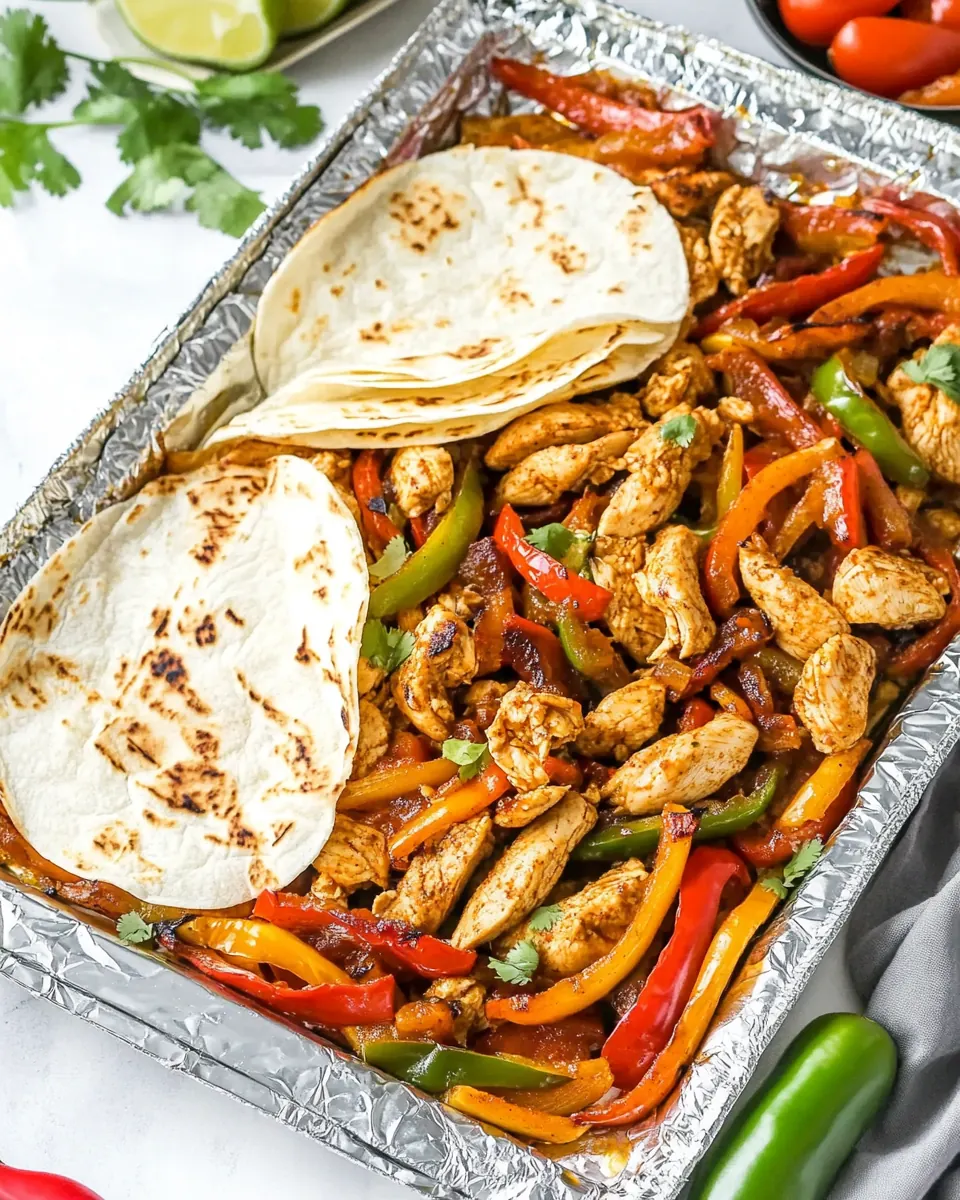
These customization ideas help you tailor Sheet Pan Chicken Fajitas to taste preferences, dietary needs, or the ingredients you have on hand. I often use one or two of these tweaks to keep the recipe feeling fresh. Try them individually or combine a few for a unique finish.
- Adjust the heat: Tweak the amount of cayenne to dial the spice up or down, starting small so the other flavors remain balanced.
- Oil swap: Use avocado oil for a higher smoke point and a subtle, buttery flavor that encourages browning without burning.
- Peppers variation: Mix different colored bell peppers for sweetness and visual appeal, or use poblano for a milder, slightly smoky profile.
- Tortilla choice: Serve in warmed flour tortillas for a soft wrap, or try warmed corn tortillas for a firmer, slightly sweet base.
- Herb finish: Scatter chopped cilantro at the end for a fresh, bright contrast that lifts the spices.
- Sauce pairing: Offer guacamole and pico de gallo as cooling and acidic toppings to balance the roasted notes.
What Complements This Sheet Pan Chicken Fajitas
Sheet Pan Chicken Fajitas work wonderfully across occasions from casual weeknight meals to summer gatherings. They pair well with simple sides and bright toppings that add contrasting textures and temperatures. I like to think about what will add cooling creaminess, bright acidity, and crunchy freshness when planning accompaniments. Below are serving ideas and storage tips to keep everything effortless.
- Side salads: A crisp green salad with a light vinaigrette provides a refreshing counterpoint to the roasted spices, especially for dinner parties where you want balance.
- Beans and rice: Serve alongside warm beans and fluffy rice to make the meal heartier and to soak up savory pan juices.
- Toppings spread: Offer bowls of guacamole, pico de gallo, and extra cilantro so guests can customize each bite for lunch or dinner.
- Occasion ideas: These fajitas are ideal for summer cookouts, casual weekday dinners, and relaxed gatherings where people build their own plates.
- Storage tips: Store leftovers in an airtight container in the fridge for up to four days, and reheat gently to avoid drying the chicken.
- Seasonal pairings: In summer, serve with chilled corn salad or a citrusy slaw to emphasize brightness and contrast the warm spices.
FAQ
Conclusion
Sheet Pan Chicken Fajitas stand out because they combine bold, layered spices with the ease of one pan cooking, delivering juicy chicken and caramelized vegetables with minimal cleanup. Give this recipe a try on a busy weeknight, and you will see how a few simple techniques create big flavor that everyone can assemble to their liking. I hope this becomes a reliable staple in your kitchen when you want a fast, satisfying meal that still feels thoughtful and homey.
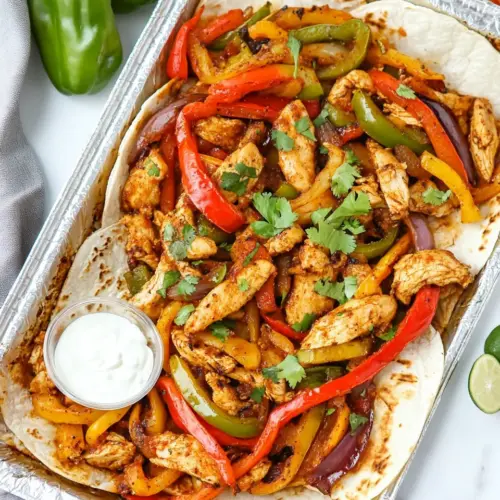
Sheet Pan Chicken Fajitas
Equipment
- Sheet Pan
Ingredients
- 1 tablespoon chili powder Add to the spice blend to impart warm, earthy heat and a classic Mexican flavor profile; mixes well with other spices to season the chicken evenly. Use as the primary seasoning for the fajita mixture to create robust, savory layers. Adjust quantity slightly if a milder or stronger flavor is desired.
- 1 teaspoon ground cumin Provide a nutty, slightly citrusy undertone that enhances the smokiness of other spices and rounds out the seasoning blend. Sprinkle into the marinade so the chicken takes on a deeper, aromatic complexity. Works well with chili powder for a balanced fajita spice.
- 1 teaspoon garlic powder Contribute a savory, aromatic backbone with gentle pungency that complements the dried spices and boosts overall umami. Stir into the seasoning mix to ensure the chicken and vegetables develop a well-rounded garlic flavor. Granulated form distributes evenly during tossing.
- 1 teaspoon onion powder Offer a sweet, savory depth that helps balance hotter spices and enhances caramelization of the onions and peppers when roasted. Incorporate into the spice rub to build layers of flavor for the sheet pan roast. Powder form ensures even coating and easy blending.
- 1 teaspoon smoked paprika Impart a smoky, slightly sweet note that mimics grilled flavor when roasted on a sheet pan, enriching the fajita profile. Add to the seasoning mix so the chicken and vegetables develop a complex, charred-like taste. A small amount goes a long way toward smokiness.
- 1 teaspoon cayenne Deliver concentrated heat and bright spice that elevates the overall kick of the fajitas; adjust amount to control spiciness level. Blend into the rub so the chicken and peppers have consistent warmth. Use sparingly if serving to heat-sensitive eaters.
- 1 teaspoon dried oregano Bring a subtle herbal, slightly bitter complexity that complements chili and cumin while adding traditional Mexican seasoning character. Mix into the spice blend to enhance savory notes and provide aromatic depth. Works particularly well with dried oregano’s Mediterranean warmth.
- 1/2 teaspoon ground black pepper Add sharp, pungent warmth that sharpens the overall seasoning without overpowering other spices; balances salt and heat. Stir into the rub to introduce a mild peppery finish on the chicken and vegetables. Use measured amounts to avoid excessive spiciness.
- 1 1/2 pounds (680 g) boneless and skinless chicken breasts sliced into strips Slice into strips and act as the primary protein and focal point of the dish, absorbing the spice rub and roasting juices for juicy fajita fillings. Marinate briefly with the spices and oil to ensure even coating and cook thoroughly on the sheet pan until done. Choose even slices for consistent cooking.
- 3 bell peppers mixed colors, sliced Slice into strips to provide sweet, crisp texture and vibrant color contrast while roasting alongside the chicken; they soften and caramelize. Toss with the seasoned chicken so the peppers pick up flavor and contribute fresh, juicy bites. Use a mix of colors for visual appeal.
- 1 medium yellow onion or white, sliced Slice to add a sweet, slightly pungent base that caramelizes and melds flavors with the peppers and chicken during roasting. Layer with the other vegetables to create tender, flavorful bites that complement the seasoned protein. Choose yellow or white for mild sweetness.
- 3 tablespoons vegetable oil or avocado oil Coat the chicken and vegetables to help spices adhere and promote even roasting and browning on the sheet pan; contributes neutral richness. Whisk with the spice blend before tossing everything together to ensure thorough coverage. Select a high-heat oil like avocado or vegetable for roasting.
- Flour tortillas Warm briefly and serve as soft, foldable vessels to hold the chicken and vegetables, making them easy to eat and customize. Heat before serving so they are pliable and slightly toasted, enhancing texture and flavor. Provide alongside toppings for assembled fajitas.
- Lime Squeeze over the finished fajitas to brighten flavors with acidic citrus notes that cut through richness and add freshness. Offer wedges so diners can adjust tartness to taste, enhancing overall balance. Zest can also be used sparingly for extra aroma.
- Cilantro Garnish with chopped leaves to lend a fresh, herbaceous finish that complements the spices and adds color. Sprinkle over the assembled fajitas to introduce bright, grassy notes and a pleasant aroma. Use chopped cilantro sparingly for an authentic touch.
- Guacamole Serve as a creamy, rich topping that brings cool, buttery texture and healthy fats to balance the spicy, smoky filling. Offer dollops alongside the sheet pan so diners can add creaminess and mellow heat. Use store-bought or homemade guacamole for best flavor.
- Pico de gallo Top with fresh, vibrant salsa to add juicy, tangy, and slightly spicy flavors that brighten each bite and add texture. Spoon over assembled fajitas or serve on the side so guests can customize heat and freshness. Combines tomatoes, onions, cilantro, and lime for classic flavor.
Instructions
- Preheat the oven to 425°F (220°C), or 200°C if using a fan oven.: The moment the oven begins to warm you will notice a subtle dryness in the air, which is perfect for roasting as it helps promote evaporation and browning. Preheating ensures the sheet pan hits consistent heat so the chicken sears rather than steams, which matters for achieving golden edges and concentrated flavor. A common mistake is placing the pan in a cold oven, which leads to pale, soggy results, so always wait until the oven reads the temperature. If you have a convection setting, using 200°C helps avoid overbrowning while keeping the same roast effect. Touch the oven handle briefly to confirm its hot, and make sure your sheet pan is roomy enough to let the food breathe.
- In a small bowl, combine the seasoning ingredients and mix (chili powder, ground cumin, garlic powder, onion powder, smoked paprika, cayenne, oregano, black pepper). That’s your fajita seasoning ready. Set aside.: As you blend chili powder , ground cumin , garlic powder , onion powder , smoked paprika , cayenne , oregano , and black pepper , inhale the layered aromas, which should smell warm, smoky, and fragrant. This dry rub delivers concentrated seasoning so each bite is well balanced; mixing it thoroughly ensures even distribution on the chicken and veggies. One trick I use is rubbing a small amount between fingers to check consistency, ensuring no clumps remain. Avoid adding salt at this stage if you plan to adjust later, because over-salting is a frequent error. Set the bowl aside where it is stable and won’t be knocked over while you prep the other elements.
- To a large rimmed sheet pan (I use a half sheet size 18" x 13", 46 x 33 cm), add oil, sliced chicken, sliced bell peppers, and sliced onion. Season with the fajita seasoning, salt, and toss with kitchen tongs or your hands until everything is well coated.: When you spread the oil on the pan then nestle in the sliced ingredients, you should hear faint glints of oil movement and see a light sheen coating the pieces. Tossing everything together with the spice mix allows the flavors to latch on and the oil to promote even browning, which gives visual clues like glossy surfaces turning matte as they begin to roast. Use tongs or clean hands to ensure that every piece is lightly coated, and arrange ingredients in a single layer for direct contact with the hot metal. A common pitfall is overcrowding the pan, which traps steam and prevents caramelization, so leave space if necessary or use a second sheet pan.
- Roast in the oven for 10 minutes, flip, and then roast for 5 more minutes (the internal temperature of the chicken must be 165°F/74°C). Place under the broiler for 2-3 minutes to slightly char the chicken and vegetables. If desired, wrap the tortillas in foil, and add them to the oven in the last 3 minutes so they are warmed up.: You will feel the texture change as the rub adheres, and the peppers and onion will pick up flecks of color from the spices. Tossing helps the seasoning reach hidden surfaces and encourages uniform roasting, which translates to consistent flavor in every bite. If some pieces appear dry, add a drizzle more oil , but avoid pooling, which leads to frying rather than roasting. One mistake people make here is under-seasoning; taste a tiny cooked scrap if uncertain, and correct before roasting. Arrange the chicken so thicker pieces are spaced evenly to allow them to cook at the same rate.
- Remove from the oven, allow to cool for a few minutes then serve in flour tortillas, with a squeeze of fresh lime juice, and your favorite toppings.: As the pan roasts you will hear soft crackling and notice the edges beginning to brown, while the vegetables will soften and the chicken releases juices that mingle with the spices. This staged roast allows the exterior to brown and the interior to cook without drying, which preserves juiciness. After the initial 10 minutes, use tongs to flip pieces to expose any untouched surfaces to direct heat, promoting even color. A frequent error is leaving the pan undisturbed the whole time, which can create uneven doneness; flipping helps avoid that. Keep a thermometer handy to check that the internal temperature of the chicken reaches 165°F 74°C .
- Place under the broiler for 2 to 3 minutes to slightly char the chicken and vegetables: The broiler step delivers quick, high heat that creates crisp, charred edges and a smoky note, transforming the sensory profile with bright, toasty aromatics and a satisfying crunch. Watch closely because this happens fast, and pull the pan when small dark flecks appear instead of large black areas, which indicates burning. A common slip is stepping away and letting the broiler go too long, resulting in bitter char that overpowers the dish. If warming flour tortillas in foil in the last three minutes, place them on the rack above or beside the pan so everything comes out hot together.
- Remove from the oven allow to cool for a few minutes then serve in flour tortillas with a squeeze of fresh lime juice and your favorite toppings: After resting, you will notice the aromas settling and the juices redistributing inside the chicken , which keeps it moist when sliced further. The bright pop of freshly squeezed lime at plating lifts the whole dish, and toppings like cilantro , guacamole , and pico de gallo introduce texture and temperature contrast. A typical mistake is assembling immediately while everything is scalding, which can make tortillas soggy and difficult to handle, so give a brief pause. Encourage guests to build their own and taste as they go, adjusting with extra lime or a pinch of salt if needed.
Notes
- Adjust the heat: Tweak the amount of cayenne to dial the spice up or down, starting small so the other flavors remain balanced.
- Oil swap: Use avocado oil for a higher smoke point and a subtle, buttery flavor that encourages browning without burning.
- Peppers variation: Mix different colored bell peppers for sweetness and visual appeal, or use poblano for a milder, slightly smoky profile.
- Tortilla choice: Serve in warmed flour tortillas for a soft wrap, or try warmed corn tortillas for a firmer, slightly sweet base.
- Herb finish: Scatter chopped cilantro at the end for a fresh, bright contrast that lifts the spices.
- Sauce pairing: Offer guacamole and pico de gallo as cooling and acidic toppings to balance the roasted notes.