Grilled Chicken Kabobs
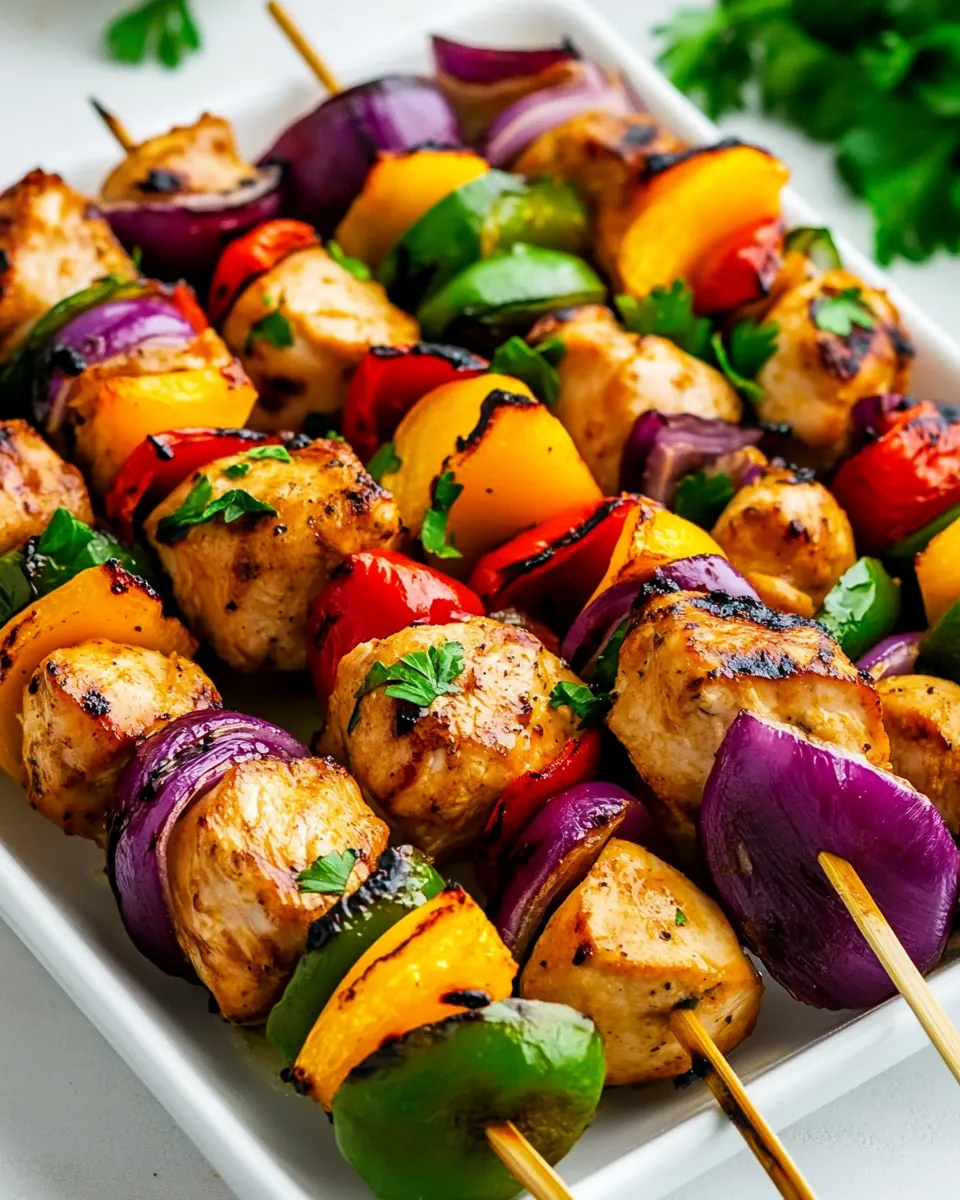
Grilled Chicken Kabobs hold a special place in my summer rotation, a simple recipe that always brings people together around the grill. I remember the first time I threaded those glossy cubes of chicken onto skewers for a neighborhood potluck, the scent of smoked paprika and grilled vegetables drawing a curious crowd. The contrast between charred edges and juicy interiors made everyone ask for the recipe, and that night I learned that quick marinades and hot coals can do most of the heavy lifting.
I like to tell stories about food while I cook, and these Grilled Chicken Kabobs are a storytelling tool. There is something comforting about the rhythm of cutting vegetables, assembling skewers, and hearing the initial sizzle when they hit the grill. I often slide a few extra slices of zucchini and pieces of bell peppers onto a skewer for myself, because those caramelized bits taste like summer in a bite. Over the years I have nudged the seasoning, swapped cut sizes, and tested brining times, all to keep that tender result every time.
When friends ask for an easy weeknight option that still feels celebratory, I point them to these Grilled Chicken Kabobs. They are forgiving, quick to assemble, and perfect for serving with plain rice or a bright salad. I never skip the brief brine step, because it makes a noticeable difference in juiciness, and I always remind people to keep an eye on the grill so the chicken stays moist. These skewers are equally at home at a casual backyard barbecue or a small family dinner, and I hope you find them as satisfying as I do.
Recipe Snapshot
40 mins
15 mins
25 mins
Easy
300 kcal
American
Keto, Paleo
Dinner
Skewers, Grill, sharp knife, Kitchen tongs
What Makes This Grilled Chicken Kabobs Special
A fast crowd pleaser
I love these Grilled Chicken Kabobs because they come together quickly, yet they feel like a party on a plate. You can feed a group without fuss, and the simple marinade lifts the natural flavors of the chicken and vegetables. I often lean on this recipe when I need something that is both approachable and impressive.
Balanced flavors and textures
The combination of smoky paprika, bright garlic powder, and a touch of salt creates a rounded profile that complements the crisp tenderness of grilled zucchini and the sweet bite of roasted bell peppers. I like how every bite pairs a juicy chicken cube with a slightly charred vegetable, offering contrasting textures that keep things interesting.
Flexible and forgiving
One of the reasons I return to these Grilled Chicken Kabobs is their flexibility. You can adjust the spice level, swap seasonings, and change the vegetable mix without breaking the recipe. The technique tolerates slight timing differences, so even if your grill runs hotter or cooler, you can still end up with tender results.
Great for meal prep and gatherings
I often double the batch because leftover skewers reheat beautifully and make for easy lunches during busy weeks. When guests arrive, I can grill an extra tray and keep a steady flow of hot chicken coming. The skewers present well, which saves time on plating and makes entertaining feel effortless.
Simple ingredients, big payoff
There is beauty in using a short ingredient list and letting technique do the heavy lifting. With just a few pantry staples and fresh produce, these Grilled Chicken Kabobs deliver a satisfying meal that tastes more complex than it is. I appreciate recipes that reward attention to small details, like brining and even cut sizes, because those steps yield reliably delicious results.
Everything You Need for Grilled Chicken Kabobs
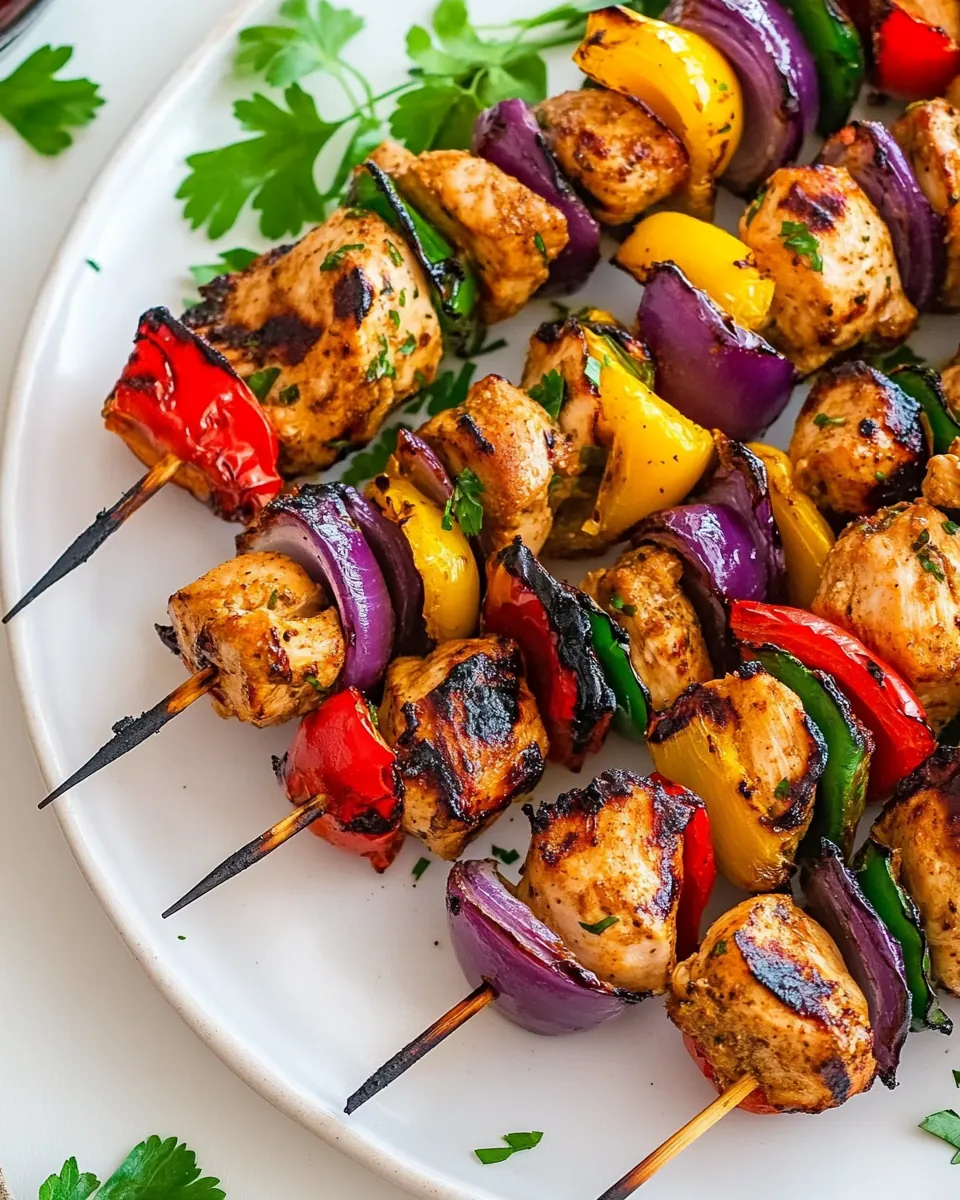
These ingredients are chosen to create harmony between char and juiciness. The key players are the chicken for protein, the zucchini, bell peppers, and onion for sweetness and texture, and a simple marinade that binds flavors without overpowering the natural tastes. Each item pulls a specific role, so measurements and prep matter.
- 3 tablespoons olive oil: Enhance flavor and aid in grilling by coating chicken and vegetables evenly; helps prevent sticking and promotes browning when heated. Provides a medium for distributing dry seasonings and contributes subtle fruity richness to the finished kabobs.
- 1 teaspoon garlic powder: Impart savory, aromatic depth and a mellow garlic note that blends well with other spices; helps build the overall seasoning profile without adding moisture. Distributes evenly over oil-coated ingredients to ensure consistent flavor on every skewer.
- 1 teaspoon smoked paprika: Add smoky warmth and mildly sweet undertones to the marinade, complementing grilled flavors and enhancing the chicken’s savory character. Works well with paprika’s color contribution to create an appealing char and appetizing appearance.
- 1 teaspoon salt: Season the dish for balanced savory taste and bring out natural flavors in the chicken and vegetables; aids in highlighting other spices. Helps control overall saltiness so other components like vegetables and chicken are properly seasoned.
- 1/2 teaspoon ground black pepper: Provide subtle heat and piquant complexity that brightens the overall flavor profile without overpowering; complements smoky paprika and garlic. Makes the kabobs more savory and well-rounded while preserving the natural tastes of the produce and meat.
- 1 zucchini sliced into 1/3 inch slices: Contribute tender, juicy vegetable texture and mild, slightly sweet flavor when grilled; slices cook quickly and take on charred edges that enhance presentation. Add moisture and contrast to the chicken pieces, balancing the skewer with a soft, yielding bite.
- 2 bell peppers sliced into 1-inch pieces: Bring vibrant color, crisp-tender texture, and sweet peppery notes when grilled; pieces hold shape well and develop caramelized edges for added flavor. Provide visual appeal and a crunchy contrast to the tender chicken on the kabobs.
- 1 onion quartered into 1-inch pieces: Offer sweet, aromatic layers and slightly soft texture when grilled; quarters develop caramelization that enhances savory depth. Add a complementary savory-sweet component that pairs well with both chicken and other vegetables on the skewer.
- 1 1/2 pounds chicken breasts skinless boneless – cubed into 1-inch pieces: Supply lean protein and a neutral canvas for marinades and spices; cubes cook evenly on skewers and take on charred grill marks for appealing texture. Serve as the main substantive element of the kabobs, delivering hearty, satisfying bites when cooked through.
Putting Together Grilled Chicken Kabobs
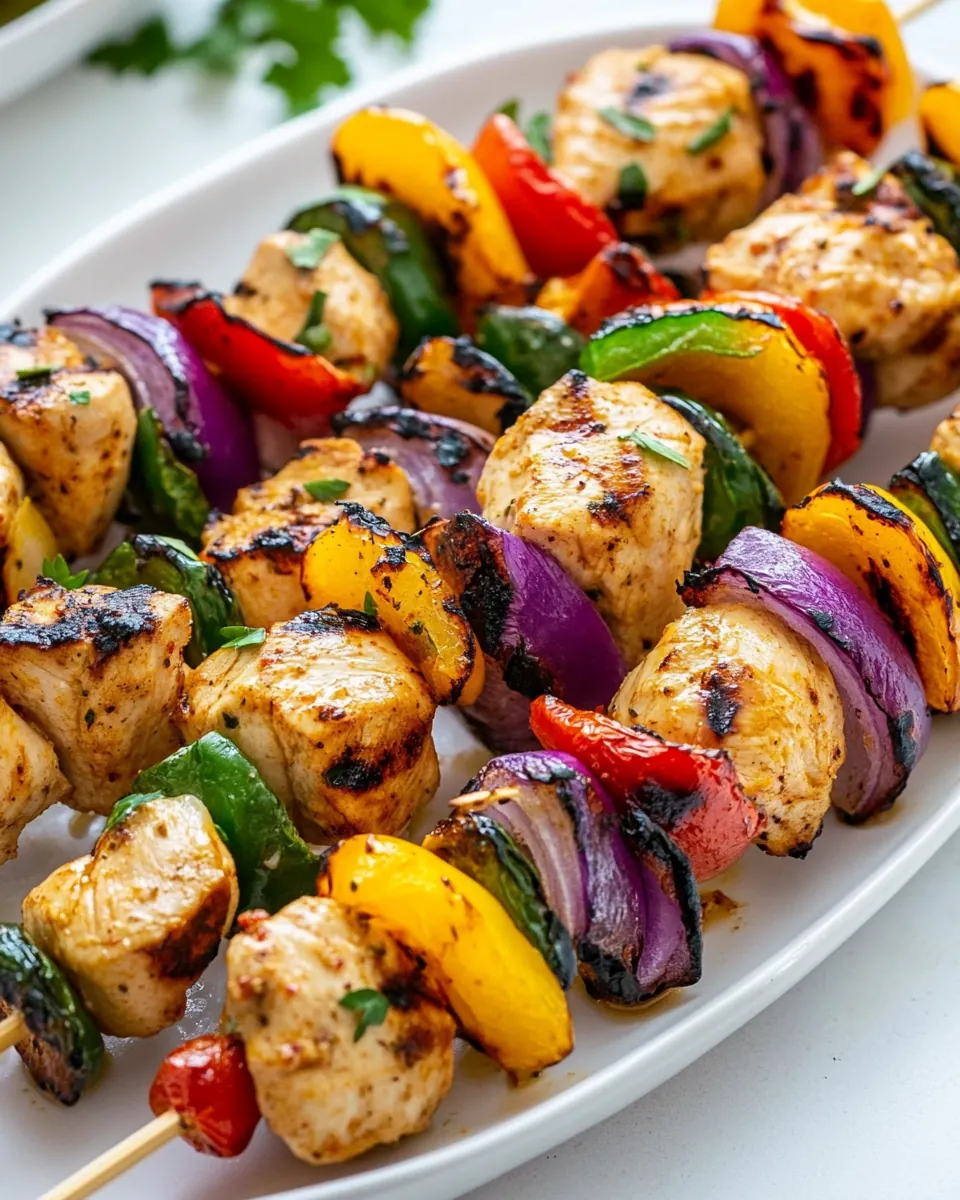
Assembling these skewers is an enjoyable rhythm that rewards patience. I like to lay out the ingredients and tools so each motion feels intentional. The following steps come from tested practice and will help you achieve juicy chicken and perfectly caramelized vegetables.
- Dissolve 1/4 cup of salt in 4 cups of lukewarm water. That is enough for 4 chicken breasts. Brine for at least 15 minutes (but you can do 2 hours if you have time), then rinse the chicken with fresh water and pat dry with paper towels.: The brine creates a slightly saline environment that encourages the chicken to retain moisture as it cooks, leading to noticeably juicier meat. You will sense a softening of the flesh after brining, and even a subtle weight change as the proteins bind water. A common mistake is using water that is too hot, which can partially cook the chicken , so keep it lukewarm. Rinse thoroughly after brining to remove excess surface salt, which prevents an over salty exterior once grilled.
- In a small bowl whisk the olive oil with garlic powder, paprika, salt, and pepper.: Short brines work wonders by allowing the chicken to absorb seasoning without altering texture. During a 15 minute soak you will notice the meat becoming slightly firmer and more resilient when handled. If you brine for longer up to two hours, the effect deepens, but do not exceed recommended times or the texture may change. Avoid skipping this step if you are looking for reliably tender results.
- Toss the vegetables in half of the marinade, and add the rest of the marinade to the chicken. Mix and make sure that everything is well coated.: Removing excess salt and surface brine is essential so the marinade can adhere and the grill can create a proper sear. Patting dry reduces moisture that would otherwise steam the chicken instead of browning it. A frequent oversight is not drying the pieces well enough, which results in uneven browning and a lack of attractive sear marks.
- Heat up the grill on medium-high heat or 375°F (190°C).: This marinade combines fats and dry spices, which helps coat the chicken and vegetables evenly. As you whisk, you will smell the paprika bloom and the garlic note will become more pronounced, signalling that the flavors are marrying. Over mixing is unnecessary, just emulsify briefly. Do not add wet aromatics that could overwhelm the balance or burn quickly on the grill.
- Place the skewers on your preheated grill, the grilling will take around 10-15 minutes turning halfway through. Make sure that the chicken is cooked through and is golden brown, but avoid overcooking the chicken as it can dry out and become tough. So keep a close eye on the chicken.: Marinating the zucchini , bell peppers , and onion allows them to pick up flavor and begin softening before the heat. You will notice the oil sheen and spice clinging to their surfaces, ensuring even charring and a flavorful crust. Avoid marinating vegetables for too long, as they can become limp; the goal is flavor uptake while preserving texture.
- Preheat the oven to 450°F (230°C), and cook for 20-25 minutes turning halfway through.: Coating the chicken ensures every cube absorbs seasoning and will brown attractively when grilled. The oil creates a barrier that promotes even heat conduction and prevents sticking. A common slip is overcrowding the bowl, which leads to uneven coating, so mix gently and allow each piece space to be covered.
- Mix and make sure that everything is well coated: Thorough mixing helps the spices distribute so each bite tastes consistent, and you will see the surface of both meat and veg glisten. This visual cue indicates readiness for skewering. If you notice clumps of seasoning, break them up to avoid concentrated salty spots. Uniform coating reduces the chance of some pieces being under seasoned.
- Heat up the grill on medium-high heat or 375°F (190°C): A properly preheated grill provides immediate contact heat that creates a flavorful crust while cooking the interior gently. You should hear a satisfying sizzle as the skewers touch the grates, and the smoke will amplify the paprika. A frequent mistake is grilling on too low heat, which results in gray steaming rather than caramelization, so wait until the grill reaches temperature.
- Place the skewers on your preheated grill: When the skewers meet the hot grates you will smell the marinade searing and see the edges begin to char within moments. Let them sit briefly to form grill marks before turning, this helps with texture and presentation. Avoid flipping too often, which prevents a stable crust from forming and can dry the chicken prematurely.
- The grilling will take around 10 to 15 minutes turning halfway through: Listen for a steady sizzle and observe the chicken turning opaque with browned edges; those are your visual cues for doneness. Rotate once to ensure even coloring, and probe the thickest chicken cube for firmness. Overcooking is the most common error here, so remove the skewers as soon as juices run clear and the texture springs back gently.
- Make sure that the chicken is cooked through and is golden brown: Internal doneness is crucial for safety and texture; the surface should be golden while the interior remains tender. If you own a thermometer, aim for 165°F or 75°C, which guarantees safe and juicy meat. Do not rely solely on color for doneness, as some pieces can brown before they are fully cooked inside.
- But avoid overcooking the chicken as it can dry out and become tough: Keep the chicken moist by removing skewers from high heat once they hit the right internal temperature and letting them rest briefly. Resting allows juices to redistribute, preserving tenderness. A common misstep is leaving skewers on the heat while plating, which continues to cook and dries the meat.
- So keep a close eye on the chicken: Active monitoring prevents surprise overcooking, and you will grow more confident as you learn the sound and look of perfectly grilled pieces. Look for slight charring and firm but yielding texture when pressed. Avoid stepping away from the grill during peak cooking moments, as flare ups or uneven hot spots can quickly alter results.
- Preheat the oven to 450°F (230°C): If you choose the oven finish, the high heat will mimic the grill's searing effect and finish cooking the chicken evenly. You will see the exterior deepen in color and the vegetables soften under direct radiant heat. One pitfall is using a lower oven temperature which prolongs cooking and risks drying the meat, so keep it hot.
- Cook for 20 to 25 minutes turning halfway through: In the oven the skewers will roast and caramelize while the interior reaches a safe temperature. Turn once to encourage uniform browning and to prevent one side from overcooking. A common error is placing skewers too close together on the pan, which causes steaming rather than roasting, so give them space for hot air to circulate.
Tips and Variations
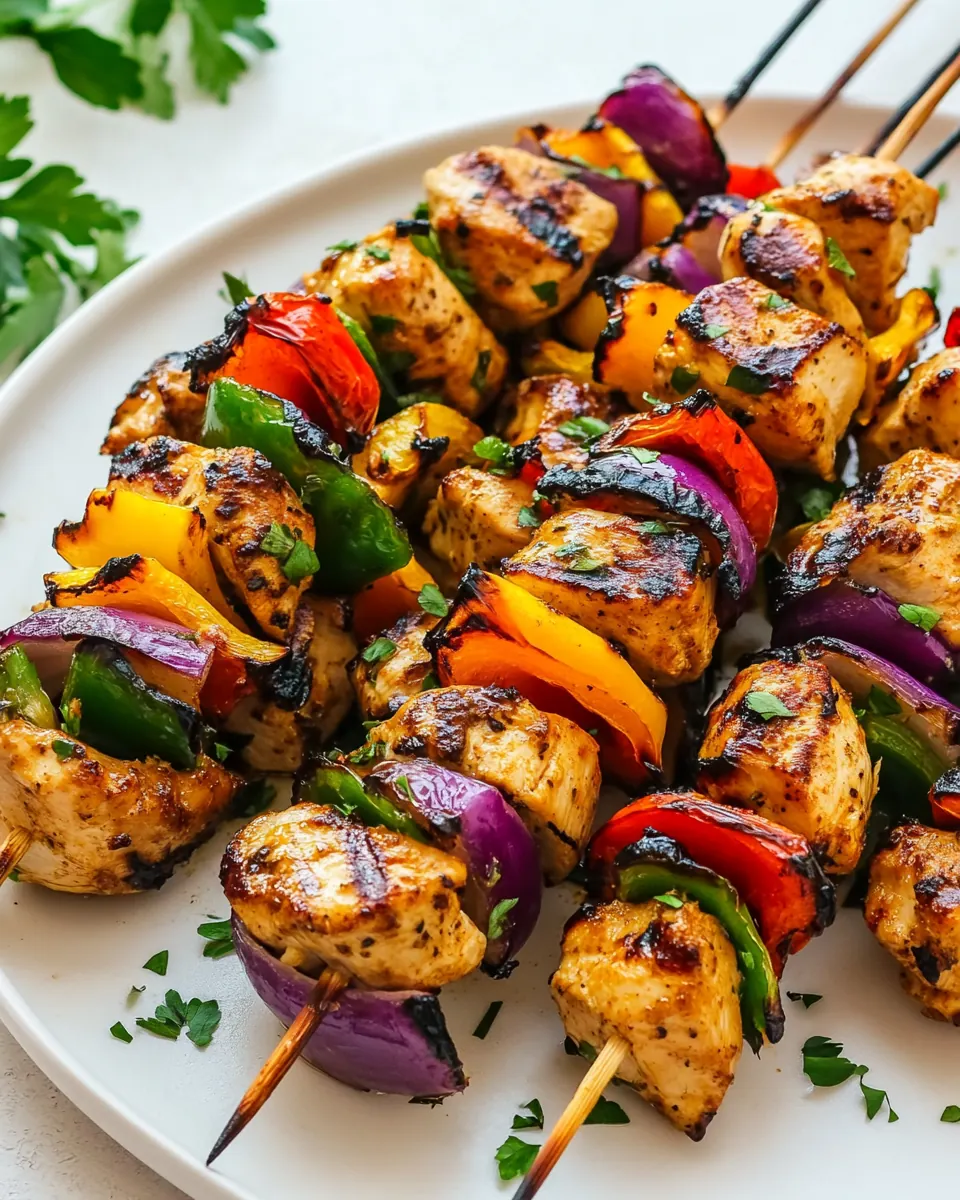
These tips help you customize and troubleshoot the Grilled Chicken Kabobs. Small adjustments make a noticeable difference in texture and flavor. Below are practical ideas to elevate your skewers and adapt to different occasions.
- Swap seasonings Use the note suggestions like Italian seasoning or shawarma blend to pivot the flavor profile quickly while keeping the same technique.
- Soak skewers If you are using bamboo, soak them for ten to thirty minutes to prevent burning and to keep the food stable on the grill.
- Check doneness with a thermometer Aim for an internal temperature of 165°F or 75°C to ensure safe, juicy chicken without overcooking.
- Use metal skewers carefully Metal transfers heat and cooks faster from the inside, so handle with tongs or a hot pad to avoid burns.
- Marinate vegetables briefly Toss veggies in half the marinade just long enough to pick up flavor but not so long they become soggy.
- Keep even sizes Cutting protein and veg into consistent one inch pieces promotes uniform cooking and prevents some items from drying out before others are done.
Serving Ideas for Grilled Chicken Kabobs
These skewers are adaptable to casual barbecues or more formal dinners. I like to present them warm with simple accompaniments so the seasoning remains the star. Below are serving approaches, pairings, and storage notes to help you plan the meal.
- Family dinner Serve the skewers alongside a bowl of steaming rice and a crisp salad for a balanced, everyday meal that satisfies both kids and adults.
- Backyard barbecue Arrange on a platter with lemon wedges and extra marinade for brushing, so guests can customize brightness and seasoning as they like.
- Meal prep Store kabobs in an airtight container in the fridge for up to three days for easy lunches that reheat well in a hot skillet or oven.
- Seasonal pairing In summer I match them with a fresh tomato salad or grilled corn, highlighting the peak produce and keeping the plate vibrant.
- Special occasions For gatherings, double the batch and keep finished skewers warm on a low oven rack set to 200°F or 95°C until ready to serve.
- Storage tip Cool the skewers slightly before refrigerating to prevent condensation from making the crust soggy, and reheat at high heat to revive the exterior.
FAQ
Conclusion
These Grilled Chicken Kabobs stand out for their simplicity and reliable results, marrying tender marinated chicken with caramelized vegetables for a satisfying summer meal. I encourage you to give them a try because small steps like a quick brine and even cuts deliver big improvements in juiciness and texture. Once you grill them a few times, you will find it easy to tweak seasonings or sides to suit your taste, making this a go to recipe for both casual dinners and larger gatherings. Enjoy the process and the delicious payoff.
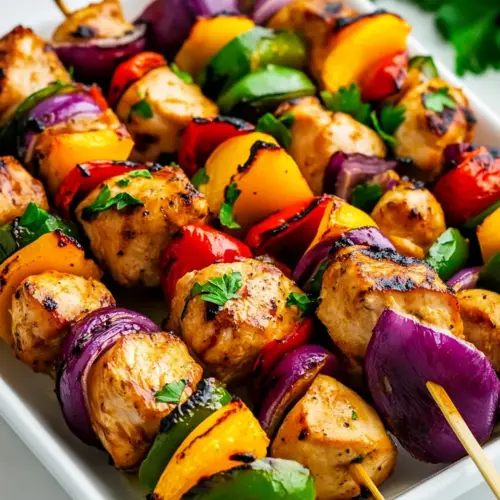
Grilled Chicken Kabobs
Equipment
- Skewers
- Grill
- Sharp Knife
- kitchen tongs
Ingredients
- 3 tablespoons olive oil Enhance flavor and aid in grilling by coating chicken and vegetables evenly; helps prevent sticking and promotes browning when heated. Provides a medium for distributing dry seasonings and contributes subtle fruity richness to the finished kabobs.
- 1 teaspoon garlic powder Impart savory, aromatic depth and a mellow garlic note that blends well with other spices; helps build the overall seasoning profile without adding moisture. Distributes evenly over oil-coated ingredients to ensure consistent flavor on every skewer.
- 1 teaspoon smoked paprika Add smoky warmth and mildly sweet undertones to the marinade, complementing grilled flavors and enhancing the chicken’s savory character. Works well with paprika’s color contribution to create an appealing char and appetizing appearance.
- 1 teaspoon salt Season the dish for balanced savory taste and bring out natural flavors in the chicken and vegetables; aids in highlighting other spices. Helps control overall saltiness so other components like vegetables and chicken are properly seasoned.
- 1/2 teaspoon ground black pepper Provide subtle heat and piquant complexity that brightens the overall flavor profile without overpowering; complements smoky paprika and garlic. Makes the kabobs more savory and well-rounded while preserving the natural tastes of the produce and meat.
- 1 zucchini sliced into 1/3 inch slices Contribute tender, juicy vegetable texture and mild, slightly sweet flavor when grilled; slices cook quickly and take on charred edges that enhance presentation. Add moisture and contrast to the chicken pieces, balancing the skewer with a soft, yielding bite.
- 2 bell peppers sliced into 1-inch pieces Bring vibrant color, crisp-tender texture, and sweet peppery notes when grilled; pieces hold shape well and develop caramelized edges for added flavor. Provide visual appeal and a crunchy contrast to the tender chicken on the kabobs.
- 1 onion quartered into 1-inch pieces Offer sweet, aromatic layers and slightly soft texture when grilled; quarters develop caramelization that enhances savory depth. Add a complementary savory-sweet component that pairs well with both chicken and other vegetables on the skewer.
- 1 1/2 pounds chicken breasts skinless boneless – cubed into 1-inch pieces Supply lean protein and a neutral canvas for marinades and spices; cubes cook evenly on skewers and take on charred grill marks for appealing texture. Serve as the main substantive element of the kabobs, delivering hearty, satisfying bites when cooked through.
Instructions
- Dissolve 1/4 cup of salt in 4 cups of lukewarm water. That is enough for 4 chicken breasts. Brine for at least 15 minutes (but you can do 2 hours if you have time), then rinse the chicken with fresh water and pat dry with paper towels.: The brine creates a slightly saline environment that encourages the chicken to retain moisture as it cooks, leading to noticeably juicier meat. You will sense a softening of the flesh after brining, and even a subtle weight change as the proteins bind water. A common mistake is using water that is too hot, which can partially cook the chicken , so keep it lukewarm. Rinse thoroughly after brining to remove excess surface salt, which prevents an over salty exterior once grilled.
- In a small bowl whisk the olive oil with garlic powder, paprika, salt, and pepper.: Short brines work wonders by allowing the chicken to absorb seasoning without altering texture. During a 15 minute soak you will notice the meat becoming slightly firmer and more resilient when handled. If you brine for longer up to two hours, the effect deepens, but do not exceed recommended times or the texture may change. Avoid skipping this step if you are looking for reliably tender results.
- Toss the vegetables in half of the marinade, and add the rest of the marinade to the chicken. Mix and make sure that everything is well coated.: Removing excess salt and surface brine is essential so the marinade can adhere and the grill can create a proper sear. Patting dry reduces moisture that would otherwise steam the chicken instead of browning it. A frequent oversight is not drying the pieces well enough, which results in uneven browning and a lack of attractive sear marks.
- Heat up the grill on medium-high heat or 375°F (190°C).: This marinade combines fats and dry spices, which helps coat the chicken and vegetables evenly. As you whisk, you will smell the paprika bloom and the garlic note will become more pronounced, signalling that the flavors are marrying. Over mixing is unnecessary, just emulsify briefly. Do not add wet aromatics that could overwhelm the balance or burn quickly on the grill.
- Place the skewers on your preheated grill, the grilling will take around 10-15 minutes turning halfway through. Make sure that the chicken is cooked through and is golden brown, but avoid overcooking the chicken as it can dry out and become tough. So keep a close eye on the chicken.: Marinating the zucchini , bell peppers , and onion allows them to pick up flavor and begin softening before the heat. You will notice the oil sheen and spice clinging to their surfaces, ensuring even charring and a flavorful crust. Avoid marinating vegetables for too long, as they can become limp; the goal is flavor uptake while preserving texture.
- Preheat the oven to 450°F (230°C), and cook for 20-25 minutes turning halfway through.: Coating the chicken ensures every cube absorbs seasoning and will brown attractively when grilled. The oil creates a barrier that promotes even heat conduction and prevents sticking. A common slip is overcrowding the bowl, which leads to uneven coating, so mix gently and allow each piece space to be covered.
- Mix and make sure that everything is well coated: Thorough mixing helps the spices distribute so each bite tastes consistent, and you will see the surface of both meat and veg glisten. This visual cue indicates readiness for skewering. If you notice clumps of seasoning, break them up to avoid concentrated salty spots. Uniform coating reduces the chance of some pieces being under seasoned.
- Heat up the grill on medium-high heat or 375°F (190°C): A properly preheated grill provides immediate contact heat that creates a flavorful crust while cooking the interior gently. You should hear a satisfying sizzle as the skewers touch the grates, and the smoke will amplify the paprika. A frequent mistake is grilling on too low heat, which results in gray steaming rather than caramelization, so wait until the grill reaches temperature.
- Place the skewers on your preheated grill: When the skewers meet the hot grates you will smell the marinade searing and see the edges begin to char within moments. Let them sit briefly to form grill marks before turning, this helps with texture and presentation. Avoid flipping too often, which prevents a stable crust from forming and can dry the chicken prematurely.
- The grilling will take around 10 to 15 minutes turning halfway through: Listen for a steady sizzle and observe the chicken turning opaque with browned edges; those are your visual cues for doneness. Rotate once to ensure even coloring, and probe the thickest chicken cube for firmness. Overcooking is the most common error here, so remove the skewers as soon as juices run clear and the texture springs back gently.
- Make sure that the chicken is cooked through and is golden brown: Internal doneness is crucial for safety and texture; the surface should be golden while the interior remains tender. If you own a thermometer, aim for 165°F or 75°C, which guarantees safe and juicy meat. Do not rely solely on color for doneness, as some pieces can brown before they are fully cooked inside.
- But avoid overcooking the chicken as it can dry out and become tough: Keep the chicken moist by removing skewers from high heat once they hit the right internal temperature and letting them rest briefly. Resting allows juices to redistribute, preserving tenderness. A common misstep is leaving skewers on the heat while plating, which continues to cook and dries the meat.
- So keep a close eye on the chicken: Active monitoring prevents surprise overcooking, and you will grow more confident as you learn the sound and look of perfectly grilled pieces. Look for slight charring and firm but yielding texture when pressed. Avoid stepping away from the grill during peak cooking moments, as flare ups or uneven hot spots can quickly alter results.
- Preheat the oven to 450°F (230°C): If you choose the oven finish, the high heat will mimic the grill's searing effect and finish cooking the chicken evenly. You will see the exterior deepen in color and the vegetables soften under direct radiant heat. One pitfall is using a lower oven temperature which prolongs cooking and risks drying the meat, so keep it hot.
- Cook for 20 to 25 minutes turning halfway through: In the oven the skewers will roast and caramelize while the interior reaches a safe temperature. Turn once to encourage uniform browning and to prevent one side from overcooking. A common error is placing skewers too close together on the pan, which causes steaming rather than roasting, so give them space for hot air to circulate.
Notes
- Swap seasonings Use the note suggestions like Italian seasoning or shawarma blend to pivot the flavor profile quickly while keeping the same technique.
- Soak skewers If you are using bamboo, soak them for ten to thirty minutes to prevent burning and to keep the food stable on the grill.
- Check doneness with a thermometer Aim for an internal temperature of 165°F or 75°C to ensure safe, juicy chicken without overcooking.
- Use metal skewers carefully Metal transfers heat and cooks faster from the inside, so handle with tongs or a hot pad to avoid burns.
- Marinate vegetables briefly Toss veggies in half the marinade just long enough to pick up flavor but not so long they become soggy.
- Keep even sizes Cutting protein and veg into consistent one inch pieces promotes uniform cooking and prevents some items from drying out before others are done.