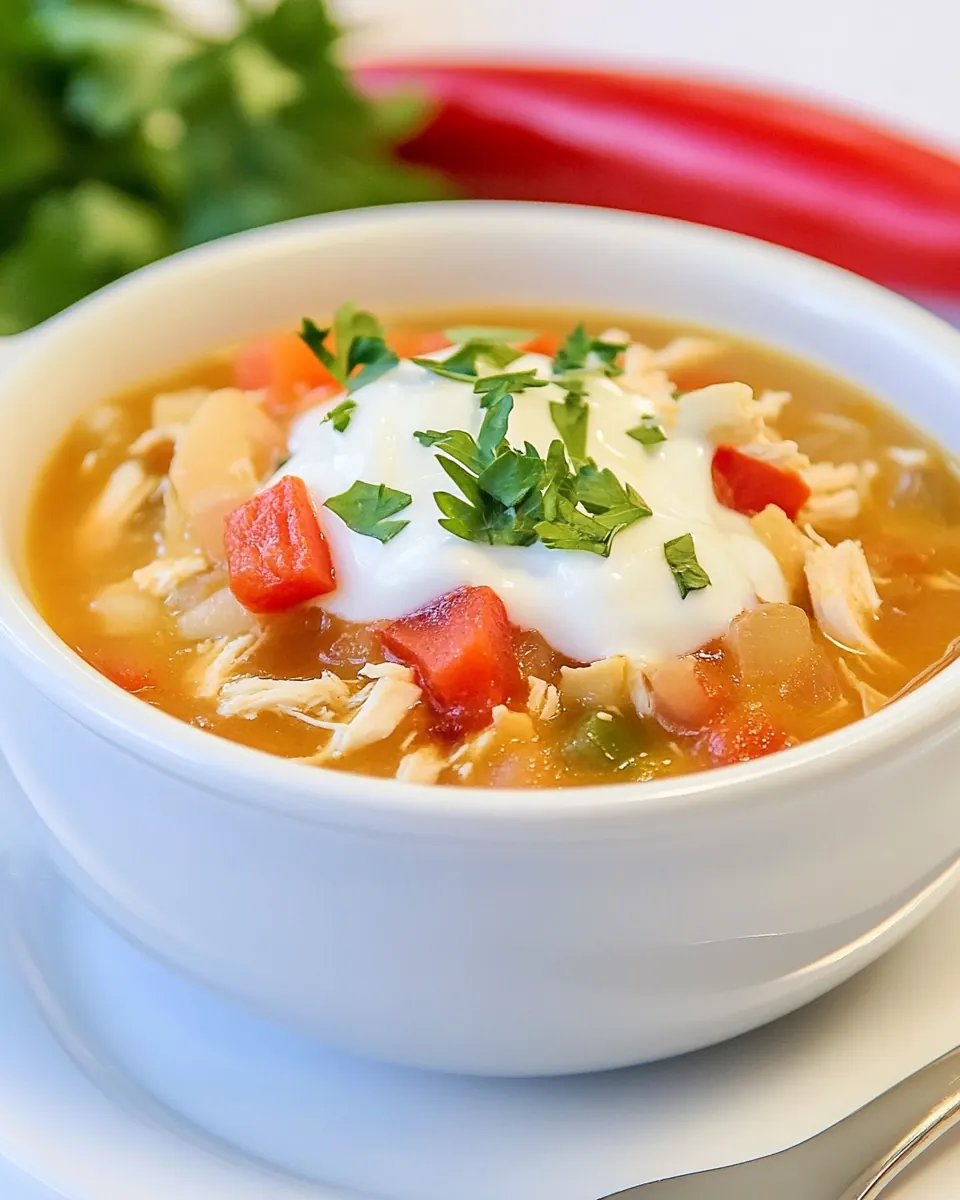
Ruby Tuesday White Chicken Chili
Ruby Tuesday White Chicken Chili is the kind of bowl I reach for on slow, chilly evenings when I want something warm, filling, and a little nostalgic. I remember the first time I chased the flavors of a restaurant white chili at home, testing bean textures and adjusting spice levels until the balance felt just right. That trial and error taught me to trust slow simmering, and why a long, patient stew rewards you with depth and comfort.
There are meals that feel like a reward, and this version of Ruby Tuesday White Chicken Chili has become one of those in my kitchen. I love how the aroma of chicken stock and garlic fills the house while the beans soften quietly on the stove. When friends come over, the kitchen fills with conversation as the pot simmers, and by the time we sit down, the chili has developed layers that a quick simmer simply cannot replicate.
Making Ruby Tuesday White Chicken Chili at home also gave me freedom to tune the heat and texture. I dial up the warmth with jalapeno peppers and a touch of cayenne pepper, but I never let the spices drown the tender bites of chicken and the creamy beans. That balance is what makes this recipe feel both restaurant worthy and perfectly cozy for a weeknight.
Recipe Snapshot
2 hr 20 mins
10 mins
130 mins
Hard
350 kcal
American
Gluten-Free, Low FODMAP
Dinner
Large pot, Skillet, Wooden spoon
Why This Ruby Tuesday White Chicken Chili Works
Comforting, with restaurant depth
I adore how this dish mimics that hearty, restaurant style warmth, yet still feels homemade. The long simmer of the beans in rich chicken stock creates a base that is deeply savory, a foundation many quick soups lack. I often think of it as the difference between a good night and a great one; it soothes and satisfies in equal measure.
Layered flavors that evolve
We get real flavor complexity from simple techniques. Sautéing the peppers with the aromatics releases their sugars and softens their edge, which mingles beautifully with the dried spices. I love that initial pepper scent when they hit the hot vegetable oil, it tells you the chili is beginning to bloom.
Texture contrasts that matter
The tender yet intact beans combined with shredded chicken make every spoonful interesting. I appreciate a chili that is neither too soupy nor too thick, and this one hits a sweet spot. That combination keeps the mouthfeel lively and comforting at the same time.
Customizable heat and garnish
I value flexibility, and this recipe delivers. You can nudge the spice up or down with the chopped jalapeno peppers and cayenne pepper, and the garnishes like Sour cream and shredded Monterey Jack cheese offer cool creaminess to counter the heat. I always recommend tasting as you go, because that is where you make it your own.
Great for crowds and quiet nights alike
Because it stretches well and keeps its flavor after standing, this chili is as welcome at a family gathering as it is for a solo bowl on a midweek evening. I’ve made big pots for friends, and smaller versions when I want dinner to feed my comfort rather than an audience.
Everything You Need for Ruby Tuesday White Chicken Chili
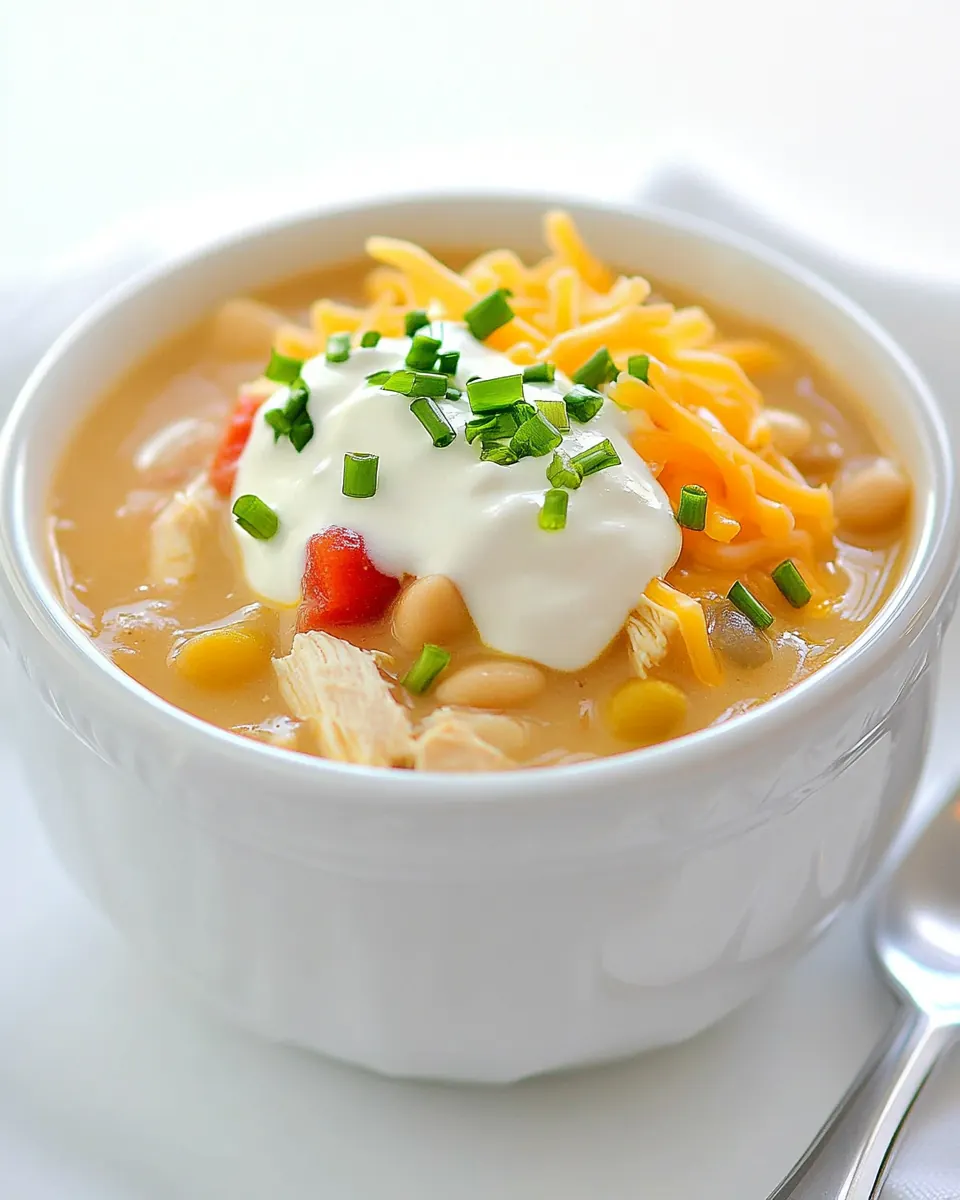
These ingredients form a simple, harmonious ensemble. The beans and chicken are the hearty backbone, while the aromatics and spices bring warmth and brightness. I like to think of the chicken stock as the conductor, pulling the other players together so each spoonful tastes cohesive and balanced.
- 1 pound great northern beans soaked in water: Soaked and tender to ensure even cooking and a creamy texture; adds hearty body and plant-based protein to the chili. Rinsed after soaking to remove excess starch and reduce gas-causing compounds, then simmered until soft to meld flavors.
- 1 1/2 cups chopped Spanish onion divided: Chopped and divided to provide both a savory base and a fresher, milder finish; releases sweetness and aroma when sautéed and offers crunchy, aromatic bites when added later. Caramelized portion deepens the soup’s flavor while reserved portion brightens texture.
- 2 teaspoons minced garlic divided: Minced and divided to impart a pungent, savory depth when cooked and a fresher garlic note when added later; develops complexity and umami in the chili. Lightly sautéed to mellow harshness and distributed to layer flavor throughout the dish.
- 6 cups chicken stock: Simmered as the primary liquid medium to cook beans and meld seasonings; supplies a savory backbone and depth of flavor compared with water. Can be adjusted for saltiness and richness to complement the chicken and beans.
- 2 jalapeno peppers chopped: Chopped to provide bright heat and a vegetal, slightly grassy flavor; contributes lively spice without overwhelming the dish when seeds are removed. Adds textural contrast and pairs well with cumin and oregano in southwestern-style chiles.
- 2 chili peppers diced: Diced to add additional heat and a varied chili flavor profile, offering a more complex spice character than jalapeños alone. Helps build layered heat and a touch of fruity or smoky notes depending on the variety used.
- 1 1/2 teaspoons oregano: Sprinkled to introduce an earthy, slightly minty herbaceousness that complements the beans and chicken; balances rich and spicy elements. Used in small amounts to avoid overpowering while enhancing overall savory depth.
- 2 teaspoons cumin: Added to bring warm, aromatic earthiness and a characteristic southwestern flavor; helps harmonize the chili peppers and chicken. Toasted lightly in the oil at the start to release oils and maximum flavor impact.
- 1/2 teaspoon cayenne pepper: Measured to contribute focused heat and a sharp, lingering spiciness; used sparingly for controlled warmth throughout the chili. Balances flavor complexity without dominating the overall profile when adjusted to taste.
- 1 tablespoon vegetable oil: Heated to create a flavorful base by softening aromatics and blooming spices; provides a slick surface for sautéing onions, garlic, and peppers. Chosen for neutral flavor and high smoke point to ensure even cooking.
- 6 cups diced cooked chicken: Diced and pre-cooked to furnish protein, tender texture, and savory richness; absorbs the chili’s flavors while keeping the stew substantial and satisfying. Added toward the end to prevent drying and to meld with the broth and seasonings.
- 1 cup salsa: Stirred in to contribute tangy, tomato-based brightness, moisture, and subtle spice; helps deglaze the pan and round out savory flavors. Adjusted in quantity to control acidity and overall flavor balance.
- salt and pepper to taste: Seasoned to adjust and enhance overall savory balance and to personalize heat and salinity; applied gradually during cooking and tasted for final adjustments. Fine-tuning with salt and pepper lifts all other ingredients and sharpens flavors.
- Sour cream (garnish): Spoonable as a cool, creamy garnish that tempers heat and adds a smooth, tangy counterpoint to spicy, savory chili. Dolloped on top before serving to provide richness and visual contrast.
- shredded Monterey Jack cheese (garnish): Sprinkled as a melty, mild-tasting topping that adds creaminess and a subtle sharpness; enhances mouthfeel and presentation when melted over hot chili. Used as a finishing touch to complement the sour cream and complete each bowl.
Cooking Method for Ruby Tuesday White Chicken Chili
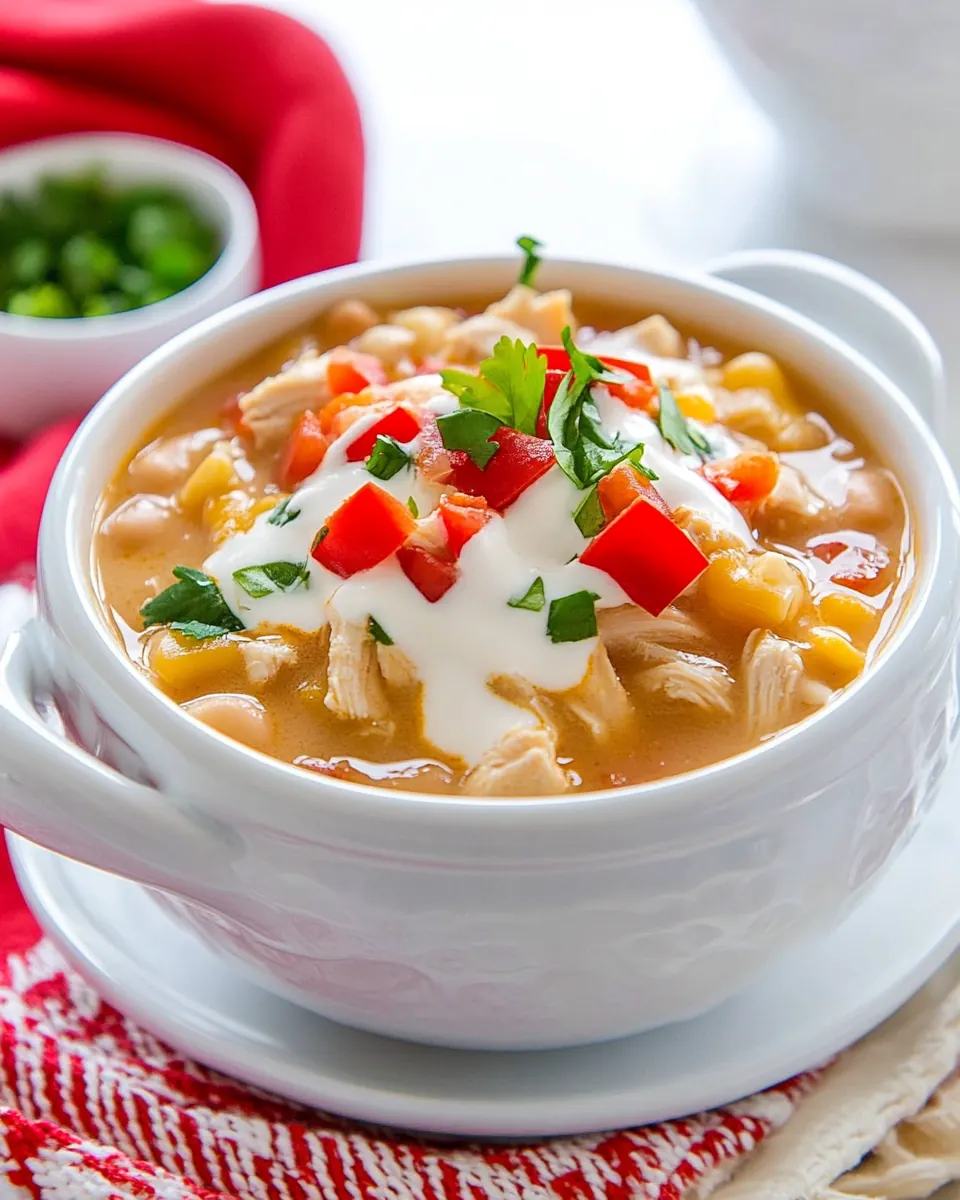
This chili rewards patience and attention, so plan for a long simmer and gentle builds of flavor. I like to move deliberately through each stage, noting the aromas and textures, because the small details are what transform simple ingredients into something memorable. Follow the sequence below, and I promise you will end up with a bowl that tastes like it has been slow crafted.
- Simmer the beans, 3/4 cup onions, and 1/2 teaspoon garlic in the chicken stock for 2 hours, or until the beans soften, stirring frequently.: As the pot comes to a gentle bubble the air will fill with a toasty, savory scent that hints the base is forming, and you will notice the beans losing their chalky edge and becoming creamy. This long, low simmer breaks down starches, which thickens the liquid naturally and deepens flavor in a way quick cooking cannot replicate. Stirring frequently prevents beans from settling and sticking to the bottom, which would scorch and impart bitterness. A common mistake is maintaining too high a boil, which can split the beans and make the broth cloudy instead of silky; keep heat low and patient.
- Sauté the peppers, spices, and the remaining onions and garlic in the oil.: When the oil shimmers, add the chopped peppers and the reserved onions and garlic, and you will hear a lively sizzle as they meet the hot surface. The smell changes almost immediately, becoming bright and piquant as the spices bloom in the fat, releasing their essential oils and becoming far more aromatic than when raw. This step is critical because it builds an immediate layer of flavor that infuses the whole pot later on. Watch for softening and a touch of color on the vegetables, but avoid dark browning which can introduce bitterness; moderate heat and steady stirring will help.
- Add the sautéed peppers and onions to the chili.: As you fold the sautéed mix into the bean pot the fragrance deepens, and you will notice the broth takes on a slightly thicker, glossy look as the cooked aromatics dissolve into it. This melding harmonizes the freshly released pepper oils with the slow cooked bean broth, creating a rounded, complex base. The why here is simple, the hot sautéed mixture carries concentrated flavor that re distributes through the chili, elevating the overall profile. The usual pitfall is adding cold sauté straight in and cooling the pot down too quickly, so ensure everything is warm when combined.
- Add the chicken and salsa to the chili. Stir to combine.: The warm chicken and the tangy salsa integrate into the broth, and you will notice pockets of acidity and tomato brightness that lift the dish. Gentle stirring breaks the chicken into bite sized pieces that soak up the broth, making each mouthful satisfying. This integration step keeps textures balanced, preventing the meat from clumping or the salsa from settling in one area. A common error is adding cold chicken which can shock the pot and lower the overall temperature, so make sure the meat is warm or bring the chili back to a gentle simmer afterwards.
- Simmer for one more hour, and season with salt and pepper to taste.: During this final long simmer the layers truly come together, and the aroma will become deep and concentrated, with background notes of toasted cumin and mellowed garlic. The broth should have reduced slightly and feel velvety on the spoon, and the beans should be uniformly tender. This resting simmer allows flavors to marry and gives time for salt to reveal where adjustments are needed. Avoid rushing this finishing hour, because early termination keeps flavors from fully integrating; if the chili is too thin, simmer uncovered briefly to reach desired texture.
- Garnish each bowl with sour cream and shredded Monterey Jack cheese.: A final contrast of cool, creamy Sour cream and melty Monterey Jack cheese brightens each serving, softening heat and adding luscious mouthfeel. The sensory payoff is immediate, as cold cream meets hot chili, and the cheese melts into ribbons, enriching the broth. Garnishes also let you tailor each bowl to taste, adding richness or tempering spice. One mistake is stirring them all in too early which dilutes their textural impact, so add them right before serving for the best effect.
Substitutions and Tips
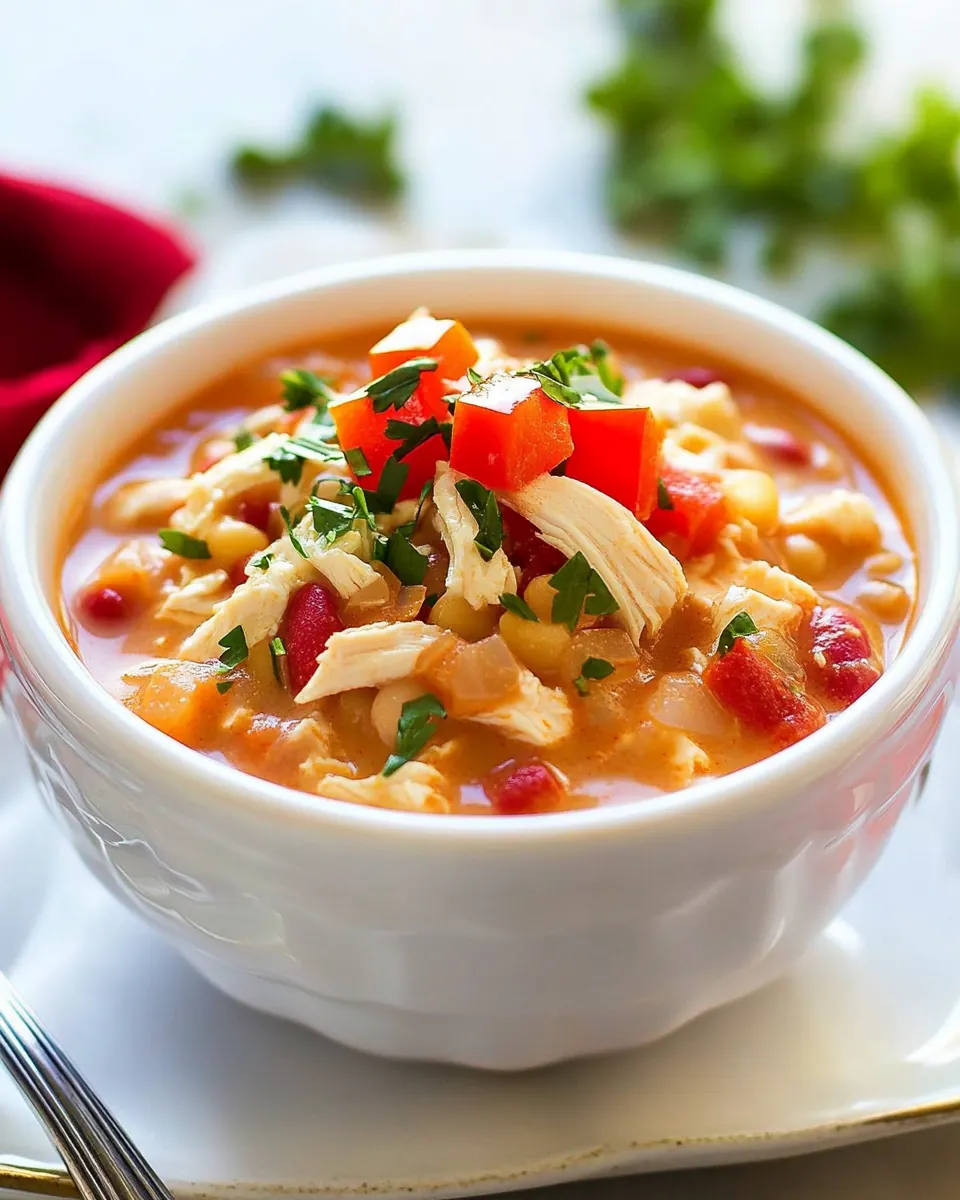
I like sharing practical pointers because small tweaks make a big difference. Below are extended tips and clarifications that come from repeated cooking sessions with this recipe. I expanded the note you provided into clear, kitchen ready advice.
- Respect soaking: If you are short on time, you can quick soak the beans by boiling them for a few minutes then letting them sit covered for an hour, but I still prefer an overnight soak for best texture.
- Control the heat: Adjust the number of seeds in the jalapeno peppers and the amount of cayenne pepper to tune spiciness; start low and increase after tasting.
- Salsa choice matters: Choose a salsa with brightness and moderate salt to complement the broth, and avoid overly sweet commercial varieties that can throw off balance.
- Chicken preparation: Use leftover roasted or poached chicken for convenience; warm it before adding so the final simmer only needs to meld flavors, not cook raw meat.
- Storage and reheating: Chili often tastes better the next day; store in an airtight container in the refrigerator for up to four days, and reheat gently on the stove, adding a splash of stock if it thickens too much.
- Garnish strategy: Offer Sour cream and shredded Monterey Jack cheese at the table so guests can tailor creaminess and richness to preference.
Pairing Suggestions for Ruby Tuesday White Chicken Chili
This chili pairs beautifully with simple sides and works for many occasions, from casual family dinners to post prayer meals during Ramadan. Think texture contrasts and complementary flavors when planning what to serve alongside it.
- Crusty bread or warm tortillas: Offer slices of bread or soft warm tortillas for dipping and scooping, they add a satisfying chew and soak up the savory broth.
- Fresh salad: A crisp, lightly dressed green salad provides a refreshing counterpoint to the chili s warm, rich profile, especially if the salad has a bright citrus or vinegar dressing.
- Rice: Plain steamed rice or a light cilantro lime rice pairs well, stretching servings and mellowing the spice for more sensitive eaters.
- Occasions: This dish is perfect for winter gatherings, game day, potlucks, and comforting weeknight dinners; it scales well whether you re feeding a family or a crowd.
- Storage tips: Cool fully before refrigerating in airtight containers, and reheat gently on the stove to preserve bean texture and chicken juiciness.
- Seasonal pairings: In colder months serve with warming sides like roasted vegetables, while in milder seasons keep sides light and bright to balance the hearty chili.
FAQ
Conclusion
This version of Ruby Tuesday White Chicken Chili stands out for its comforting creaminess and well layered flavors that come from slow simmering and careful sautéing. Give it the time it asks for, and you ll be rewarded with a bowl that is both hearty and nuanced, perfect for cold nights or casual gatherings. I hope you try it soon and enjoy the way the beans, spices, and tender chicken come together into something familiar yet special.

Ruby Tuesday White Chicken Chili
Equipment
- Large Pot
- Skillet
- Wooden Spoon
Ingredients
- 1 pound great northern beans soaked in water Soaked and tender to ensure even cooking and a creamy texture; adds hearty body and plant-based protein to the chili. Rinsed after soaking to remove excess starch and reduce gas-causing compounds, then simmered until soft to meld flavors.
- 1 1/2 cups chopped Spanish onion divided Chopped and divided to provide both a savory base and a fresher, milder finish; releases sweetness and aroma when sautéed and offers crunchy, aromatic bites when added later. Caramelized portion deepens the soup’s flavor while reserved portion brightens texture.
- 2 teaspoons minced garlic divided Minced and divided to impart a pungent, savory depth when cooked and a fresher garlic note when added later; develops complexity and umami in the chili. Lightly sautéed to mellow harshness and distributed to layer flavor throughout the dish.
- 6 cups chicken stock Simmered as the primary liquid medium to cook beans and meld seasonings; supplies a savory backbone and depth of flavor compared with water. Can be adjusted for saltiness and richness to complement the chicken and beans.
- 2 jalapeno peppers chopped Chopped to provide bright heat and a vegetal, slightly grassy flavor; contributes lively spice without overwhelming the dish when seeds are removed. Adds textural contrast and pairs well with cumin and oregano in southwestern-style chiles.
- 2 chili peppers diced Diced to add additional heat and a varied chili flavor profile, offering a more complex spice character than jalapeños alone. Helps build layered heat and a touch of fruity or smoky notes depending on the variety used.
- 1 1/2 teaspoons oregano Sprinkled to introduce an earthy, slightly minty herbaceousness that complements the beans and chicken; balances rich and spicy elements. Used in small amounts to avoid overpowering while enhancing overall savory depth.
- 2 teaspoons cumin Added to bring warm, aromatic earthiness and a characteristic southwestern flavor; helps harmonize the chili peppers and chicken. Toasted lightly in the oil at the start to release oils and maximum flavor impact.
- 1/2 teaspoon cayenne pepper Measured to contribute focused heat and a sharp, lingering spiciness; used sparingly for controlled warmth throughout the chili. Balances flavor complexity without dominating the overall profile when adjusted to taste.
- 1 tablespoon vegetable oil Heated to create a flavorful base by softening aromatics and blooming spices; provides a slick surface for sautéing onions, garlic, and peppers. Chosen for neutral flavor and high smoke point to ensure even cooking.
- 6 cups diced cooked chicken Diced and pre-cooked to furnish protein, tender texture, and savory richness; absorbs the chili’s flavors while keeping the stew substantial and satisfying. Added toward the end to prevent drying and to meld with the broth and seasonings.
- 1 cup salsa Stirred in to contribute tangy, tomato-based brightness, moisture, and subtle spice; helps deglaze the pan and round out savory flavors. Adjusted in quantity to control acidity and overall flavor balance.
- salt and pepper to taste Seasoned to adjust and enhance overall savory balance and to personalize heat and salinity; applied gradually during cooking and tasted for final adjustments. Fine-tuning with salt and pepper lifts all other ingredients and sharpens flavors.
- Sour cream (garnish) Spoonable as a cool, creamy garnish that tempers heat and adds a smooth, tangy counterpoint to spicy, savory chili. Dolloped on top before serving to provide richness and visual contrast.
- shredded Monterey Jack cheese (garnish) Sprinkled as a melty, mild-tasting topping that adds creaminess and a subtle sharpness; enhances mouthfeel and presentation when melted over hot chili. Used as a finishing touch to complement the sour cream and complete each bowl.
Instructions
- Simmer the beans, 3/4 cup onions, and 1/2 teaspoon garlic in the chicken stock for 2 hours, or until the beans soften, stirring frequently.: As the pot comes to a gentle bubble the air will fill with a toasty, savory scent that hints the base is forming, and you will notice the beans losing their chalky edge and becoming creamy. This long, low simmer breaks down starches, which thickens the liquid naturally and deepens flavor in a way quick cooking cannot replicate. Stirring frequently prevents beans from settling and sticking to the bottom, which would scorch and impart bitterness. A common mistake is maintaining too high a boil, which can split the beans and make the broth cloudy instead of silky; keep heat low and patient.
- Sauté the peppers, spices, and the remaining onions and garlic in the oil.: When the oil shimmers, add the chopped peppers and the reserved onions and garlic, and you will hear a lively sizzle as they meet the hot surface. The smell changes almost immediately, becoming bright and piquant as the spices bloom in the fat, releasing their essential oils and becoming far more aromatic than when raw. This step is critical because it builds an immediate layer of flavor that infuses the whole pot later on. Watch for softening and a touch of color on the vegetables, but avoid dark browning which can introduce bitterness; moderate heat and steady stirring will help.
- Add the sautéed peppers and onions to the chili.: As you fold the sautéed mix into the bean pot the fragrance deepens, and you will notice the broth takes on a slightly thicker, glossy look as the cooked aromatics dissolve into it. This melding harmonizes the freshly released pepper oils with the slow cooked bean broth, creating a rounded, complex base. The why here is simple, the hot sautéed mixture carries concentrated flavor that re distributes through the chili, elevating the overall profile. The usual pitfall is adding cold sauté straight in and cooling the pot down too quickly, so ensure everything is warm when combined.
- Add the chicken and salsa to the chili. Stir to combine.: The warm chicken and the tangy salsa integrate into the broth, and you will notice pockets of acidity and tomato brightness that lift the dish. Gentle stirring breaks the chicken into bite sized pieces that soak up the broth, making each mouthful satisfying. This integration step keeps textures balanced, preventing the meat from clumping or the salsa from settling in one area. A common error is adding cold chicken which can shock the pot and lower the overall temperature, so make sure the meat is warm or bring the chili back to a gentle simmer afterwards.
- Simmer for one more hour, and season with salt and pepper to taste.: During this final long simmer the layers truly come together, and the aroma will become deep and concentrated, with background notes of toasted cumin and mellowed garlic. The broth should have reduced slightly and feel velvety on the spoon, and the beans should be uniformly tender. This resting simmer allows flavors to marry and gives time for salt to reveal where adjustments are needed. Avoid rushing this finishing hour, because early termination keeps flavors from fully integrating; if the chili is too thin, simmer uncovered briefly to reach desired texture.
- Garnish each bowl with sour cream and shredded Monterey Jack cheese.: A final contrast of cool, creamy Sour cream and melty Monterey Jack cheese brightens each serving, softening heat and adding luscious mouthfeel. The sensory payoff is immediate, as cold cream meets hot chili, and the cheese melts into ribbons, enriching the broth. Garnishes also let you tailor each bowl to taste, adding richness or tempering spice. One mistake is stirring them all in too early which dilutes their textural impact, so add them right before serving for the best effect.
Notes
- Respect soaking: If you are short on time, you can quick soak the beans by boiling them for a few minutes then letting them sit covered for an hour, but I still prefer an overnight soak for best texture.
- Control the heat: Adjust the number of seeds in the jalapeno peppers and the amount of cayenne pepper to tune spiciness; start low and increase after tasting.
- Salsa choice matters: Choose a salsa with brightness and moderate salt to complement the broth, and avoid overly sweet commercial varieties that can throw off balance.
- Chicken preparation: Use leftover roasted or poached chicken for convenience; warm it before adding so the final simmer only needs to meld flavors, not cook raw meat.
- Storage and reheating: Chili often tastes better the next day; store in an airtight container in the refrigerator for up to four days, and reheat gently on the stove, adding a splash of stock if it thickens too much.
- Garnish strategy: Offer Sour cream and shredded Monterey Jack cheese at the table so guests can tailor creaminess and richness to preference.