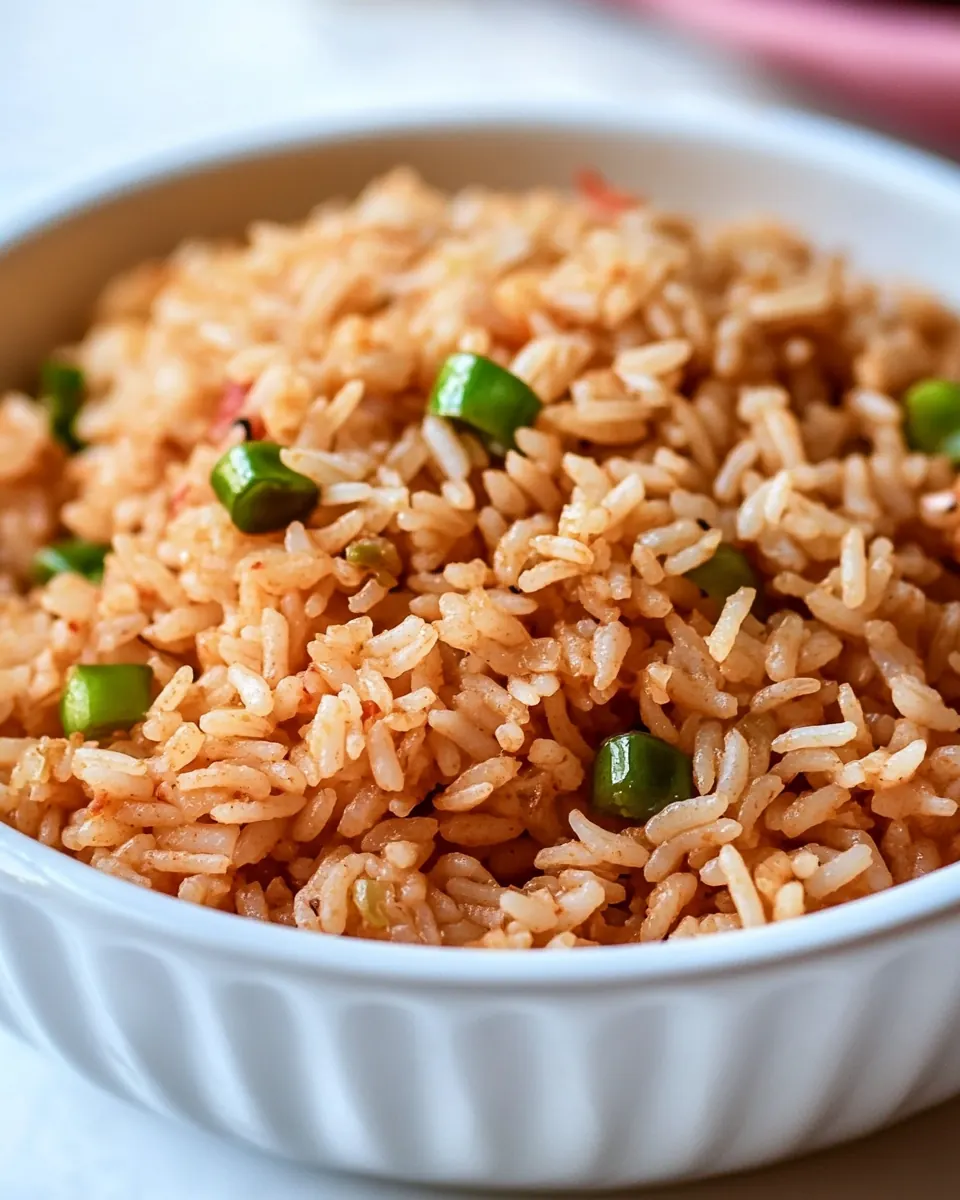
Spanish Rice
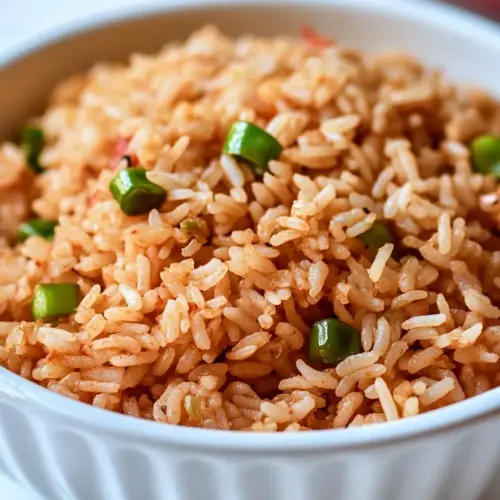
Spanish Rice is the kind of dish I fall back on when I want something comforting and reliably flavorful. The first time I made it for friends, the kitchen filled with the smell of toasted rice and sweet tomato, and everyone lingered at the table longer than usual. I remember juggling a blender and a heavy pot, laughing because my sleeve got a little tomato streak, and how that tiny imperfection somehow made the meal feel homey.
I love how Spanish Rice bridges simple pantry ingredients and a deeply satisfying result. There have been evenings when I pulled out a bag of long grain white rice, a lone clove garlic, and a frozen vegetable mix, and turned it into a plate that felt celebratory. On other nights, I scaled it up for a gathering, watching plates clear as people returned for seconds. It’s forgiving, so if you get distracted it still turns out well, and that reliability is part of why I make it again and again.
One ritual I keep is pureeing fresh, ripe vine ripened tomatoes with a bit of onion. That bright, fresher-than-sauce tomato note gives the rice personality, not just color. I also learned toasting the rice in hot vegetable oil until it sings and takes on a pale gold is where the magic starts. That toasty aroma sets the stage for everything that follows. Over time I tweaked small things, like the pinch of seasoning and when to stir in the frozen peas, carrots, and corn, and now I have a version that feels like mine and, hopefully, will feel like yours too.
Recipe Snapshot
35 mins
5 mins
30 mins
Easy
250 kcal
Mexican
Gluten-Free, Vegan
Dinner
Dutch oven, Blender, Measuring cup, Fork
Why This Spanish Rice Is a Winner
Bright, fresh tomato base
I rely on pureed vine ripened tomatoes instead of canned sauce because the flavor is more alive and slightly sweet, which balances the toasty rice. I find that starting with fresh produce makes the finished dish taste homemade, not processed.
Toasting for depth
Toasting the rice in hot vegetable oil until it turns a light golden creates a nutty aroma that infuses every bite. That first sizzle is important, it adds complexity without extra fuss, and I always resist the urge to rush it.
Umami from a small ingredient
Using a cube of Consomate or a spoonful of tomato paste plus chicken base layers umami into the dish. It’s a subtle trick, but it gives the rice a rounded, savory note that keeps people coming back for more.
Vegetables for color and texture
Adding a thawed blend of peas, carrots, and corn turns the rice from plain to festive. The vegetables add sweet pops and a tender bite that contrast the fluffy grains, making each forkful more interesting.
For every kitchen and skill level
This recipe is forgiving. Whether you cook in a small saucepan or a heavy Dutch oven, the steps are adaptable. I’ve taught friends to make this in under an hour, and it reliably rewards attention without demanding perfection.
Recipe Ingredients for Spanish Rice
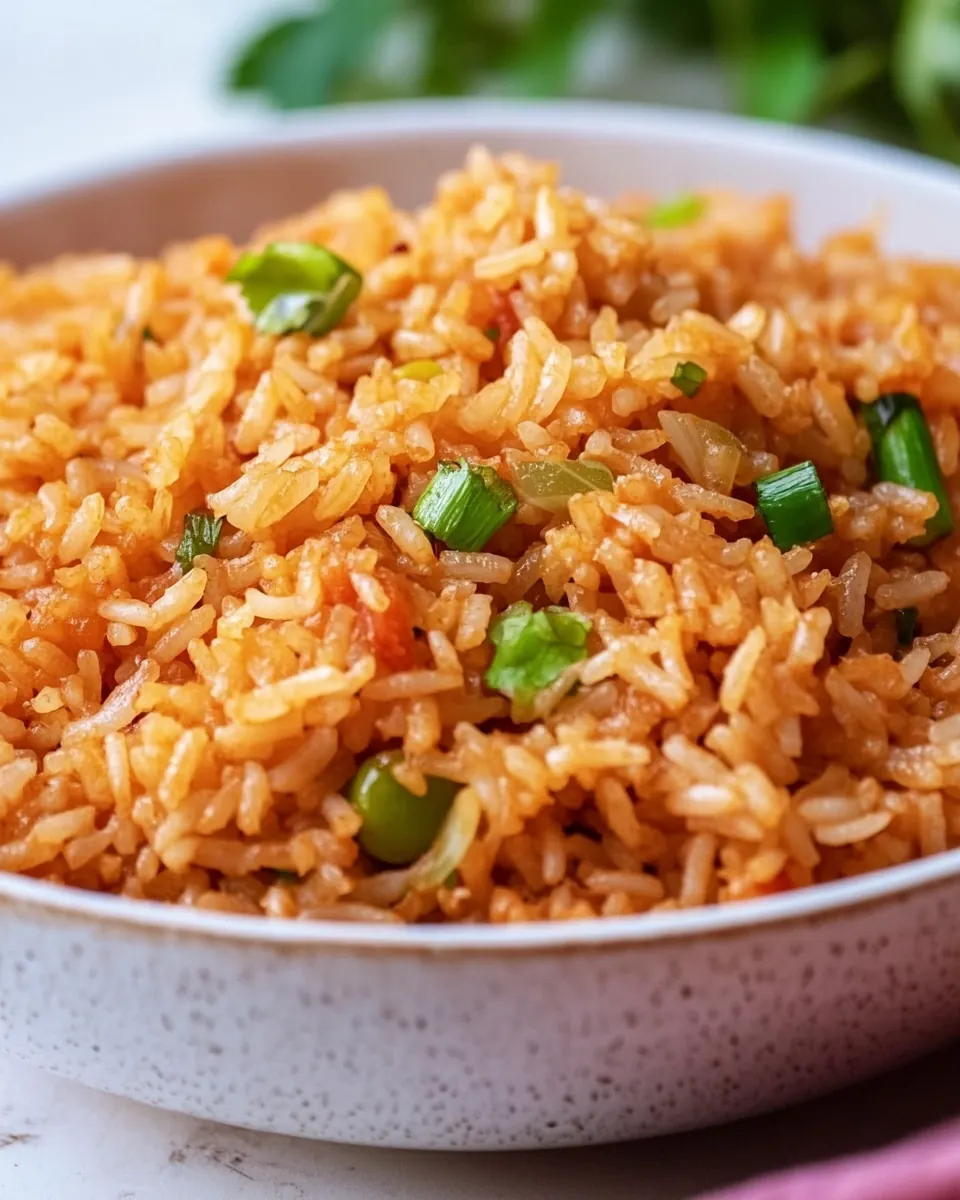
These ingredients are chosen to work together to build layers of flavor. The key players are the rice for texture, the pureed tomatoes and onion for brightness, and the small umami boosters for depth. The vegetable oil helps toast the rice, creating a nutty backbone that holds everything together while the thawed vegetable blend adds color, sweetness, and a satisfying bite.
- 2 medium vine-ripened tomatoes: Provide fresh, juicy acidity and natural sweetness that balance the dish; purée or finely chop before sautéing to release flavor and color into the rice, contributing to the signature tomato base and moisture needed for even cooking.
- 1/4 medium onion peeled and coarsely chopped: Add pungent savory depth and aromatic sharpness when cooked; sweat or lightly sauté with the tomatoes to soften its bite and help build the foundational flavor layers that complement the rice and broth.
- 1/4 cup vegetable oil (see note 1): Coat the rice grains and pan to enable even toasting and cooking while carrying and melding flavors; heat until shimmering before adding rice so it absorbs tomato and aromatic flavors and develops a lightly toasted texture.
- 2 cups long-grain white rice (see note 2): Supply the starchy bulk and primary texture of the dish that absorbs flavored liquid and becomes tender; rinse or not according to preference, then toast in oil to create separated, fluffy grains with a slightly nutty note.
- 1 clove garlic minced: Impart a warm, aromatic garlic flavor and gentle heat; add near the tomatoes or after the rice to prevent burning, releasing aromatic oils that enhance savory complexity throughout the rice.
- 1 cube Consomate tomato-chicken bouillon or 1 tablespoon tomato paste (see note 3): Introduce concentrated tomato and savory umami to intensify the base flavor; dissolve the bouillon cube or tomato paste in the cooking liquid so it disperses evenly and boosts color and depth without excess liquid.
- 1 teaspoon chicken base or vegetable base: Enhance savory, meaty umami richness and roundness; dissolve into the cooking water with other seasonings to create a balanced broth that seasons the rice consistently.
- 2 1/2 cups water: Provide the cooking medium that hydrates and tenderizes the rice while carrying dissolved seasonings; measure accurately and adjust for absorption to achieve properly cooked, fluffy rice.
- 1 cup frozen peas, carrots, and corn blend thawed: Contribute bright color, subtle sweetness, and vegetable texture contrast; stir in toward the end of cooking to heat through without overcooking, preserving their tenderness and visual appeal.
- Salt to taste: Adjust final flavor balance by increasing or decreasing salinity to taste; sprinkle or stir in toward the end of cooking and taste before serving to avoid over-salting.
Making Spanish Rice
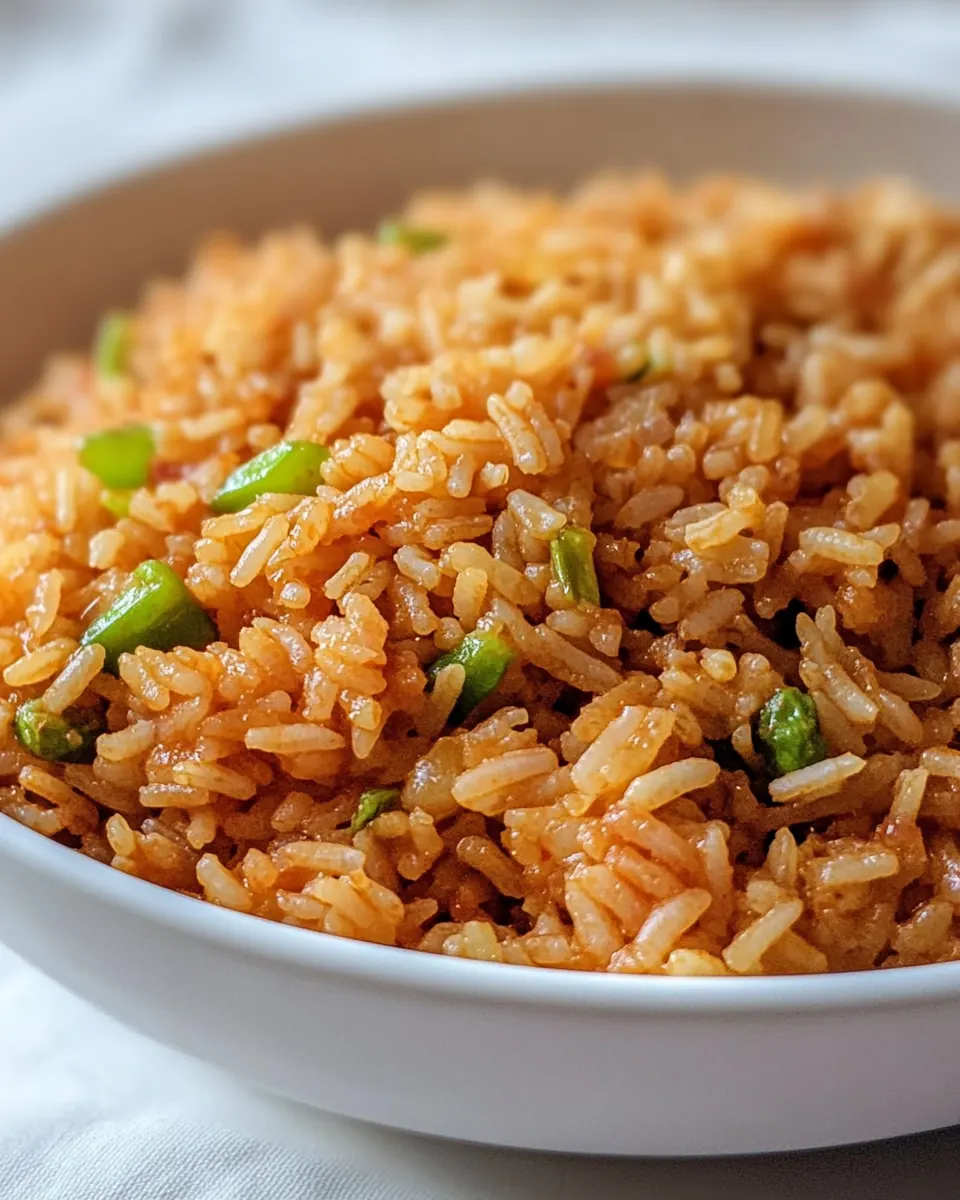
I like to think of these steps as a rhythm more than a strict routine, because timing and observation matter. Keep your tools ready, and pay attention to the smells and colors. The recipe moves quickly once you start, so be present at the stove.
- In a food processor or blender, puree the tomatoes and onions until smooth. Pour into a liquid measuring cup; you should have about 2 cups of puree.: The moment you turn on the blender and the tomatoes whirl, you will smell a fresh, vegetal sweetness that is the backbone of the sauce. The sound should be a steady hum not a grinding clatter, and the texture should be uniformly smooth, without lumps of onion . This matters because smooth puree distributes evenly through the rice , preventing pockets of raw onion from appearing. A common mistake is underblending, which leaves coarse pieces that can steam unevenly in the pot. If your mixture looks too thin, measure it into a liquid cup and note the volume; you should have about two cups. If the puree is very watery, reduce the added water in the recipe to avoid a soupy finish.
- Meanwhile, heat oil in a large Dutch oven or a 3-quart saucepan until shimmering. Add the rice and sauté, stirring frequently, until light golden in color, about 10 to 15 minutes.: When the oil first begins to shimmer, it releases a faint fruity aroma and becomes more fluid, which tells you it is ready for the rice . Pouring the rice into shimmering oil allows each grain to be coated, and as the heat hits, you will hear a soft, even sizzle. Watch for the surface of the oil to move gently, that is your cue. Overheating until the oil smokes will impart a burnt flavor, so lower the heat if you see smoke. Use a heavy pot like a Dutch oven to maintain even heat and avoid hotspots.
- Stir in garlic until fragrant, about 15 seconds. Stir in tomato puree, bouillon, chicken base, water, vegetables, and 1 1/2 teaspoons salt. Bring to a boil.: As you stir, the rice will go from translucent to opaque, then to a pale gold. The aroma shifts from starchy to nutty, and you may notice the pan giving off a warm toasted scent. Stirring frequently ensures even browning and prevents clumping. Rushing or using too high heat can scorch the outsides before the centers toast, resulting in an uneven texture. Aim for a uniformly light gold, and if pieces start to brown too fast, lower the heat and keep stirring.
- Cover and simmer until rice is tender, about 13 to 16 minutes. Fluff rice with a fork and season to taste with additional salt if desired.: When you add the minced garlic , the pan will release an immediate, bright scent that signals it is time to move quickly. The goal is a brief bloom of aroma without browning. Garlic turns from sweet to bitter if left too long in hot oil, so add it and stir constantly for just about the time you would say one one thousand, two one thousand. If the garlic begins to darken, remove the pan briefly from heat to halt further cooking, because bitter garlic will carry through the dish.
- Stir in tomato puree, bouillon, chicken base, water, vegetables, and 1 1/2 teaspoons salt: Adding these liquids and flavorings creates a gentle simmer that the rice will absorb. You should hear a steady bubbling and see the liquid move around the grains. The combined smell becomes rich and savory, a mix of tomato, toasted grain, and savory base. Stir once to distribute ingredients evenly, then bring to a full boil. A common error is not dissolving bouillon or base fully, which can leave gritty pockets of concentrated salt; stir until uniform. The measured salt at this point seasons the grains as they cook, embedding flavor throughout.
- Bring to a boil: When the pot reaches a rolling boil, the surface will be active and lively, with larger bubbles rising and popping regularly. That intensity signals that the pot has reached the right temperature to begin the controlled simmer. Once boiling, immediately reduce heat so the liquid continues at a gentle simmer rather than a vigorous boil, because too much agitation can release excess starch and make the rice gummy. A simmer should look like small, steady bubbles, not a churning boil.
- Cover and simmer until rice is tender, about 13 to 16 minutes: Covered cooking traps steam and cooks the rice through evenly. You will notice the bubbling quiet and the pot emitting a soft, steady steam from the edges. After about 13 minutes, test a grain for tenderness it should be cooked through but still separate. If the surface looks wet with little pools of liquid, it needs a few more minutes; if it is dry but the grains are still firm, add a splash of hot water and continue cooking. Lifting the lid too often releases steam and extends the time, so check sparingly.
- Fluff rice with a fork and season to taste with additional salt if desired: After removing the pot from heat, letting it rest for a minute helps redistribute moisture. When you fluff, use a fork to separate grains gently, watching as steam rises and the aroma deepens. Fluffing prevents packing and encourages a light texture. Taste as you go, because salt needs can vary with bouillon strength. A typical mistake is stirring vigorously with a spoon which crushes grains and makes the rice gummy, so be gentle and patient as you lift and loosen the grains.
Substitutions and Tips
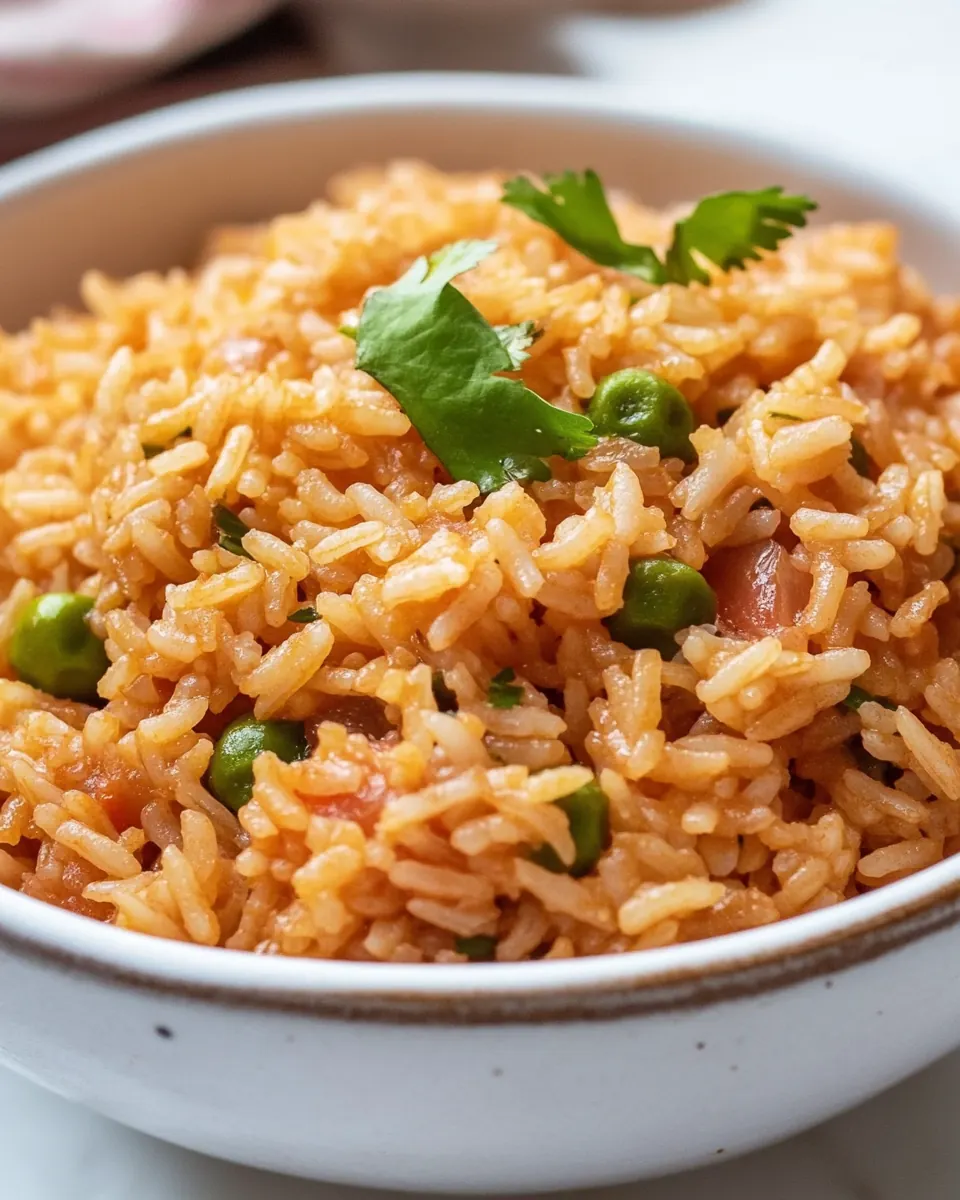
I like to share practical tweaks that keep the heart of the recipe intact while letting you adapt to what you have on hand. Below are tips that expand on the notes and common questions I get when teaching friends to make Spanish Rice.
- Oil choice Use vegetable oil for a neutral flavor, or olive oil for a fruitier note; both help toast the rice effectively.
- Rice swap Long grain white rice is recommended for fluffiness, but if you use brown rice expect a longer cooking time and a chewier texture.
- Consomate alternative If you cannot find Consomate, use tomato paste plus a teaspoon of a savory base, mixing well so there are no concentrated salty bits.
- Make ahead Cooked Spanish Rice stores well in the fridge for up to four days, and I often cool it on a rimmed sheet before packing it into containers to freeze.
- Reheating Gently reheat with a splash of water in a covered pan or microwave to restore steamed texture, stirring occasionally to distribute heat.
What Complements This Spanish Rice
This rice works both as a hearty side and a simple centerpiece, depending on the occasion. For weeknight meals, it pairs with quick proteins; for larger gatherings, it fills platters and warms the table. It travels well for potlucks and fits into seasonal menus, and leftovers are great for quick lunches. Below are serving ideas, storage notes, and pairing suggestions laid out so you can pick what fits your meal.
- Weeknight dinners Serve a scoop of Spanish Rice alongside roasted vegetables or a simple pan seared protein for an easy, balanced plate.
- Family gatherings Make a double batch and serve in a large bowl so guests can help themselves, the colorful vegetable blend keeps it visually appealing.
- Ramadan or special meals This rice complements many mains and reheats well, making it a practical choice for feasts and shared meals.
- Storage Refrigerate leftovers in a covered container for up to four days; cool quickly by spreading on a rimmed sheet before packing to protect texture.
- Freezing Portion into freezer safe containers, label and freeze for up to three months; thaw overnight in the fridge for best results.
- Seasonal pairings In summer, serve with grilled vegetables; in cooler months, pair with braised dishes for comforting contrasts.
FAQ
Conclusion
Spanish Rice stands out for its toasted grain aroma, bright fresh tomato base, and comforting, familiar flavors. It’s a forgiving recipe that scales well, reheats beautifully, and fits many occasions from weeknight dinners to larger gatherings. Give it a try the next time you want a simple but flavorful side that feels made with care. Invite friends or family, let the kitchen fill with that warm, toasty scent, and enjoy how a few humble ingredients can become something memorable.
Spanish Rice
Equipment
- Dutch Oven
- Blender
- Measuring Cup
- Fork
Ingredients
- 2 medium vine-ripened tomatoes Provide fresh, juicy acidity and natural sweetness that balance the dish; purée or finely chop before sautéing to release flavor and color into the rice, contributing to the signature tomato base and moisture needed for even cooking.
- 1/4 medium onion peeled and coarsely chopped Add pungent savory depth and aromatic sharpness when cooked; sweat or lightly sauté with the tomatoes to soften its bite and help build the foundational flavor layers that complement the rice and broth.
- 1/4 cup vegetable oil (see note 1) Coat the rice grains and pan to enable even toasting and cooking while carrying and melding flavors; heat until shimmering before adding rice so it absorbs tomato and aromatic flavors and develops a lightly toasted texture.
- 2 cups long-grain white rice (see note 2) Supply the starchy bulk and primary texture of the dish that absorbs flavored liquid and becomes tender; rinse or not according to preference, then toast in oil to create separated, fluffy grains with a slightly nutty note.
- 1 clove garlic minced Impart a warm, aromatic garlic flavor and gentle heat; add near the tomatoes or after the rice to prevent burning, releasing aromatic oils that enhance savory complexity throughout the rice.
- 1 cube Consomate tomato-chicken bouillon or 1 tablespoon tomato paste (see note 3) Introduce concentrated tomato and savory umami to intensify the base flavor; dissolve the bouillon cube or tomato paste in the cooking liquid so it disperses evenly and boosts color and depth without excess liquid.
- 1 teaspoon chicken base or vegetable base Enhance savory, meaty umami richness and roundness; dissolve into the cooking water with other seasonings to create a balanced broth that seasons the rice consistently.
- 2 1/2 cups water Provide the cooking medium that hydrates and tenderizes the rice while carrying dissolved seasonings; measure accurately and adjust for absorption to achieve properly cooked, fluffy rice.
- 1 cup frozen peas, carrots, and corn blend thawed Contribute bright color, subtle sweetness, and vegetable texture contrast; stir in toward the end of cooking to heat through without overcooking, preserving their tenderness and visual appeal.
- Salt to taste Adjust final flavor balance by increasing or decreasing salinity to taste; sprinkle or stir in toward the end of cooking and taste before serving to avoid over-salting.
Instructions
- In a food processor or blender, puree the tomatoes and onions until smooth. Pour into a liquid measuring cup; you should have about 2 cups of puree.: The moment you turn on the blender and the tomatoes whirl, you will smell a fresh, vegetal sweetness that is the backbone of the sauce. The sound should be a steady hum not a grinding clatter, and the texture should be uniformly smooth, without lumps of onion . This matters because smooth puree distributes evenly through the rice , preventing pockets of raw onion from appearing. A common mistake is underblending, which leaves coarse pieces that can steam unevenly in the pot. If your mixture looks too thin, measure it into a liquid cup and note the volume; you should have about two cups. If the puree is very watery, reduce the added water in the recipe to avoid a soupy finish.
- Meanwhile, heat oil in a large Dutch oven or a 3-quart saucepan until shimmering. Add the rice and sauté, stirring frequently, until light golden in color, about 10 to 15 minutes.: When the oil first begins to shimmer, it releases a faint fruity aroma and becomes more fluid, which tells you it is ready for the rice . Pouring the rice into shimmering oil allows each grain to be coated, and as the heat hits, you will hear a soft, even sizzle. Watch for the surface of the oil to move gently, that is your cue. Overheating until the oil smokes will impart a burnt flavor, so lower the heat if you see smoke. Use a heavy pot like a Dutch oven to maintain even heat and avoid hotspots.
- Stir in garlic until fragrant, about 15 seconds. Stir in tomato puree, bouillon, chicken base, water, vegetables, and 1 1/2 teaspoons salt. Bring to a boil.: As you stir, the rice will go from translucent to opaque, then to a pale gold. The aroma shifts from starchy to nutty, and you may notice the pan giving off a warm toasted scent. Stirring frequently ensures even browning and prevents clumping. Rushing or using too high heat can scorch the outsides before the centers toast, resulting in an uneven texture. Aim for a uniformly light gold, and if pieces start to brown too fast, lower the heat and keep stirring.
- Cover and simmer until rice is tender, about 13 to 16 minutes. Fluff rice with a fork and season to taste with additional salt if desired.: When you add the minced garlic , the pan will release an immediate, bright scent that signals it is time to move quickly. The goal is a brief bloom of aroma without browning. Garlic turns from sweet to bitter if left too long in hot oil, so add it and stir constantly for just about the time you would say one one thousand, two one thousand. If the garlic begins to darken, remove the pan briefly from heat to halt further cooking, because bitter garlic will carry through the dish.
- Stir in tomato puree, bouillon, chicken base, water, vegetables, and 1 1/2 teaspoons salt: Adding these liquids and flavorings creates a gentle simmer that the rice will absorb. You should hear a steady bubbling and see the liquid move around the grains. The combined smell becomes rich and savory, a mix of tomato, toasted grain, and savory base. Stir once to distribute ingredients evenly, then bring to a full boil. A common error is not dissolving bouillon or base fully, which can leave gritty pockets of concentrated salt; stir until uniform. The measured salt at this point seasons the grains as they cook, embedding flavor throughout.
- Bring to a boil: When the pot reaches a rolling boil, the surface will be active and lively, with larger bubbles rising and popping regularly. That intensity signals that the pot has reached the right temperature to begin the controlled simmer. Once boiling, immediately reduce heat so the liquid continues at a gentle simmer rather than a vigorous boil, because too much agitation can release excess starch and make the rice gummy. A simmer should look like small, steady bubbles, not a churning boil.
- Cover and simmer until rice is tender, about 13 to 16 minutes: Covered cooking traps steam and cooks the rice through evenly. You will notice the bubbling quiet and the pot emitting a soft, steady steam from the edges. After about 13 minutes, test a grain for tenderness it should be cooked through but still separate. If the surface looks wet with little pools of liquid, it needs a few more minutes; if it is dry but the grains are still firm, add a splash of hot water and continue cooking. Lifting the lid too often releases steam and extends the time, so check sparingly.
- Fluff rice with a fork and season to taste with additional salt if desired: After removing the pot from heat, letting it rest for a minute helps redistribute moisture. When you fluff, use a fork to separate grains gently, watching as steam rises and the aroma deepens. Fluffing prevents packing and encourages a light texture. Taste as you go, because salt needs can vary with bouillon strength. A typical mistake is stirring vigorously with a spoon which crushes grains and makes the rice gummy, so be gentle and patient as you lift and loosen the grains.
Notes
- Oil choice Use vegetable oil for a neutral flavor, or olive oil for a fruitier note; both help toast the rice effectively.
- Rice swap Long grain white rice is recommended for fluffiness, but if you use brown rice expect a longer cooking time and a chewier texture.
- Consomate alternative If you cannot find Consomate, use tomato paste plus a teaspoon of a savory base, mixing well so there are no concentrated salty bits.
- Make ahead Cooked Spanish Rice stores well in the fridge for up to four days, and I often cool it on a rimmed sheet before packing it into containers to freeze.
- Reheating Gently reheat with a splash of water in a covered pan or microwave to restore steamed texture, stirring occasionally to distribute heat.
